Speedy production dates: an alternative to Hartmann's table?

Posts
445
Likes
1,721
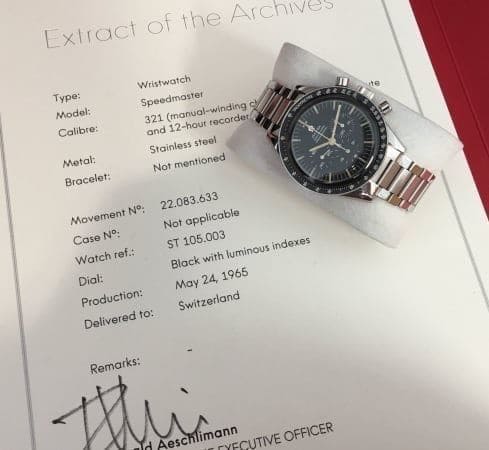
Here is one I found (sorry to say this aint mine)...


Wow, another lovely watch! This whole thing is turning out to be worth it just for the eye candy 馃榾 Well, here goes...

Predicted month number = (7.6916 * 22.083633) - 63.8171 = 106.04
Predicted Year = 1957+ROUNDDOWN(106.04/12,0) = 1965
Predicted Month = ROUND(MOD(106.04,12),0) = 10

So, the model hit the correct year, but was out by 5 months in this case. Still not too bad given that Hartmann's table lists a range of two years for 22xxxxxx serial numbers; 1964 and 1965.

Thanks! At some point I think I'll need to incorporate the new info in this thread into an updated model.
 
Posts
445
Likes
1,721
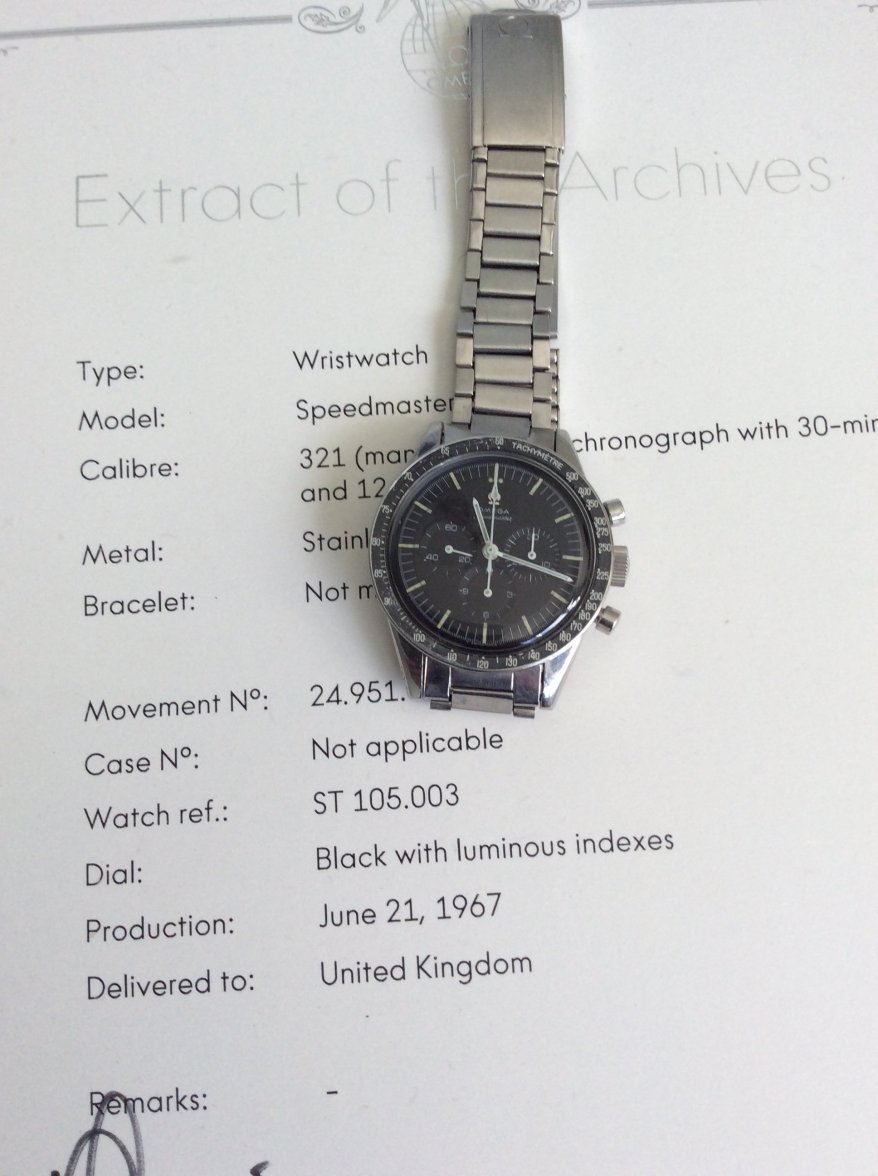
Would you believe mine was produced six days later! It is a 65, Simon, who was at STS then, showed me the case back when I took it for servicing in March. It's odd that an earlier production date on a 145.003 has higher reference number. This is a fascinating topic, I wonder if any other OF members can get closer numbers/dates for their Speedmasters?

So, the results for this one should be similar. Here goes...

Predicted month number = (7.6916 * 24.951000) - 63.8171 = 128.09
Predicted Year = 1957+ROUNDDOWN(128.09/12,0) = 1967
Predicted Month = ROUND(MOD(128.09,12),0) = 8

Yep, out by just two months. Thanks 馃憤 But seriously, you guys are killing me with these lovely Eds!! 馃榾
 
Posts
1,775
Likes
7,717
I'm sort of an imbecile when it comes to anything that smells like mathematics, but how does
ROUND(MOD(xxx.xx,12),0) = y work?
 
Posts
445
Likes
1,721
I'm sort of an imbecile when it comes to anything that smells like mathematics, but how does
ROUND(MOD(xxx.xx,12),0) = y work?

Oh, don't worry, I'm a total hack myself. The key here is the modulus operator. It gives you the remainder after a division. The objective of this calculation is just to get how many months are left after counting the years since 1957. In plain English this calculation essentially says: to the nearest whole number, what's the remainder after I divide the month number by 12.

There are probably people who actually know what they are doing who are slapping their foreheads hard and with both hands right now! But that's OK, feedback is good 馃憤
 
Posts
1,775
Likes
7,717
There are probably people who actually know what they are doing who are slapping their foreheads hard and with both hands right now! But that's OK, feedback is good 馃憤

... And then there are people with mad maths skillz so bad that they require a full minute to find out whether the cashier has given them back enough change or was duped (again).
 
Posts
2,578
Likes
11,935
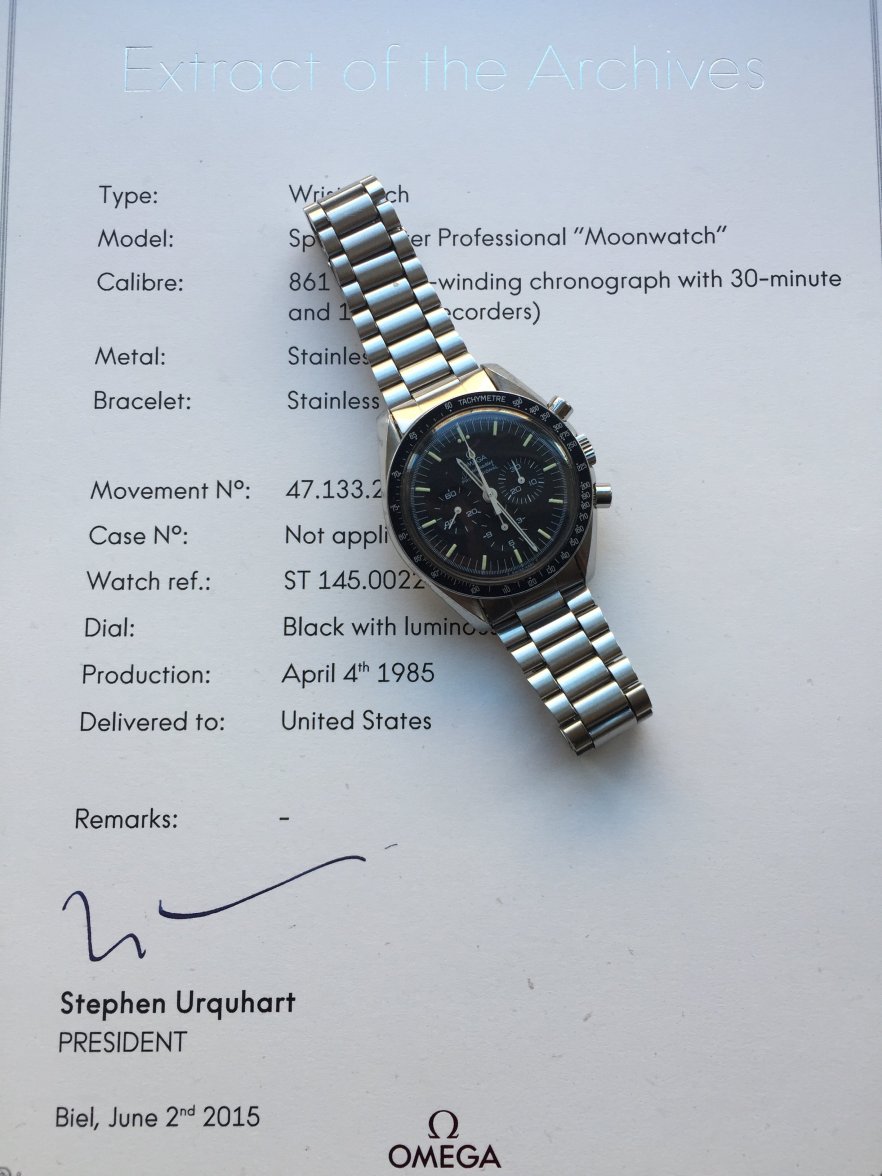
@WurstEver that is incredible research. Very very interesting. It would indeed be fun to see a calculation with a larger data sample and to see the f(x) ex for the period 1980-1989. I have a 145.022 with serial no. 47.133.2XX with an extract dating it to April, 1985.
 
Posts
1,819
Likes
5,923
Fantastic work @WurstEver 馃榾 From a fellow serial number collector, this is fantastic stuff.

There are probably people who actually know what they are doing who are slapping their foreheads hard and with both hands right now! But that's OK, feedback is good 馃憤

I spend most of every day in Excel. There are a myriad of ways of accomplishing anything in Excel and the only bad ways are the ones you don't fully understand. So as long as you understand your approach, you're good! 馃憤

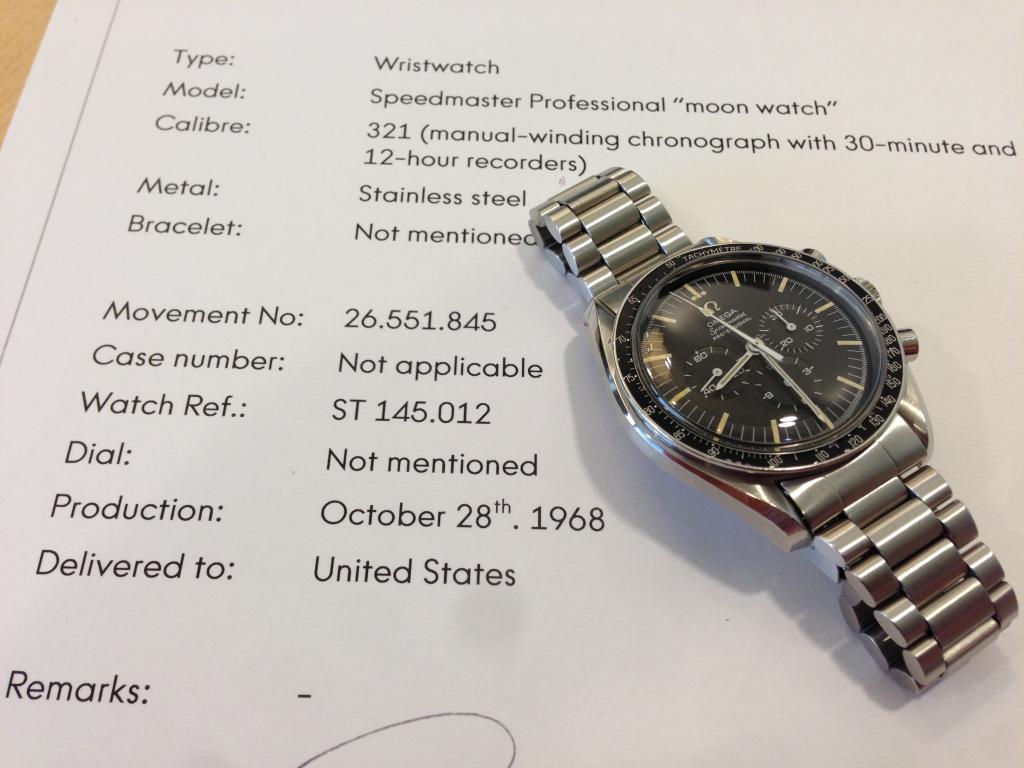
Here's my tiny contribution - a 145.012-67 I sold long long ago:
 
Posts
445
Likes
1,721
Thanks so much for the kind words and the great contributions! I'm glad you guys have found this interesting. I'll incorporate the new extracts into an update over the next few days 馃榾
 
Posts
4,114
Likes
16,317
@WurstEver If you want to make a web based tool for that I'd be happy to work on it together and host/run it 馃憤 Feel fre to pm me if you like the idea 馃槈
Edited:
 
Posts
2,578
Likes
11,935
Some additional data to test your Algorithms if you want 馃槈

View attachment 381262

If you want to make a web based tool for that I'd be happy to work on it together and host/run it 馃憤 Feel fre to pm me if you like the idea 馃槈

That is really interesting. Two Speedy's just two days apart - April 2. and 4. (see mine) but serial no. are 2 million apart.
 
Posts
4,114
Likes
16,317
Yes, interesting indeed 馃憤 the logic is : there is no logic 馃槈
 
Posts
5,059
Likes
15,582
@kov Need to find out where you live, and practice my ninja-robber-skills 馃槈

Edit : before I get crucified, for those with no sense of humor or not-so-good-english skills, that was intended as highly-complimentary joke...
Edited:
 
Posts
4,114
Likes
16,317
@kov Need to find out where you live, and practice my ninja-robber-skills 馃槈

After reporting this post to mods, the local police and the Mossad, I realized that you can come over - there's only rarely something valuable and interesting to ninja at my place 馃嵖
Edited:
 
Posts
2,578
Likes
11,935
@kov Need to find out where you live, and practice my ninja-robber-skills 馃槈

Edit : before I get crucified, for those with no sense of humor or not-so-good-english skills, that was intended as highly-complimentary joke...

Was it Shakespeare that said "Many a true word has been spoken in jest" 馃榿
 
Posts
5,059
Likes
15,582
Was it Shakespeare that said "Many a true word has been spoken in jest" 馃榿

Tis' true, but alas, methinks this only applies to the better half in thine life ... or sumfink like dat ...
 
Posts
445
Likes
1,721
Yes, interesting indeed 馃憤 the logic is : there is no logic 馃槈

Awesome! Thanks for the contributions, guys! I have a feeling that when we get enough observations from later years we'll see that something changed around the 80s and the relationship between serial number and production date will be at least different, and maybe less predictable than during the 60s and 70s. The question then becomes; what exactly changed and when?

Very cool, thanks again 馃憤
 
Posts
5,059
Likes
15,582
Awesome! Thanks for the contributions, guys! I have a feeling that when we get enough observations from later years we'll see that something changed around the 80s and the relationship between serial number and production date will be at least different, and maybe less predictable than during the 60s and 70s. The question then becomes; what exactly changed and when?

Very cool, thanks again 馃憤

Even if the later data changes the straight line to Nth order polynomial, as long as it can fit tightly this is a promising method. The tables do stop round 2000...that's almost 20 years of gap that needs filling (and they are not so accurate). And time marches on.

The only way this could not work is if the whole 'chaos parts bin' theory were correct i.e. several years worth of parts (serial numbers) are picked randomly over several years, whilst newer numbers are put into the bin before all the old ones are used, and so on and so forth, leaving similar numbers to appear all over the decades.

That said, the Swiss form an extremely well ordered and logical society, so my money would be that their stuff is ordered as hell (more so now than in the old days), and they would use a kindof First In First Out approach to a certain degree. But as with everything, this may be wrong 馃槖

Thank you very much WurstEver... now to simply to gather enough data...
 
Posts
880
Likes
5,665
I'm in.

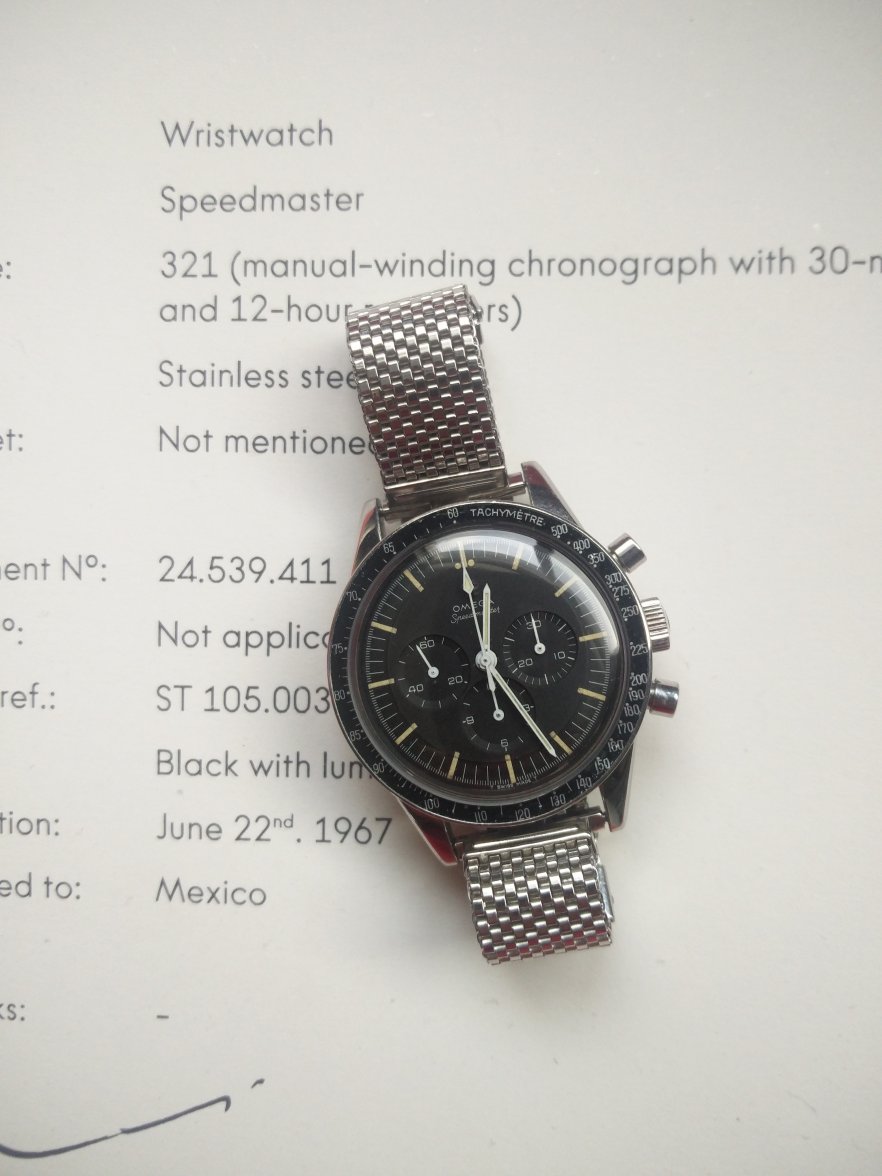
I'm confused, this watch was made the day after mine (see previous post in this thread) and yet the movement number is 400k earlier! Did Omega have many 321 movements on the shelf so that the movement number in a particular watch was to an extent random?