- Posts
- 20
- Likes
- 8
Linas
·Some background - I bought a new Speedmaster Racing (329.30.44.51.01.001) directly from Omega a little over five years ago. From day one, I had issues with moisture ingress. It went back to Omega for warranty service at around 16 months, then again the following year and again the year after that. So three times in the five‑year warranty period.
Since then, I have bought other watches and started jokingly calling this one my “office/indoor” watch because it was absurdly sensitive to steaming up. And just to be clear - I was extremely careful with it, especially after the first incident. I’m not someone who dives with a 50m watch. I treated it more gently than any other watch I own, yet it kept getting moisture inside. In total, it’s probably steamed up around eight times over five years.
Every time I sent it in, I specifically asked Omega to get to the bottom of it. I said I didn’t care about the cost - I just wanted the root cause fixed because this behaviour clearly wasn’t normal. And every time the answer was the same - “we tested it, it passed the water‑resistance test, we cleaned it, resealed it and it’s all good”. They never charged me, but the problem always came back. I had no basis to challenge them because I don’t have ten Speedmasters to compare it to - just a gut feeling that something wasn’t right.
Last month it happened again. I was digging snow with gloves on (long story), and a tiny amount of snow got under the glove. Honestly, even with one of my vintage Speedies I wouldn’t have thought twice about that, just a trace amount of melting snow. But this watch steamed up immediately. Okay - it was +20 in the car and -20 outside, temperature difference may have played the role, but still the amount of water that went onto the watch was less than you would get when washing hands.
The watch is now five months out of warranty, I sent it to Omega again. Same story - “it passes the tests”, except now the service is chargeable. They offered a 50% goodwill discount due to the history, which I appreciate. Then I received the estimate. Normal wear and tear items aside, they recommend replacing the dial and hands due to oxidation (£1500), which I’m not convinced is necessary. But the key line is this - “the tube of the watch case is damaged.”
So here’s my question to other Omega owners and watchmakers - am I right in thinking that a crown tube does not get damaged through normal wear?
Nobody has ever opened this watch except Omega. It’s been serviced three times by them and the moisture issues started from day one (first time going close the water) - long before anything could reasonably “wear out.” To me, a damaged crown tube sounds like the most logical explanation for all the sealing problems I have had since day one. The crown tube is one of the primary sealing interfaces and if it was defective, misaligned or damaged from the factory (or damaged during the service), that would explain all the issues... isn't it?
What I find contradictory is that Omega says the watch “passes the tests”, yet also says the crown tube is damaged to the point it needs replacement. Those two statements don’t really align. Given the history, does it seem likely that this was a pre‑existing manufacturing or assembly defect and that’s why I have had such a rough time with this watch?
I would really appreciate opinions from people who know these watches inside out, am I wrong challening Omega on this?
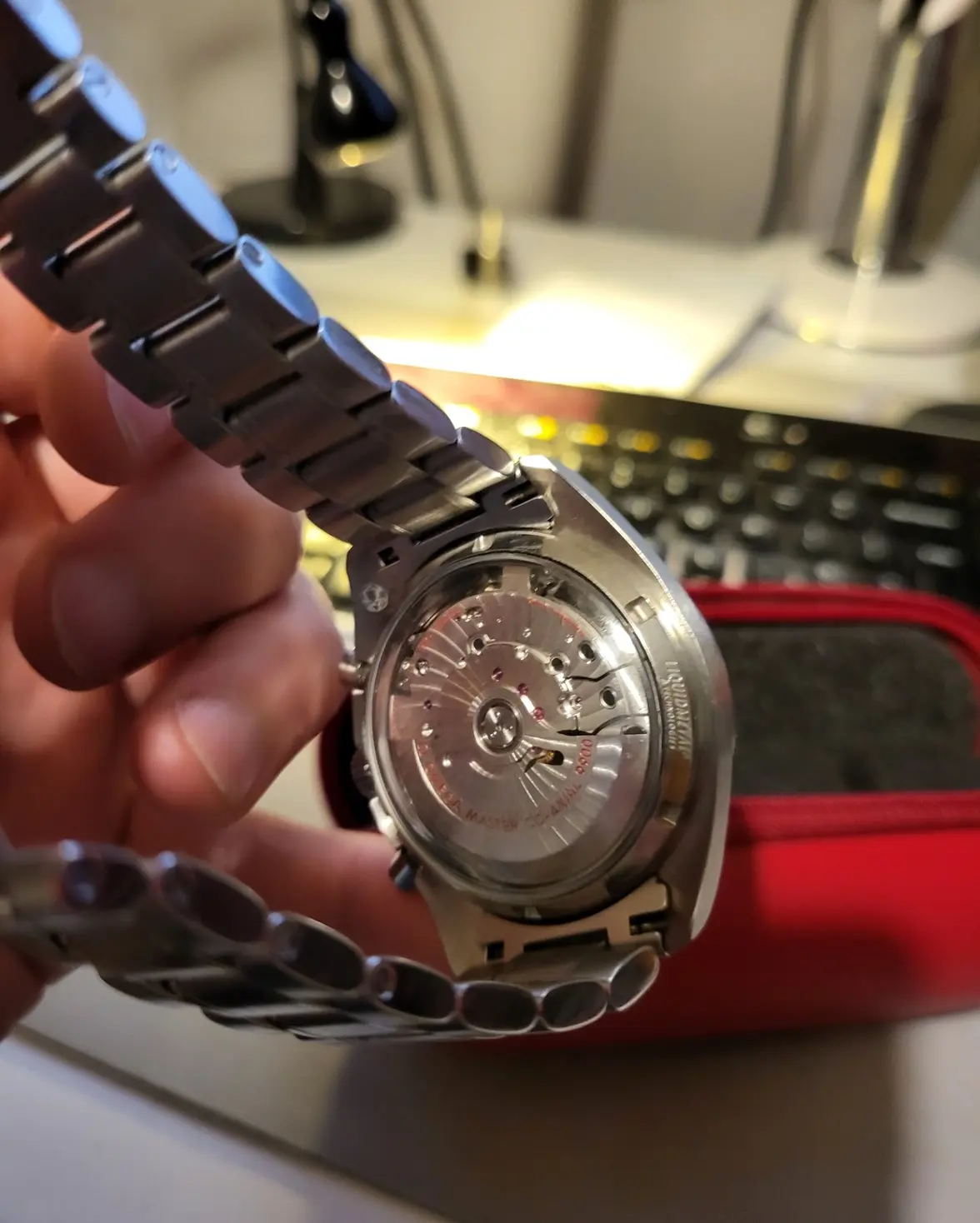
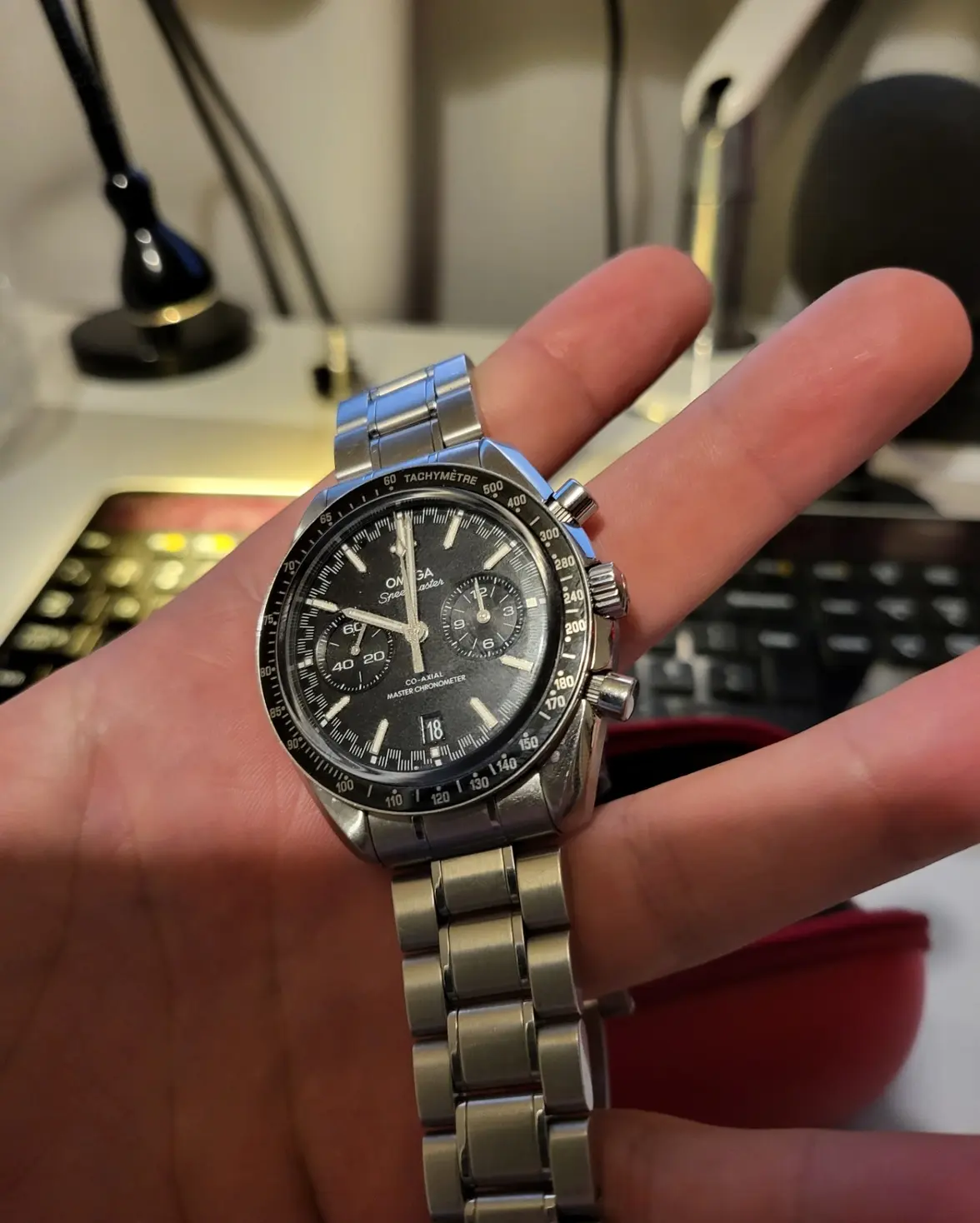
Since then, I have bought other watches and started jokingly calling this one my “office/indoor” watch because it was absurdly sensitive to steaming up. And just to be clear - I was extremely careful with it, especially after the first incident. I’m not someone who dives with a 50m watch. I treated it more gently than any other watch I own, yet it kept getting moisture inside. In total, it’s probably steamed up around eight times over five years.
Every time I sent it in, I specifically asked Omega to get to the bottom of it. I said I didn’t care about the cost - I just wanted the root cause fixed because this behaviour clearly wasn’t normal. And every time the answer was the same - “we tested it, it passed the water‑resistance test, we cleaned it, resealed it and it’s all good”. They never charged me, but the problem always came back. I had no basis to challenge them because I don’t have ten Speedmasters to compare it to - just a gut feeling that something wasn’t right.
Last month it happened again. I was digging snow with gloves on (long story), and a tiny amount of snow got under the glove. Honestly, even with one of my vintage Speedies I wouldn’t have thought twice about that, just a trace amount of melting snow. But this watch steamed up immediately. Okay - it was +20 in the car and -20 outside, temperature difference may have played the role, but still the amount of water that went onto the watch was less than you would get when washing hands.
The watch is now five months out of warranty, I sent it to Omega again. Same story - “it passes the tests”, except now the service is chargeable. They offered a 50% goodwill discount due to the history, which I appreciate. Then I received the estimate. Normal wear and tear items aside, they recommend replacing the dial and hands due to oxidation (£1500), which I’m not convinced is necessary. But the key line is this - “the tube of the watch case is damaged.”
So here’s my question to other Omega owners and watchmakers - am I right in thinking that a crown tube does not get damaged through normal wear?
Nobody has ever opened this watch except Omega. It’s been serviced three times by them and the moisture issues started from day one (first time going close the water) - long before anything could reasonably “wear out.” To me, a damaged crown tube sounds like the most logical explanation for all the sealing problems I have had since day one. The crown tube is one of the primary sealing interfaces and if it was defective, misaligned or damaged from the factory (or damaged during the service), that would explain all the issues... isn't it?
What I find contradictory is that Omega says the watch “passes the tests”, yet also says the crown tube is damaged to the point it needs replacement. Those two statements don’t really align. Given the history, does it seem likely that this was a pre‑existing manufacturing or assembly defect and that’s why I have had such a rough time with this watch?
I would really appreciate opinions from people who know these watches inside out, am I wrong challening Omega on this?


