Questions on a 30sct2

Posts
221
Likes
1,400
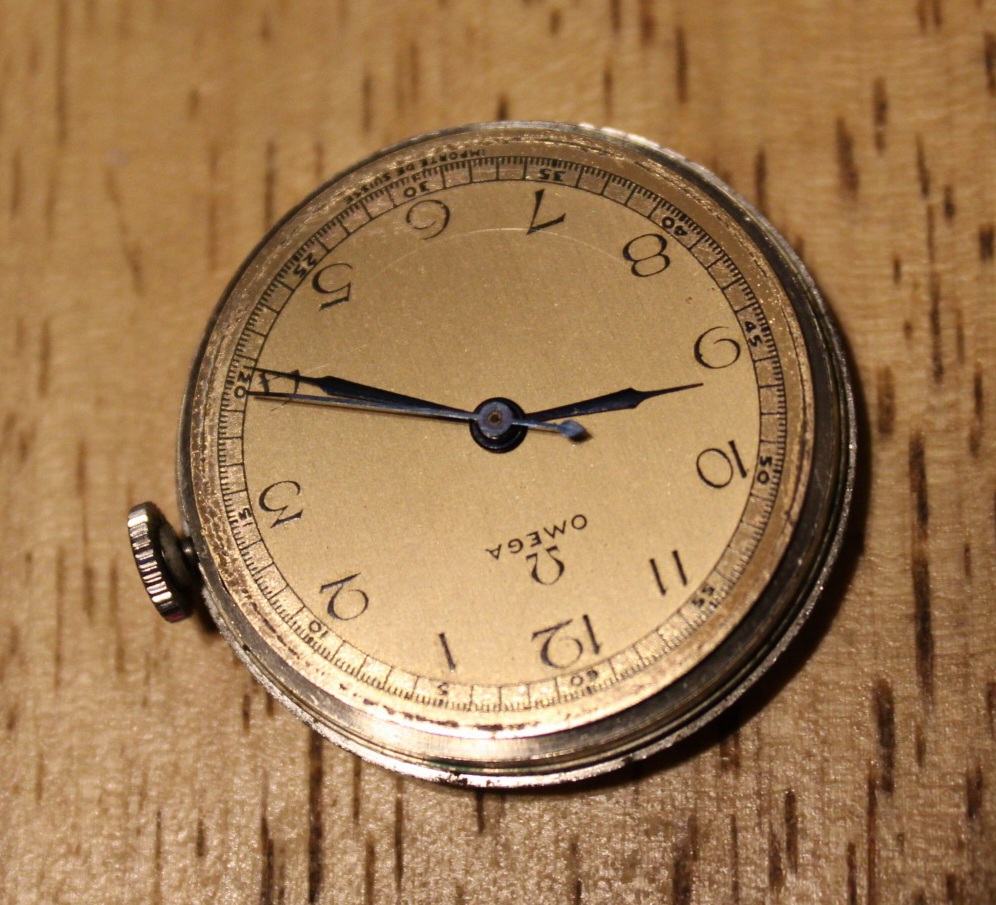
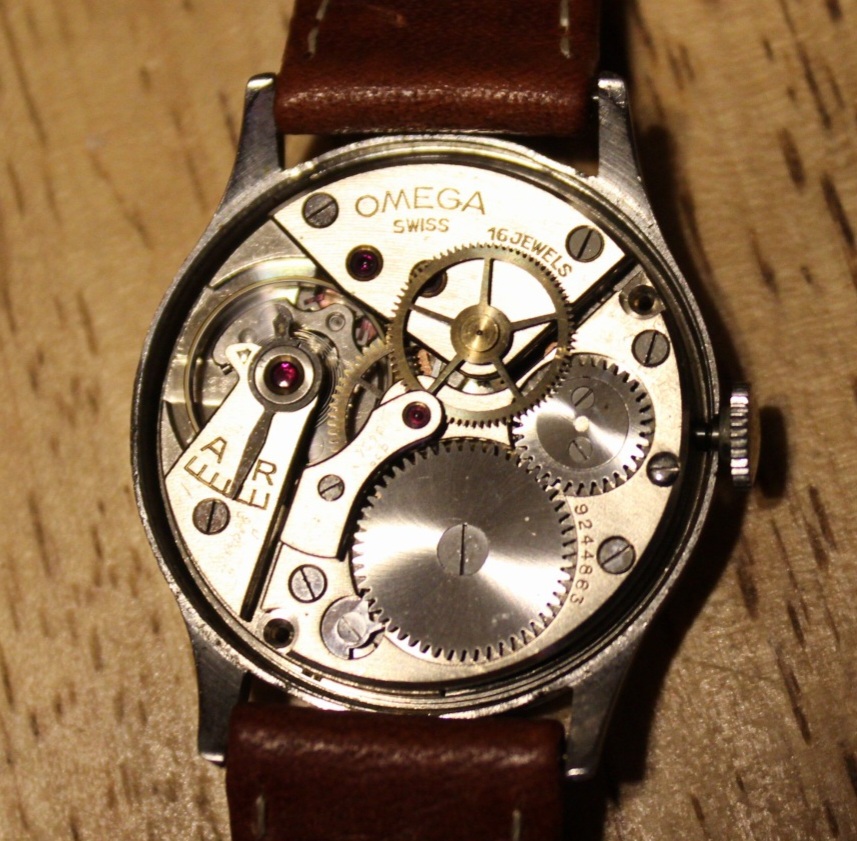
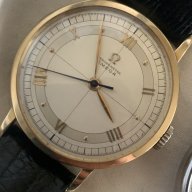
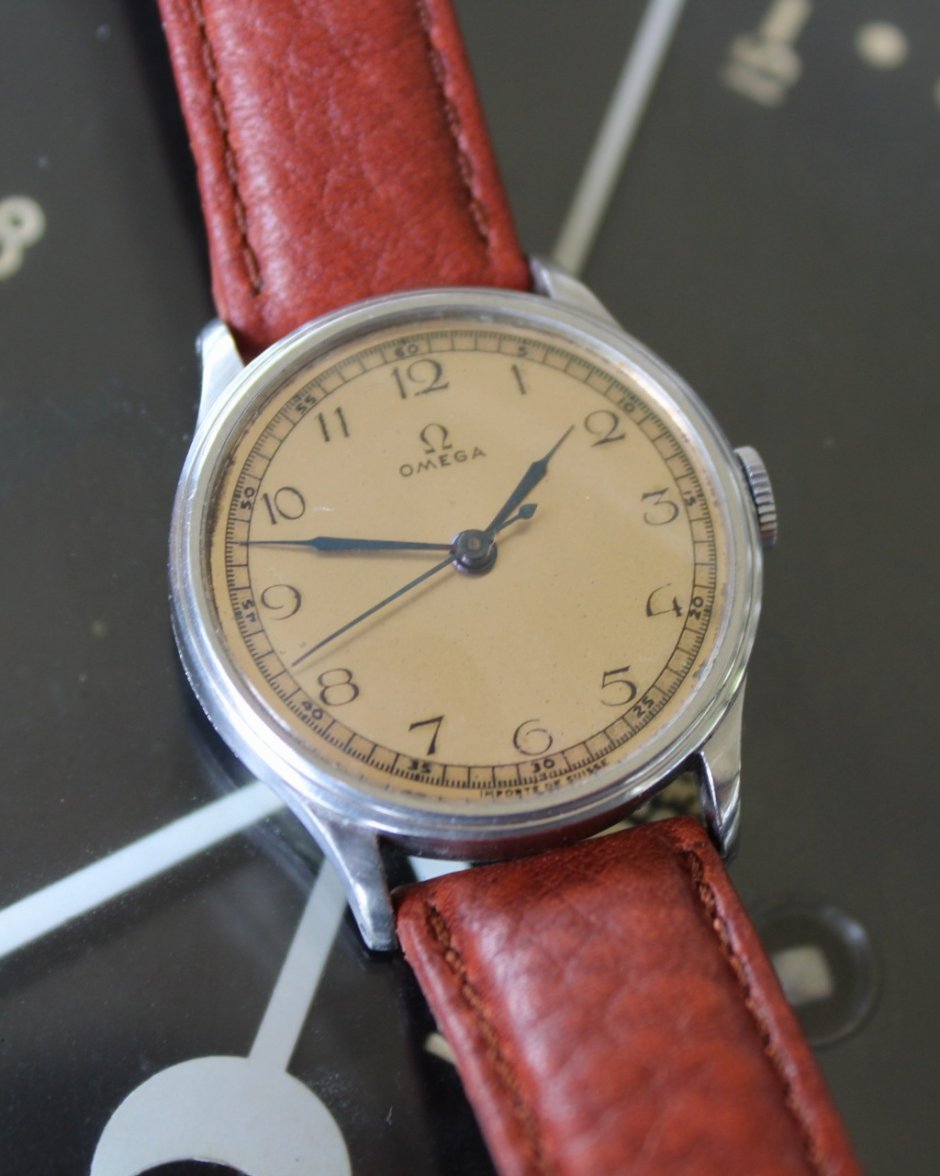
I attended a watch show in Wichita, KS this past weekend and came home with this 30sct2, among others.

I didn't find a ref. number inside, is this typical? The movement dates to 1939 from what I can tell and appears correct to me.

The dial is marked Importe de Suisse, which I had not been familiar with. I have come across info stating Canada and France used that marking through the early 20th century.

The Case is just over 33mm, with 18mm lugs.

Here are some pics, let me know what you think!
 
Posts
3,534
Likes
7,565
looks all original and in good condition.
Seconds hand has obviously been clipped - hence is a tad short
 
Posts
8,011
Likes
28,137
Ya done good, as they say in Paris...Texas. 😁

It looks to be in very good condition overall, and the dial, even considering the apparent scratch, is nice.

Congrats!
Edited:
 
Posts
221
Likes
1,400
Thanks! Are there Ref. numbers for these?

I'm not sure on the fat E. Overall I thought the dial appreared correct, but I'm not an expert by any means.
 
Posts
2,121
Likes
1,307
Movement looks clean, but dial has been refinished. Mark on dial edge at 3:00

DON
 
Posts
3,534
Likes
7,565
Movement looks clean, but dial has been refinished. Mark on dial edge at 3:00

DON

Nope
This assumption is published repeatedly on forums but it does not become true by repeating it again and again. This is no sure indication for a redial, it can be but this is no 100% rule, - I have found these notches on many NOS dials, even on 30 Rg chronometres.
The vertical grinding on this dial is present and very fine. I have never seen this executed so perfectly on any restored dial. This is a crucial feature which dial-restorers can´t re-apply properly.
 
Posts
1,854
Likes
5,412
Nice watch !
« Importé de Suisse », implies it was made for the french market and its colonies.
 
Posts
606
Likes
785
Agree with Erich, dial is fine. The "E" is the only little problem, it could either be a plexy reflection problem, or a tiny drop of oil causing the smear, or some overzealous person retouching it, by hand. Change the seconds hand and you are going.
F
 
Posts
17,646
Likes
36,912
I think you did well.
I'd be pleased to have it in my drawer, even with all of its faults 😉.
 
Posts
221
Likes
1,400
Nope
This assumption is published repeatedly on forums but it does not become true by repeating it again and again. This is no sure indication for a redial, it can be but this is no 100% rule, - I have found these notches on many NOS dials, even on 30 Rg chronometres.
The vertical grinding on this dial is present and very fine. I have never seen this executed so perfectly on any restored dial. This is a crucial feature which dial-restorers can´t re-apply properly.

I awoke this morning and was surprised and skeptically happy to read this. I had not noticed the mark, but had always heard that such a mark was a clear sign of a re-dial. As I mentioned before I'm not an expert, but I like to learn all I can.

What is the line of thought regarding original dials with notches?

Thanks all!
 
Posts
221
Likes
1,400
I've searched and read what I've been able to find. It seems there is conflicting information but that many agree original dials have these marks or notches.

I don't know if it's for the manufacturer to align dials correctly, or if there could be another reason? It does seem that this would be helpful especially on dials without applied markers. Would pulling the dial and seeing the back help?
 
Posts
3,534
Likes
7,565
it's for the manufacturer to align dials correctly

This!
Specially on complicated dials with fine structures like the two-tone railroad seconds track or on chronograph dials...
 
Posts
221
Likes
1,400
Any tips on where/how to get a correct seconds hand?

Also, would an EOA be beneficial in any way? I enjoy learning and knowing the history of things so it may be worth it just for my own curiosity. I know what the EOA is broadly, but I've not requested one before and not sure if it would be available or have any more info than I already know?
 
Posts
221
Likes
1,400
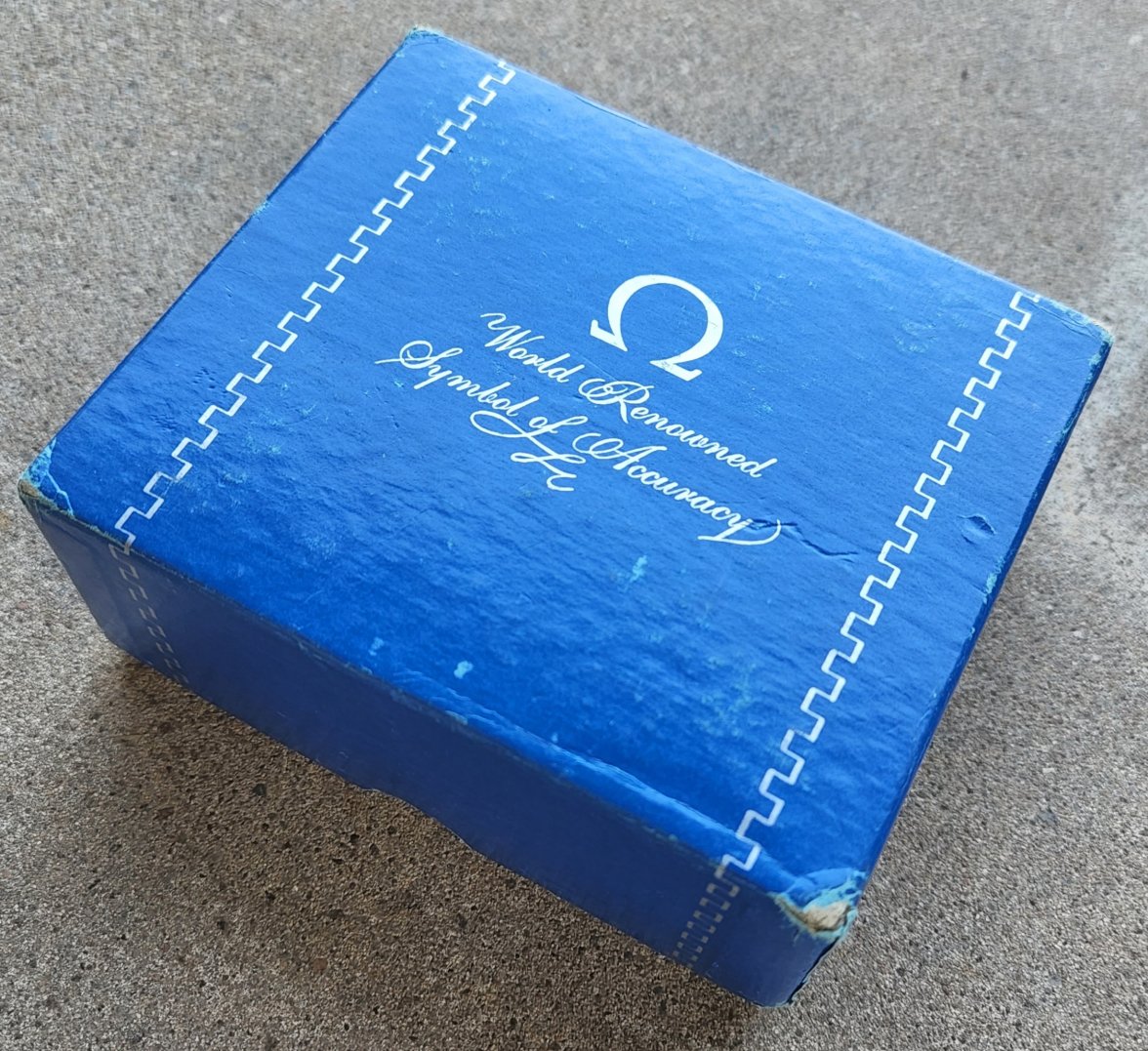
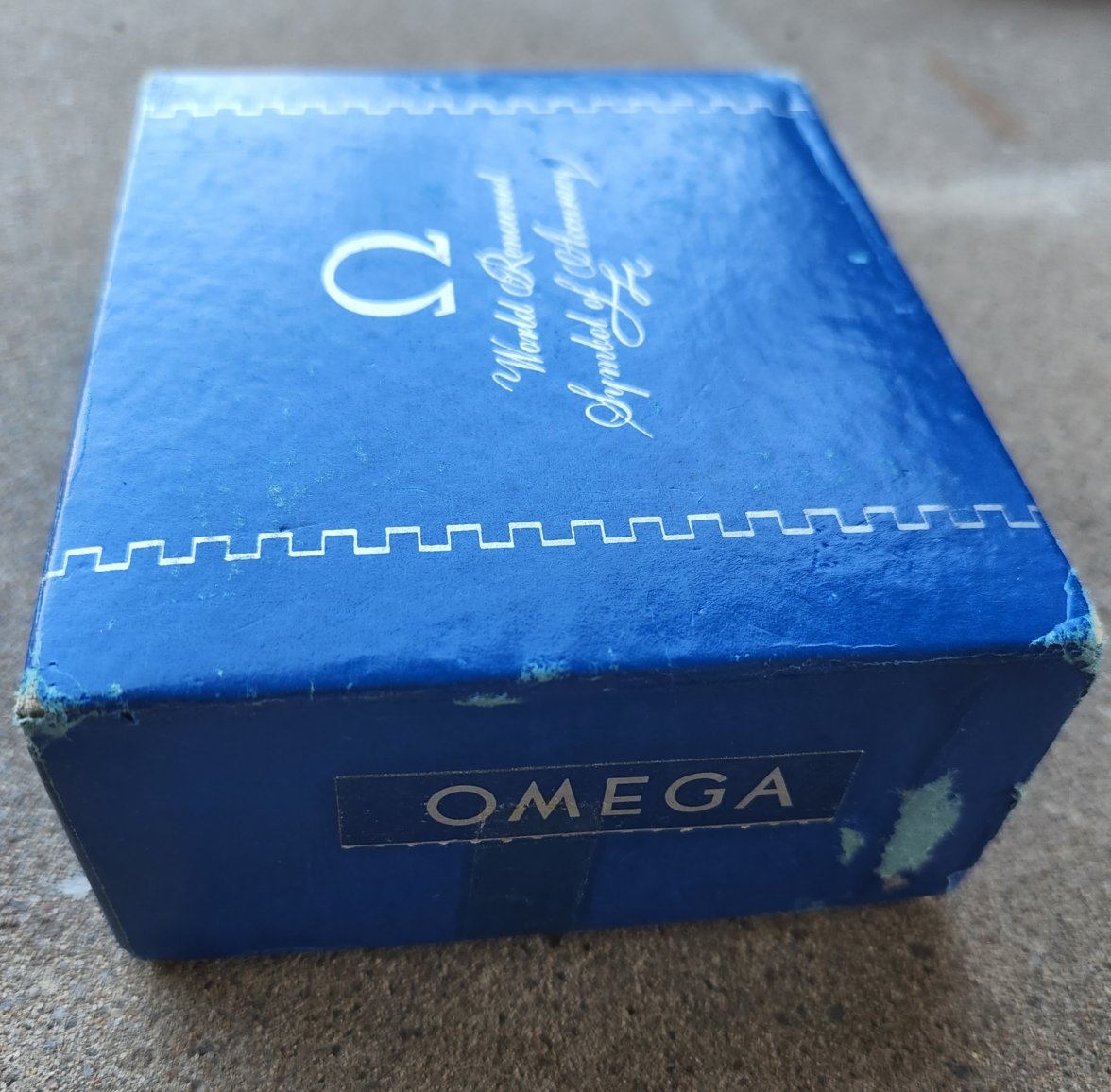
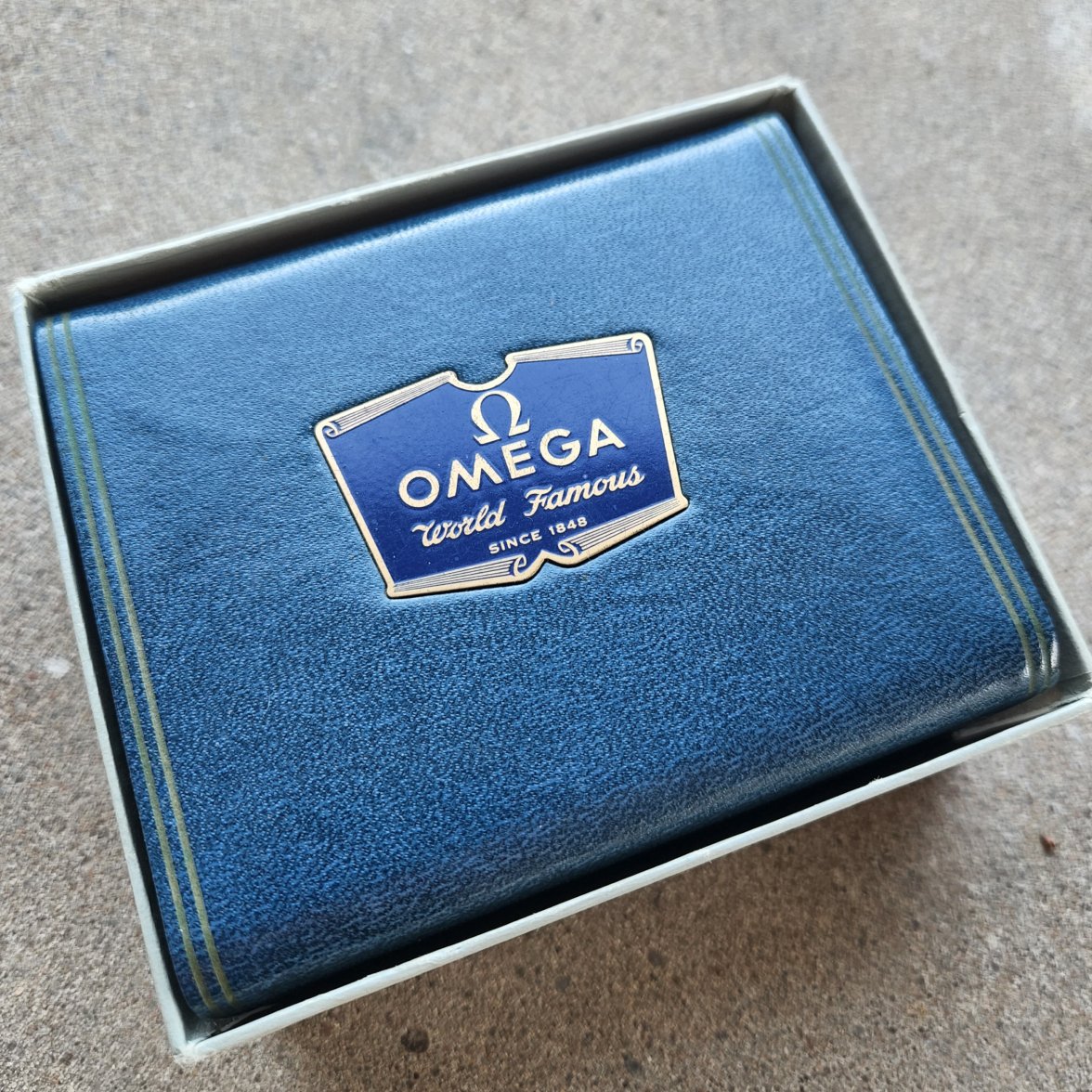
The watch came with this outer and inner box. Does anyone know if these are correct?
 
Posts
3,534
Likes
7,565
concerning the EoA: I don´t know if it is worth to order one for this watch. We may assume that it was sold to the French market (including French colonies). Maybe it confirms this for your ease of mind - could be an indirect proof this way that the dial is original to this watch...

the boxes you show are much younger and didn´t come from Omega with this watch.
 
Posts
221
Likes
1,400
Thanks again! I'm confident with the consensus of the group that the dial is original.

I appreciate the input and expertise of everyone. Glad I picked this one up.
 
Posts
2,121
Likes
1,307
Guy0783 said:
it's for the manufacturer to align dials correctly

This!
Specially on complicated dials with fine structures like the two-tone railroad seconds track or on chronograph dials...

Then wouldn't all the dials have this mark?

Dial refinishers who do one off pieces mark the dial to make sure of proper orientation

A manufacture would have a pre-made jig for the dial posts to align in order to facilitate a steady production pace.

Complicated dials - Different pads would be used and alignment set up with test samples for each pad or all printing done with a single pad and plate.

Still going to stand by my original assessment

Just my opinion

Higher quality images would help though

DON