- Posts
- 15,912
- Likes
- 47,733
Canuck
·I’ll let it run for a day or so, on the wrist. Timing machines are useful in the repair of a watch, in terms of ironing out watch conditions that cause significant variations in rate. But I feel that final adjusting is best done after actually wearing the watch. This one has gained 3 seconds after 12 hours on the wrist. Even though the timing machine shows a slight loss in all six positions. This watch is not rated as a chronometer, and probably was only timed to three positions at the factory. So testing it to six positions as I did, is sort of an acid test! Besides, this watch (and yours) don’t have micrometer regulators, and adjusting these standard non-micrometer regulators for seconds per day is a crap shoot. If you can see how much you’ve moved it, you’ve moved it too far. This exercise (with my watch) is useful to point out either that yours has problems that have not been attended to during the servicing it was supposed to have had, or it simply was NOT serviced!
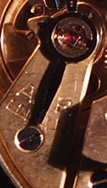
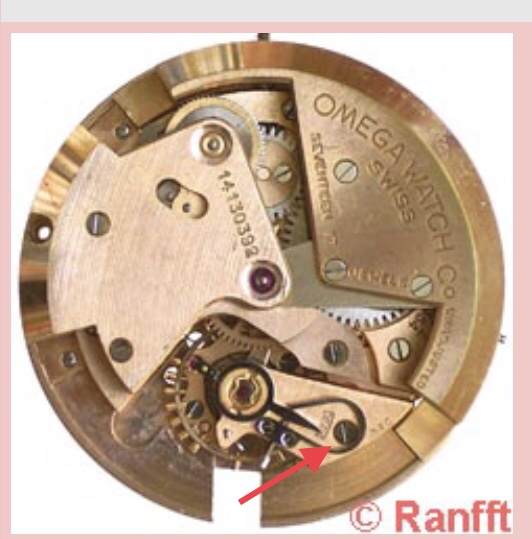
I’ve shown two images. One shows a standard regulator (yours and mine), and the one with the arrow shows a micrometer regulator which is better when adjusting for seconds in a day.