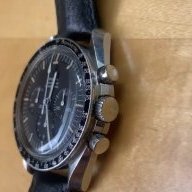
If a watch has a very severe drop in amplitude from horizontal to vertical, or is below the minimum amplitude 24 hours after full wind, that doesn't tell you what the cause of that is.
This is only part of diagnosing a watch - as I've said before amplitude can give you some information, but not always all the information you need. In my view it needs to be combined with a thorough visual inspection of the movement, to see if oils are dry, or if there are any other signs of problems, such as products of wear collecting in a jewel. I've posted some examples of the thigns I look for here:
Problems like the hole in the main bridge being worn oval (very common on both 321's and 861/1861 versions) you are only going to see that once some level of disassembly has been completed. So in that sense, there's always going to be a gamble to some degree, because you have no idea what you are really getting until it's all taken apart and inspected.
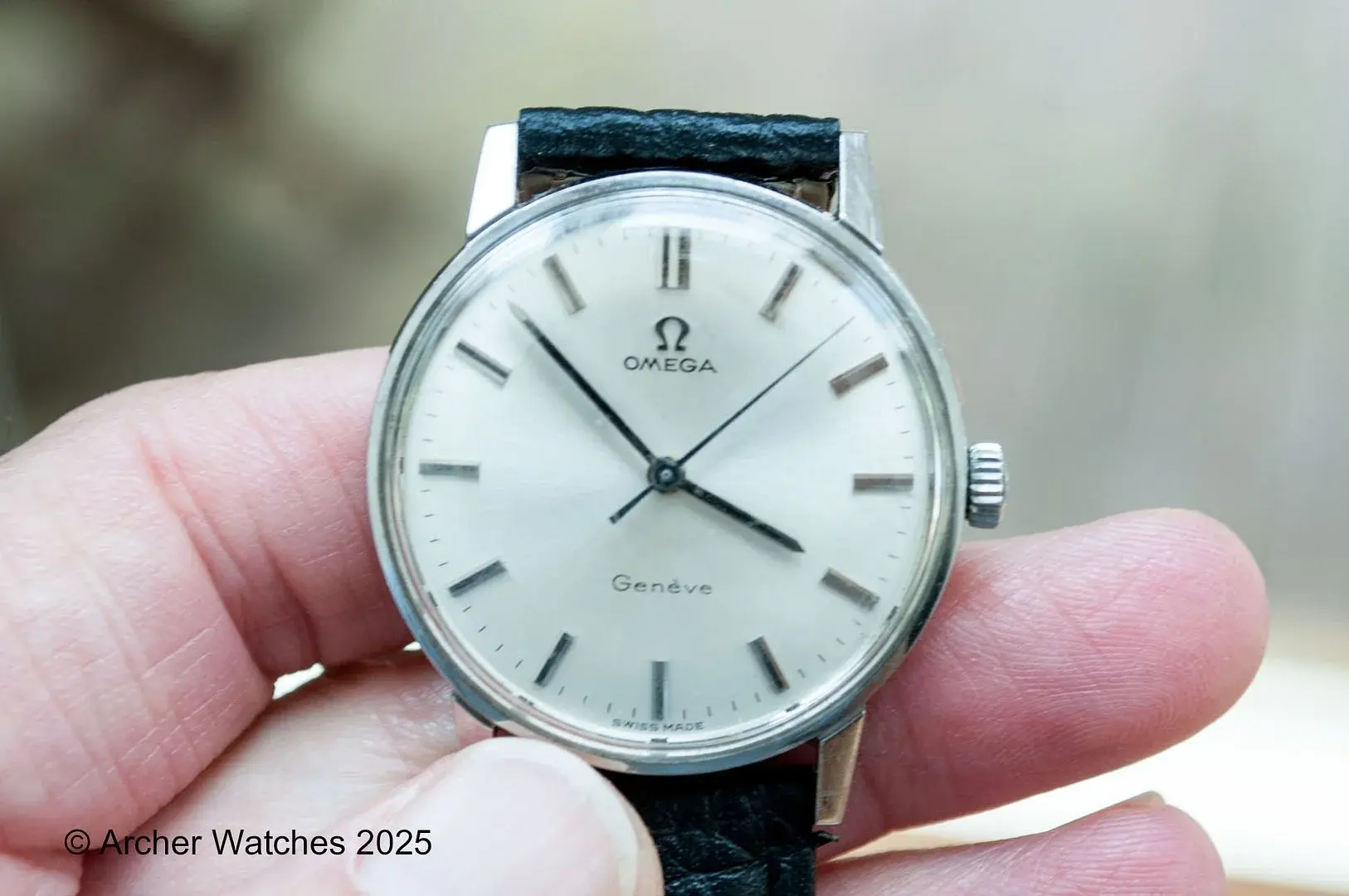
Here's an example - not a chronograph, but I received this for service recently:
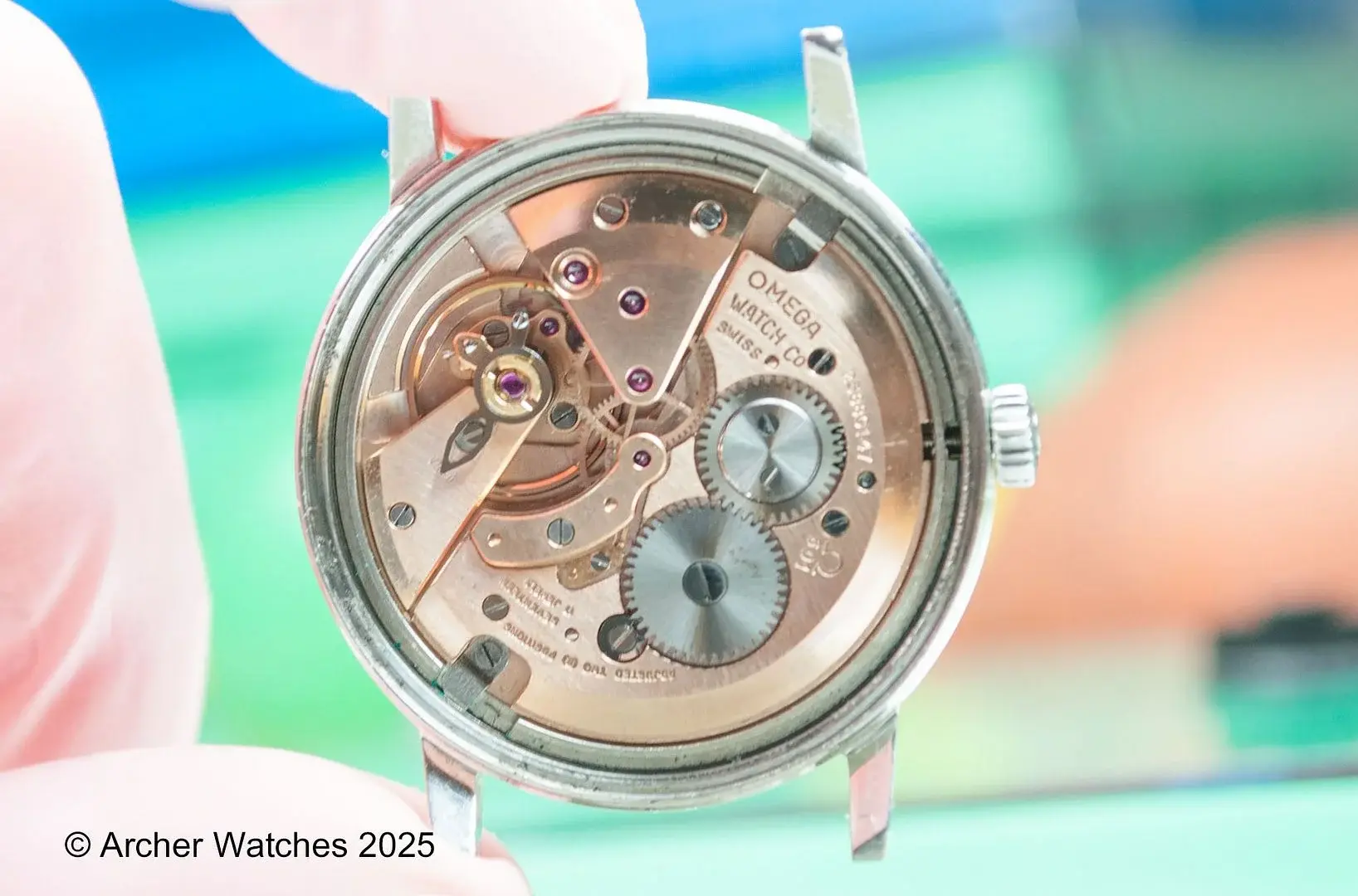
Looks good, no obvious signs of water intrusion, and the movement looks very clean:
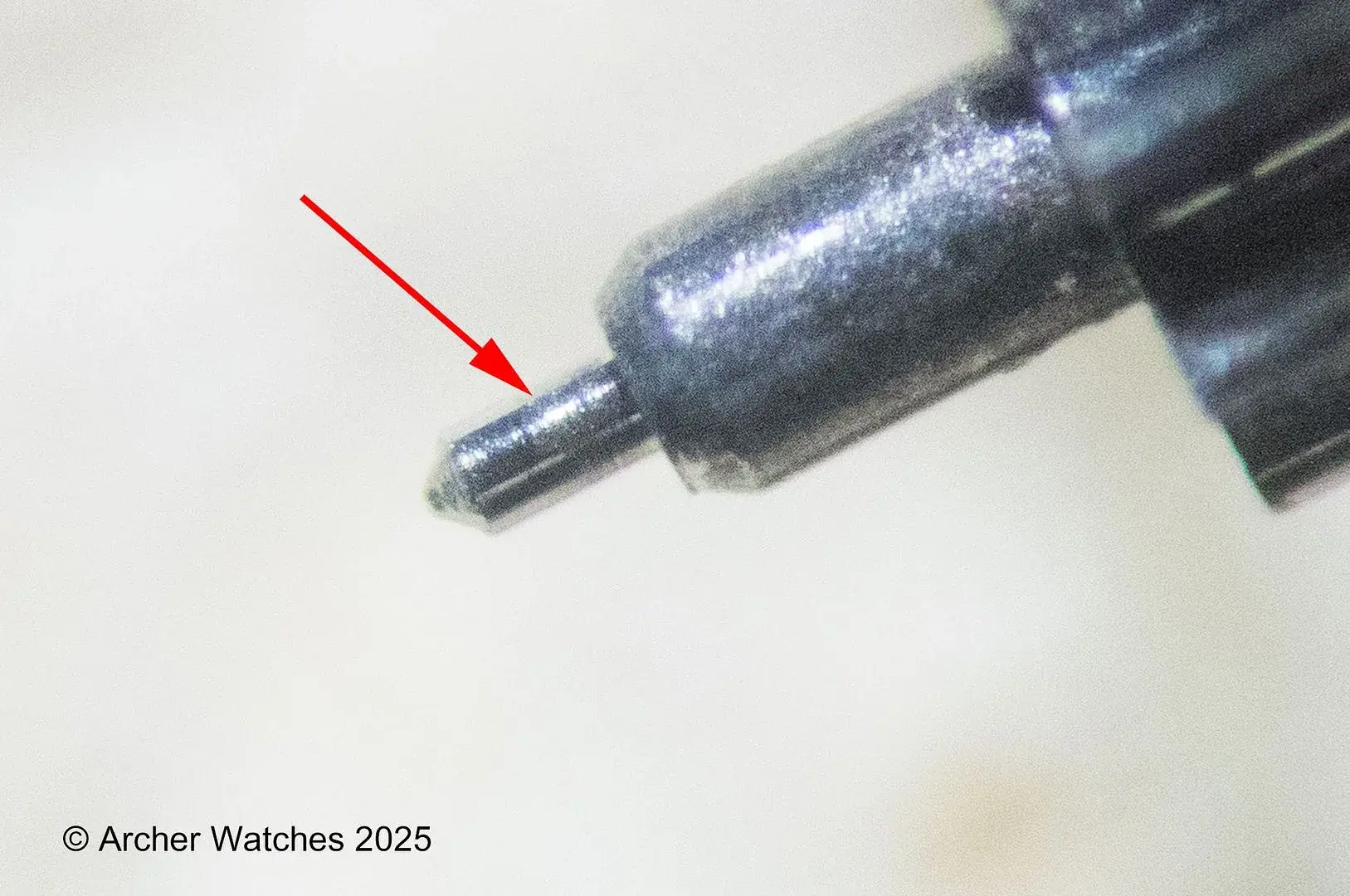
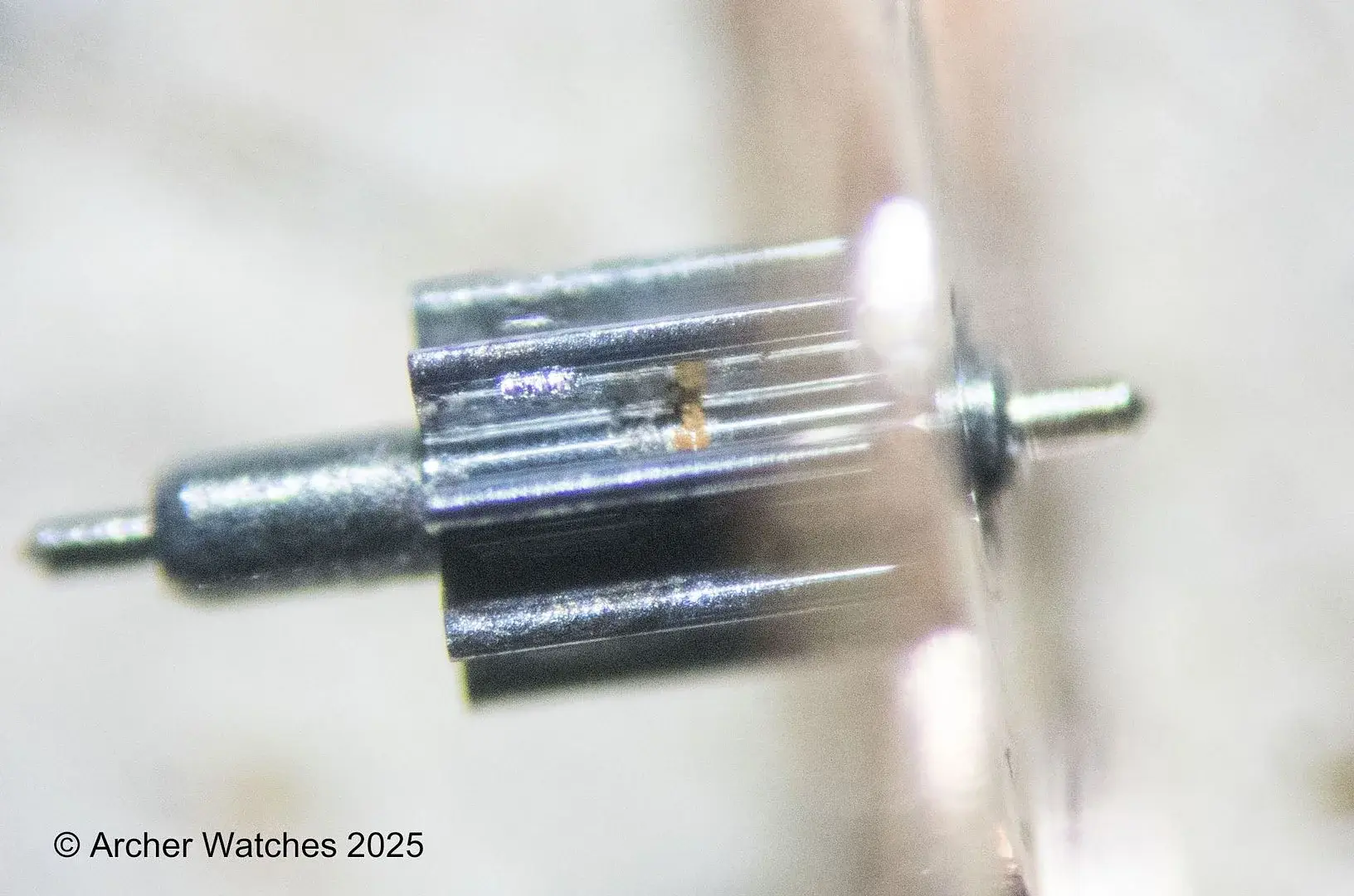
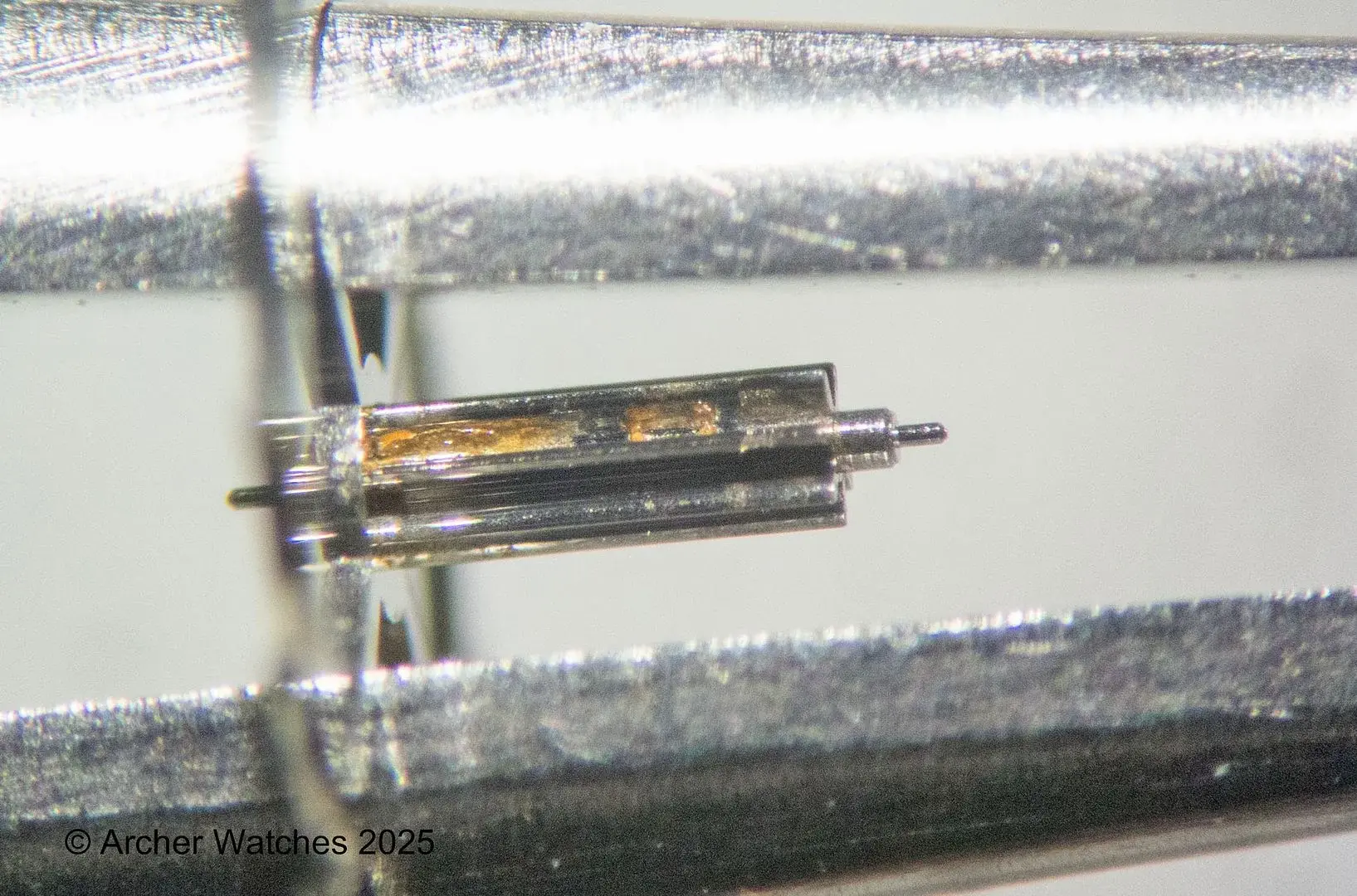
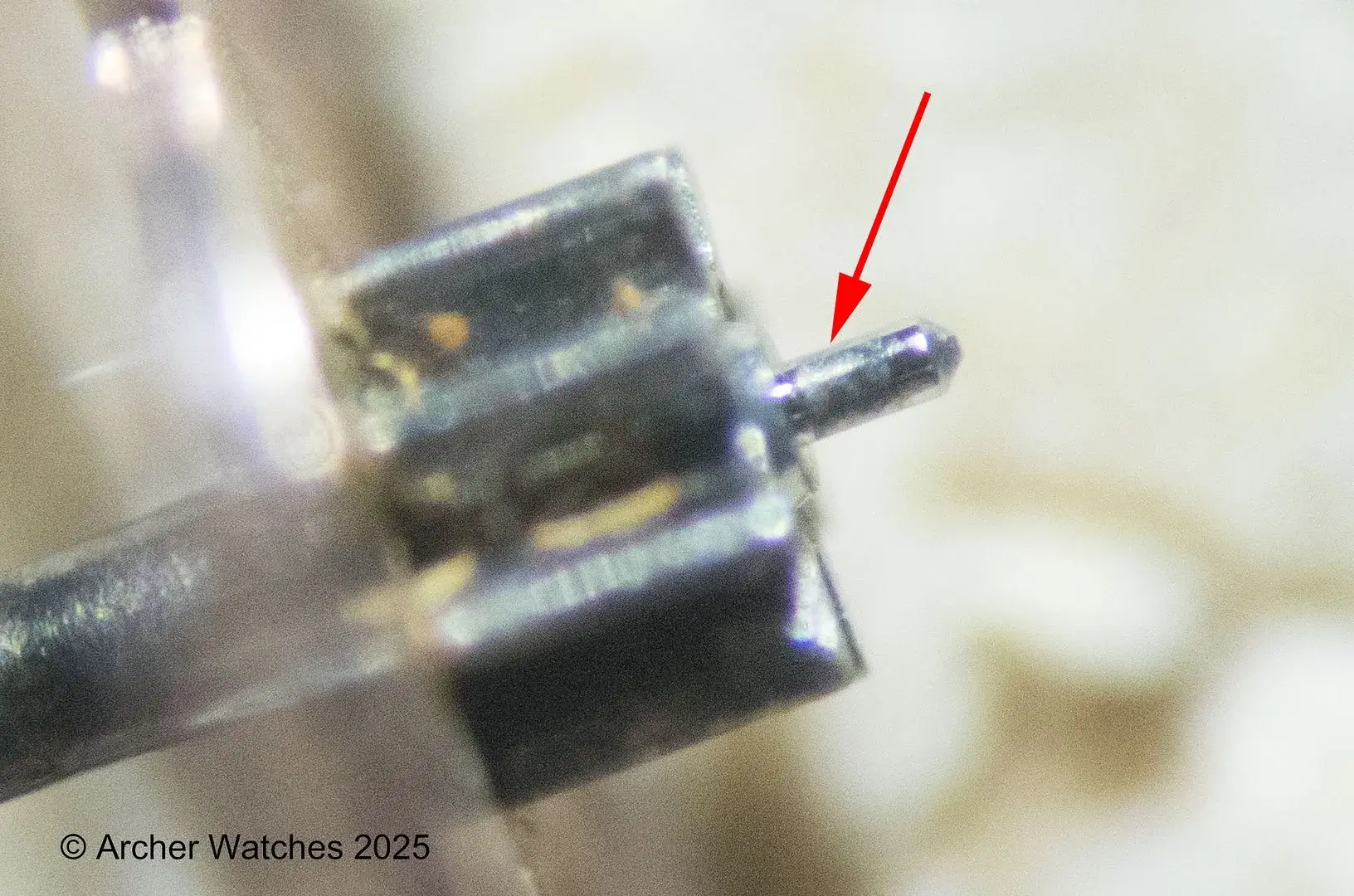
However, when I disassembled it, cleaned the parts, and then inspected them, I found rust and wear:
I'm replacing nearly every wheel in the watch, plus the complete barrel, pallet fork, etc. Sometimes you just don't know until you get this deep into the service.