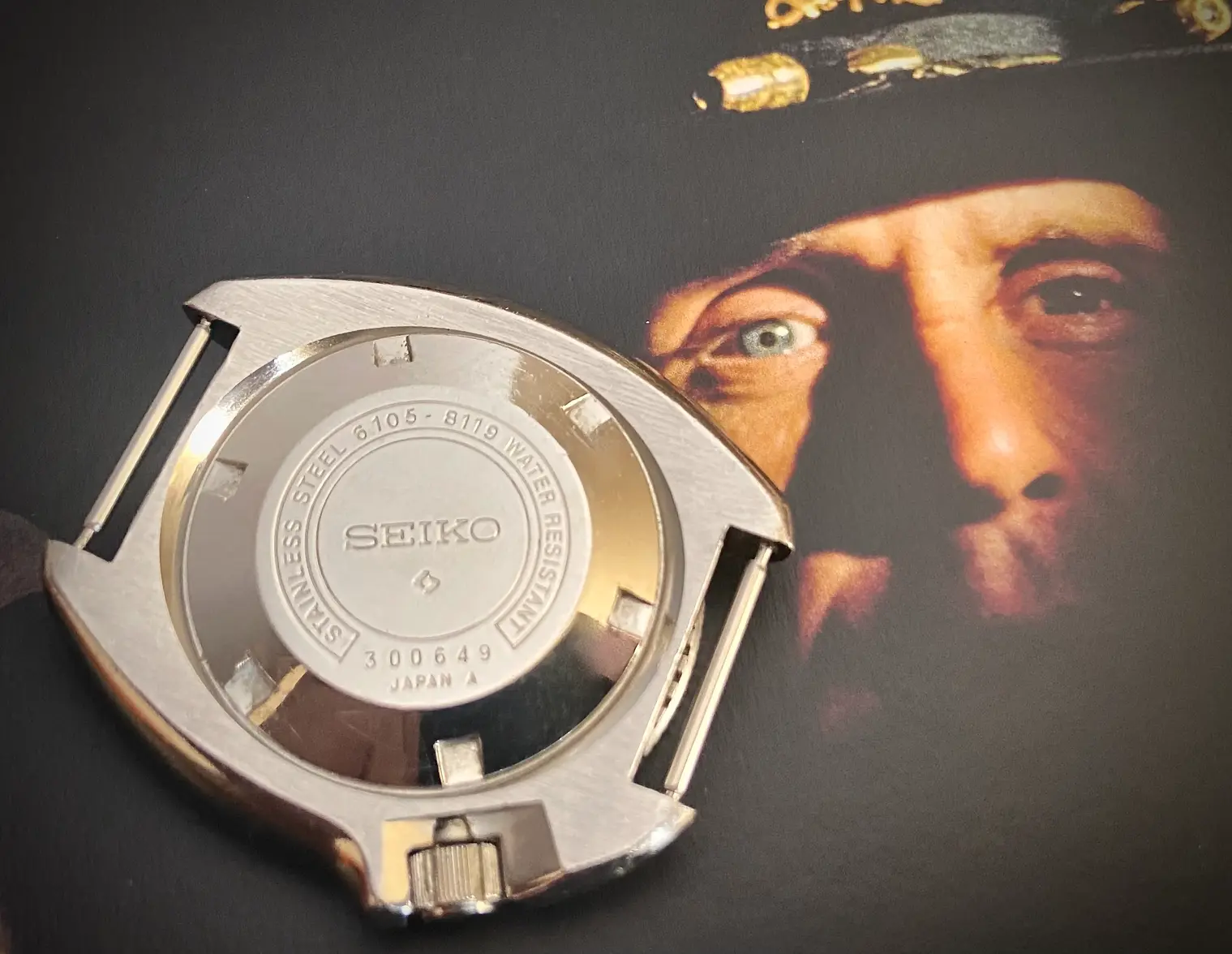
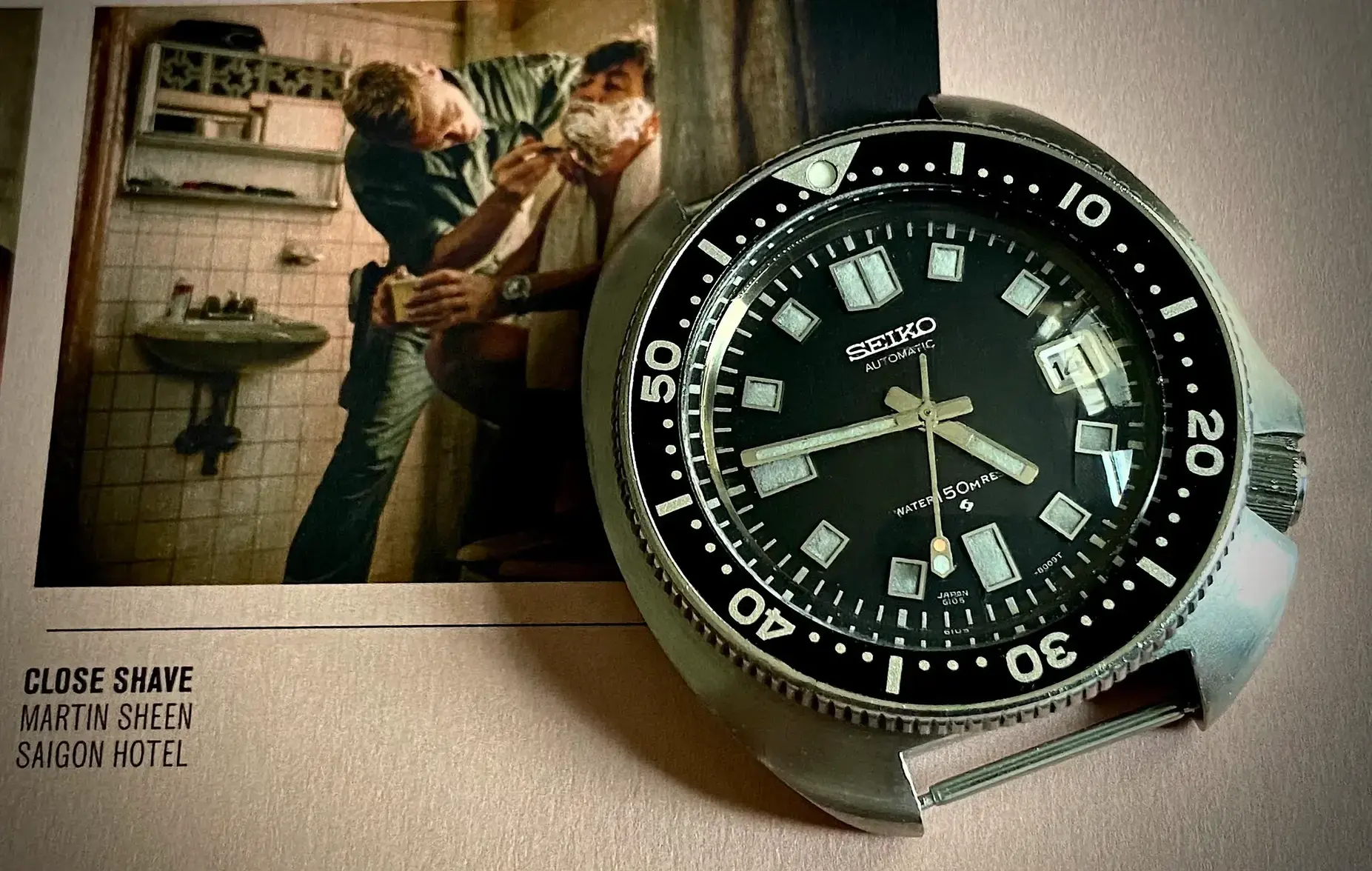
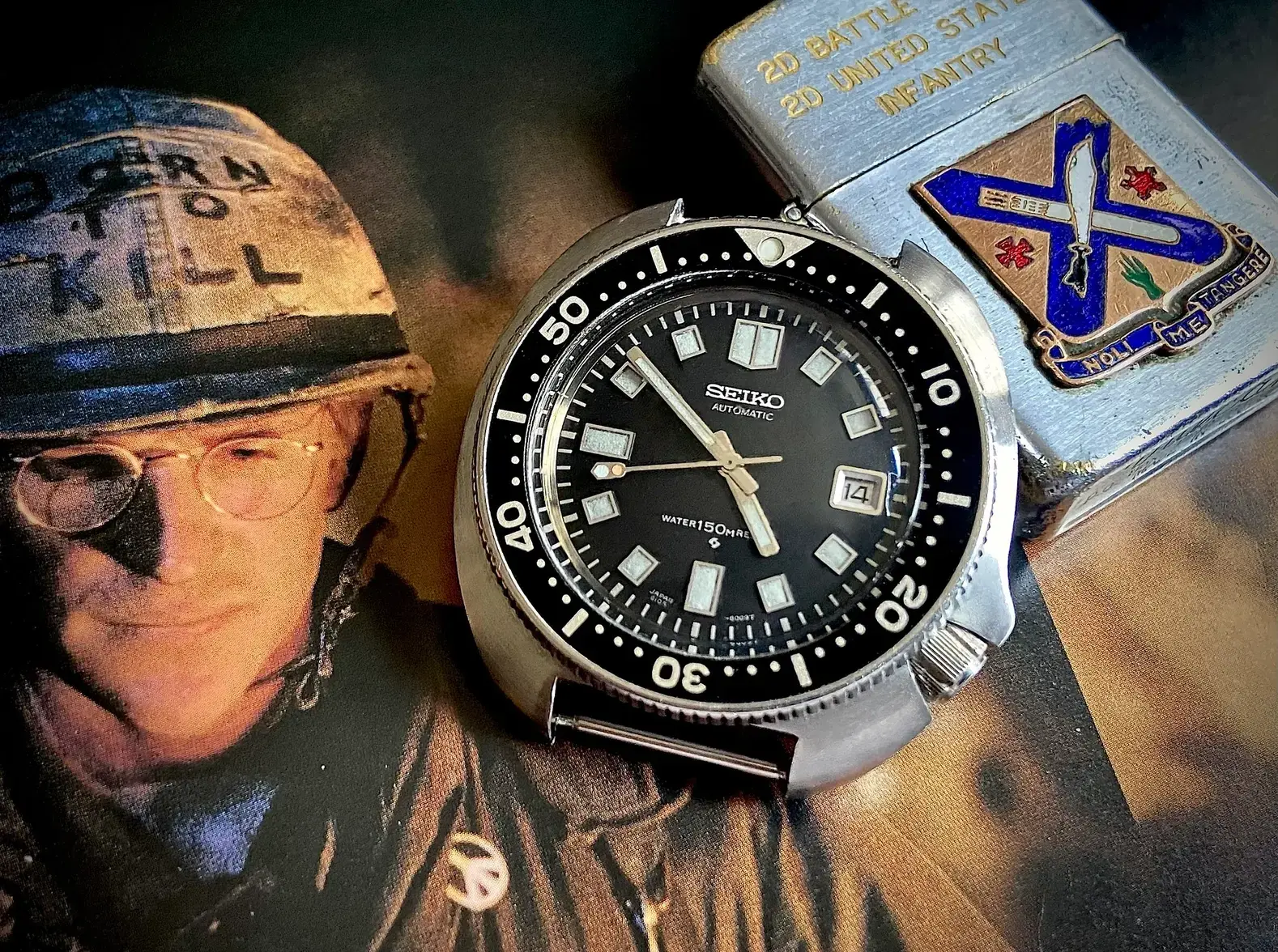
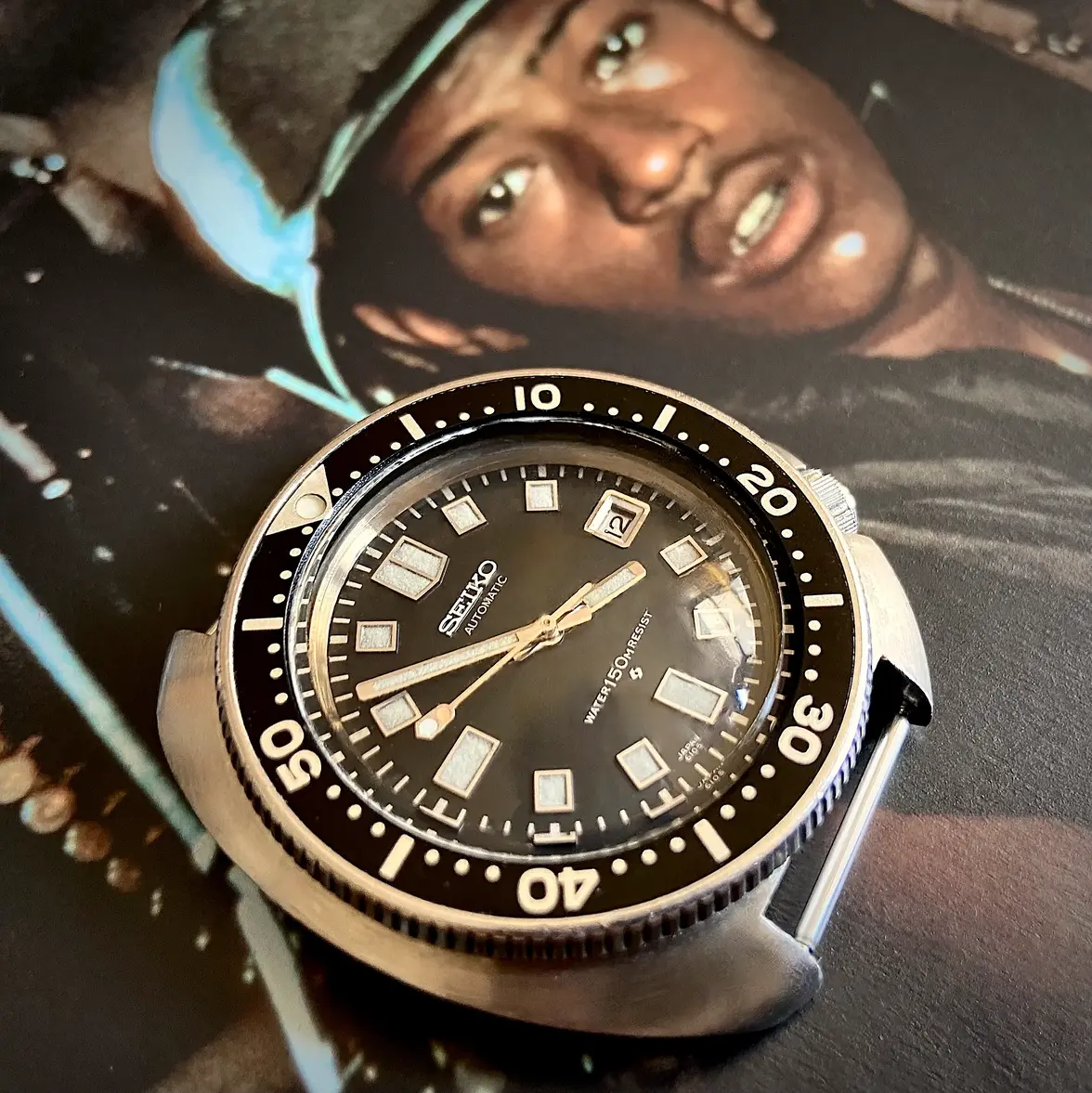
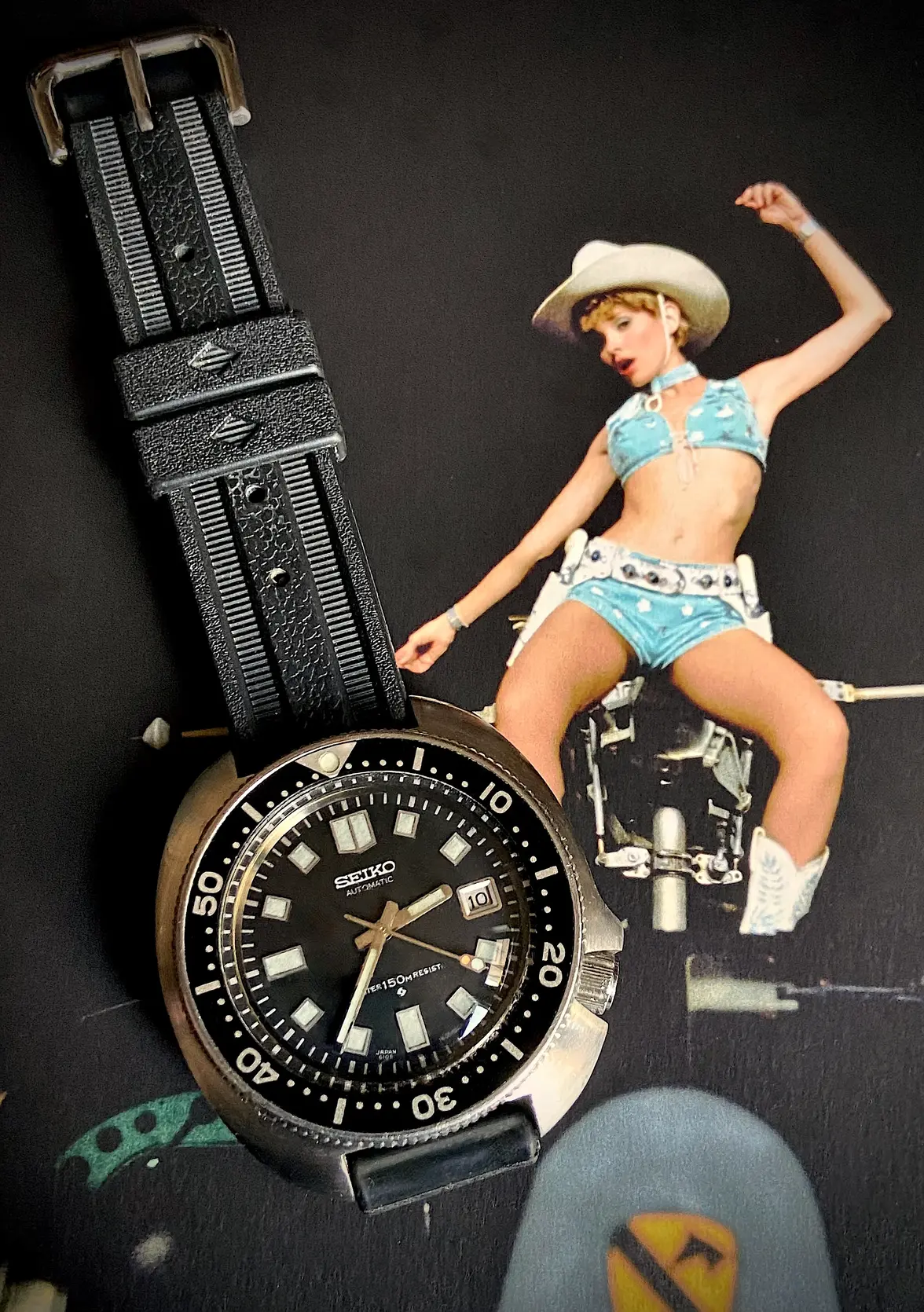
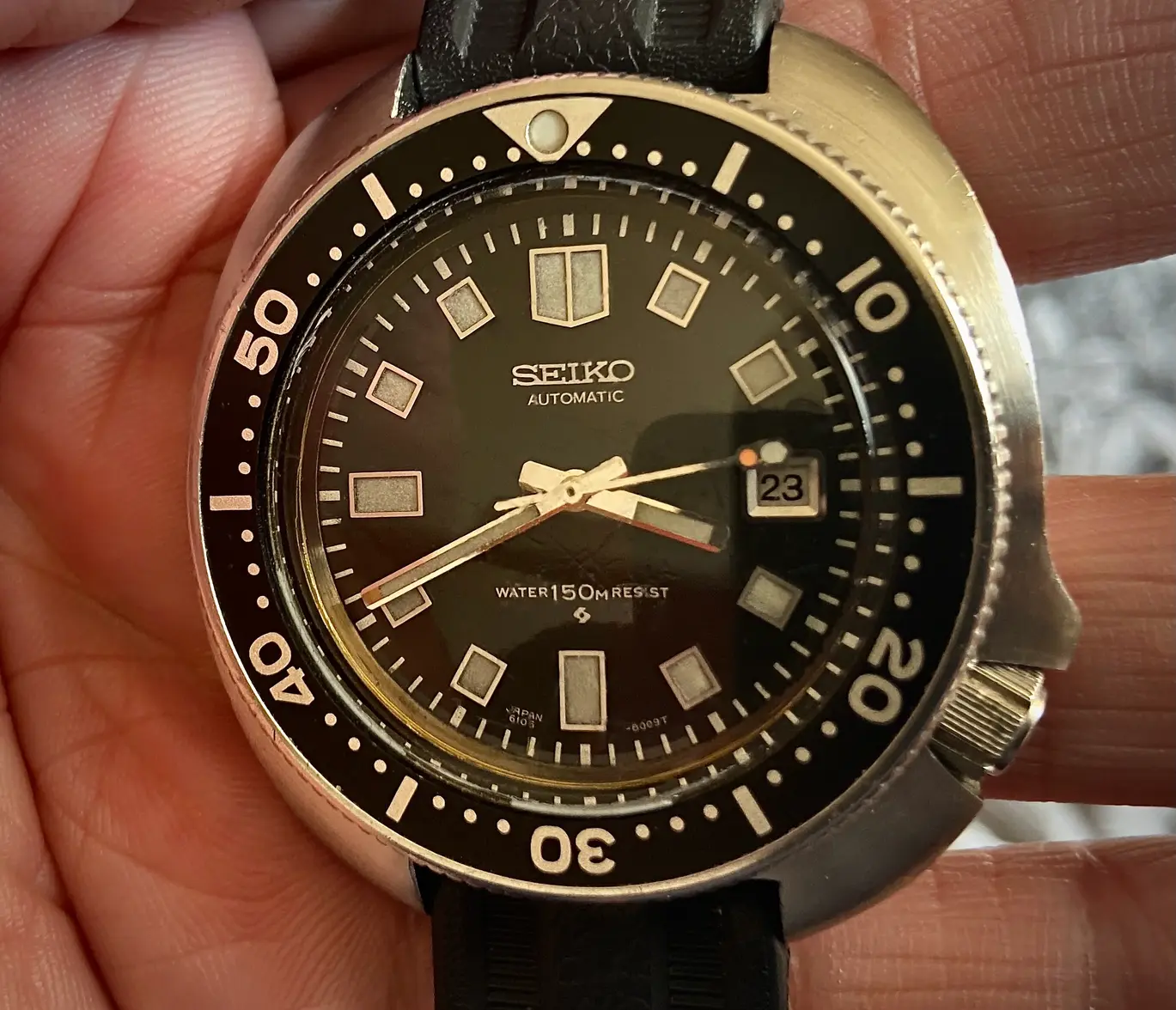
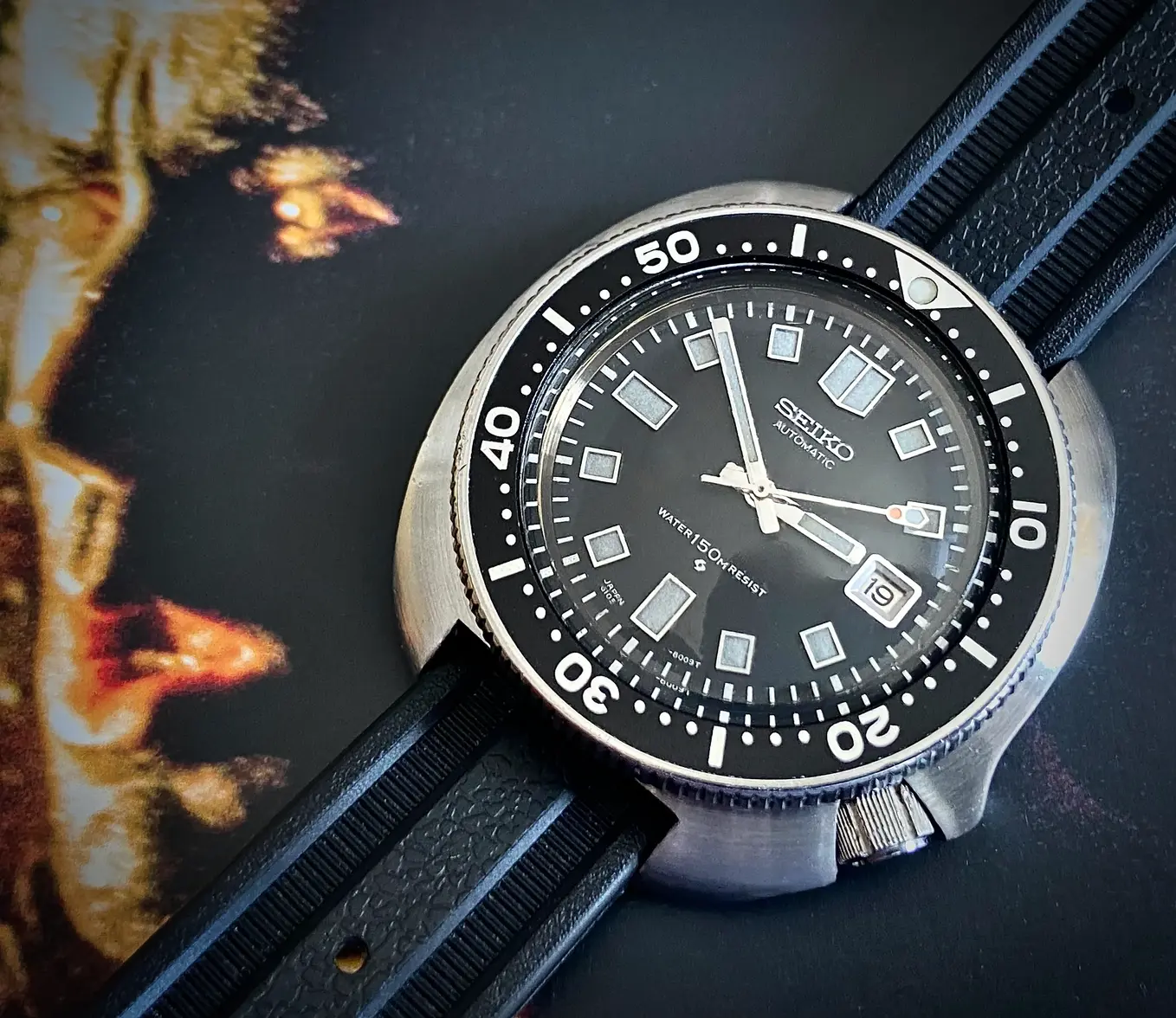
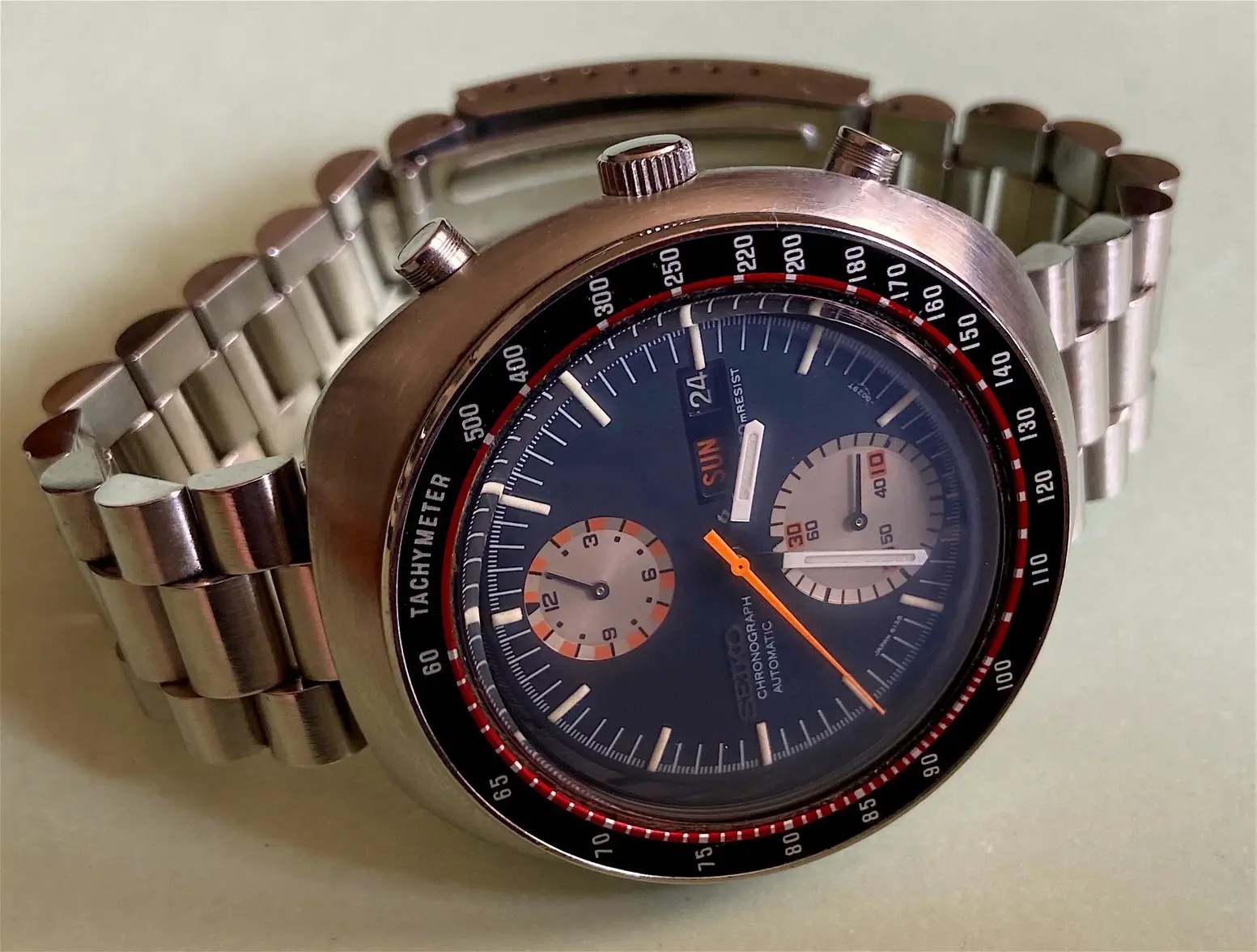
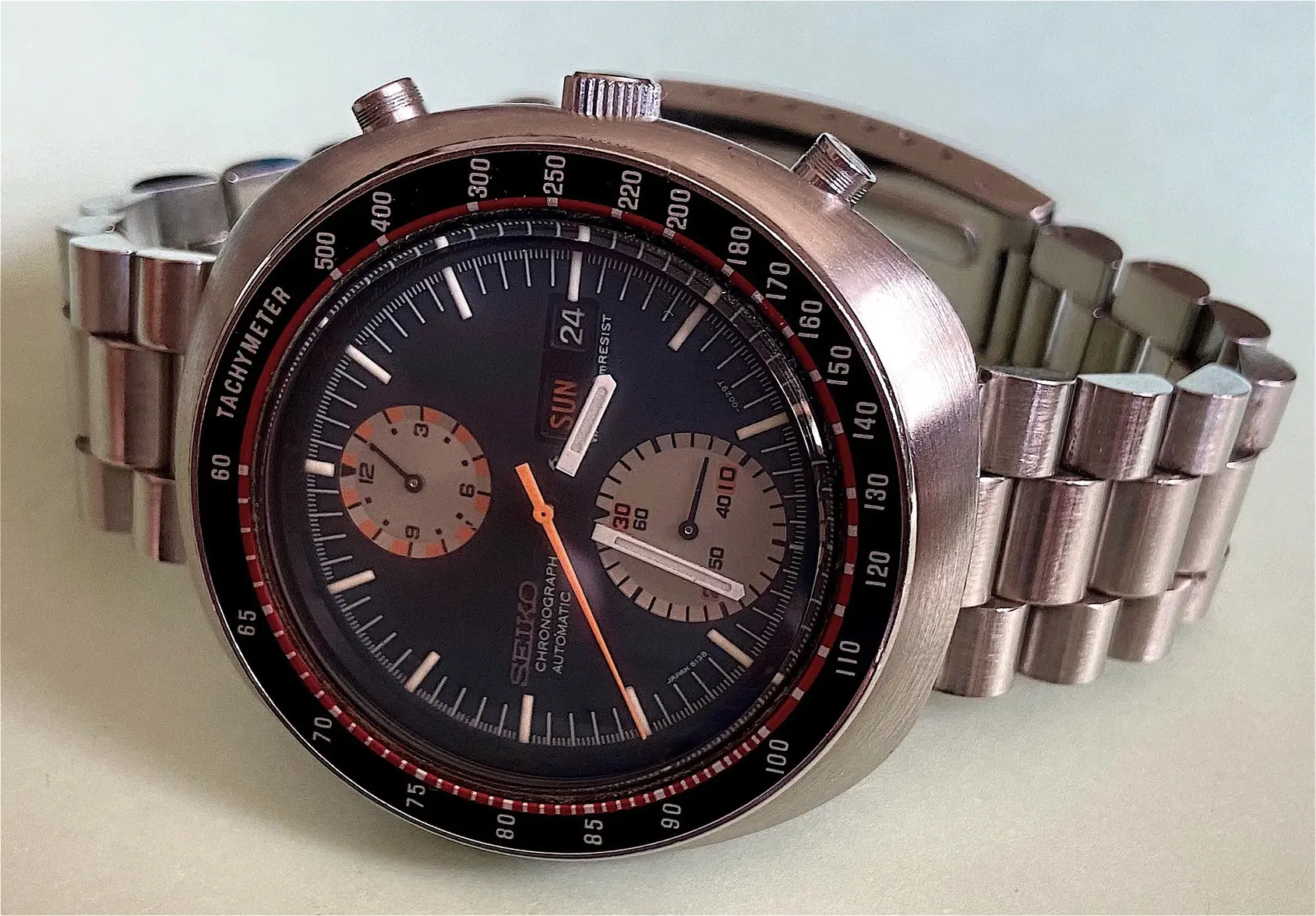
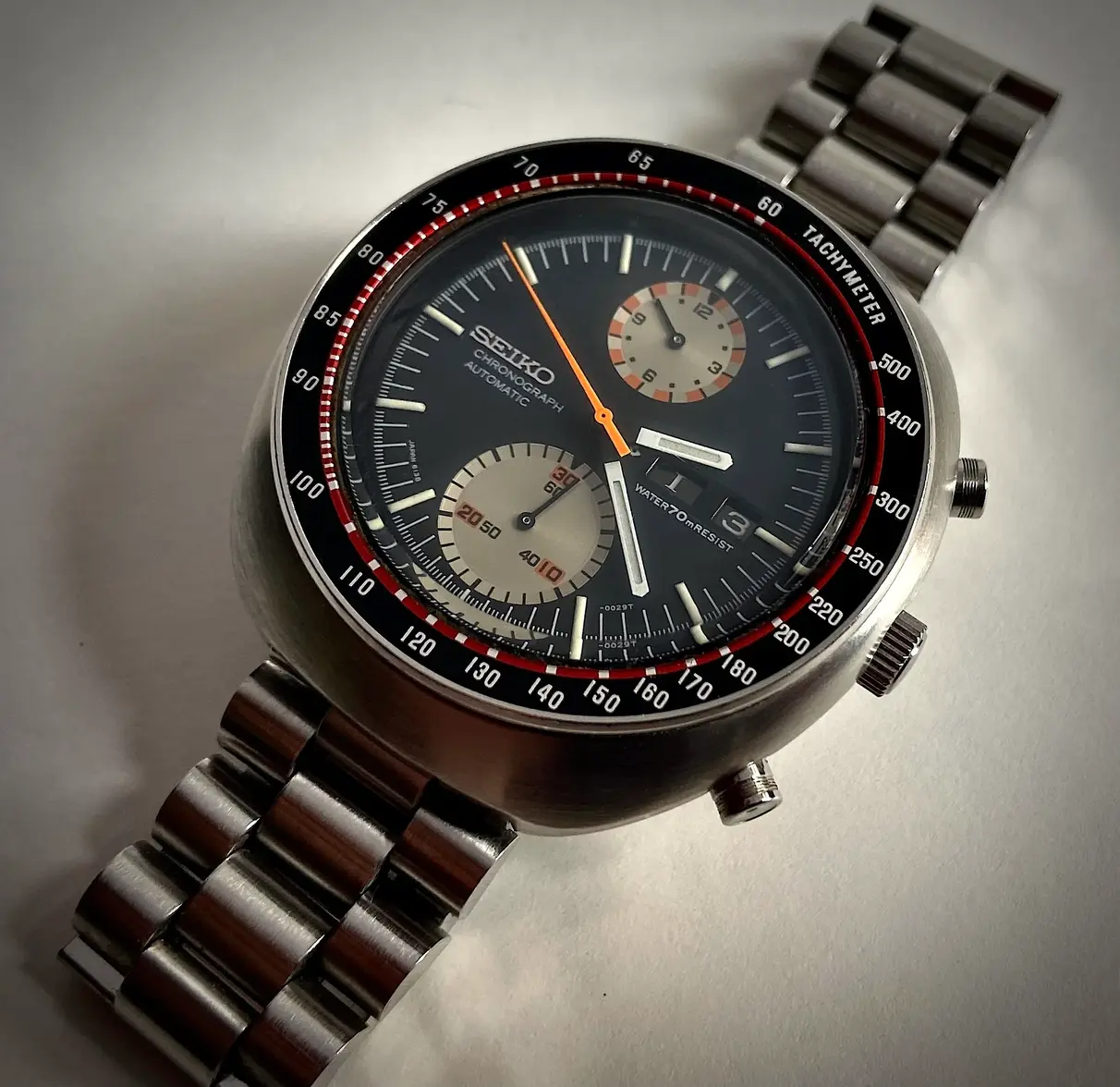
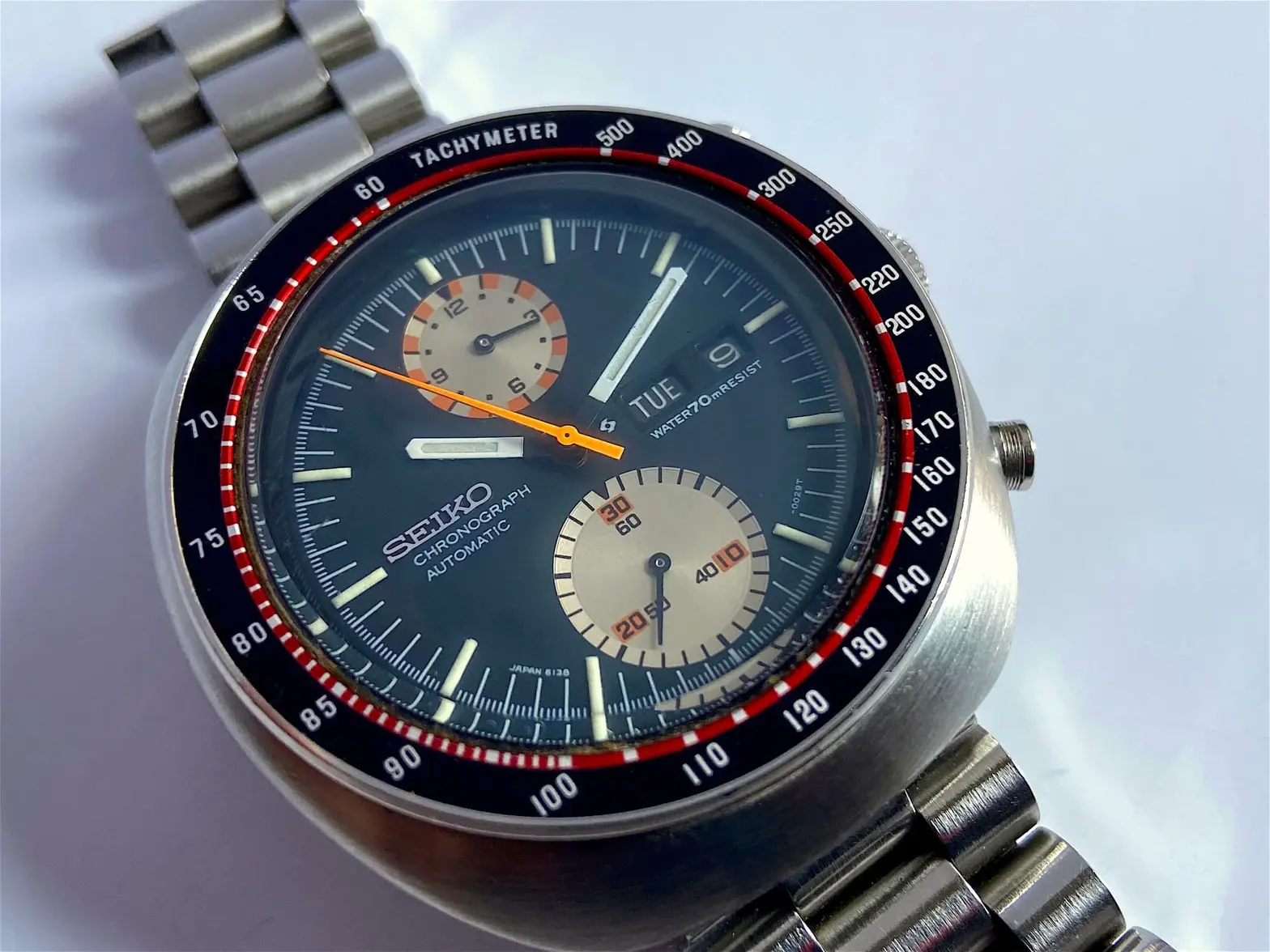
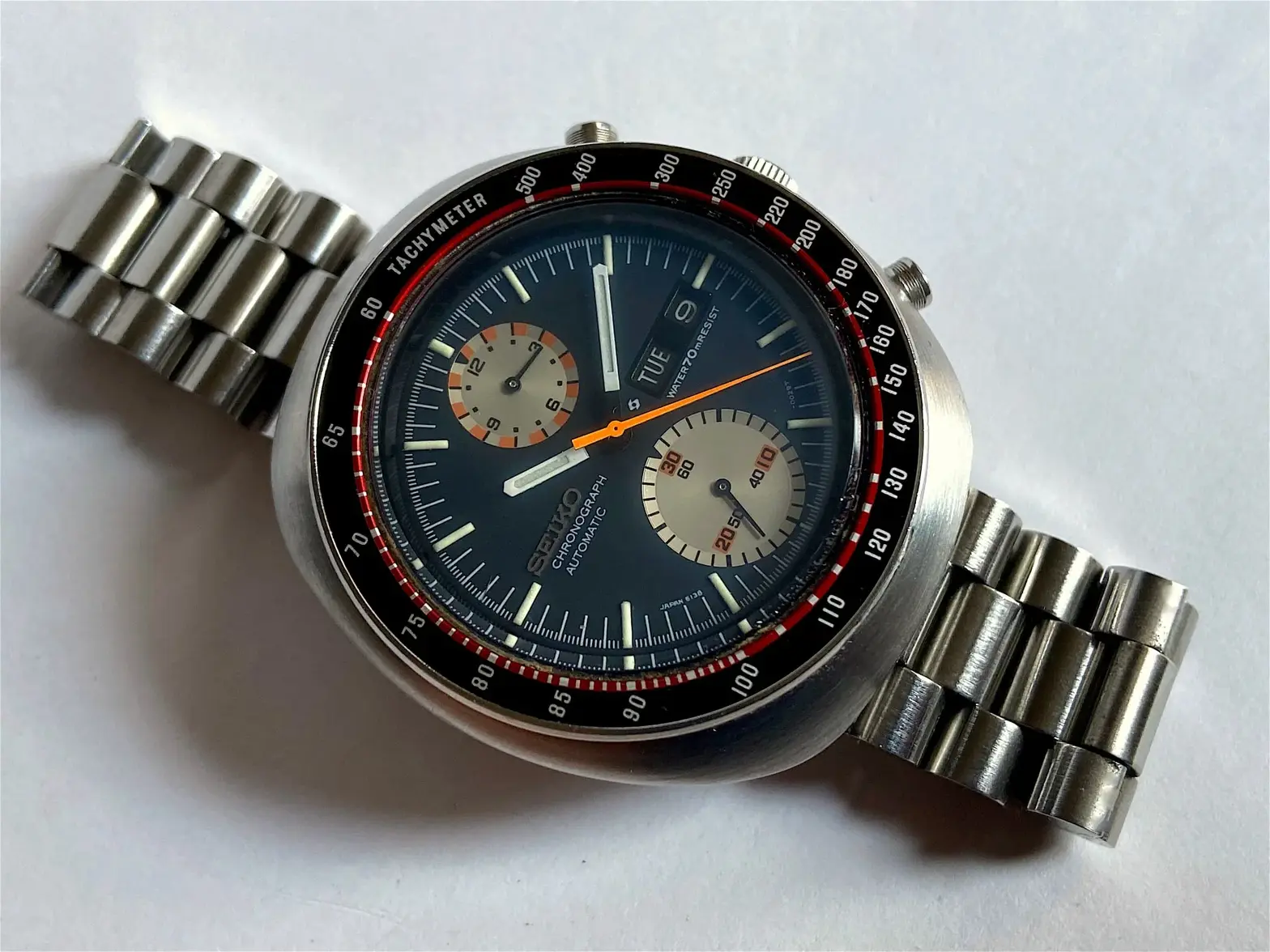
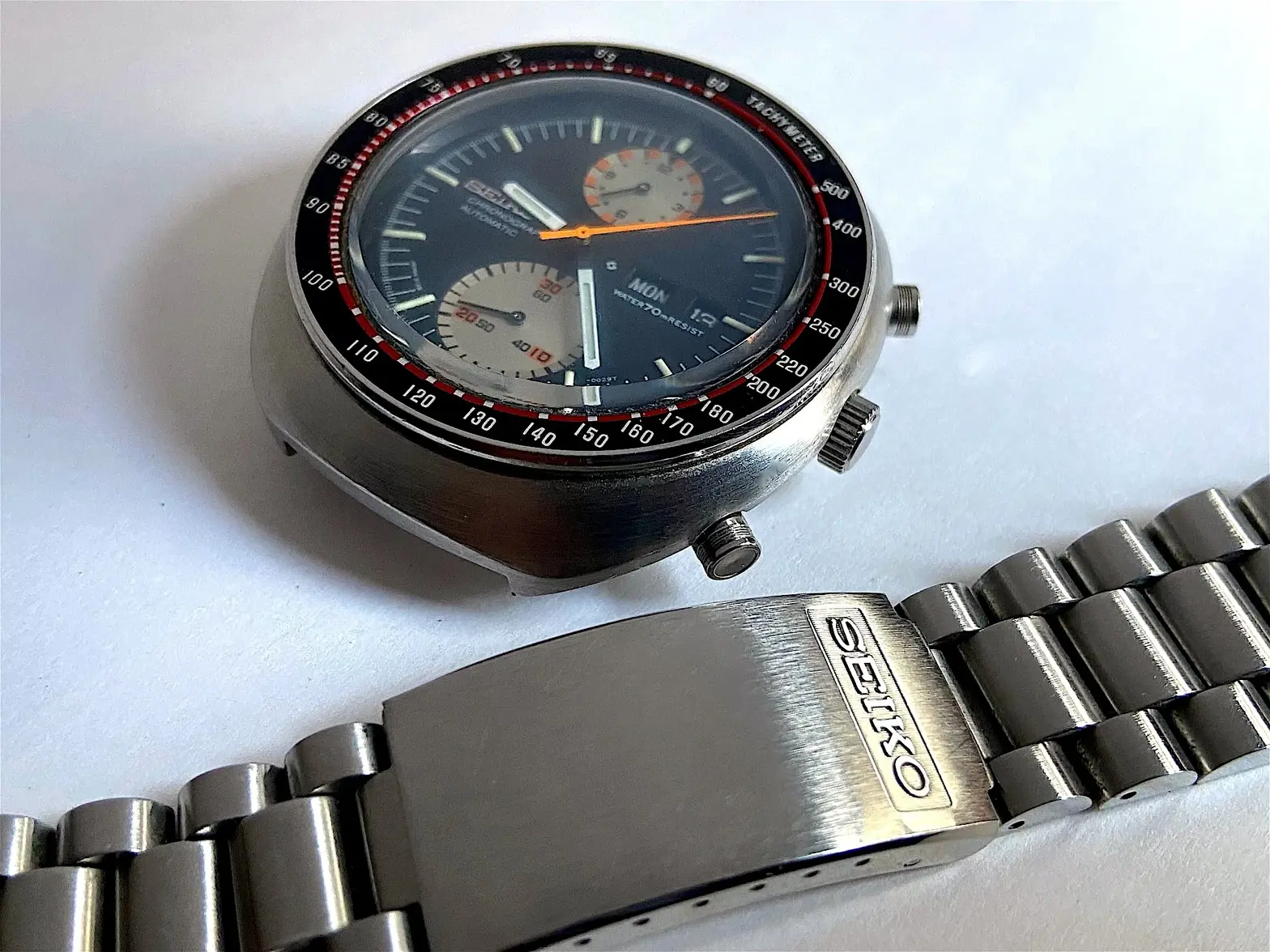
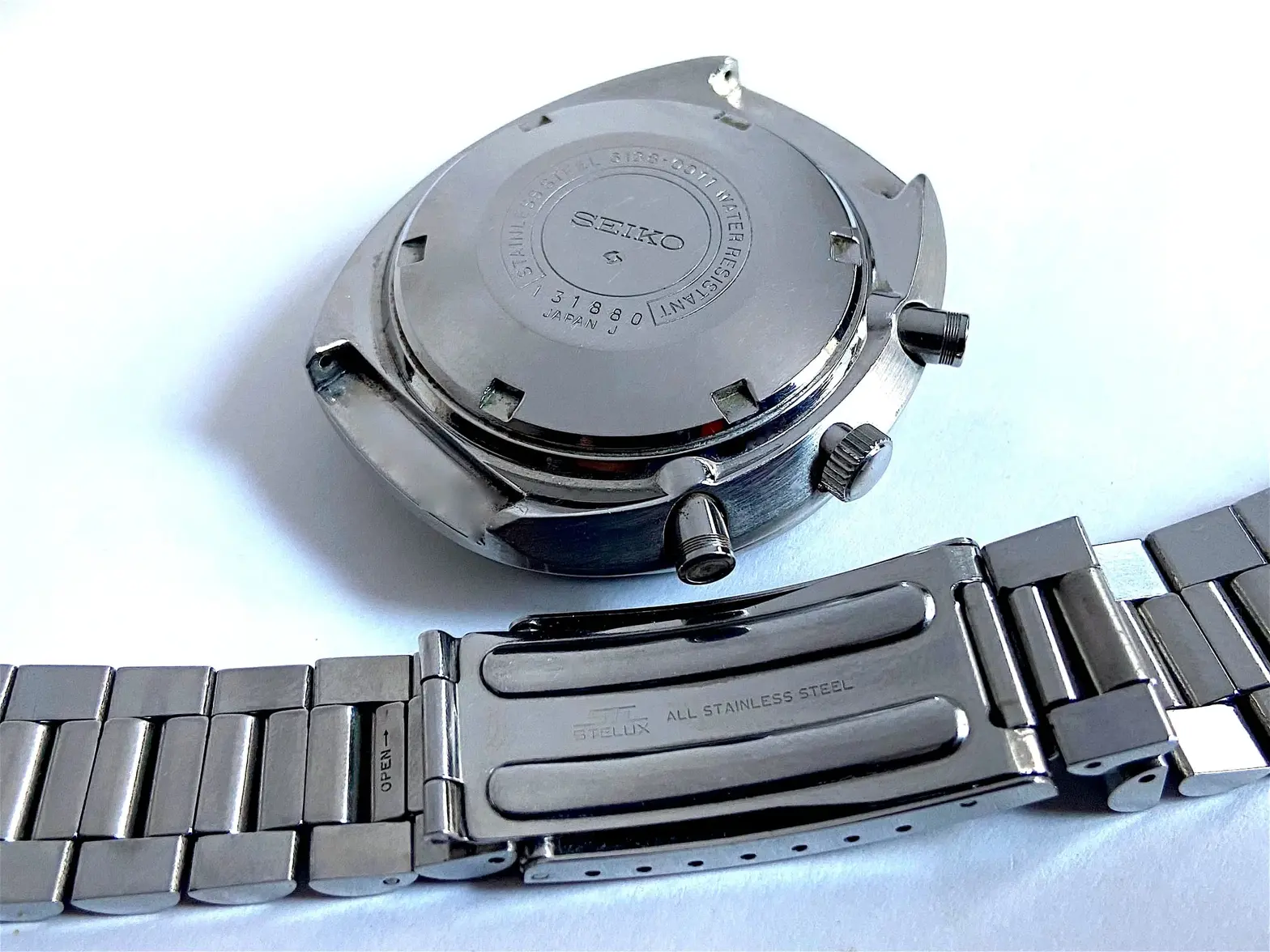
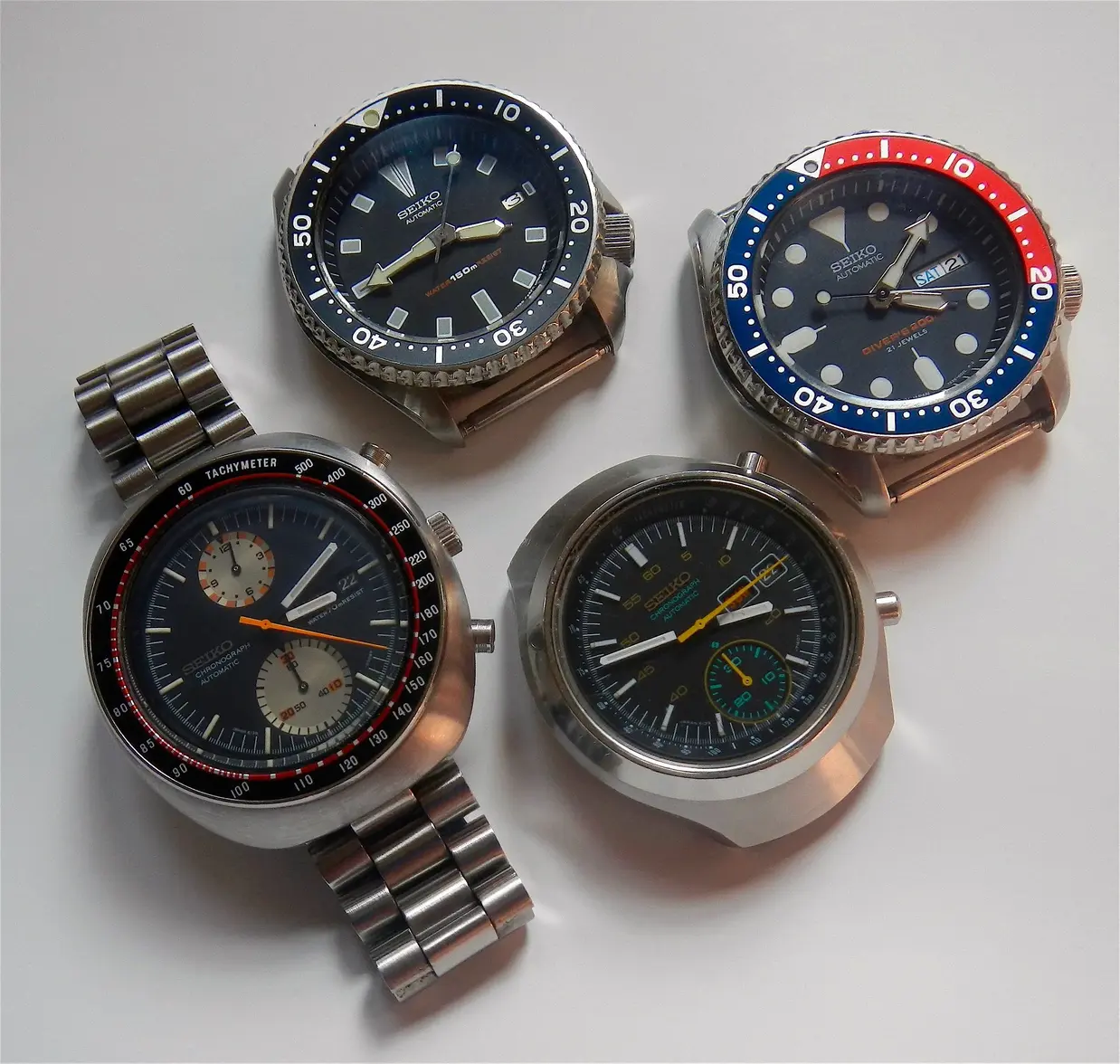
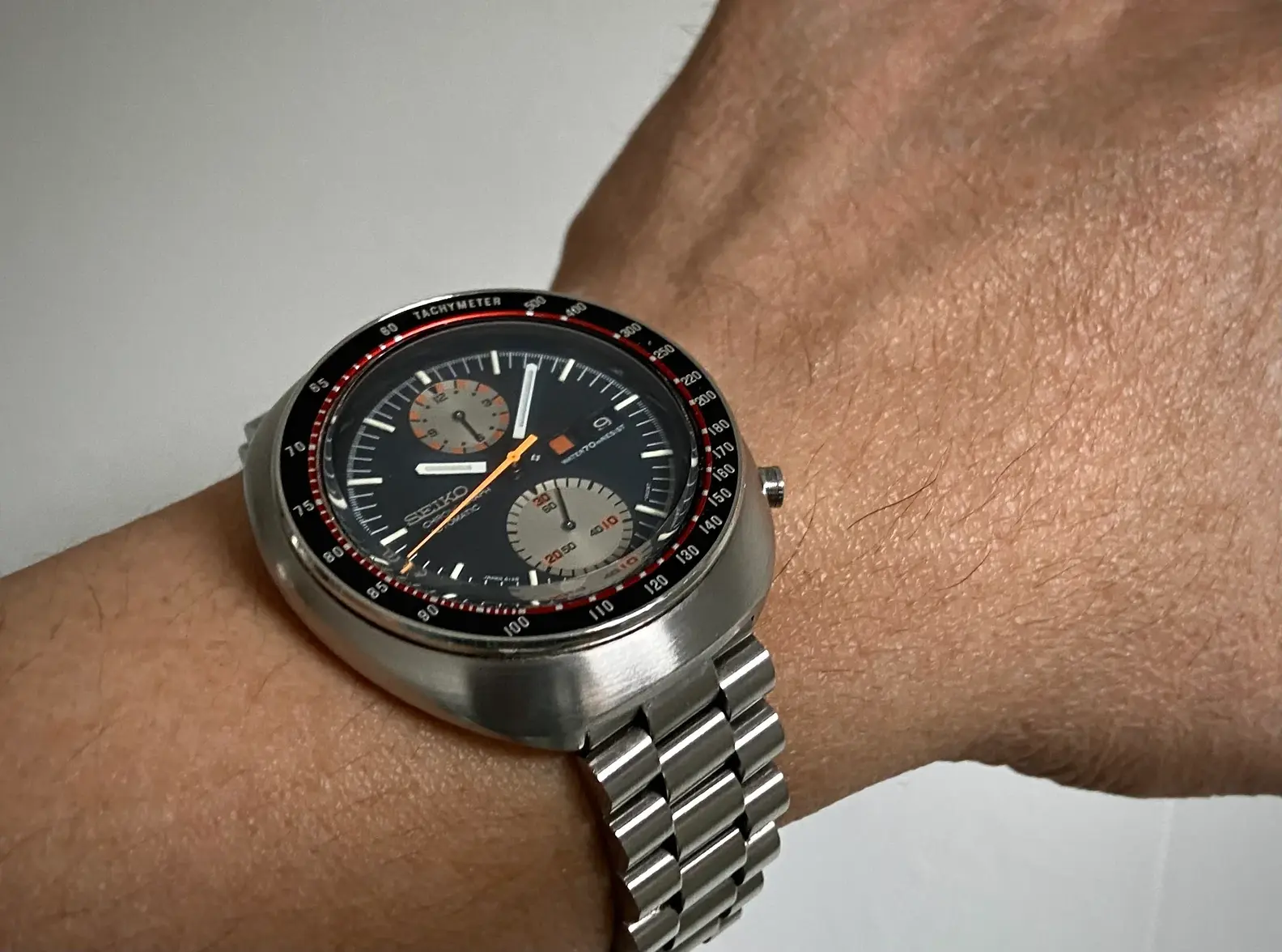
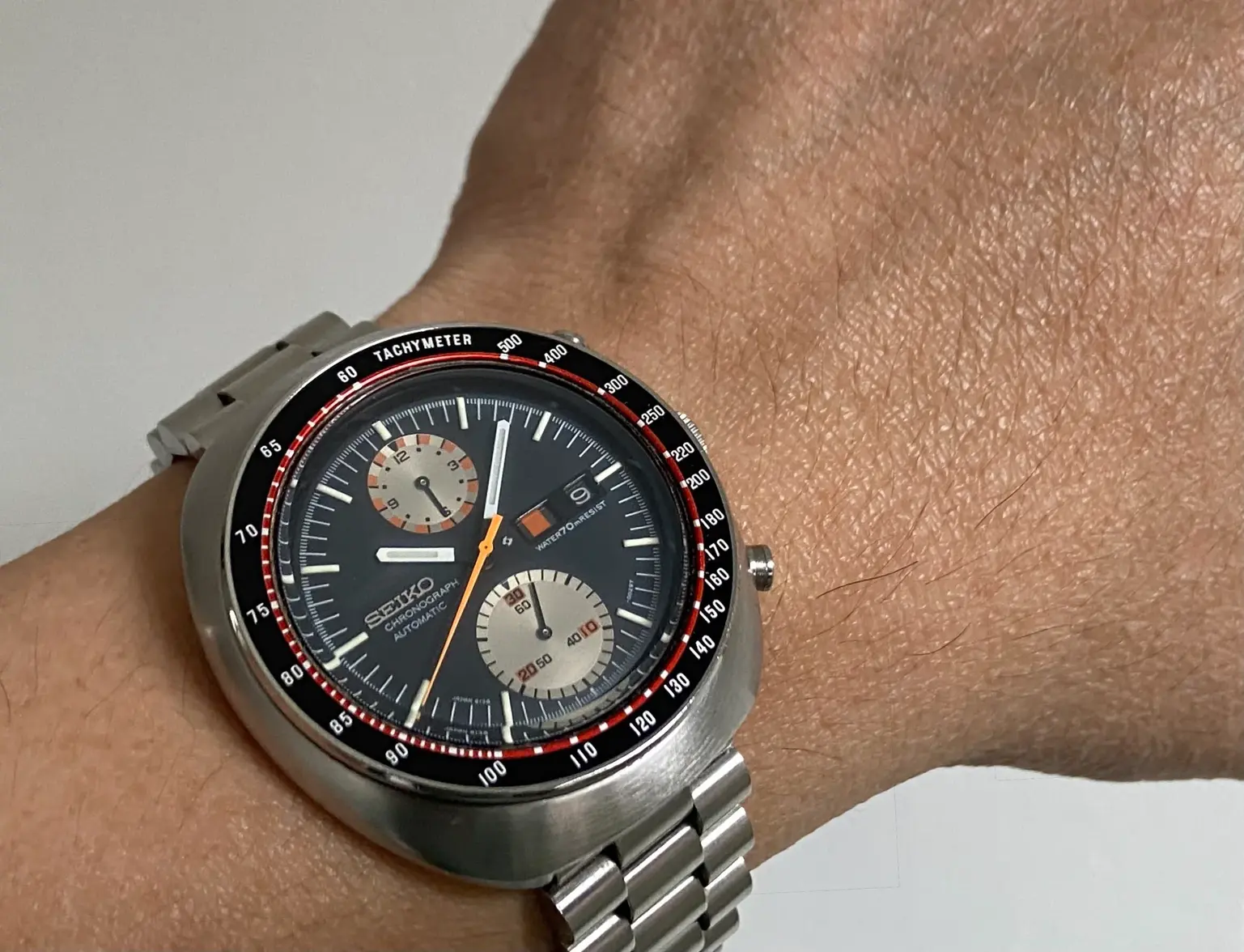
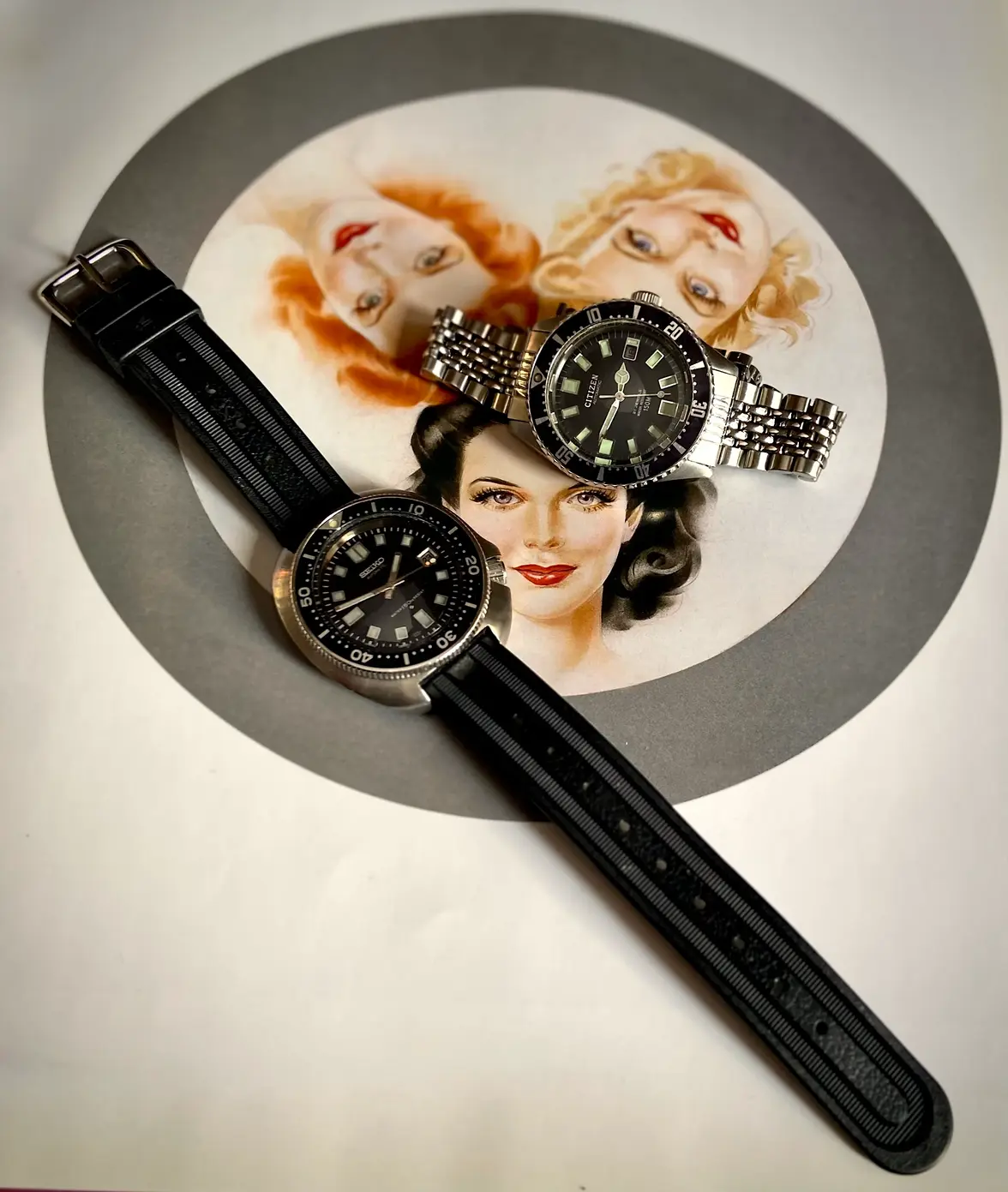
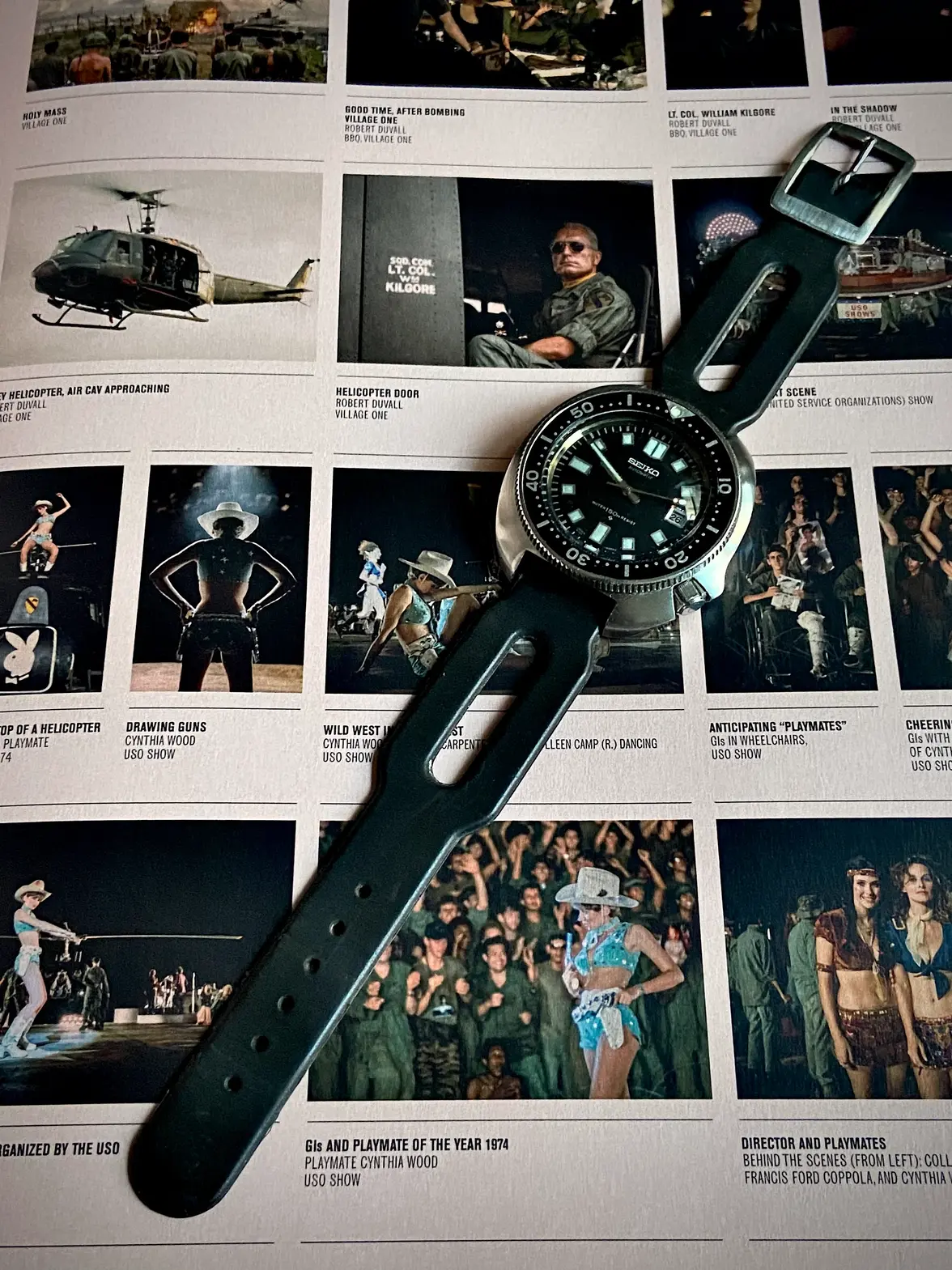
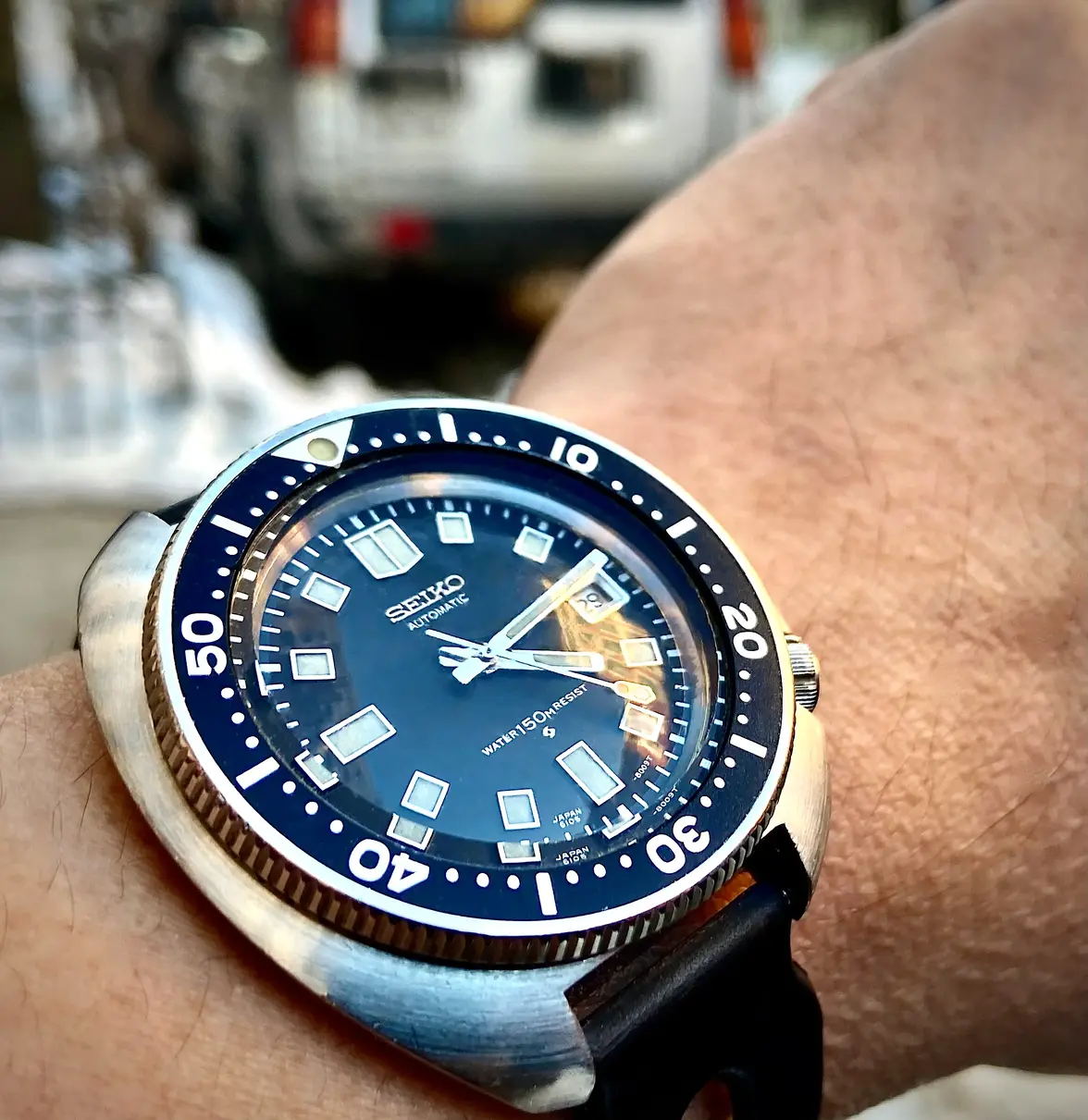
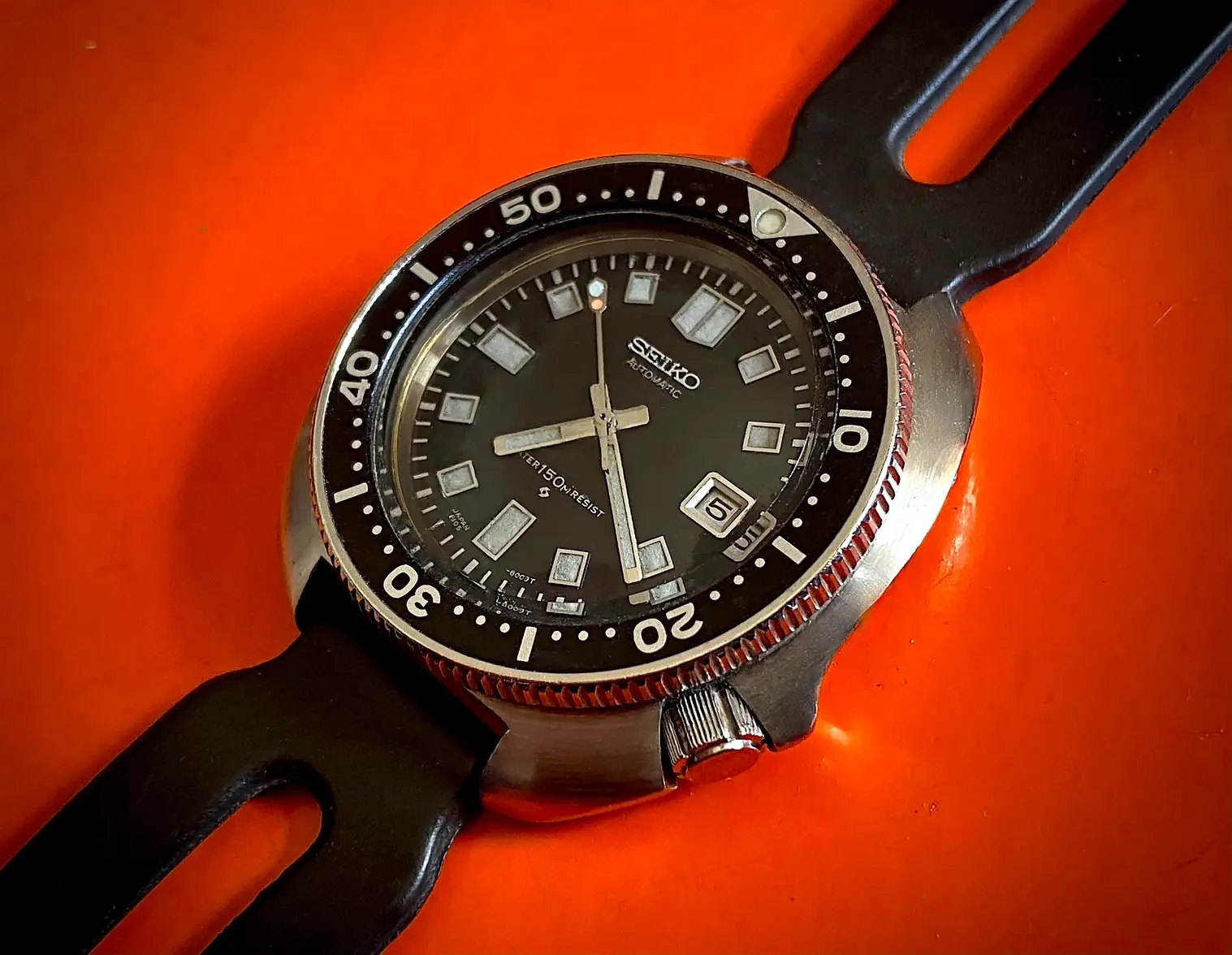
SEIKO caliber 6105 case ref.# 8110 / 9
THE Willard aka Uemura (上村)
Case Reference 8110 vs. 8119 refer to the same watch model, differing only in distribution region or market-specific coding.
Share your photos and any stories associated with the 6105, along with parts information and advise for use by everyone. Most importantly a thread were a very proud owner can share loads and loads of images of their beloved 6105.
Any information found that is in error is easily amended and updated, so please share what you know !!!
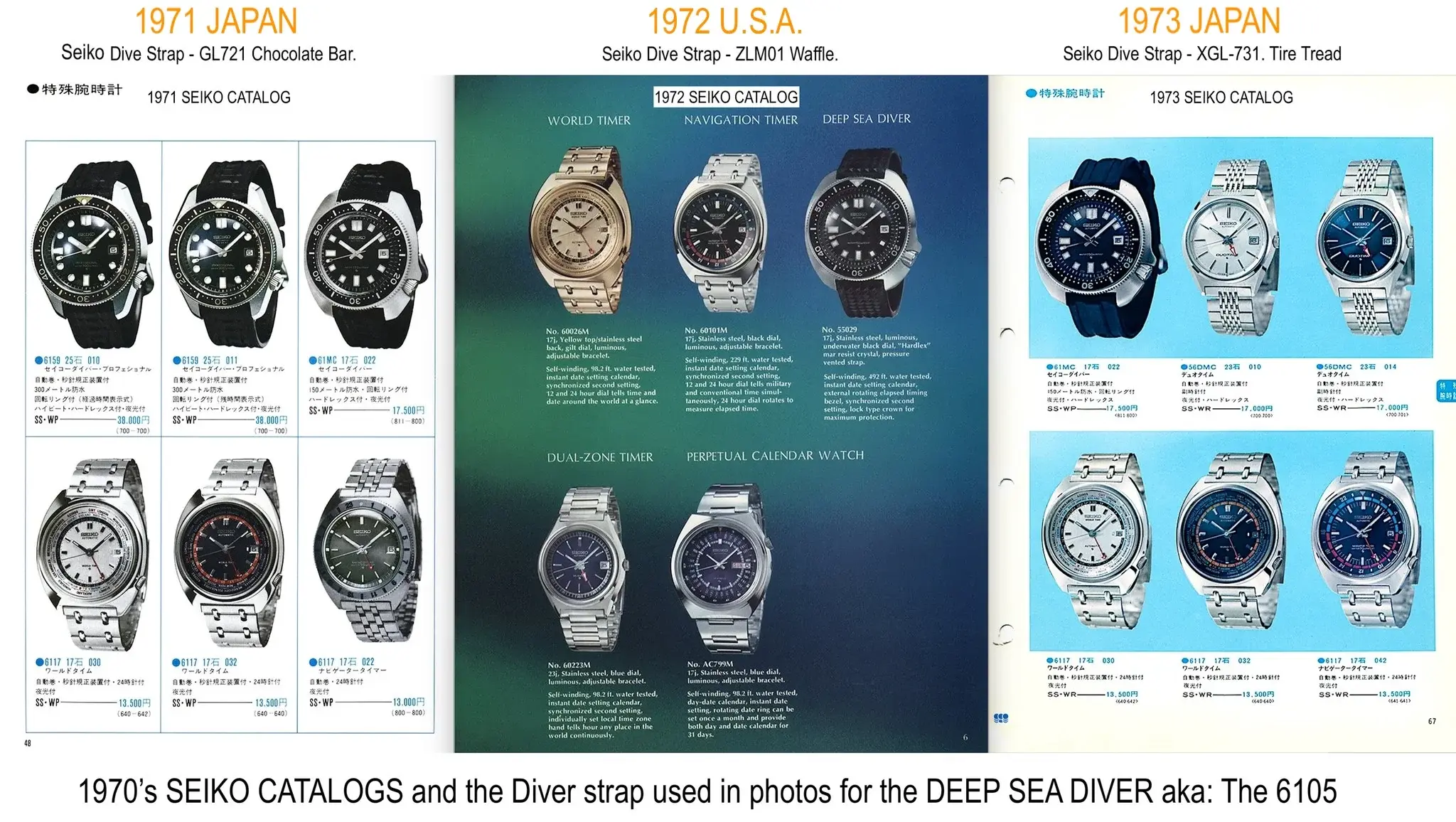
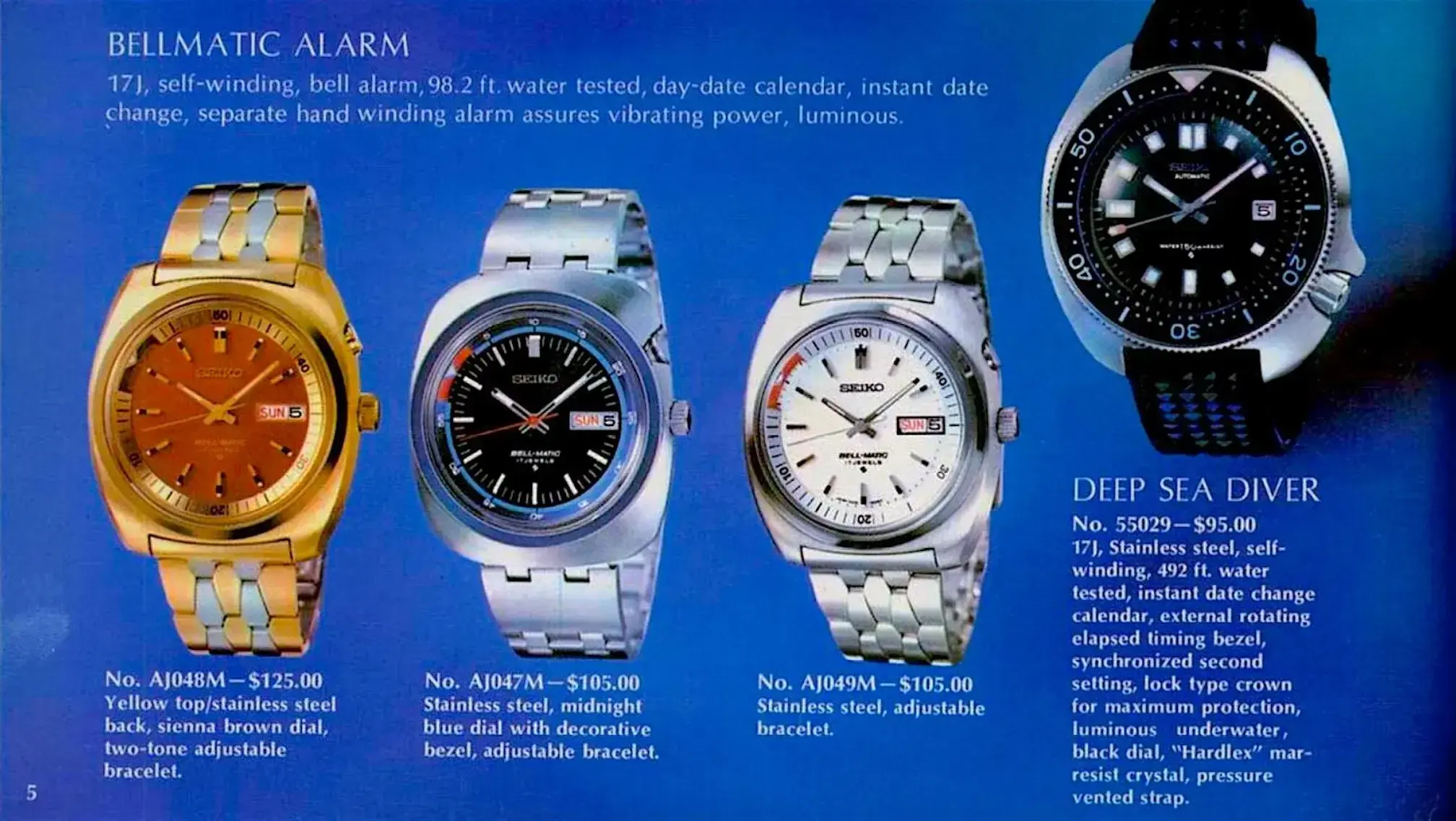
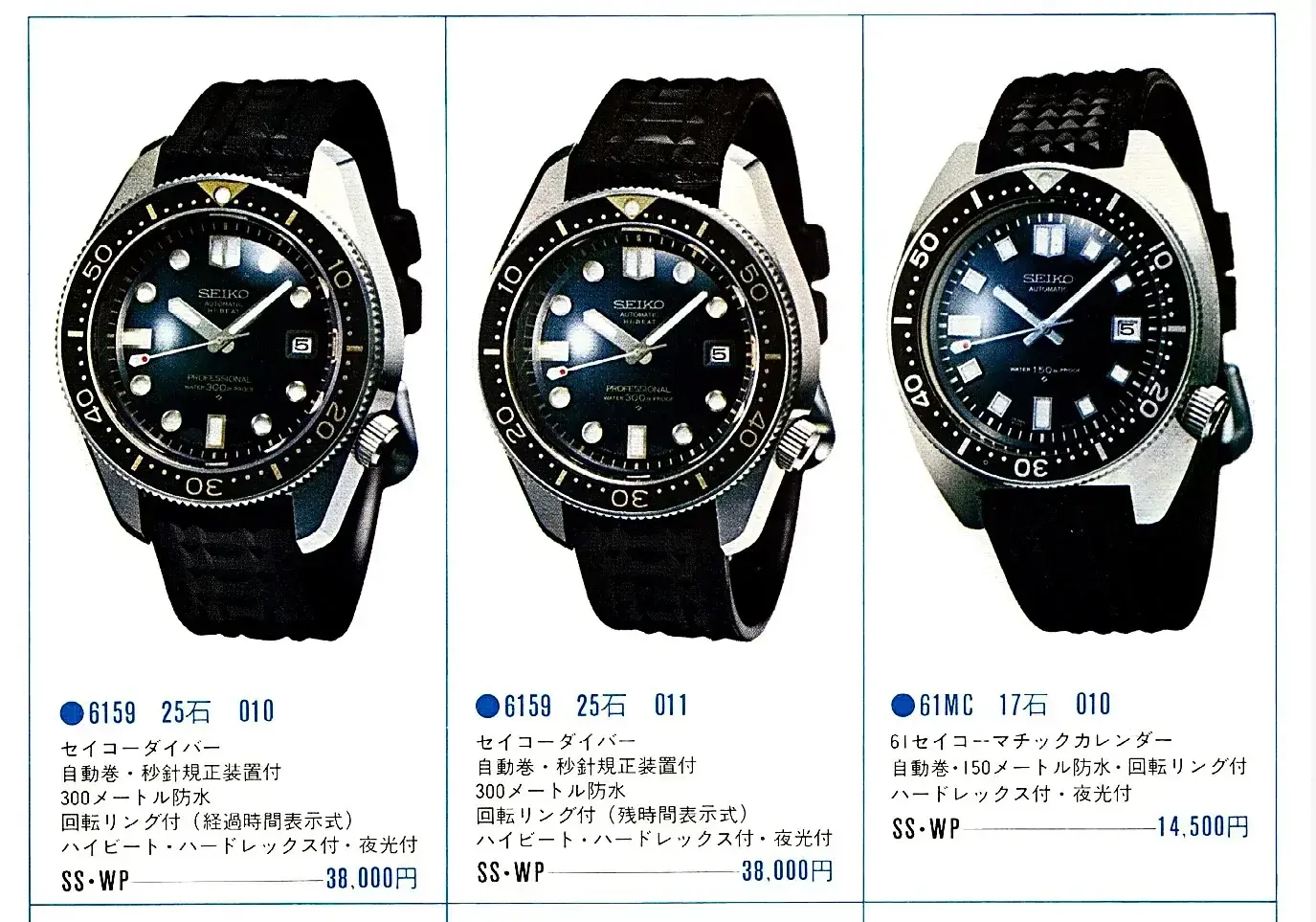
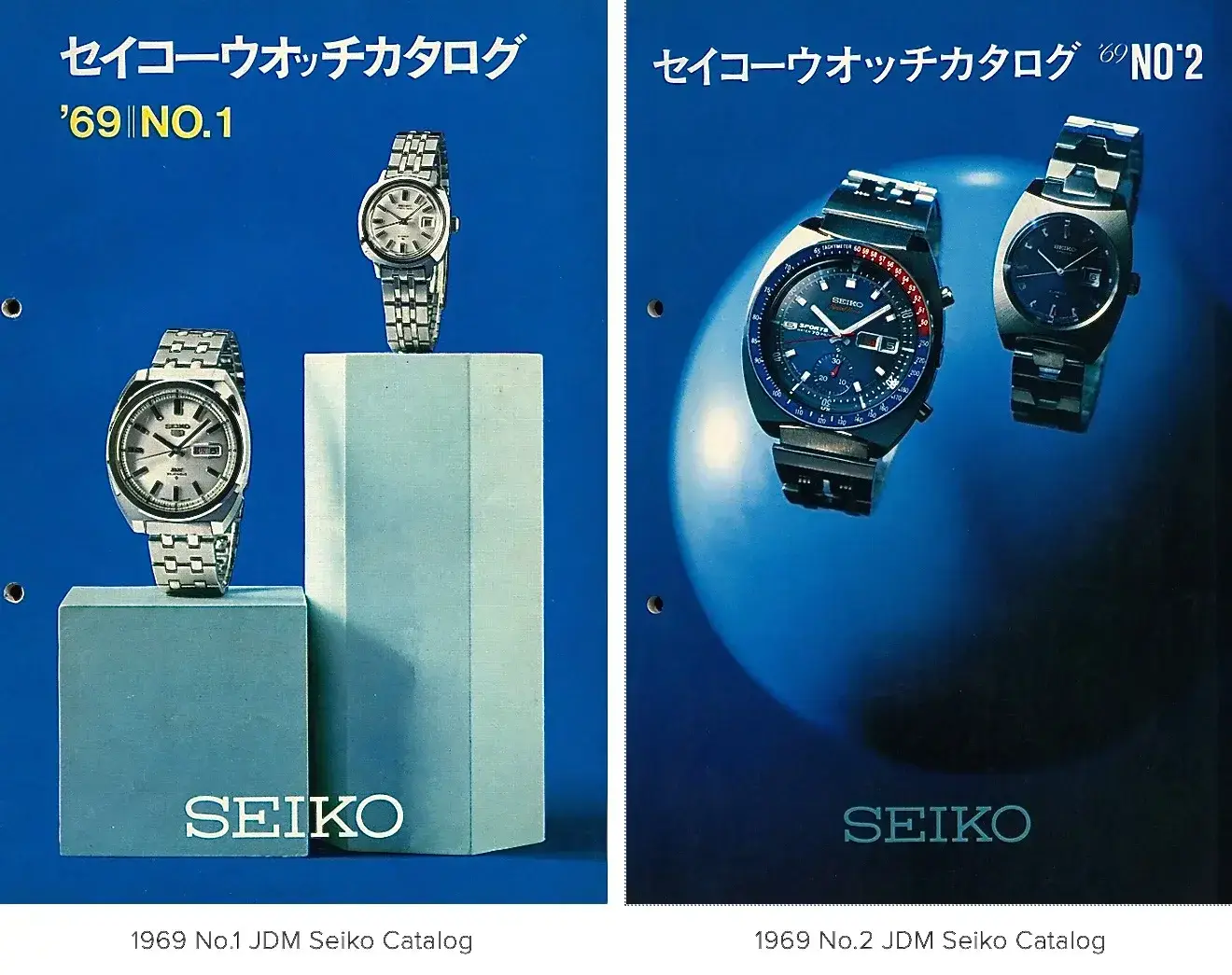
1970's SEIKO Catalog
1971 and 1973 are Japanese and the 1972 & 74 are American catalog
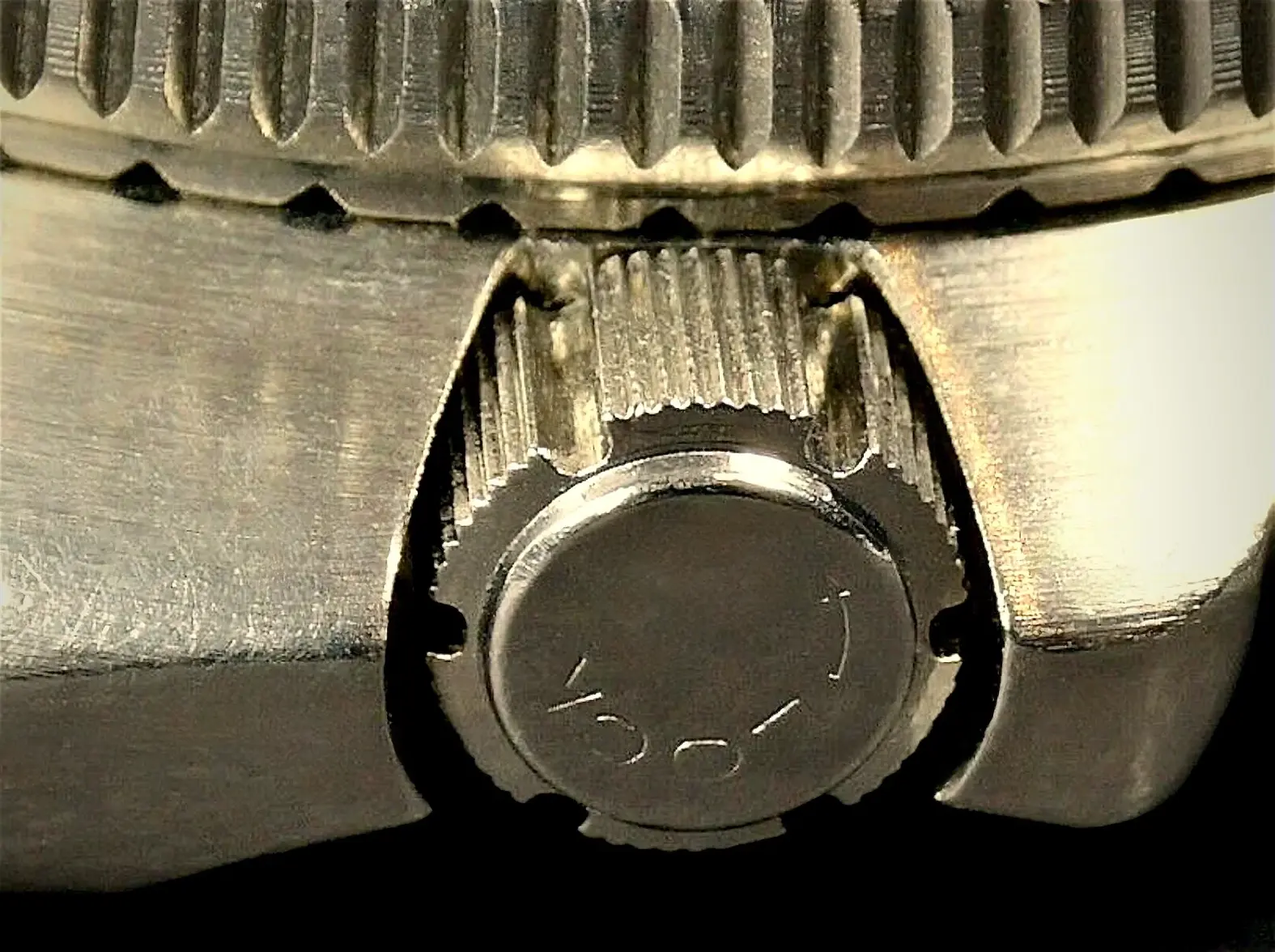
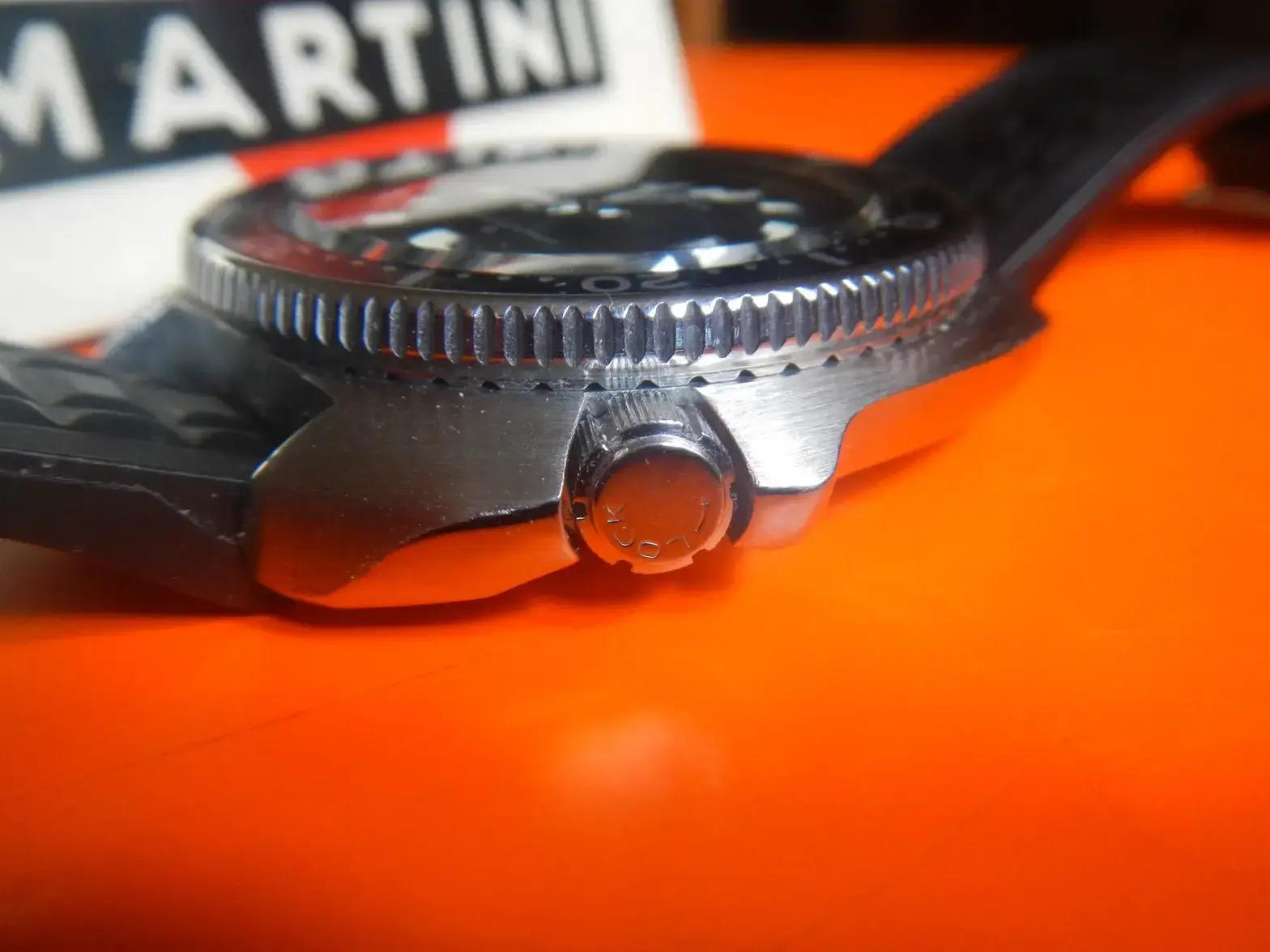
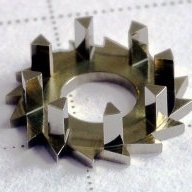
SEIKO CROWN ref.# 65W02N
Dimensions:
Diameter: ~6.45 mm
Inner Tube (Crown Shaft): ~2.80 mm
The original 65W02N crown has six groups of teeth, with each group containing seven to eight teeth. Early production models (1970–mid 1970s) may have 6 teeth per group NOT 5, as confirmed by documented examples from 1973.
SEIKO Hardlex
Seiko 6105-8110 crystal, mineral glass, Hardlex, high-dome, and medium-dome variations often referred to as types 1 through 4, is
320W10GN00 (often abbreviated as 320W10GN).
While collectors sometimes distinguish between types (high edge, domed top/inner), these are often variations of the same original Seiko part number or early, later, or service replacements designed to fit the same 6105-8110 case.
- Standard Part Number: 320W10GN00
- Material: Hardlex Mineral Glass
- Compatible Models: 6105-8110, 6105-8119, 6105-8000, 6105-8009, and others.
Regarding Type 2 and Type 3:
Type II crystal was used 1971–early 1976
Type III became standard from ~1976 onward.
--- Type 2 (High Dome):
Characterized by a high edge height, and domed top and inner surfaces.
--- Type 3 (Medium Dome):
Characterized by a medium edge height, and domed top and inner surfaces, this includes
two sub-variations—flat-top and down-top—though the down-top is more common.
SOURCES -
Wrist Sushi,
SeikoPsycho,
Spencer Klein, and Jonathan Koch ("Swedefreak") confirm the existence and timeline of Type II and Type III variants based on physical inspection and archival data.
MOVEMENT -
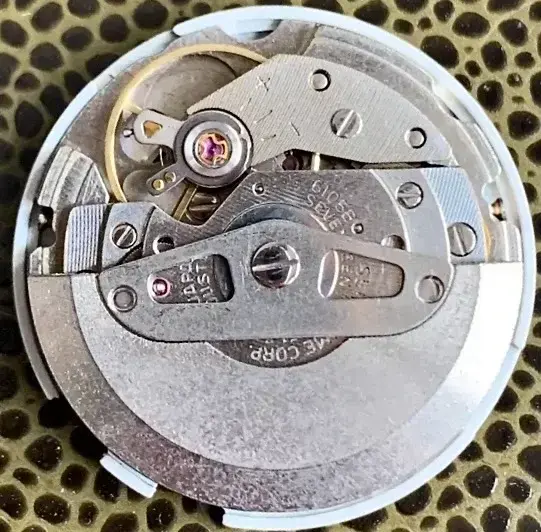
SEIKO caliber 6105
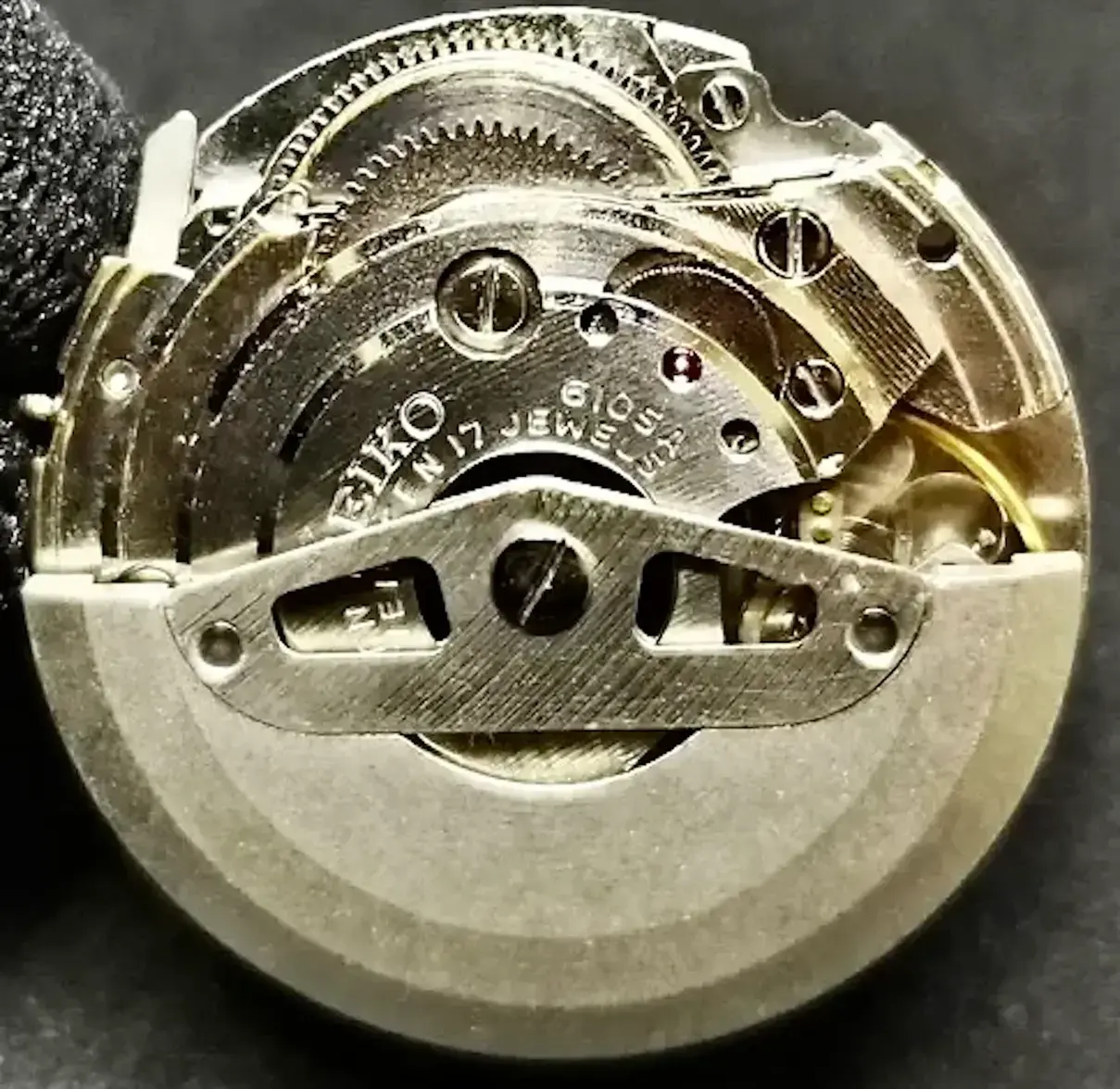
A). Seiko 6105A is an automatic mechanical movement produced from 1968 to 1974. It operates at 21,600 vibrations per hour (bph) and contains 17 jewels. It features a quickset date function and sweep seconds, but does not hack (stop the seconds hand when the crown is pulled for time setting) and cannot be manually wound. This movement was primarily used in early models of the Seiko 6105 diver watches, such as the 6105-8000 and 6105-8009.
image borrowed from cyberspace:
B). Seiko 6105B is an evolution of the 6105A, also produced from
1968 to 1974 with the same
21,600 bph and
17 jewels. It retains the
quickset date and
automatic winding but adds a
hacking feature, allowing for more precise time setting. Like the 6105A, it lacks manual winding. The 6105B was used in later Seiko 6105 models, particularly the
6105-8110 and
6105-8119, which featured larger, asymmetrical cases.
image borrowed from cyberspace:
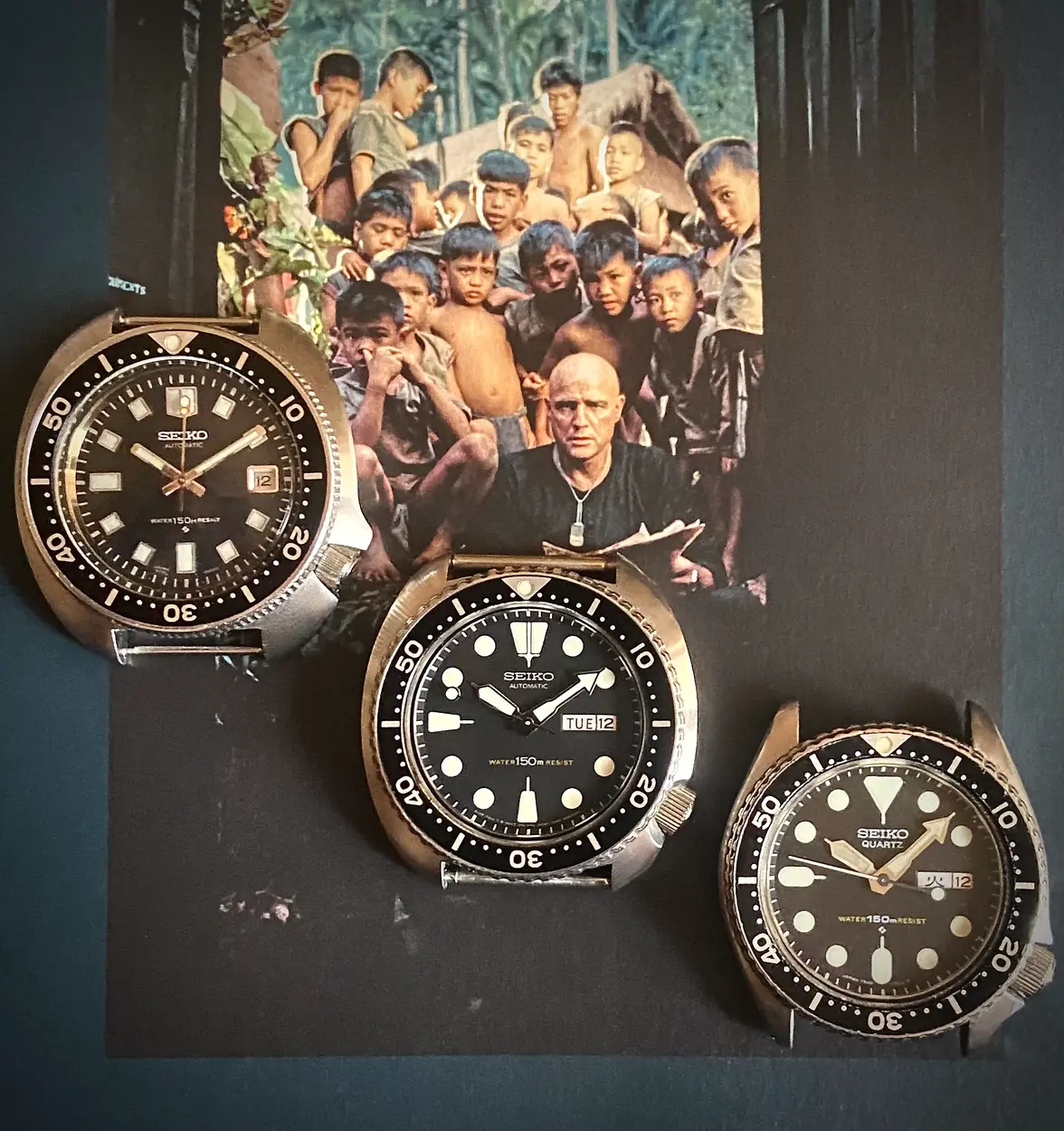
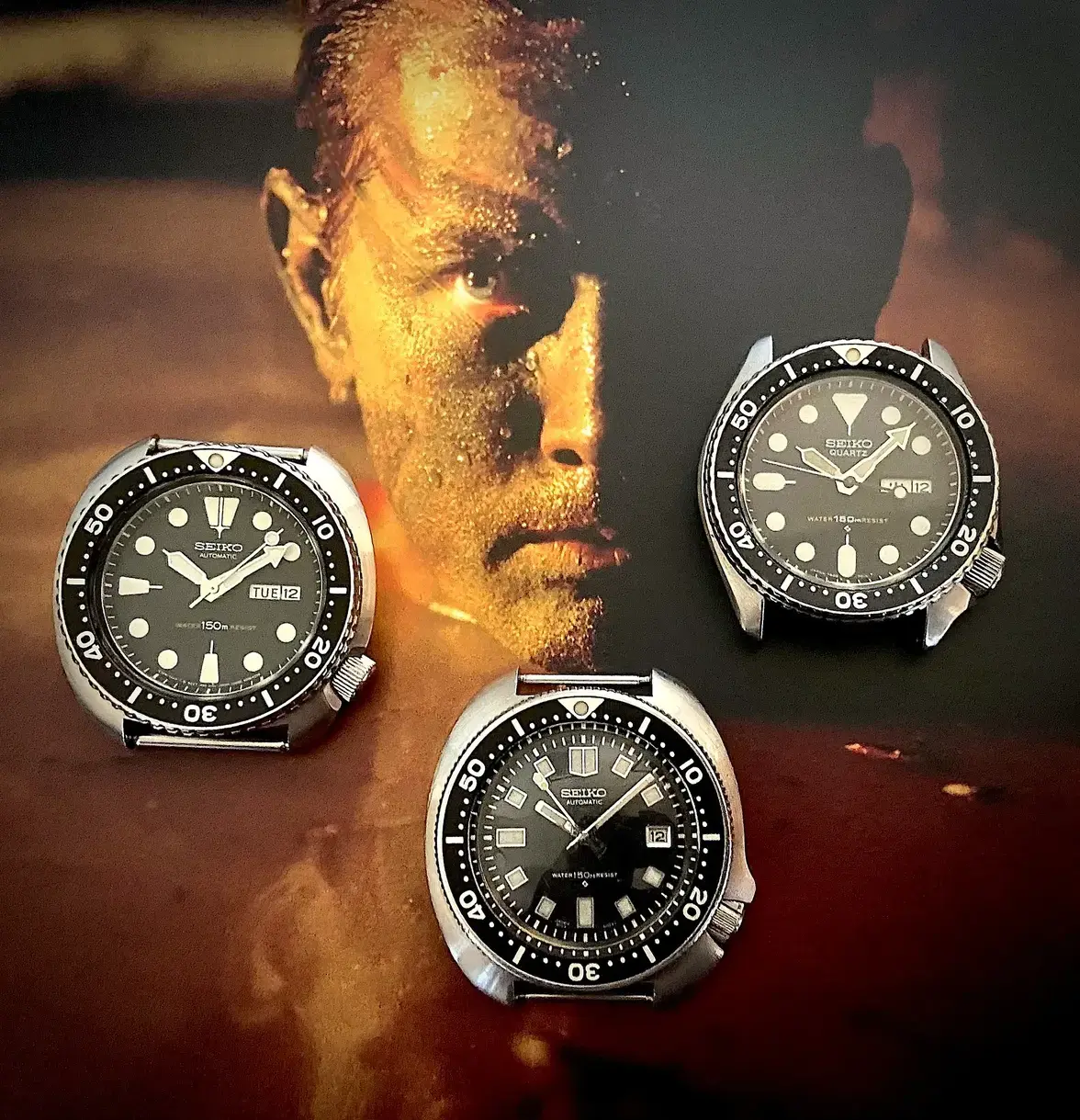
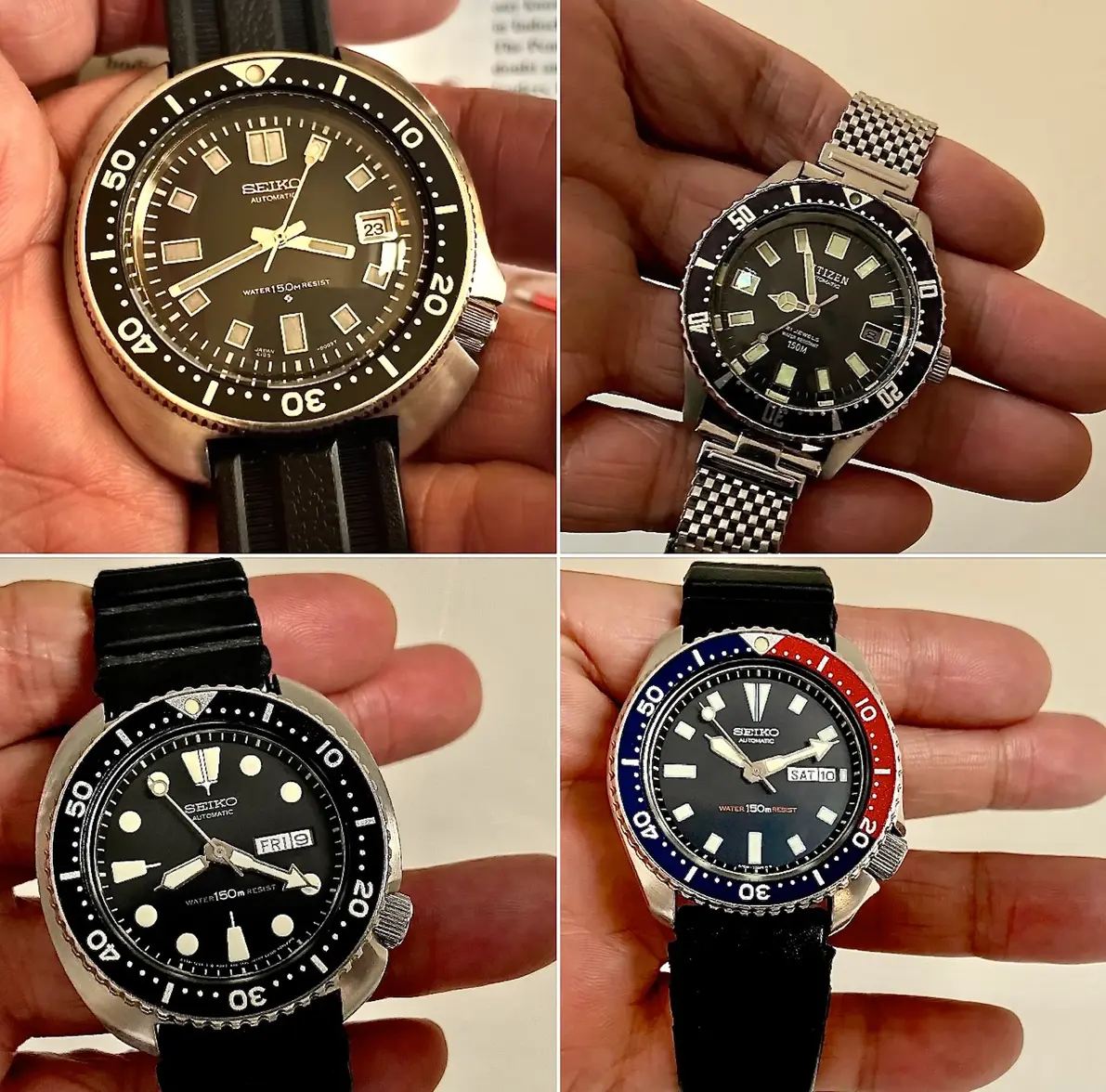
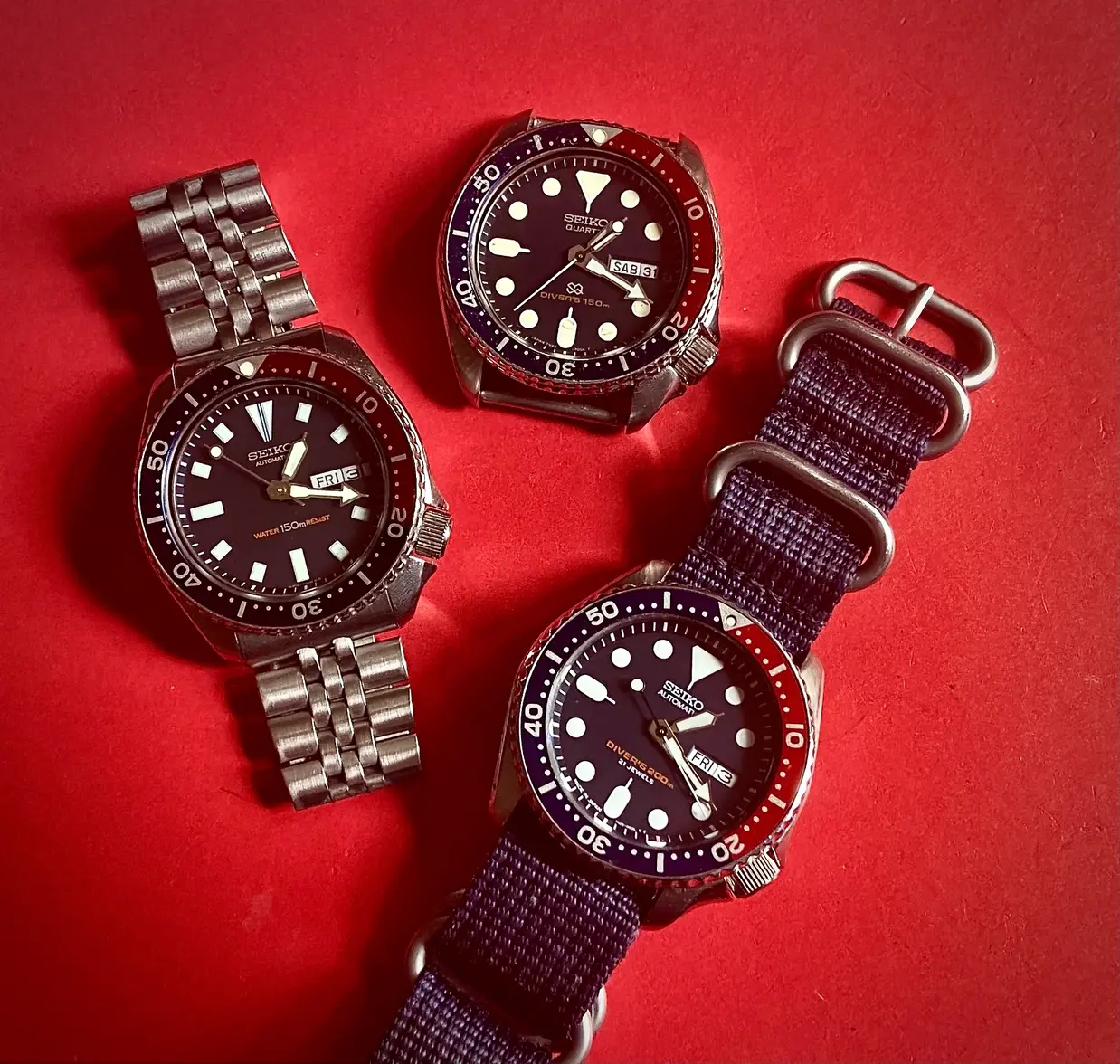
SEIKO 150M DIVERS
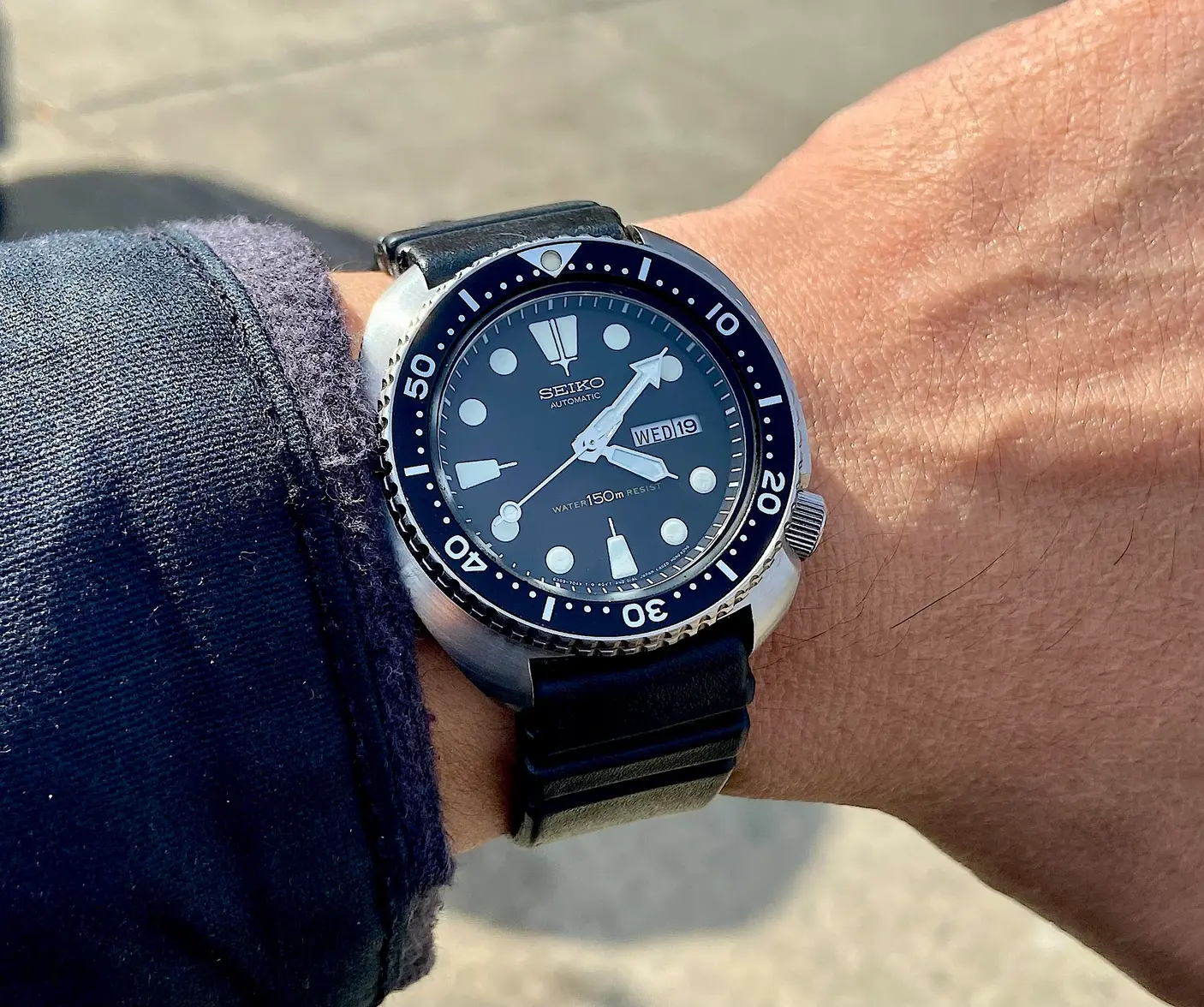
Seiko caliber 6105 case ref.# 8119
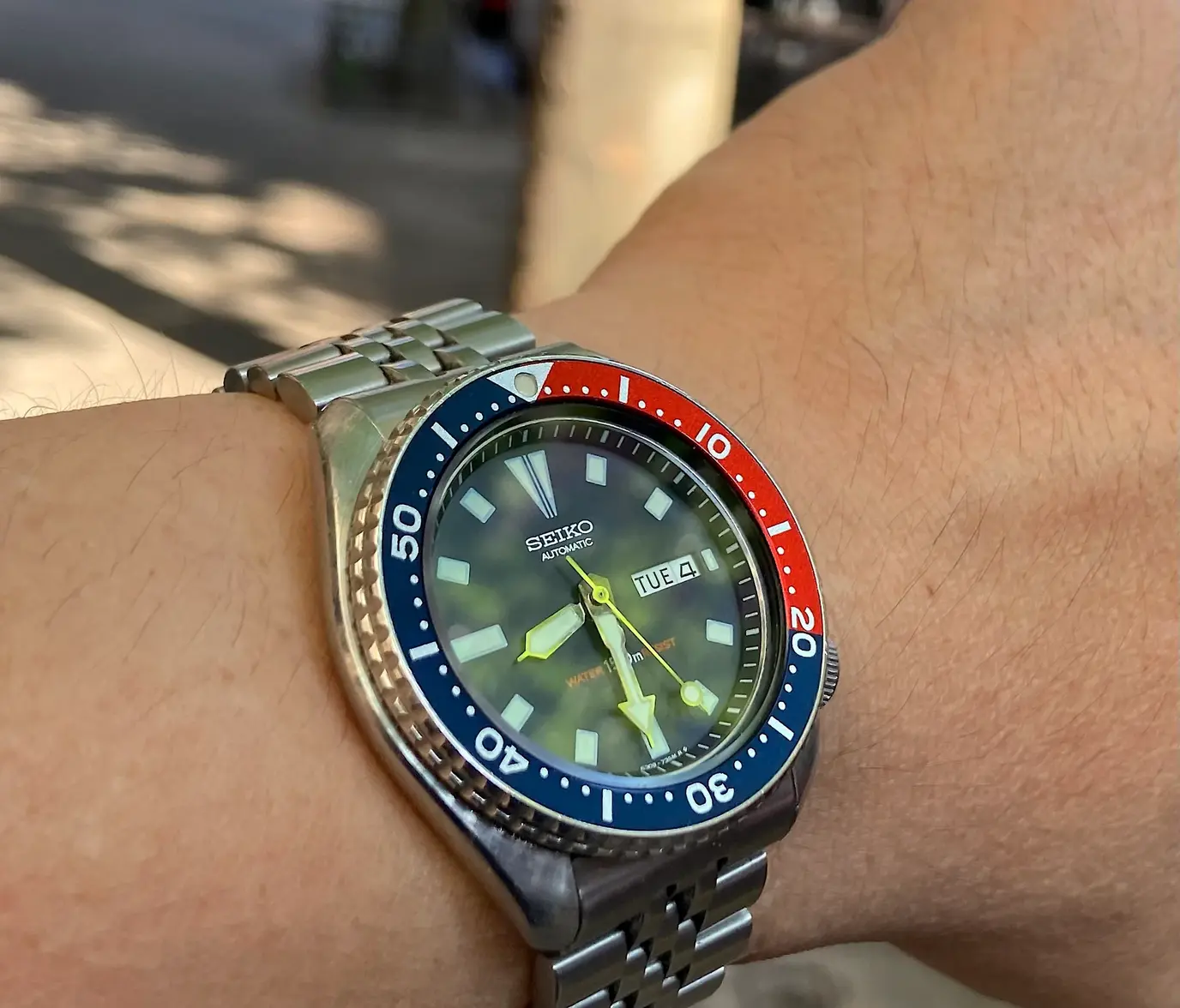
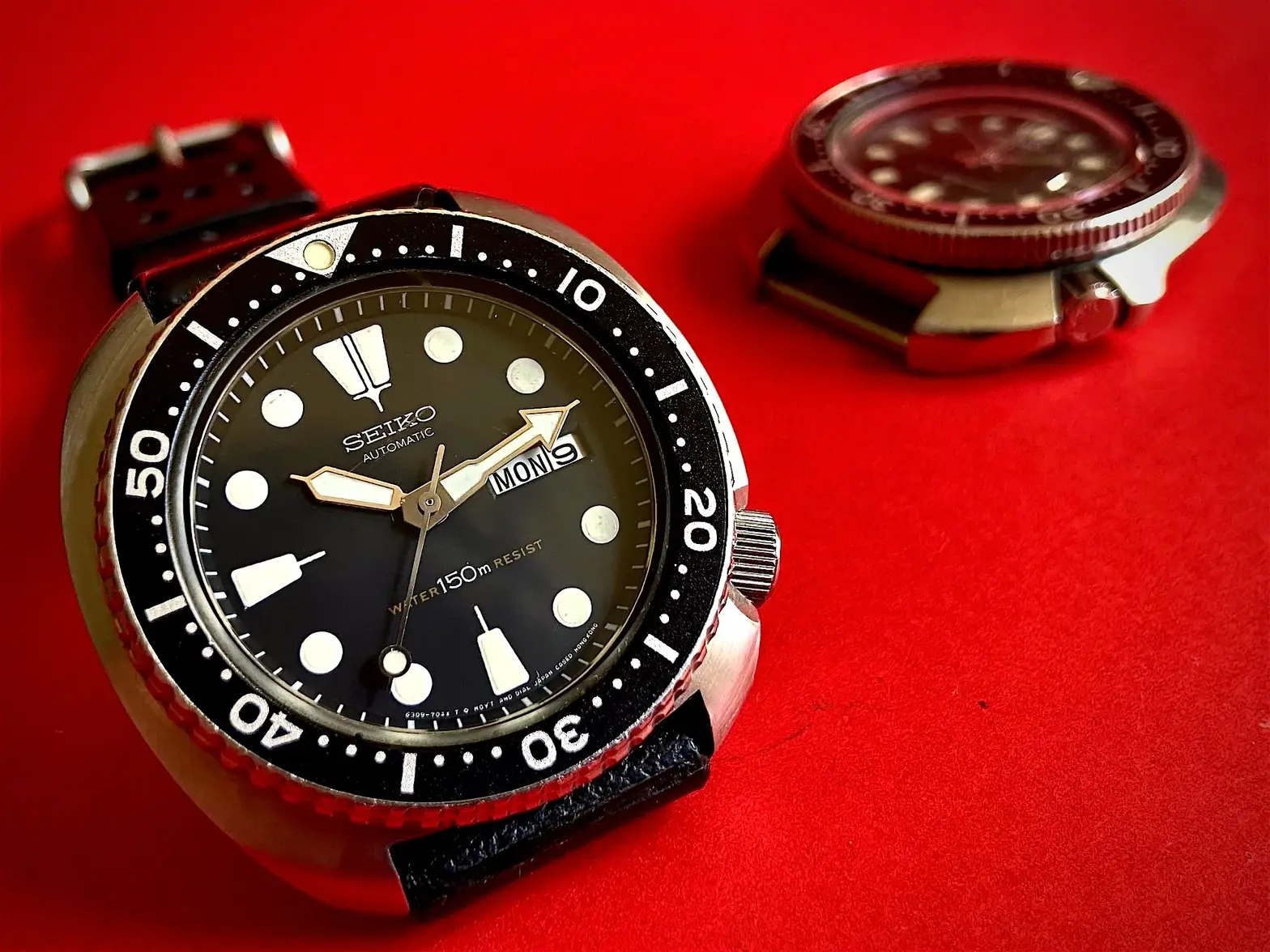
Seiko caliber 6309 case ref.# 7049
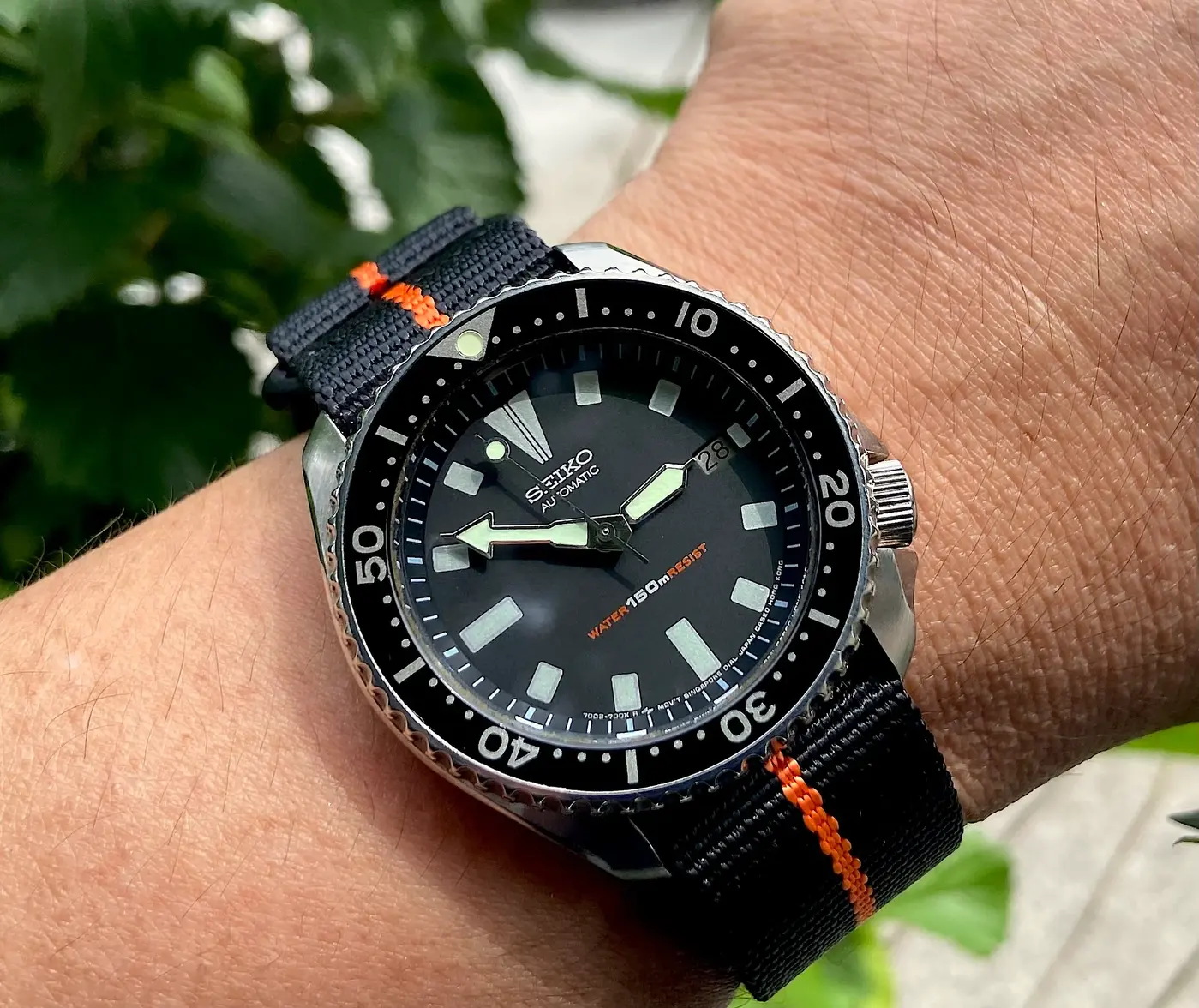
Seiko caliber 7548 case ref.# 7000 Japan
A
150-meter water resistance rating means the watch is tested under
static pressure equivalent to a
150-meter column of water in a controlled laboratory environment.
In
feet, this corresponds to
492 feet of static water pressure (since 1 meter ≈ 3.28084 feet).
This does
not mean the watch is safe for diving to 492 feet. Real-world diving involves
dynamic pressure from movement, temperature changes, and impact, which significantly increase stress on seals.
CONTEXT:
150 meters (492 ft) is the
static test depth.
Actual recommended use for a 150M-rated dive watch is typically
up to 40 meters (130 feet) for recreational scuba diving.
ISO 6425 standards require a 150M-rated watch to be tested at
187.5 meters (615 feet) to ensure safety under dynamic conditions.
While the
static pressure test is equivalent to
492 feet, the watch should
not be used for deep dives beyond recreational limits.
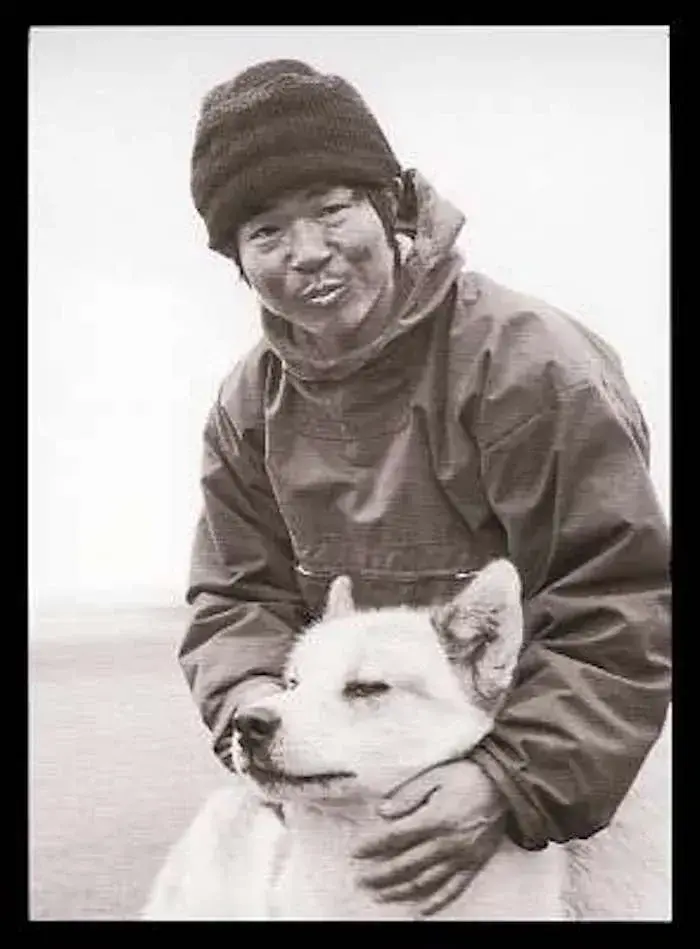
Naomi Uemura (上村 奈々男)
Japanese explorer
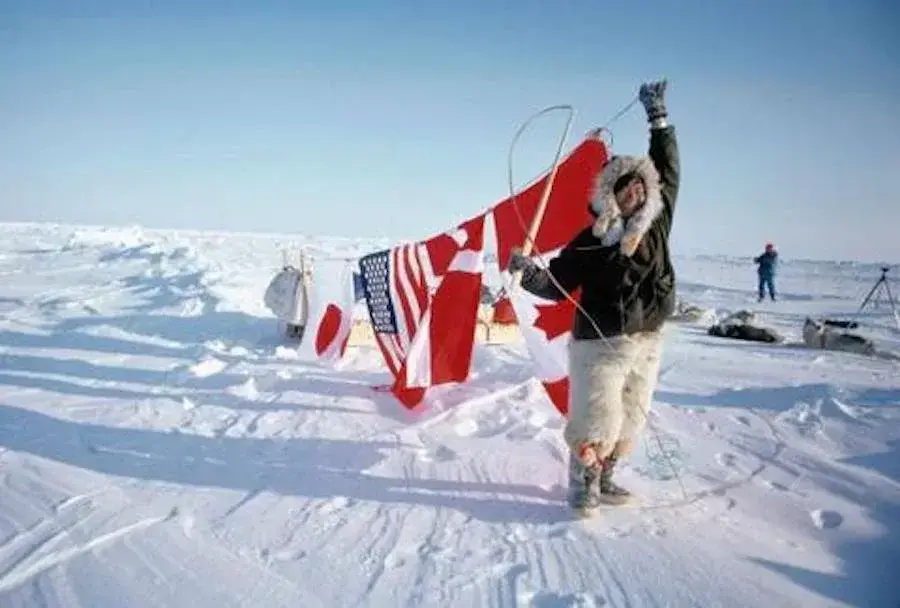
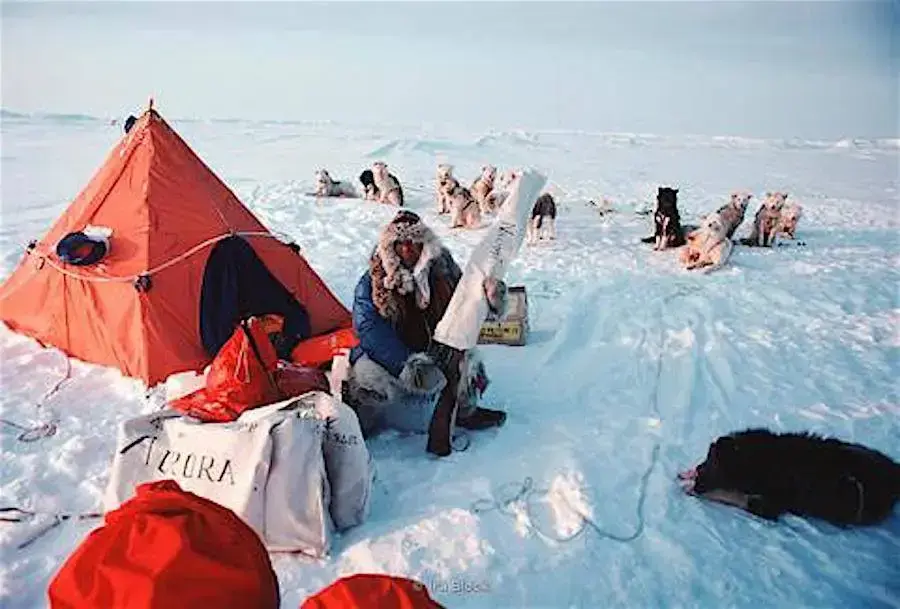
The Japanese solo adventurer, renowned for completing feats previously achieved only with large support teams. In 1978, he became the
first person to reach the North Pole solo, a journey that lasted 57 days and covered approximately 750 miles by dog sled from northern Alaska.
Contrary to some claims, Uemura did
not reach the North Pole on May 1, 1978 he arrived earlier, on
April 29, 1978, completing a 57-day solo trek from northern Canada. The watch he used, though heavily worn, continued to function throughout the expedition.
He wore a
Seiko 6105-8110 during his 1978 solo expedition to the North Pole. This connection has led to the watch being affectionately nicknamed the
"Uemura" in Japan. Uemura also wore the same model during his Greenland dog sled journey from Alaska, further cementing its legacy as a tool for extreme exploration.
THE STORY
This expedition cemented his legacy and brought attention to the equipment he used particularly his timepiece, which became central to a compelling story of survival and reliability in extreme conditions.
According to multiple sources, Uemura was initially equipped with a
Rolex Explorer II (Ref. 1655), gifted to him by Rolex Japan after he received the Explorer Award in 1976. He wore this watch on his 1978 North Pole expedition.
The extreme Arctic conditions caused issues:
I). He first feared
frostbite from the cold metal of the steel bracelet touching his skin.
II). He switched the watch to a
leather strap, but it broke due to the vibrations from sledding.
III). He then wore the watch on his
waist, away from body heat.
IV). In this position, the
lubricants in the movement froze, causing the Rolex to stop functioning.
LIFE SAVING REPLACEMENT -
At a supply drop point during the expedition, Uemura encountered
Katsuo Sugawara, a journalist from the weekly magazine
Bunshun, who was covering his journey. Sugawara offered Uemura his own
Seiko 6105-8110, (150-meter water-resistant diver’s watch with an automatic movement.)
Uemura accepted the watch, and it
successfully functioned throughout the remainder of the expedition. This event became legendary in horological circles, symbolizing the
reliability of Seiko’s engineering under extreme conditions.
SEIKO'S TRIBUTE TO UMEMURA
Seiko has honored Uemura’s legacy with several limited-edition reissues:
SLA049 (2021): 80th anniversary of Uemura’s birth, based on the 6105.
SLA051: Modern reinterpretation of the 1970s diver.
SLA069 (2023): "Naomi Uemura Limited Edition" with a
Mont Blanc mountain motif dial and blue bezel, limited to 500 pieces.
These models reinforce the
cultural and historical link between Uemura and the 6105
APOCALYPSE NOW
THE FILM
Set in 1969 the Seiko diver used should have been the SEIKO caliber 6105 case ref.# 8000 released before the 6105-8110/8119.
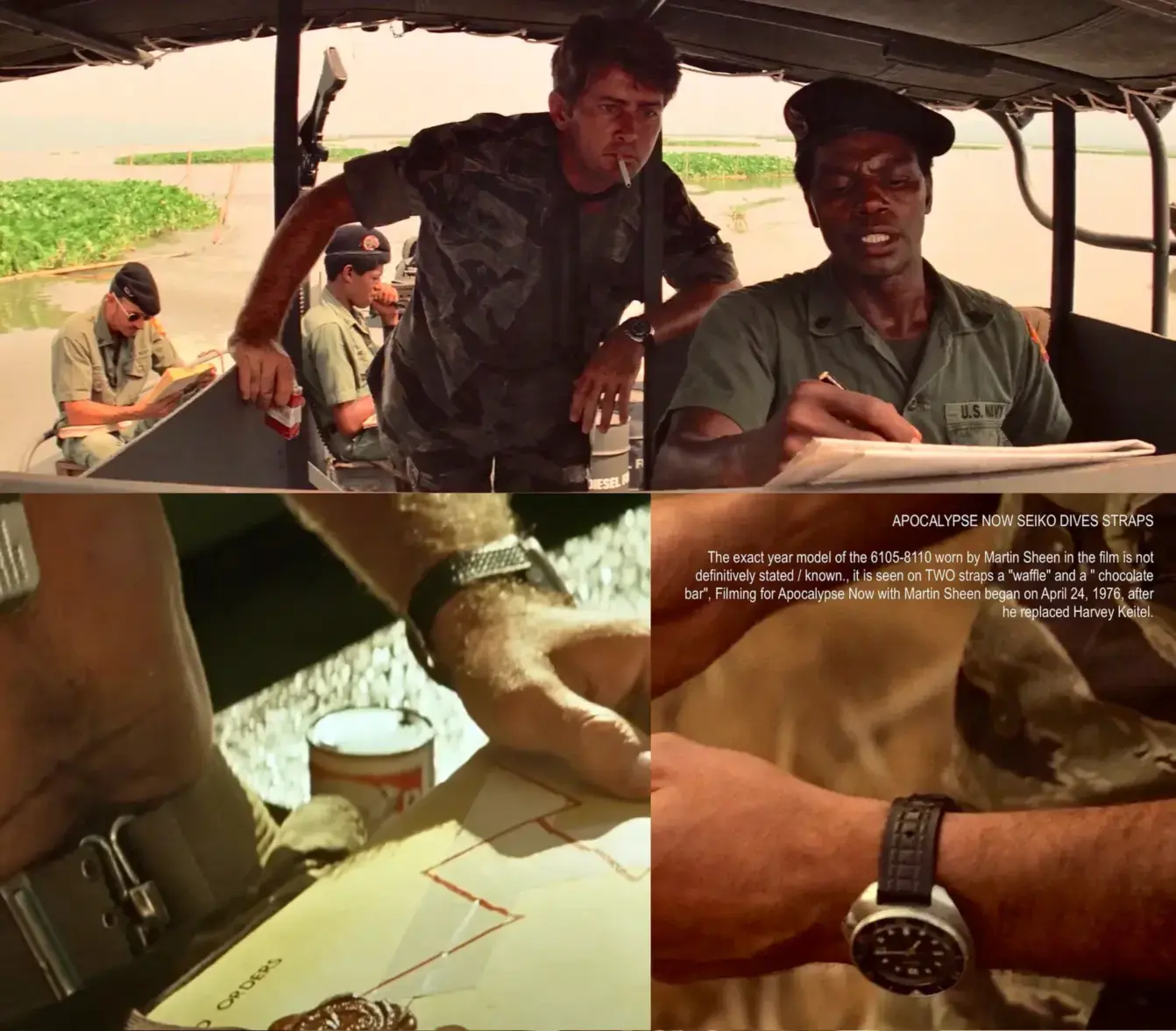
SEIKO NATURAL RUBBER DIVER STRAPS used in the film ?
there were TWO straps in the film, a "waffle" and a " chocolate bar".
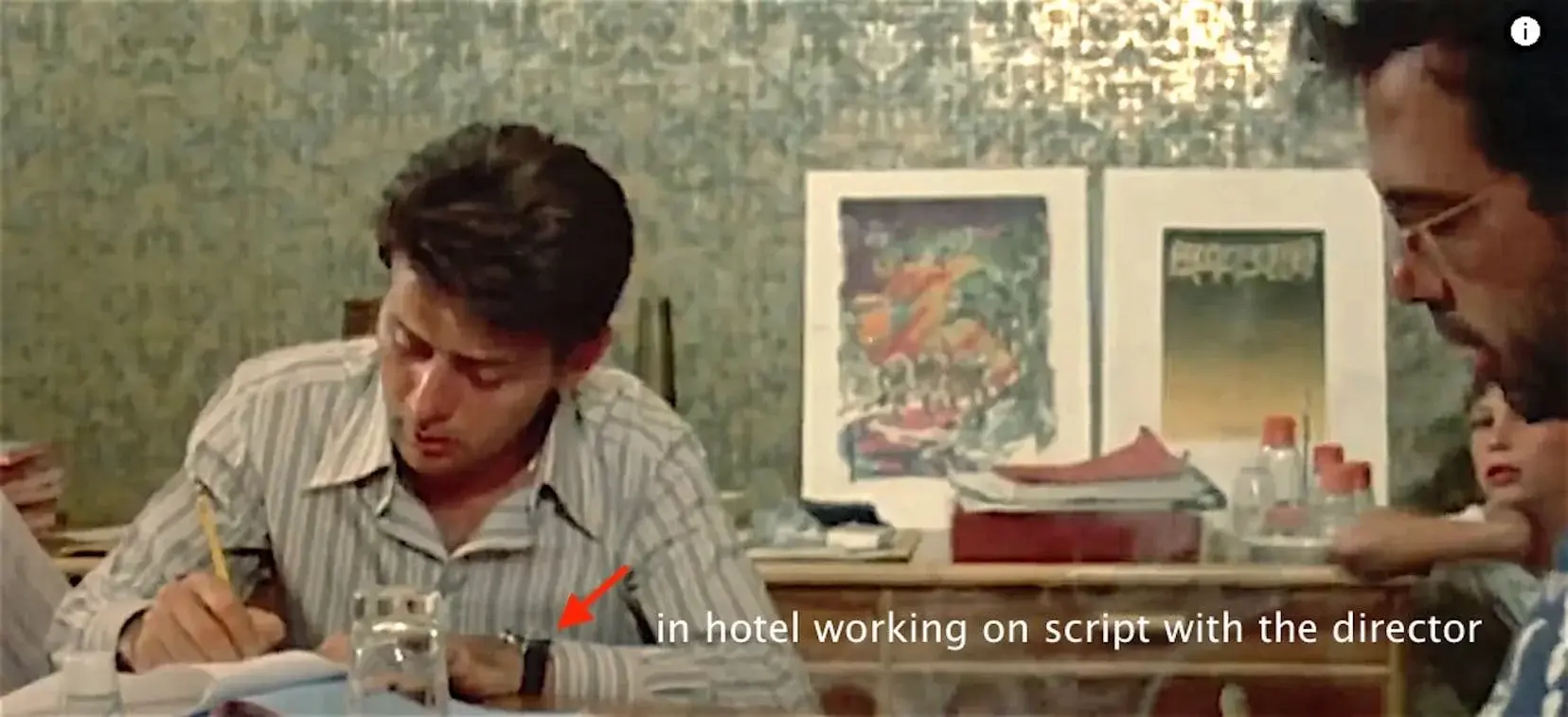
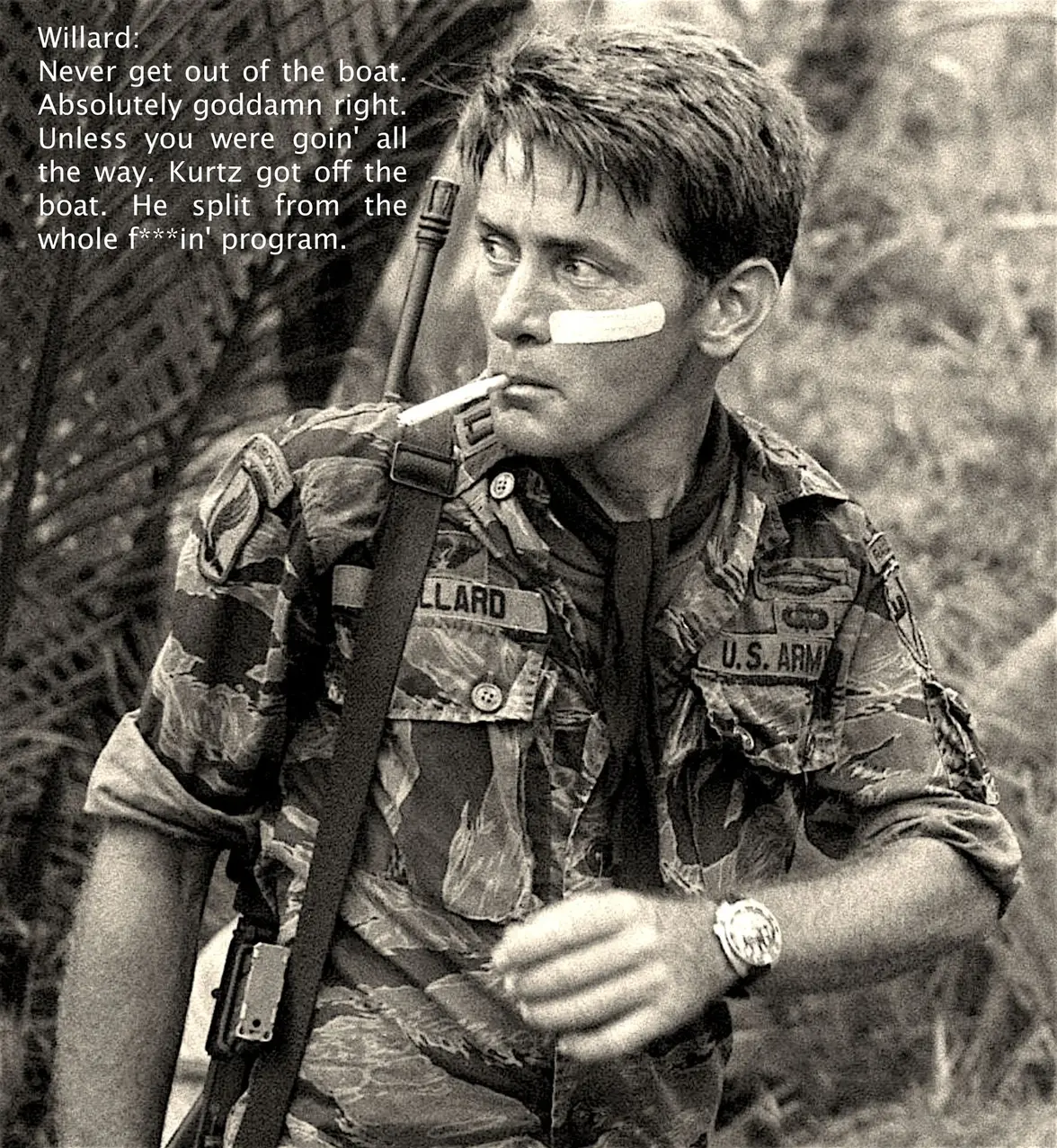
The exact year model of the 6105-8110/9 worn by Martin Sheen in the film is not definitively stated or known. Filming for Apocalypse Now with Martin Sheen began on April 24, 1976, after he replaced Harvey Keitel.
While it is
romantic to imagine that Martin Sheen wore his own Seiko 6105 in
Apocalypse Now, the factual record suggests otherwise. The watch was
selected by the production team.
Mr. Sheen has spoken fondly of the film and his role,
he has never claimed ownership of the watch seen on-screen. Film productions, especially of
Apocalypse Now's scale,
routinely source props through costume and prop departments. Personal items are rarely used unless specifically requested or thematically essential.
The
consensus among horological historians and film researchers is that the watch was
provided by the production, consistent with standard industry practice.
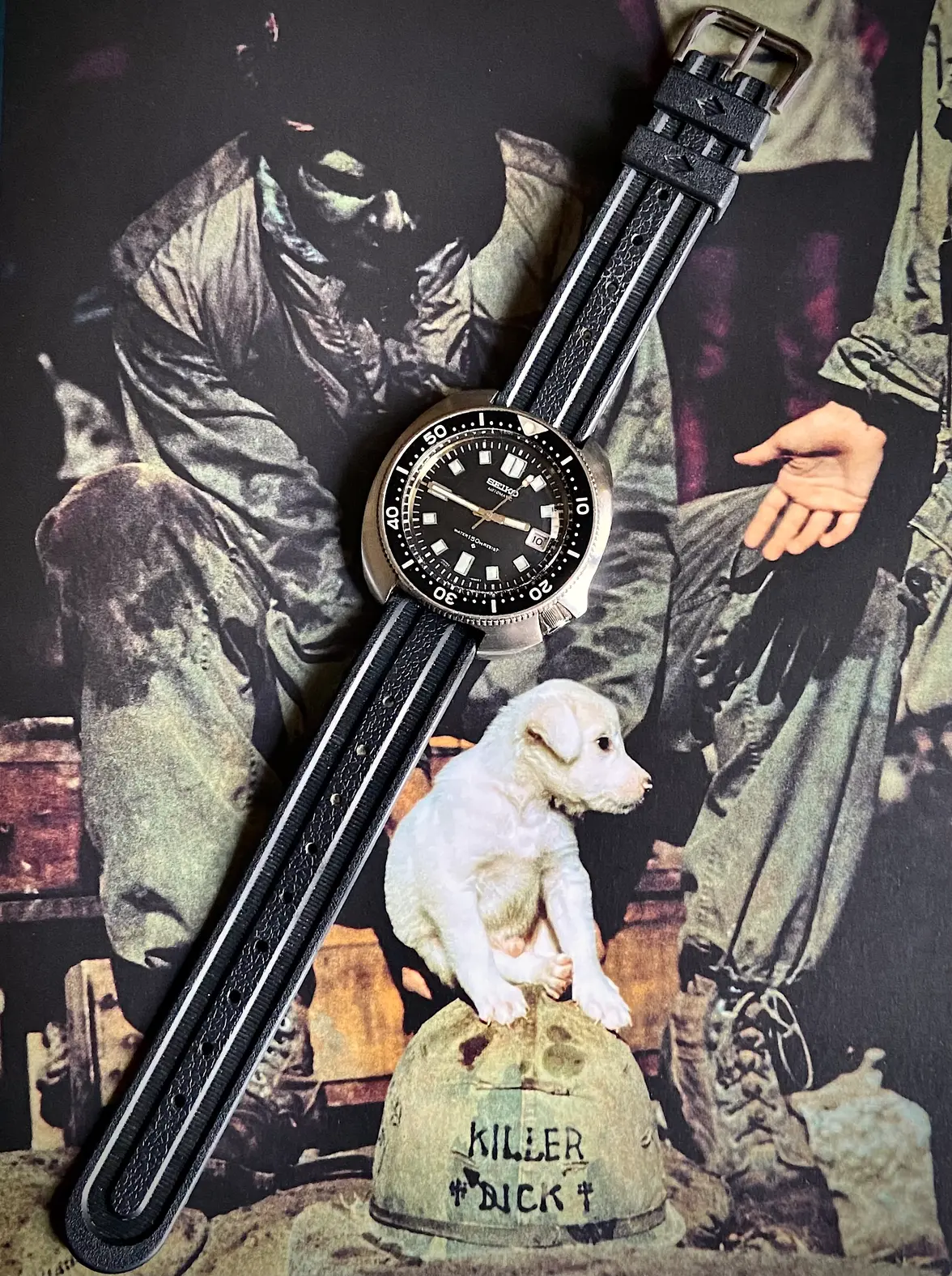
1973
SEIKO caliber 6105 case ref.# 8119
paired with an (the strap is an Uncle Seiko reproduction
based on the 1973 JDM catalog it would have come with a with a XGL-731
aka: Tire tread diver strap
(the strap is an Uncle Seiko reproduction)