Hi all.
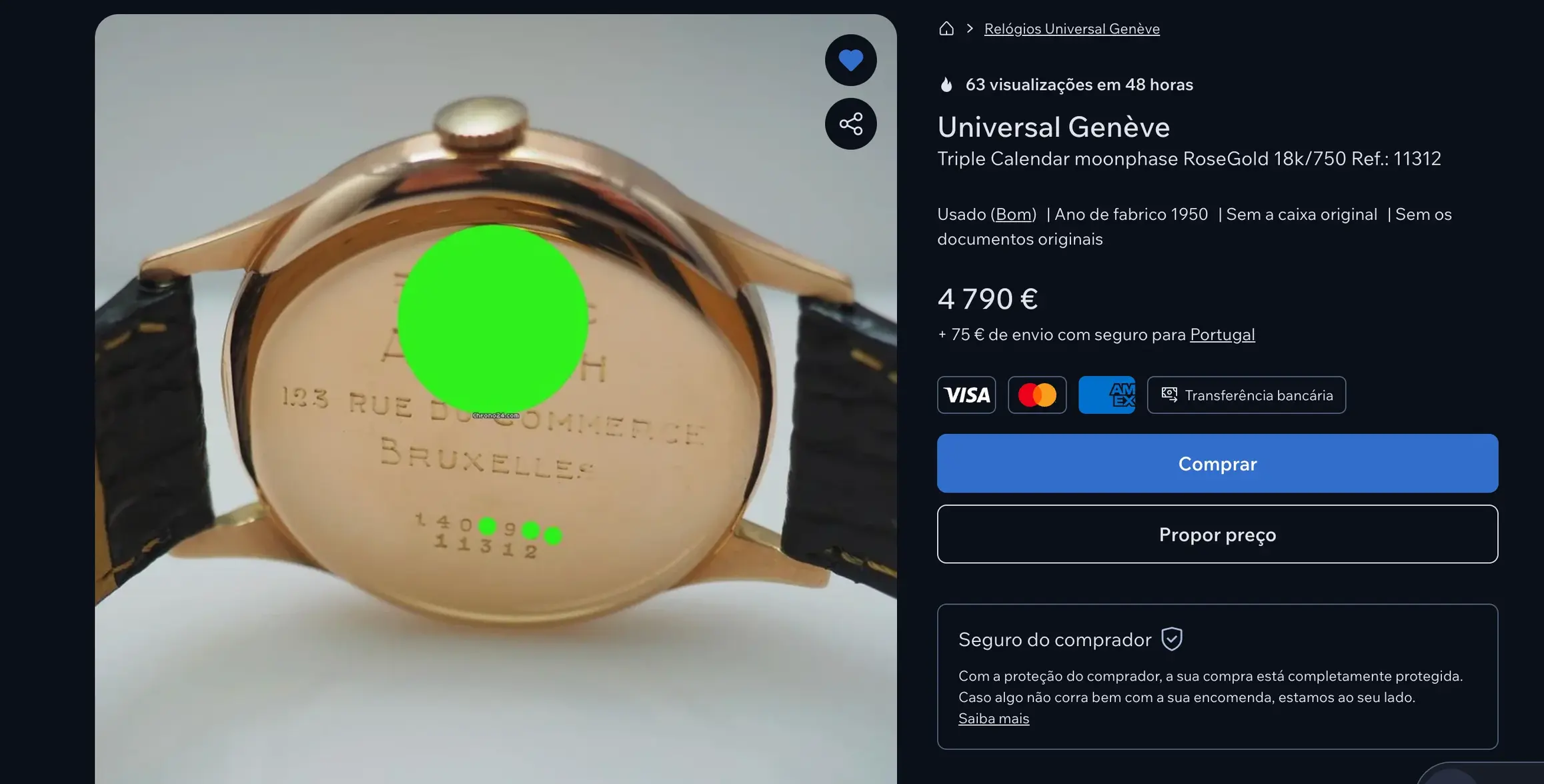
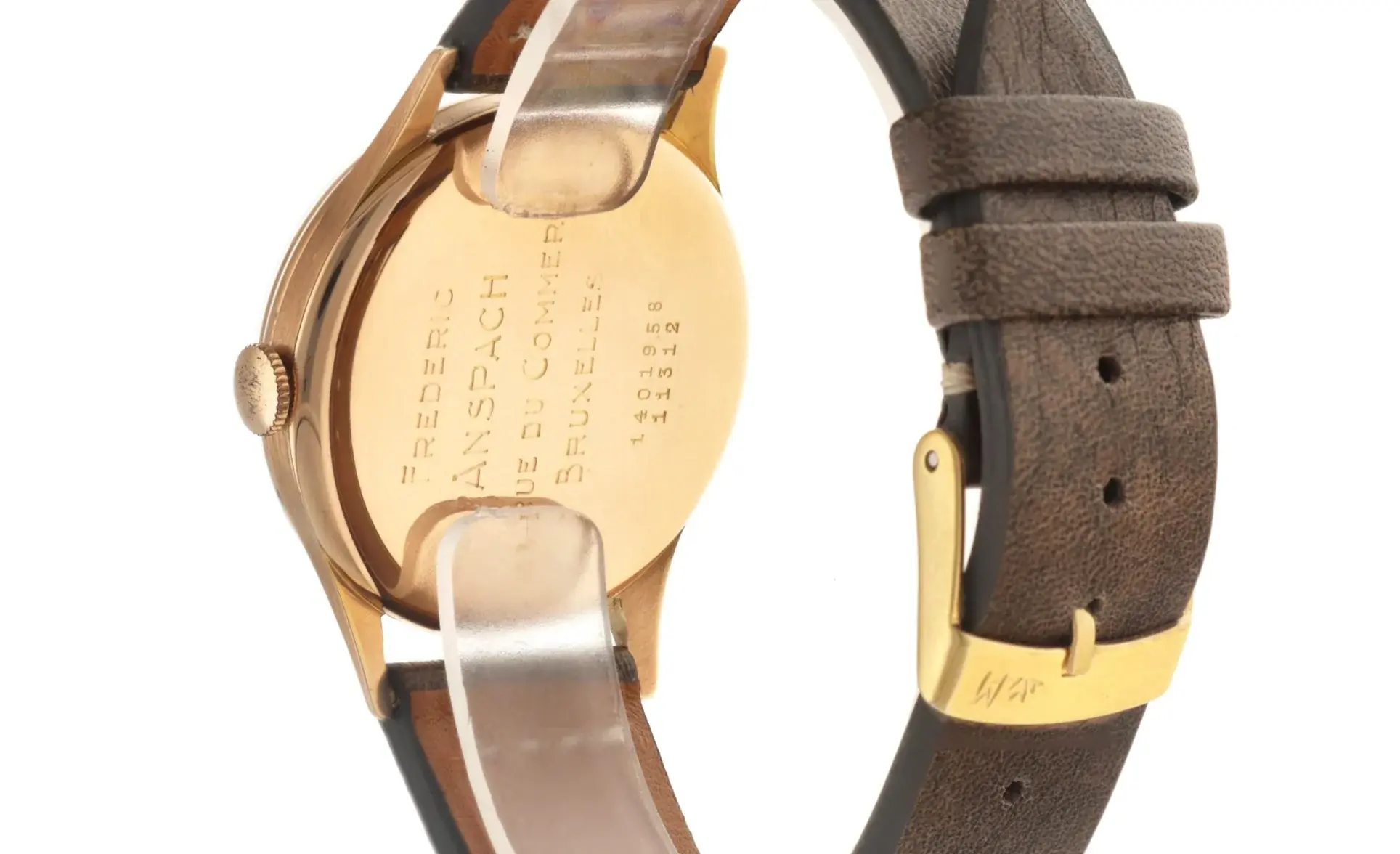
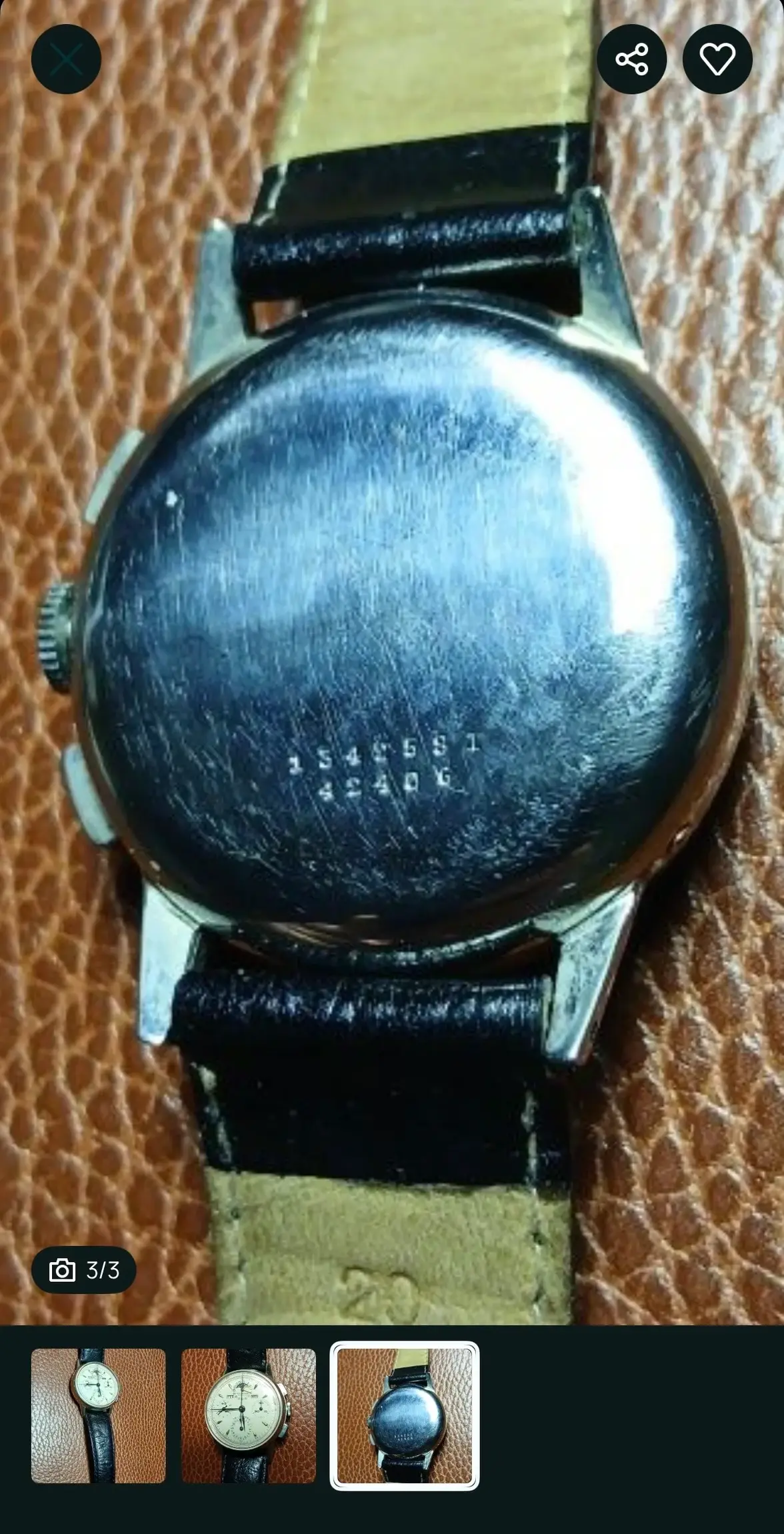
I’m still new around here, and as you may have seen from my previous posts, I tend to get drawn to caseback engravings - they’re often the best shortcut we have into the real‑world history behind these pieces.
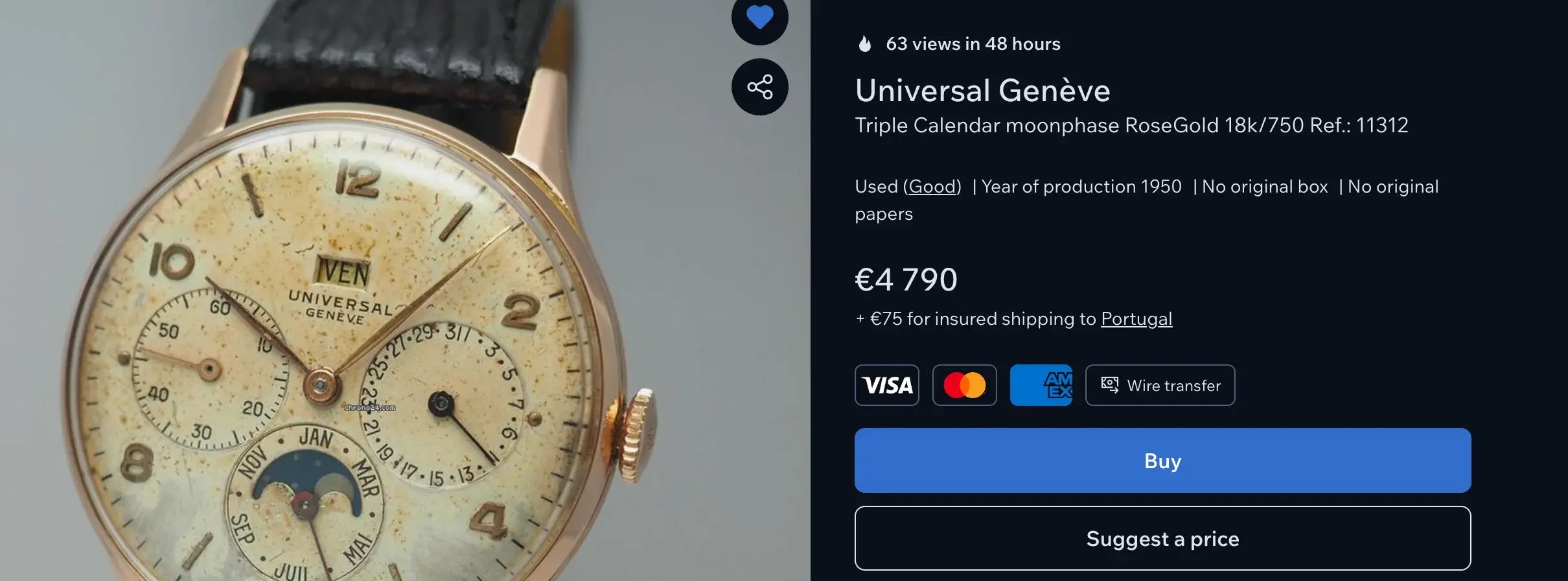
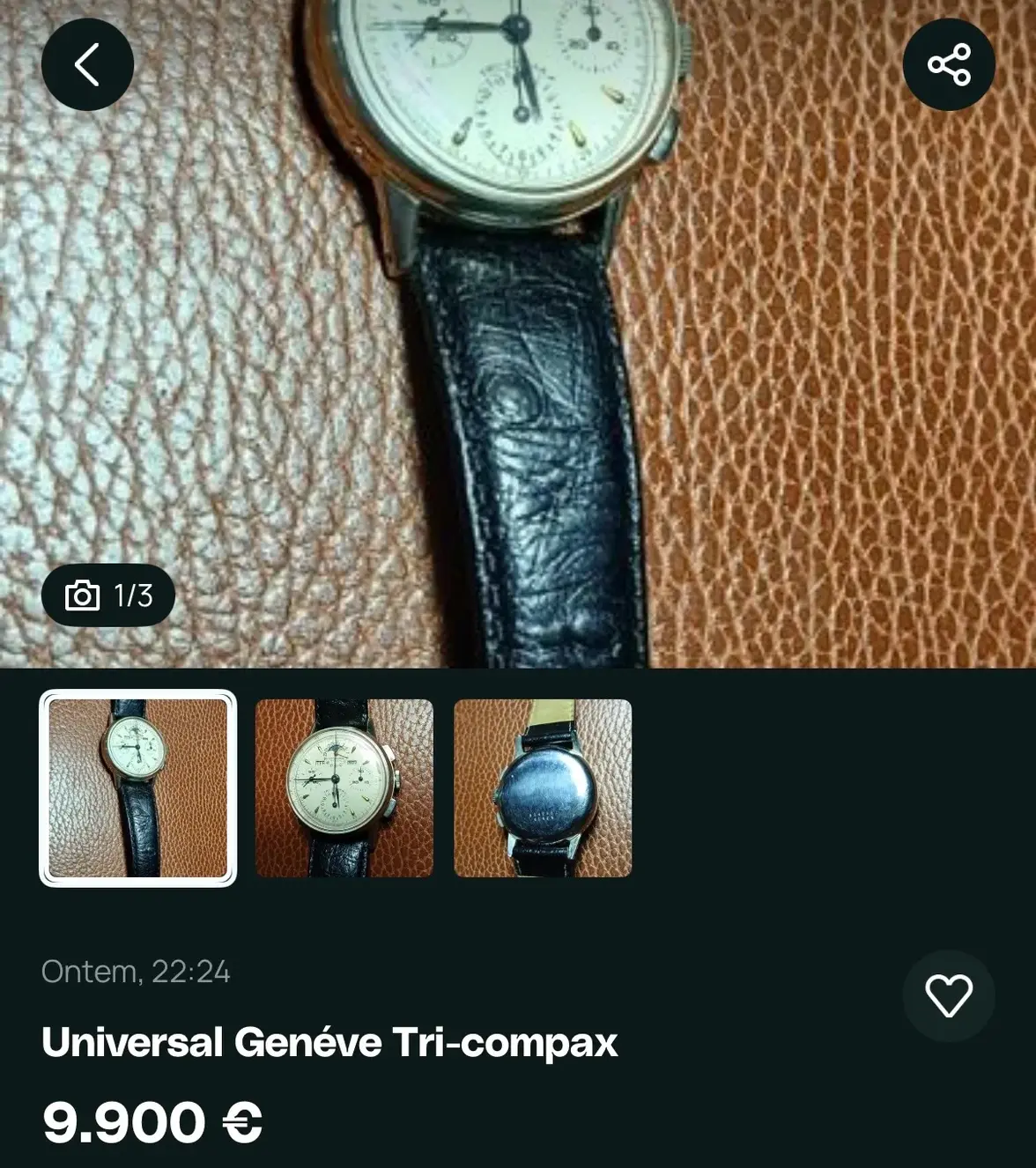
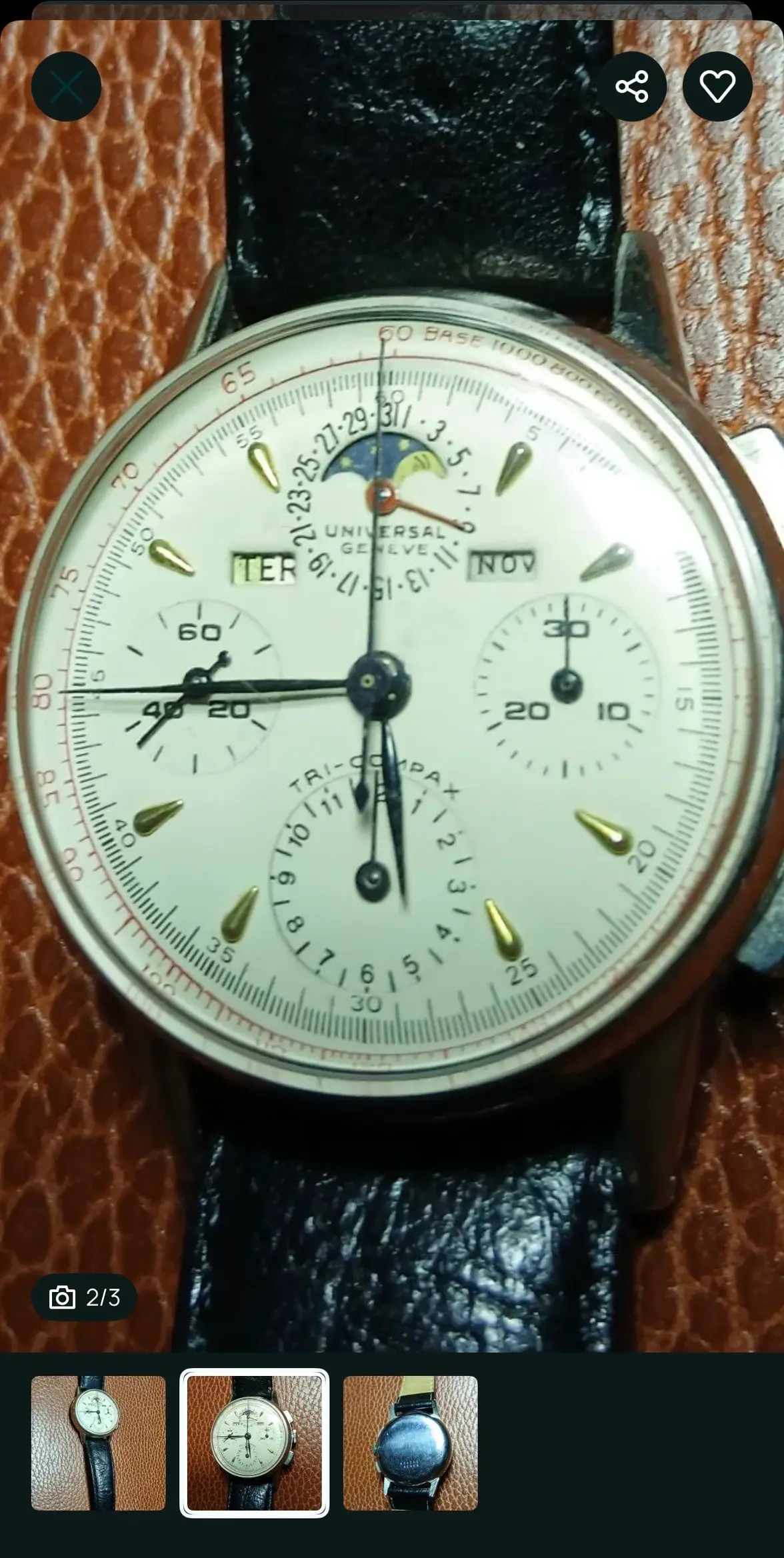
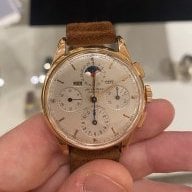
Along those lines, I’ve was looking at a watch currently offered on Chrono24:
https://www.chrono24.com/universalg...ase-rosegold-18k750-ref-11312--id43457064.htm
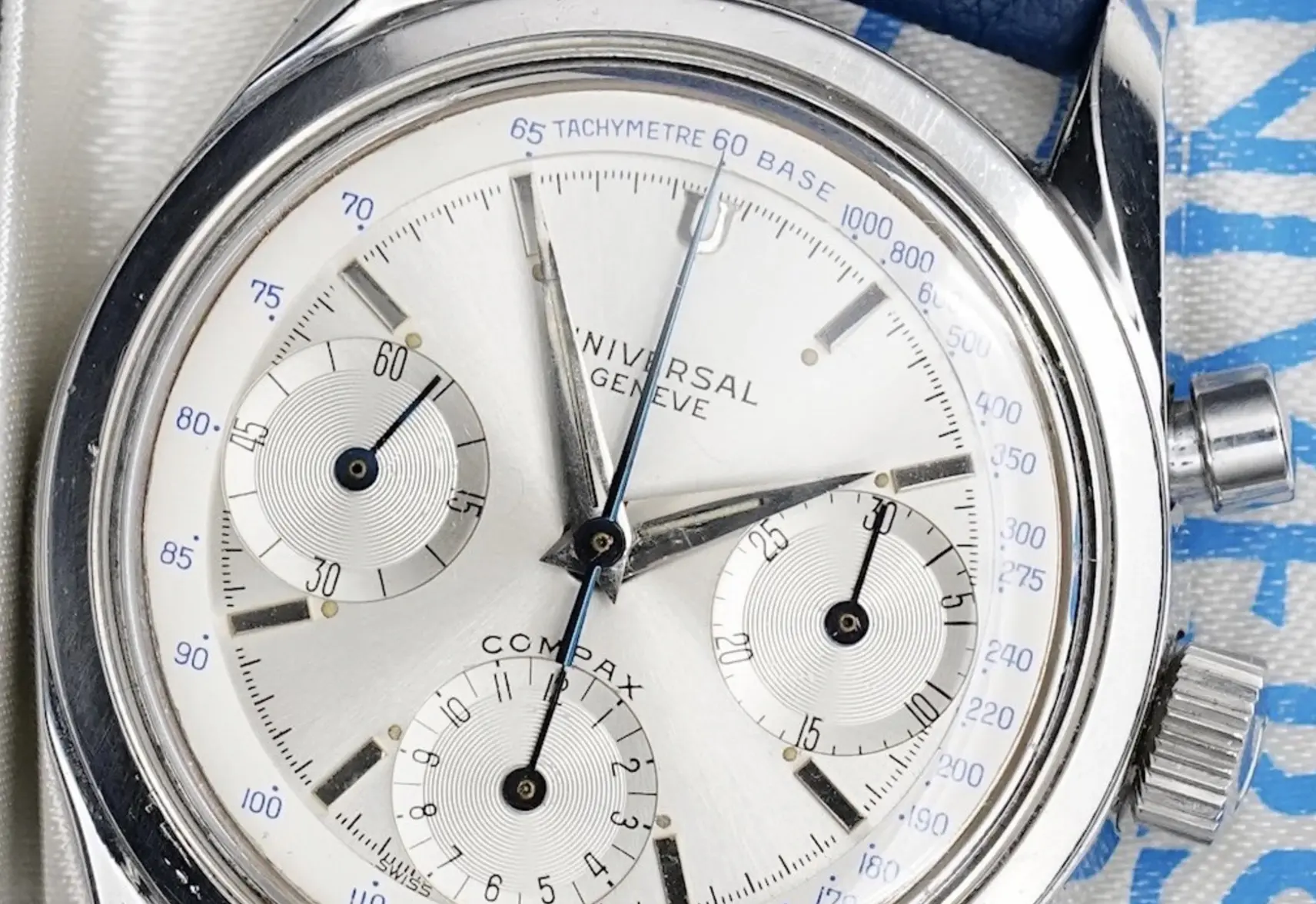
The dial font is different from what Sala shows for this reference and the moon disc also looks like a later/service replacement to me, not sure if anyone would add much on these matters..
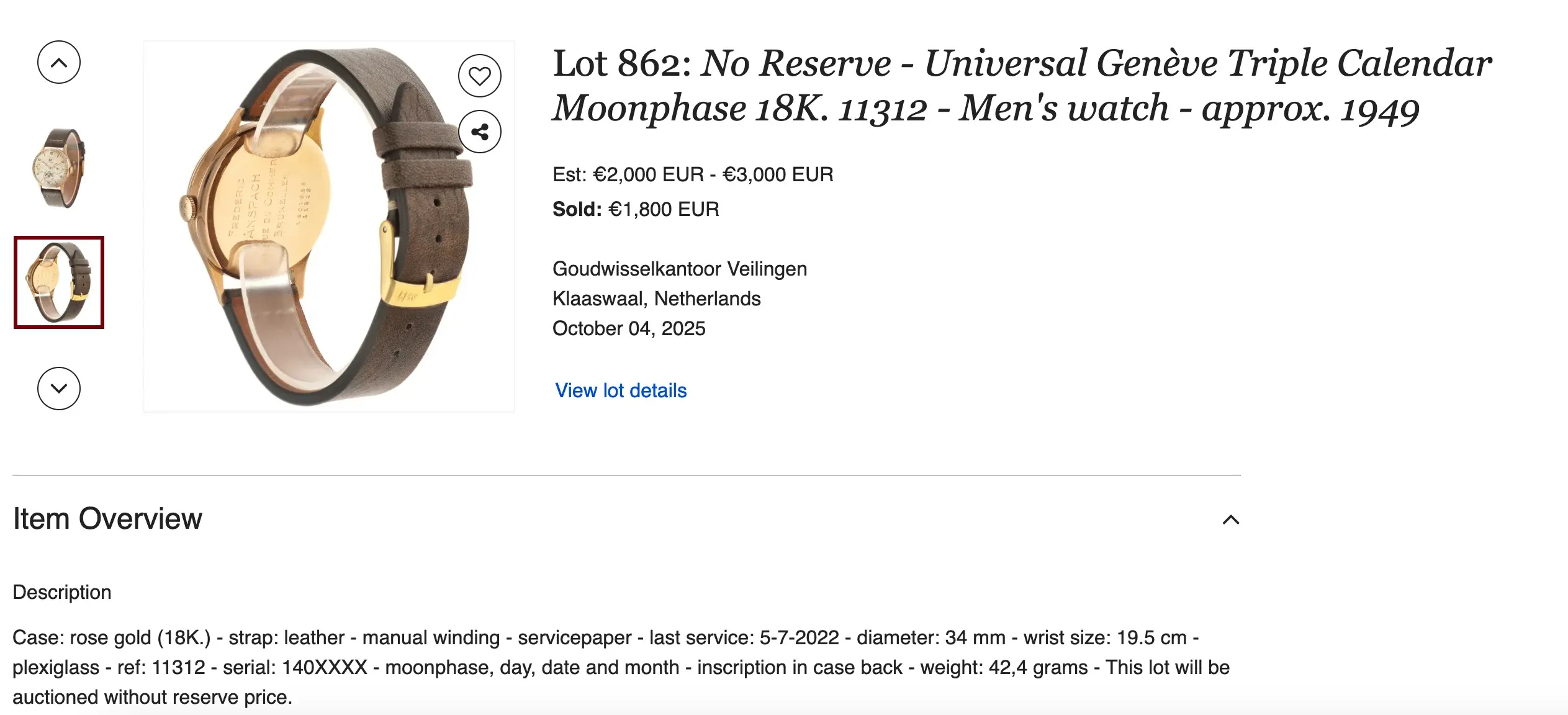
Thanks to the engraving, it was easy to find that the same watch went through auction in October last year at Goudwisselkantoor, with a hammer of 1,800.
Once you add the usual buyer’s premium and taxes there, we're probably looking at a real all‑in cost somewhere in the low‑ to mid‑2k range. They’ve kept the service date from the auction description, added a fresh bracelet, and then layered on what I’d call the “2026 UG tax” we’re seeing on a lot of listings at the moment.
Which brings me to the engraving itself: who was
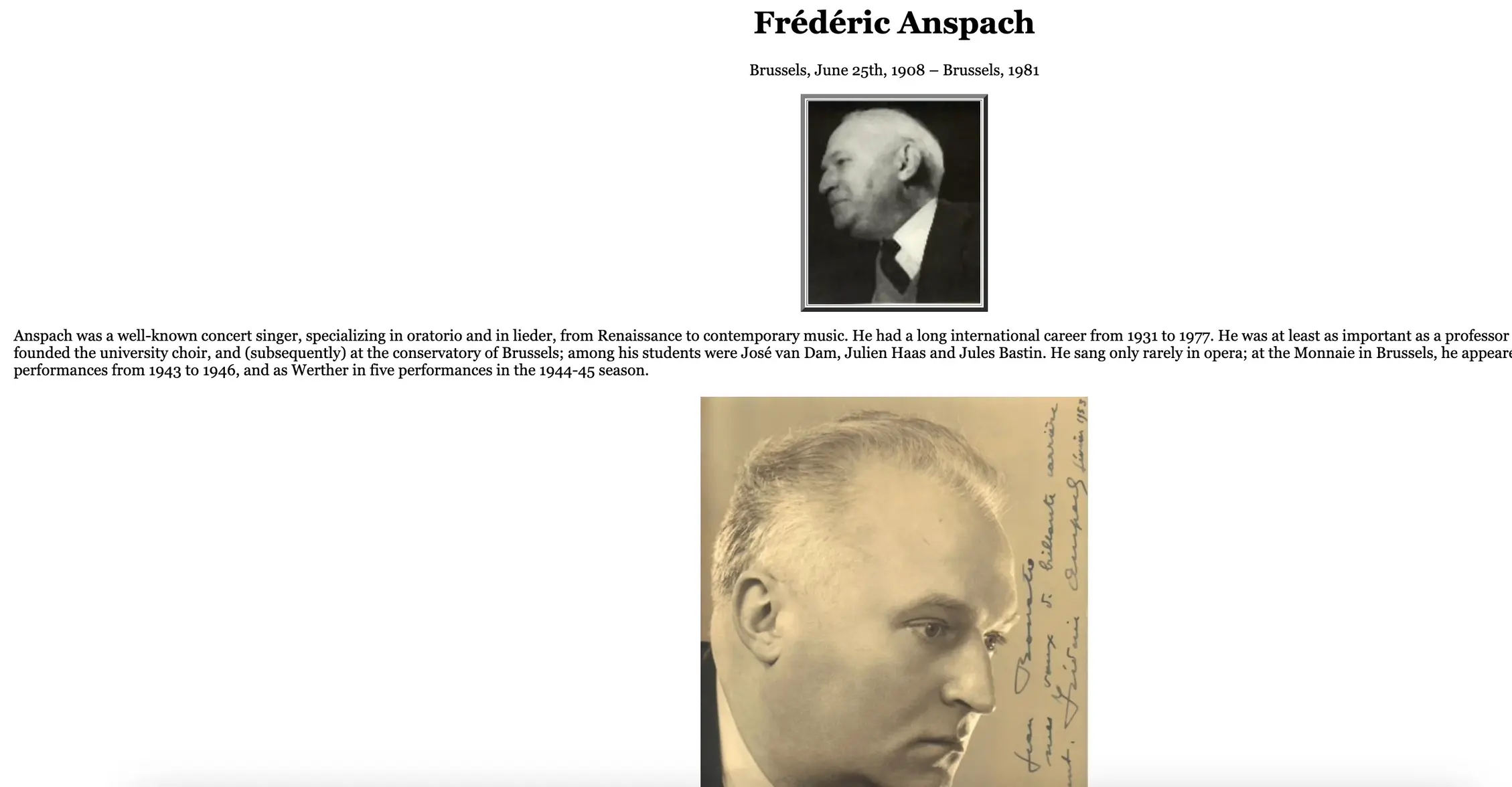
Frédéric Anspach in mid‑20th‑century Brussels? It seems very likely this belonged to the Belgian tenor of that name (1908–1977). I’m no opera specialist, but his main appearances seem to cluster around the 1943–46 seasons, which would have been the years when he was professionally active and visible enough to afford or be gifted a nice rose‑gold triple calendar. The watch itself, judging by its serial, looks from 1949, so the timeline actually lines up quite nicely for it to have been bought at the height or just after the peak of his career.
Curious what others here think. I don’t really consider myself a full‑blown “provenance watch” guy, but I do enjoy falling down these rabbit holes when an engraving gives you just enough to start pulling on the thread.