- Posts
- 1,344
- Likes
- 1,971
simonsays
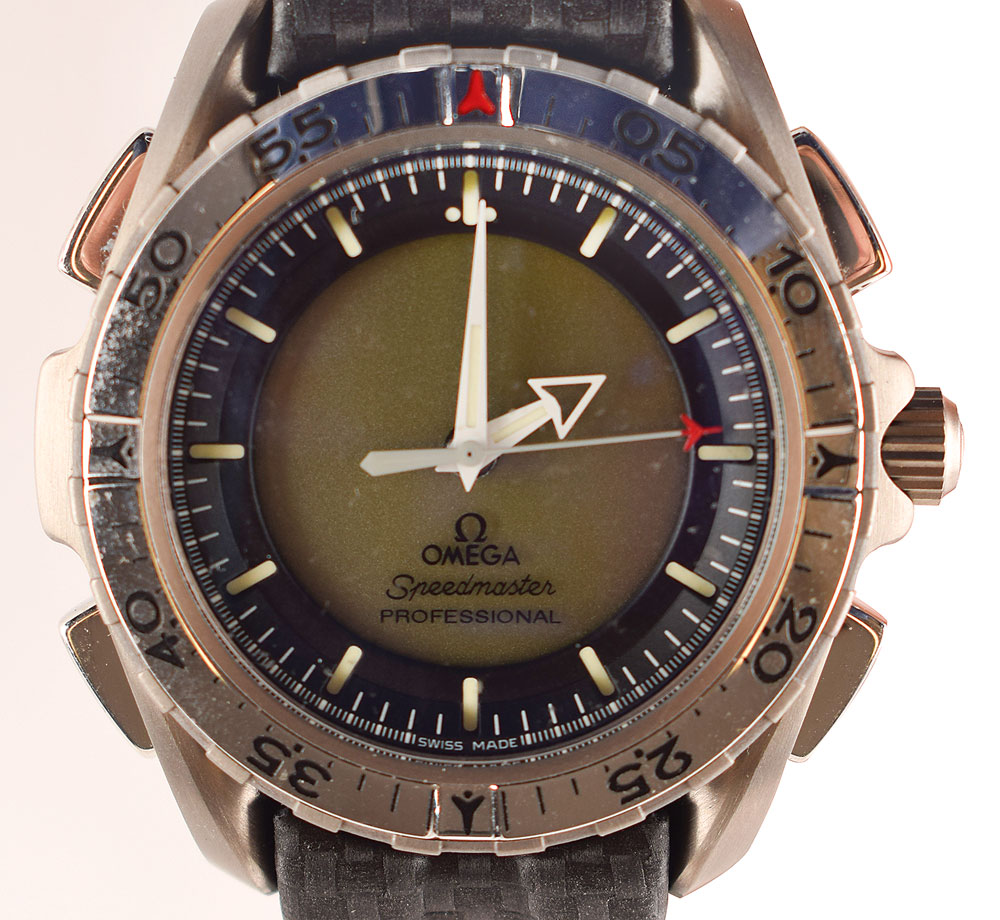
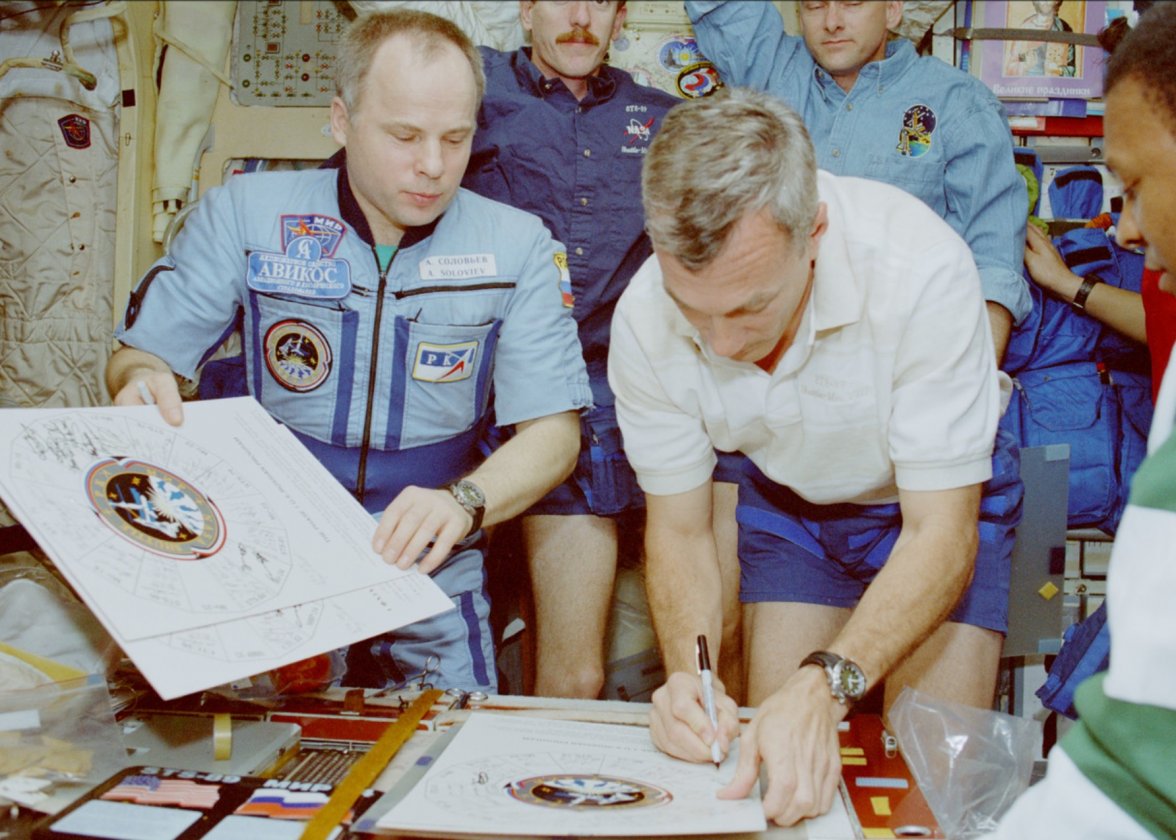
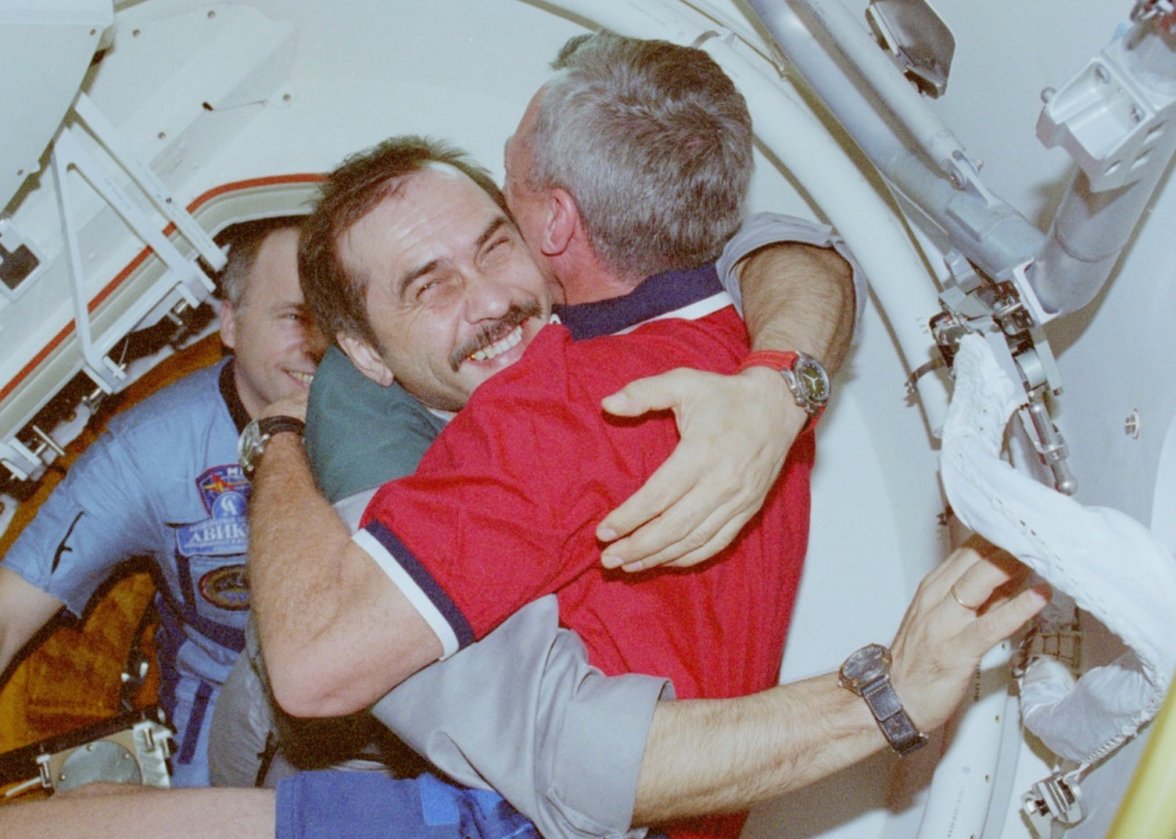
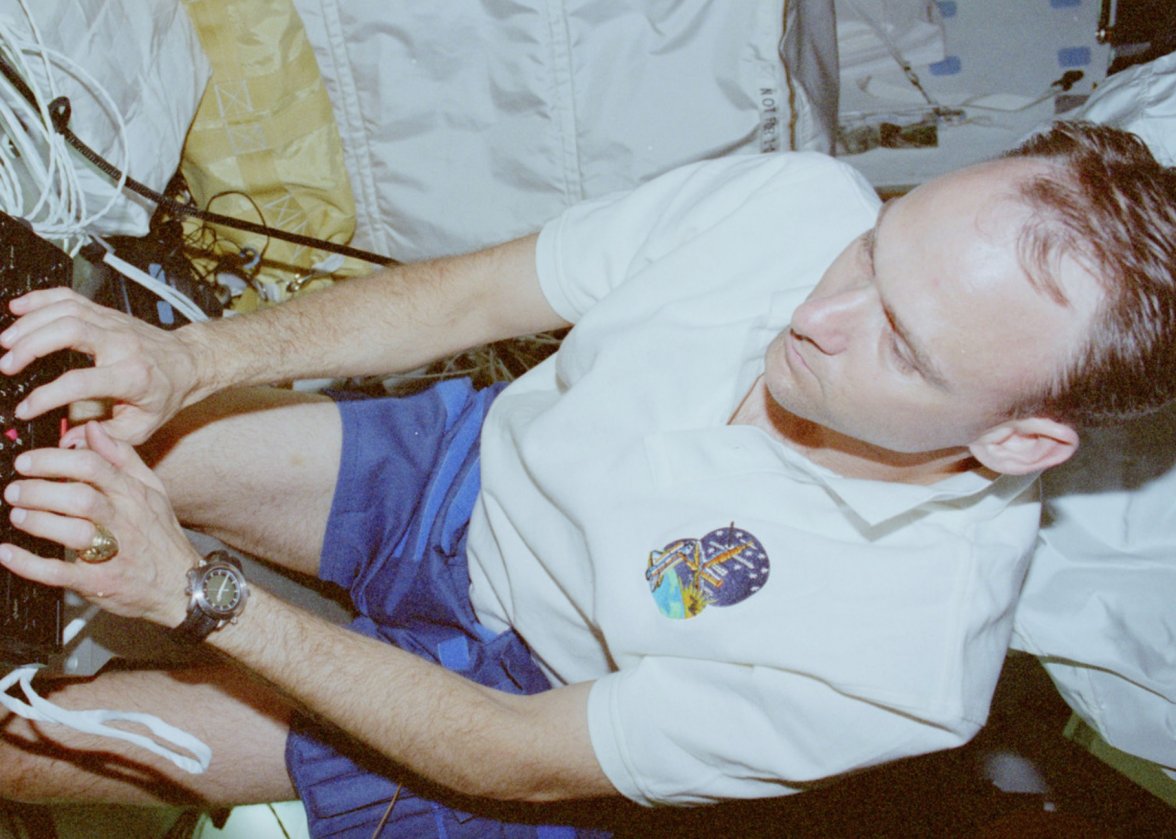
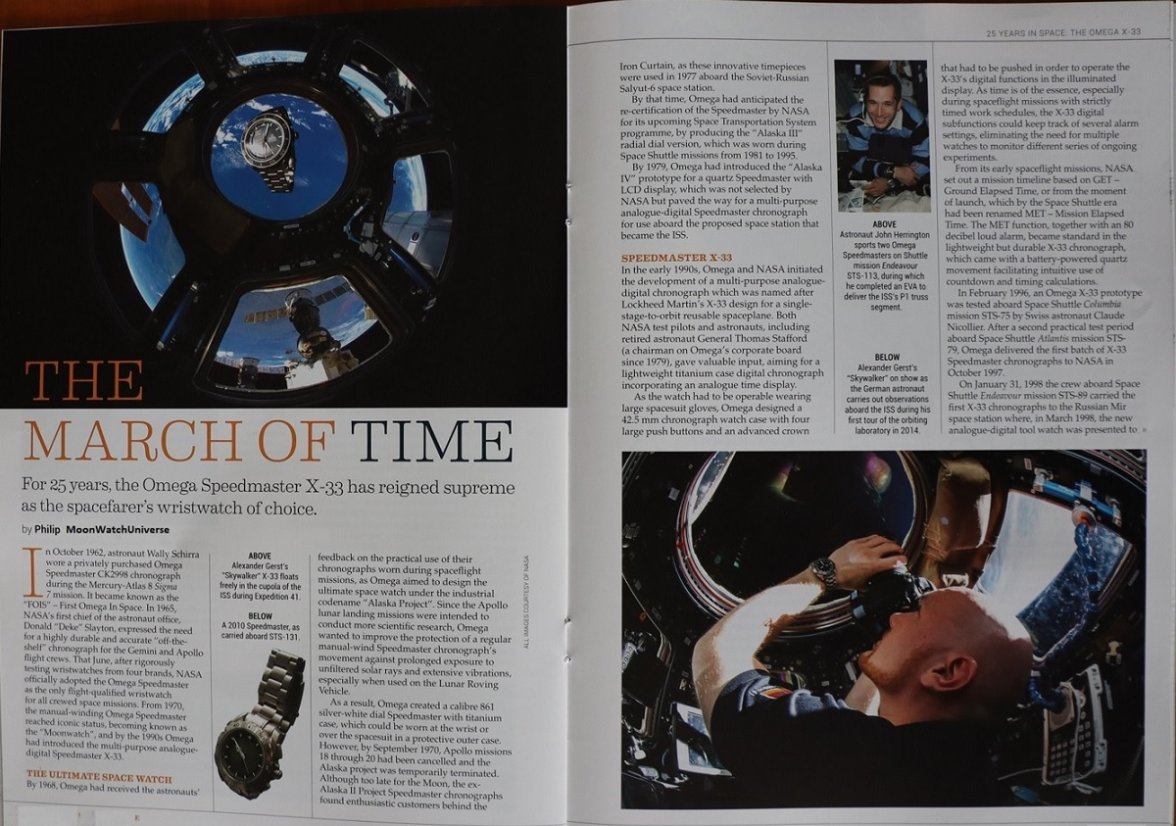
·I have been researching the details of NASA's use of the X33, and these are my findings to date. As most Omega and space fans know, this Speedmaster was issued to astronauts on the Space Shuttle missions, and those to the International Space Station and MIR. They were used from the watches (quite literal) launch on STS-90 in 1998 until the present day.
That is a lot of missions and a lot of astronauts! So what were the protocols, how many did NASA buy, how many times were they used and reused?
There has been a huge amount of interest in the mechanical watches in space, but the digitals do not garner as much attention. So with the #letsmakequartzgreatagain hashtag currently being trended by James Dowling I thought I would take a look at what we know about the X33s used by NASA in detail.
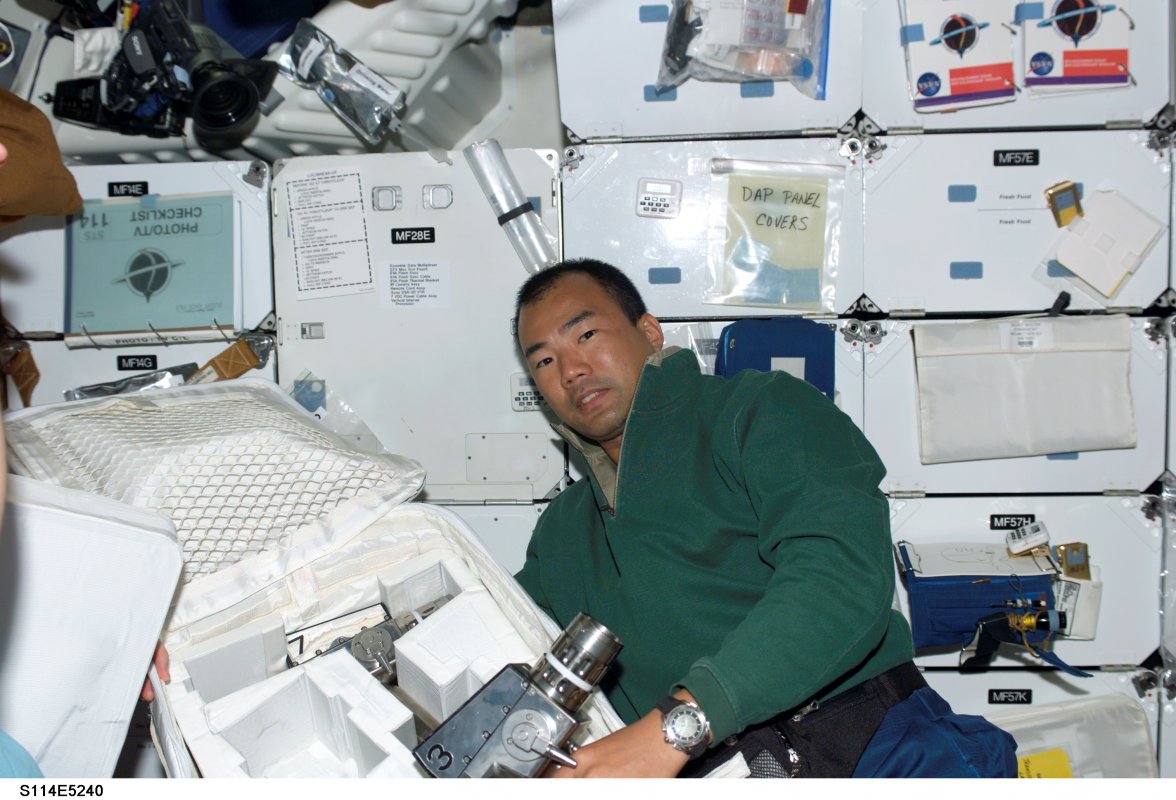
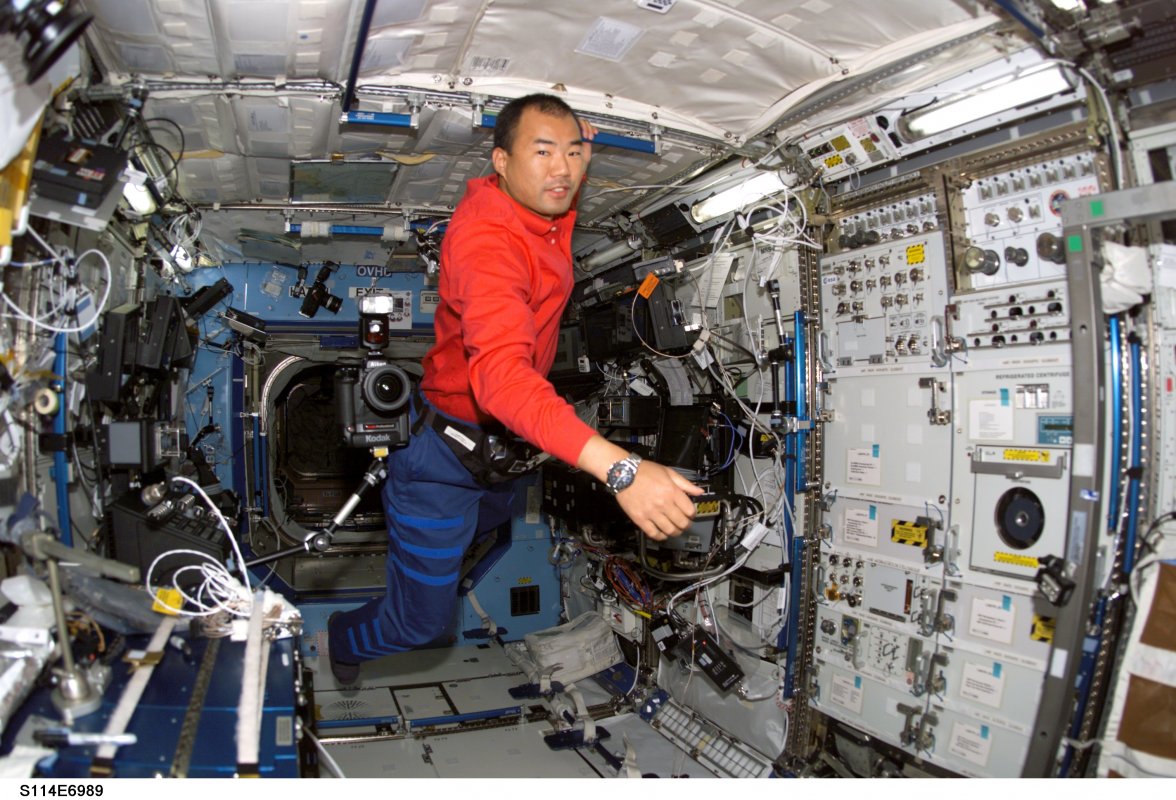
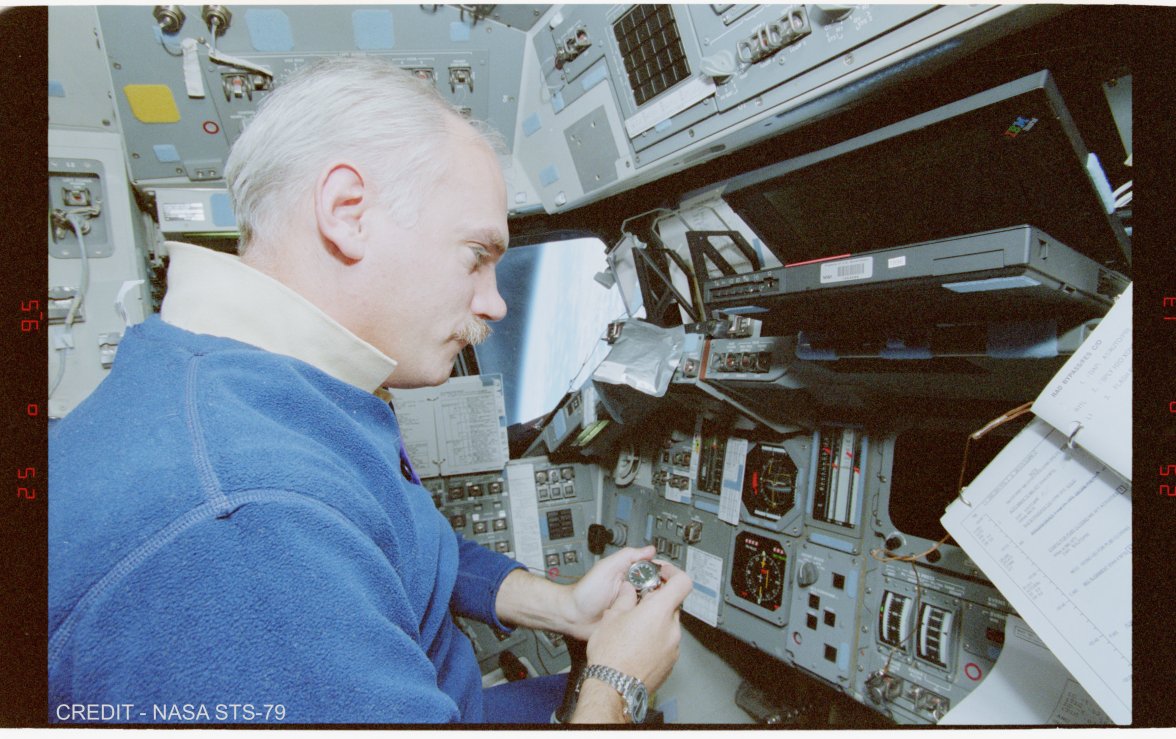
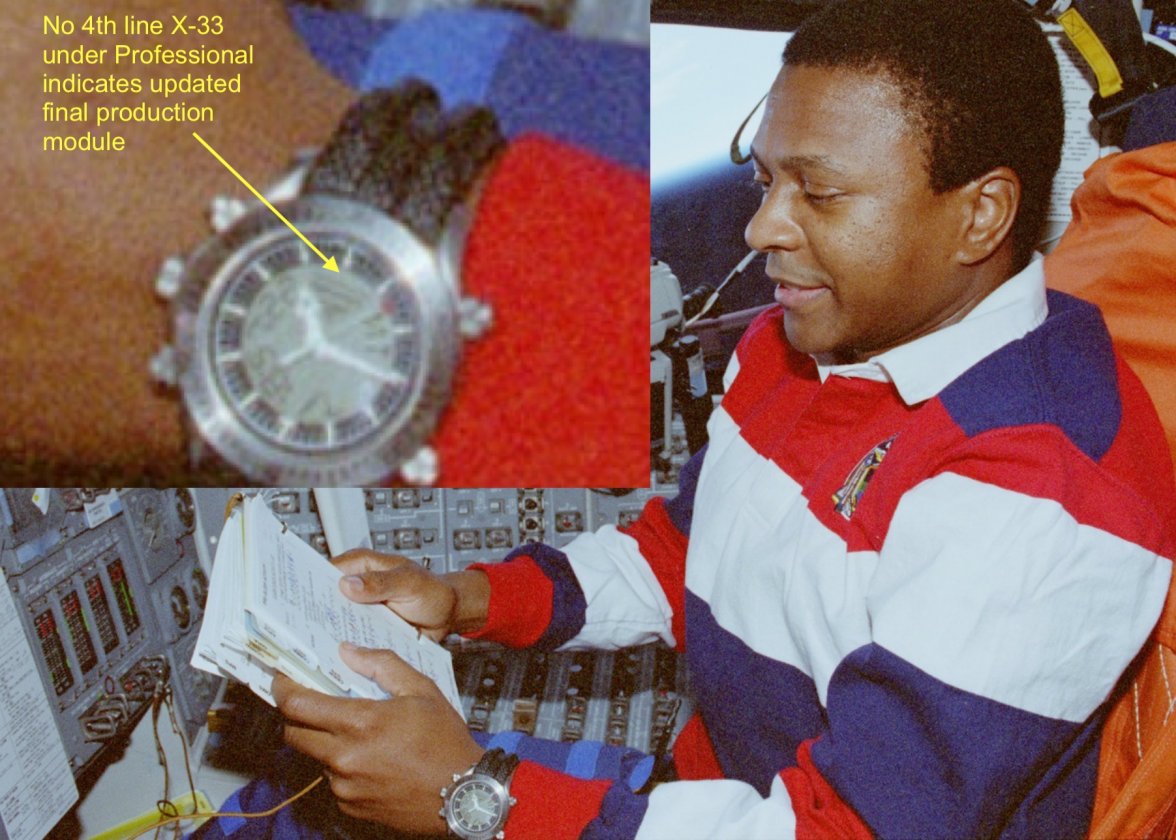
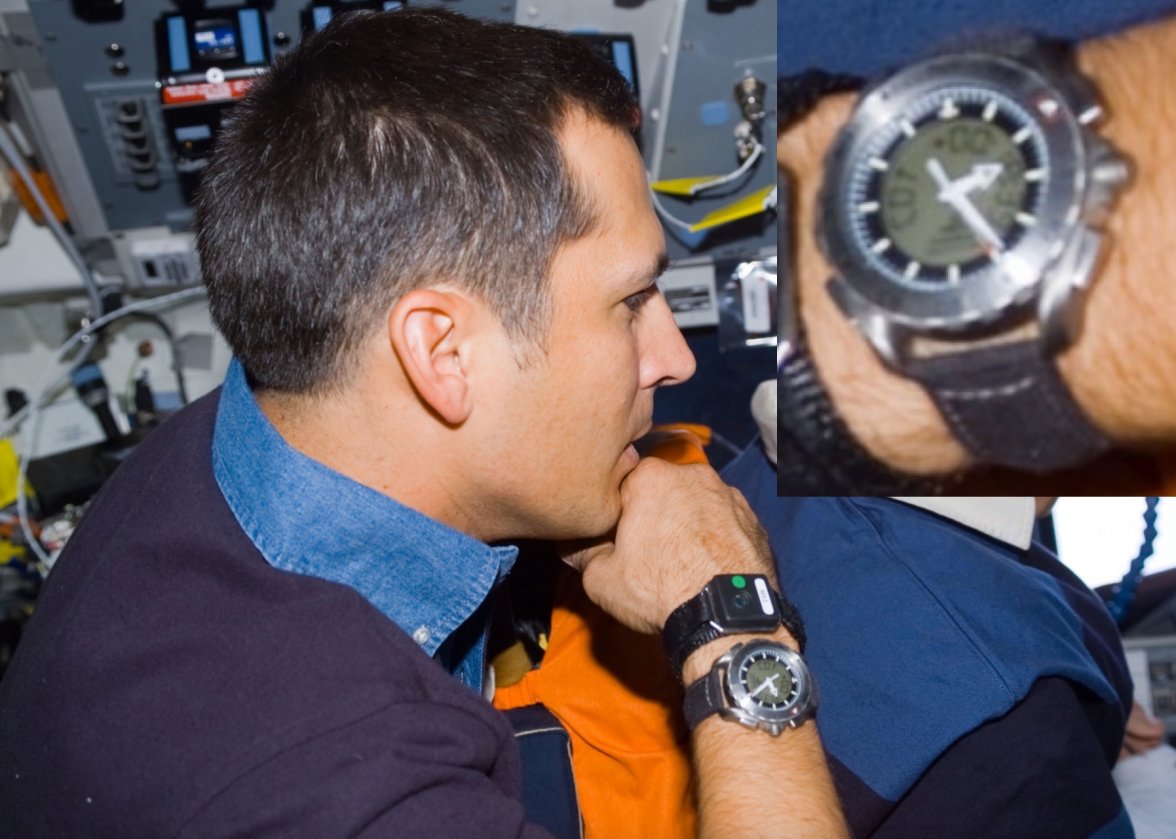
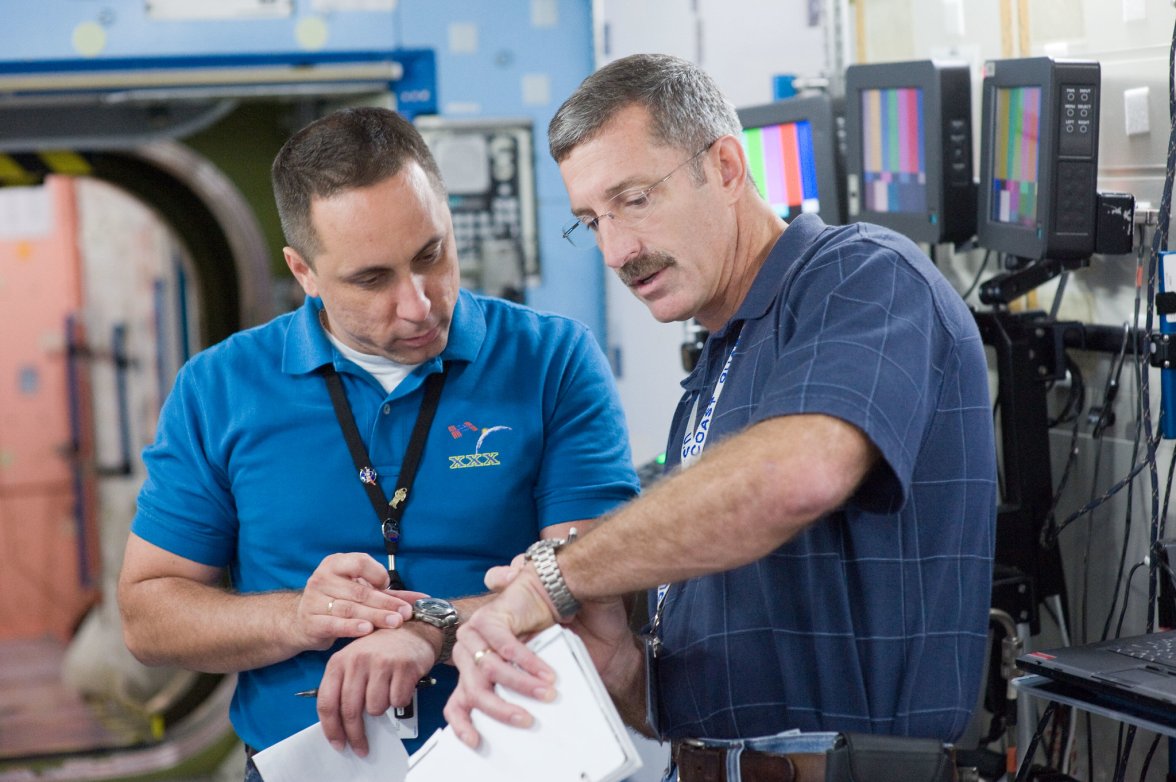
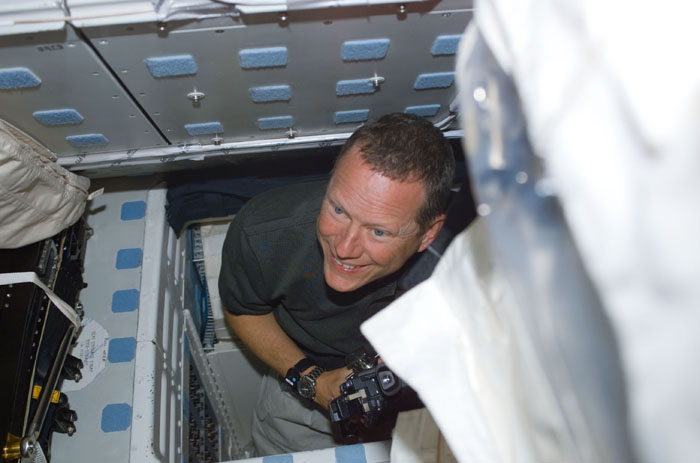
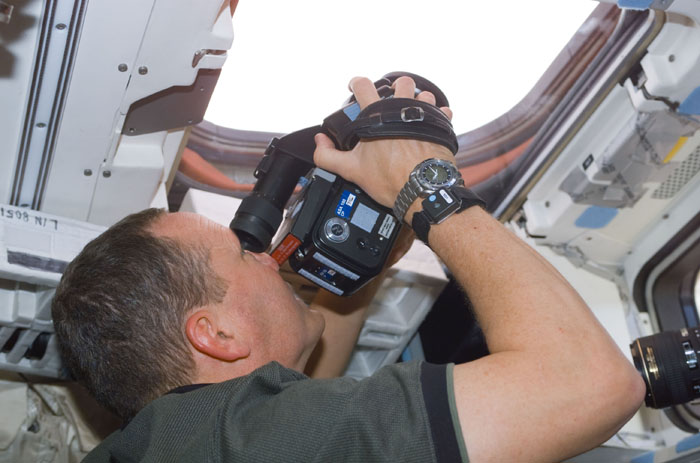
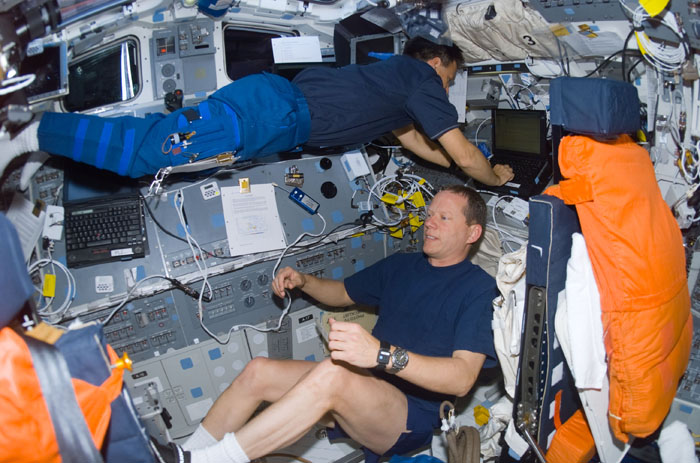
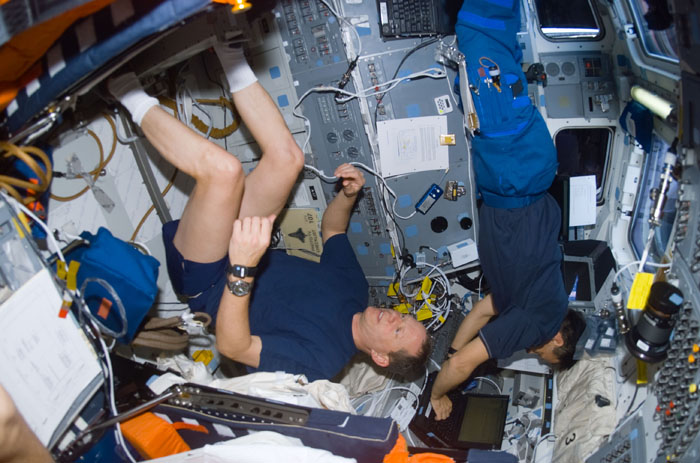
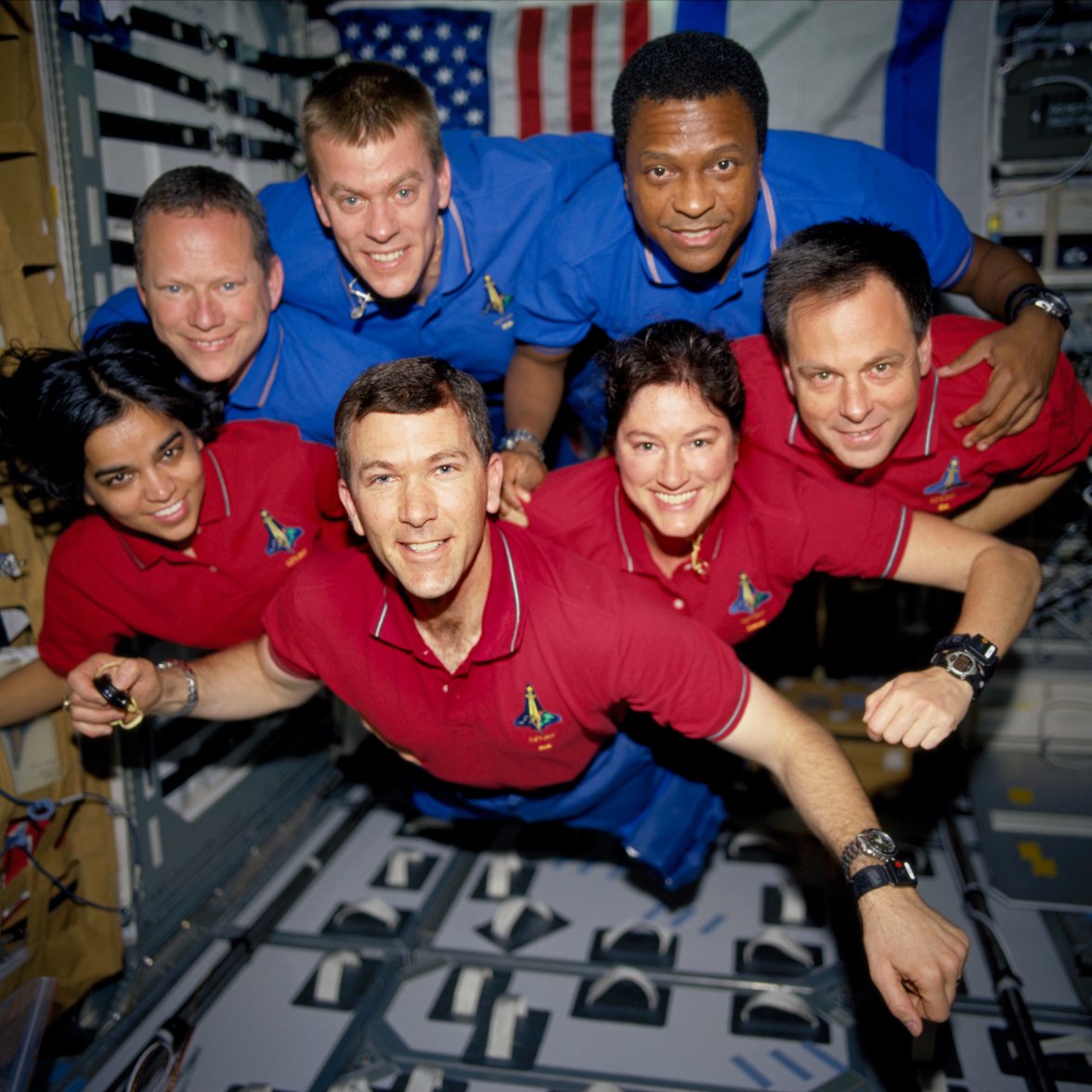
There are only 8 of these watches that have been released into public hands that I know of, all early Generation 1 watches. The Generation 1 units were used for just under 5 years until Jan 2003. After this NASA started using the updated Generation 2 watches which were used until the last STS mission in 2011. This can be seen by inspecting the NASA photo archives, which I have pored over to establish this.
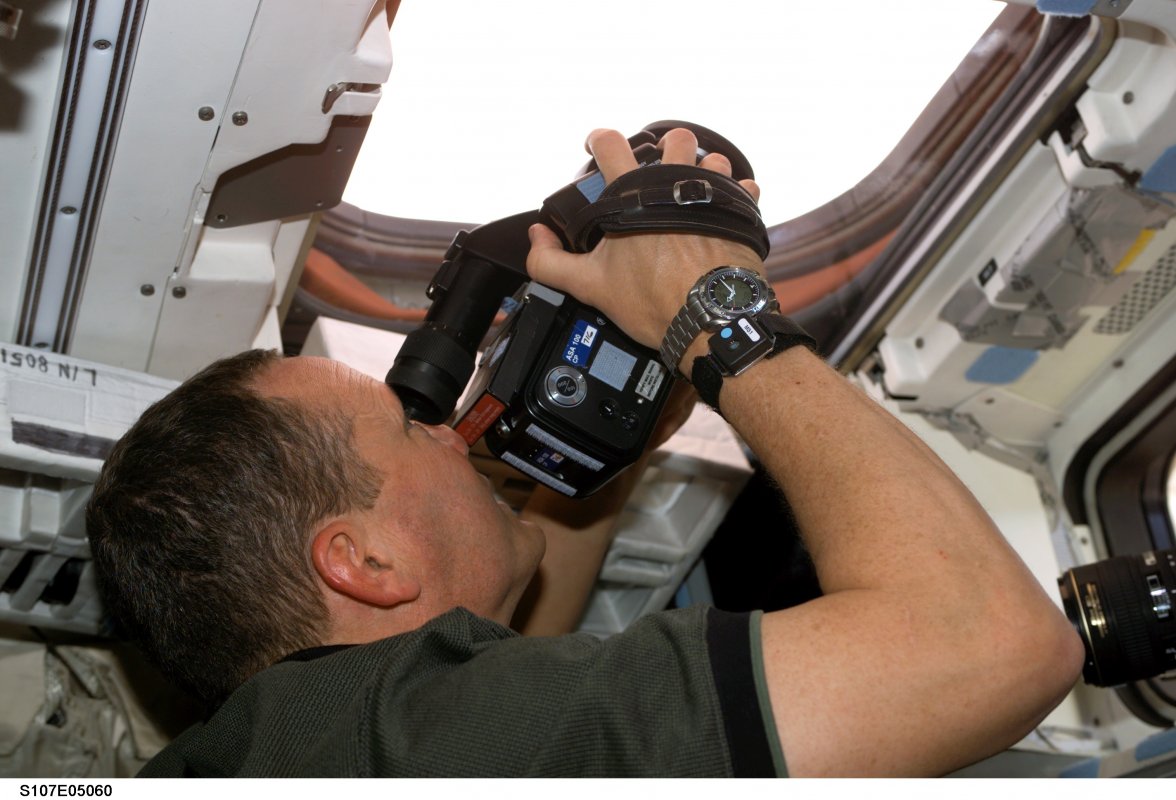
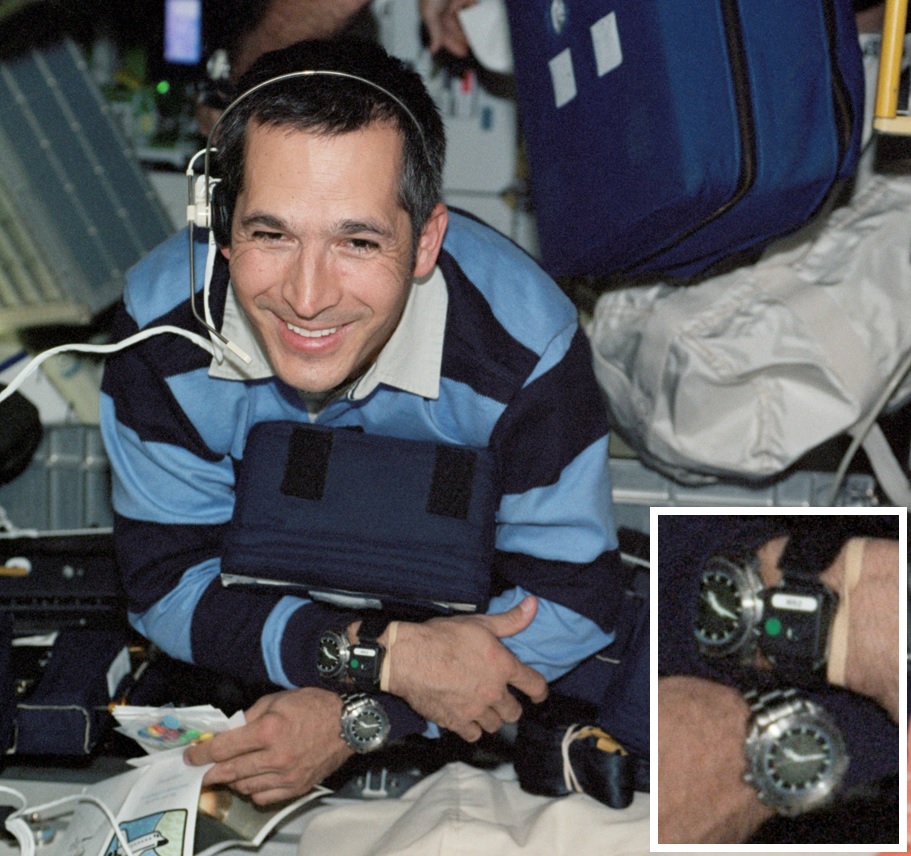
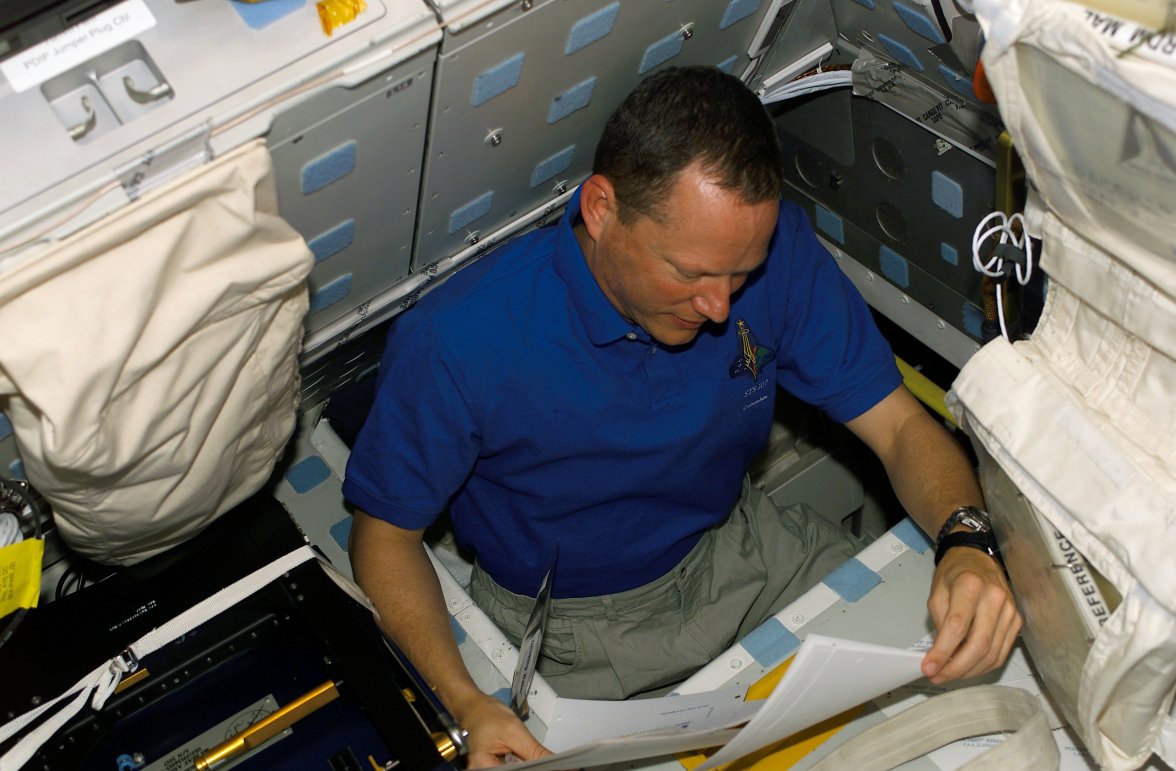
Source NASA
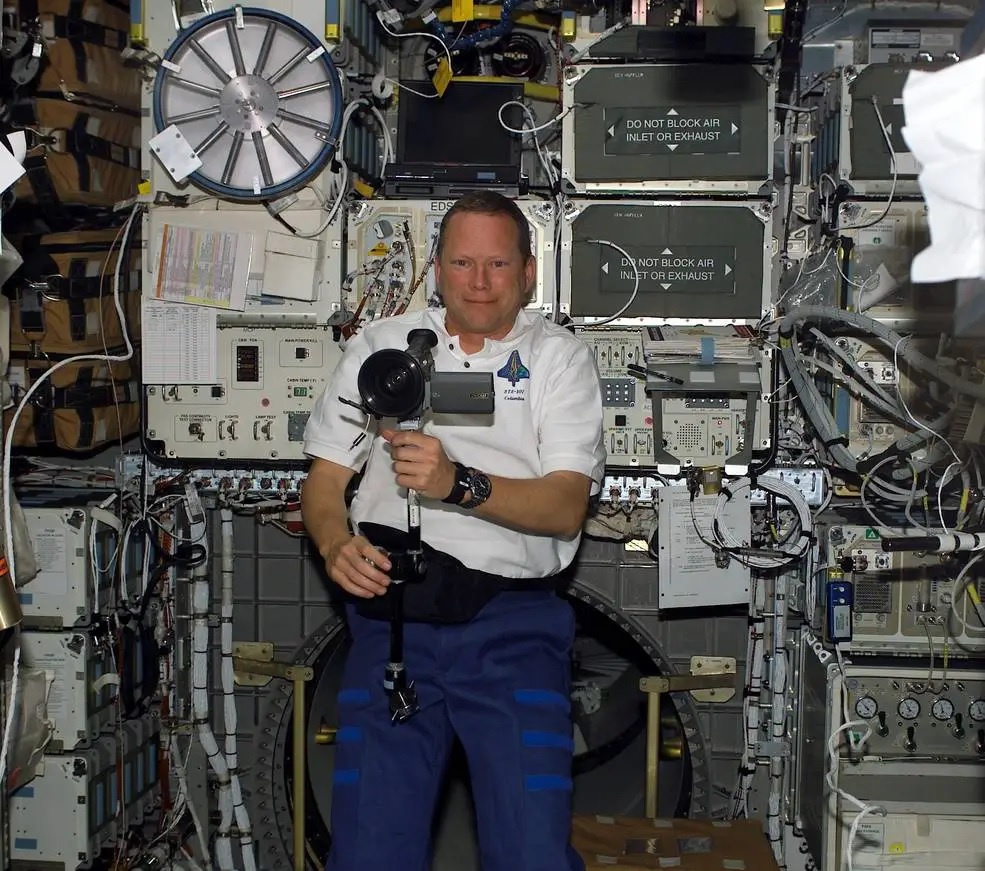
The above photo is of David M Brown, mission specialist on the fateful STS-107 Columbia shuttle in Jan 2003 wearing his Gen 1.
In 2014 the Gen 3 Skywalker was developed with input from European Space Agency astronaut Jean-François Clervoy, and tested by ESA. These are now the watch of choice for NASA too.
I could not find much solid information out there so I decided to make a Freedom Of Information Act (FOIA) request to NASA .
I asked: How many did NASA buy? and Who used them? and Are there copies of the system and component historical record of crew use?
I awaited with high hopes of immaculate record keeping, how many watches bought, invoices, detailed logs of which watch was used for what mission and by whom.
Unfortunately all the records pre 2003 appear to have been either destroyed in a flood or just thrown away! I did however receive partial records of watches used for training and flights when NASA recommenced STS activity in July 2005 after the Columbia disaster.
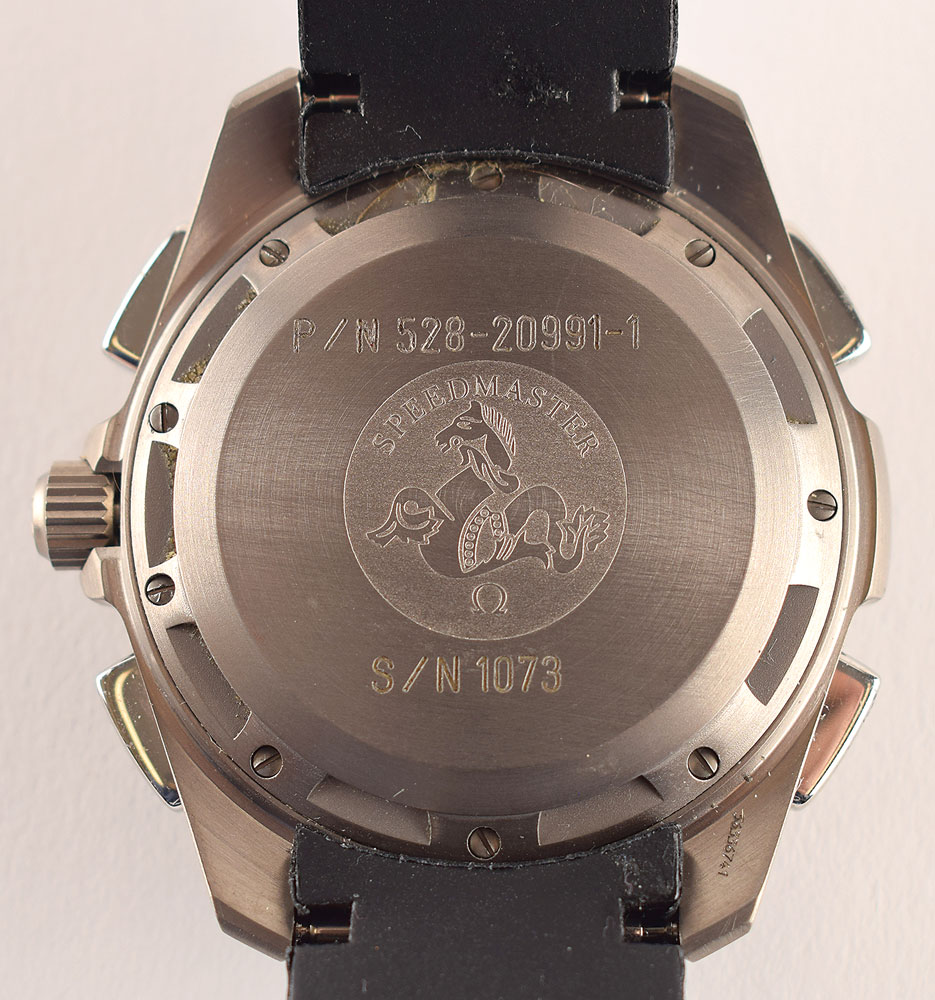
The serial numbers and mission details I received indicate that approximately 115 Gen 1 watches and 180 Gen 2 watches were purchased by NASA, assuming all serial numbers were assigned in sequence, which appears to be the case. Although they were in no way issued for use in sequential serial number order.
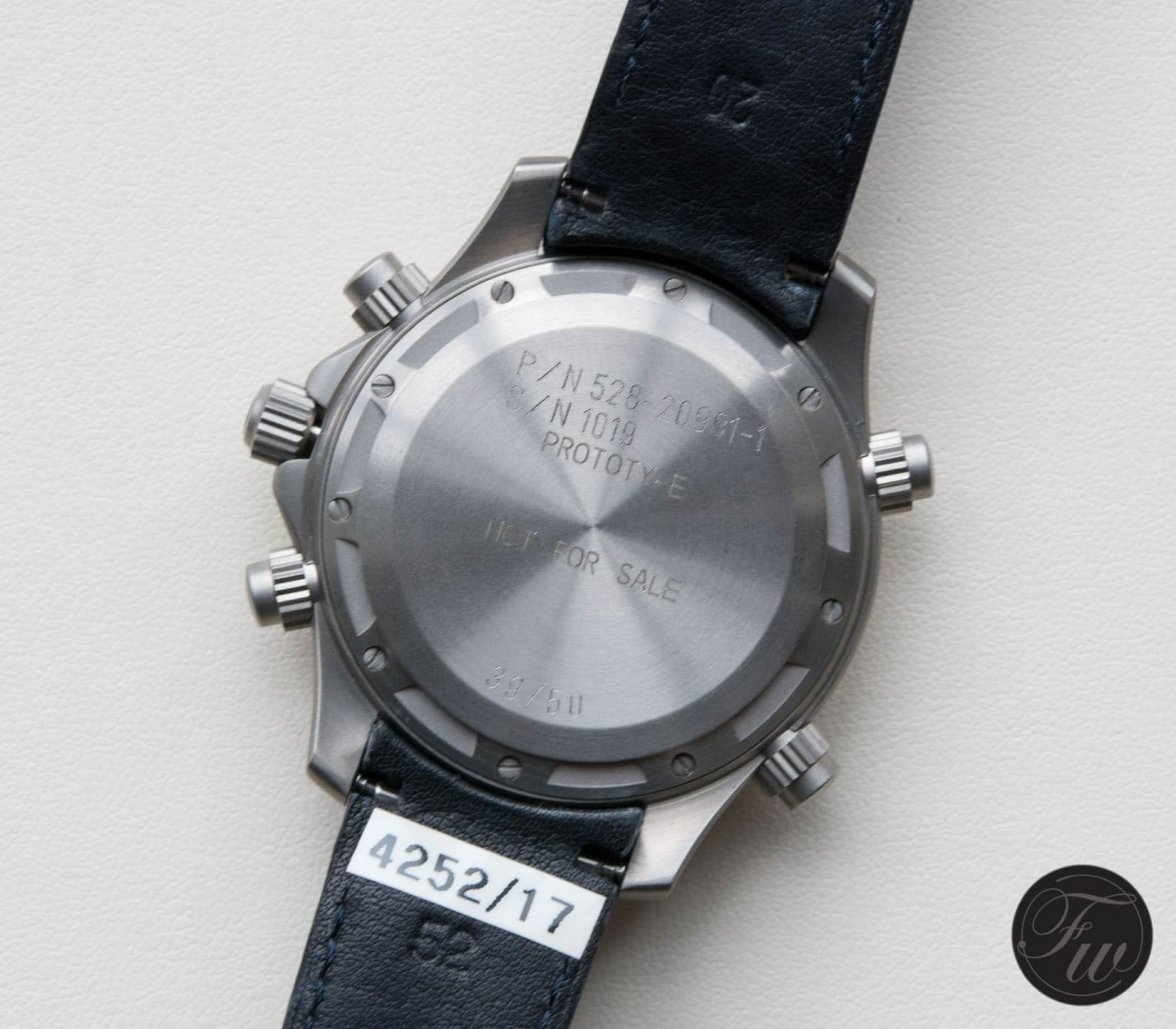
As a starting point the Speedmaster X33 prototype I have seen documented in the Omega museum has a serial number of 1019, and helpfully 39/50 so I would assume S/N 981-1030 can be taken to all be prototype watches. The same system and style of engraving also suggests to me that Omega did all the engraving for NASA in-house. Although Omega have failed to provide me with any information in regards to the production of these watches, perhaps out of fear of breaching some kind of confidentiality with NASA?
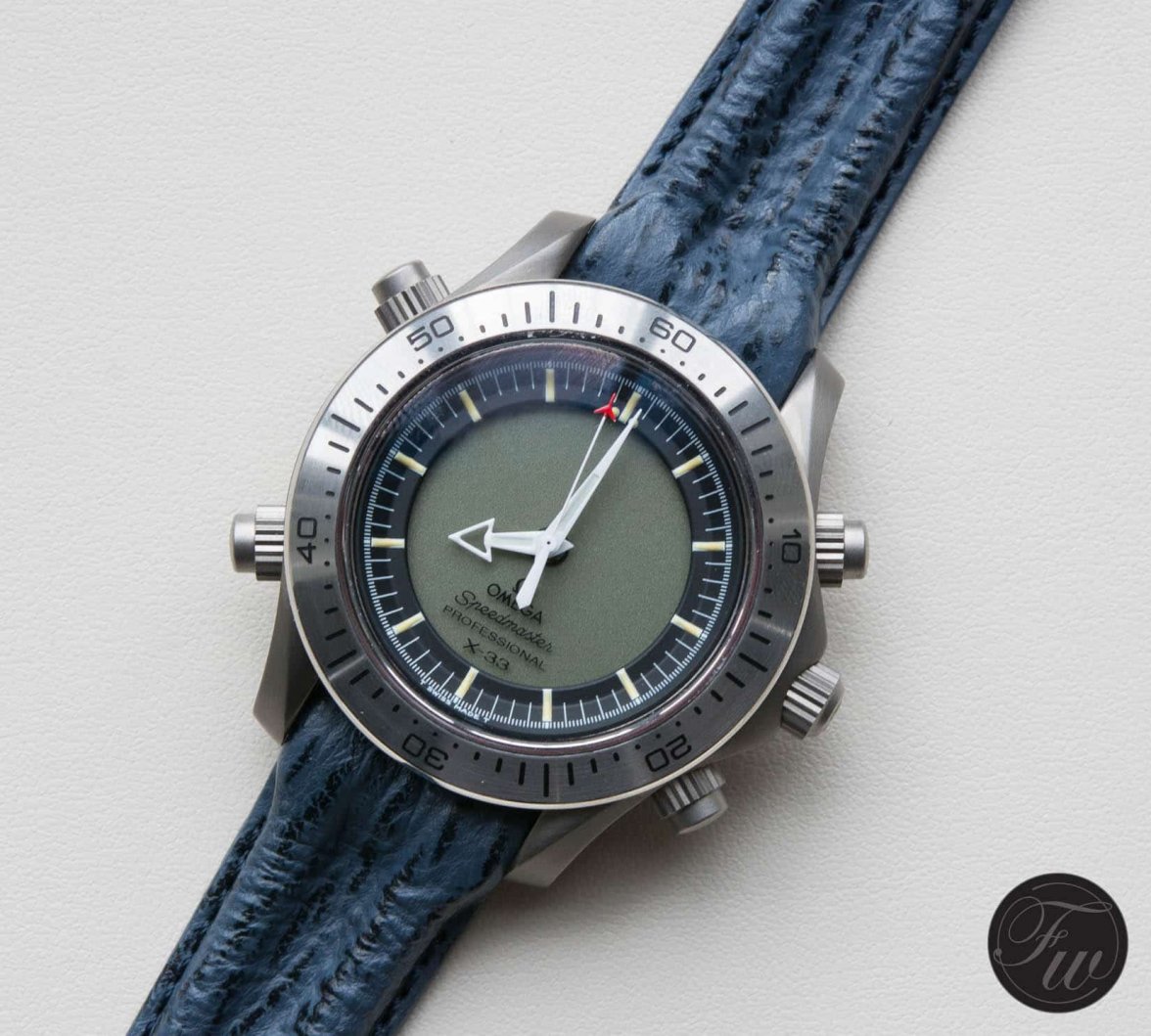
Source Fratello
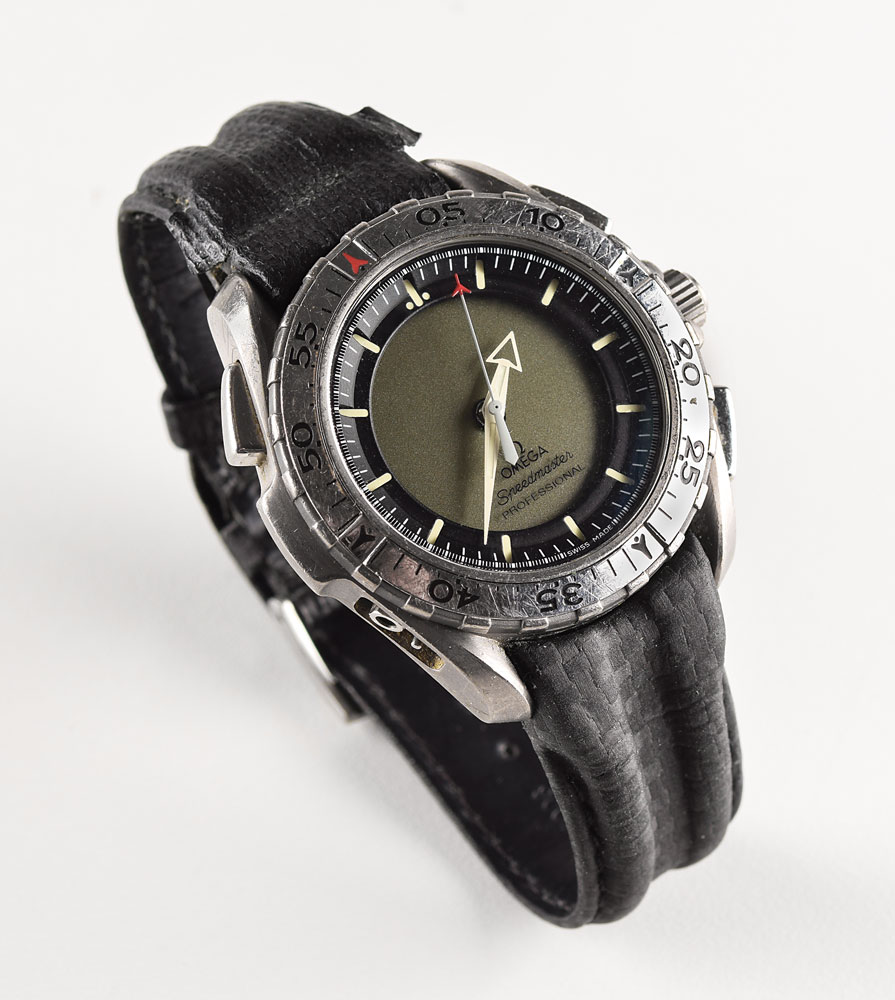
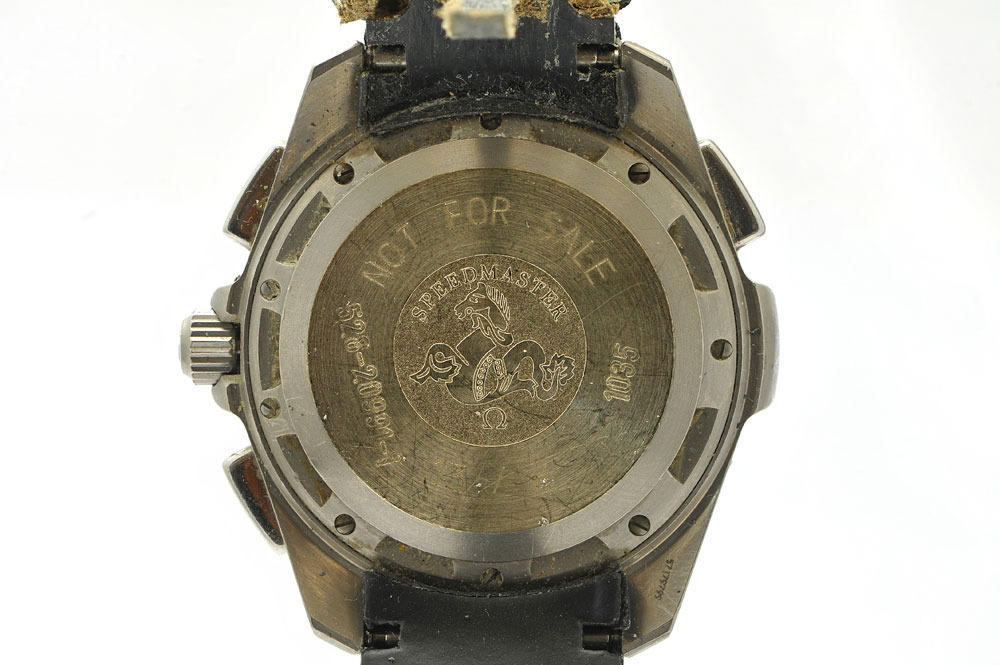
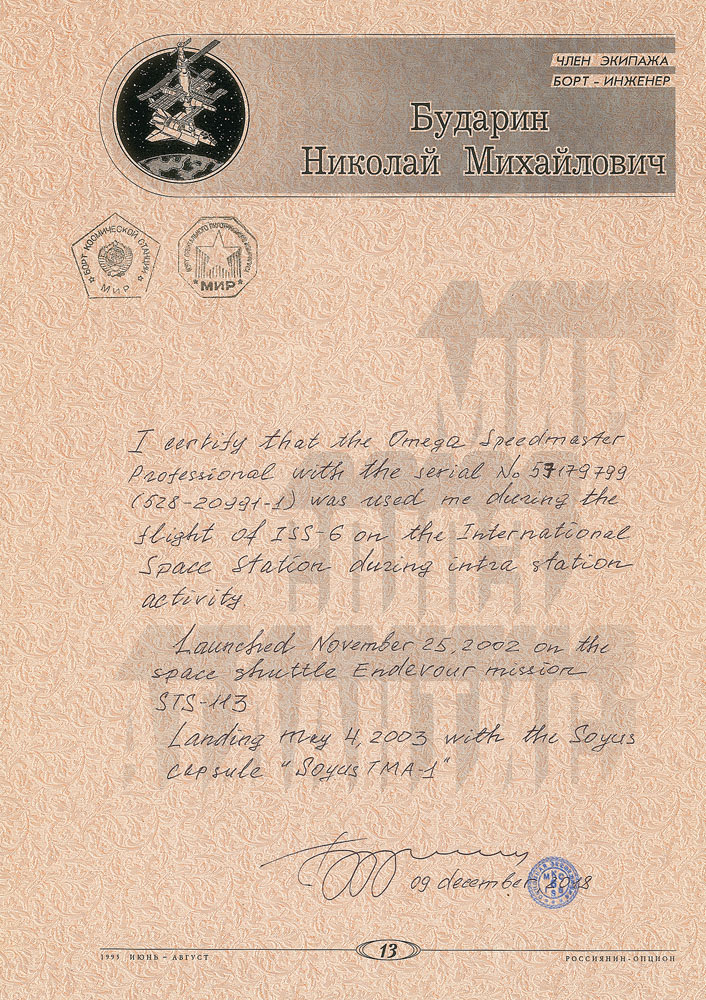
The next indicator I have found is the watch of Cosmonaut Nickolai Badurin (sold at auction). He was on STS-113 launched 23 Nov 2002 and it delivered him to the International Space Station for mission ISS-6. His watch has slightly unusual additional engravings (much like the prototype) stating NOT FOR SALE and 13/A. I would think this was one of the first few watches assigned to NASA after the design was finalised.
Source RR Auctions
These Generation 1 watches were used for 24 STS missions with 156 astronauts before 2003.
The Generation 2 watches were introduced in 2005 and used for 22 STS missions with 112 astronauts up until the end of the Space Shuttles service in July 2011.
Looking at the numbers of missions and astronauts we can see these watches were used and returned to stores to be used again. These watches were not only used for flights but also training. The watches would have been used by multiple astronauts on multiple missions or training assignments. A few astronauts took the opportunity to purchase their watches, but many more took no interest in keeping them. Some would not use them at all, eschewing Omega in favour of Casio or Seiko's, or Rolex's 🤦.
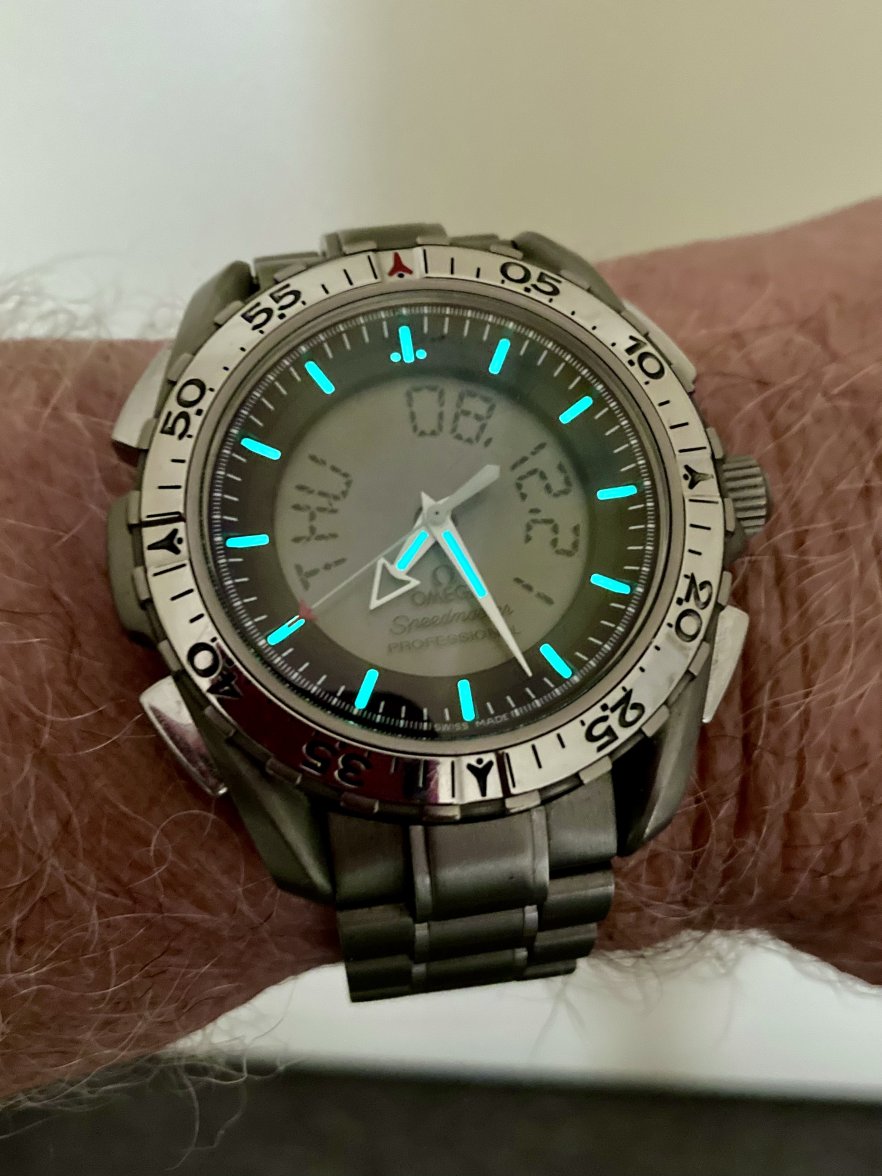
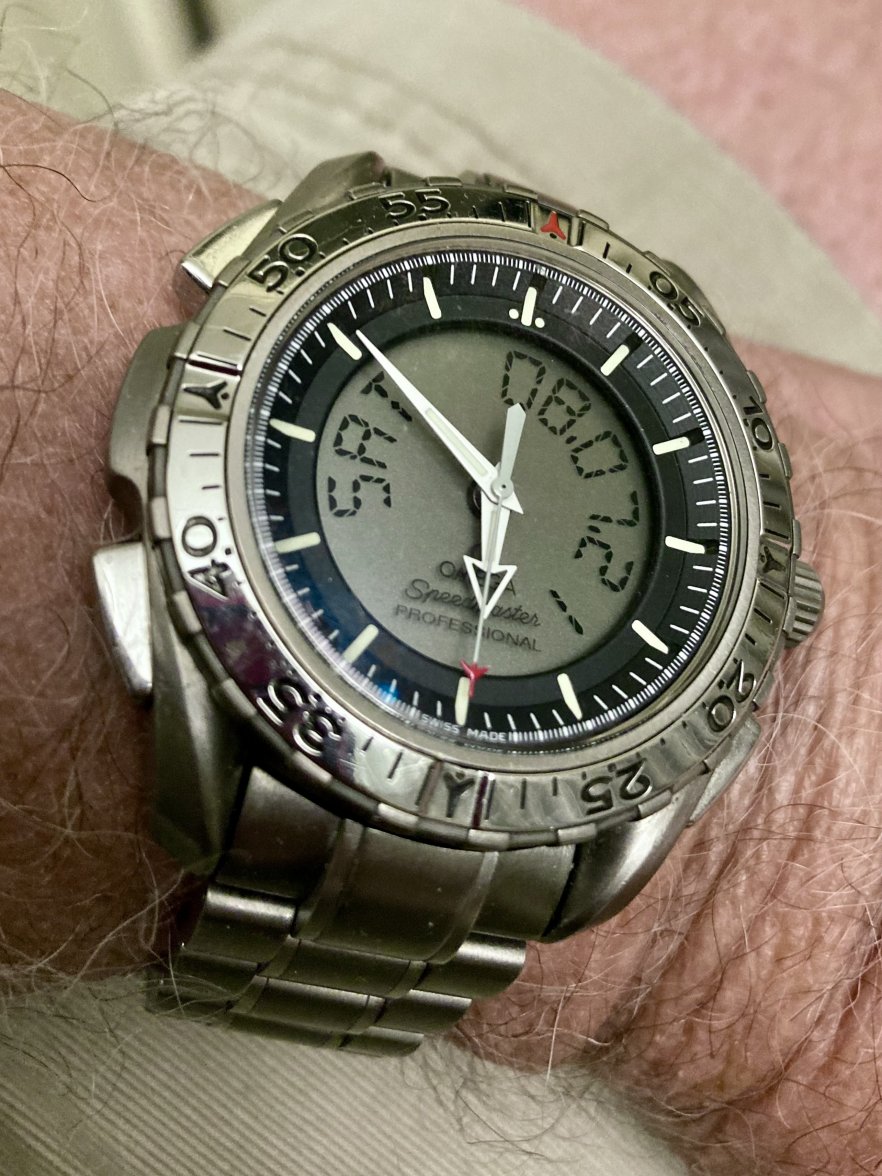
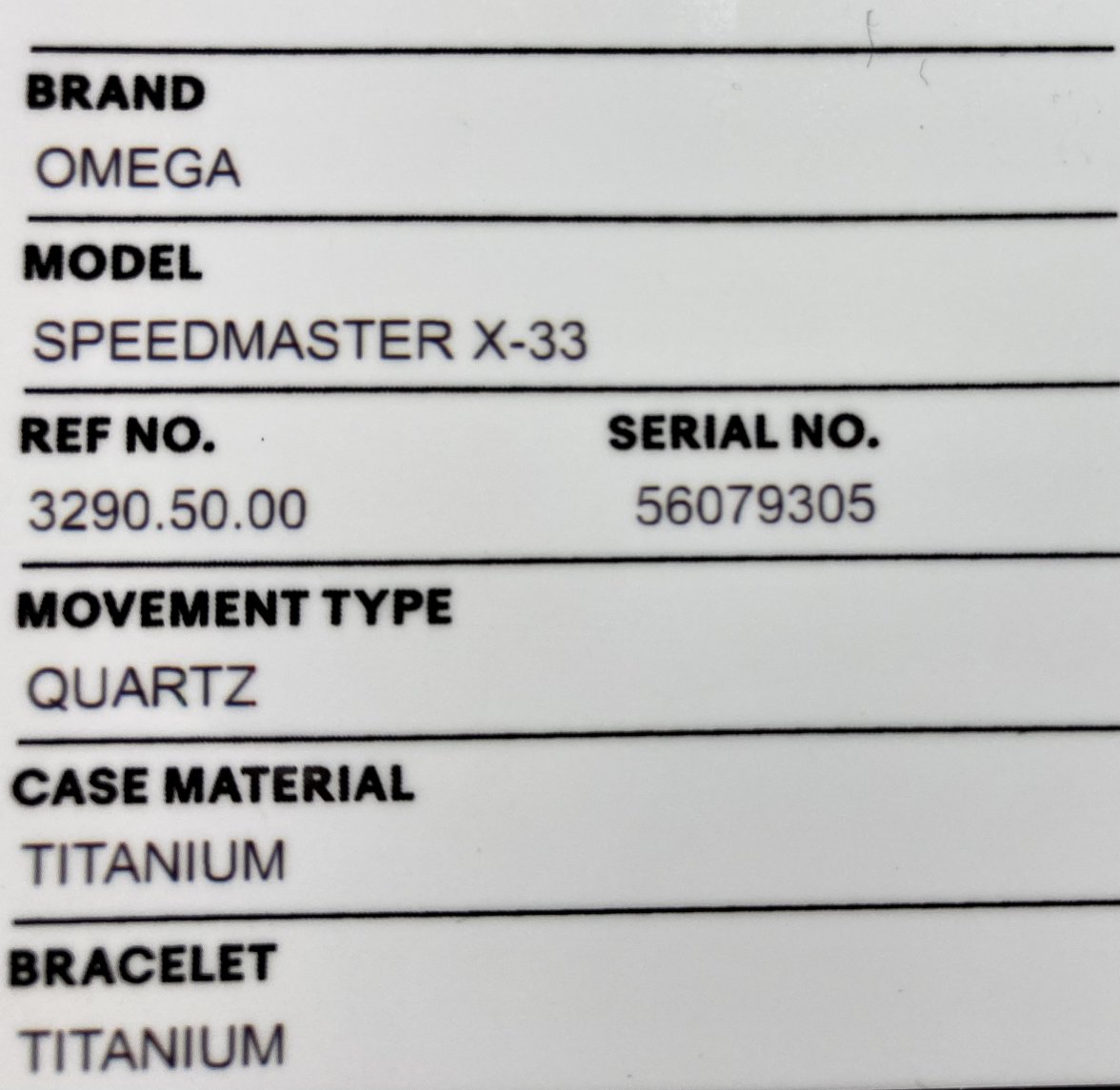
Anyway, my rather un-radical conclusion is that these watches are very special, and lucky for me I managed to pick up S/N 1085 inside its bag with deaccession label, and details of it being part of a batch of 25 watches purchased by NASA. Its condition suggests training use at a minimum, and personally I am happy to believe it visited space. 156 flown astronaut missions and only 115 watches seem good odds to me!
I am also pleased to be able to put an estimated number and some context to these watches, which have been rather mysterious and under researched. I hope to uncover more facts in time, but it is not an easy task. If anyone has any further data or information please get in touch.
My addition to the collection!
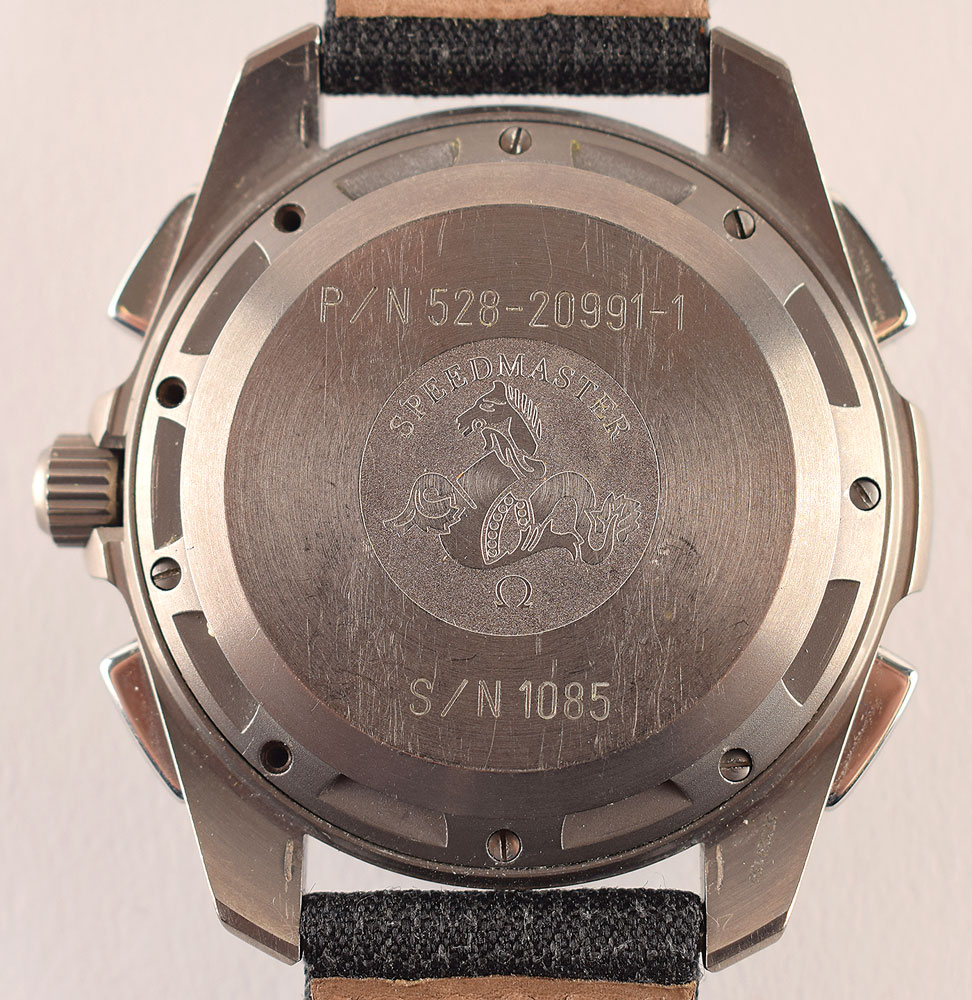
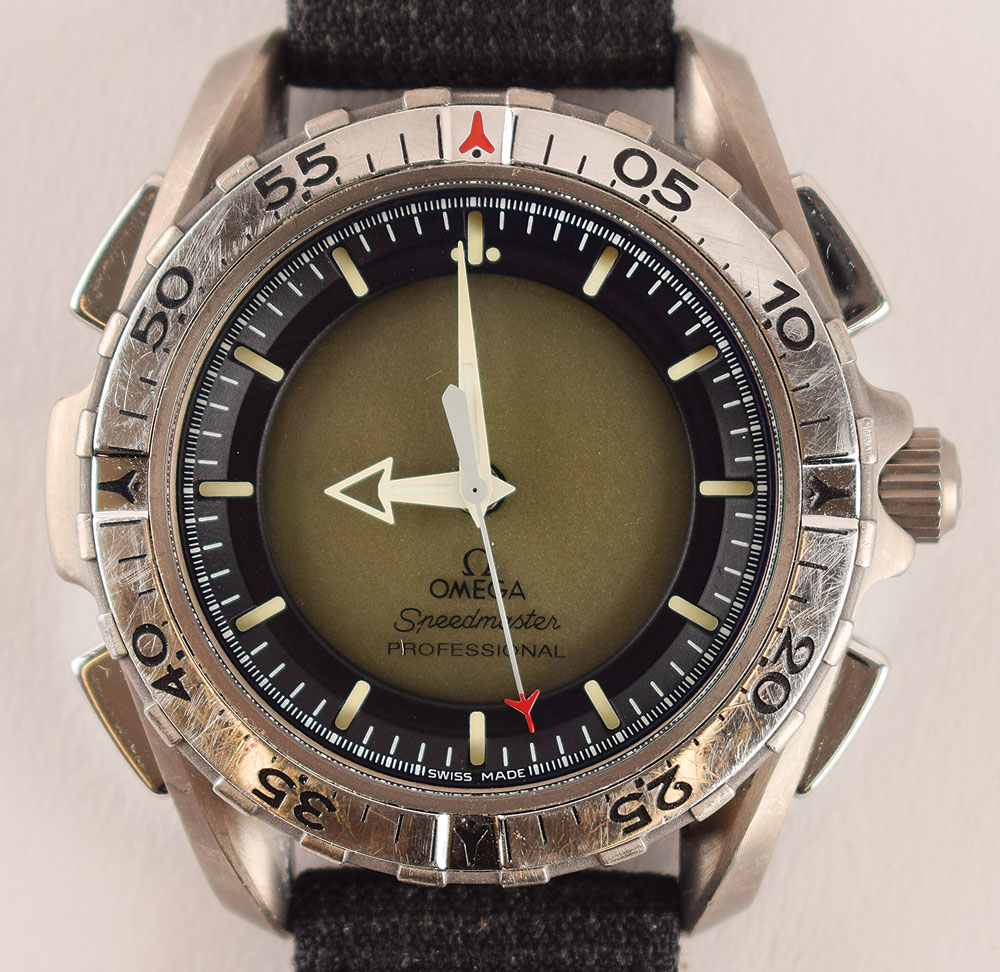
If you're about to bring on jokes about imminent visits from the FBI, a few people have beaten you to it😎
That is a lot of missions and a lot of astronauts! So what were the protocols, how many did NASA buy, how many times were they used and reused?
There has been a huge amount of interest in the mechanical watches in space, but the digitals do not garner as much attention. So with the #letsmakequartzgreatagain hashtag currently being trended by James Dowling I thought I would take a look at what we know about the X33s used by NASA in detail.
There are only 8 of these watches that have been released into public hands that I know of, all early Generation 1 watches. The Generation 1 units were used for just under 5 years until Jan 2003. After this NASA started using the updated Generation 2 watches which were used until the last STS mission in 2011. This can be seen by inspecting the NASA photo archives, which I have pored over to establish this.
Source NASA
The above photo is of David M Brown, mission specialist on the fateful STS-107 Columbia shuttle in Jan 2003 wearing his Gen 1.
In 2014 the Gen 3 Skywalker was developed with input from European Space Agency astronaut Jean-François Clervoy, and tested by ESA. These are now the watch of choice for NASA too.
I could not find much solid information out there so I decided to make a Freedom Of Information Act (FOIA) request to NASA .
I asked: How many did NASA buy? and Who used them? and Are there copies of the system and component historical record of crew use?
I awaited with high hopes of immaculate record keeping, how many watches bought, invoices, detailed logs of which watch was used for what mission and by whom.
Unfortunately all the records pre 2003 appear to have been either destroyed in a flood or just thrown away! I did however receive partial records of watches used for training and flights when NASA recommenced STS activity in July 2005 after the Columbia disaster.
The serial numbers and mission details I received indicate that approximately 115 Gen 1 watches and 180 Gen 2 watches were purchased by NASA, assuming all serial numbers were assigned in sequence, which appears to be the case. Although they were in no way issued for use in sequential serial number order.
As a starting point the Speedmaster X33 prototype I have seen documented in the Omega museum has a serial number of 1019, and helpfully 39/50 so I would assume S/N 981-1030 can be taken to all be prototype watches. The same system and style of engraving also suggests to me that Omega did all the engraving for NASA in-house. Although Omega have failed to provide me with any information in regards to the production of these watches, perhaps out of fear of breaching some kind of confidentiality with NASA?
Source Fratello
The next indicator I have found is the watch of Cosmonaut Nickolai Badurin (sold at auction). He was on STS-113 launched 23 Nov 2002 and it delivered him to the International Space Station for mission ISS-6. His watch has slightly unusual additional engravings (much like the prototype) stating NOT FOR SALE and 13/A. I would think this was one of the first few watches assigned to NASA after the design was finalised.
Source RR Auctions
These Generation 1 watches were used for 24 STS missions with 156 astronauts before 2003.
The Generation 2 watches were introduced in 2005 and used for 22 STS missions with 112 astronauts up until the end of the Space Shuttles service in July 2011.
Looking at the numbers of missions and astronauts we can see these watches were used and returned to stores to be used again. These watches were not only used for flights but also training. The watches would have been used by multiple astronauts on multiple missions or training assignments. A few astronauts took the opportunity to purchase their watches, but many more took no interest in keeping them. Some would not use them at all, eschewing Omega in favour of Casio or Seiko's, or Rolex's 🤦.
Anyway, my rather un-radical conclusion is that these watches are very special, and lucky for me I managed to pick up S/N 1085 inside its bag with deaccession label, and details of it being part of a batch of 25 watches purchased by NASA. Its condition suggests training use at a minimum, and personally I am happy to believe it visited space. 156 flown astronaut missions and only 115 watches seem good odds to me!
I am also pleased to be able to put an estimated number and some context to these watches, which have been rather mysterious and under researched. I hope to uncover more facts in time, but it is not an easy task. If anyone has any further data or information please get in touch.
My addition to the collection!
If you're about to bring on jokes about imminent visits from the FBI, a few people have beaten you to it😎
Edited: