Fost
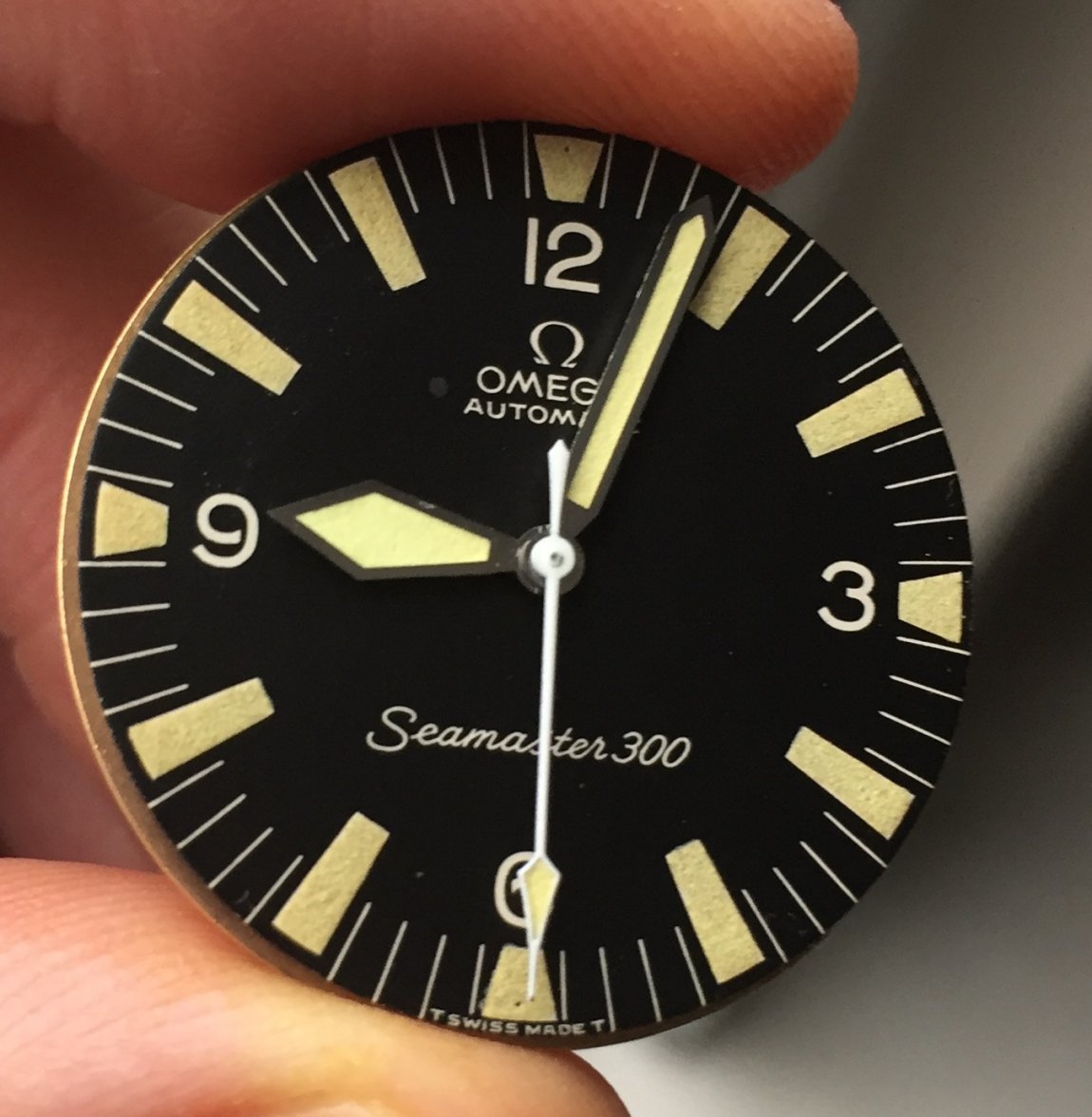
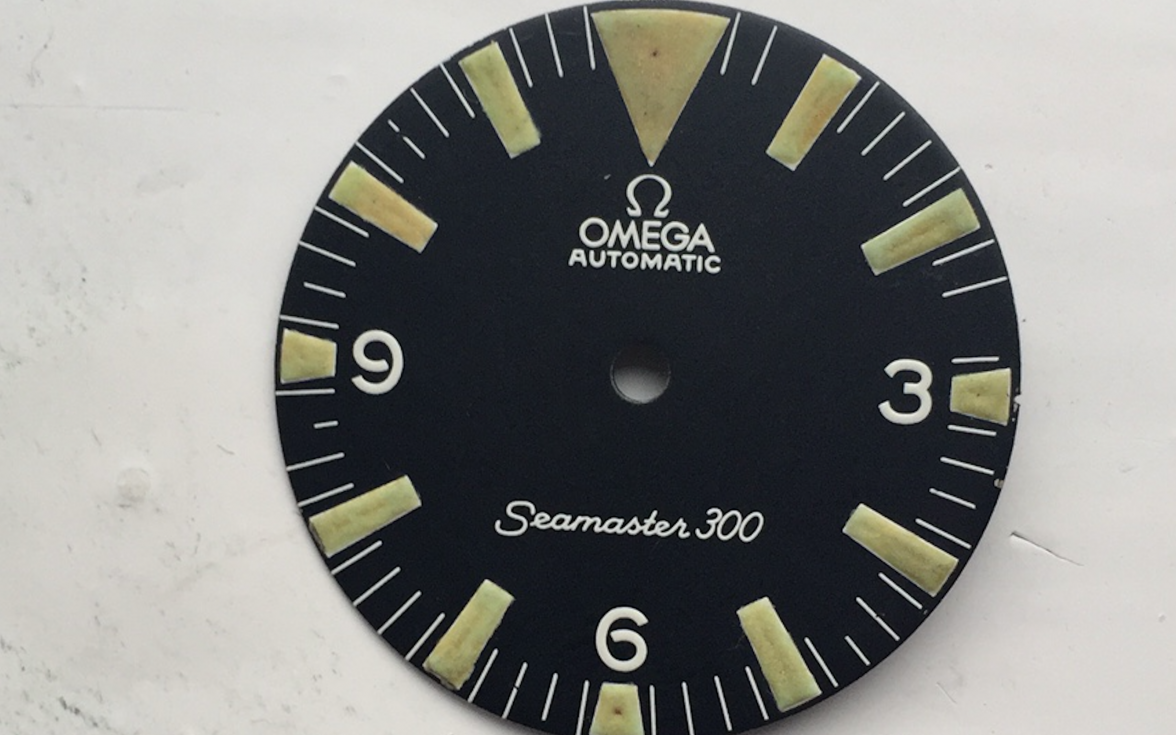
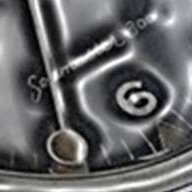
·Spot on! Even the small tiny dot perforation is gone.
Please consider donating to help offset our high running costs.
Spot on! Even the small tiny dot perforation is gone.
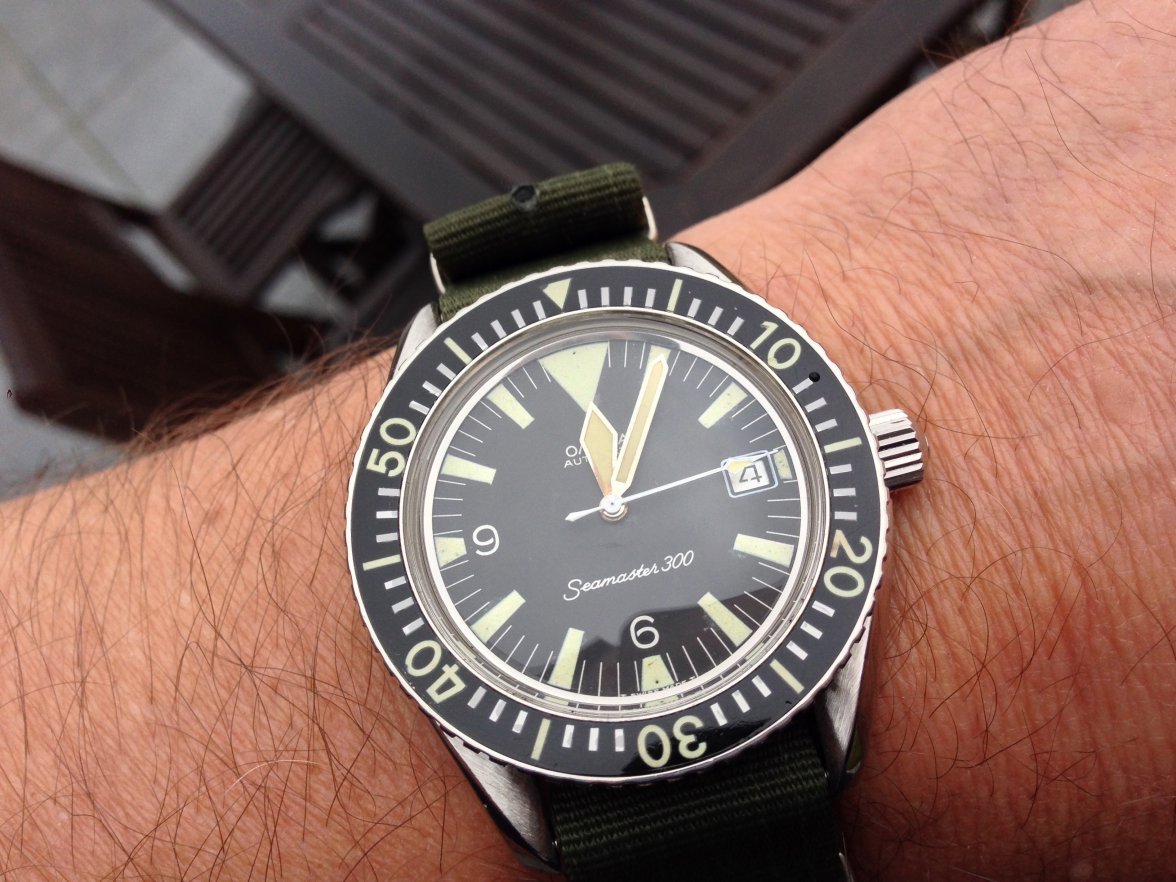
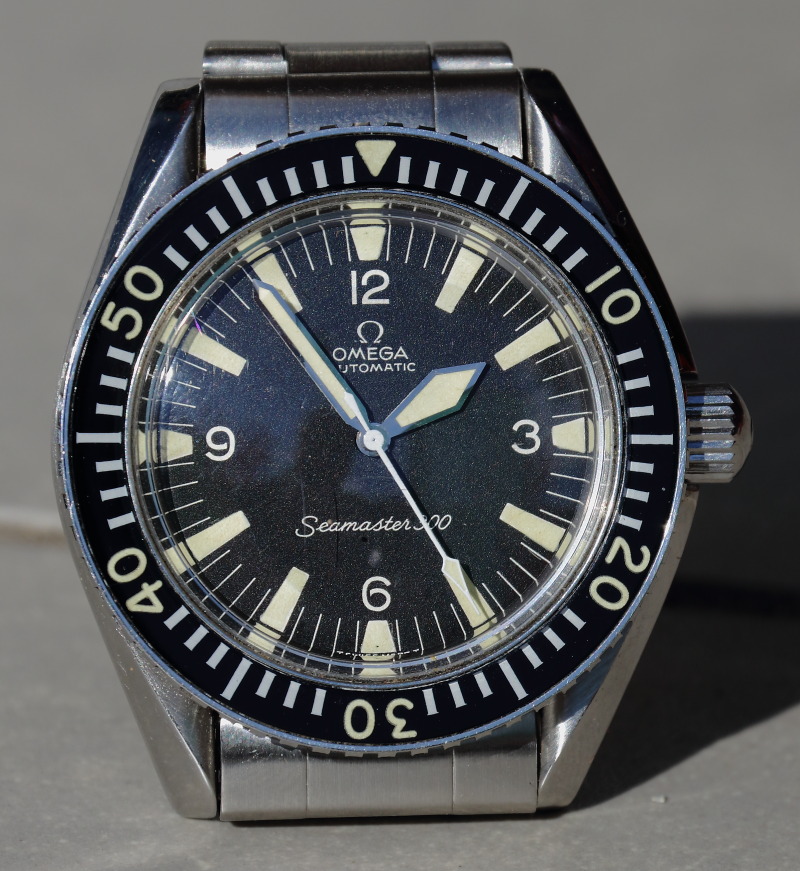
By a very respected seller who has seen and sold dozens and dozens of vintage Seamasters and Speedmasters through the years. When you've seen enough of them you can tell the watches that are original and the ones that have been relumed.
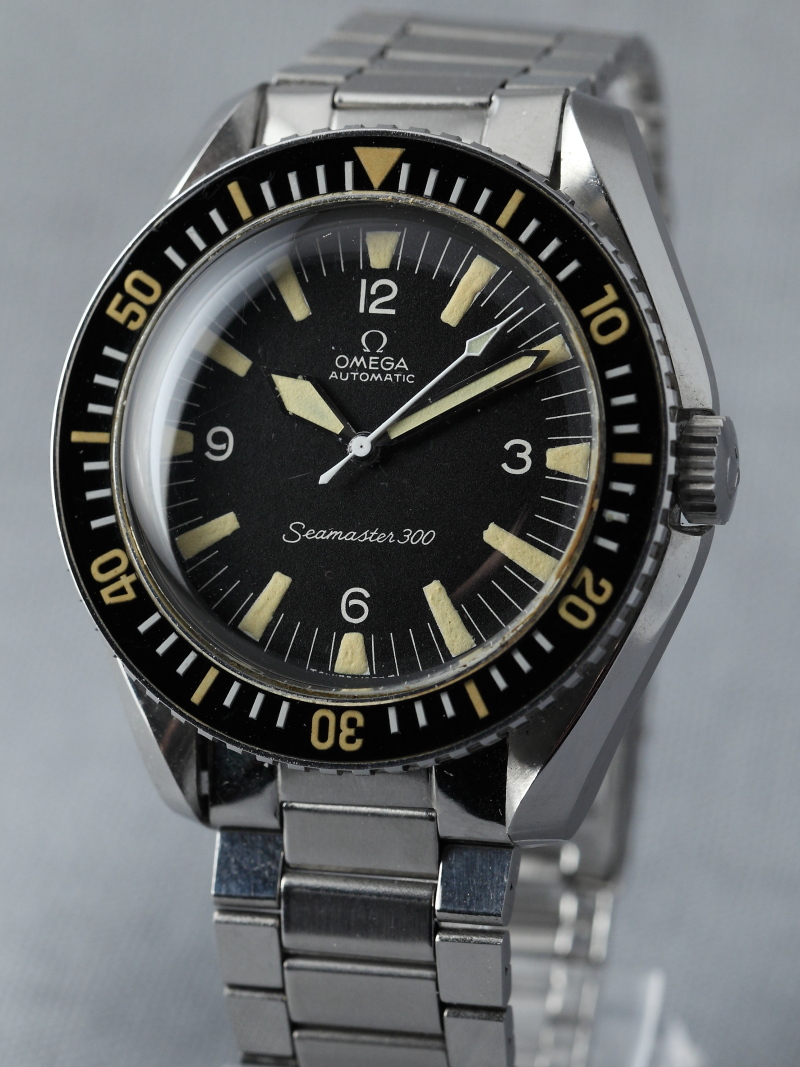
I'm not saying definitively that the OP's watch hasn't been relumed. I'm just saying imperfect tritium should not be a sole criterion to judge. There's plenty of imperfect original tritium on vintage Seamasters and Speedys.
The dot is not always present even in original non relumed dial
Thanks for your reply.
I would not put my trust in any sellers opinion as "confirmed", he is trying to silly something at the end of the day.
Have seen plenty of both models over the 30 years I have been collecting and still cannot tell for sure or "confirmed" which have been relumed, I can however have an opinion.
My opinion is just that, others have theirs.
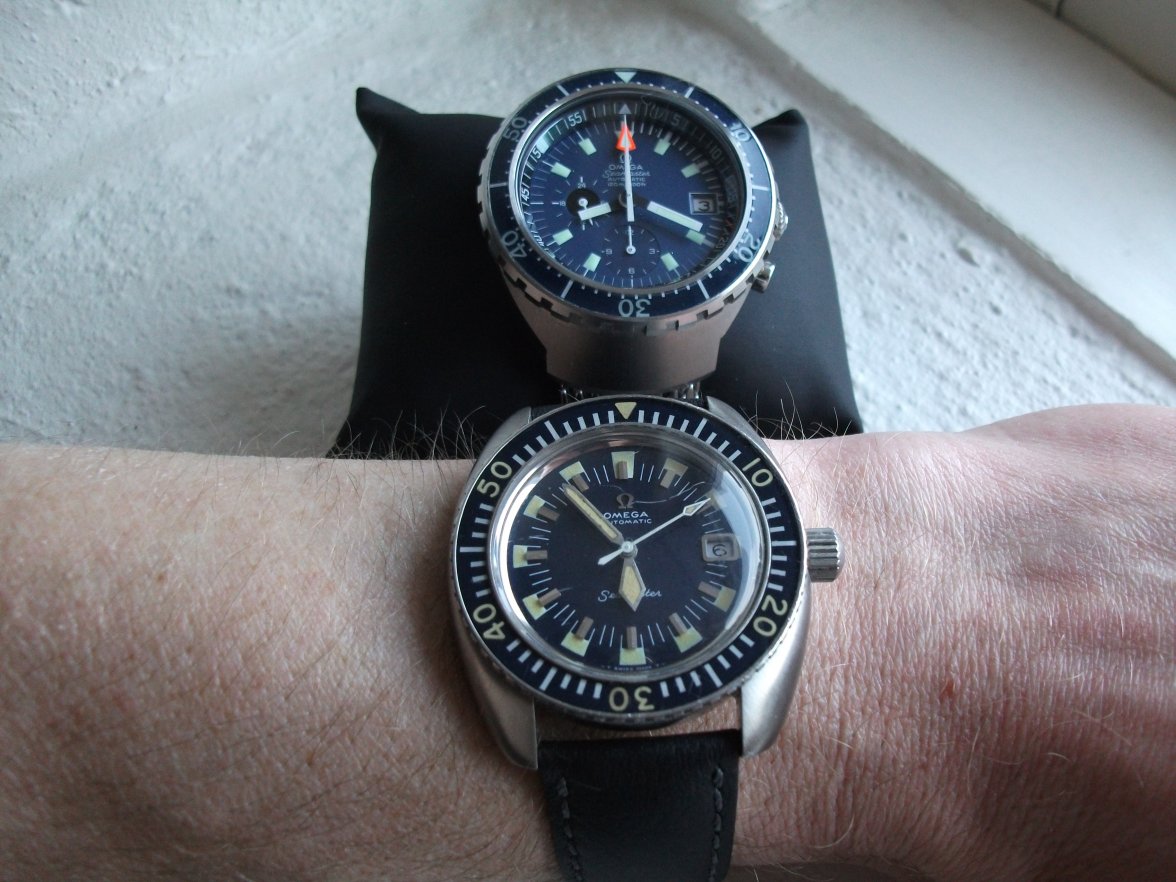
The Hour hand and minute hand look aftermarket on the OP watch? They are very short 😵💫
Hands are from a Big Blue SM...stubby
Agreed, they are all mostly just opinions, but they're usually educated ones by us guys who obsess over vintage watches and such details. (I also have been staring at old watches for about 30 years.) However, keep in mind that there are still some original owners out there who sell to collectors and dealers and they can indeed confirm whether a watch has been relumed or what other service might have been performed through the years.
If there's ever a good time to be very very picky, it's when trying to figure out if you're actually getting the condition and value being advertised when buying an antique for nearly ten thousand dollars that may be worth a lot less than that due to subtle details like this.
Regardless of the fact if it was relumed or not, I think it's important to understand how patina develops. I'm not talking about water/moisture "patina".
But generally, tritium lume of watch dials left in the dark (drawer or safe) will develop a much dark yellow/orange patina than watches used daily and exposed to the sun. This is contrary to what most people believe but NOS dials left in a drawer for 30-40 years have much richer patina for the most part.
If course, other factors like the thinner used and binding agent will affect patina development/color