How much value does a gold case add?

Posts
9,736
Likes
54,429
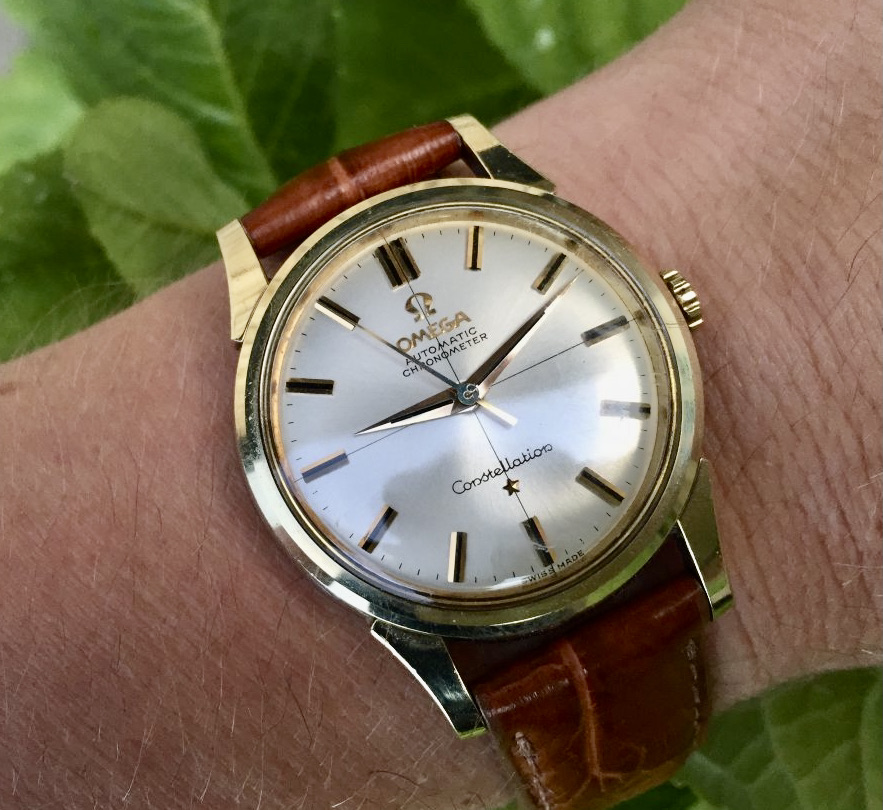
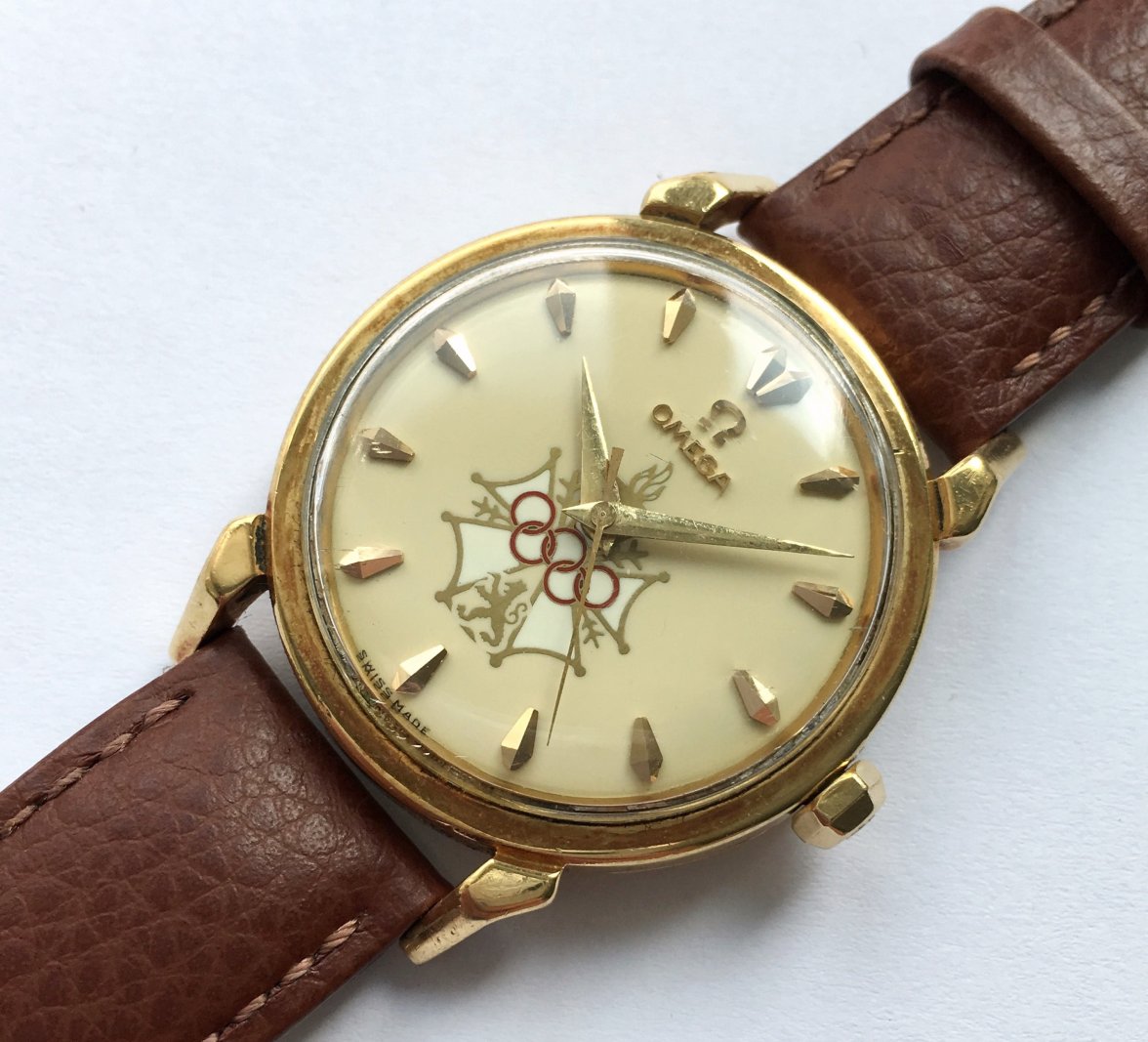
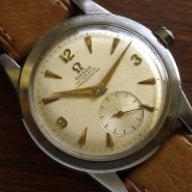
Love that watch, but excuse me for an off topic question, are the hands correct? They appear too long and have lume to my novice eyes. I don't mean any offense.

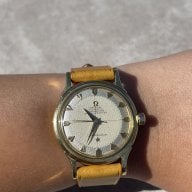
To my knowledge, the hour and minute hand are correct. I believe that the second hand is a modern replacement. The hands may appear too long because of the angle from which the photo was taken and the optical distortion caused by the crystal, but I believe that they are the correct length. As for lume, many of the 2759-2761 references had radium based lume, so I don’t think that’s unusual for this reference. Given the age of the watch, the lume - while still intact - has long since ceased to glow because the phosphorescent material is well past its prime even though the radium is still just as radioactive as it was when the watch was new.
 
Posts
2,640
Likes
3,093
For most models around scrap value

In some parts of the world there's an illogical demand for gold plated watches, that's why there's duality in terms of opinions, it doesn't make sense for a collector to value a GP watch, but people do, and it drives values up

There are some dial models that are only available in gold/gold plated models, those can drive prices up and just be an outlier, and if you have to collect these gold plated models and end up with a destroyed case, you end up driving prices up on pristine models to get the case

But for yellow gold, even for an average in demand model like a Pie Pan, the case only adds scrap value~ - if the case is in collectable condition, I assume a bit above that
 
Posts
6,667
Likes
11,570
The primary advantage for me is that gold cases are more sparingly used compared to steel cases and thus are in better shape overall.
 
Posts
6,649
Likes
52,270
Many times the production of solid gold variants of a watch model are much lower than the stainless steel versions of the watch. If the solid gold model is not worn or polished to death, how much could lower production numbers influence?
 
Posts
13,309
Likes
18,419
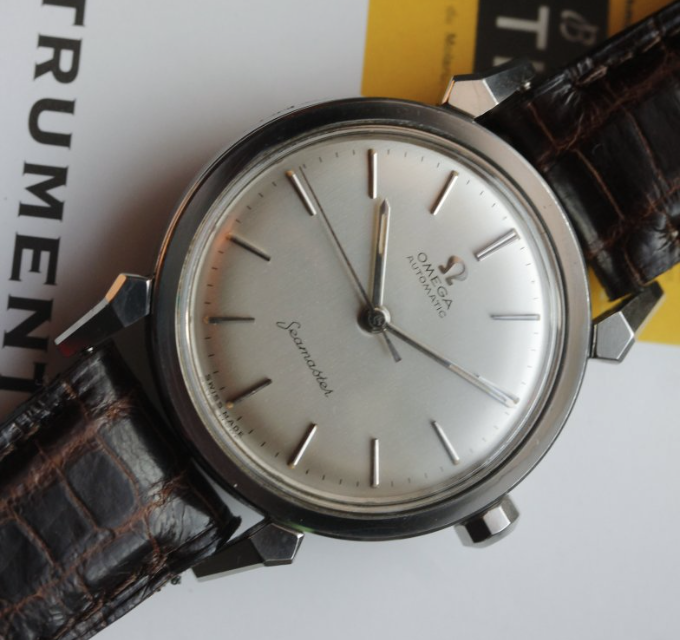
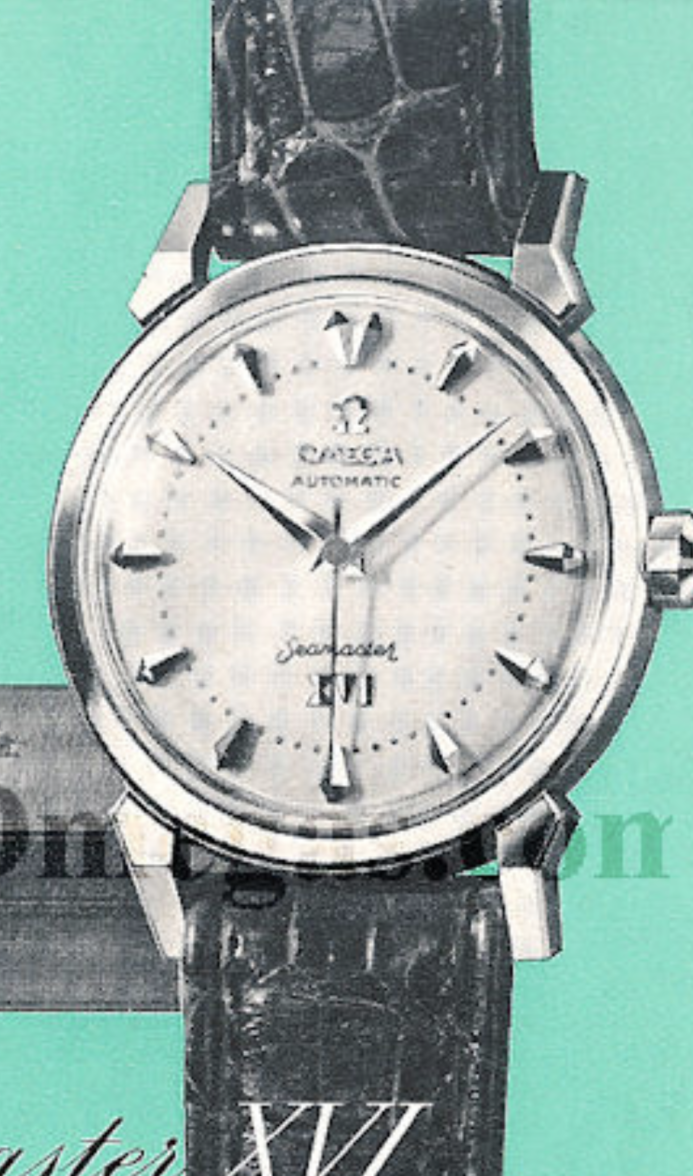
Try finding lugs like this on a gold watch


Ref. 2850. This is not the best example.

This is a contemporary photo:


gatorcpa
 
Posts
384
Likes
2,904
The answer is buy solid gold, avoid gold filled/capped. Why get some gold, get all of it!
As others said, I also prefer steel to gold since it’s more durable 😀.

 
Posts
344
Likes
434
You might want to start with the quantitative comparison (weight, purity, spot price of GLD). That will give you a 'jewelers baseline' on which to add subjective premiums (reference, condition, rarity) to get a collector's baseline value. Any difference after that point comes down to personal preference and taste. Disclosure: Gold bug here.
 
Posts
13,697
Likes
53,498
The answer is buy solid gold, avoid gold filled/capped. Why get some gold, get all of it!
As others said, I also prefer steel to gold since it’s more durable 😀.
Gold capped, if over SS and done well can be quite durable. Mido for example was very good at it.
 
Posts
3,401
Likes
13,196
I trust you on that but even with the 14900s and 168005s variants ?
Oh, yes. 100%. In my opinion especially on doglegs as the sharpness is more important for their overall appearance than for many other refs, and gold-capped is just never as sharp as the sharpest steel or solid gold cases. But even without my personal taste: The gold-capped examples just fetch less on average.
 
Posts
780
Likes
2,449
Oh, yes. 100%. In my opinion especially on doglegs as the sharpness is more important for their overall appearance than for many other refs, and gold-capped is just never as sharp as the sharpest steel or solid gold cases. But even without my personal taste: The gold-capped examples just fetch less on average.
Hmm.....
gold capped
 
Posts
24,242
Likes
53,988
Great thread drift as usual, making this into a more interesting conversation. IMO, gold-capped vs. SS can be a modest price difference in either direction, depending on the reference. But I tend to put them in the same general price category. Both were high quality watches, made to last, and the gold cap is applied to SS.

The OP asked about gold-filled vs. solid gold cases, and that is apples vs. oranges. Massive difference.
 
Posts
6,667
Likes
11,570
Gold cap vintage omegas are the hardest to find in nice shape - they were worn as much as the stainless steel versions but don’t age as well.
 
Posts
6,305
Likes
9,742
Gold cap vintage omegas are the hardest to find in nice shape - they were worn as much as the stainless steel versions but don’t age as well.

That's the cue for @gbesq 's gold capped dogleg
 
Posts
6,305
Likes
9,742
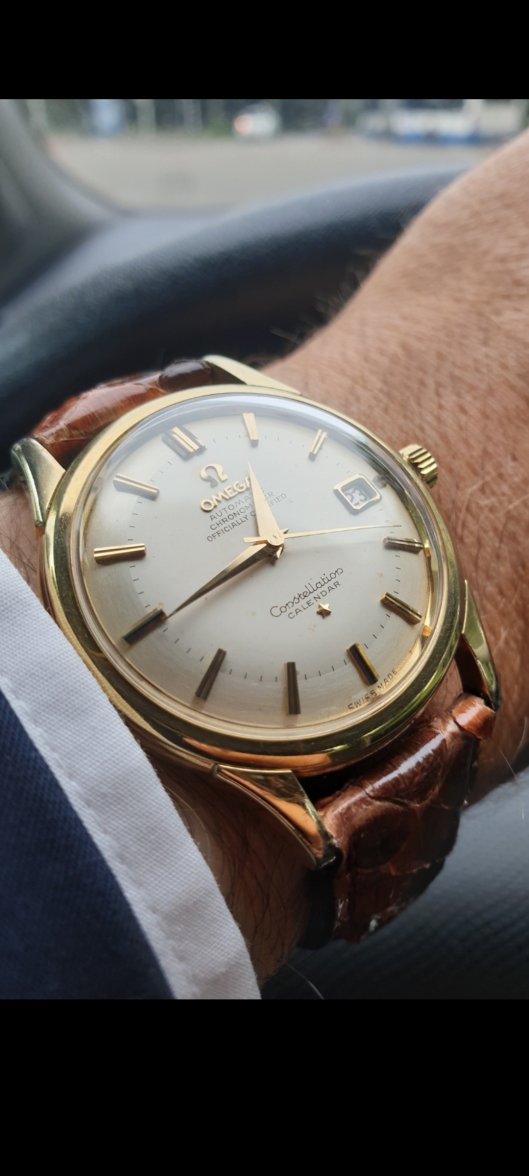
With reference to constellations (that the OP asked about)

I think those that have touched upon preference rather than durability are closer to the explanation of market value.

Steel watches are simply more in-demand than gold watches.
But factoring in intrinsic value means that solid gold watches have a higher market value than SS.

However, solid gold and gold cap watches are more difficult to find in collectible condition as they're softer and the cases become polished more easily.

If you find a solid gold watch in great condition it certainly carries a premium over the scrap value of the precious metal it's made of.

In saying that, solid gold Connies have been 'all the money' for some time and SS versions have been creeping up in price (more quickly than their gold equivalents) reducing the cost differential between the two.

I suspect that, due to demand, the cost differential between a 50s gold connie and the same 50s connie in SS is less than their 60s cousins.
 
Posts
935
Likes
4,298
I find arguments for one type of case being ‘better’ (eg stainless steel) than gold-capped rather boring.

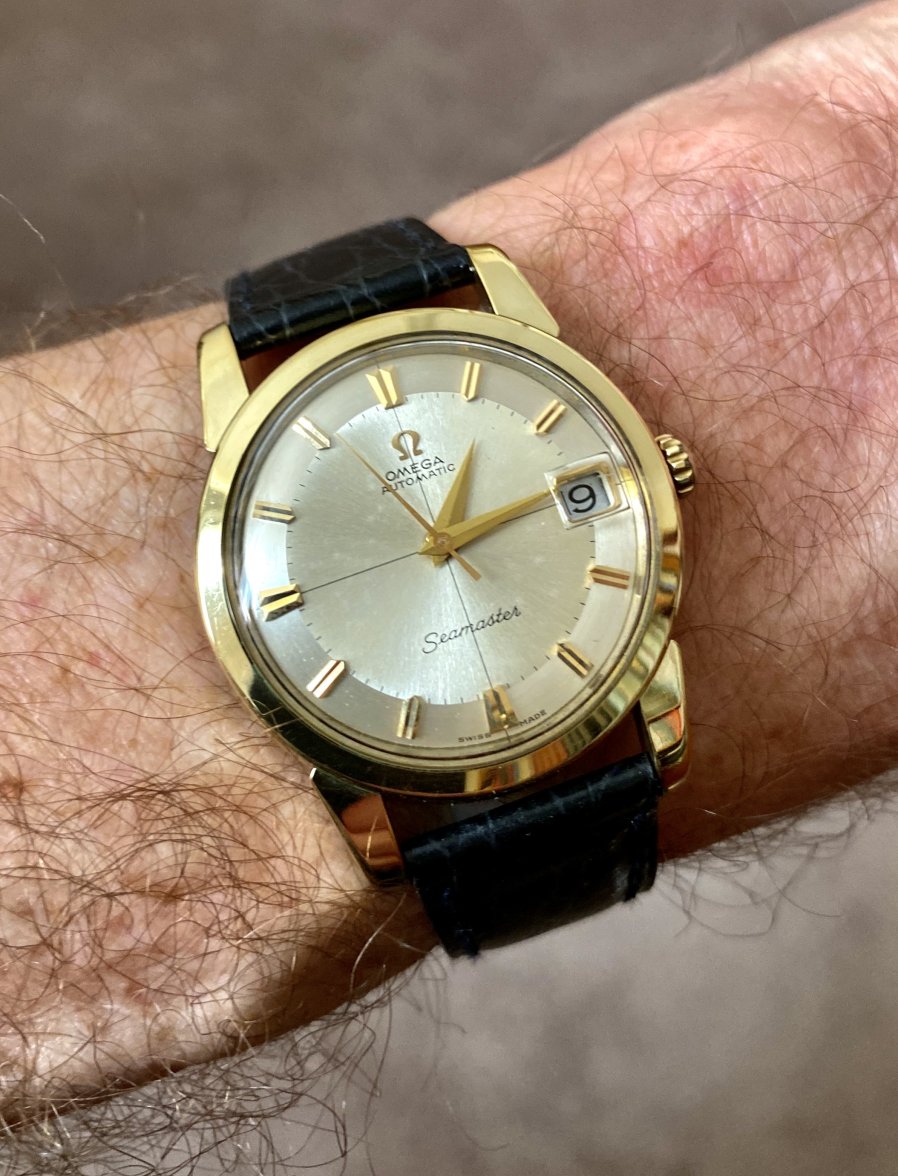
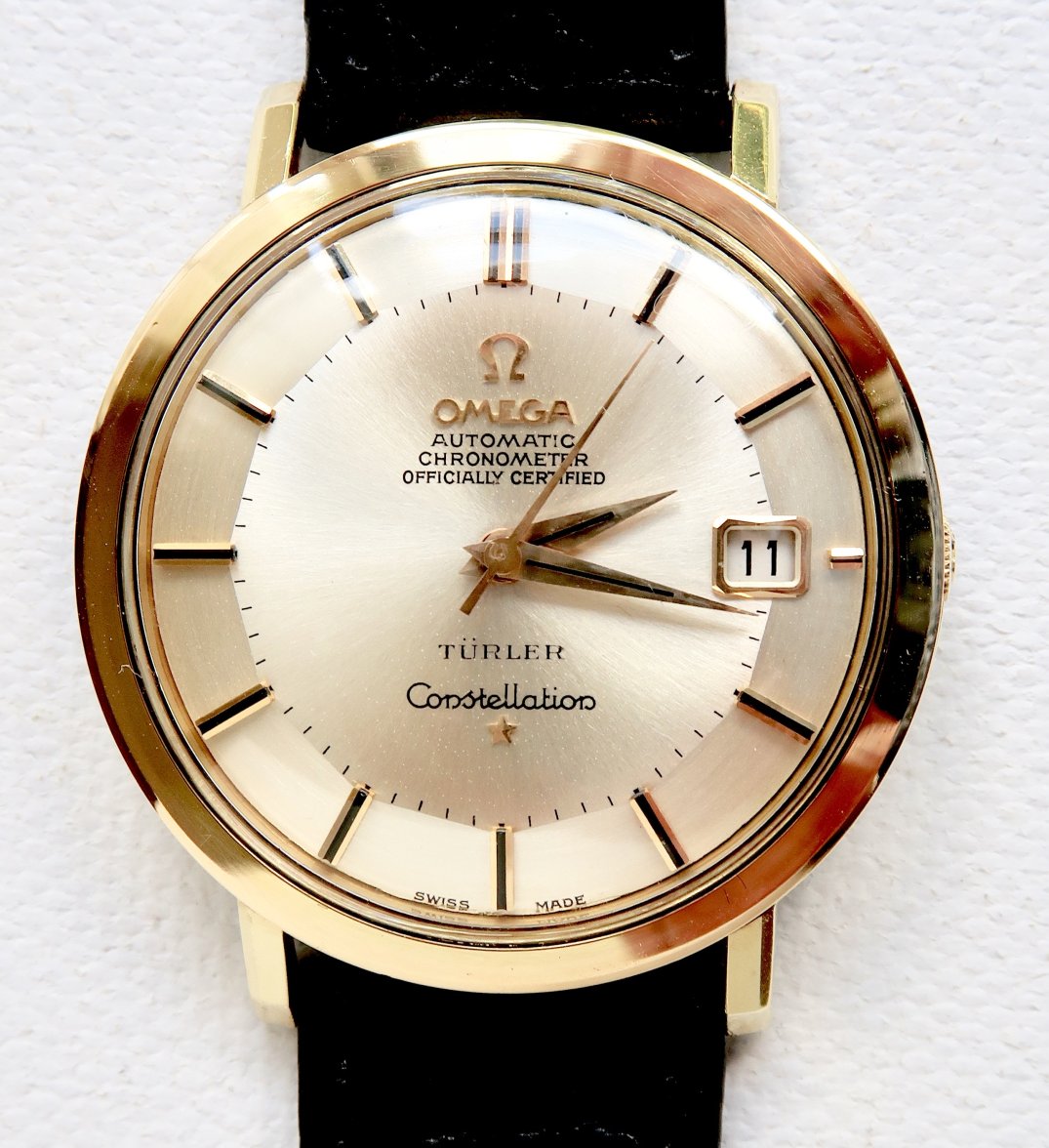
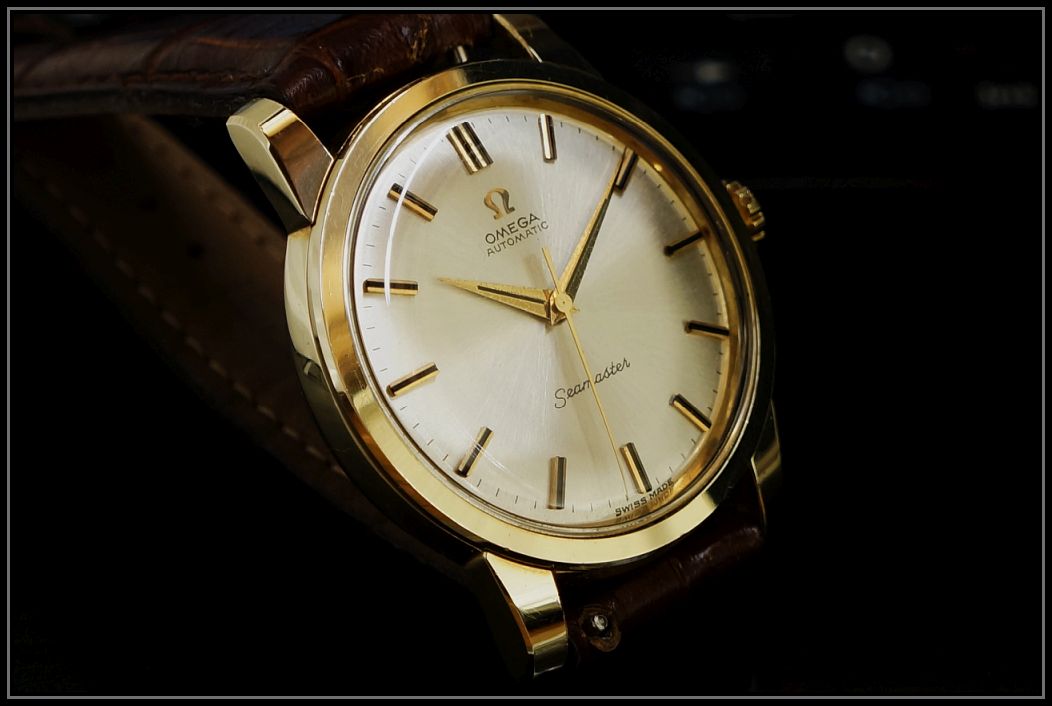
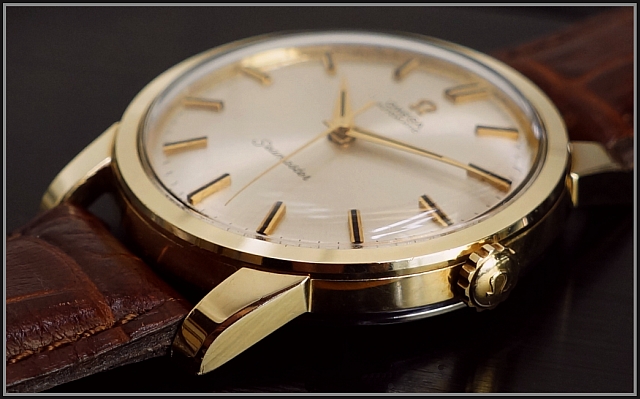
Omega produced superb examples of stainless steel, gold-capped and solid gold cases in the 50s and 60s. I have bought examples of each type when the watches were pleasing to me in design aesthetics and in condition. I would never sell off my vintage gold-capped Constellations or Seamasters just because there is a collective view that the stainless steel versions of the same model are somehow better.

Gold-capped Omegas have a very hard 14ct gold layer on stainless steel, and sometimes can be found in very sharp condition. They seem to cost the same as a stainless steel equivalent model when their condition is identical - but finding really sharp Constellations in either form is not at all easy.

I suspect gold-capped watches are regarded by some collectors as the sort of watches that people bought when they could not afford solid gold, but wanted to present themselves favourably. Stainless steel watches are therefore perceived as more ‘honest’. If that is your bag, so be it - but you may be missing out on some excellent examples of Constellations and Seamasters. Would you really turn your back on these?


Solid gold watches fall into a different category, which in my view has little to do with the perceived extra value of the gold content. I believe the original owners of solid gold Constellations or Seamasters bought them because solid gold has an attraction that is not rational, but very real. It is why we don’t see stainless steel jewellery.
 
Posts
896
Likes
1,642
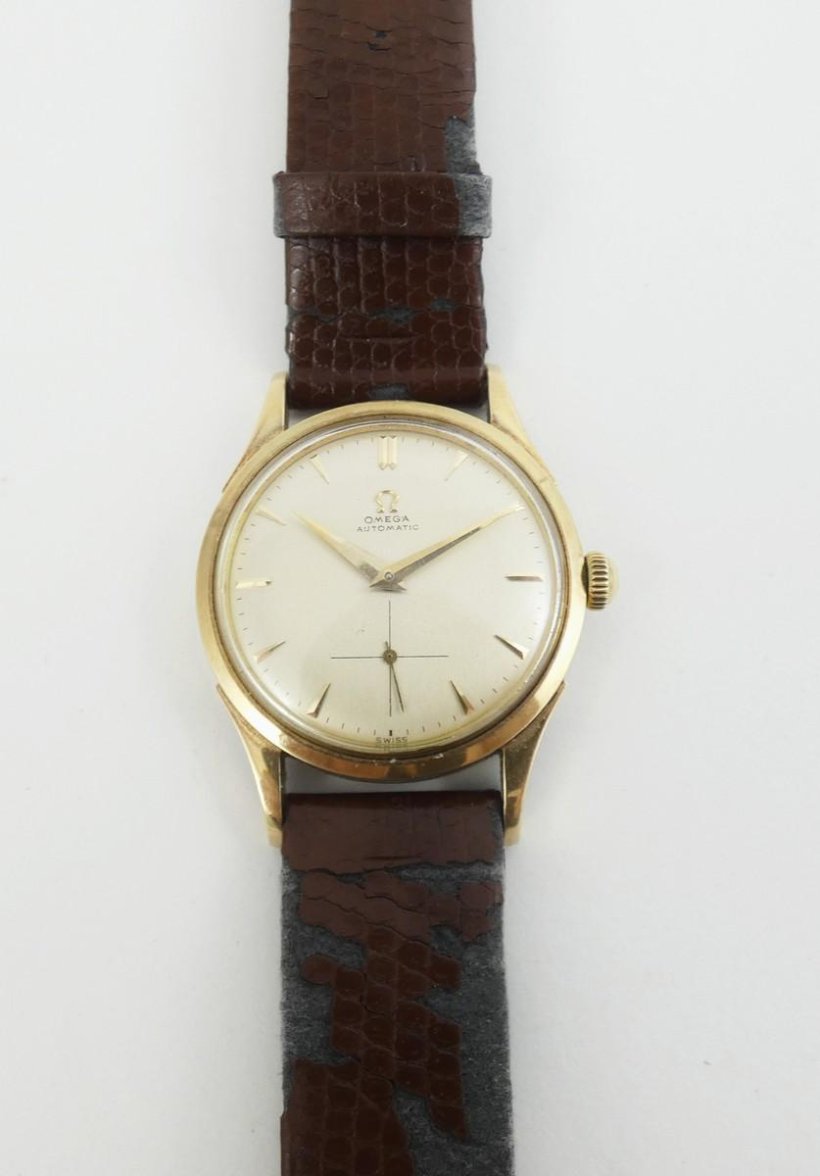
Here's a 14k solid gold watch for sale at the other end of the spectrum perhaps. I think it may be a redial due to imprecise printing and a misaligned logo? Case is polished too.
Current bid is C$525, with 4 days to go.
Most of the value in this one would be the gold case and buckle
 
Posts
13,309
Likes
18,419
I don’t think it is a redial. Dial is distorted by scratched up crystal and the watch is not straight in the photo.

Looks like a U.S. made case. I would want to see the hallmark to make sure it isn’t gold filled. If solid, I suspect it will be bid up higher.
gatorcpa
 
Posts
8,096
Likes
28,522
Would you really turn your back on these?

I wouldn't be caught dead wearing any one those! Except the Türler, which I'd like to purchase from you for slightly less than you paid for it. 😁
Edited: