How much value does a gold case add?

Posts
896
Likes
1,642
All things equal, two identical watches in good condition, but one is solid 14k and other is 14k gold fill what is the price difference?
Just the case not bracelet.

Does it vary as an amount like $500 -1000 or is it a percent like 100%. I suppose solid gold are more rare so is there a rarity premium in addition to the gold melt value?

 
Posts
24,242
Likes
53,988
It's a big difference, but we would need to know which watch you're talking about to be more specific. I don't generally think about it in either of the ways that you are describing, but as two totally different classes of watch. Gold-filled models are in one price range and solid gold models in a different range.
 
Posts
687
Likes
823
As was said above, there's no formula that gives you the price difference.

All things being equal, it generally works that way: $ solid 14k/18k gold > $ stainless steel > $ gold filled > $ gold plated

However, for gold capped watches, it's highly dependent on the model. For example, a gold capped constellation pie pan will usually be more expensive than a stainless steel equivalent. For other models, stainless steel is often preferred.

The dial / case color combination also plays a role. In the link you provided, the dial is really white and would match a stainless steel case better than a gold one. It will impact the price negatively imo. Aesthetically speaking something is off with that watch even though it looks original.
Edited:
 
Posts
16,863
Likes
47,901
For example, a gold capped constellation pie pan will usually be more expensive than a stainless steel equivalent. For other models, stainless steel is often preferred.

Have to disagree with this statement.
I would say three watches the same (excellent or good) condition the Gold cap would be less than a SS to a collector.

(Knowing many that wouldn’t buy gold capped over the years here.)


Aesthetically speaking something is off with that watch even though it looks original.

You can’t get a better yes for that watch than one of the members here said he would have it in he’s collection (that I posted about in the thread)
I would have no problem adding that watch to my collection.
This comment from @MSNWatch would have me pulling the trigger…
Edited:
 
Posts
8,095
Likes
28,522
To riff off the above comment, it can depend on the brand. Some steel Pateks, for example, are worth far more than their gold counterparts, due to rarity.
 
Posts
16,863
Likes
47,901
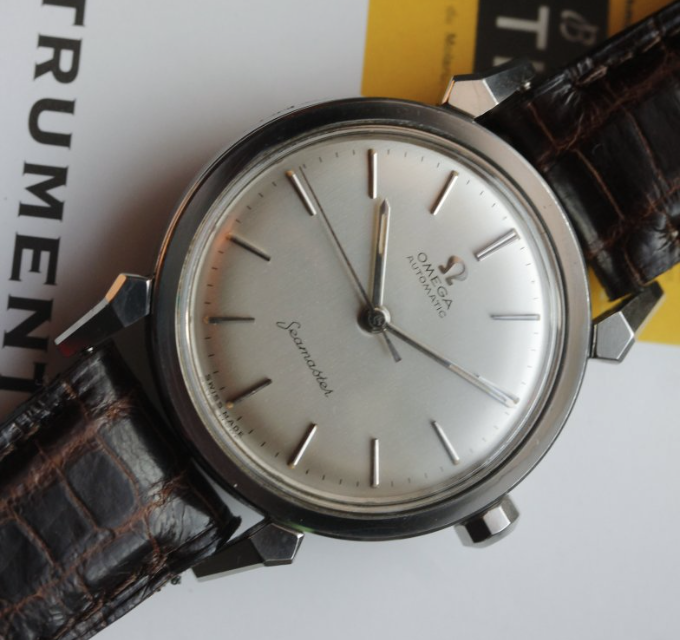
Try finding lugs like this on a gold watch
 
Posts
3,093
Likes
14,459
All things equal, two identical watches in good condition, but one is solid 14k and other is 14k gold fill what is the price difference?
Just the case not bracelet.

Does it vary as an amount like $500 -1000 or is it a percent like 100%. I suppose solid gold are more rare so is there a rarity premium in addition to the gold melt value?


To answer specifically to re just the gold comparison and all things equal, a solid gold model will *typically* be 3-5x due to two things: 1) Gold watches are typically made in far smaller numbers, creating outsized demand and higher prices, and 2) the gold value is FAR above that of just plated base metal.
 
Posts
3,401
Likes
13,196
Try finding lugs like this on a gold watch
Ohhh, dibs? 🥰

Regarding the topic: It also depends a lot on the desirability of the watch, rarity in the materials etc.

A 145.022-69 in 18k is multiple times of what you could get a steel example for.
The Connie you were looking at in solid gold 18k will probably be very, very roughly +50% on a SS example, maybe +100% on a GC one.

You really will have to look at every reference individually. Oh, and this comment cannot be emphasized enough:
This comment from @MSNWatch would have me pulling the trigger…
 
Posts
9,736
Likes
54,428
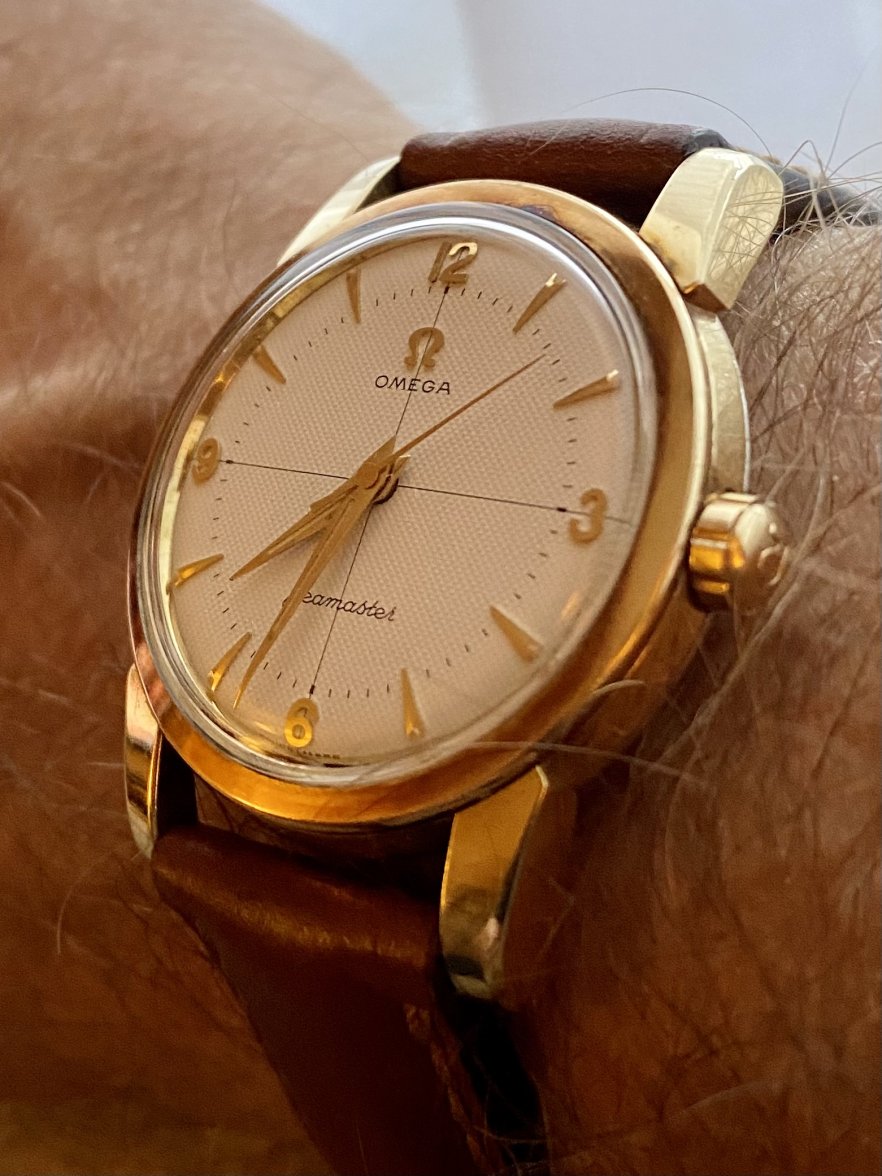
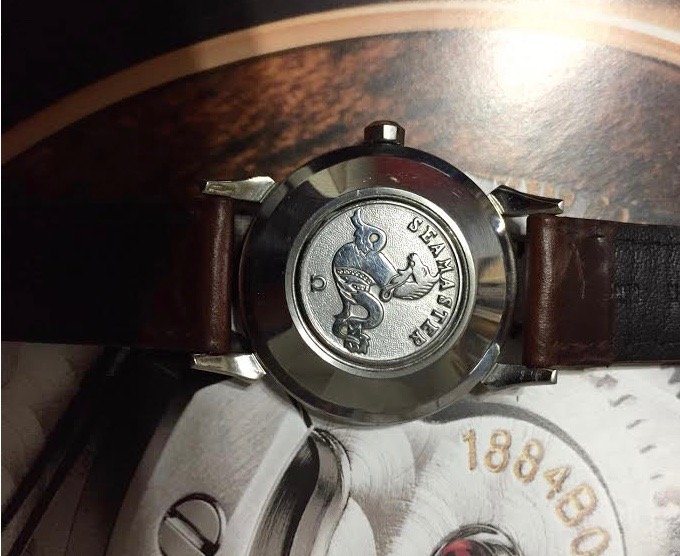
I prefer steel to gold, whether solid or capped, because it’s simply more durable. All things being equal, though, solid gold is usually going to justify a significant premium over both steel and gold cap. That being said, gold cap can be a very good value proposition and present beautifully if the watch has been properly cared for. As an example, here’s my 1956 Seamaster 2761 in gold cap. I’d say that it has held up pretty well for a 65 year old watch.
 
Posts
687
Likes
823
You can’t get a better yes for that watch than one of the members here said he would have it in he’s collection (that I posted about in the thread)

This comment from @MSNWatch would have me pulling the trigger…

I would not pull the trigger on a watch just because a well-respected collector finds it to his liking. Aesthetically (emphasizing the word again) speaking, the dial / case color combination does not work for me on this watch.
 
Posts
8,095
Likes
28,522
Try finding lugs like this on a gold watch

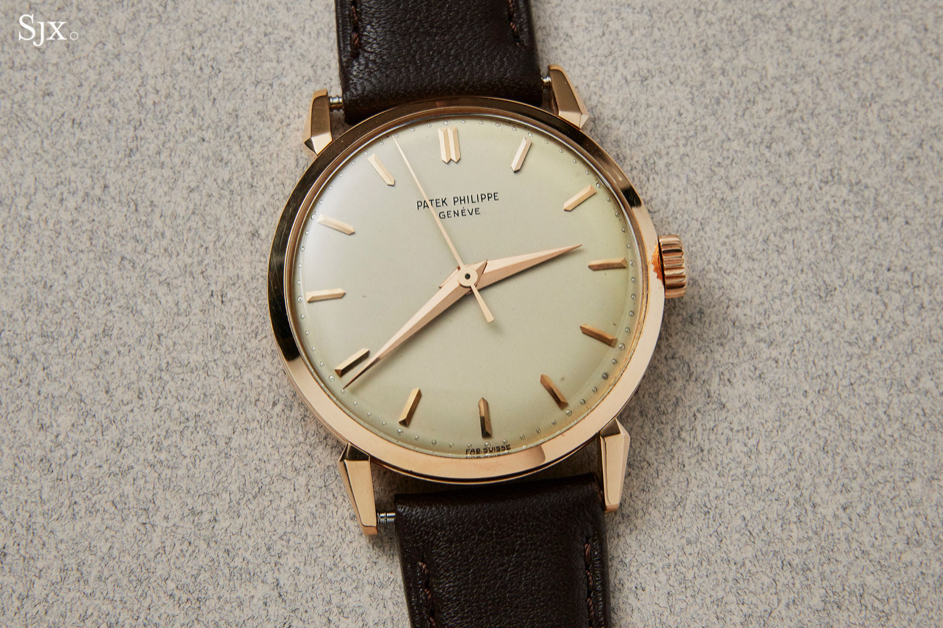
Actually, the Patek ref. 1578 has that type of lugs, but the vast majority have been over polished, and have lost the original angles. This one, sold at auction in Hong Kong, is an exception.

 
Posts
687
Likes
823
Have to disagree with this statement.
I would say three watches the same (excellent or good) condition the Gold cap would be less than a SS to a collector.

I trust you on that but even with the 14900s and 168005s variants ?
 
Posts
271
Likes
1,077
Personally I would pay more for that watch you are using as your example in steel rather than 18k yellow gold, I just don't like or have any interest in collecting yellow gold wrist watches. But I love the white dial steel examples, they are probably my all time favourite constellations so I would have a huge bid ready to compete on one of those as long as the dial was perfect, a bid much higher than the market value you would come up with working it out using the methodology others are posting.

The point I am making is, it might be a futile task to try and decipher a final price just based on materials, many collectors are mad / not rational, and you don't see unmarked white ones every day so someone might be out of patience.

Good luck if you go for that watch as the dial/case both look good to me.

 
Posts
896
Likes
1,642
I prefer steel to gold, whether solid or capped, because it’s simply more durable. All things being equal, though, solid gold is usually going to justify a significant premium over both steel and gold cap. That being said, gold cap can be a very good value proposition and present beautifully if the watch has been properly cared for. As an example, here’s my 1956 Seamaster 2761 in gold cap. I’d say that it has held up pretty well for a 65 year old watch.
Love that watch, but excuse me for an off topic question, are the hands correct? They appear too long and have lume to my novice eyes. I don't mean any offense.
 
Posts
896
Likes
1,642
Personally I would pay more for that watch you are using as your example in steel rather than 18k yellow gold, I just don't like or have any interest in collecting yellow gold wrist watches. But I love the white dial steel examples, they are probably my all time favourite constellations so I would have a huge bid ready to compete on one of those as long as the dial was perfect, a bid much higher than the market value you would come up with working it out using the methodology others are posting.

The point I am making is, it might be a futile task to try and decipher a final price just based on materials, many collectors are mad / not rational, and you don't see unmarked white ones every day so someone might be out of patience.

Good luck if you go for that watch as the dial/case both look good to me.

You make a lot of sense. There is much mystique in this watch world. How else to explain the values run of the mill Rolexs are getting.
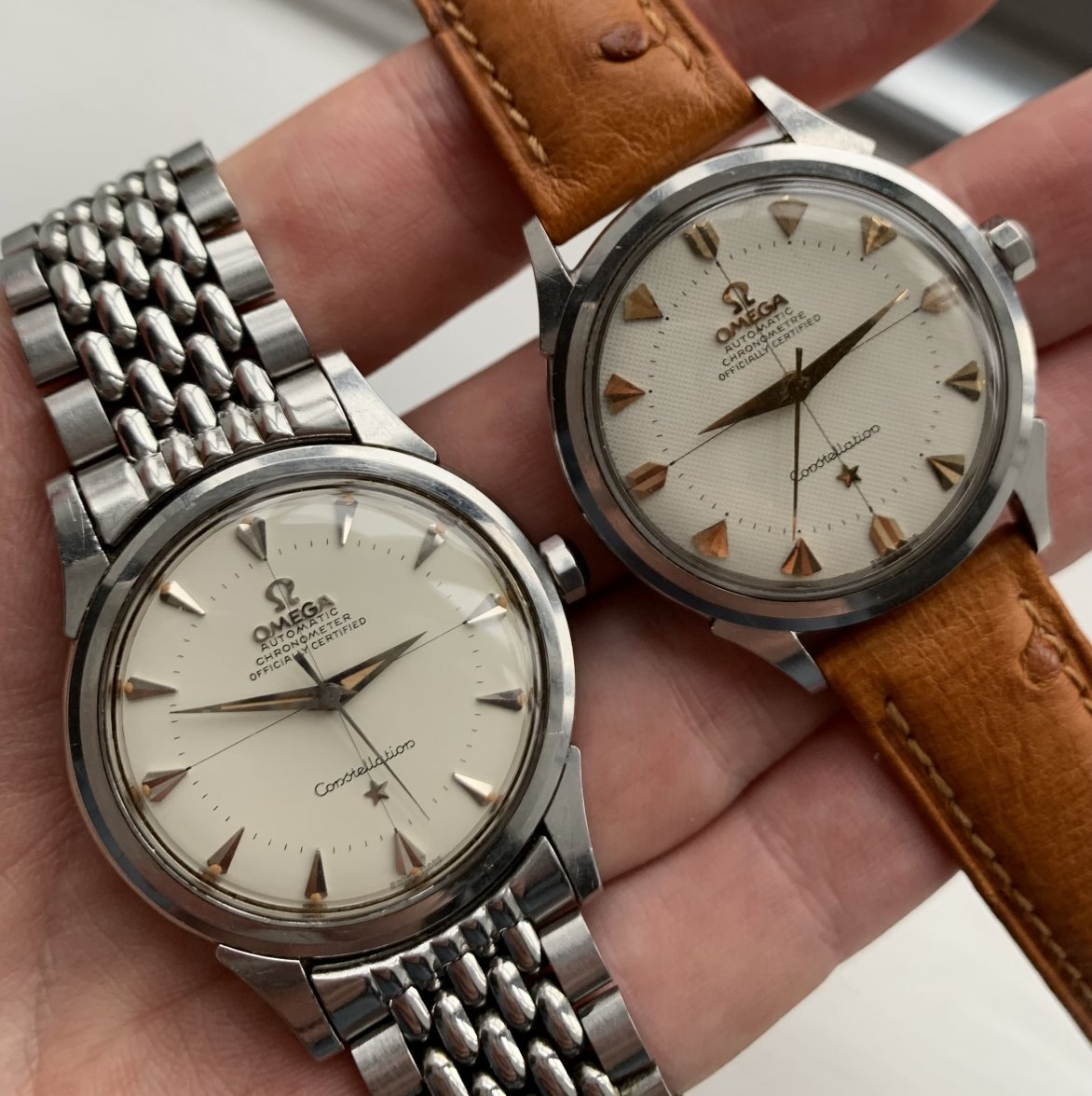
That watch on the right is beautiful, one in my birth year would get me bidding stupid money.