- Posts
- 5,084
- Likes
- 15,692
Please consider donating to help offset our high running costs.




My take (from working in a company where this was done from biological CT scans) @STANDY is that these days, everything mechanical is designed in 3D modelling environments, or needs to get there for engineering (design - simulation included) and manufacturing, and its most likely quicker/easier to create 3D models this way then to do it manually by hand-creation off of 2D drawings (although I can imagine those might be used to validate/check things like tolerances etc once the models are already in CAD software). But thats just my take and second-hand experience (creating models from 2D CT scans is already a time consuming job as it is). There is a reason why people do this, and I sincerely do not beleive the primary reason is marketing (that is a nice side-effect though). I await the scorn of the masses (and shall refrain from further comment). YMMV.
My take (from working in a company where this was done from biological CT scans) @STANDY is that these days, everything mechanical is designed in 3D modelling environments, or needs to get there for engineering (design - simulation included) and manufacturing, and its most likely quicker/easier to create 3D models this way then to do it manually by hand-creation off of 2D drawings (although I can imagine those might be used to validate/check things like tolerances etc once the models are already in CAD software). But thats just my take and second-hand experience (creating models from 2D CT scans is already a time consuming job as it is). There is a reason why people do this, and I sincerely do not beleive the primary reason is marketing (that is a nice side-effect though). I await the scorn of the masses (and shall refrain from further comment). YMMV.

One thing that does jump to mind is that as-built parts can differ to as-designed parts. An already-working model is thus able to be recreated, easily, by this technique into a digital model that actually works. I can't imagine why anyone would do this if it the pro's outweighed the con's. Google is your friend, I am certain one can find a lot of information as to why this is a common and popular method for reverse engineering mechanical models.
Since you have experience with this, what sort of accuracy can a scan create? Can it determine the size of something that is say 8/100th's of a mm in diameter, with a tolerance of +/- .001 mm?
I have helped create a system that was able to generate a 3D model with an worst-case accuracy of about 10 micrometers. That was using lasers and a camera, so not even any fancy electromagnetic techniques using high-frequency (so low wavelength) waves.

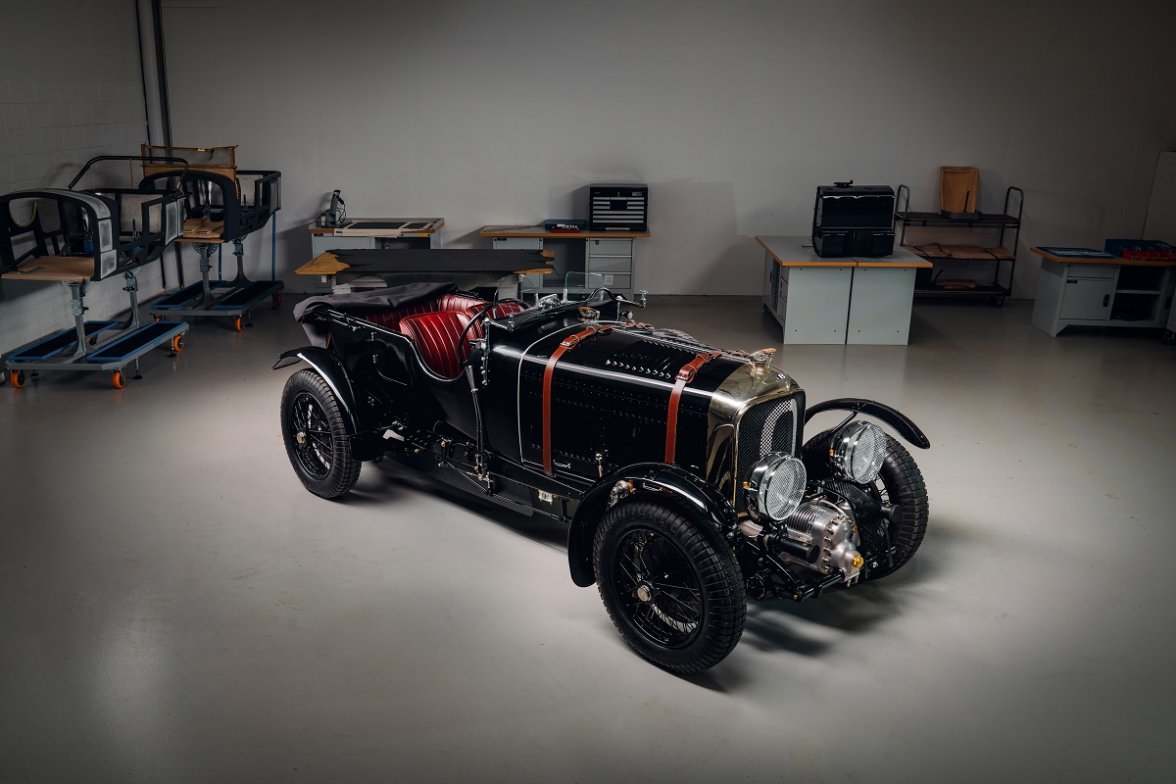
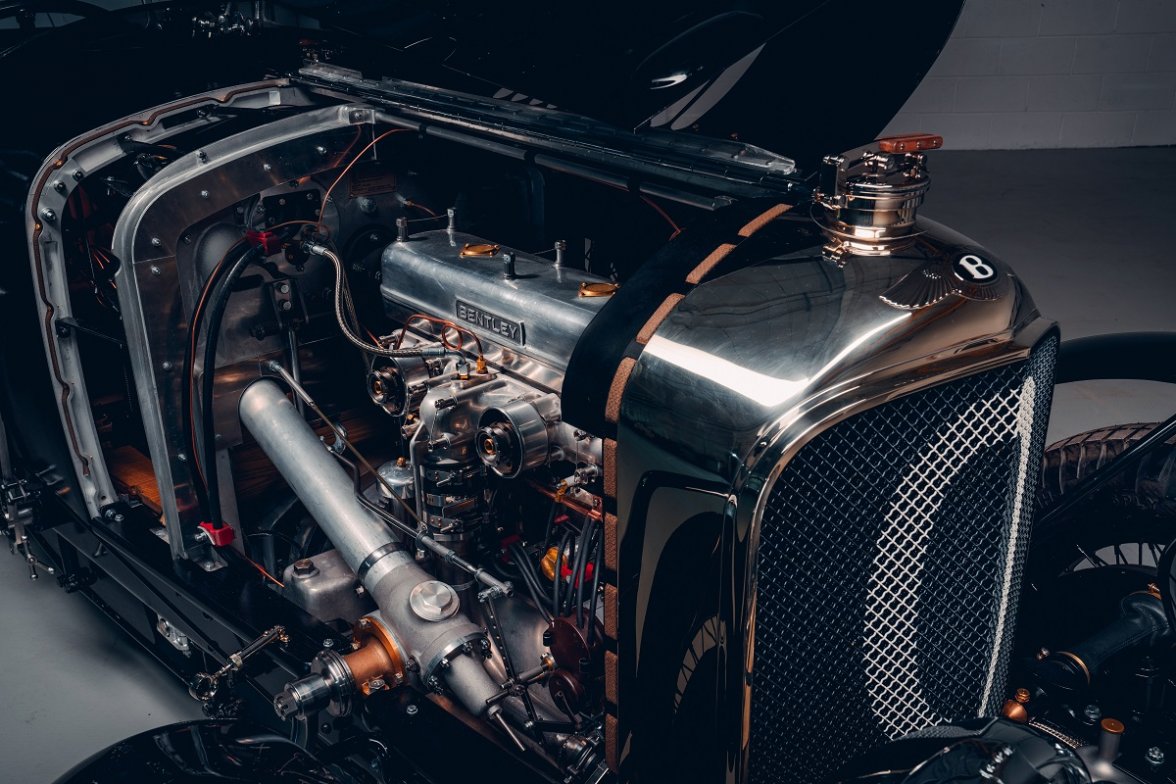
Did the Blowers actually win races? I was under the impression that they didn’t win, and where used as Jack rabbits to force other mfg’s to try and catch them and they would all break down allowing the non blower Bentlys to win.
Okay, but I'm referring to scanning something like the watch used by Omega, and with not opening it, being able to determine pivot sizes for example.
Its an interesting topic, and I thought I would reach out to some good friends who work hands on with this technology in theory and practice (read: did Phd's in the field of electromagetics and currently programming MRI's for derived research). The answer I get depends on what one scans, so ignoring clinical, scanning metal things (like engine blocks and movements etc) the answer is 'the sky is the limit' with respect to resolution and accuracy. i.e. 1micrometer and finer.

So I question why is it specifically talked about in the marketing materials, and where does this sort of talk about time saving engineering methods start and end? For example, in addition to the scanning they did, why didn't they specify that the design work was done in 3D CAD, rather than drawn by hand on drafting boards (where my engineering career started out)?
Why does the customer need to know this information, and what value does it add?
I struggle to come up with anything other than value in marketing, because it sounds "cool"..
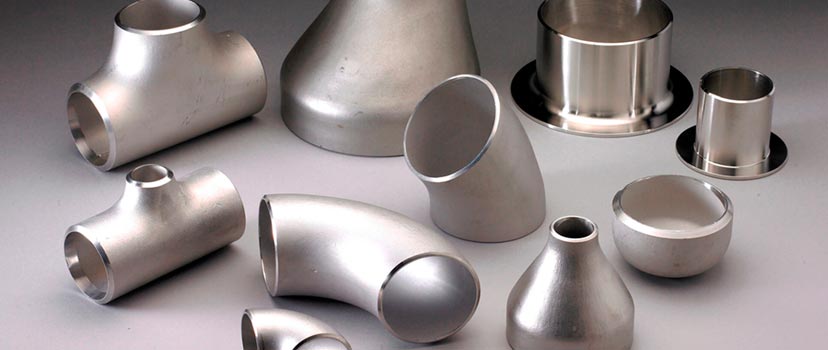
Case being Rolex steel is that good a steel the magic 904L steel.
Well here is some 904L kitchen sink parts 😲
Well, I appreciate you adding to the collective understanding of it here, so thanks.
Having said that, the original 321 movement was designed without the aid of scanners, and with very much analogue measuring equipment. So if there is a benefit to this technology for a watch, the benefit isn't accuracy of the drawings, or of the final parts - it's a productivity gain for the engineering department.
So I question why is it specifically talked about in the marketing materials, and where does this sort of talk about time saving engineering methods start and end? For example, in addition to the scanning they did, why didn't they specify that the design work was done in 3D CAD, rather than drawn by hand on drafting boards (where my engineering career started out)?
Why does the customer need to know this information, and what value does it add?
I struggle to come up with anything other than value in marketing, because it sounds "cool"...
Cheers, Al
I too started on a drawing board but in early 1970s got into CAD program development. In the 1970s and well into the '80s the costs of computer, graphics terminal, pen-plotter and programs were several tens of the cost of employing just one draughtsman. In a very small number of cases the CAD system could pay for itself but for most of our customers the value was in showing to their customers how progressive they were. Marketing in other words.