- Posts
- 105
- Likes
- 198
colonel
·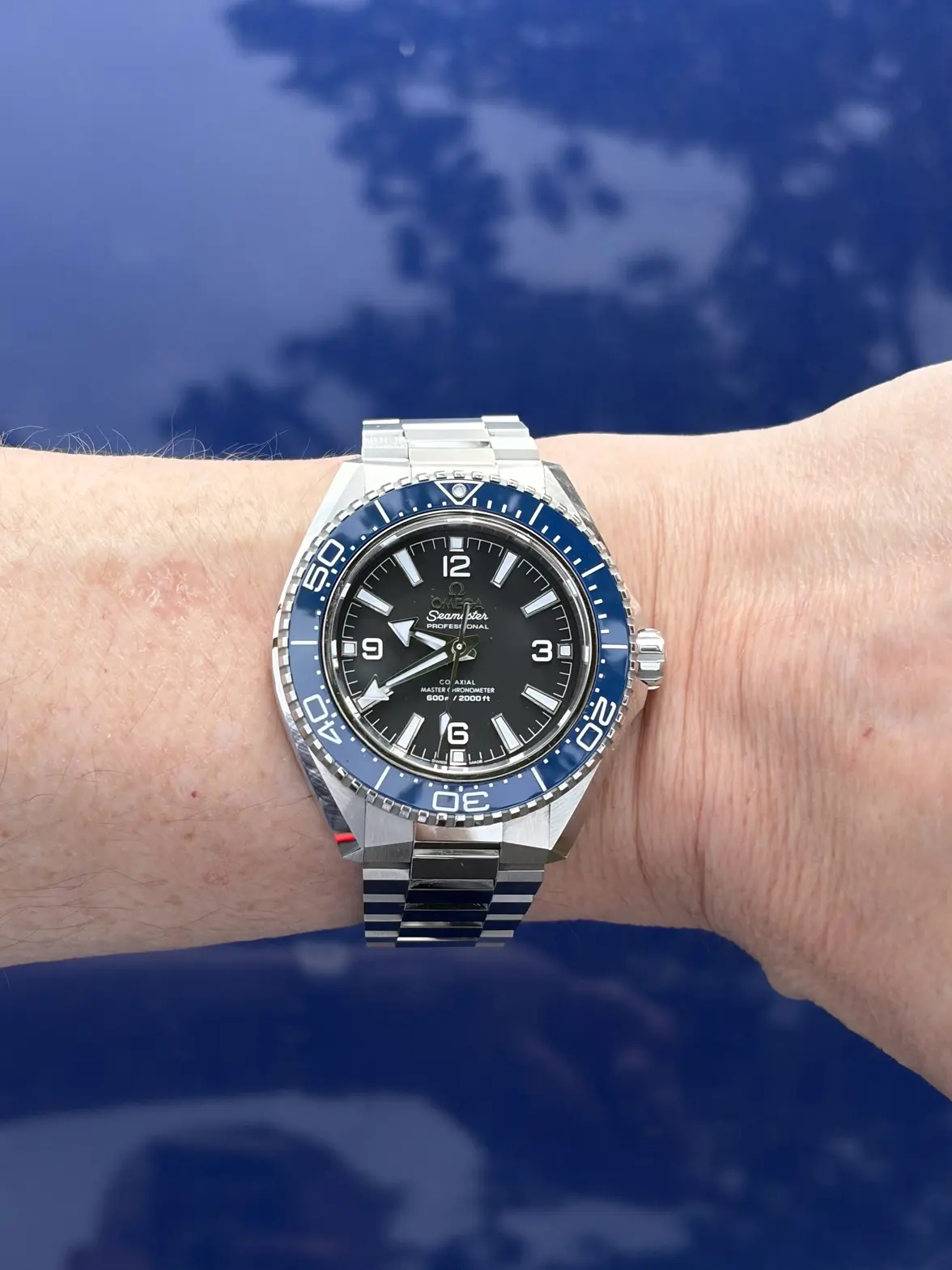
I have to admit it, I was the biggest critic of the 4th gen planet ocean (PO) when it came out. I didn’t like the loss of the helium escape valve, the display back and the date, and that is a pretty long list. After seeing the watch in the flesh, contemplating, meditating and pontificating, I now confess to being wrong, well except maybe about the date 😀
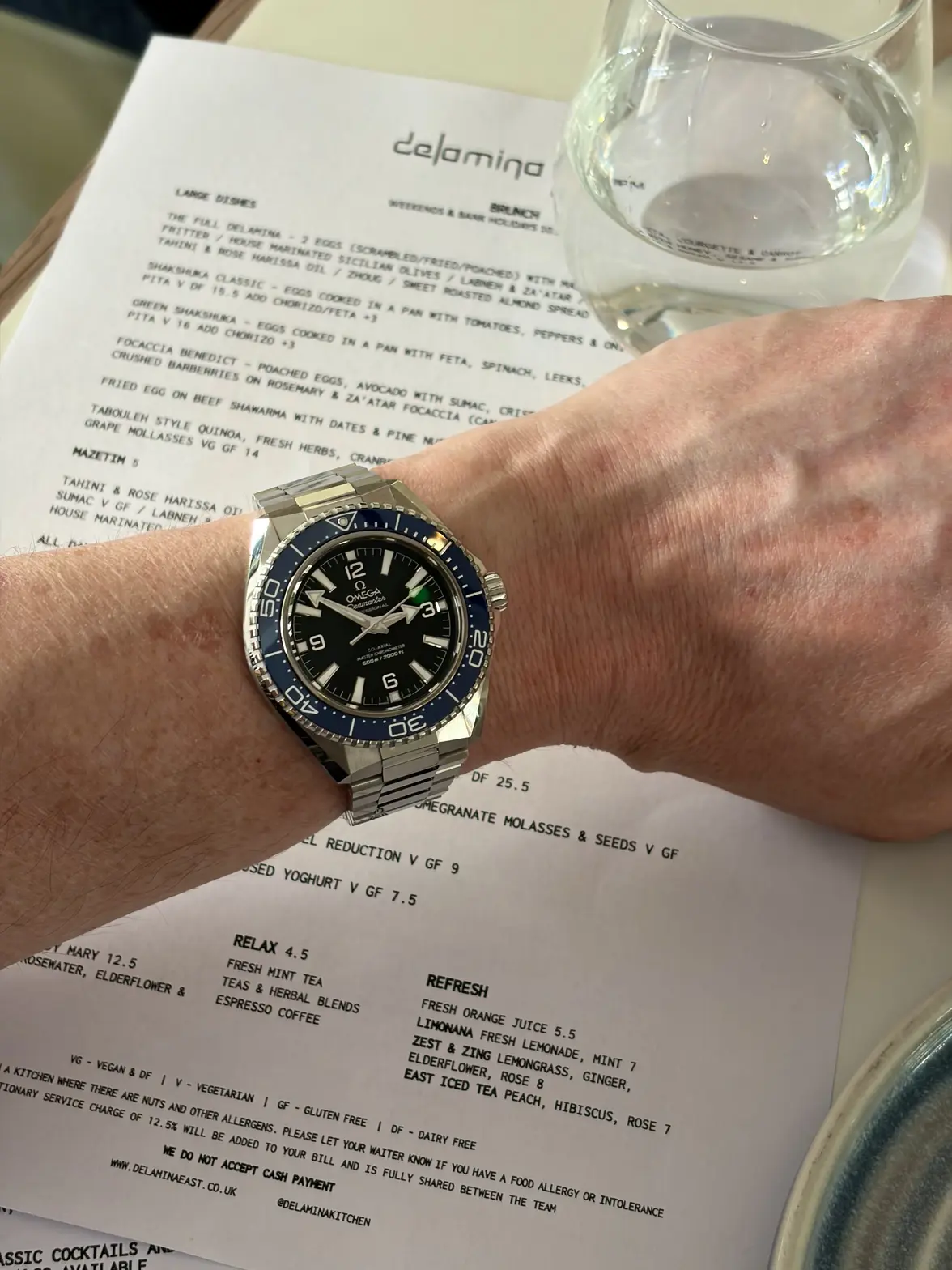
I always wanted to get the previous generation plant ocean. I loved the more pumped-up strength over the 300s, the stern look, the classic dial. But never went through with it. It was just the weight and the thickness that always stopped me. That didn’t mean it didn’t wear well on my wrist. It did, but over time, fatigue sets in. Like my sea dweller. Great for a bit, and then longing looks at 39mm SeaQ wearers is always the sign. The point is I love divers. Divers and pilot watches have to be big, it is in their nature, but the illusion needs to be made over an everyday base.
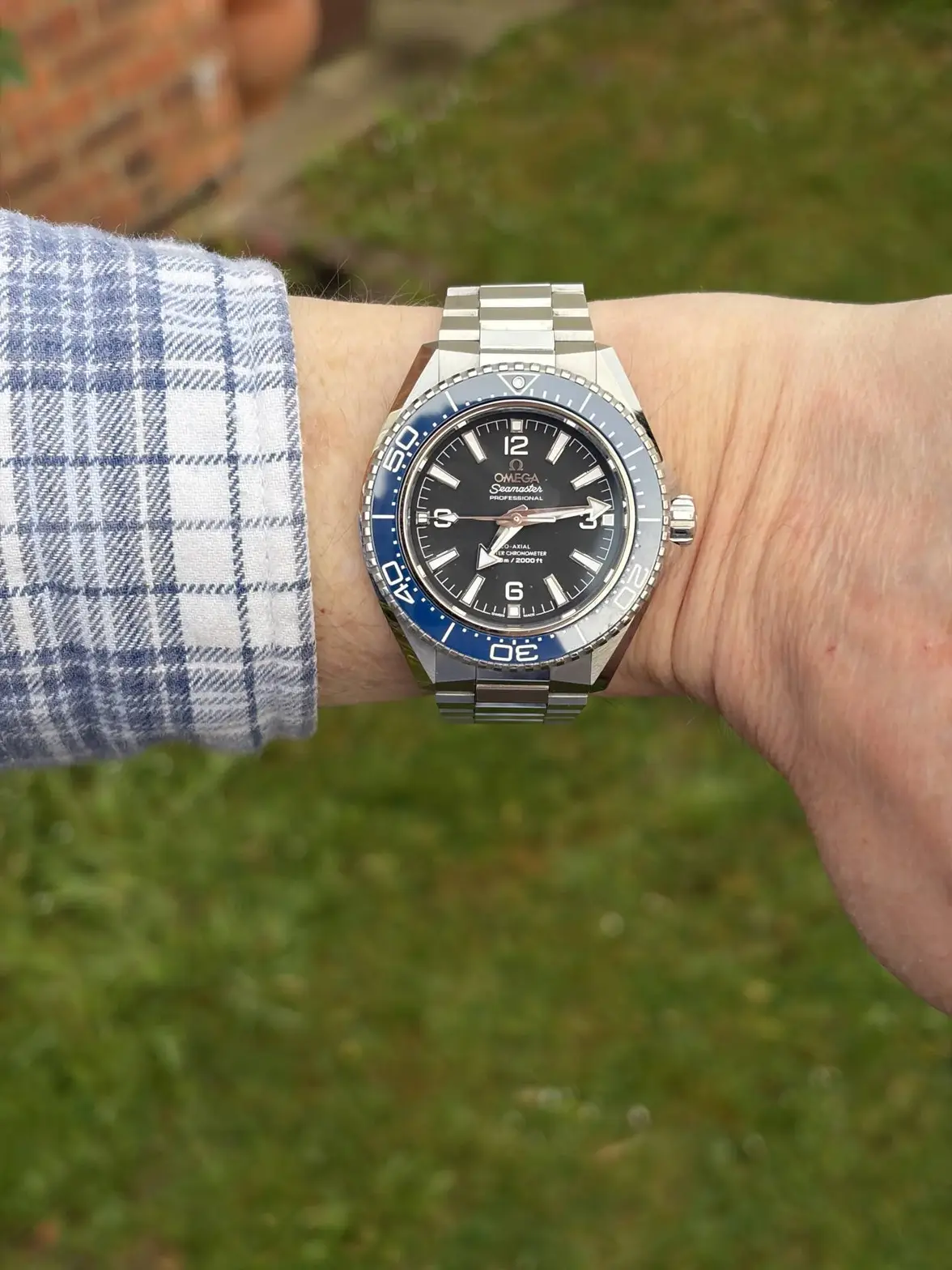
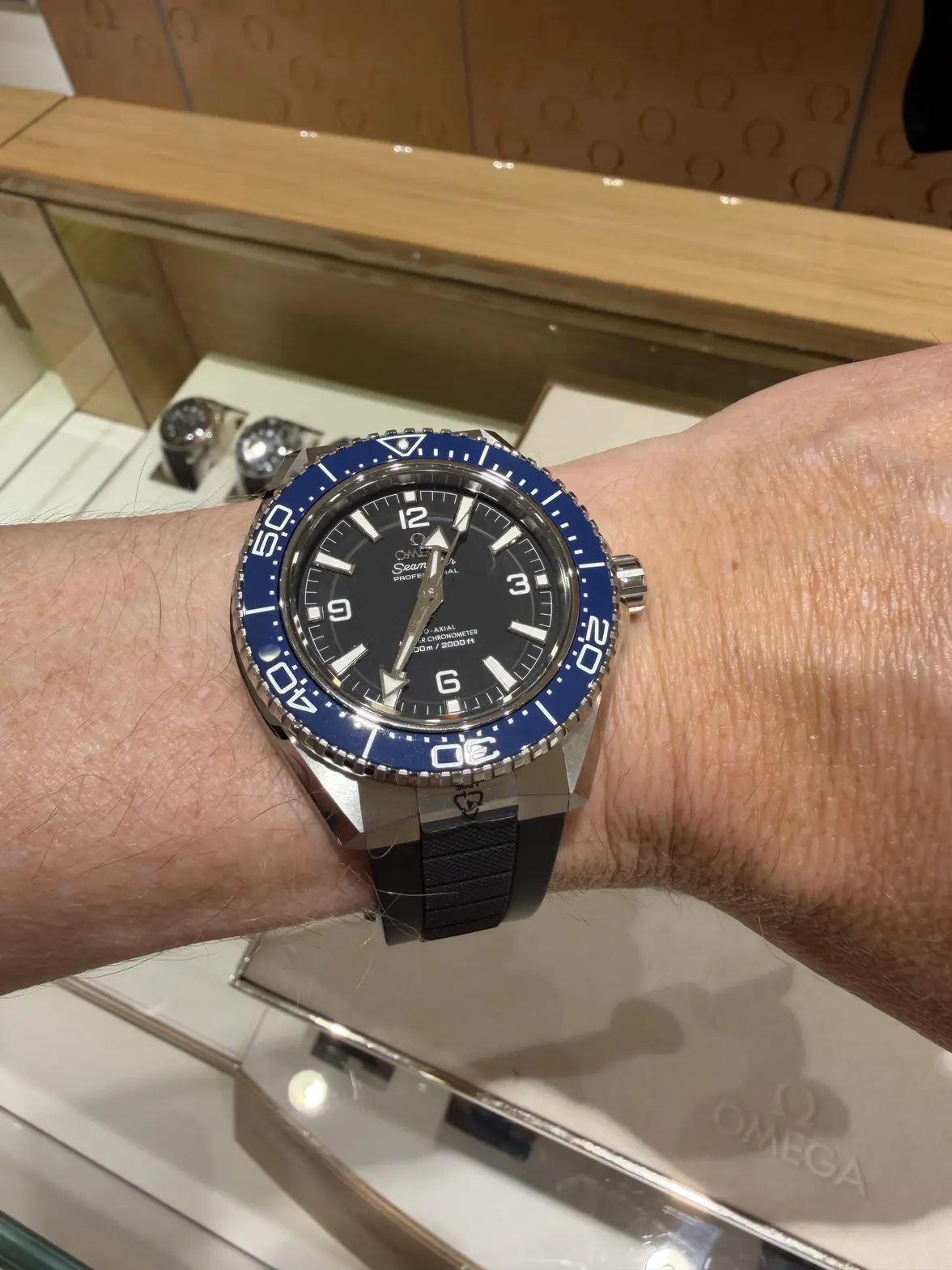
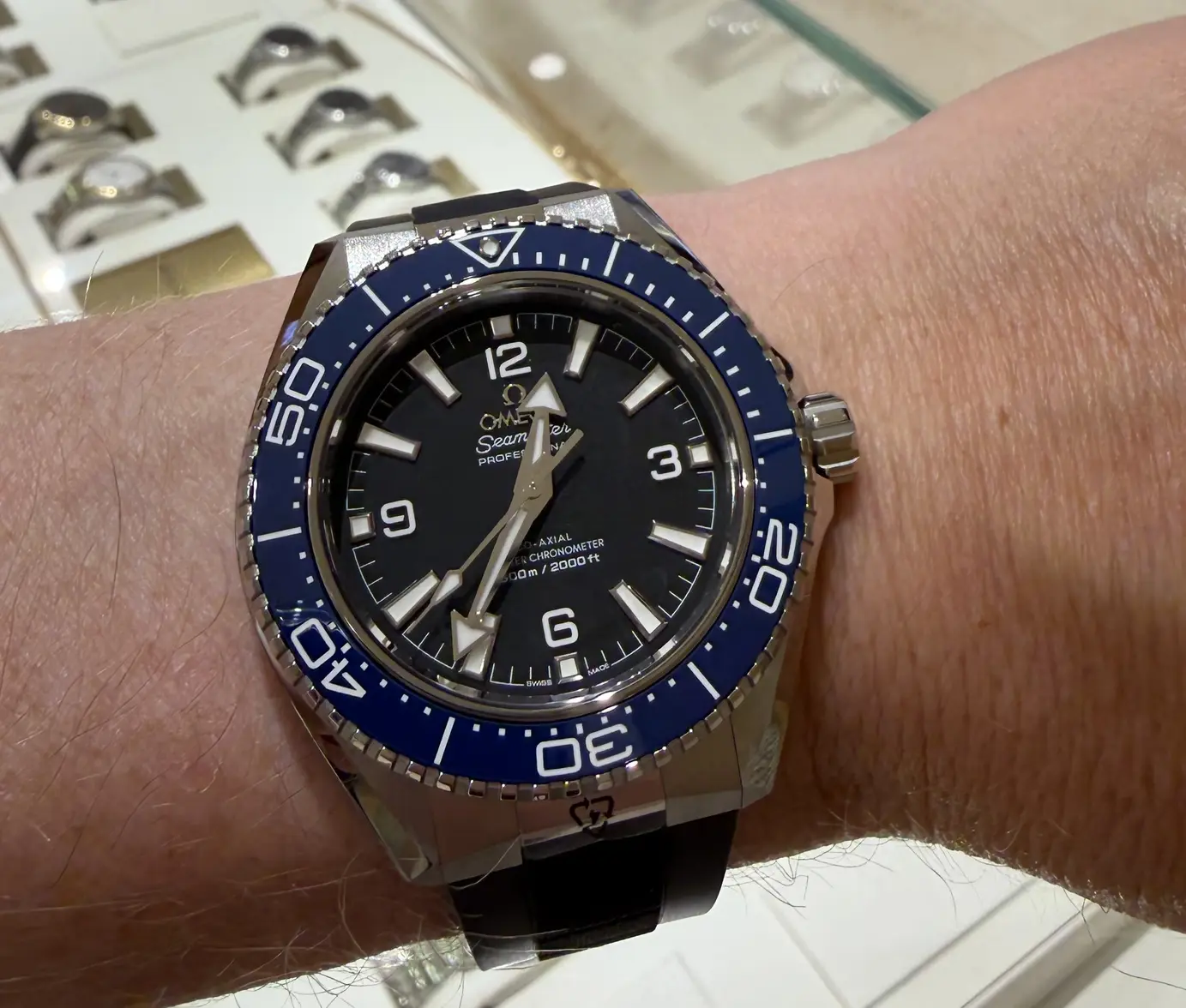
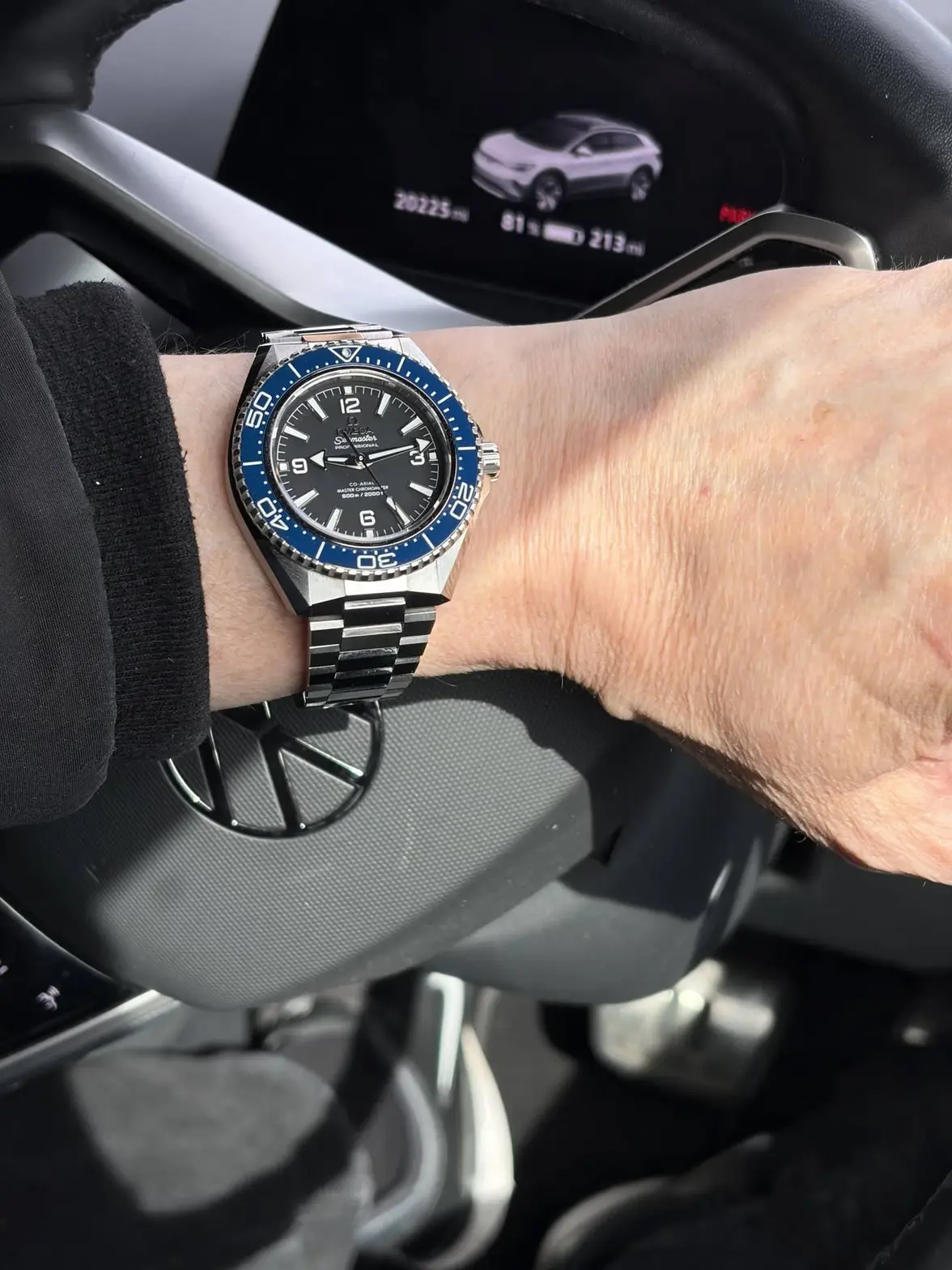
The key dimension is lug-to-lug and the thickness comes second. Dial is mostly useless (BTW the measured dial across the new PO is 41.6mm), and I have no idea why it is the most quoted. The gen 4 PO is an astonishing 47.5mm lug-to-lug. That wears perfectly, even a bit small, on my smallish 6.7” wrist. As a comparison, the 42mm Nomos club is 52.3mm, the Omega 300m is 50mm. The cushion case and stubby lugs show how its done. The bracelet end links come out a mm, but the rubber strap, unusually, drops almost vertically. The watch is 13.8mm thick, down from the previous versions 16.1mm. this is a lot of capability packed in a much smaller space.
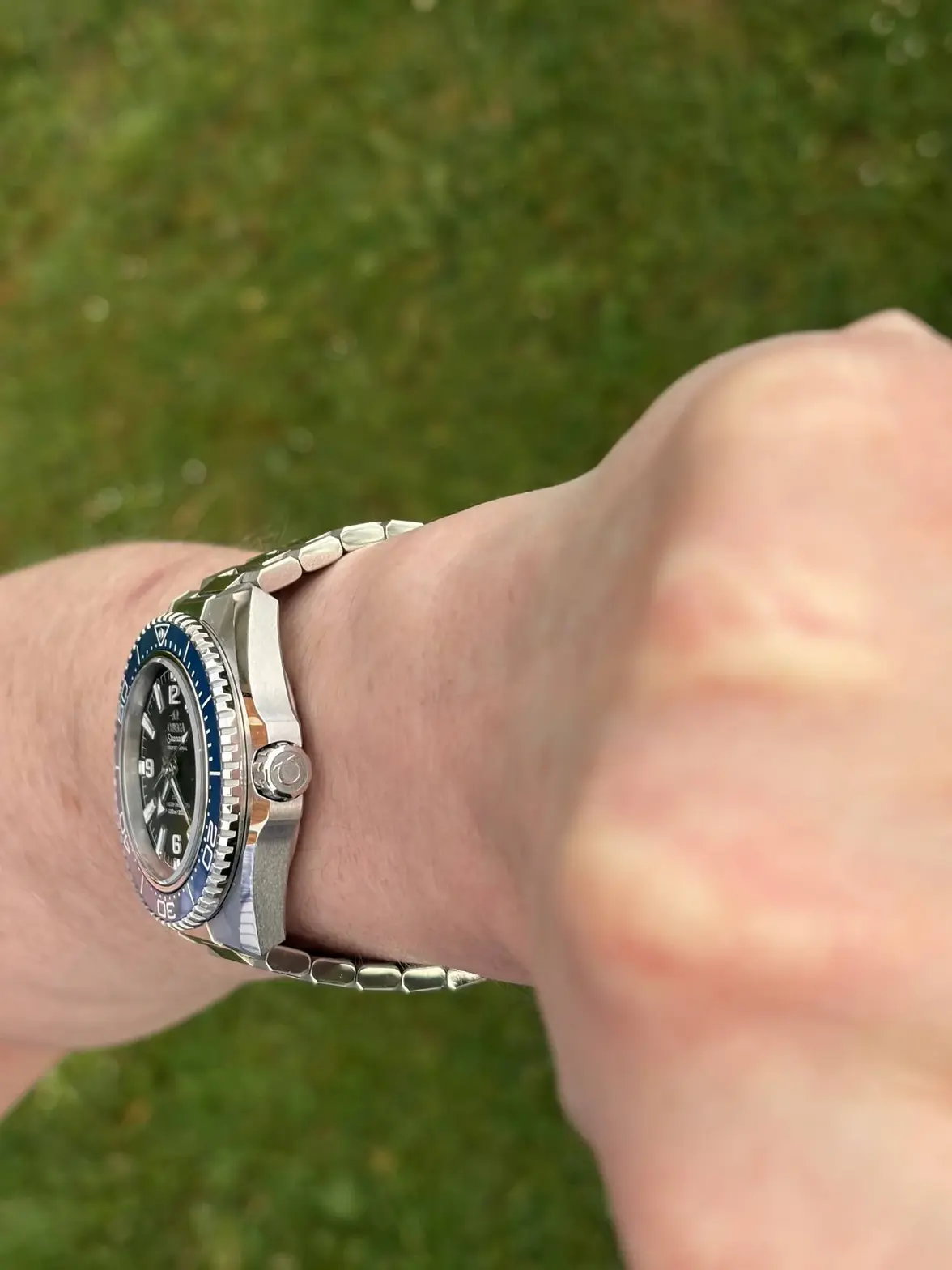
And we are not stopping there, the watch with bracelet complete is 177g. As a comparison, the 300m is 195g! That is yet another achievement. How was this done ? as well as the overall design, the back plate is now titanium, the internal rigid body shell is titanium, there is no weighty sapphire crystal back, and the bracelet now has a sharp taper from 21mm to 16mm where we find a reduced and almost cute but long clasp.
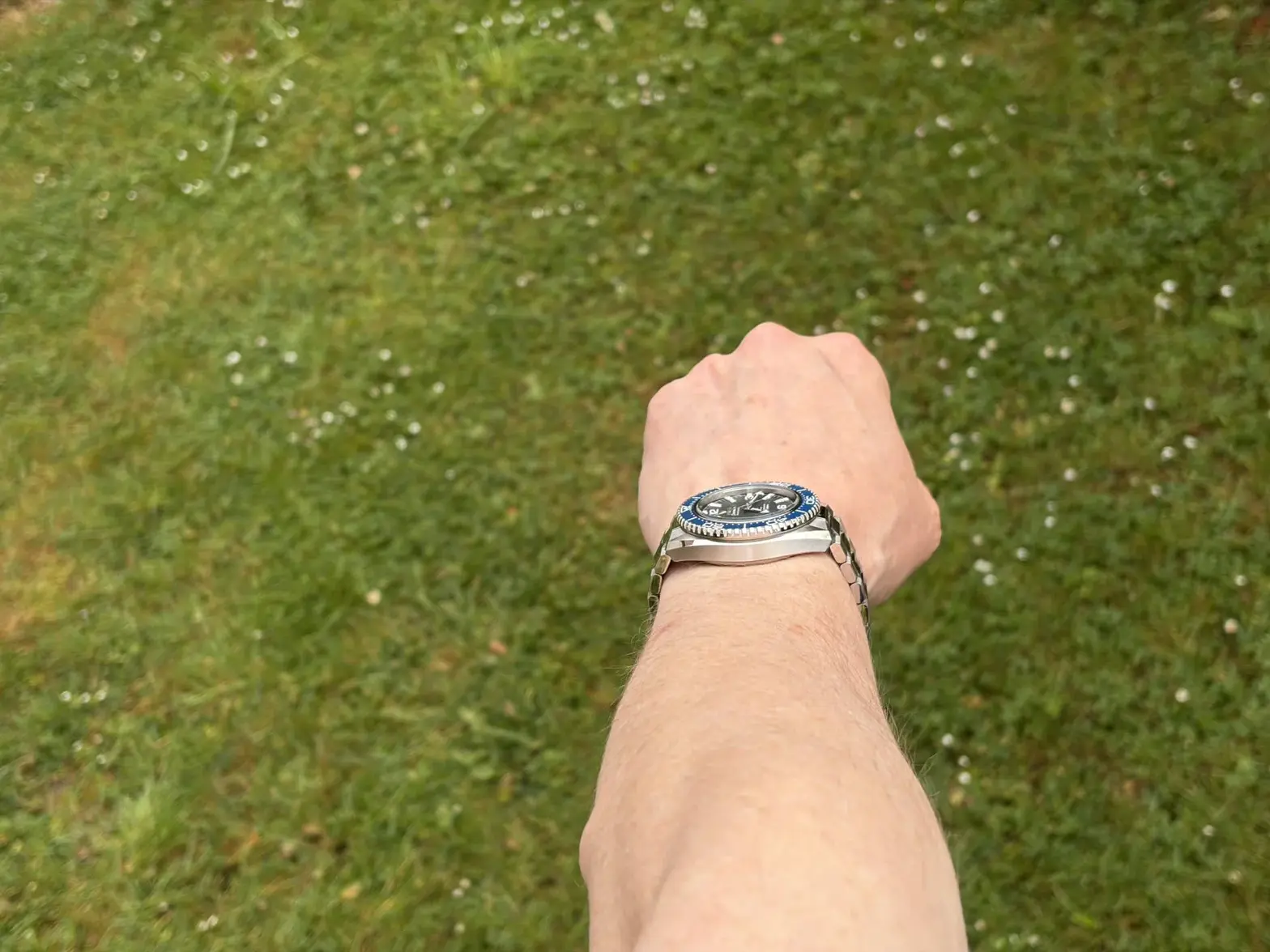
Taking a step back, the PO series was introduced in 2005, three years before the Rolex Deepsea and seven years before the modern submariner shape (114060). The aim was serious capability combined with everyday wear. The latest version of the PO takes a dramatic side step from the not-far-back-enough-to-be-real-heritage three previous models in case shape, but interestingly, has gone further back for inspiration. Omega introduced its first dive watch in 1932, and the first Seamaster in modernish form in 1957. However the 4 gen PO takes its greatest cue from the 1978 Baby Ploproth, especially the angular case and integrated bracelet look.
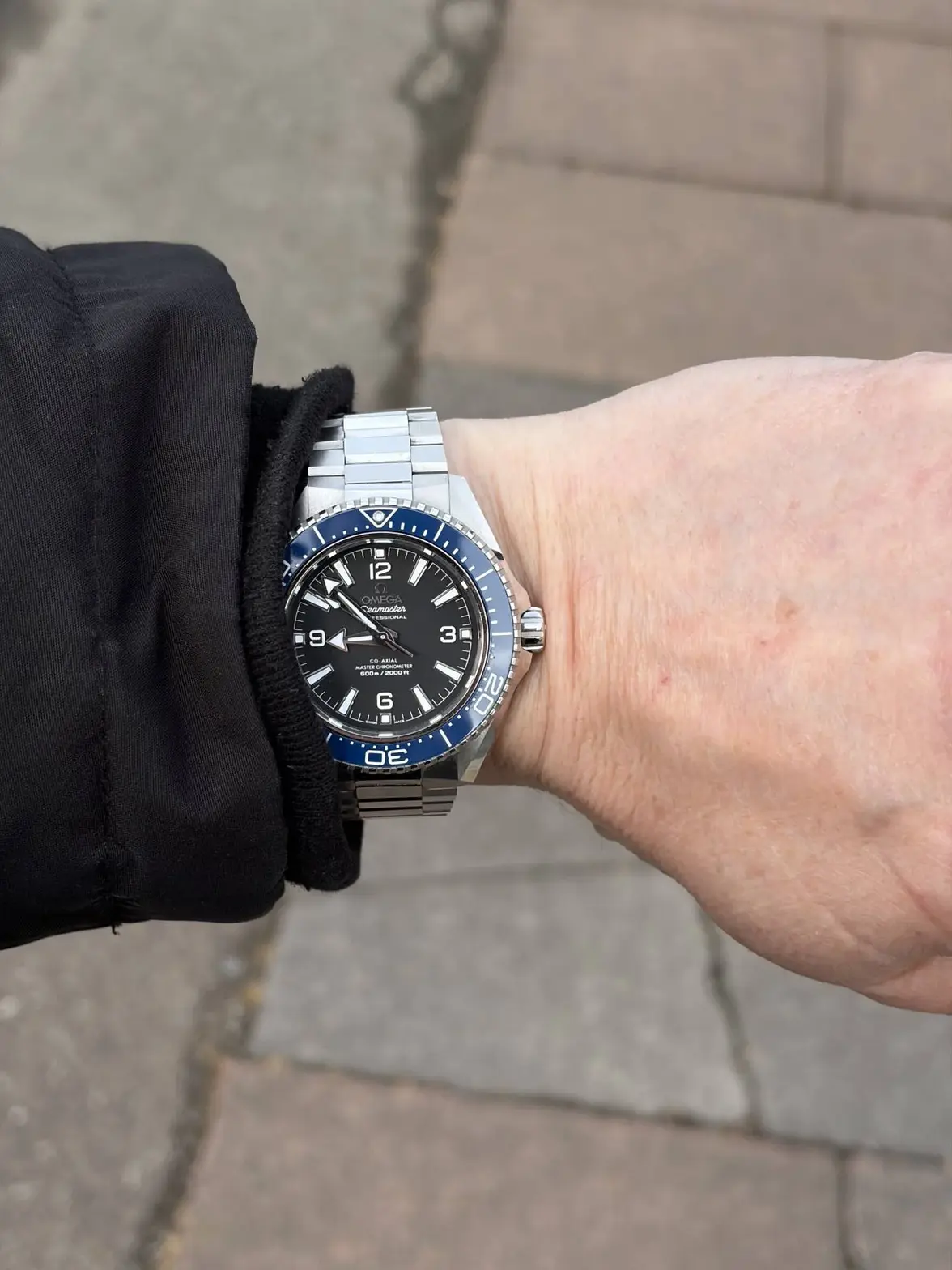
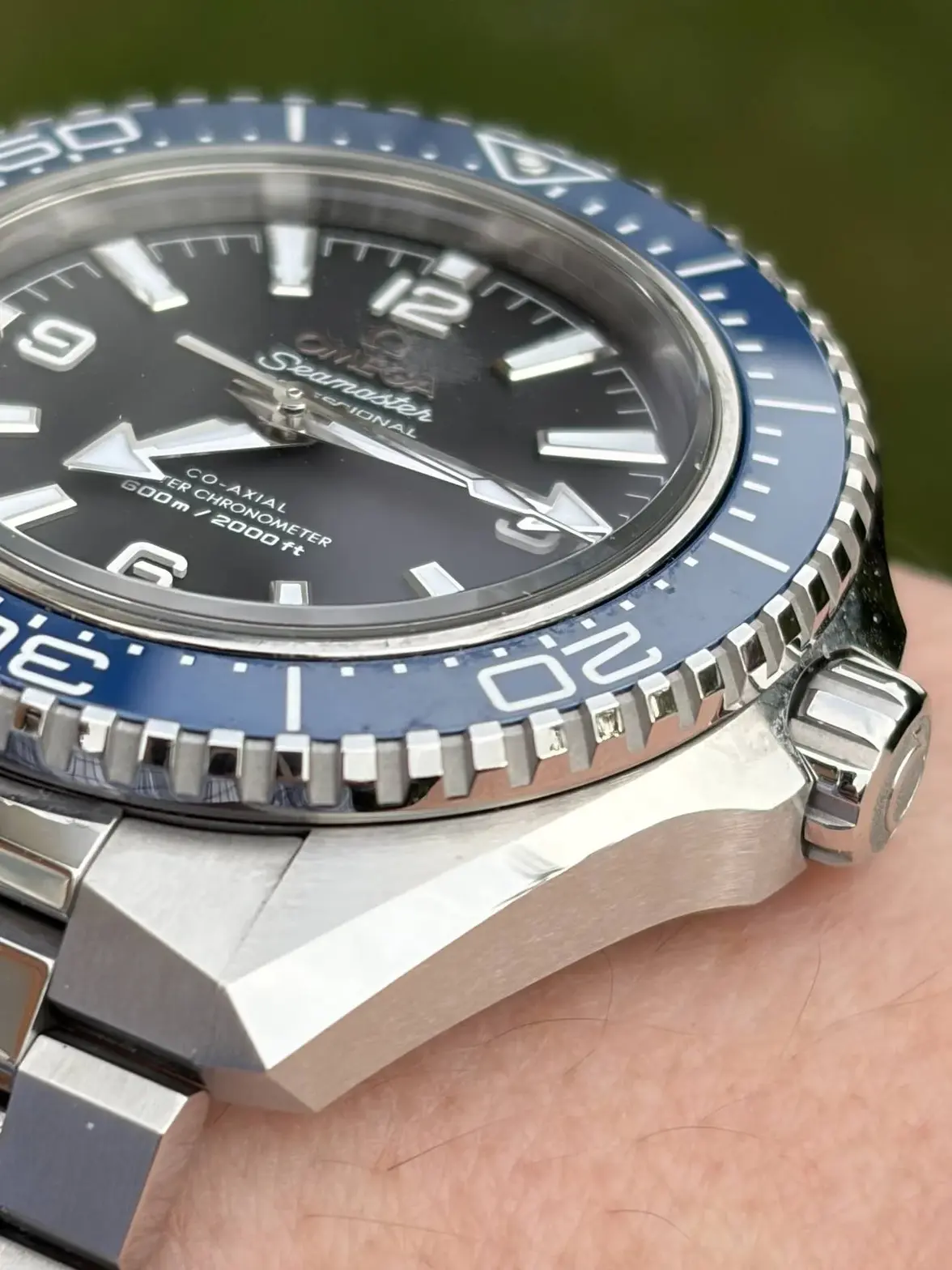
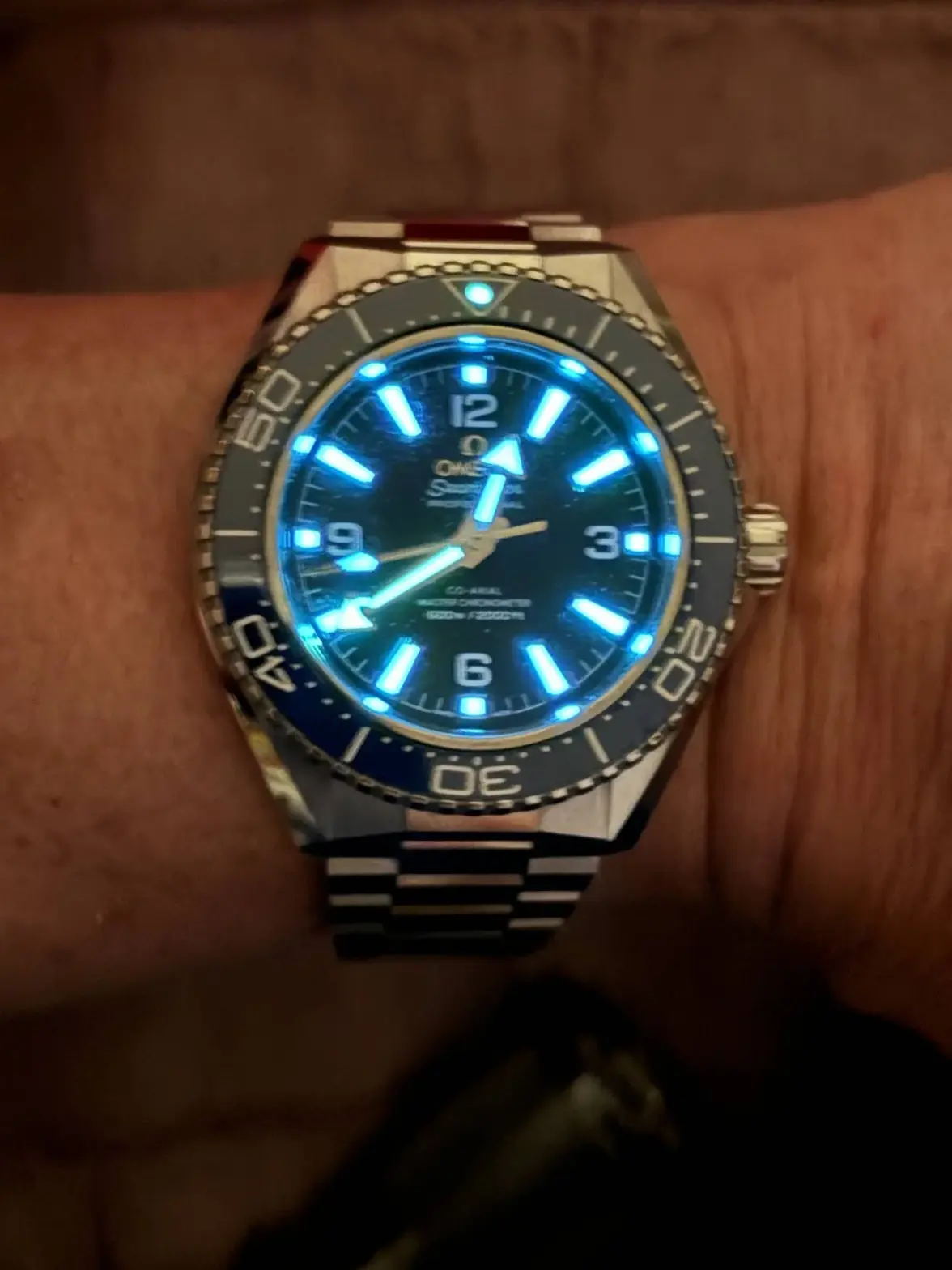
The front of the watch is the money shot, and the detail is superb. The “open” font for the 6 and 9 hark back to the original 2005 PO. The face is the iconic Omega diver configuration. The large broad arrow hands are complimented by the generously lume filled trapezoidal pips. The thicker ceramic bezel and polished grippy teeth, project strength in a modestly sized body. The bezel turn is precise but does have a machanial ding which doesn't sound as tight, as say the Sea-dweller. The lugs are the same design as the previous PO, just a bit sharper. The mild size crown guards, curving to the medium sized crown, complete the picture.
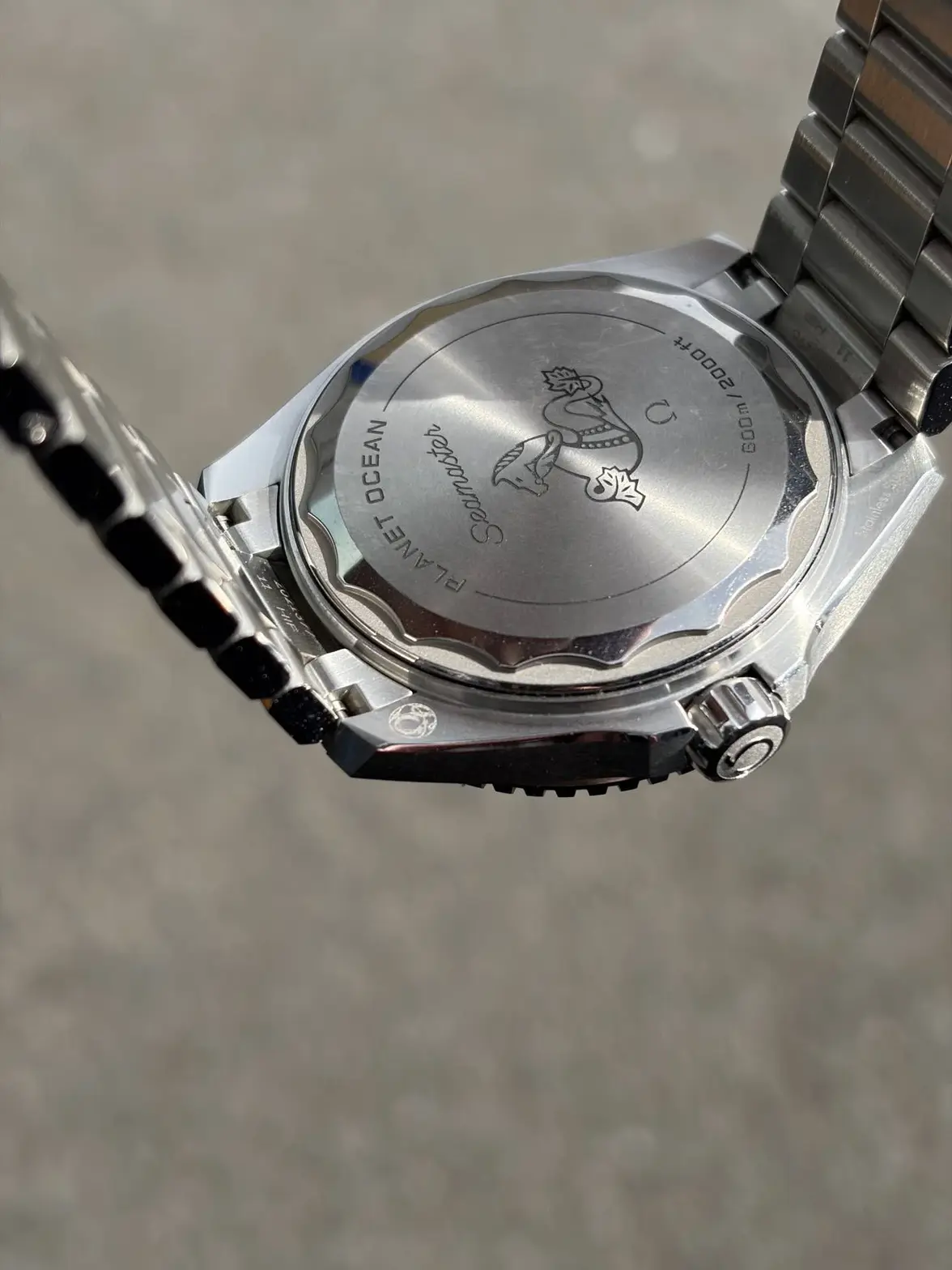
The body is alternately matt and polished. Matt on the top and down the front, polished on the thick body length angular chamfering, and then unusually matt on the side (as many diving watches are the reverse, matt on the top but polished on the sides, here we have matt on the top and sides, with this thick polished chamfer in the middle). The non-exhibition back has been controversial, with some folk complaining about the lack of engraving, “just” the laser etching, of course inferior compared to the artisan engraving on the back of the submariner or the sea dweller 😁 My preference is always for a display back, but when its metal, I want as flat as possible. Maybe it is an ancestral memory of having to return a particular Certina model that left its sharp engraving engraved in my wrist, which was not completely without pain. In any event, the flat case back helps comfort, the naid lock is cool, and the laser etching is nice and smooth.
The mechanism is the 8912, the no-date version of the 8900. It is IMHO the best commercial movement, with a double barrel. This is not for extended power reserve, but for accuracy to balance the torque over the 60 hour reserve. The two springs capable of providing igher torque and more consistency to the Daniel’s escapement. The first crown position changes the hour, the second the minute. This is great for time zone changing when traveling. Jewellery overkill, just what I want in my mechanical watch …..
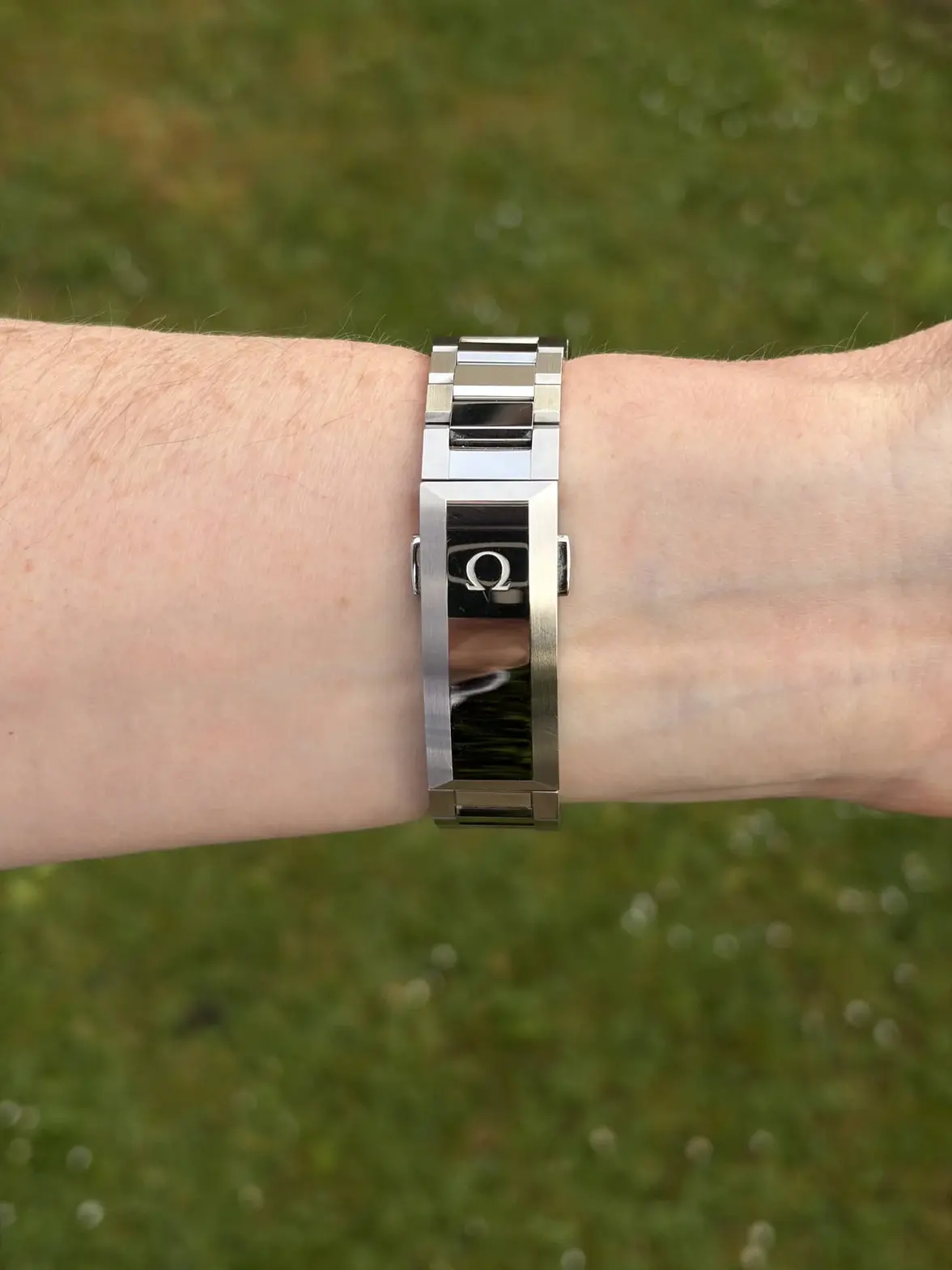
The bracelet is a strongly positive change IMHO. The major taper down to 16mm, making it more comfortable and lighter. Excellent construction with a beautiful robust look, thinner links and thin but long adjustable clasp. The case link is so well designed that it looks like an integrated bracelet. The controversial element is the polished centre link. Interestingly, there was a mixed view in the early diving world. Some brands, like Panerai, advocated highly polished diver watches. Why ? because you can easily polish out scratches, polishing matt surfaces is much more difficult. However there is no doubt that it looks nicer, and is there for the desk divers. Maybe I feel embarrassed being shown up by the watch as a luxury diver, but overall I do like the look of it. The on-the-fly adjustment is almost two links worth, and activated by a button underneath. I like this system better then the lift and pull of the Tudor and Rolex, on the other hand, the best clasp adjustment is still the IWC pilot bracelets with the button on the top, so you can adjust whilst it is on your wrist.
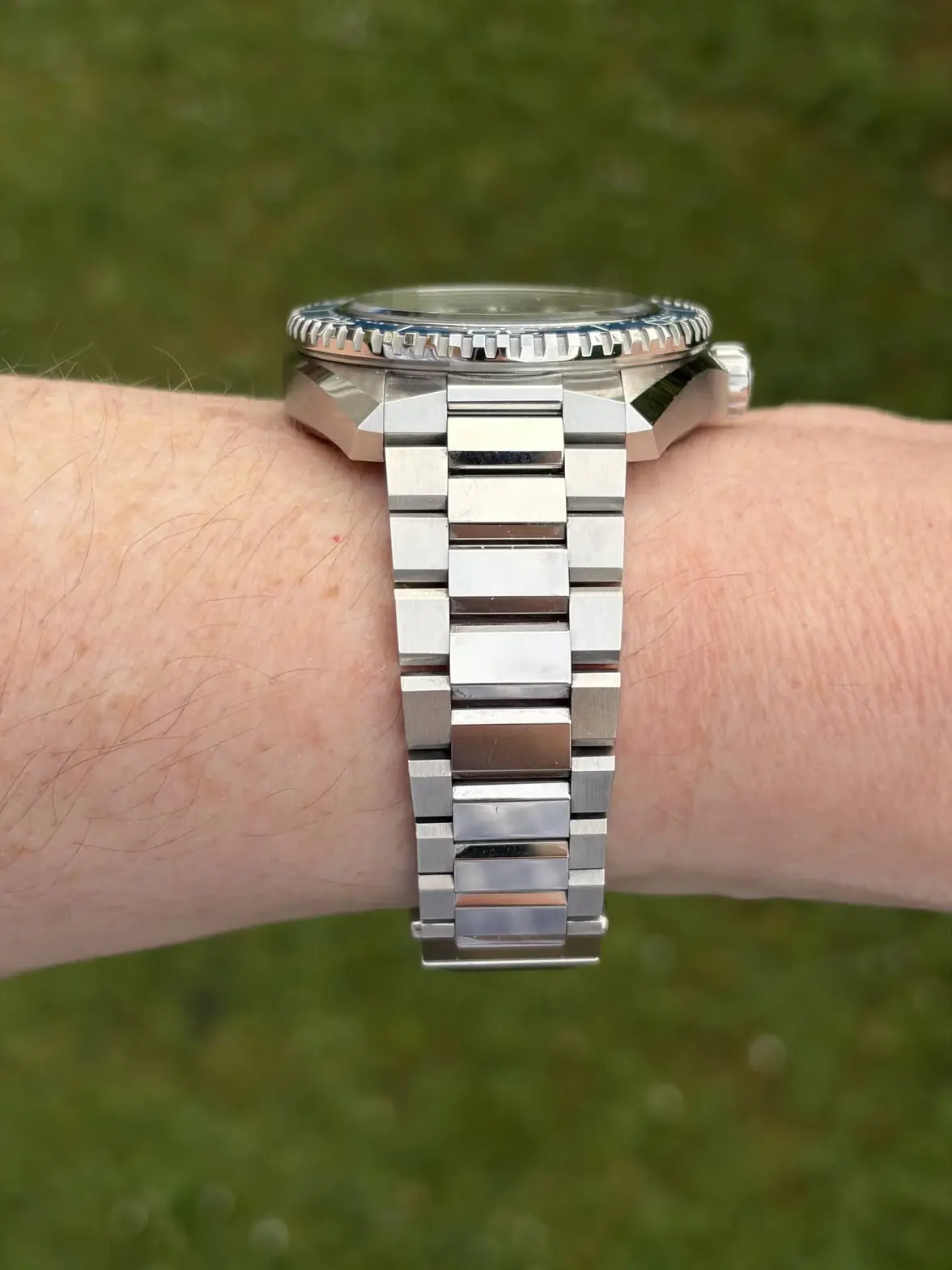
The bracelet link change is fiddly with a tiny screw at both ends which need to be unscrewed. Then a centre bar needs to be pushed out. Make sure when changing links: 1. You have your best glasses on; 2: the workbench is very well lit; 3. you have a large velvet or other thing material cover to stop the screws rolling anywhere if they shoot off. Despite AI telling me I needed to use 1.80mm screwdriver, I found my 1.60mm Bergeon 30081-TAM-160 Drum barrel was good.
IMHO, this is not only the best looking deep diver I have seen (Grand Seiko Anniversary Rolex Sea Dweller, Blancpain X fathoms, Zenith Defy Extreme) it is also the best on my wrist. I don’t think this is a watch that is targeted at the mass market, this is a watch for a more select customer, and to those I think it delivers. At its dimensions and weight, it will attract plenty of the 200/300 diver crowd, due to the look, size and comfort.
How about value. Of course this is an unecessary purchase and almost all swiss watches are overpriced. On launch in 2005 the PO was around $4,500 in the US. The inflation adjusted figure for today would be approx $7,600. The actual cost today is $9,200. Is the extra $1,600 worth the improved caliber 8912 over the original 2500 and all the architectural changes ? I would say it probably is. The Glashutte SeaQ 43mm is $13,750 and the Rolex Sea-dweller is $14,550. Good value ? no. Relative good value ? yes.
It is not a coincidence that diving watches are popular, it is the idea of sporty sexy and the robustness from inclement weather to swimming and traveling without ever needing to take the watch off. The few knocks against your long zoom lens during safari mean nothing. Its nice to beef that up even more, and then add some glamour - I mean why not. IMHO the balance between utilitarian and luxury is almost perfected in the new PO.
For my personal taste, the opportunity to take a genre to its max is very appealing. There are thousands of 200/300mm divers on the bar, and most people would pick one of these. Omega has produced a gorgeous helium proof 600mm diver in a case smaller and lighter the most 200/300, and lighter then its own 300mm. This is the real achievment.
Edited: