Just a few polishing tips for acrylic crystals...
If the scratches are deep, don't be afraid of using some sandpaper to remove deeper scratches. With thick dive watch crystals, I have gone a coarse as 400 grit wet/dry paper. If you are using more than just Polywatch (which is a final polish) then as with any type of polishing operation, make sure as you move up from one grade of sandpaper to another, that you remove
all the scratches from the previous grit before you start the next one.
The crystal will look worse before it looks better:

But as you move up in grit it will start to clear:

And the final result you can barely tell there is a crystal there:

To show the extent of the scratches more clearly, removing the movement and holding it up to a light (backlit) shows how bad things really are:

After it is much improved, but not perfect since some of the marks on this one were more like deep gouges:

My client was very happy that I was able to preserve the original crystal. So assembled the watch looked like this to start:

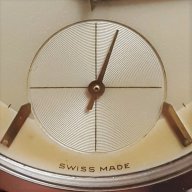
And this after a complete service, including polishing the crystal (but not the case of course):

The idea of using a cotton ball for applying Polywatch is a good one, and that is what I do. In fact I don't throw out the cotton ball after I've used it, and I store it in a plastic bag (to keep it from drying out and to keep it from being contaminated) and put it in a drawer in my bench. When I have a light polishing job, I just pull out that cotton ball, and it is already "charged" with abrasive, and I can polish light scratches off without opening the Polywatch tube at all. I will use the same cotton ball for a couple of months, and it will become well charged after many uses. Unless it starts to break down, it can be used for a long time. This saves on the amount of Polywatch you use, and makes a quick polish even quicker.
Cheers, Al