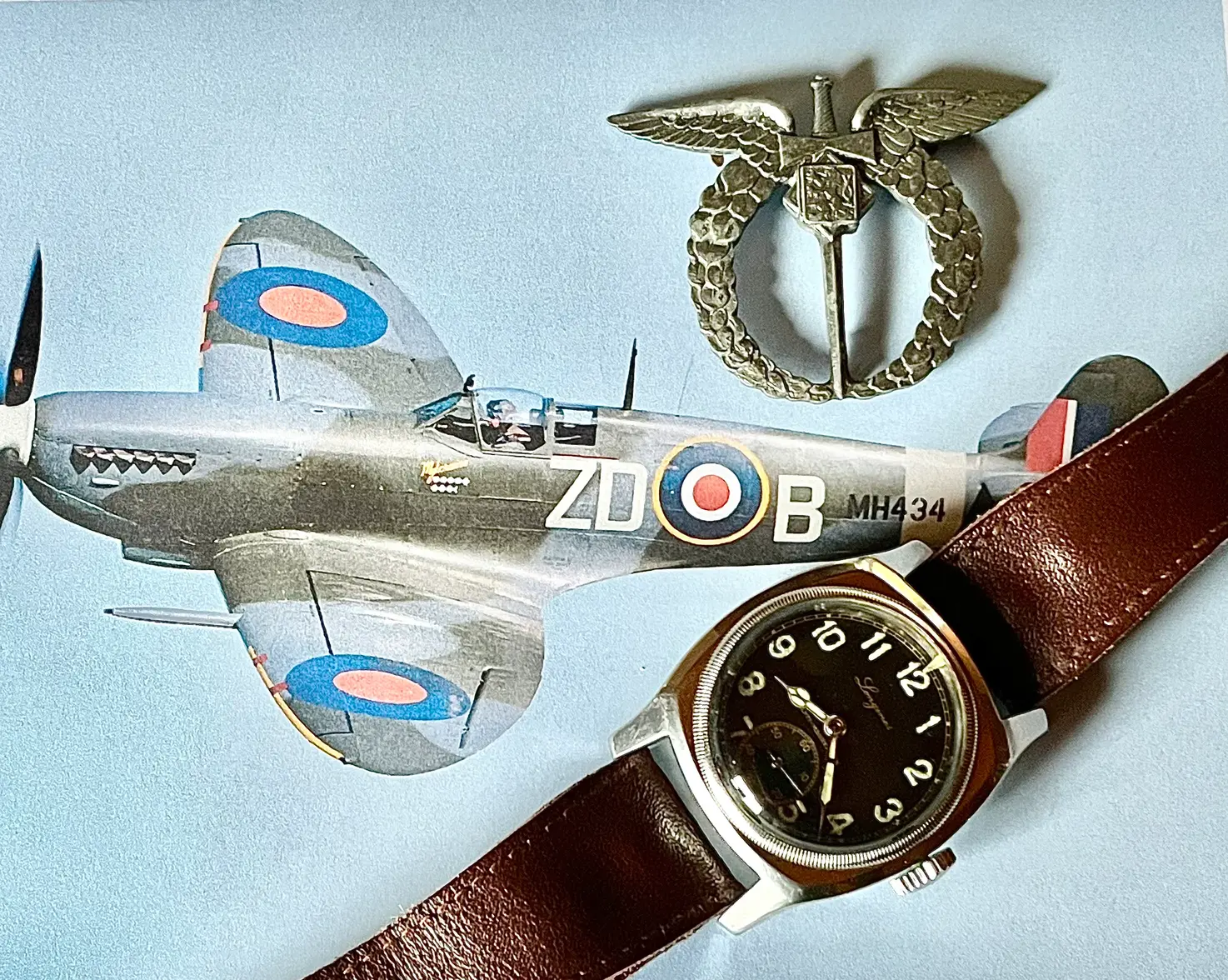
Anyone else collect militaria? (including watches)

Posts
3,342
Likes
34,404
https://en.wikipedia.org/wiki/Laconia_incident

My wife and her best friend have a small vintage shop. They sell clothing, antiques and curiosities.

My wife knows more about WW2 than I ever will.

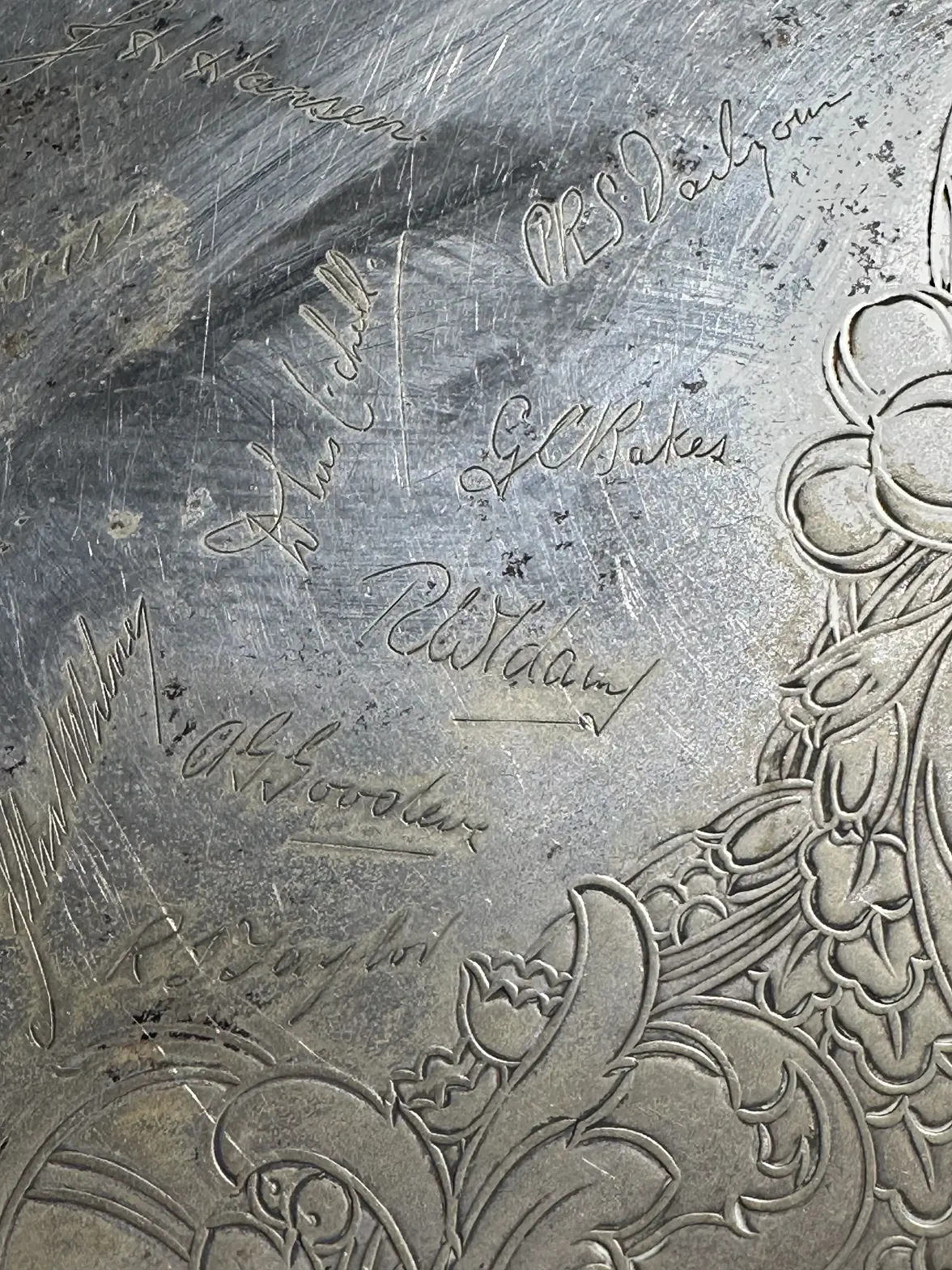
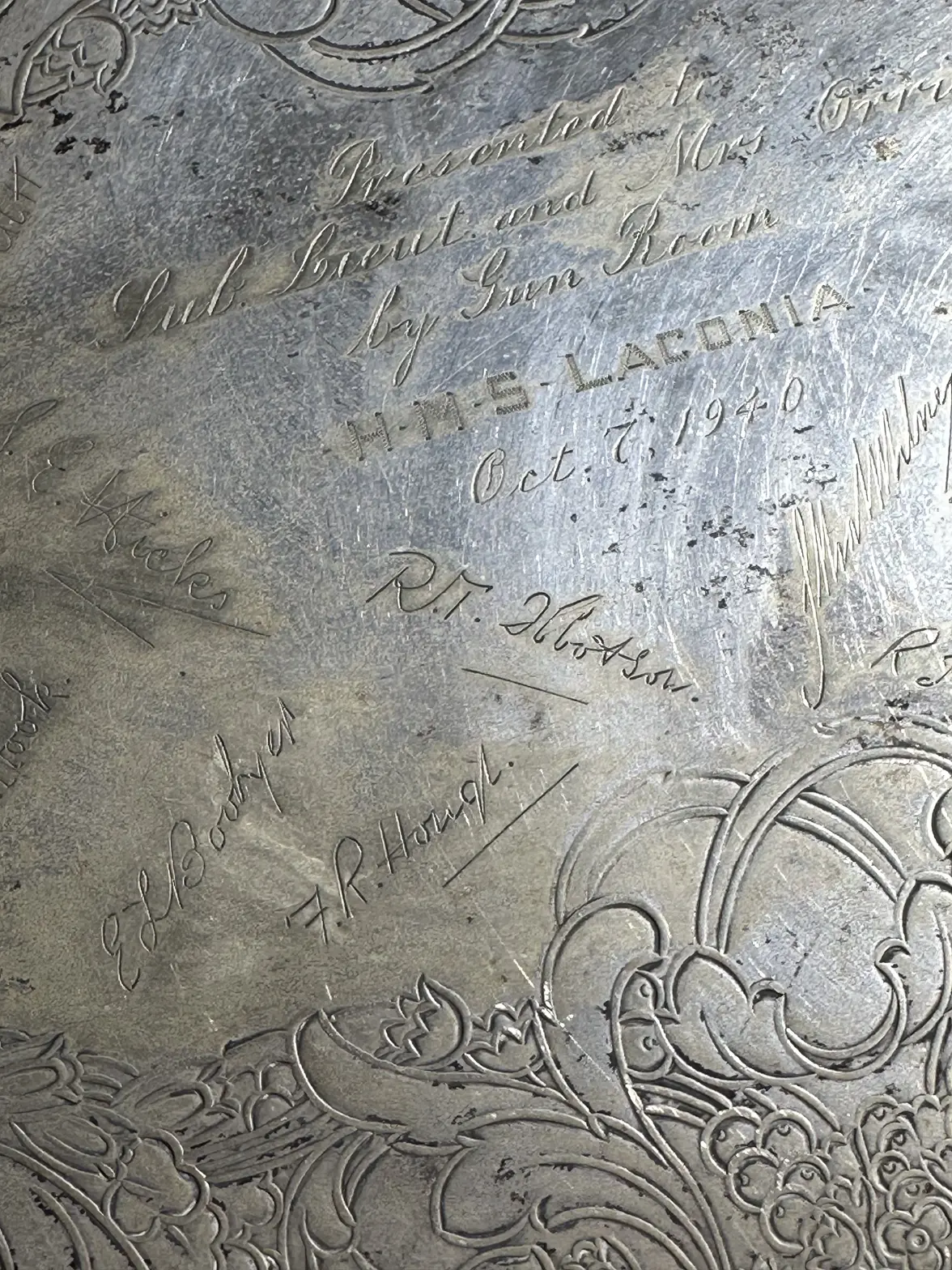
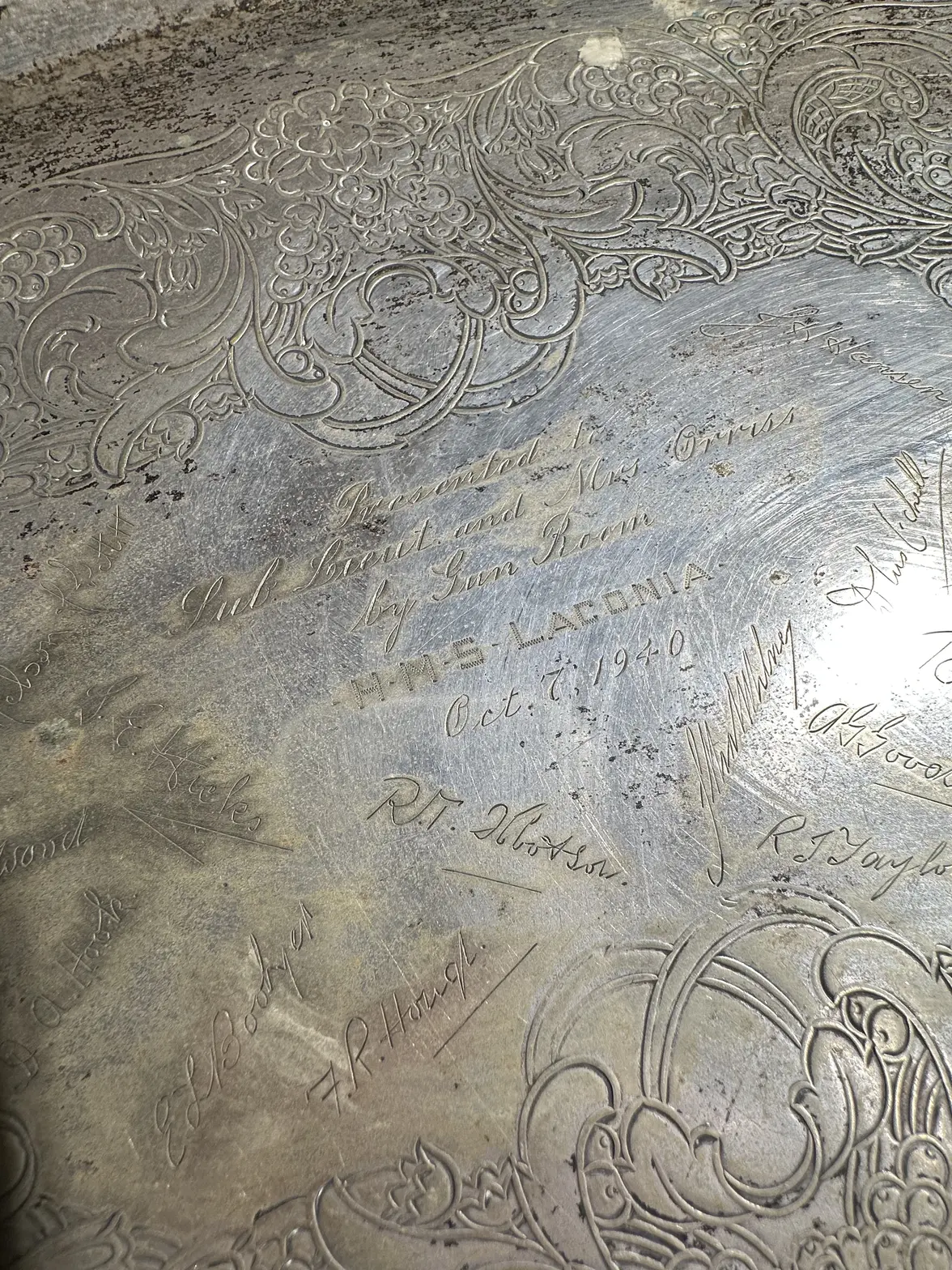
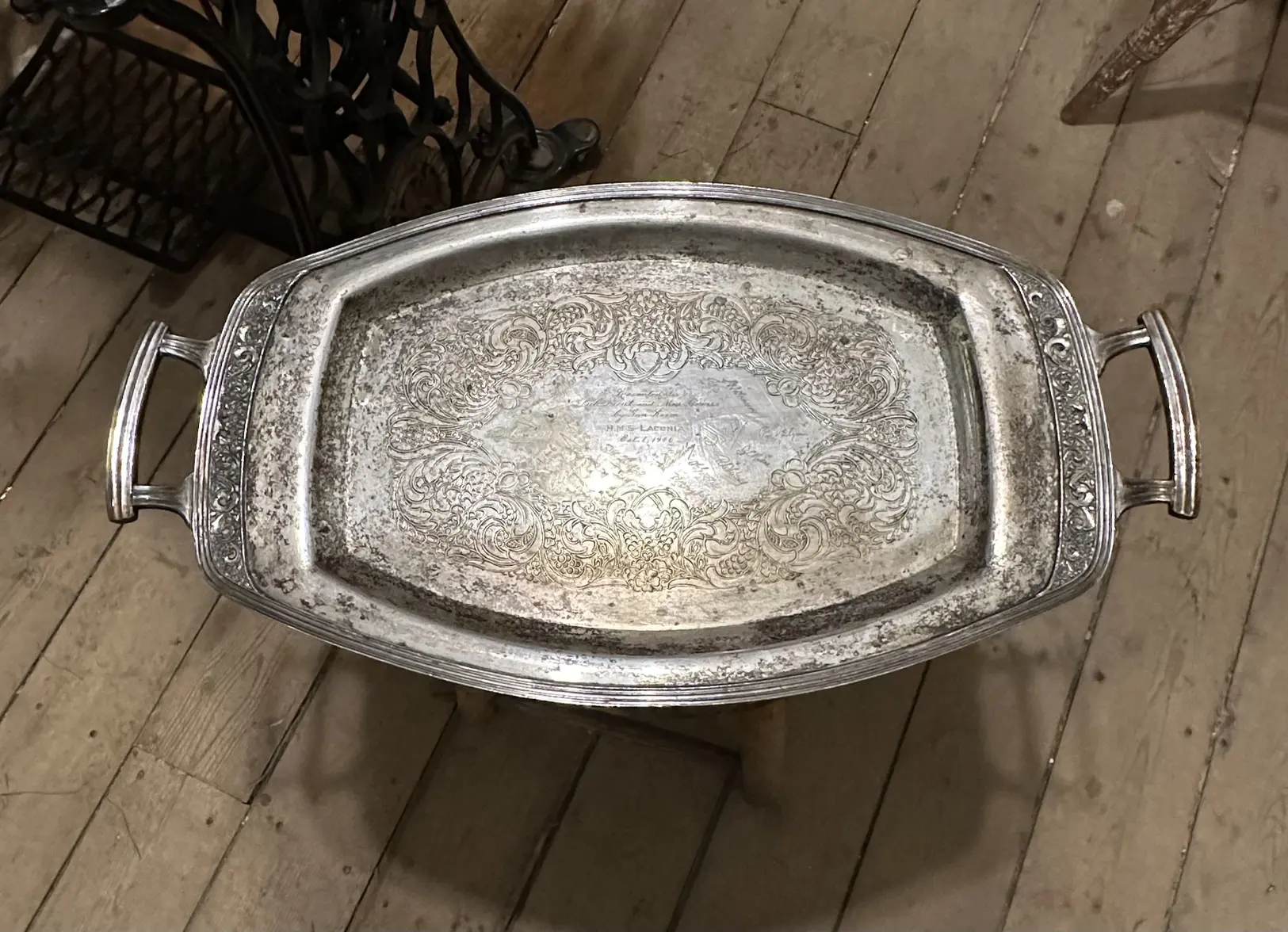
Today, she was polishing a silver plated tray and read the engraving. She not only knew the ship’s name (engraved on the tray), but knew that it had been destroyed during the war.

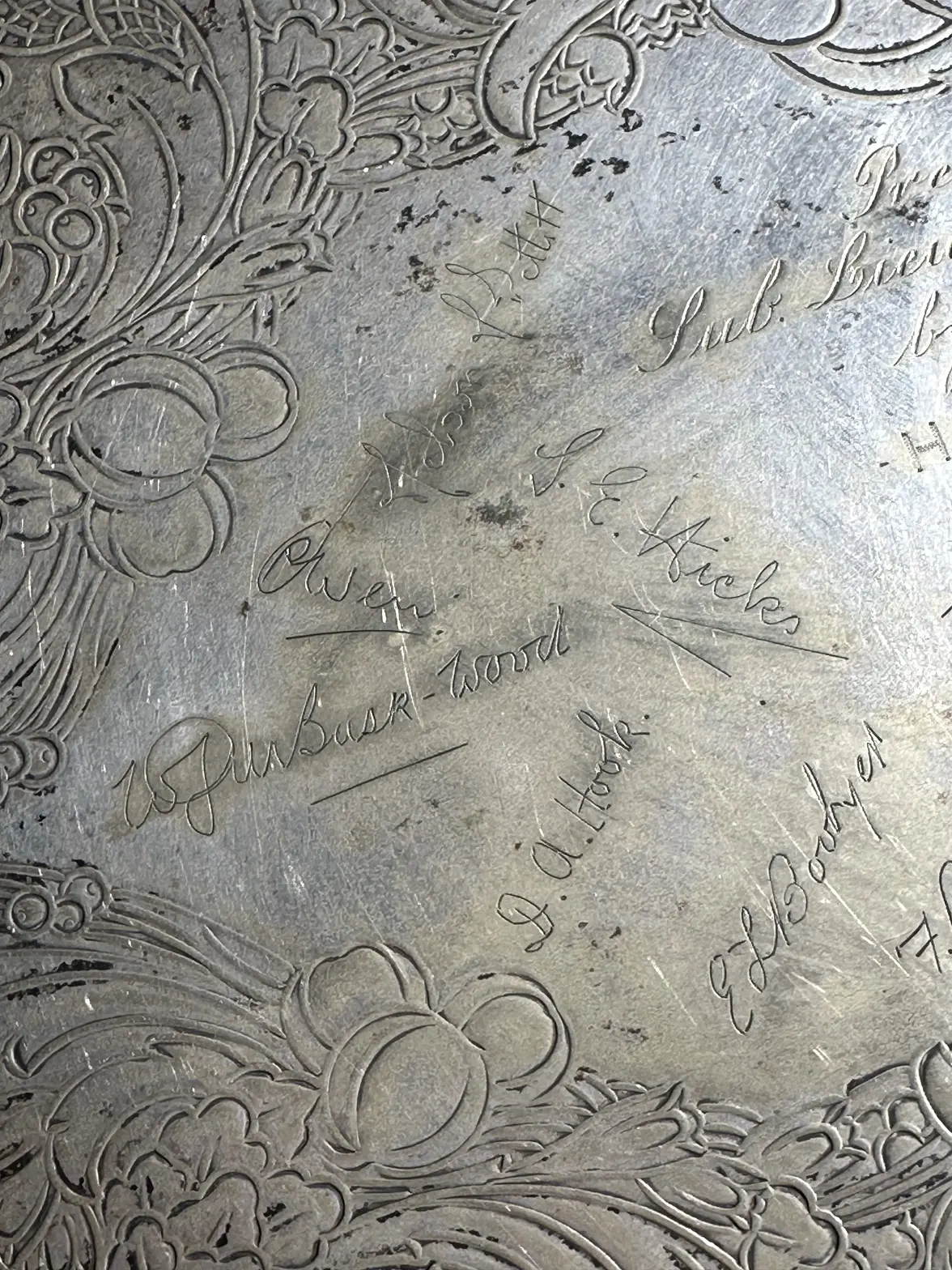
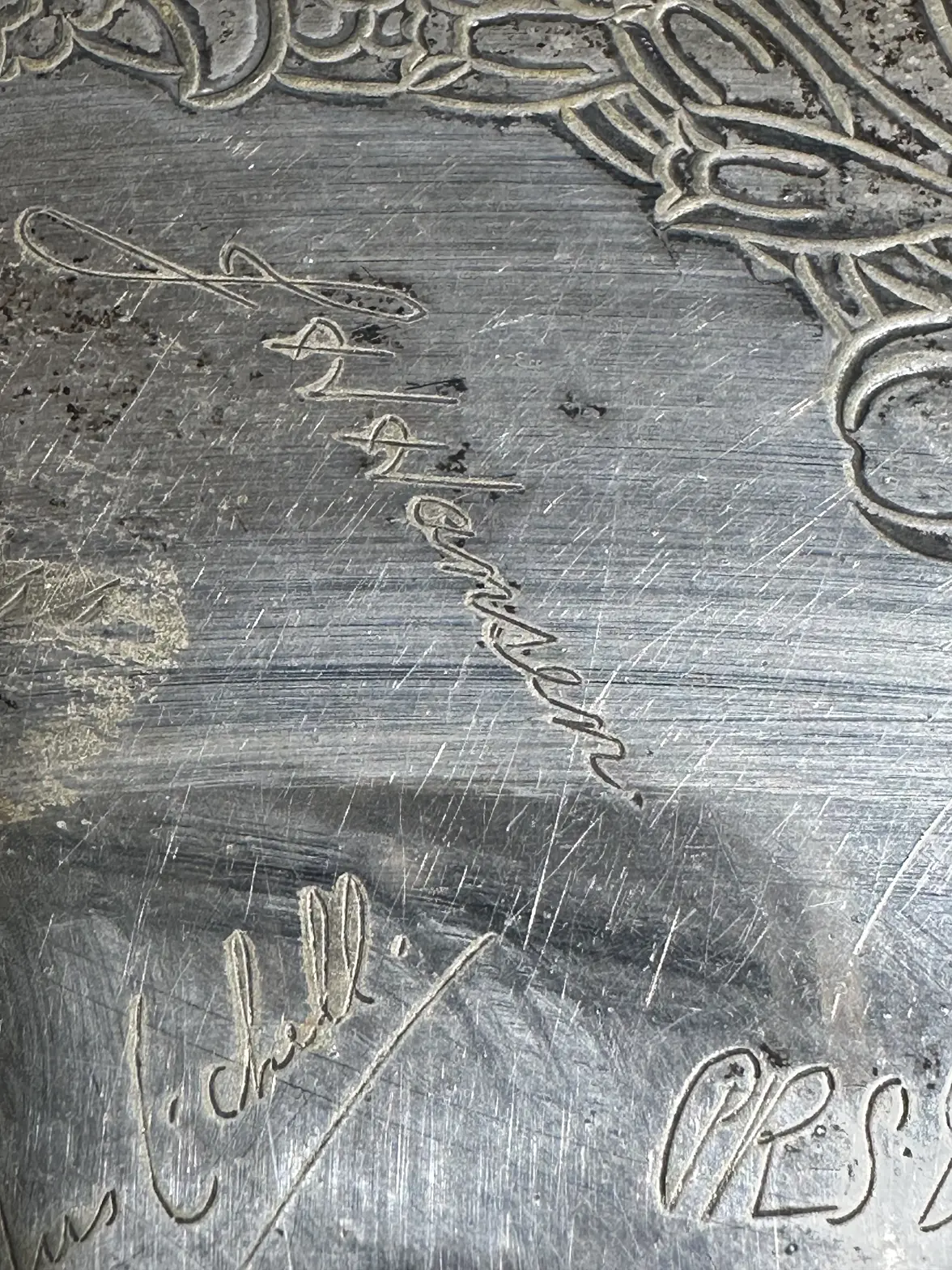
Have a look at the photos. The tray was presented to a Sub Lieutenant Orris and signed by members of the gun room.

Have a read at the attached link. Fascinating.

My wife decided to keep the tray. And stopped polishing.
Edited:
 
Posts
1,808
Likes
3,531
https://en.wikipedia.org/wiki/Laconia_incident

My wife and her best friend have a small vintage shop. They sell clothing, antiques and curiosities.

My wife knows more about WW2 than I ever will.

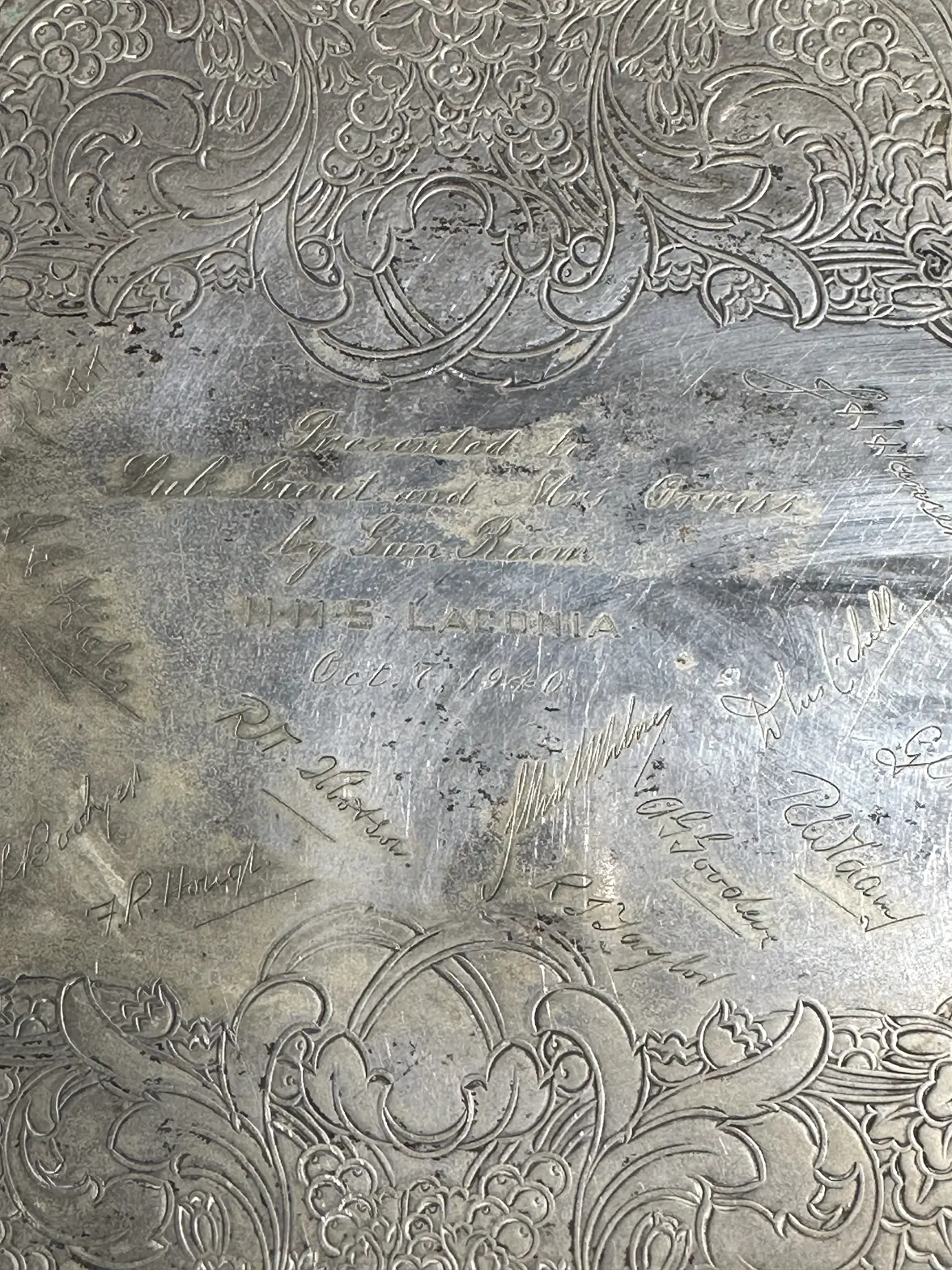
Today, she was polishing a silver plated tray and read the engraving. She not only knew the ship’s name (engraved on the tray), but knew that it had been destroyed during the war.

Have a look at the photos. The tray was presented to a Sub Lieutenant Orris and signed by members of the gun room.

Have a read at the attached link. Fascinating.

My wife decided to keep the tray. And stopped polishing.
Awful incident, but what a piece of history you have.
I'm curious as to a couple of things. Firstly, the ship's title on the tray is "HMS Laconia" which indicates that it was a Royal Navy ship, rather than a civilian ship (which would be expected to use the title RMS as referred to in the Wikipedia article). Secondly, the signatures of the crew on the tray all appear to be engraved. I'm assuming a professional engraver copied the signatures of the crew rather than each crew member doing their own engraving. The date in the tray indicates that it was presented almost 2 years prior to her sinking and it would be interesting to find out what was the occasion. A task for an amateur sleuth...
 
Posts
18,564
Likes
38,550
it would be interesting to find out what was the occasion.


The "Gun Room" was the mess deck for junior officers, the Ward Room was for officers of Lieutenant and above.
As it was presented to "SubLt and Mrs Orris" I'd venture to say it was a wedding gift from his fellow officers.
 
Posts
3,342
Likes
34,404
@DoctorEvil

Doc, at the outbreak of the Second World War she was converted into an armed merchant cruiser, and later a troopship. (Wikipedia)

She started as a passenger ship.

Would this explain the HMS/RMS? As for the engraved names… who knows? I’ve worked with a couple of clowns who got their hands on an engraver one slow night shift… an engraver was readily accessible in the supply room… but only until that night.

There is no consistency in the signatures. Check out the Rs for example. I would suspect they each signed their names.

 
Posts
1,164
Likes
5,962
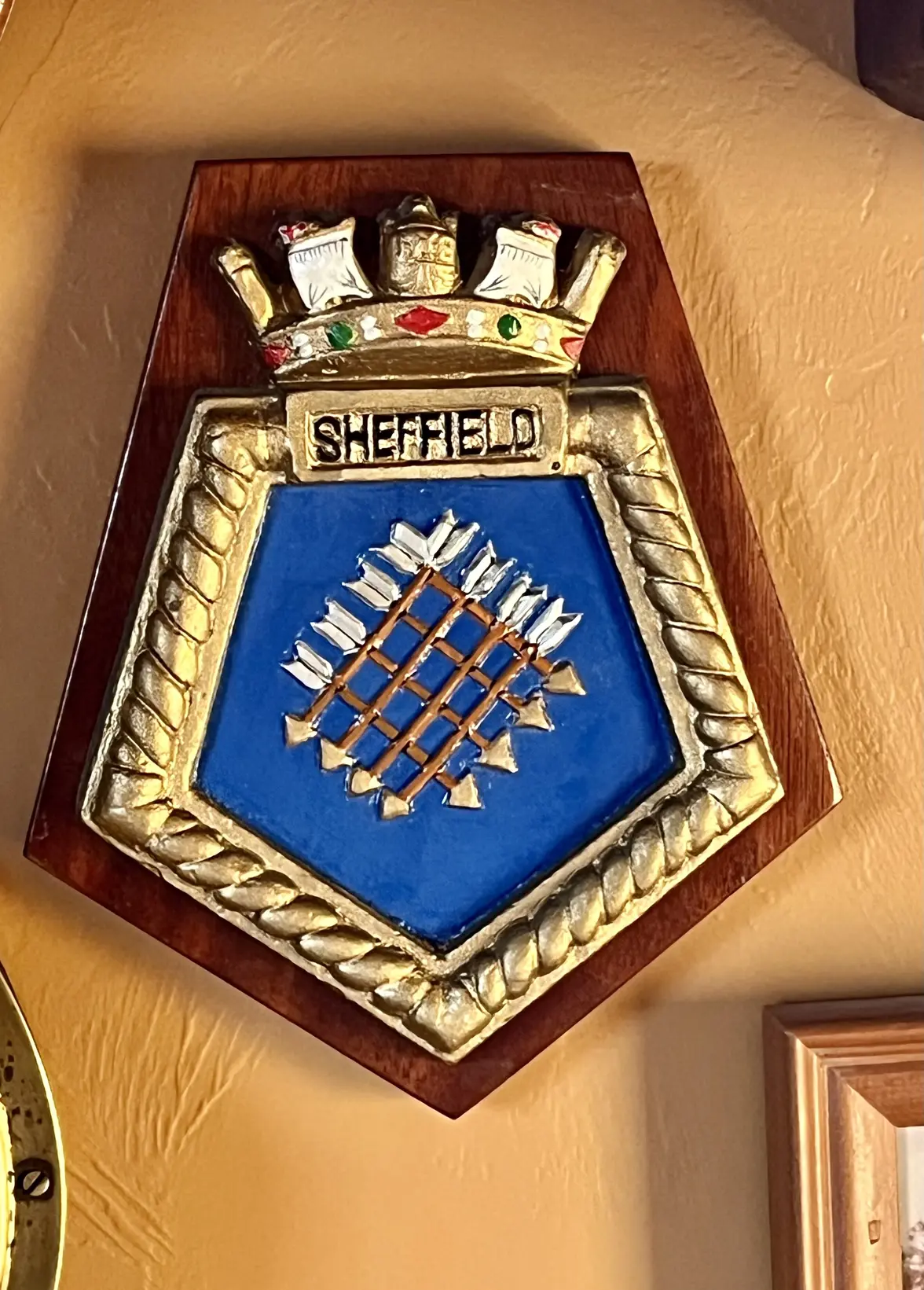
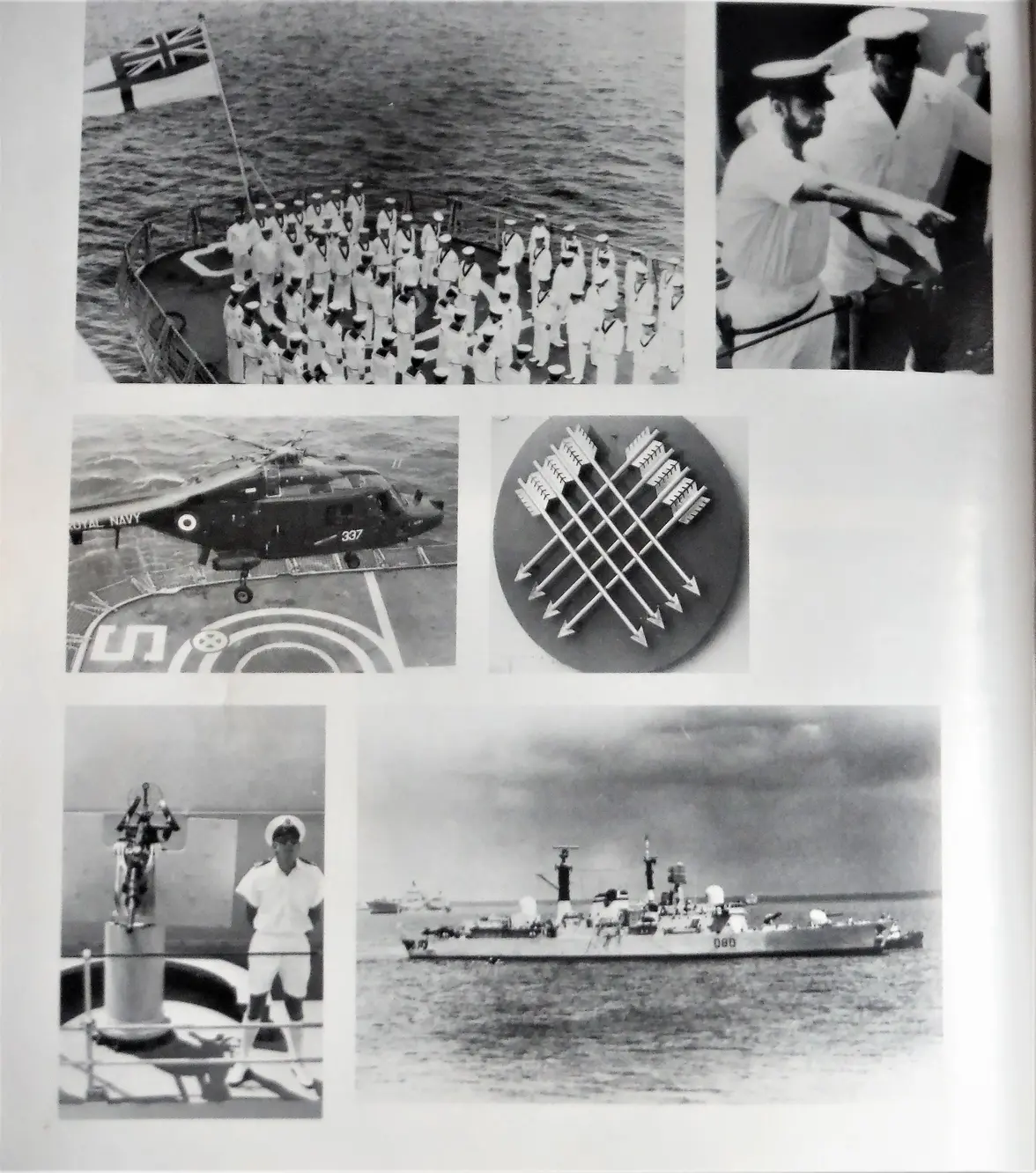
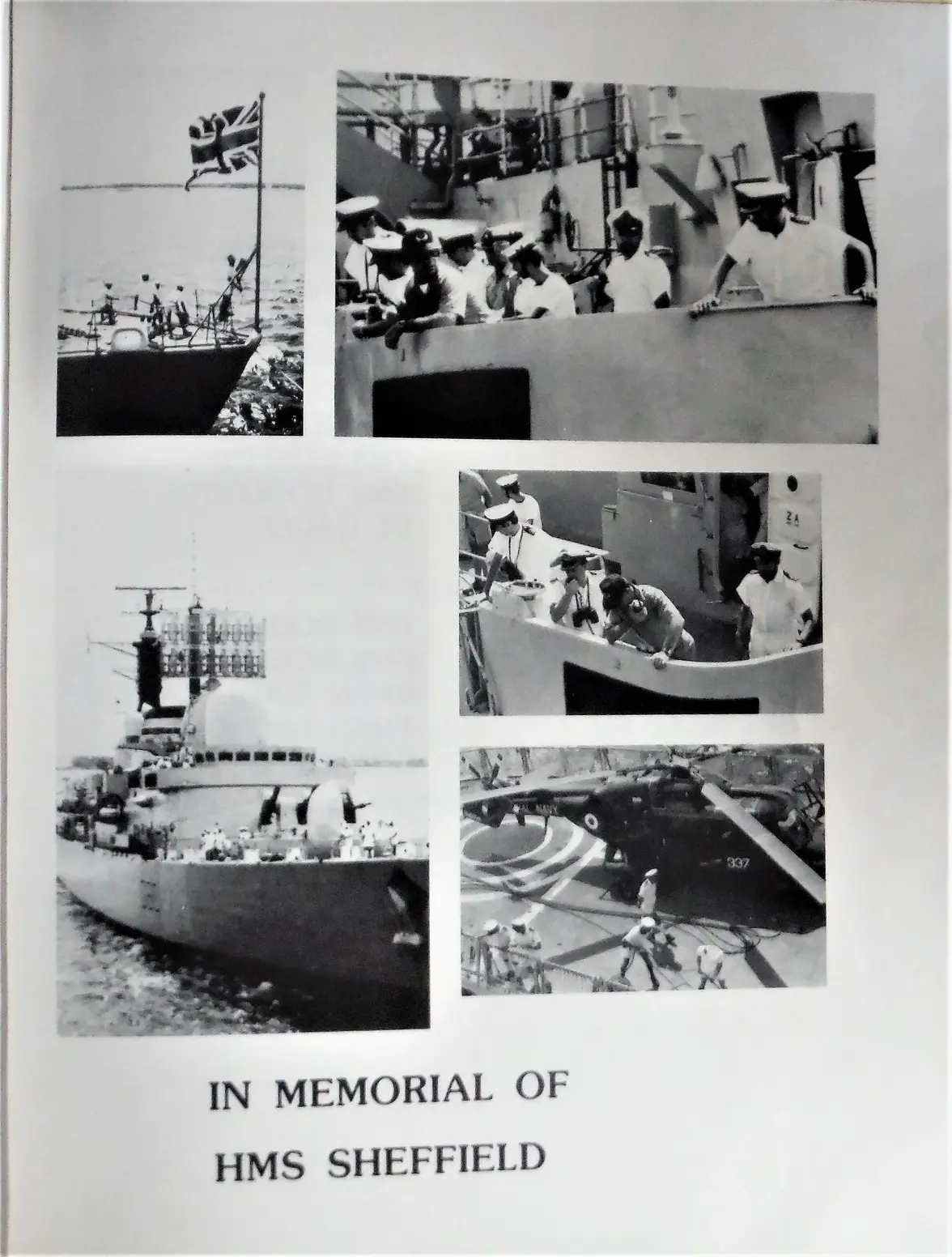
Here is something I added to the collection this week. It's a wooden plaque for the HMS Sheffield. I got a few in my collection two from ships I served on. But this one is special to me is why I bought it off eBay some weeks ago. Dam somehow it got through someone's dumb tariffs. When I was in the US Navy I was on the USS Proteus AS-19 a submarine tender. It's a ship that does repairs to submarines and surface ships. We were in Diego Garcia a island in the Indian Ocean we were at anchor a sub tender has anchors fore and aft, so the ship doesn't swing with ships tied to her. Well, the HMS Sheffield came along side she needed some repairs this was when the USA acted like allies Ronald Regan knew how to treat allies someone needs some training from Regan badly. They used our liberty boats to get to shore and we got to check our each other's ships. Was surprised they had carpets in there berthing spaces we had cold tile on our decks in our berthing space and they had a bar on board. We got to know the crew. When they left Diego Garcia, we lease our base at Diego Garcia from England if none of you knew allies help each other. They headed for the Falklands war. It was hit by a Exocet missile read that it took out the loop system that supplies water to fight fires it did not make it. Our ship felt for the crew of the Sheffield. I saw this plaque for sell on eBay and had to have it to remember the ship I once saw in my youth.


This is out of my cruise book from the USS Proteus AS-19 this ship was in Toyko Harbor for the surrender of Japan in WW2 we use to keep ships around for a very long time and get our monies worth out of them maybe because they were less complicated if the simple stuff works like old style elevators or catapults for aircraft and other stuff that can be repaired fast at sea from battle damage keep it the complected stuff they put on new ships seem to break down a lot from what I read and I bet they can't be repaired at sea and need to come in port. I can understand new weapon and radar systems and better engines for speed dam in WW2 they could built a destroyer maybe in 6 months compared to 5-6 years now. There a saying keep it simple stupid.
Edited:
 
Posts
65
Likes
157
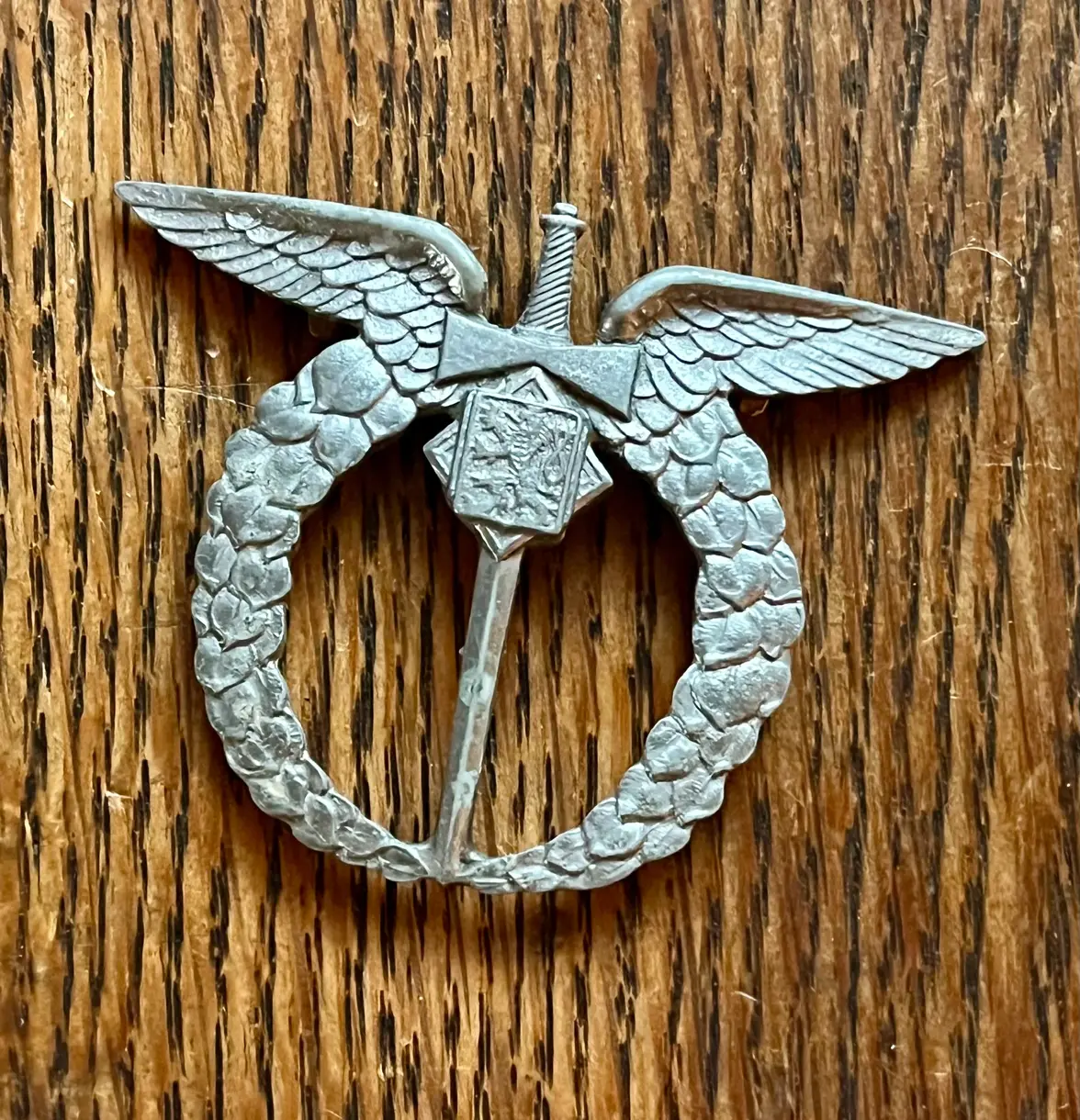
The naval aviator wings pictured above are the ones that Dad pounded on my chest on 03JUN88 at NAS Whiting Field…and he gave me “blood wings” which was pretty cool. Mom can be seen in the lower left of the pic…she was not too happy about the “blood wings” evolution…but she got over it…
My sergeant's stripes were blood stripes as was my Expert Field Medical Badge, which was pounded pretty deep in. I don't think they do that anymore, which is a shame. It is the military after all, not the Boy Scouts
 
Posts
1,164
Likes
5,962
When in special boat unit eleven if you got a promotion or SWCC qualification they would grab you give you a pink belly leaving welts on your stomach carry you down to the pier and throw you in the water uniform and all.
 
Posts
286
Likes
1,972
Greetings all.
I was wondering if anyone else here on OF also has a keen interest in military history and are into collecting militaria as well given that we are a community of watch enthusiasts and collectors. One of the things I like about militaria is that it is incredibly diverse and can include items like medals, uniforms, weapons, field gear and yes, watches.

What interests me most is how function influences form. Which kinda explains why I'm also mostly a tool watch person and love pilots watches, divers, chronographs etc. I also enjoy the stories associated with some items, their history and how they came to be in the owner's possession.

So, if you have any interesting items in your collection, please feel free to share them here.

Note:
Please be mindful and respectful if wanting to post items from the Third Reich, especially those containing Nazi symbols, as this can provoke strong reactions from some members. I wish to keep the discourse on this thread civil and to keep politics out of this thread. Thank you.

I'll start with a couple of items of mine:

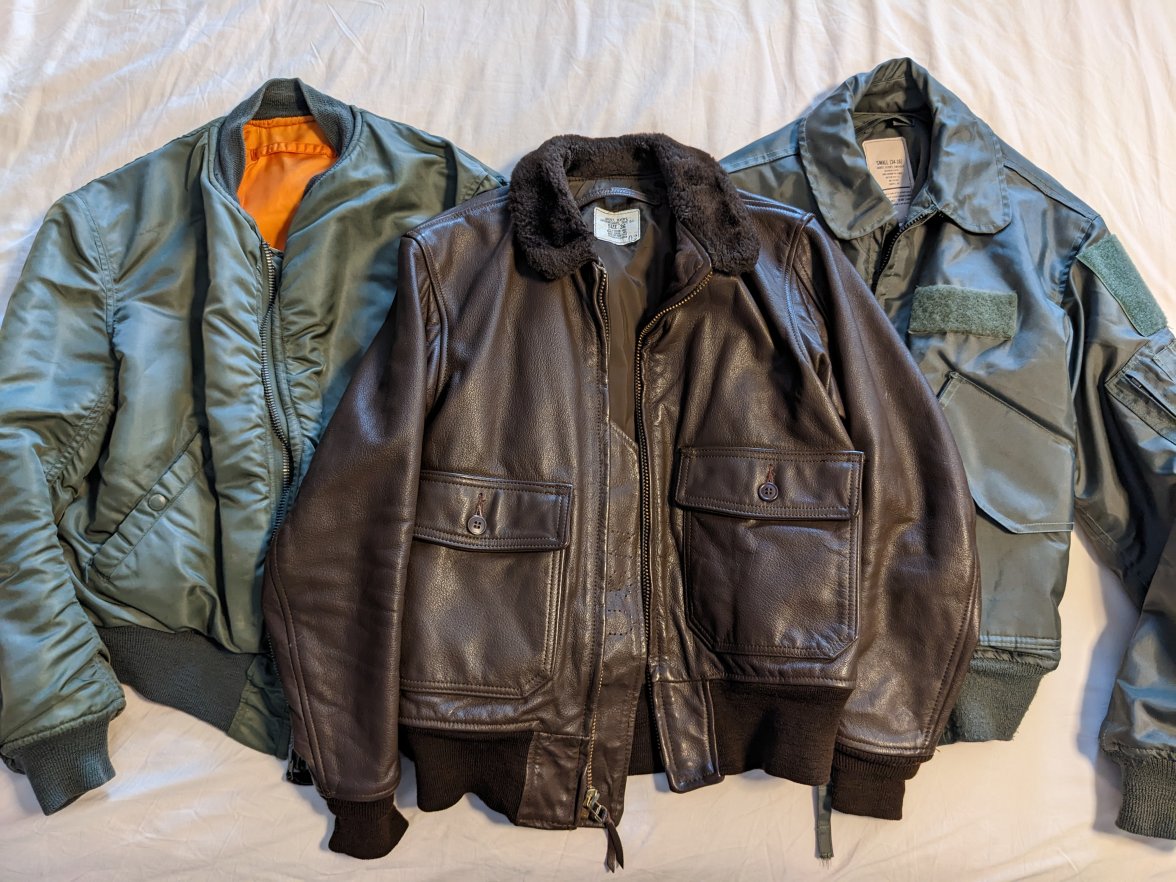
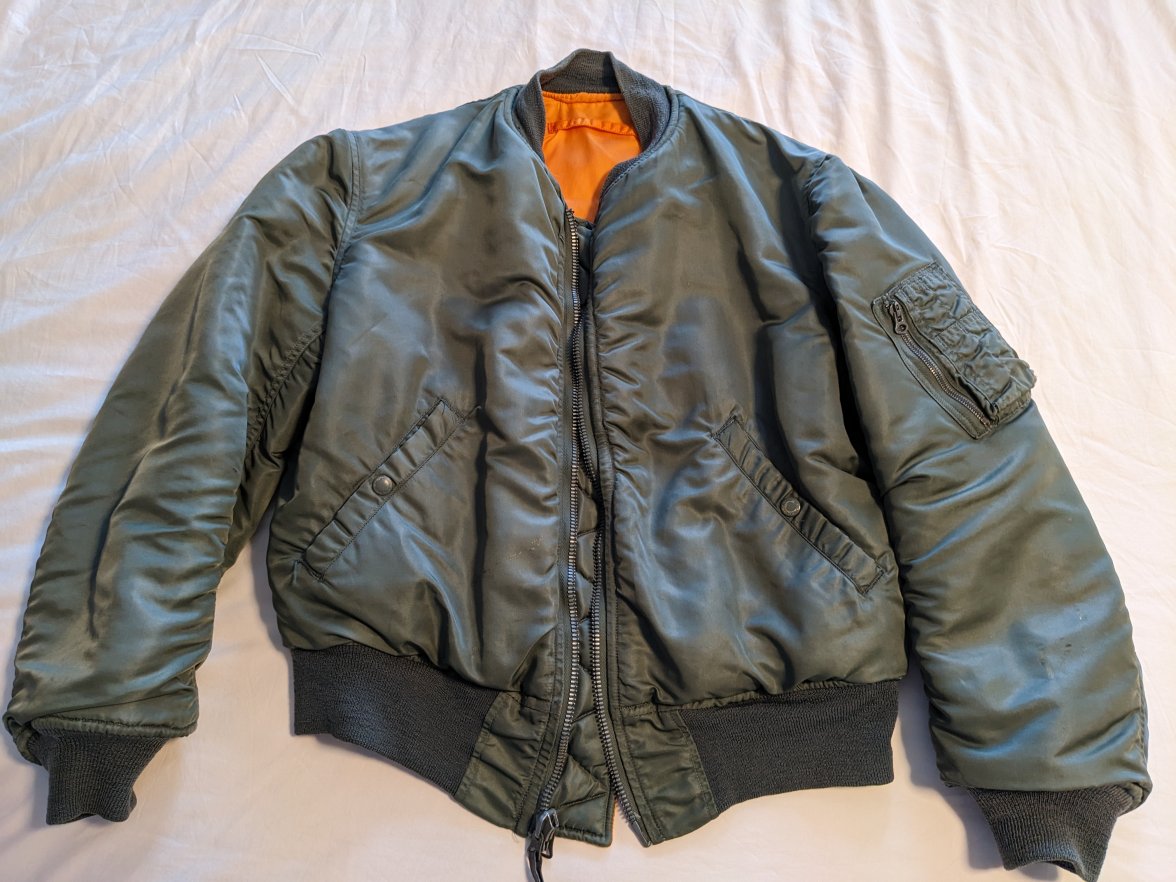
Being an aviation enthusiast, I'm mostly into US flight jackets and field uniforms:


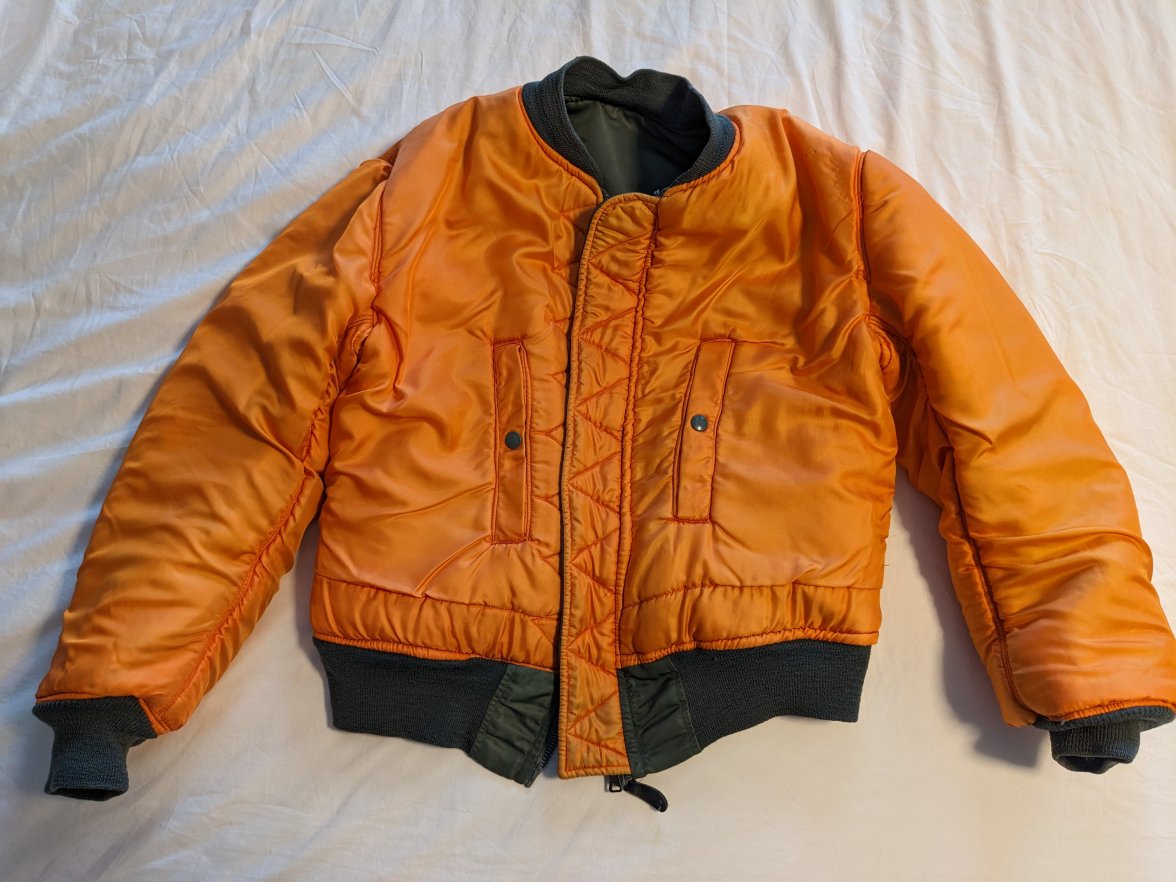
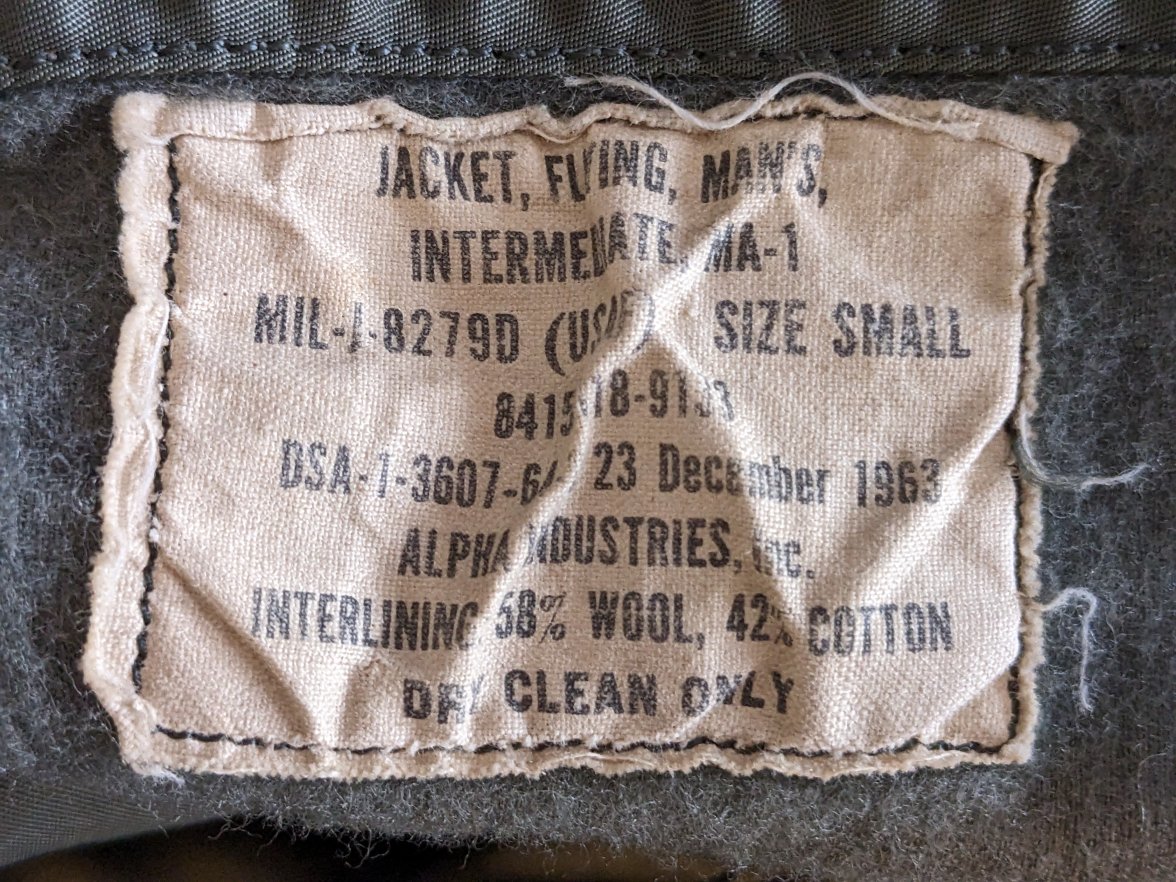
USAF Type MA-1 flight jacket from 1963:

Interesting points about this jacket:
  • Bottom picture shows the spec tag found inside the jacket's left hand pocket, stating the contract date for the jacket.
  • Note the reversible orange lining to help rescuers find the pilot when he/she is downed. Some older MA-1 flight jackets have a black spec tag with white writing just below the collar rather than inside the pocket, together with a green inside lining. These jackets are considered a lot more collectible than the orange lined ones.
  • The interlining material is wool/cotton compared to the polyester used in the more modern iterations of the MA-1, making this jacket much thicker and heavier.

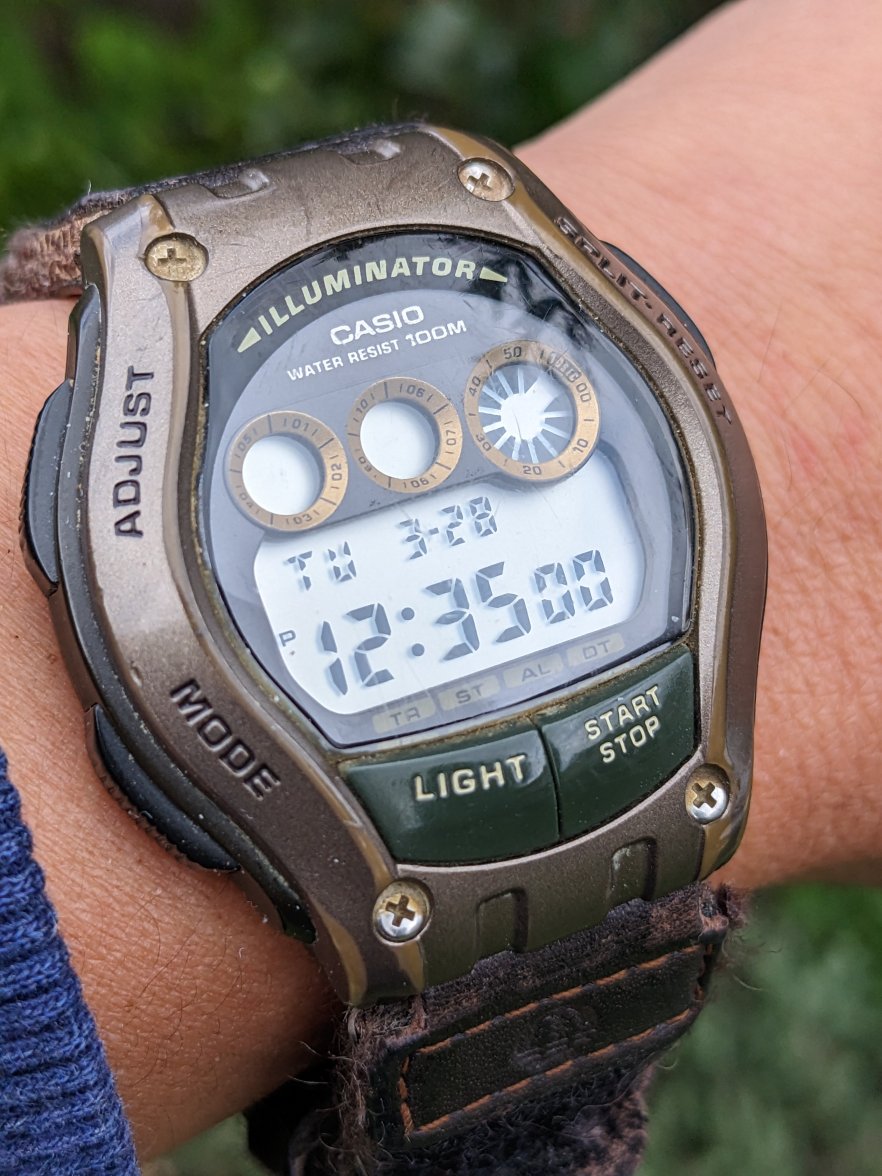
And as this is a watch forum:

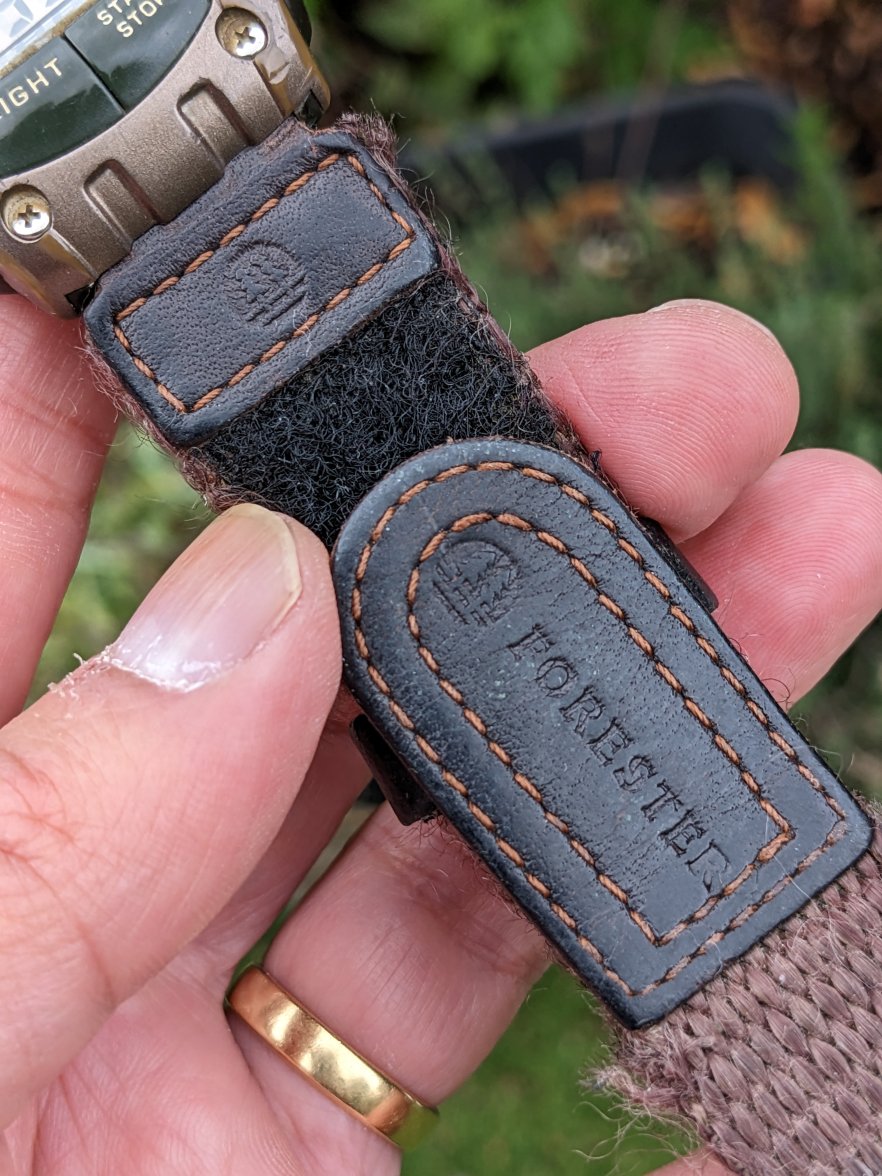
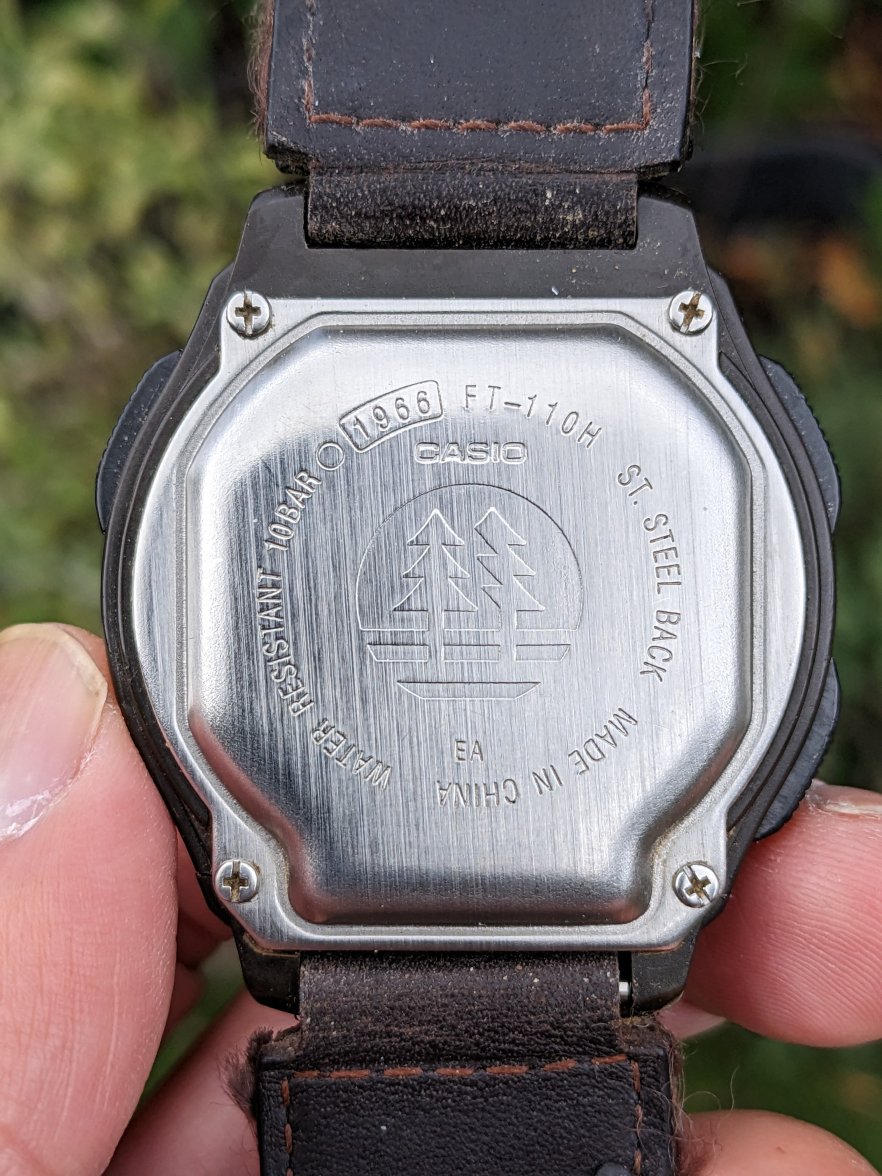
Although not strictly a military watch, this Casio Forester was issued to me when I was serving as a medical officer in the Royal Australian Air Force. It has been with me through two active service deployments, East Timor and Iraq. My original service issue watch was some no-name brand plastic analog quartz sports watch, which looked like it cost just $10 to make. Just prior to deploying to East Timor, I went to the Q-store to draw some additional kit when the supply sergeant noticed the crappy watch on my wrist. He must have felt sorry for me, so he reached into a box of assorted watches, pulled this one out, and gave it to me in return for the other one. It's been a rugged little thing and has served me well during my time in.

Edit: Photo was in wrong order.
Interesting collection. I’ll dig out my old jackets etc.
 
Posts
15,794
Likes
47,321
I’m not a collector of militarization, but I have a few treasured items with a connection to the military.

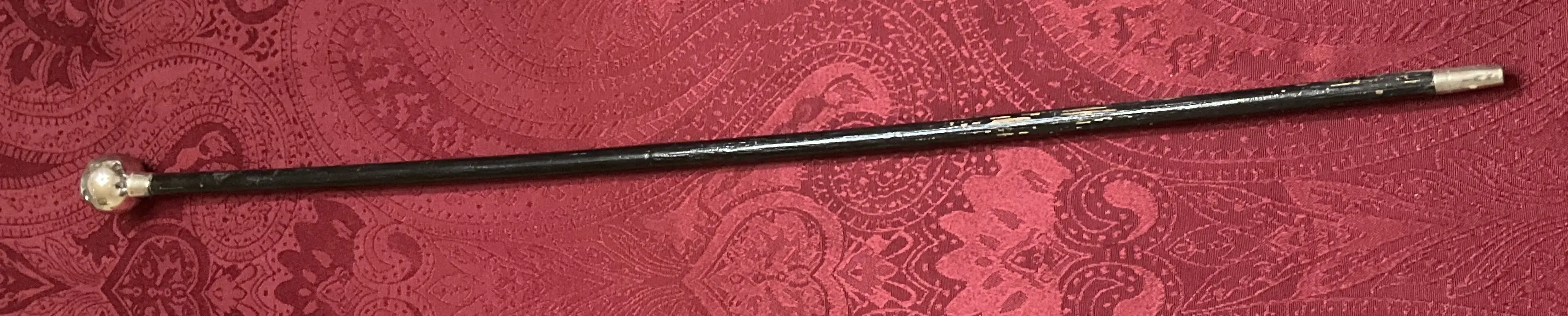
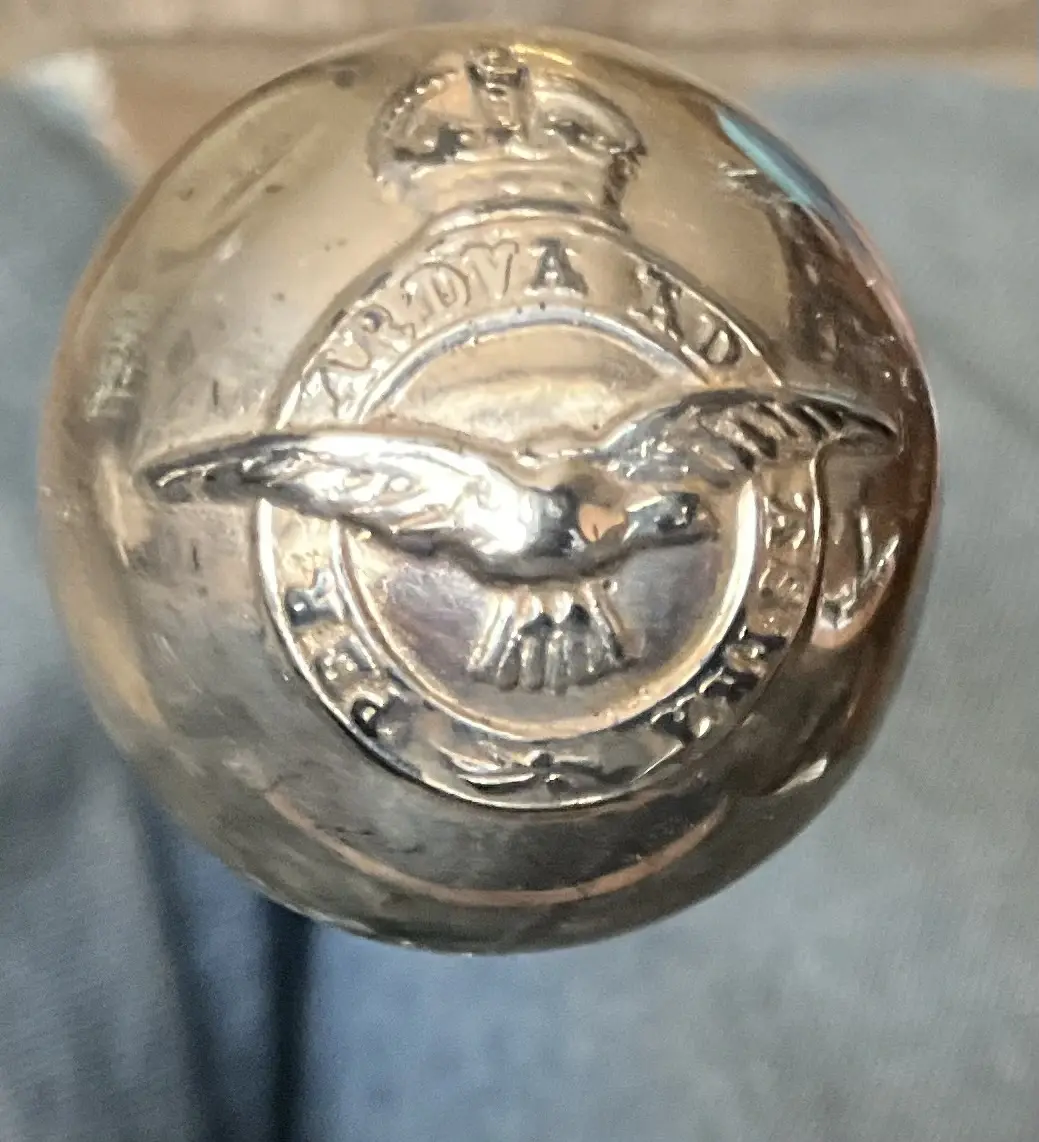
My late father was an instrument maker in the Royal Canadian Air Force from 1939 until 1945. He was a flight sergeant. He’d been offered a commission, but declined it because he didn’t have to pay for dry cleaning where the commissioned officers had to pay for theirs. I am not certain what the purpose was for a “swagger” stick, but the one in the picture was his. He had the top re-silvered about 60 years ago. I don’t know what particular ranks carried them. The RCAF motto (per ardua ad astra) was, On Tirelessly to the Stars, as seen on the head of the swagger stick. He spent the duration of WWII on the sea plane base in Halifax, Nova Scotia, working on aircraft instruments and watches.
 
Posts
4,230
Likes
12,266
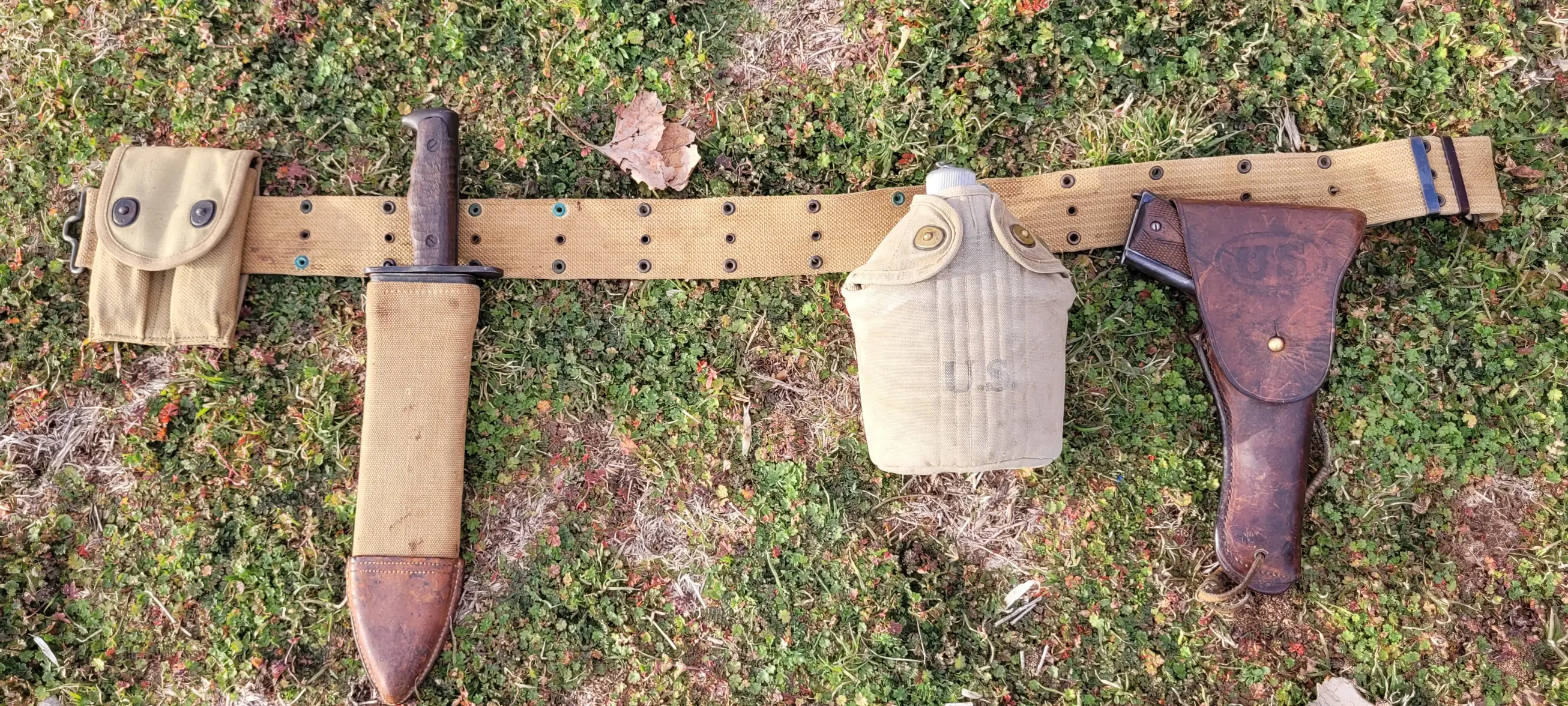
I don't really collect militaria, I have many family things, like my grandpa's pea coat and the like. But, I did put together this bit of WWI kit for my early Colt M1911.
 
Posts
1,808
Likes
3,531
I’m not a collector of militarization, but I have a few treasured items with a connection to the military.

My late father was an instrument maker in the Royal Canadian Air Force from 1939 until 1945. He was a flight sergeant. He’d been offered a commission, but declined it because he didn’t have to pay for dry cleaning where the commissioned officers had to pay for theirs. I am not certain what the purpose was for a “swagger” stick, but the one in the picture was his. He had the top re-silvered about 60 years ago. I don’t know what particular ranks carried them. The RCAF motto (per ardua ad astra) was, On Tirelessly to the Stars, as seen on the head of the swagger stick. He spent the duration of WWII on the sea plane base in Halifax, Nova Scotia, working on aircraft instruments and watches.
Thanks for sharing. I suspect that the role of the "swagger stick" is merely to act as a symbol of rank. From memory, in the Australian military only warrant officers were permitted to carry them. I find it interesting that the motto of the Royal Australian Air Force is also "Per Ardua Ad Astra". It had its 100th Anniversary in 2021.
 
Posts
1,808
Likes
3,531
I don't really collect militaria, I have many family things, like my grandpa's pea coat and the like. But, I did put together this bit of WWI kit for my early Colt M1911.
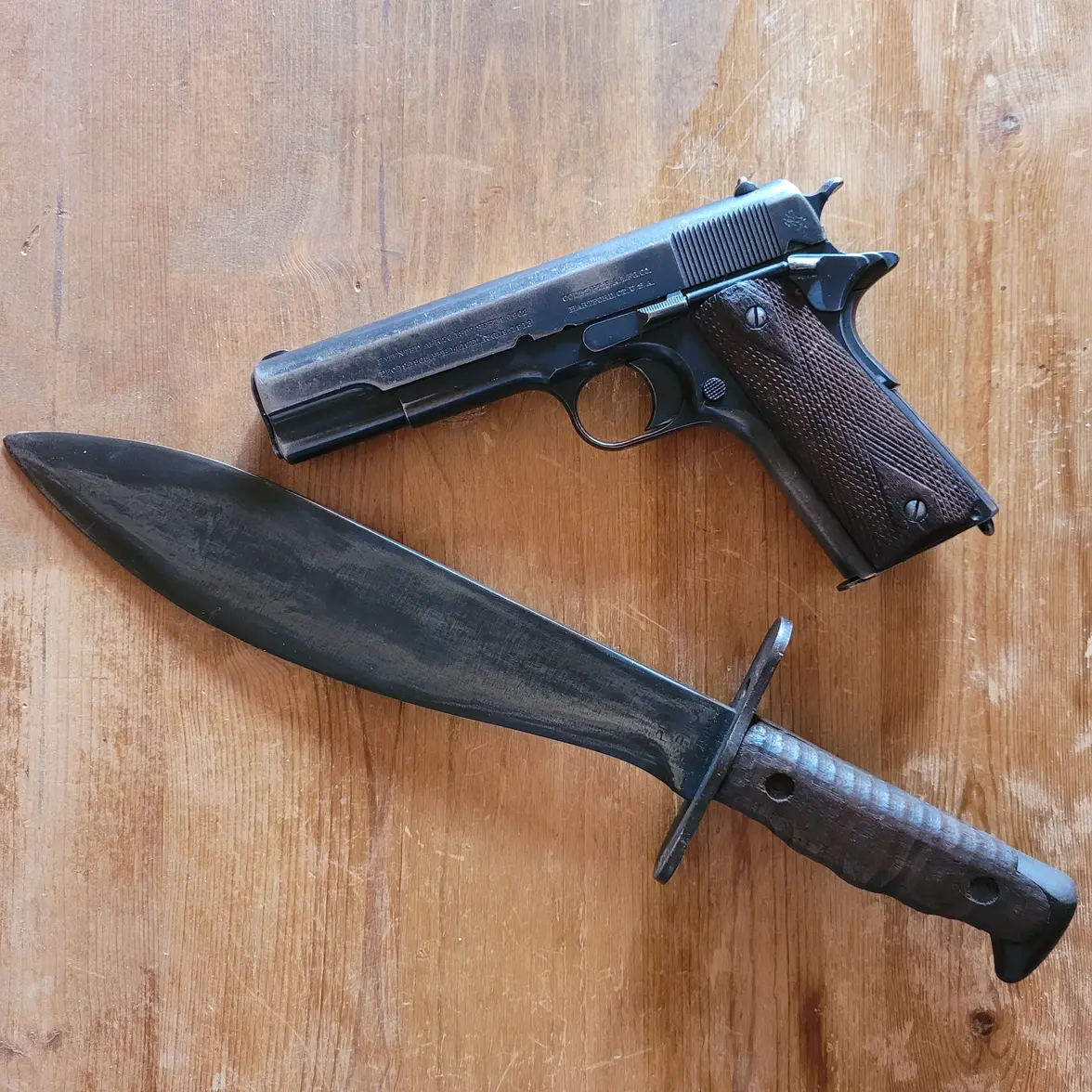
I wonder what sort of knife that is? Can we see a bit more detail? Looks like a jungle knife of some sort.
 
Posts
18,564
Likes
38,550
I wonder what sort of knife that is? Can we see a bit more detail? Looks like a jungle knife of some sort.
It's a Bolo knife, so you're correct in thinking jungle. Used by the US Army around WW1, I think it originated in the Philippines.
 
Posts
4,230
Likes
12,266
I wonder what sort of knife that is? Can we see a bit more detail? Looks like a jungle knife of some sort.
@JimInOz is absolutely correct. It's a bolo knife developed from the traditional Philippine bolo and adopted by the US Army while fighting in the Philippines during the "Insurrection" of 1899-1902 and the Moro Rebellion that immediately followed and lasted another decade. In WWI one was famously used by Sgt. Henry Johnson in the Argonne to fight off a German raid. He was awarded the Croix de Guerre by the French but, because he was black, he didn't receive the Medal of Honor until 2015.

Here's mine next to one of my WWI era Colts. It's dated 1917.

 
Posts
1,164
Likes
5,962
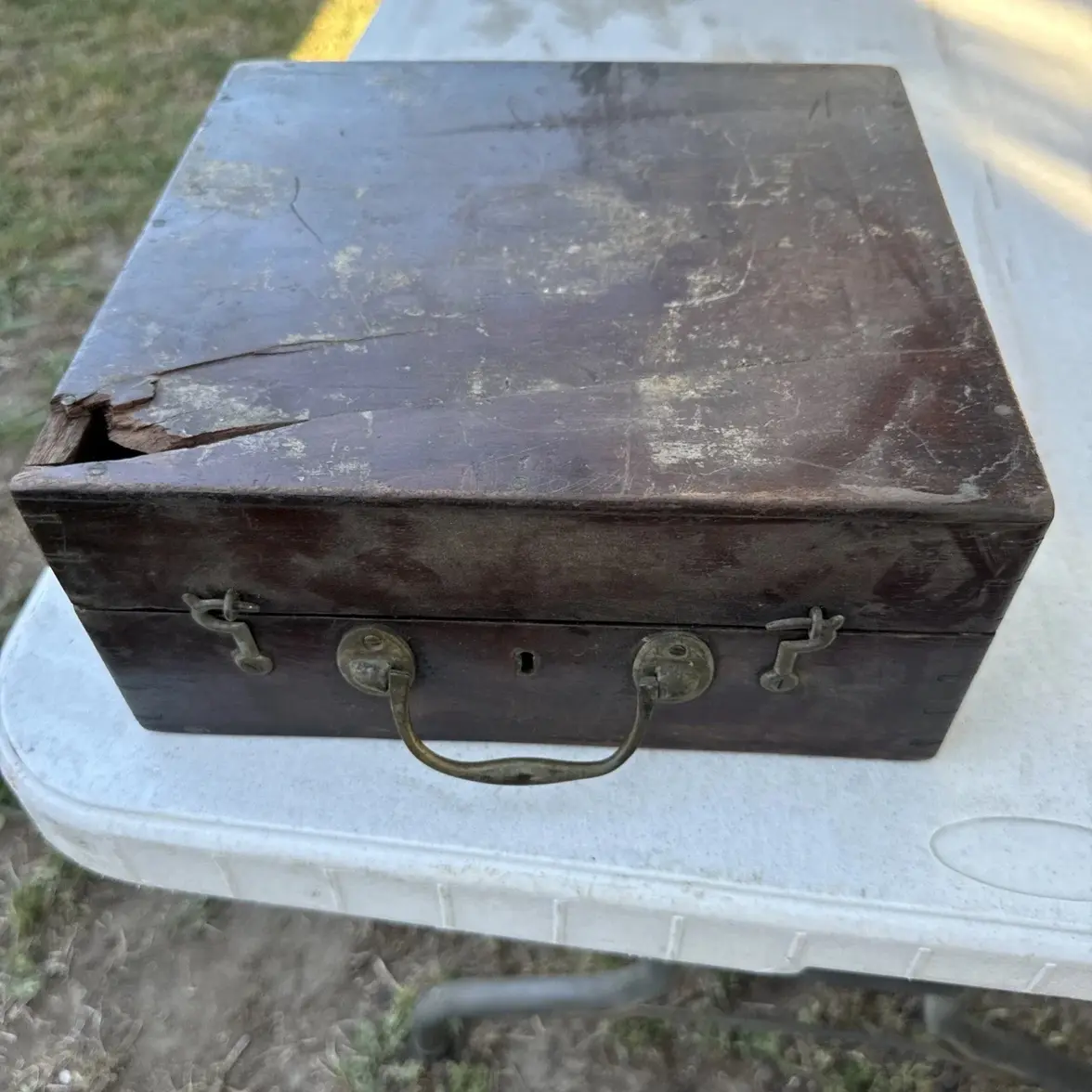
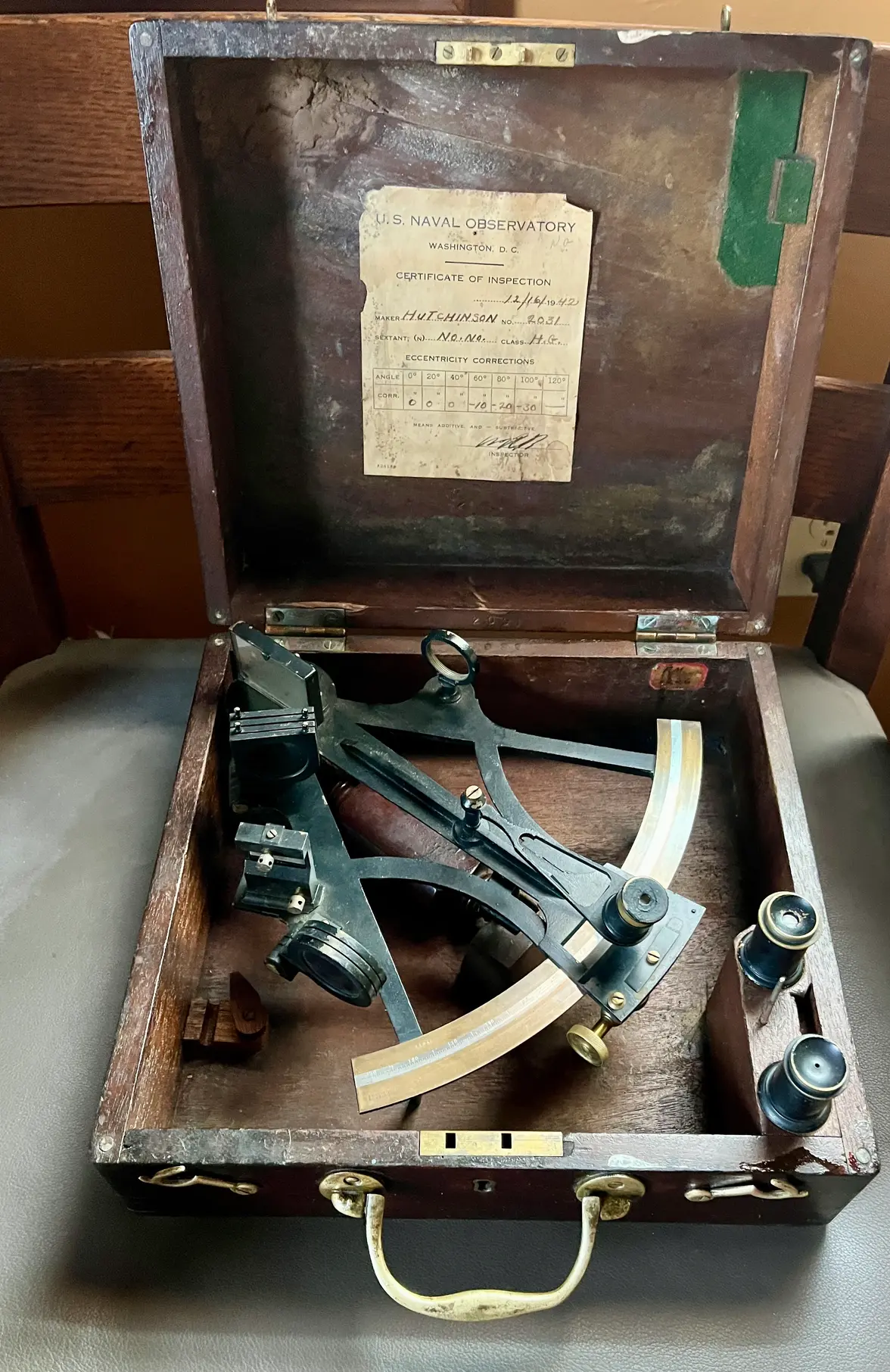
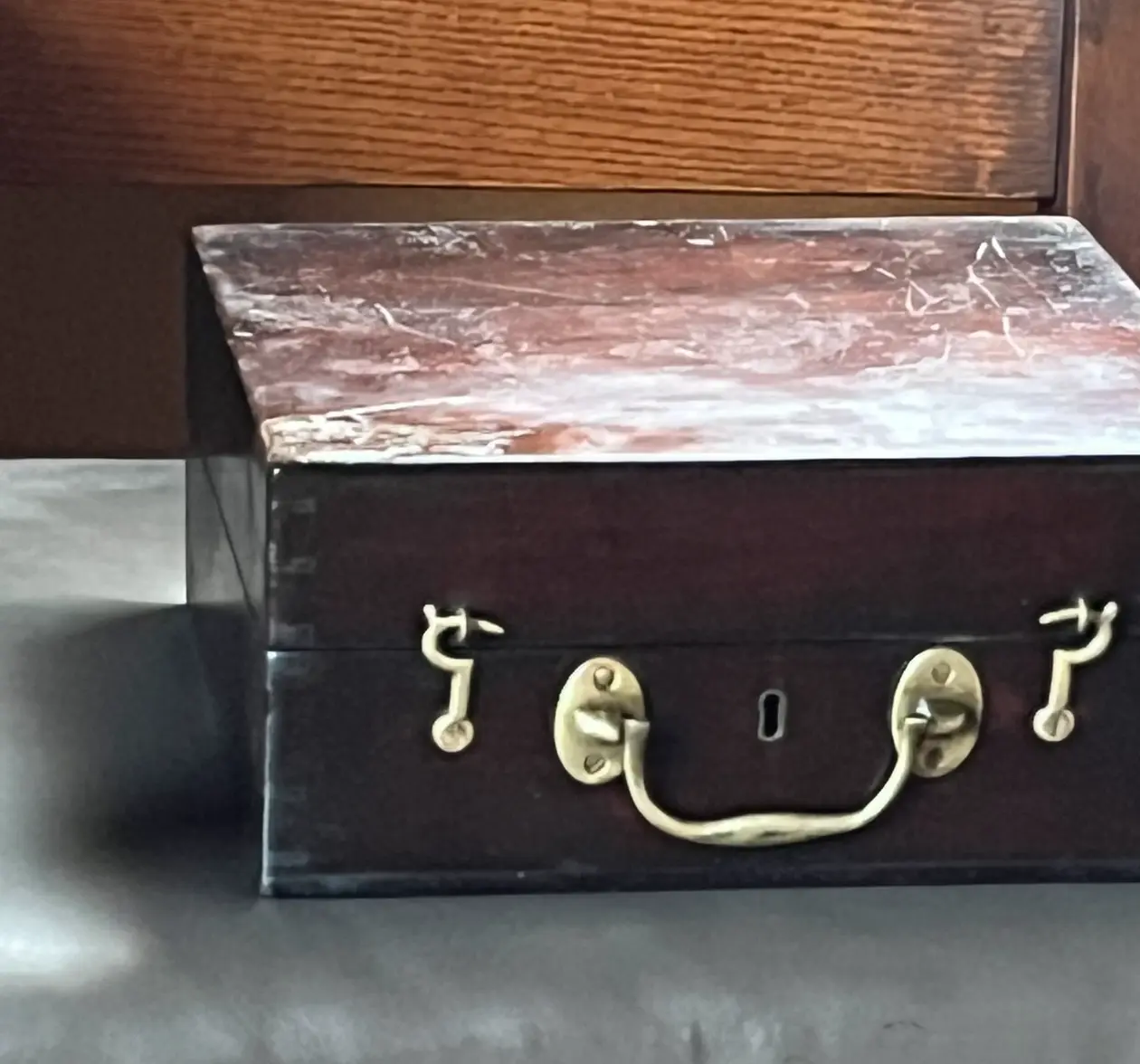
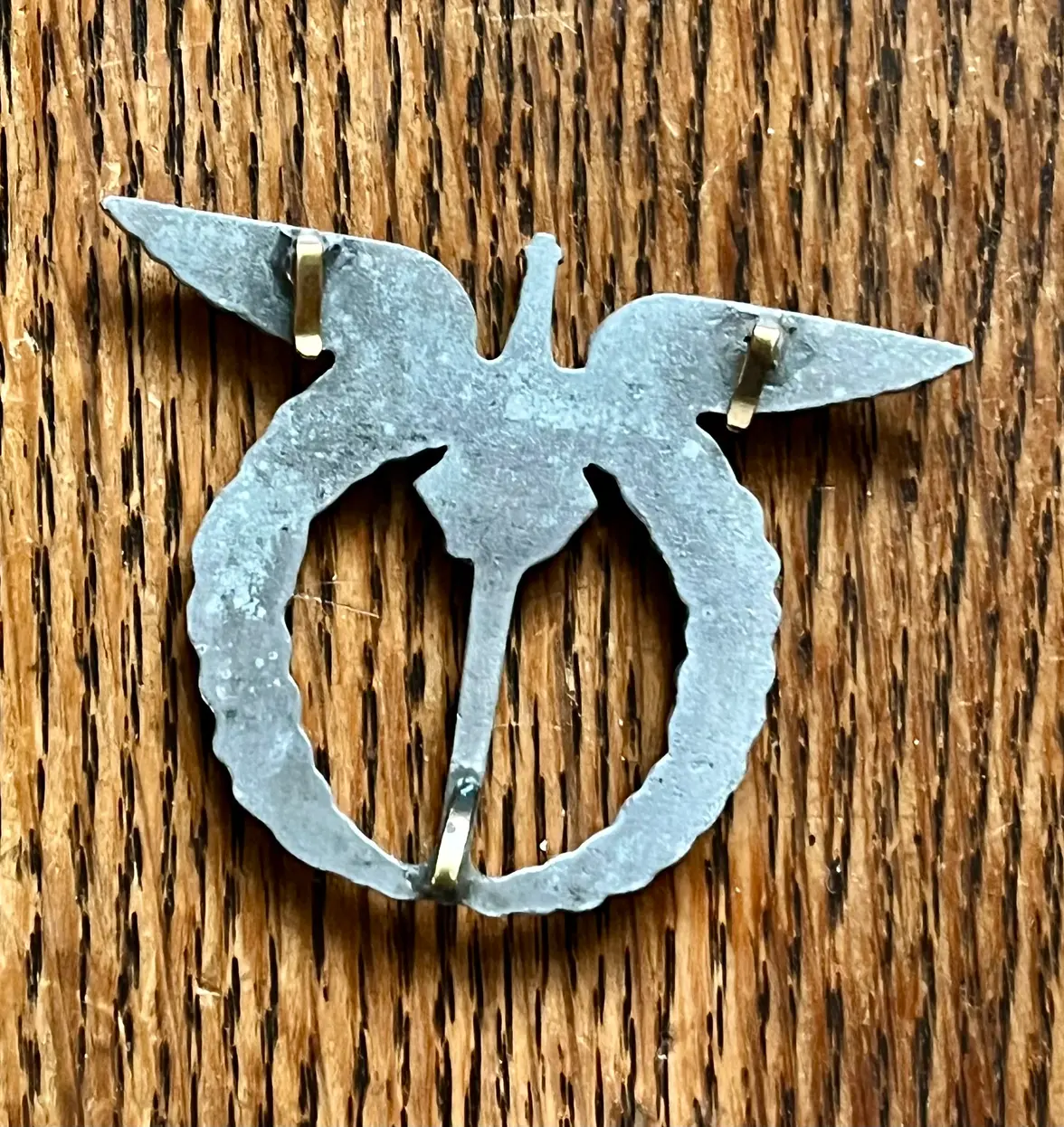
Picked up this US Navy sextant issued in 1942 got it cheap due to hole in wooden case. I patched the hole and cleaned the brass and the wood. This was used before GPS for navigation I bet a US Navy officer of today would not know how to use one.

Edited:
 
Posts
1,808
Likes
3,531
Picked up this US Navy sextant issued in 1942 got it cheap due to hole in wooden case. I patched the hole and cleaned the brass and the wood. This was used before GPS for navigation I bet a US Navy officer of today would not know how to use one.

Apparently the Boeing 747 had a sextant port so I'd expect aircrew in the 1970s to know how to use one 😄
 
Posts
1,164
Likes
5,962
Apparently the Boeing 747 had a sextant port so I'd expect aircrew in the 1970s to know how to use one 😄
For a while the US Navy stopped teaching old fashioned navigation at the navy academy because of GPS. They just started teaching it again they did not factor jamming the GPS signal in and other ways an enemy can take out the signal was stupid to stop teaching it. Would have sucked the GPS signal taken out and no one on a navy ship knowing how to use a sextant and your lost in the middle of the ocean.
 
Posts
286
Likes
1,972
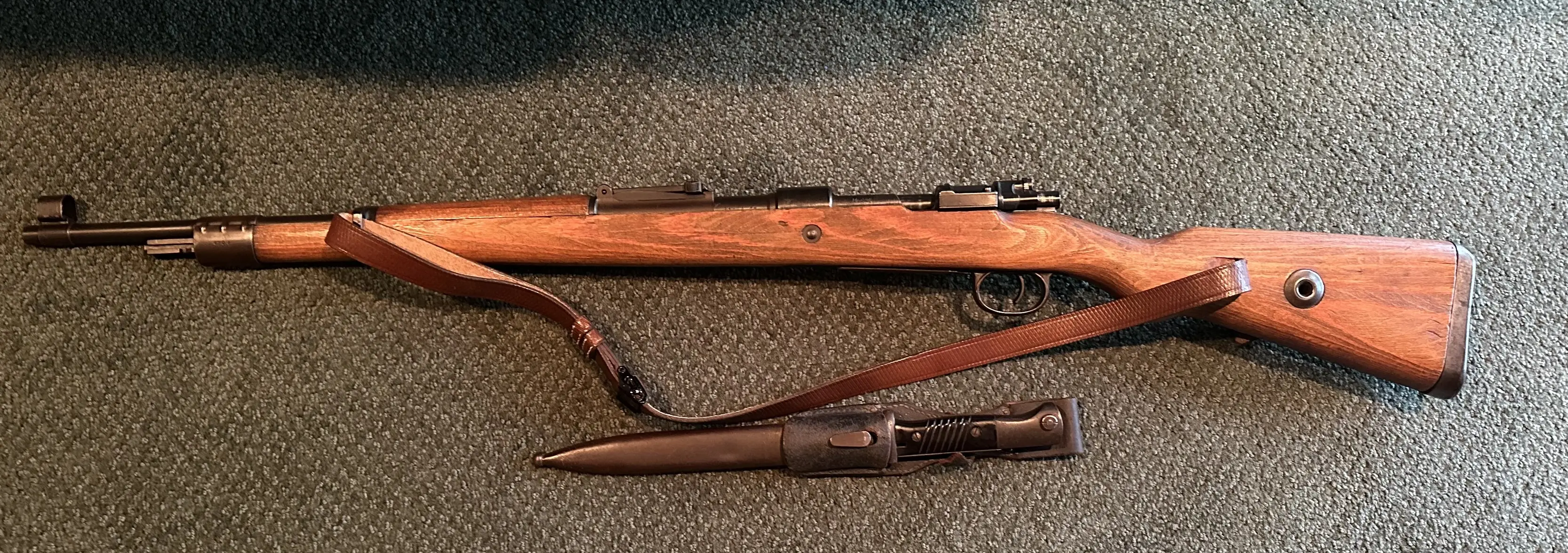
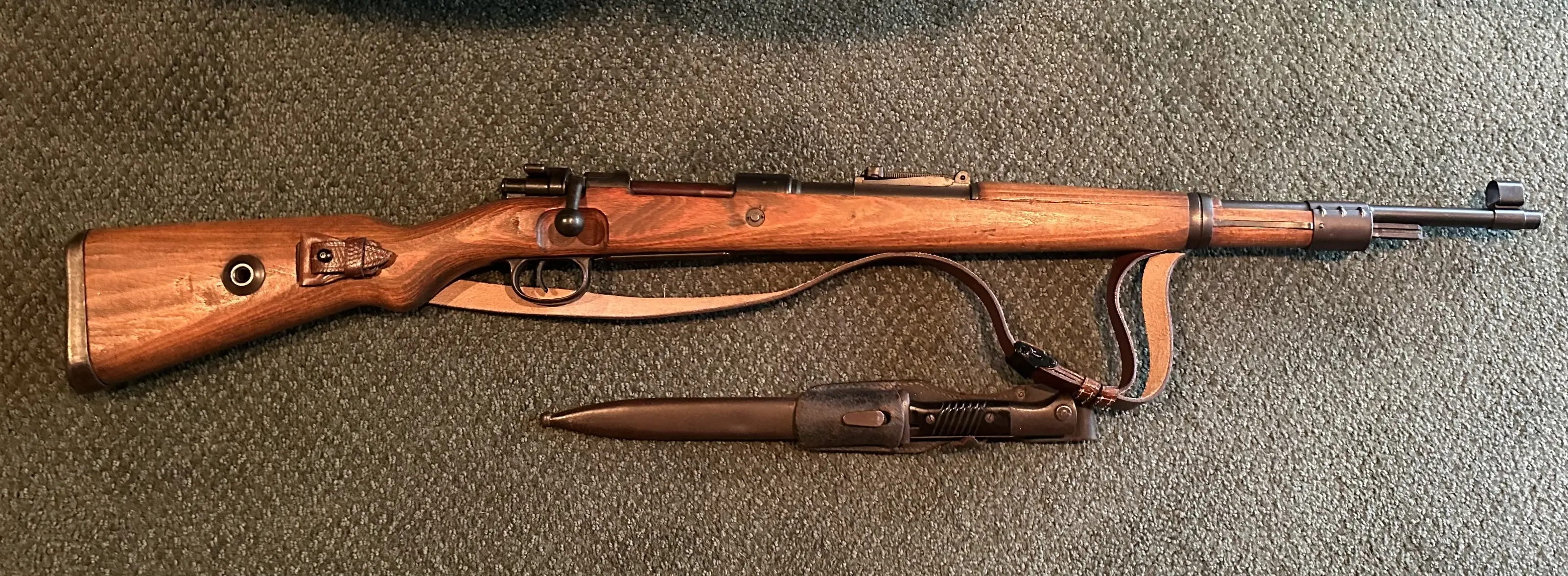
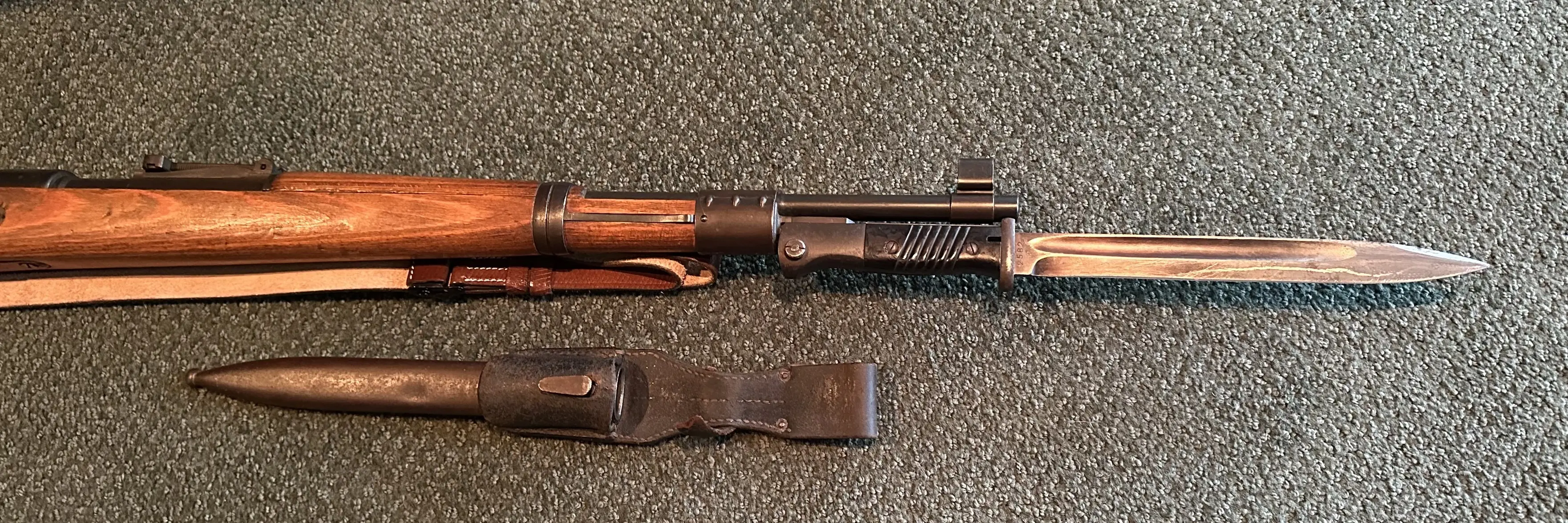
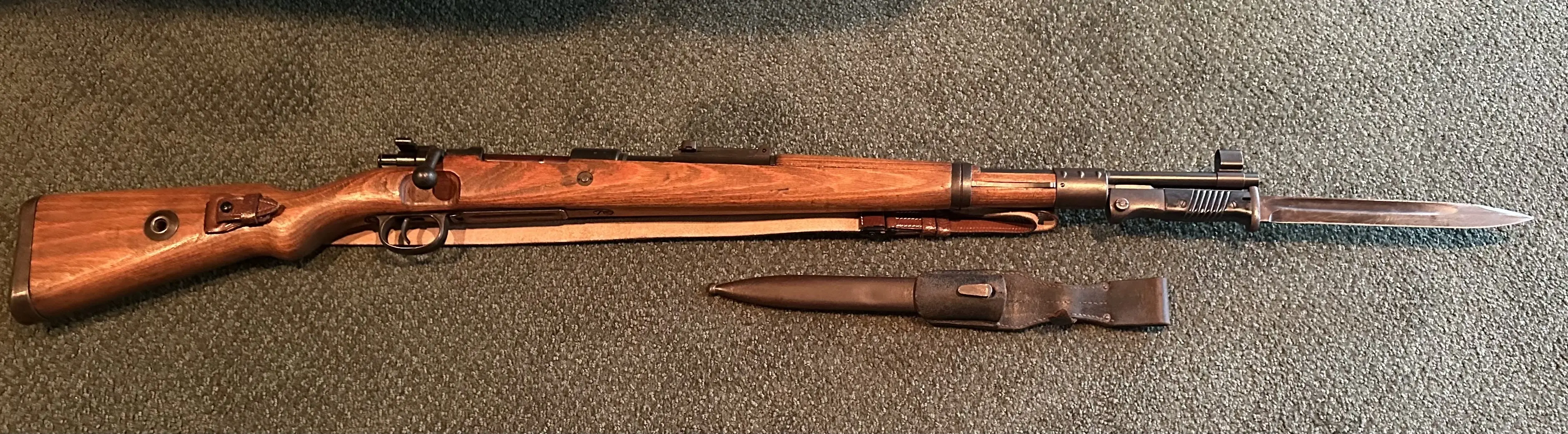
Here’s a k98 brought back from Europe after wwii by my grandfather. I will tell a little of his story in a bit.

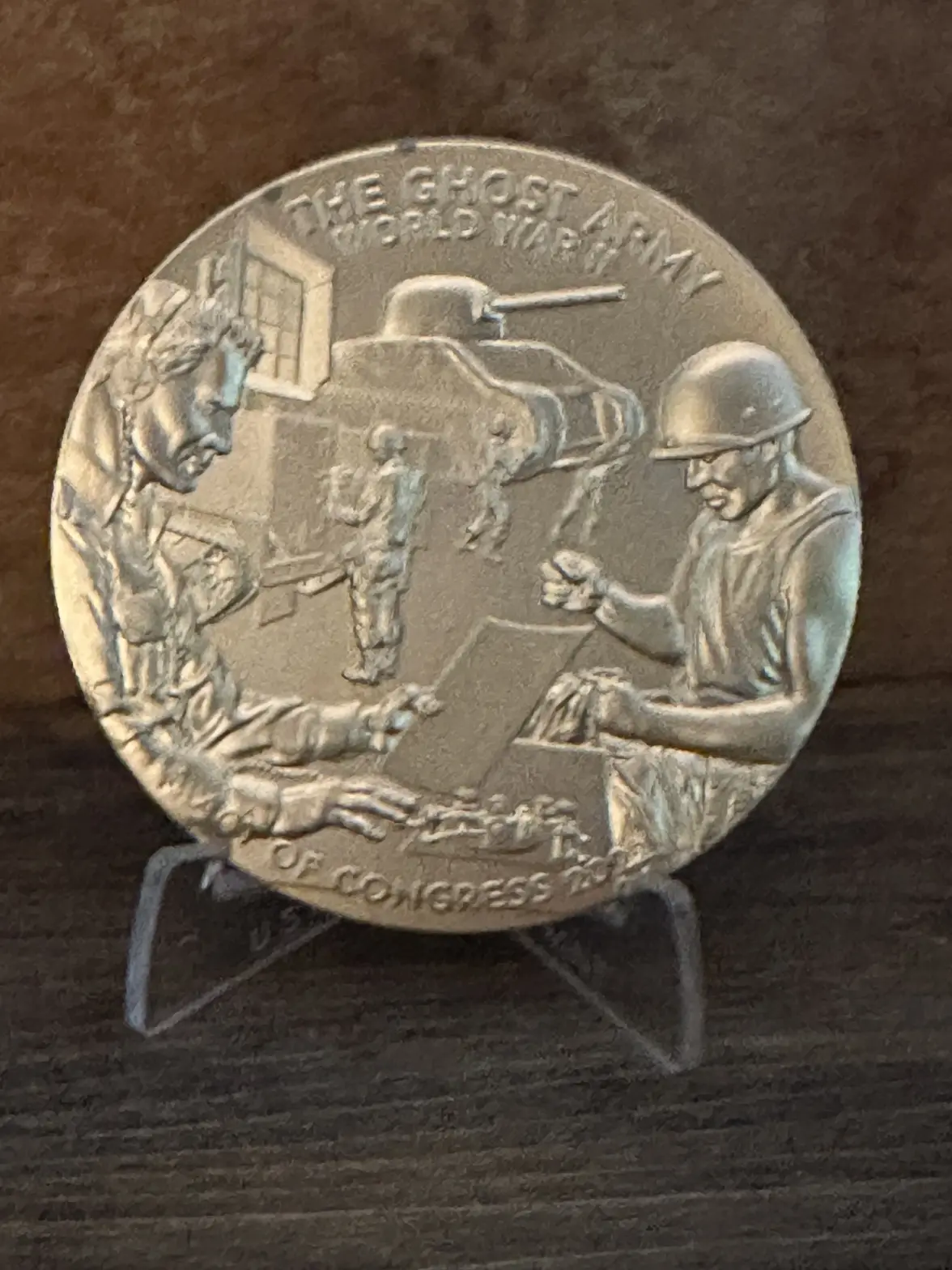
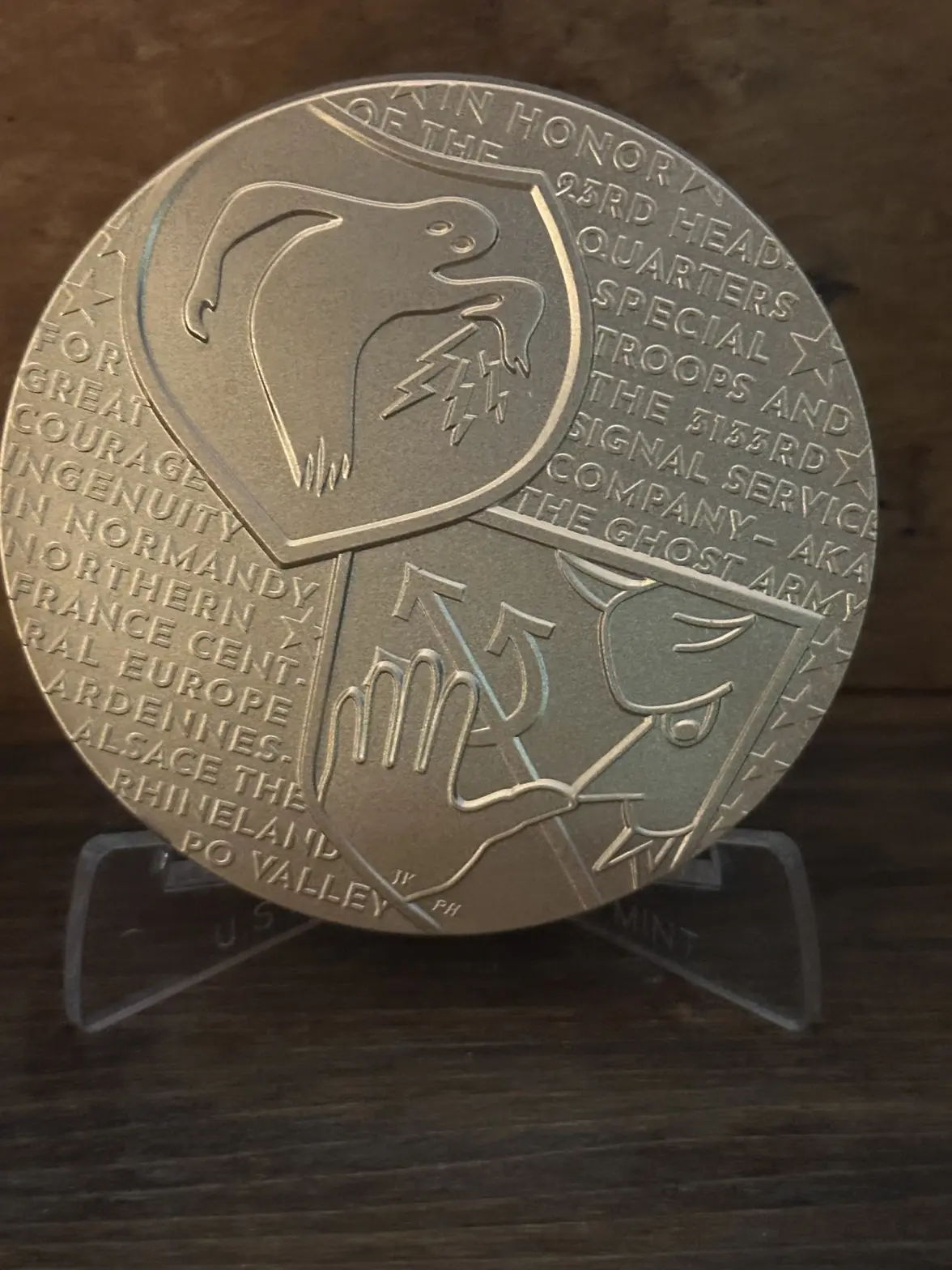
My grandfather was like nearly every wwii I knew: He would not say a word about his service. He had enlisted and been sent to Panama with the army in the 30s. He was a civilian when war broke out again. He re enlisted and signed on with the 3133rd signal service company. I got all this info from my grandmother and other sources. He only ever told me one thing when I visited him after basic training. He asked my job. I told him communications. He said "I was signal corps, too." That was IT. Nothing else. Well...and you might want to stop reading now as this will go a little long. Turns out he had signed up for training in up state NY, Pine something. Easy to Google. The outfit was not at all like signal corps. This new group would be trained to use the inflatable tanks, etc that you may have seen in old newsreels. He was on the sonic side. He commanded a tank, but a tank with no main gun turret. The turret was replaced with massive speakers to blast out the sounds of war and of machinery going here and there. They recorded the sounds of vehicles, guns, humans on wire, not tape. They went out attempted to draw the enemy from the real war into their false war. It was really quite dangerous, given they were trying to draw fire but had almost nothing to defend themselves with. Even their uniforms would often have patches for units that did not exist. Anyway, they were fairly successful in their deception. After the war he brought home the Mauser shown. I wish I knew the details. I don't. I only know he put it in the front closet at my great grandparents home, and it sat there for about 40 yrs. He never touched it or spoke of it. When my great grandfather died, my great grandmother gave it to my cousin, about 15 yrs older than me. He kept it in a closet for another couple of decades then I got it, and it sits in MY closet now. All serials match. It's a great old rifle, and the recoil will wake you right up. I can't imagine putting dozens of rounds through it in a day.
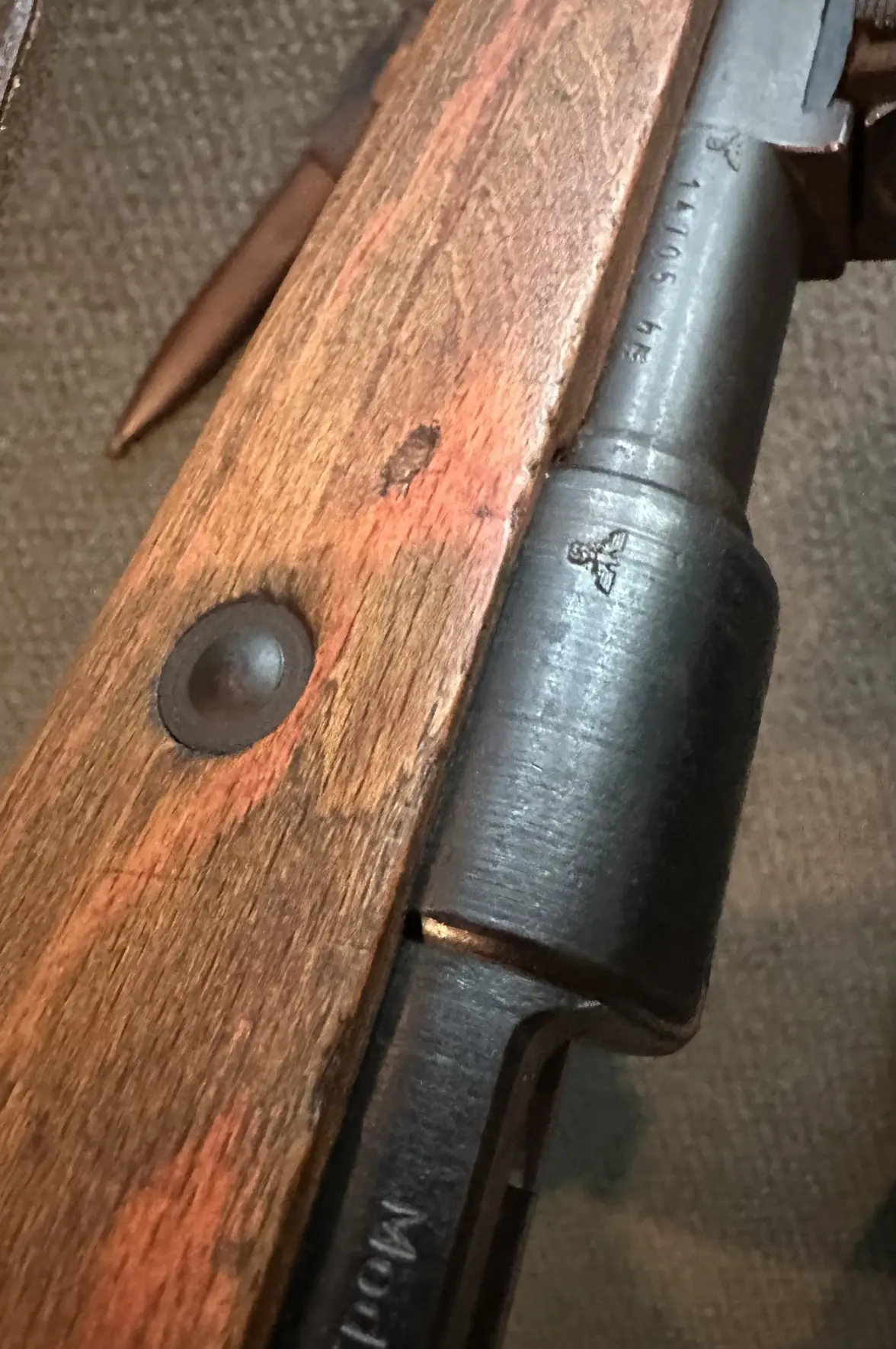
I know...I'll try to wrap it up. The gold coin was awarded by an act of Congress about 2 yrs ago. The Congressional Gold Medal was awarded to a couple of these units for gallantry etc that could not be awarded via the usual channels because the units never existed, officially. It's true. So this medal was awarded to make up for that oversight. For Memorial Day this year, I contributed to have one of those banners you see along streets in downtowns on lamp posts made with my grandfather in his uniform. Maybe you don't see them. It's common now. And they did me the honor of putting me on the reverse in my uniform from the 80s. It was an emotional experience to see that during the parade, me up there with this actual hero and family member. (only tattooed guy I had seen until the 90s, I think. Army tattoo). Ok, sorry it was so long.

Edited: