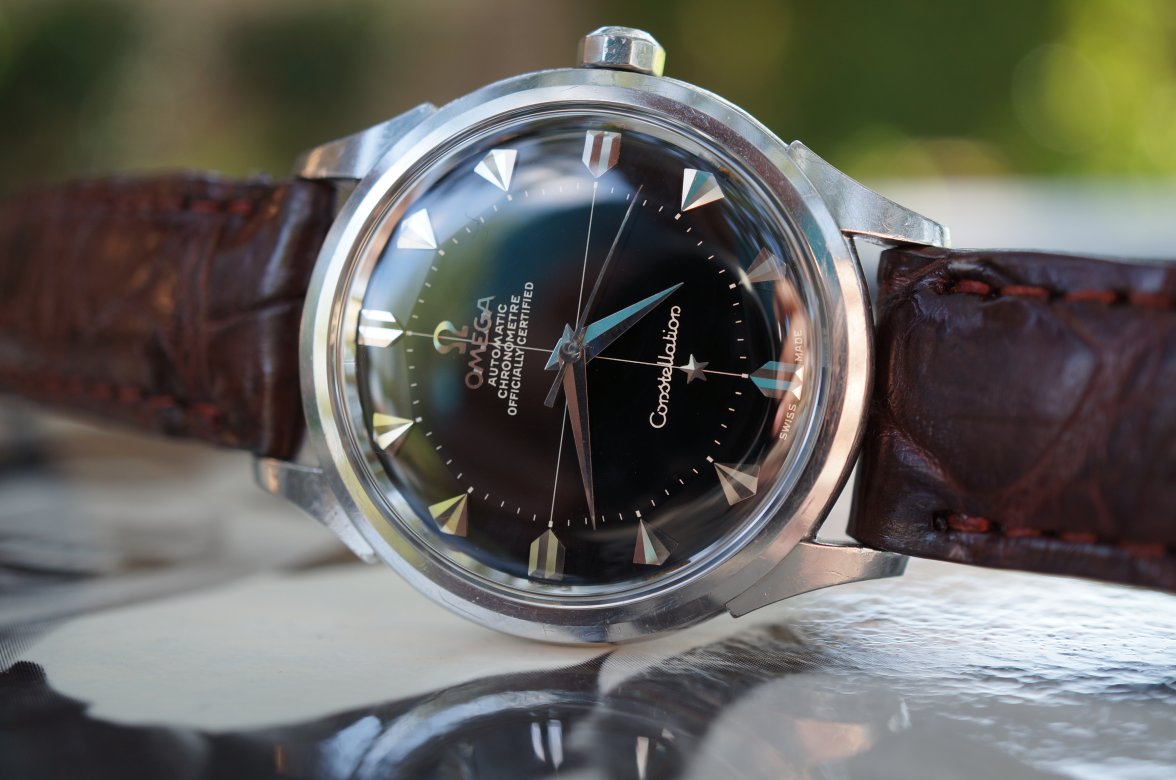
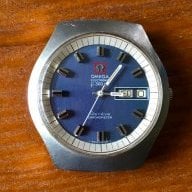
Also, regarding rarity: IIRC there were multiple times the amount of cal 561 Connies than 551, yet the difference in value between 167.005 and 168.005 is comparably marginal - 10% maybe?
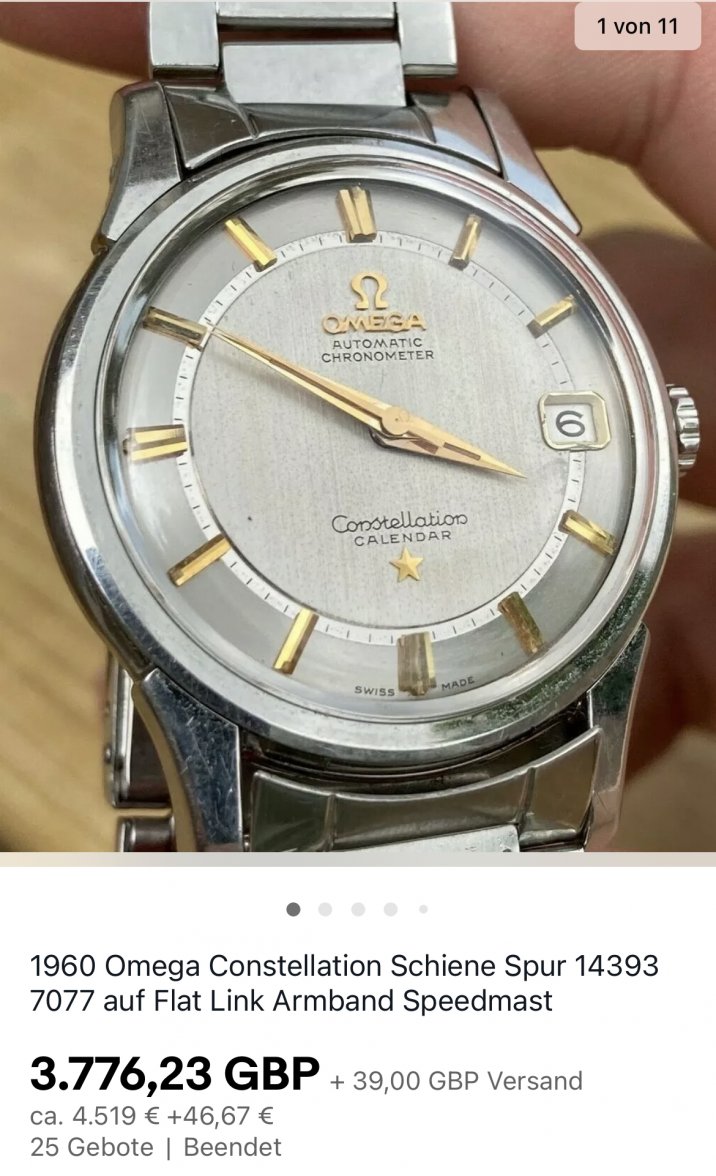
It’s hard to define “value”. Do we define that as the price a watch would achieve on eBay by a private seller with average pictures? The Omega Enthusiast achieves vastly different “values” for his offers than the person who inherited a watch, knows nothing about them and puts in on eBay with an account with only a handful of feedback and 3 lazy iPhone pictures.
One could argue that the value equals the amount she/he manages to achieve for it. The difficulty of assessing it largely depends on accessibility and desirability. 168.005s, for example, in the common layout of white sunburst piepan dial, can be found relatively easily - a good example will demand a premium, but to me, the premium is relatively small as there are many around. Take a hobnail dial Constellation as a comparison. They’re scarce enough that they might be called rare, so if two collectors both want an example, chances are the awareness that they don’t come up for sale often mean that both are ready to go significantly beyond what they’d usually have considered a good price for one.
In the end, value is something personal to me. To come back to your own examples, the YG 167.005 and the SS 168.005 I’d value lower than you, because, while of course only a very small percentage of them are preserved in this condition, they are pretty common refs and can be found with time and expertise. Your honeycomb 2648 is a different story: If I wanted one, I might be tempted to go 1k or so higher than I’d normally be prepared for this ref, as I’d ask myself: When’s the next time I might find one in the open market? Might be years. Hope this makes sense; I’d like to emphasize that I’m writing none of this to discredit your pieces in any way, just to elaborate how for me, personally, “value” is constructed.