1935 Longines

Posts
499
Likes
745
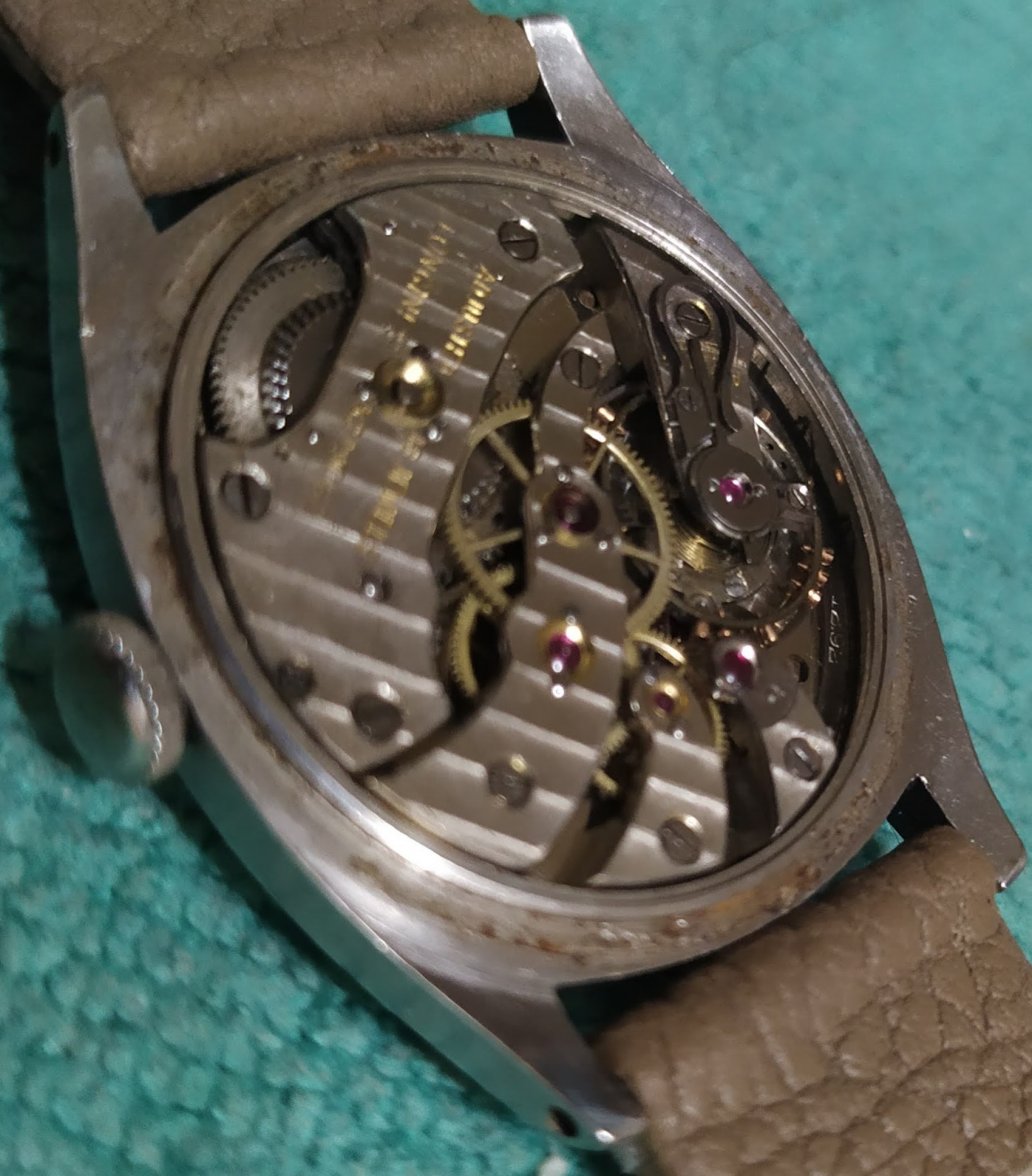
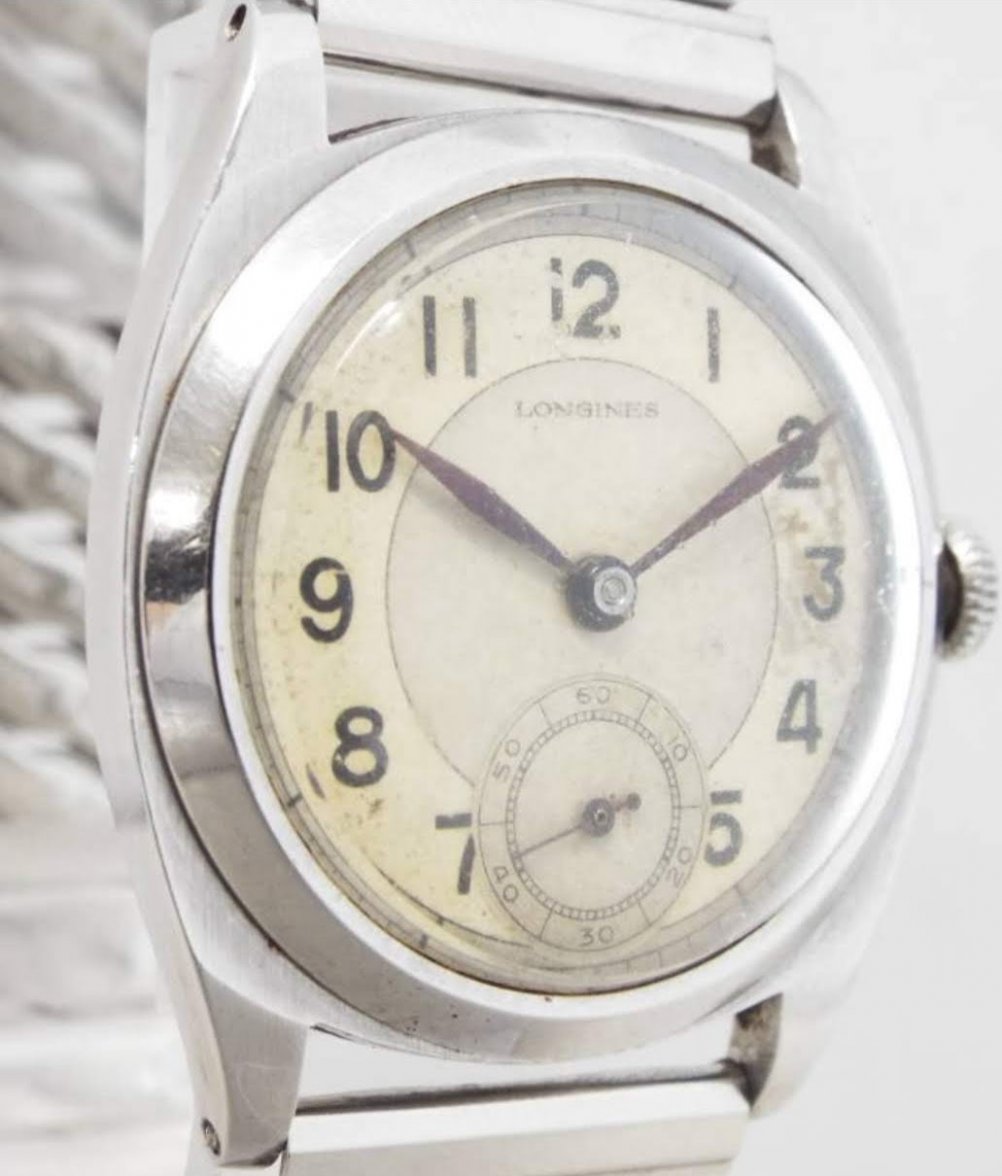
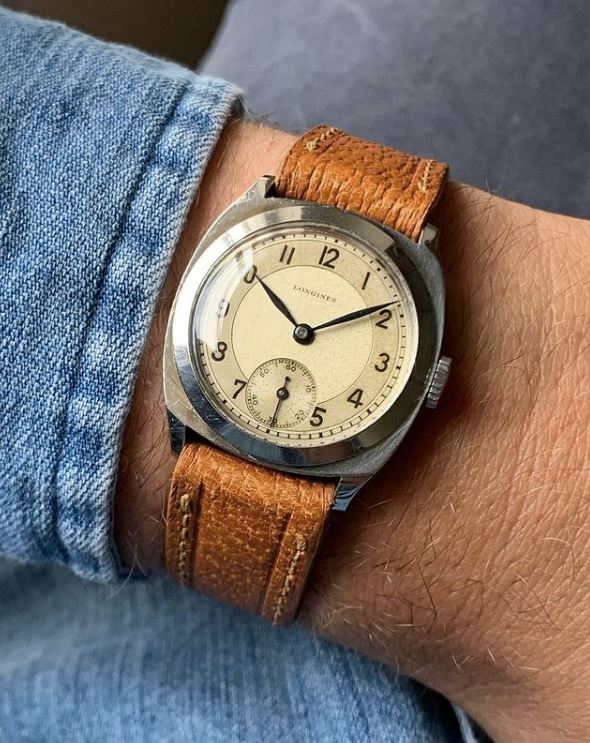
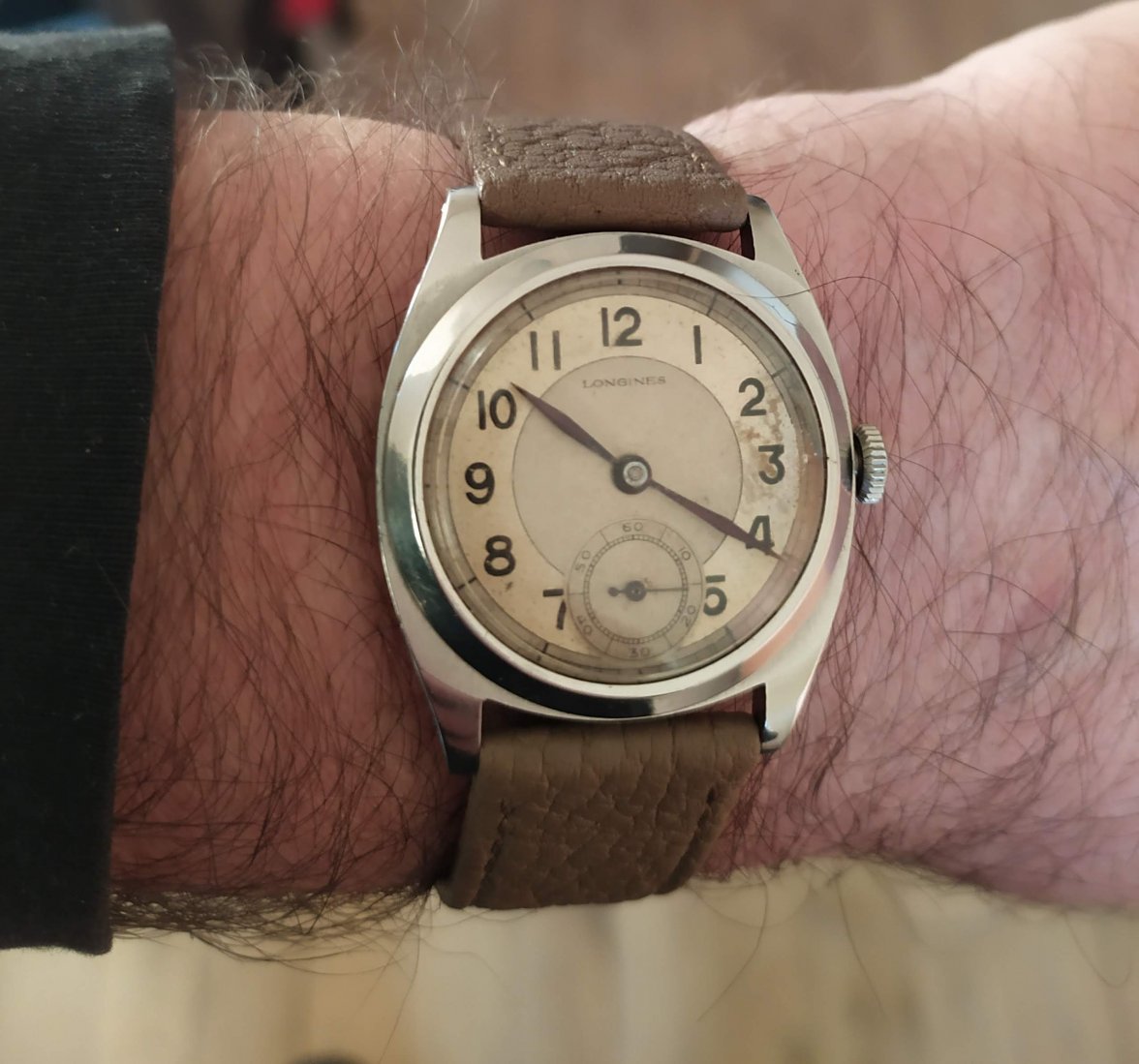
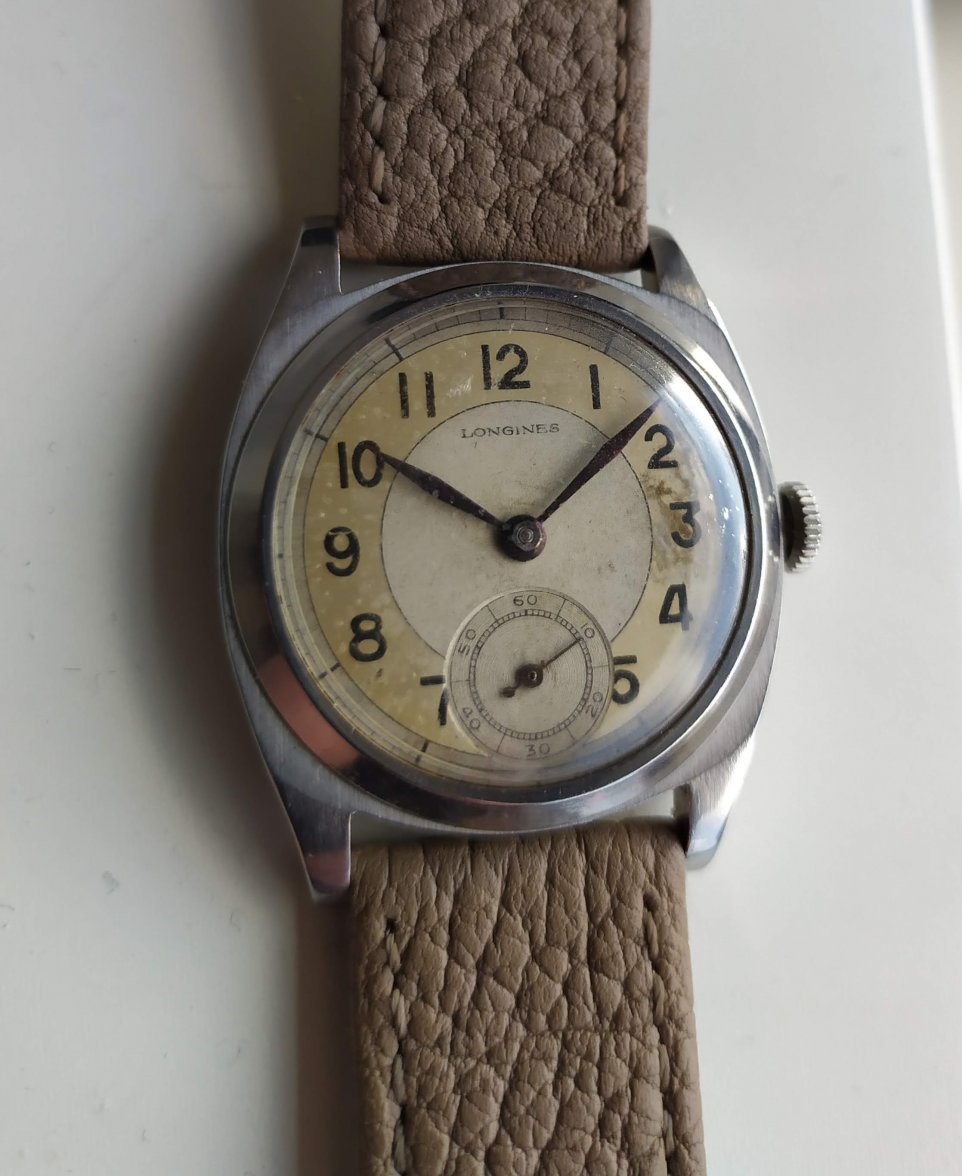
I picked up this watch recently which dates from 1935 and has a lovely two-tone sector dial. The movement is an 18 jewel cal.12.92 which, according to the text on the bridge, was adjusted. I intend to get the movement serviced.
Edited:
 
Posts
322
Likes
858
Unfortunately it is a redial in a strange case. Is it Longines marked inside the back? Also crown is not original.
No good catch, I'm afraid. 🙁 (and it is no sector dial)
 
Posts
7,651
Likes
21,959
The dial indeed is refinished but it’s an interesting looking watch, I really like the case.
Would you kindly share pictures of the back and of the inside case back?
If you change your mind about it and the case is Longines, I’d like to call dibs on it. 😉
 
Posts
2,823
Likes
4,928
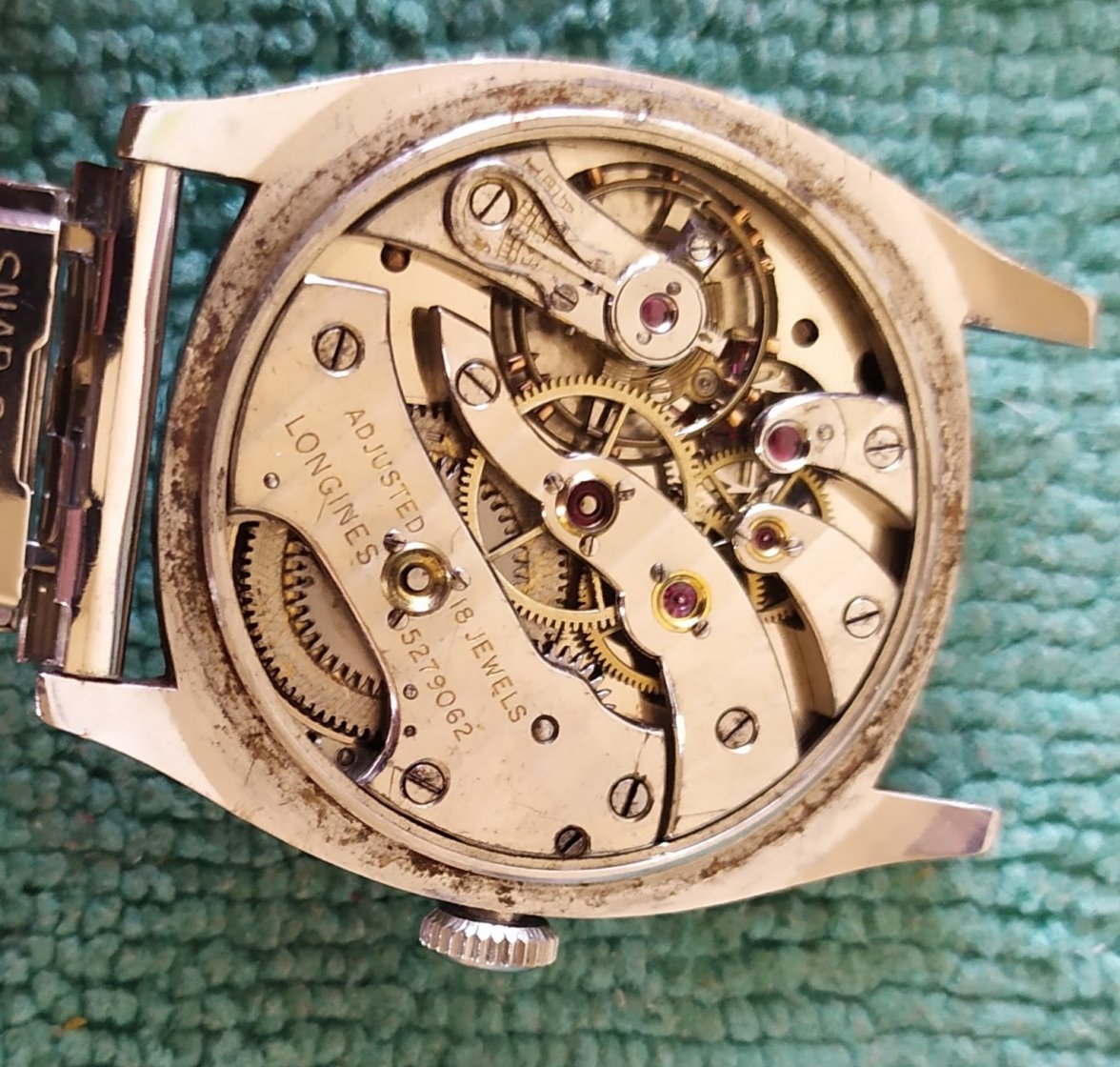
As stated above, the dial has been refinished. On the other hand, the case is a nice design and the movement is a high grade version of the caliber 12.92, with 18 jewels (as you noted), screwed jewel settings, and a polished steel cap on the escape wheel cock.
 
Posts
103
Likes
96
The two-tone dial is a cool design, even if is refinished. I'd also be interested to see more information on the case. And, I'd argue you could still call it a sector dial if you like. It's not what first comes to mind for a sector dial, but it has concentric circles and sectors, albeit small, between hours markers and minute track.
 
Posts
374
Likes
344
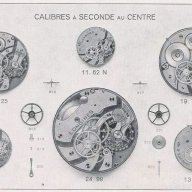
I am amazed at how long I can just sit and stare and Longines movements. I think this was manufactured around the time that the movement design was the same but they made it in different sizes (I think?). I have an old Longines Watch movement book with pictures (DirtyDozen has a picture from it in their avatar) and that is what I recall.
 
Posts
322
Likes
858
The two-tone dial is a cool design, even if is refinished. I'd also be interested to see more information on the case. And, I'd argue you could still call it a sector dial if you like. It's not what first comes to mind for a sector dial, but it has concentric circles and sectors, albeit small, between hours markers and minute track.

I would call it more a bulls-eye dial and I wonder if it really is a Longines case, never seen such one, but who knows 😕?
 
Posts
7,651
Likes
21,959
I would call it more a bulls-eye dial and I wonder if it really is a Longines case, never seen such one, but who knows 😕?
I’ve seen a similar looking Longines case.
Got outbid on it but I wasn’t bidding very high that day😉.
 
Posts
322
Likes
858
I’ve seen a similar looking Longines case.
Got outbid on it but I wasn’t bidding very high that day😉.
OK, still here to learn 😉
 
Posts
499
Likes
745
Thanks very much for your comments.

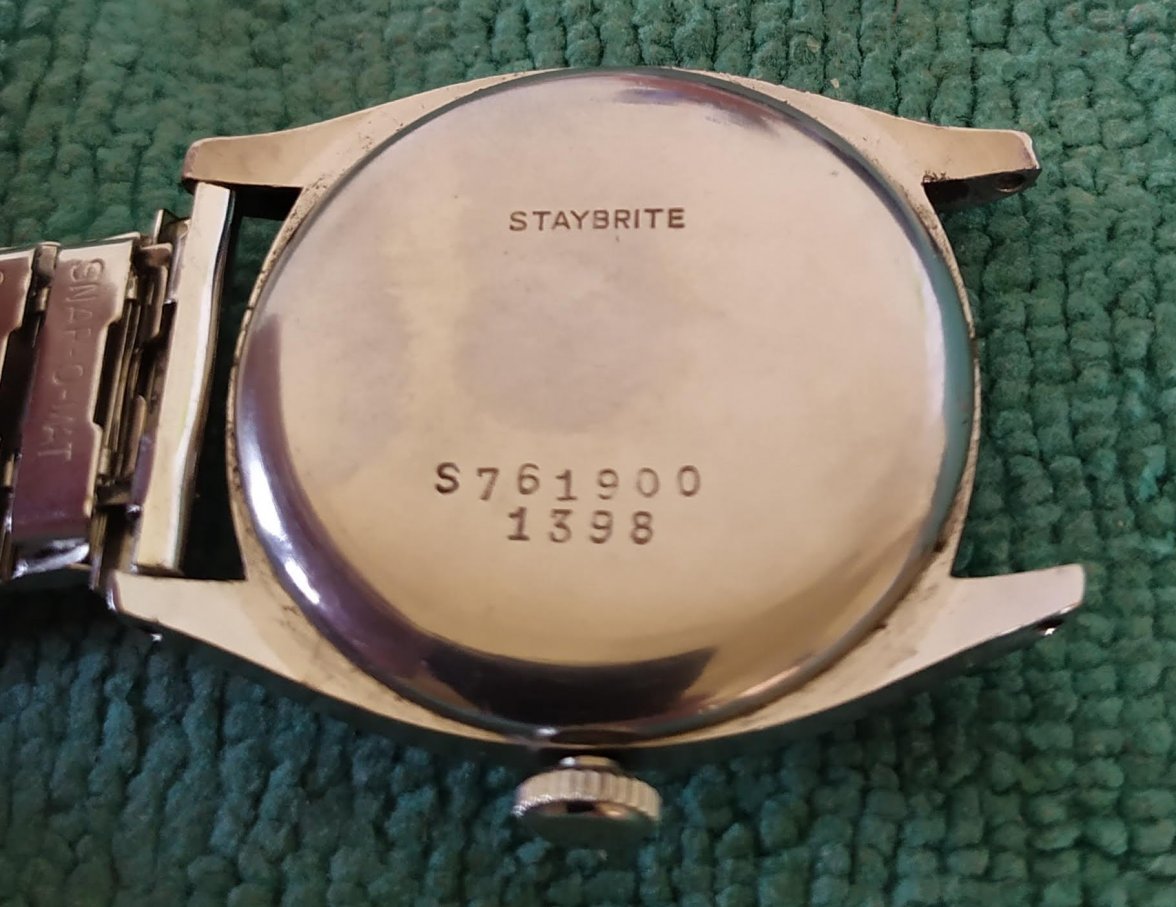
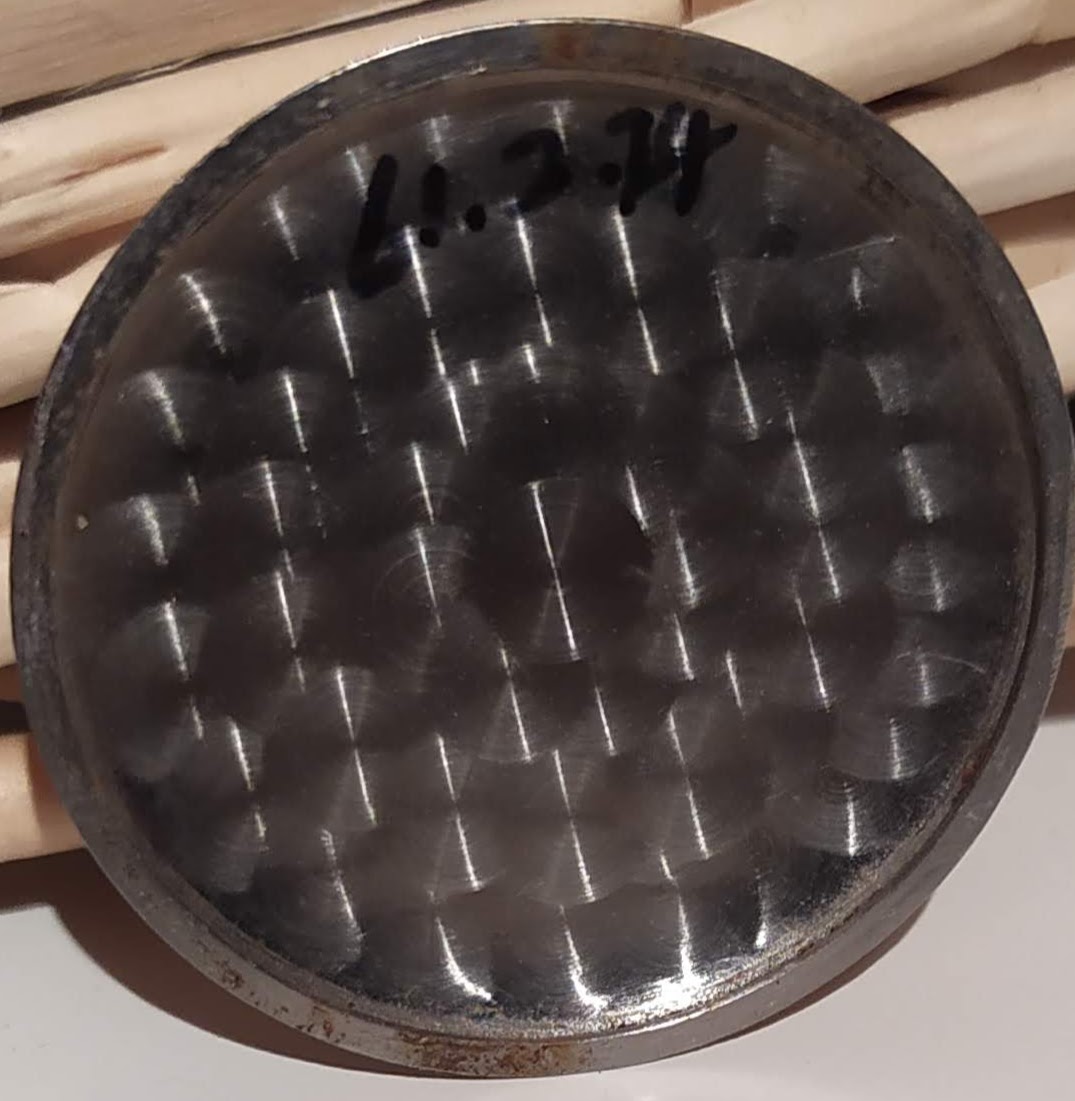
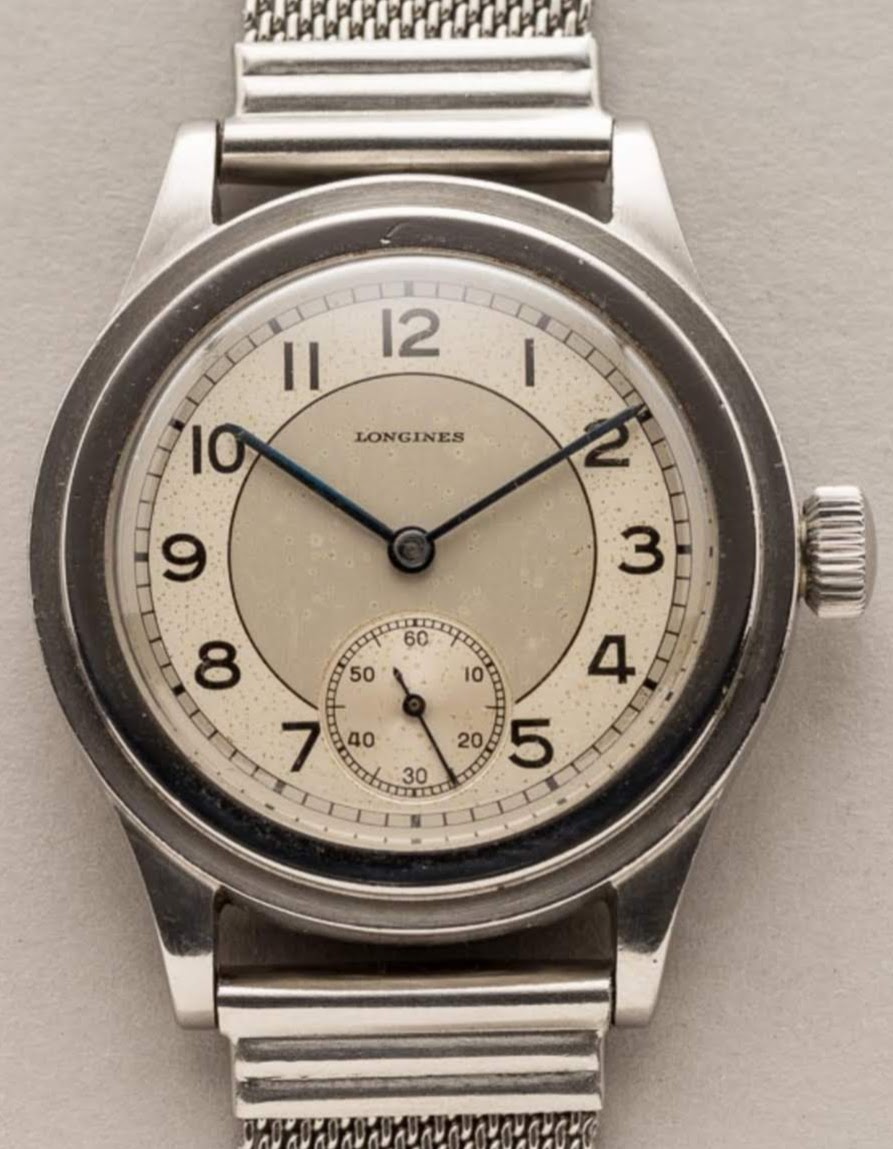
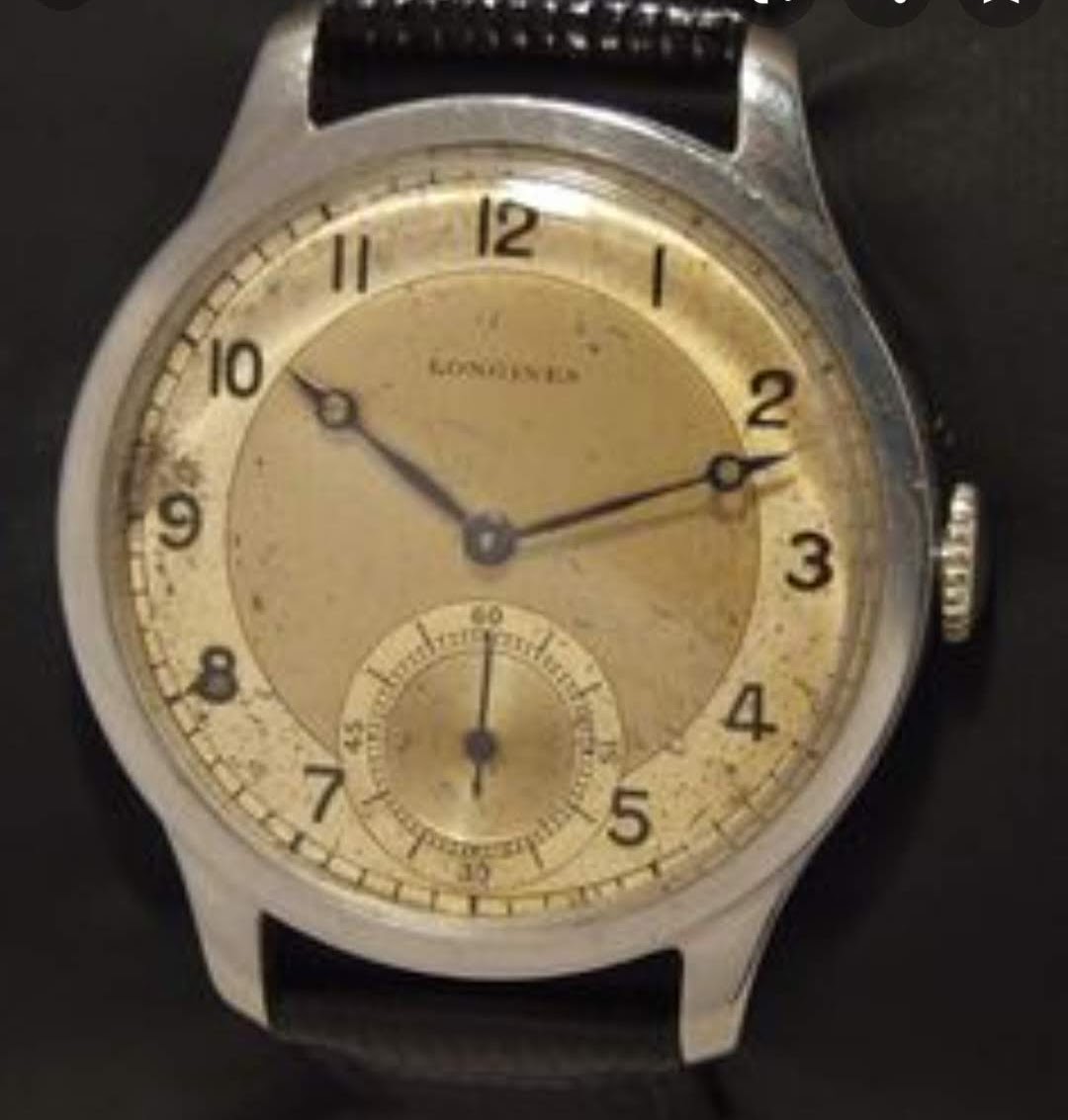
I contacted Longines and they confirmed that watch was supplied without a case to the import agent and the case was produced locally under license from Longines. I don't think this was unusual during the 1930s. See photos below of the Staybrite case.

I thought the dial could be original given the patina and some other dial designs from the period (see some examples below). I have seen quite a few photos of Longines dials from the 1930s that appear to be fairly unique, in that I cannot find photos of other watches with the same dial. So far I haven't even been able to find another watch with the exact same movement; 18 jewels, adjusted and with the decorative finish such as Geneva stripes etc.

Edited:
 
Posts
2,823
Likes
4,928
Thanks for posting photos of the case. May I ask which country the watch was originally sent to, as per Longines' extract. It is not especially common to find Longines in locally produced steel cases. One exception is Dennison steel cases for the UK market from the 1940s.

The sub-dial and especially the signature are clear giveaways that the dial has been refinished. It takes time to become familiar with the myriad fonts/sub-dial patterns used on original dials but you will see that this one is not quite right, eventually.
 
Posts
7,651
Likes
21,959
Thanks for posting those, I too would be really interested in knowing which country this watch was sold to.
Considering the beautiful finish of the movement I wonder if it was initially intended to be cased in a precious metal like gold...
Whatever the reason I really like the case, even though it’s a local. The overall dial pattern is not especially unusual, many dials of the era followed common designs and patterns across brands— very few designs were unique, this isn’t what I’d call one of them.
Could be interesting to keep an eye out for a 12.92 donor with an original dial but I wouldn’t worry too much about it either as it may be a long shot
 
Posts
499
Likes
745
According to Longines: "It was invoiced on 16 May 1935 to the company Hattori, which was at that time our agent for Japan".

I purchased the watch from a Japanese seller.
 
Posts
2,823
Likes
4,928
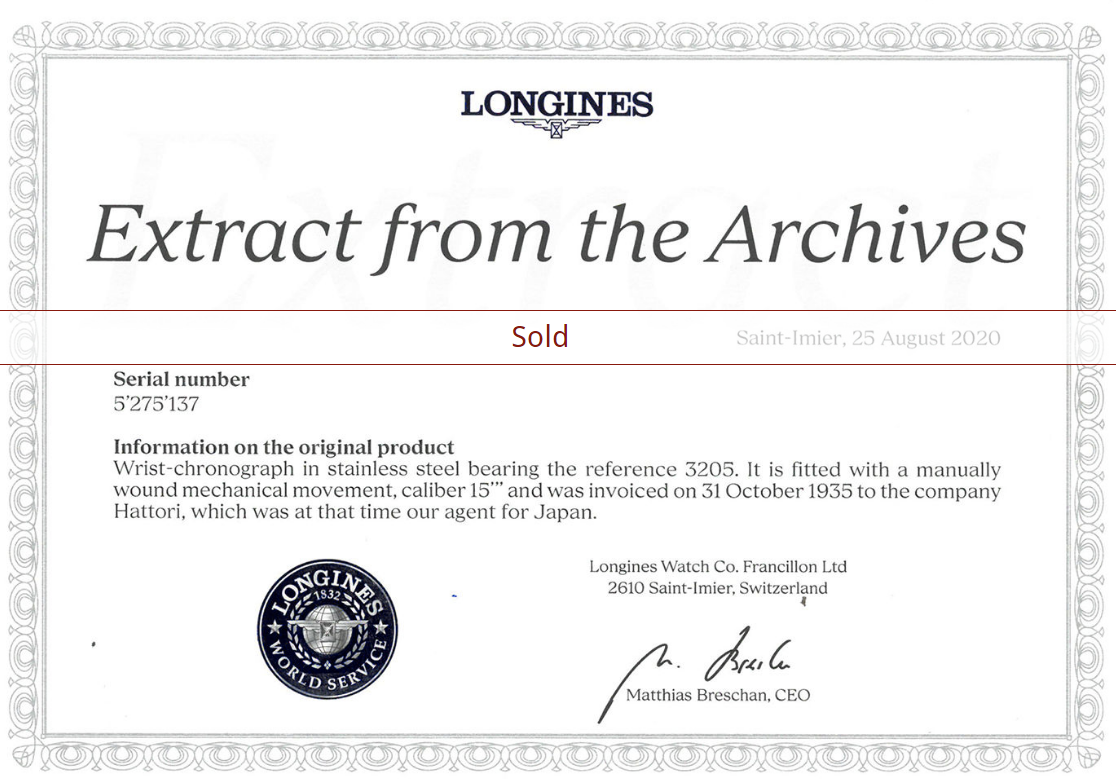
Given that Longines was sending steel watches to Japan during this period (see one extract below), I am surprised by the non-Longines case of your example. Maybe @Syrte is right that the movement was originally intended to be placed in a precious metal case, which was subsequently melted. On the other hand, finding a steel case of a 1930s design that would fit a caliber 12.92 seems a difficult task.

 
Posts
7,651
Likes
21,959
finding a steel case of a 1930s design that would fit a caliber 12.92 seems a difficult task.
]
Agreed and so there may have been a special client request for a steel case instead of the original or intended gold case. we can’t entertain that kind of reasoning for every odd situatiin but here we cannot rule it out.
Still an oddball watch but a pleasant looking one.
 
Posts
513
Likes
956
According to Longines: "It was invoiced on 16 May 1935 to the company Hattori, which was at that time our agent for Japan".

I purchased the watch from a Japanese seller.
A little trivia.
Hattori Watch Store is now Seiko Holdings Corporation.
 
Posts
499
Likes
745
Interesting, the case does look similar

Edited: