- Posts
- 1,957
- Likes
- 25,759
allwoundup
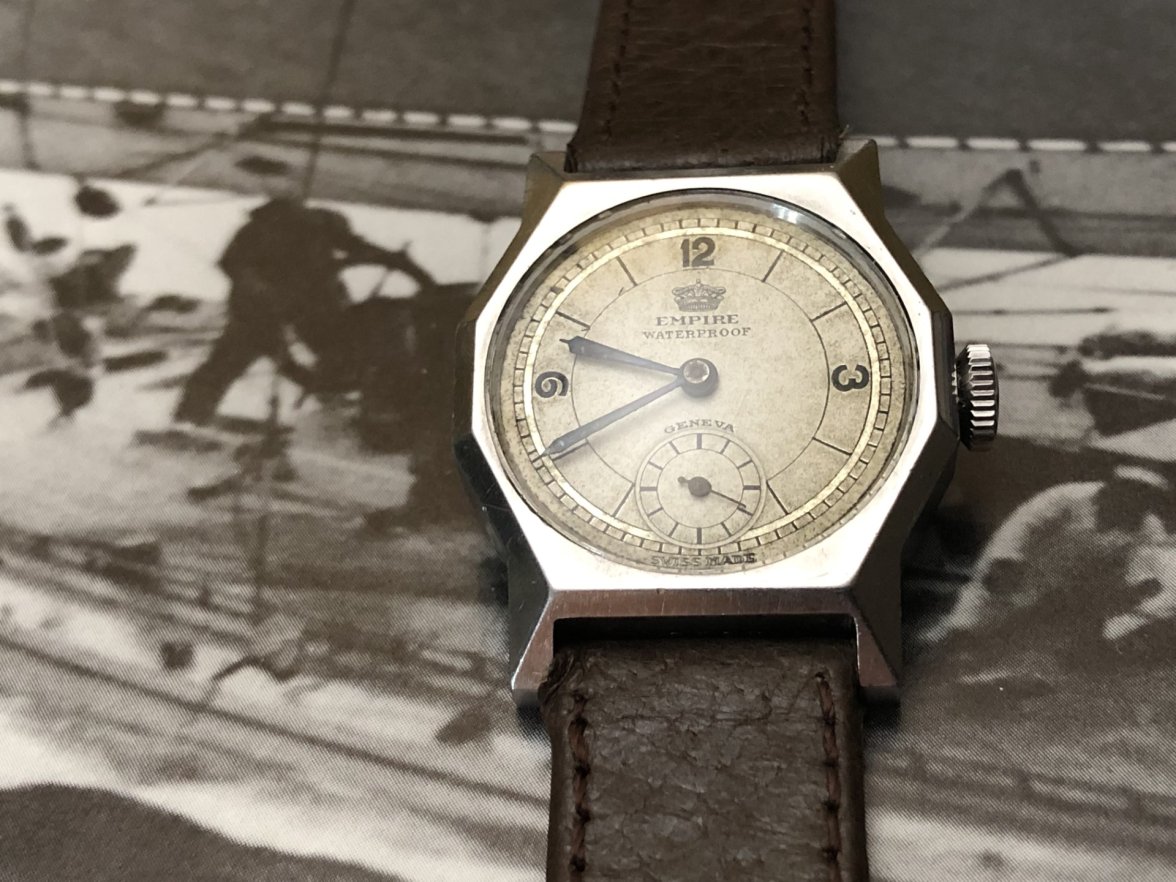
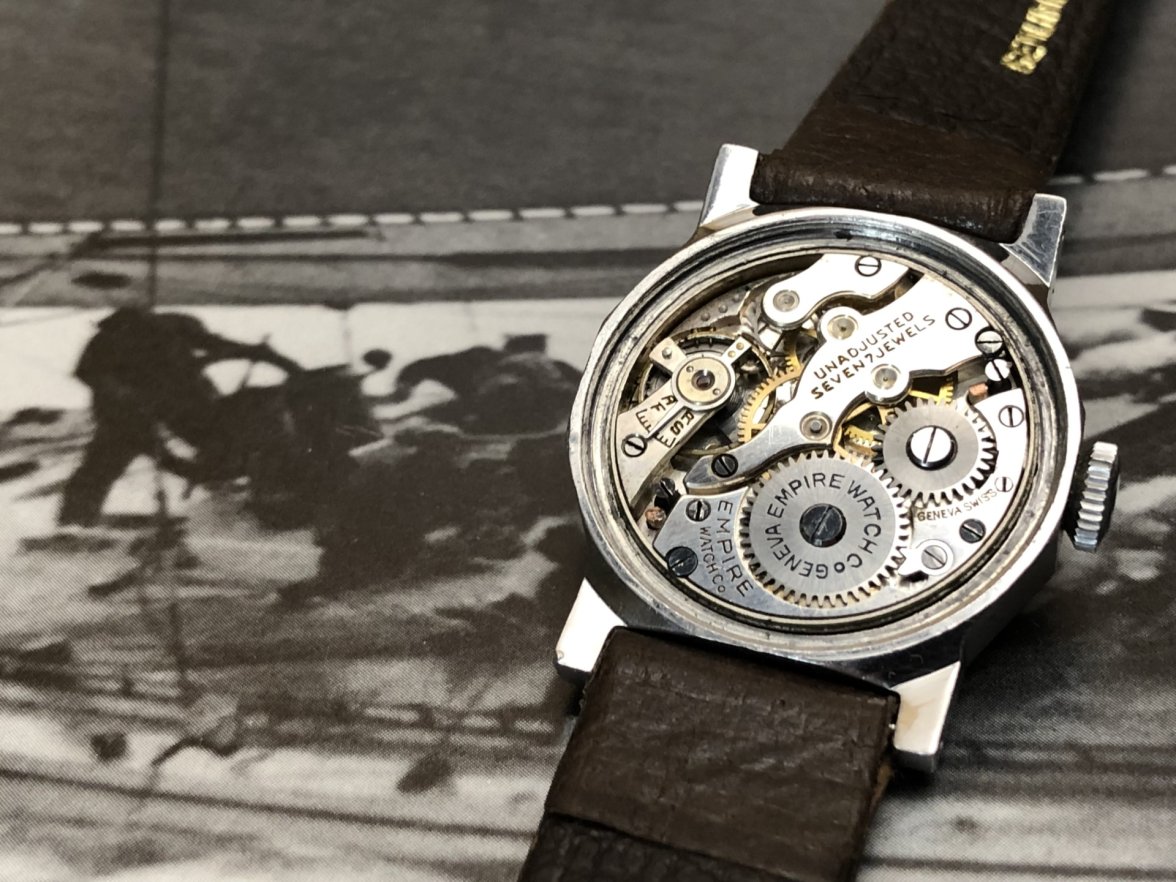
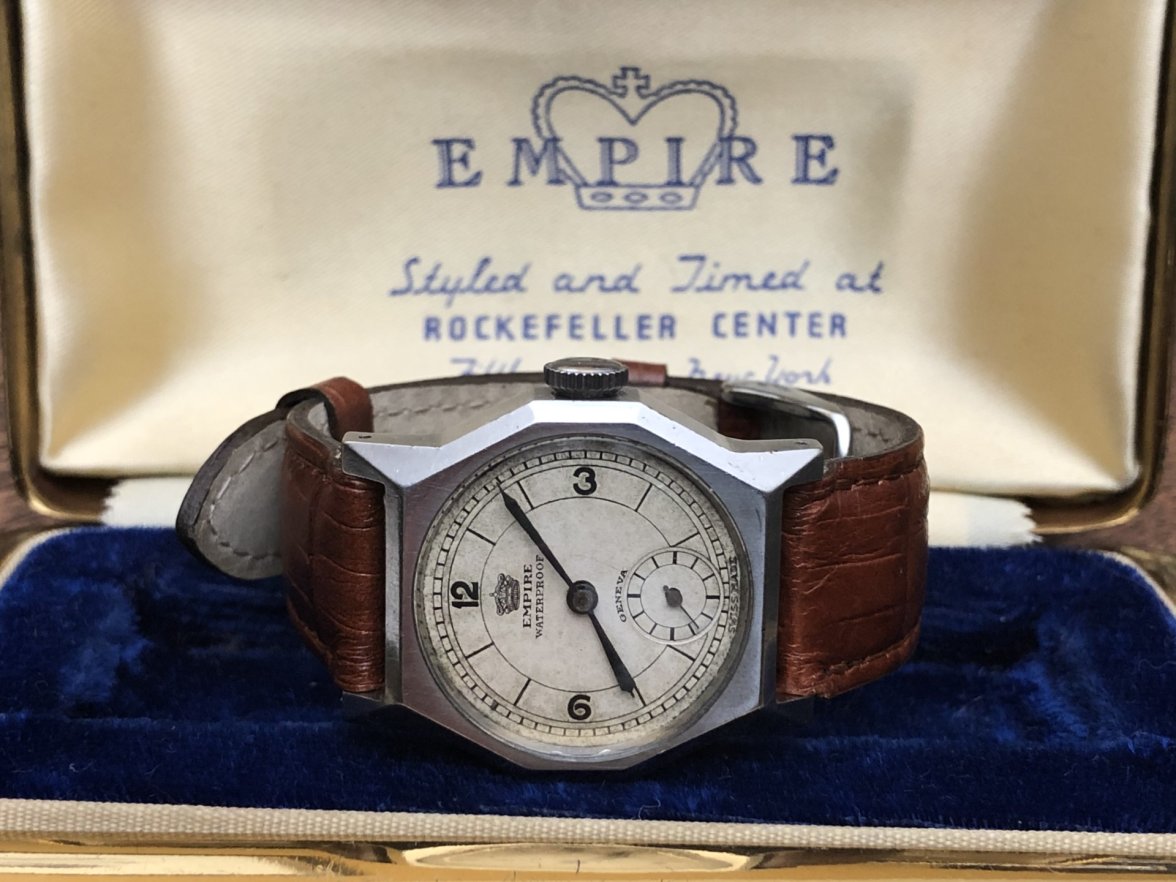
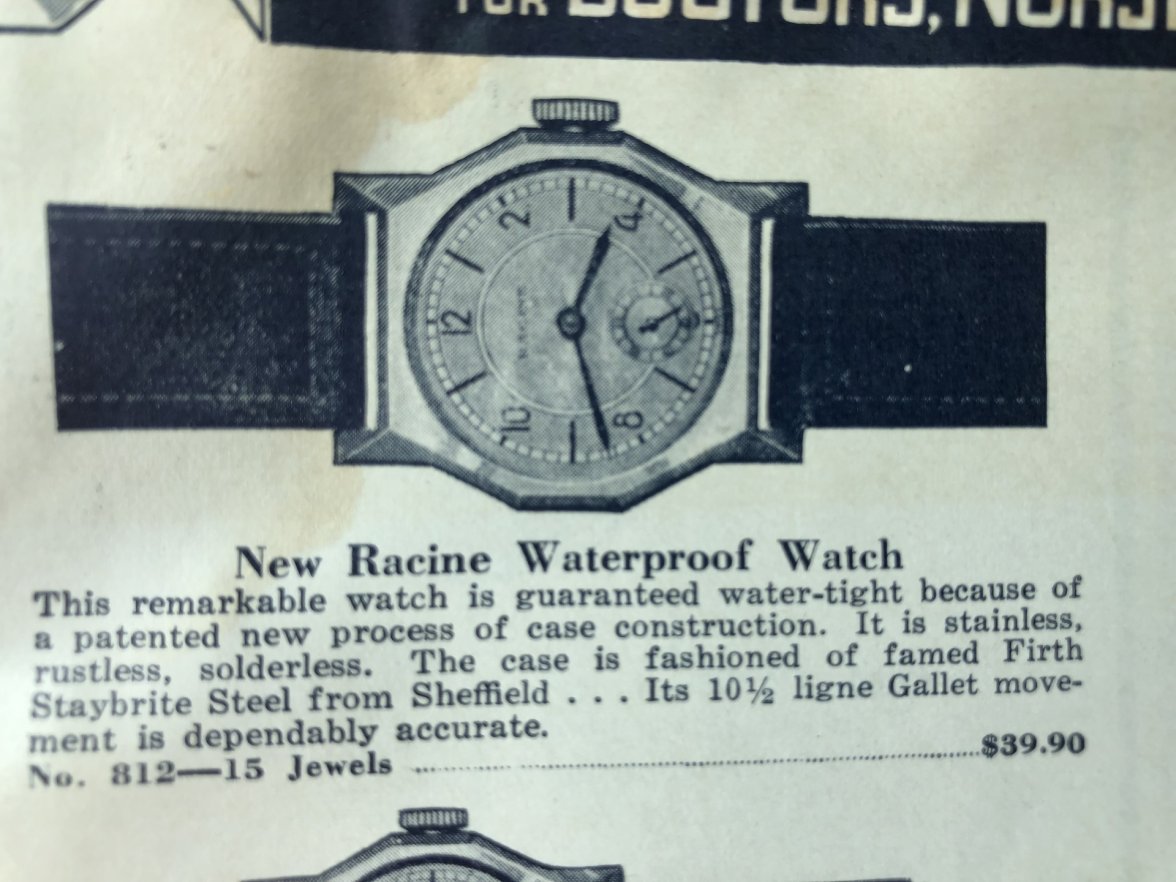
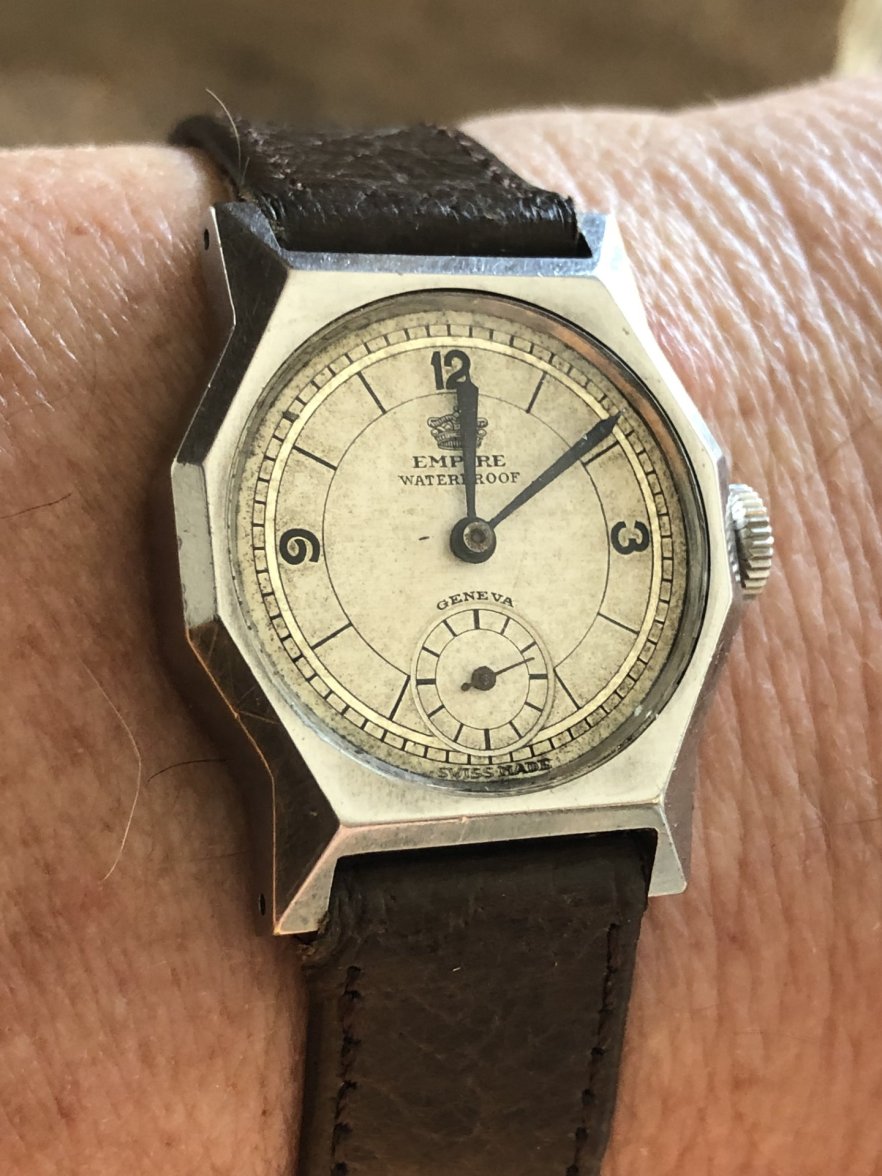
·The heavens here in the Garden State can't decide if it is snowing, raining, or sleeting....so I am going with this Empire blast from the past making use of a Taubert & Fils milestone "waterproof" case developed in the mid-1920s.
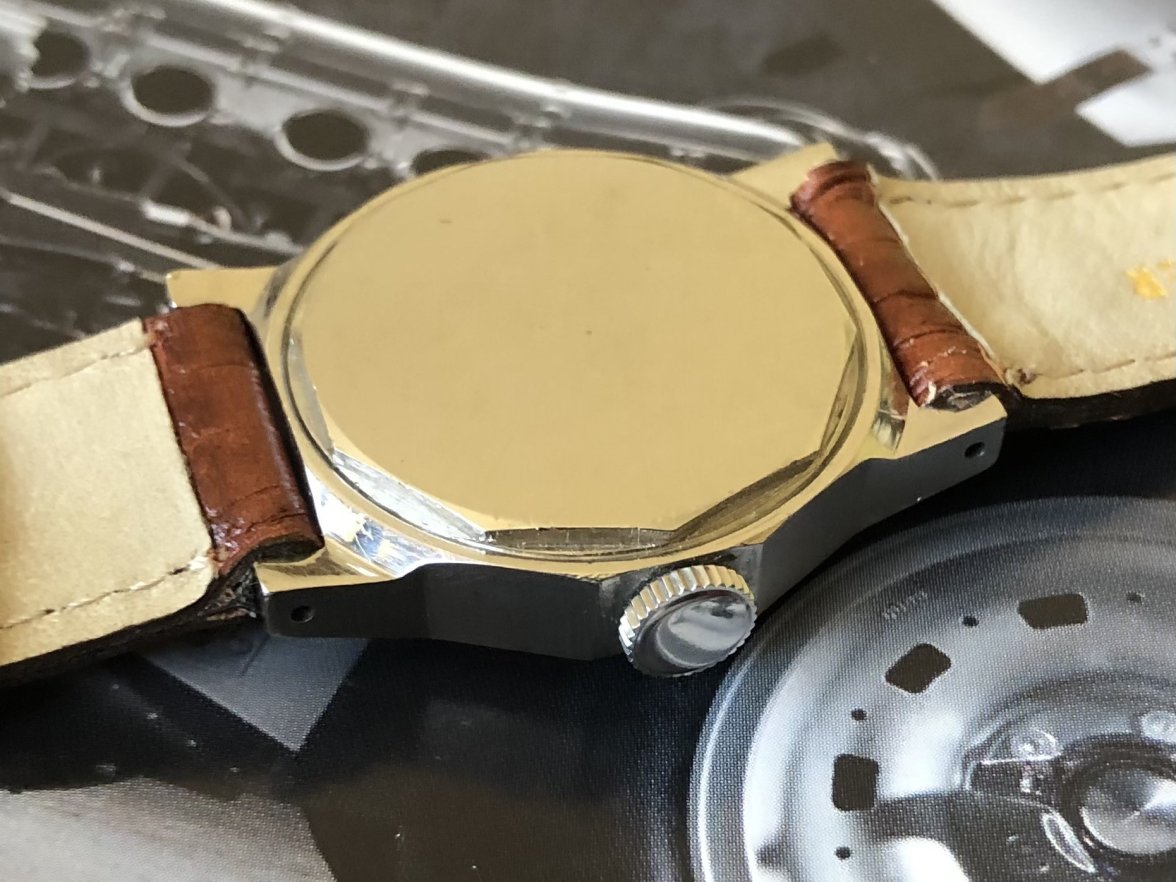
Taubert was a pioneer in precision machining stainless steel, which allowed it to build a case with a screw-down case back capable of being torqued down creating a tight seal. Taubert used a trademark decagonal case back that allowed the use of virtually any wrench to open and close the case back. The decagonal screw-down case back combined with a lead gasket and specially treated cork gasket through which the winding stem passed made for an effective and long-lived "waterproof" case design.
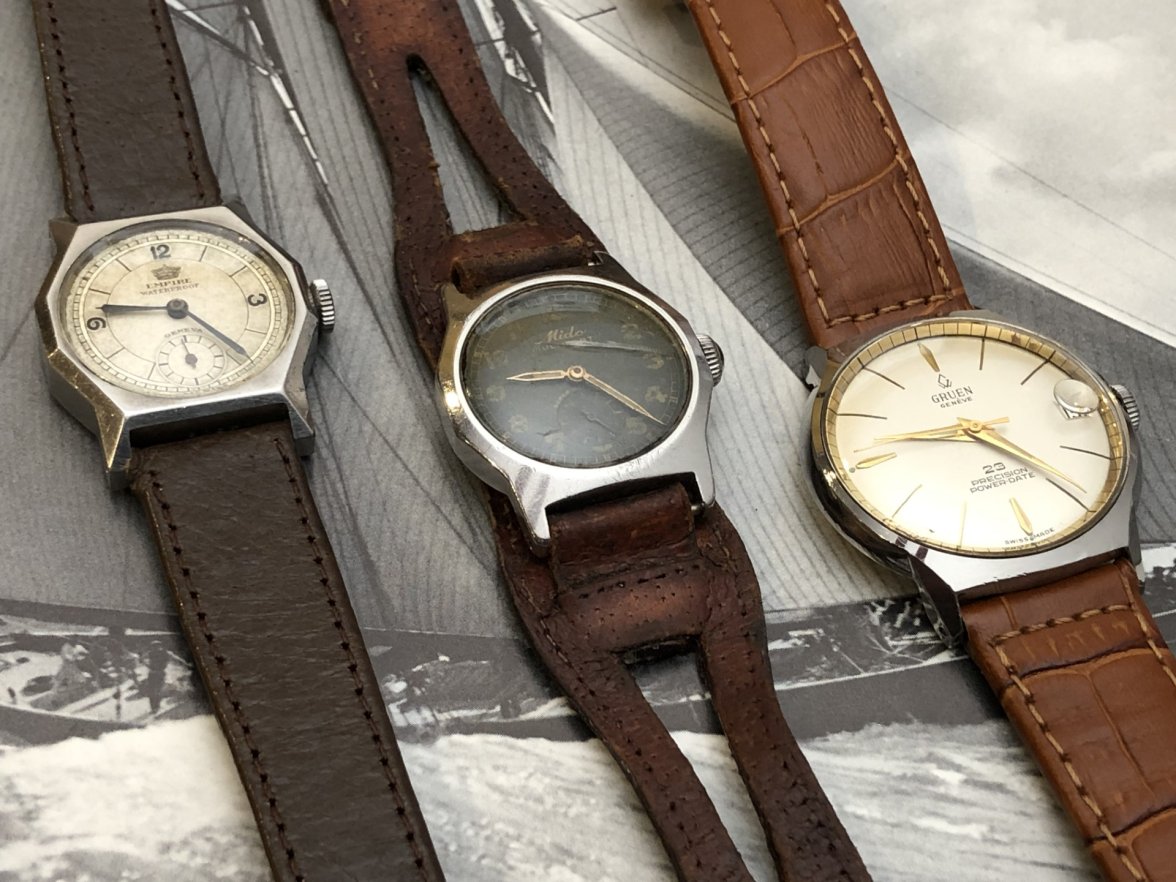
Taubert was purchased by Borgel in the late 1920s. Borgel continued use of the Taubert logo of a hand holding a watch head -- typically found inside the case back. This case design was used by many watch manufacturers, including many high-end manufacturers. The case design evolved from this very angular example to more rounded examples used by companies such as Mido in the 1940s and Gruen in the 1960s. They all make use of the decagonal screw-down case back.
Cheers!
Taubert was a pioneer in precision machining stainless steel, which allowed it to build a case with a screw-down case back capable of being torqued down creating a tight seal. Taubert used a trademark decagonal case back that allowed the use of virtually any wrench to open and close the case back. The decagonal screw-down case back combined with a lead gasket and specially treated cork gasket through which the winding stem passed made for an effective and long-lived "waterproof" case design.
Taubert was purchased by Borgel in the late 1920s. Borgel continued use of the Taubert logo of a hand holding a watch head -- typically found inside the case back. This case design was used by many watch manufacturers, including many high-end manufacturers. The case design evolved from this very angular example to more rounded examples used by companies such as Mido in the 1940s and Gruen in the 1960s. They all make use of the decagonal screw-down case back.
Cheers!