Please consider donating to help offset our high running costs.
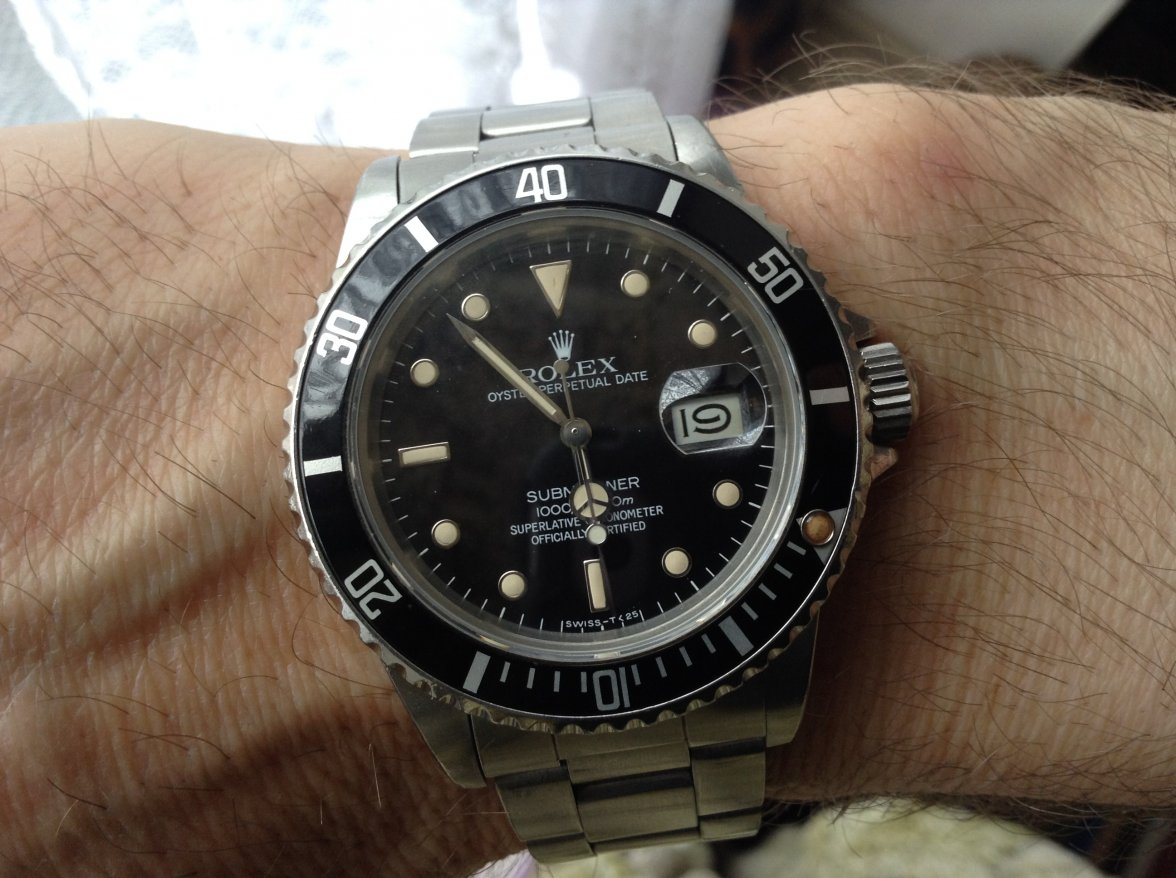
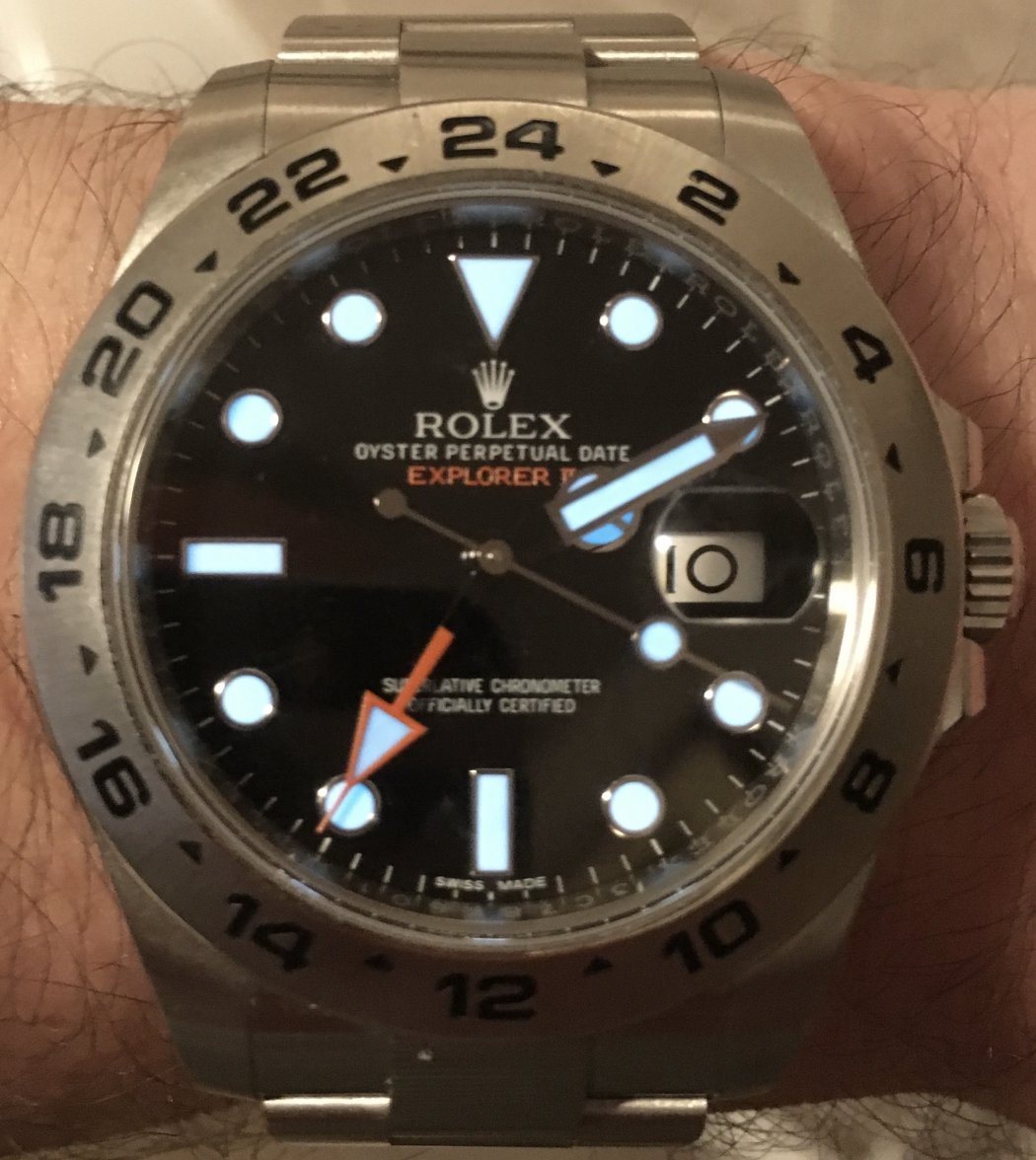
My every day watch has a date, because as I get older I need to refer to it more often.....
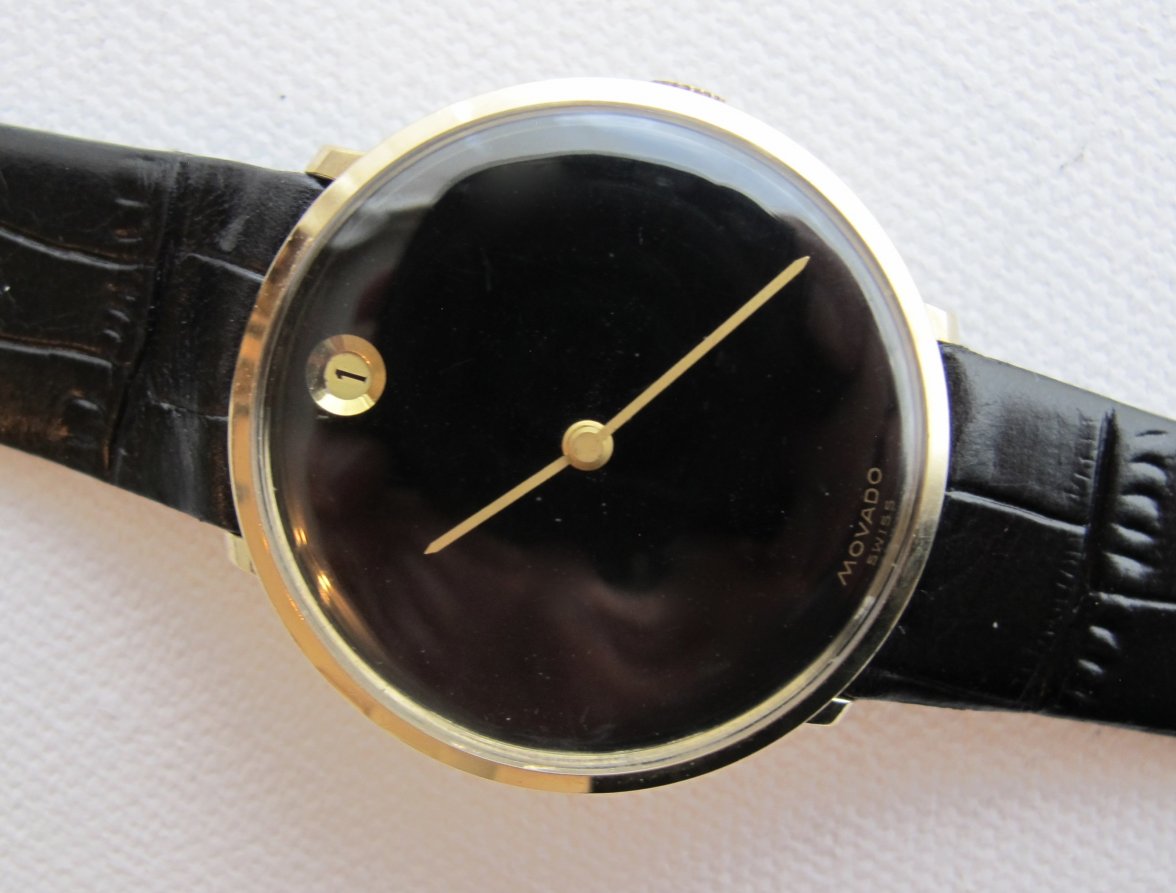
I prefer dress watches not to have date because the design is generally cleaner. This one however gets away with it. (Zenith movement cal 2552C in 14k gold, circa 1970).
My every day watch has a date, because as I get older I need to refer to it more often.....
I prefer dress watches not to have date because the design is generally cleaner. This one however gets away with it. (Zenith movement cal 2552C in 14k gold, circa 1970).
Dang thats nice! Is that considered a museum watch? It seems to predate them, o is that what the museum watch is based on?
Yes it is the Museum watch, designed in 1947 and selected in 1960 for the permanent design collection of the Museum of Modern Art, New York, (the first watch dial awarded this distinction), after which the watch became known internationally as the Museum Watch.
The gold sphere at 12 is standard, but in this version Movado/Zenith cleverly incorporated a calendar. I can't stand the modern iterations of this classic design because they are not well proportioned, if not downright ugly, but this vintage version ticks all the boxes for me.
On a dressy watch only worn on special occasions, a non-quickset date is a pain. Add to the mix a crown which is ridiculously difficult to operate and you have pure, undiluted Hell.
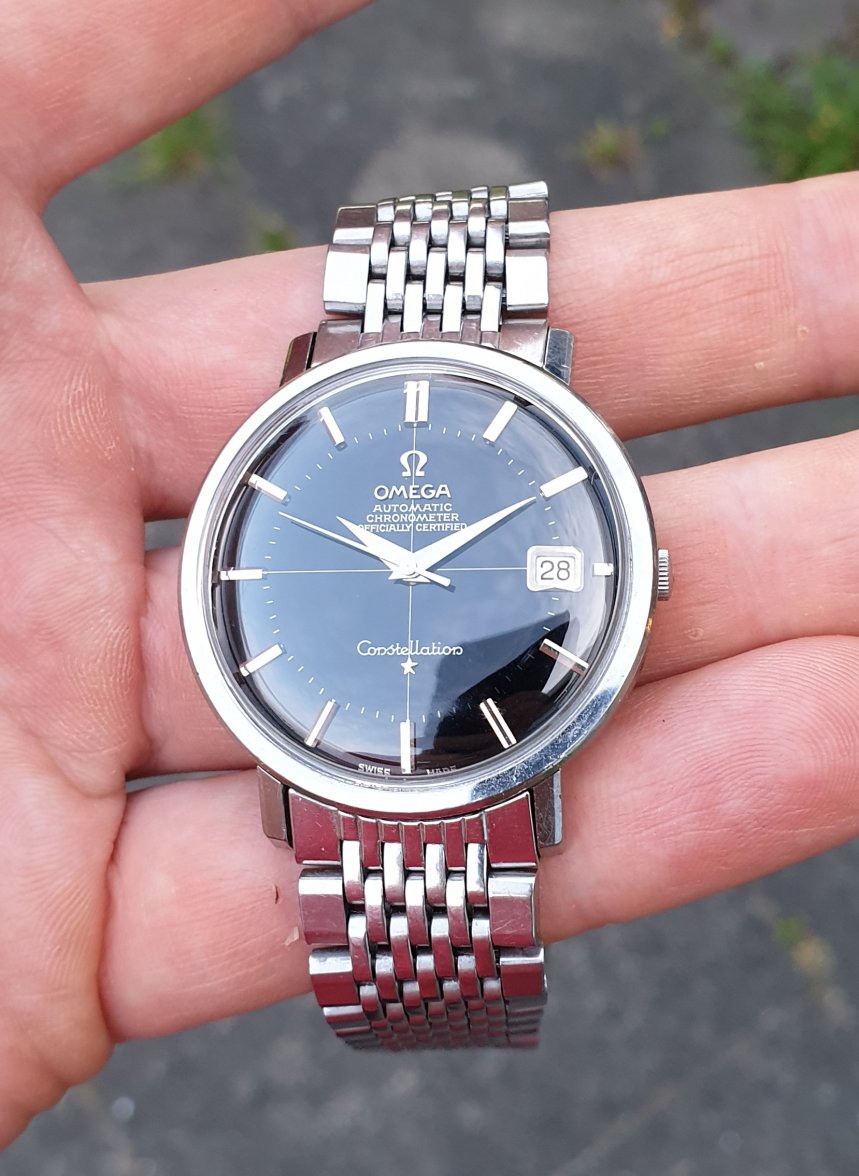
I present to you the cal. 561 Omega Constellation 168.004.
No, the crown doesn't come further out 🤦
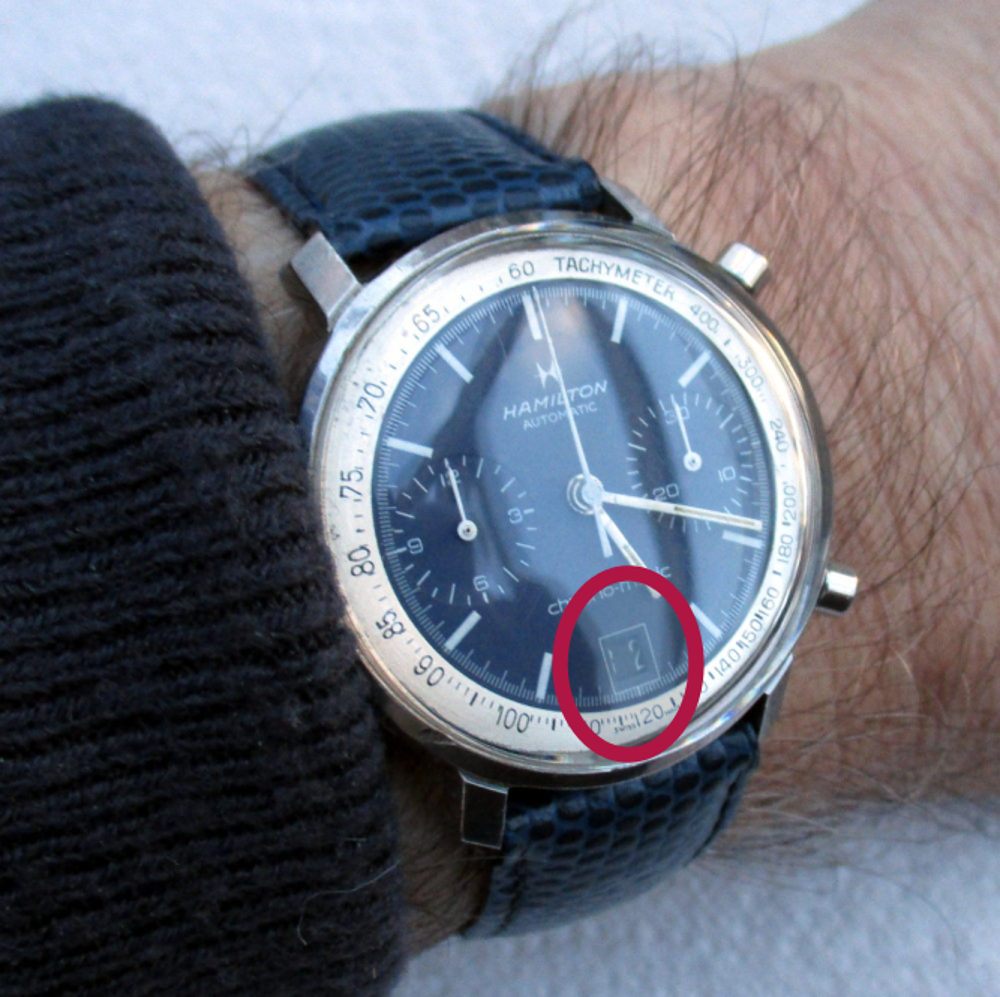
Beyond the mentioned inconveniences of setting the dates every time to decide to wear a watch you don't wear everyday there's the added likelyhood of a calendar malfunction increasing the difficulty and expense of bringing a vintage watch back to life.
I get the impression that in some cases a vintage movement might be repaired using parts from later movements based on the design, or from watches of other brands that used the same or similar ebauche . Calendar (wheels ?) seem less easily found in usable condition and more likely to bear different fonts than the original.
The plastic wheels look to be non repairable, they must be replaced.
Also if a watch has just begun to show signs of slowing down due to a weak spring or the lube aging the calendar puts enough stress on the system that it will be the first to fail, no longer changing the date or bogging down the movement and causing a unnecessary headache in the morning.
I suspect that calendar movements are a hair less accurate than otherwise identical non calendar movements even when in excellent condition. Though I'm sure this would be difficult to prove.
I agree with the symmetry and convenience factor. However I still prefer a watch with a date window as long as it's tastefully done. It's really just personal preference.
None of this is really true, with possibly the exception of issues with plastic date indicators, which are not common.
I'm wondering why some watch enthusiasts so dislike the date function. I often hear "that's nice vintage diver; what a shame about the date."
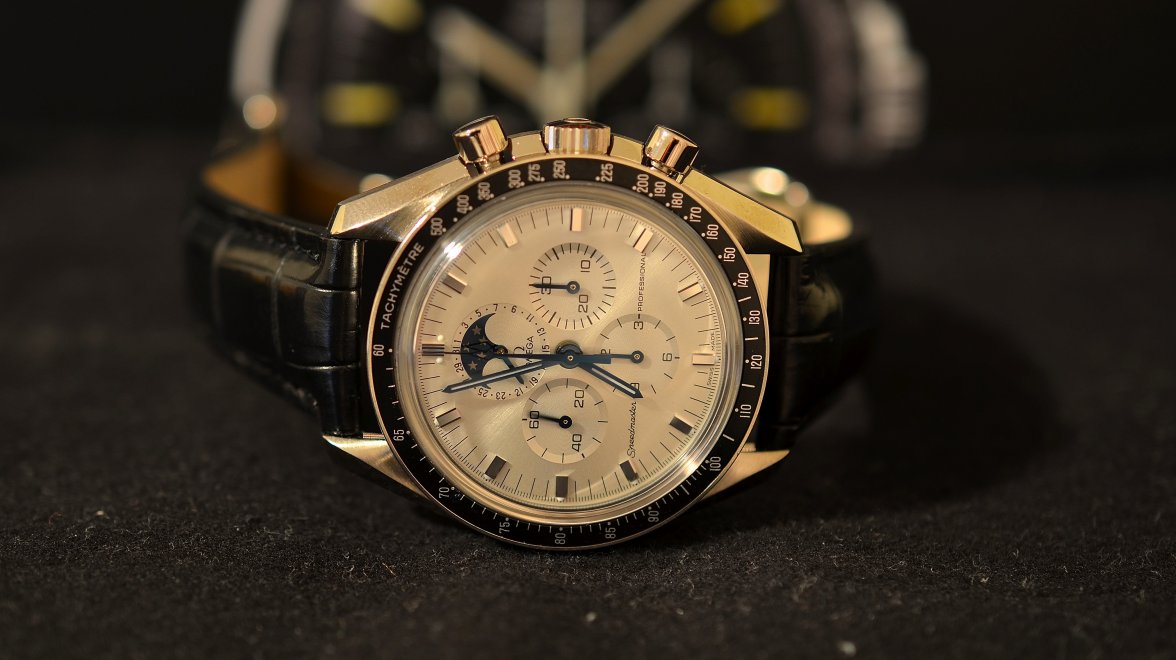
I don't really understand. IIRC all of my watches but one have a date, some have a day/date. I bought a Speedy Professional because I wanted the iconic Speedy Hesalite, not an automatic, not a special edition, not a sandwich, etc. I am very happy with this watch, but nonetheless not a day goes by where I don't miss having the date function.
Is it aesthetics? Maybe there is dissatisfaction with the asymmetry of the window, or the additional complexity or maintenance, I don't know. So, I would love to hear why the date function can be so polarizing.