Let me preface this reply by saying: I appreciate where you’re coming from and am not questioning the value of such a reply. But I am confused by this logic—which several others have applied to this thread as well. Don’t construe this as an attack. I’m sincerely asking this question, as I guess I may just have a very different approach to this sort of thing and am open to the possibility that I’m part of some fringe minority and didn’t realize it until now.
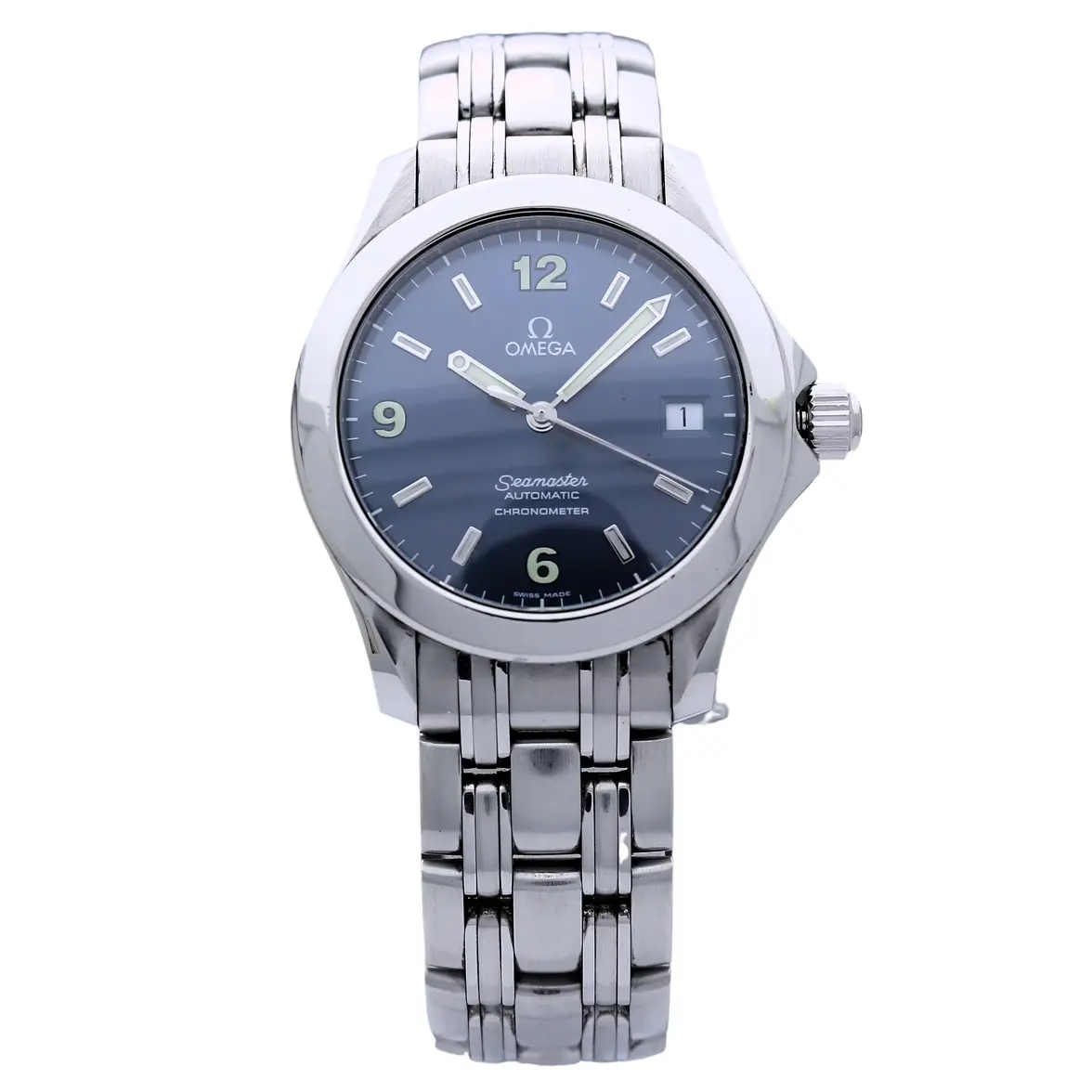
…Isn’t it a Seamaster Professional if Omega says it is, regardless of what they do in redesigning it?
After all the SMP is just a branding concept, subject to the creative whims of those who invented and marketed it. Why are we acting as though there are inviolable orthodoxies in the details just because there are certain design conventions?
I’m not trying to be cute. I do get that there is a threshold here: if Omega released a gold dress watch on a leather strap with 5m of wr and told us it’s a SMP, we’d be understandably skeptical. But there are, say, chronographs in the SMP line. And watches made from precious metals. I guess by my reckoning the baseline is that it’s meant to be a “professional” (whatever that means) dive watch. Whatever they do within that parameter, I’d see as totally consistent, even if they jettisoned other features that have been with every other iteration of the watch thus far.
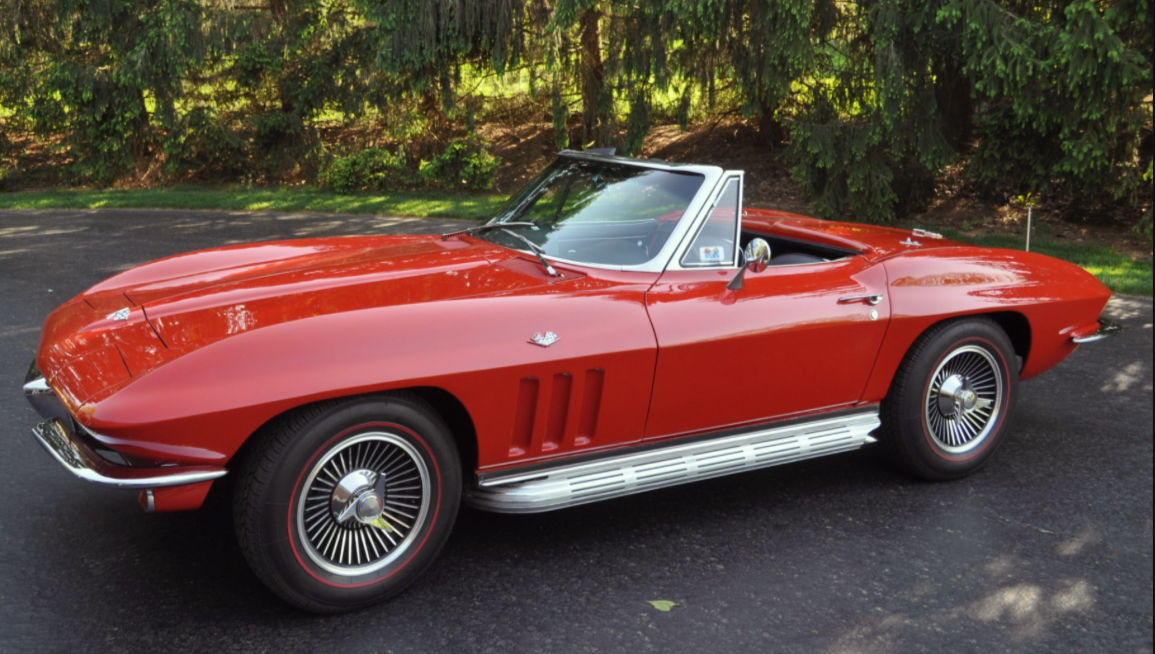
This is a Corvette.
So is this.
This is a burger.
So is this.
Brand, concept, design—these aren’t static: they evolve with time, taste, habit, etc. At least that’s how I think about things. I appreciate Omega because it’s a dynamic brand that isn’t afraid to shake things up from time to time. Obviously they’ll keep offering heritage or flagship designs like the MoonWatch that bring people into the showroom—that’s just good business. But if the Bond bracelet or the He valve are feeling a bit dated or unpopular, why should they cling to them?