- Posts
- 118
- Likes
- 67
Concorde
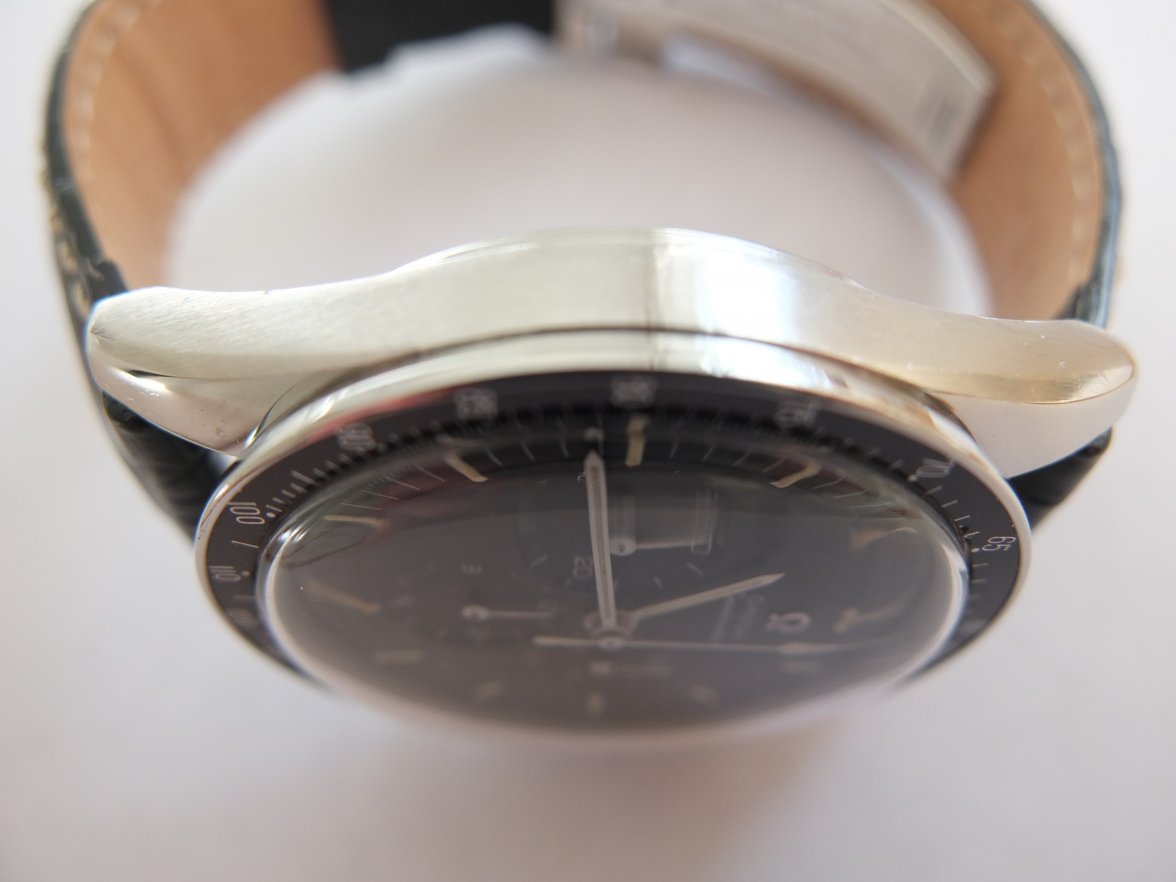
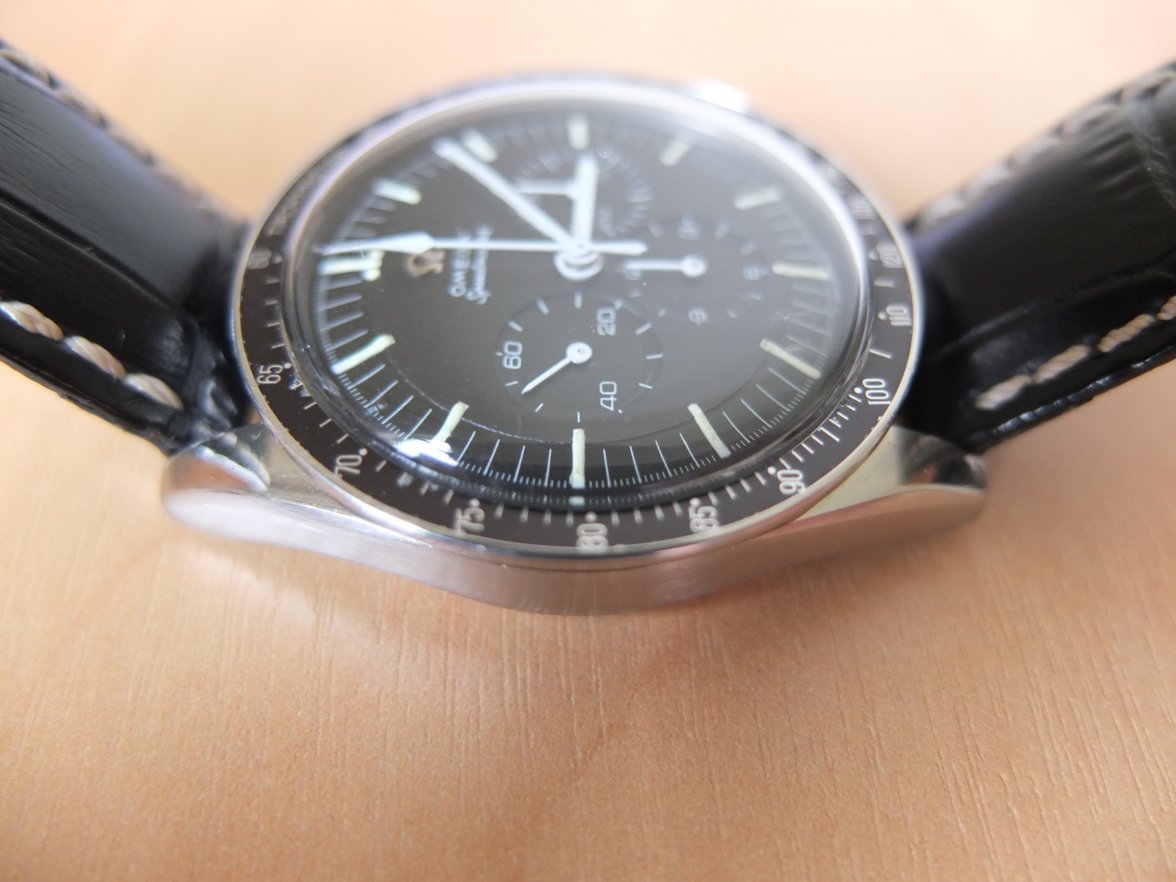
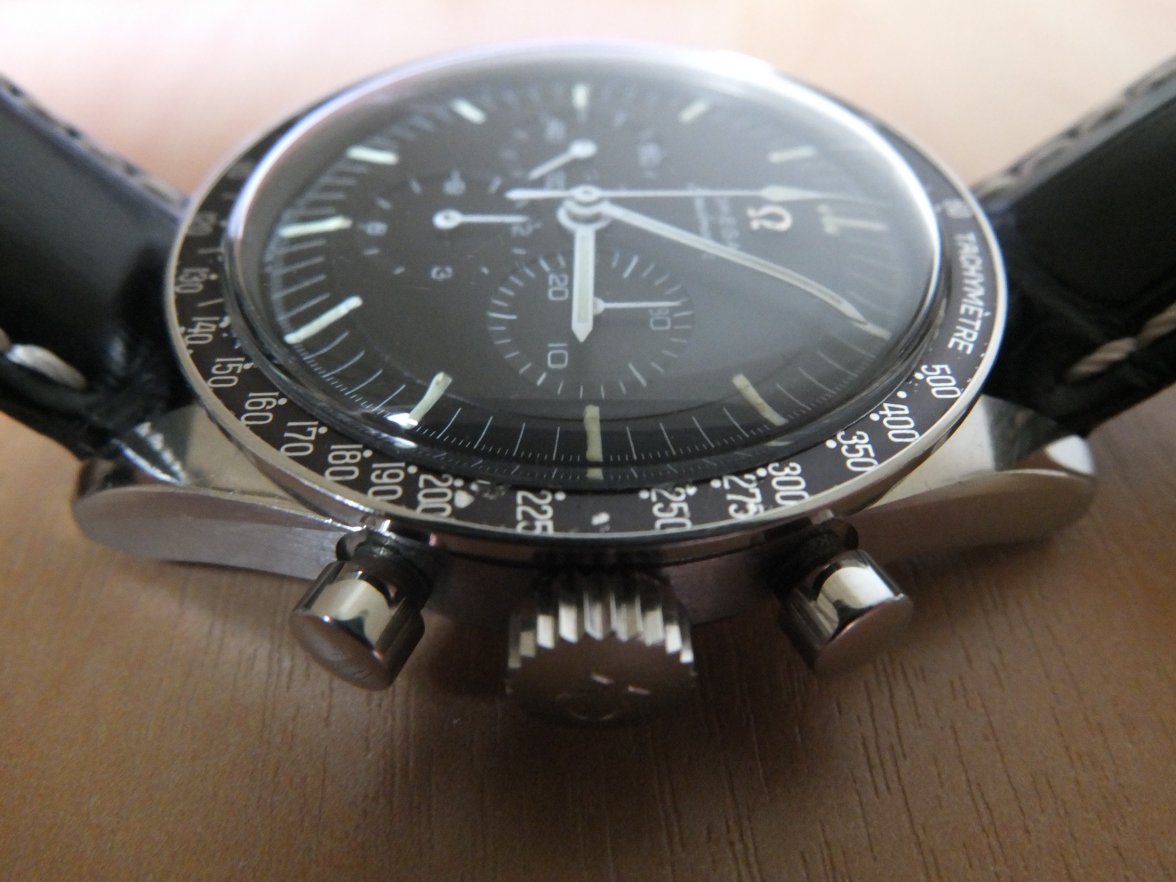
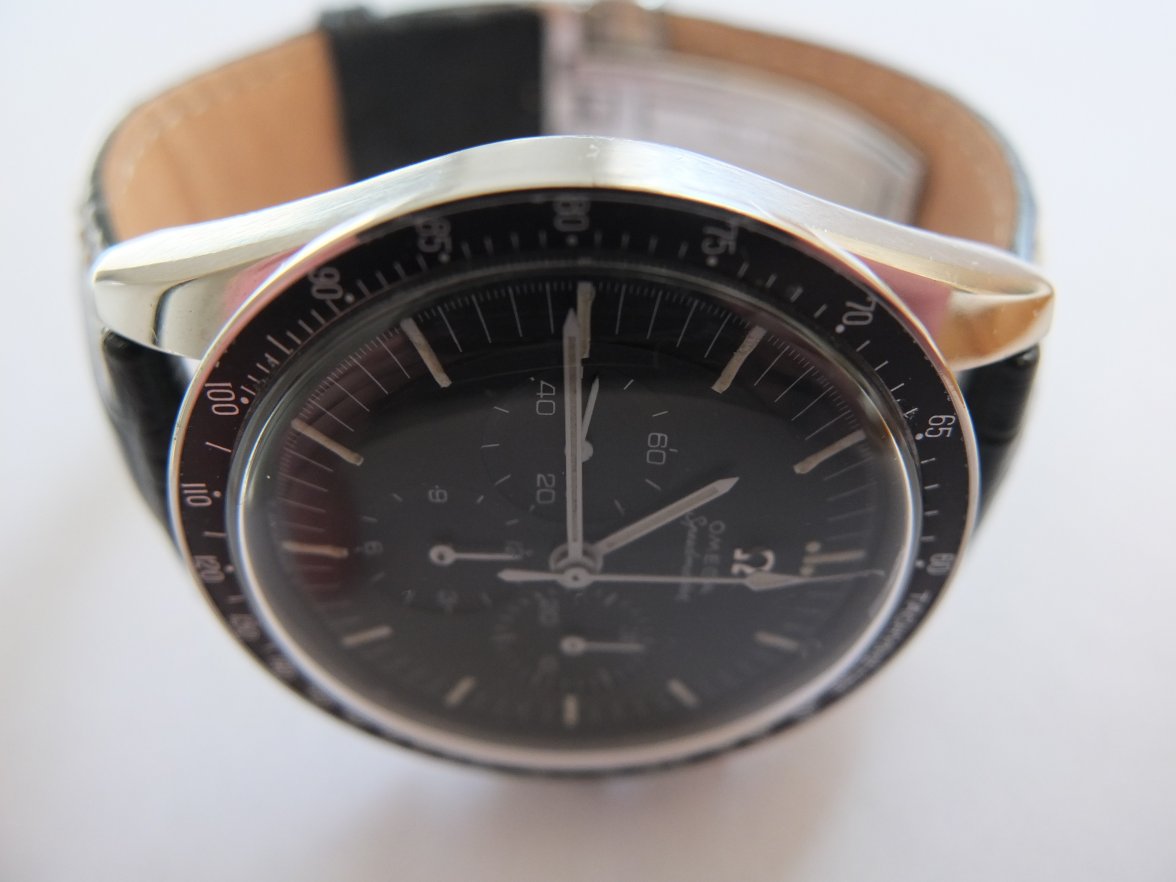
·Relumed dial + repainted and relumed hands.
Please consider donating to help offset our high running costs.

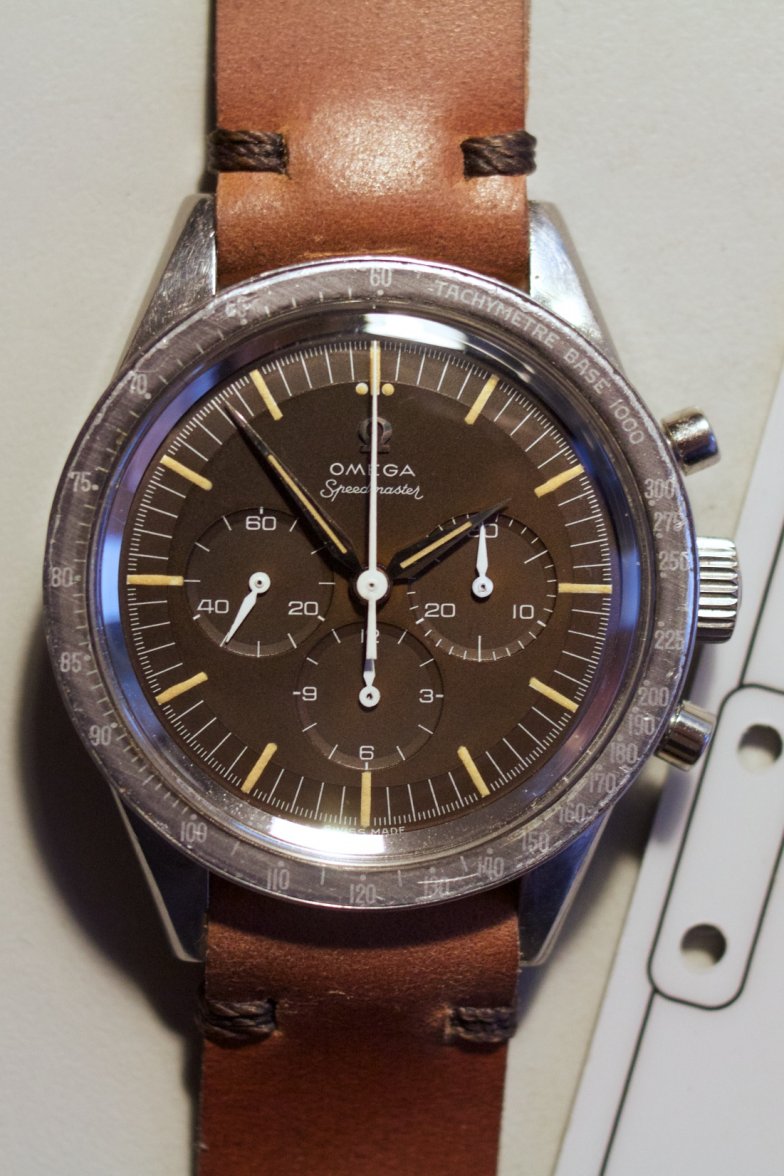
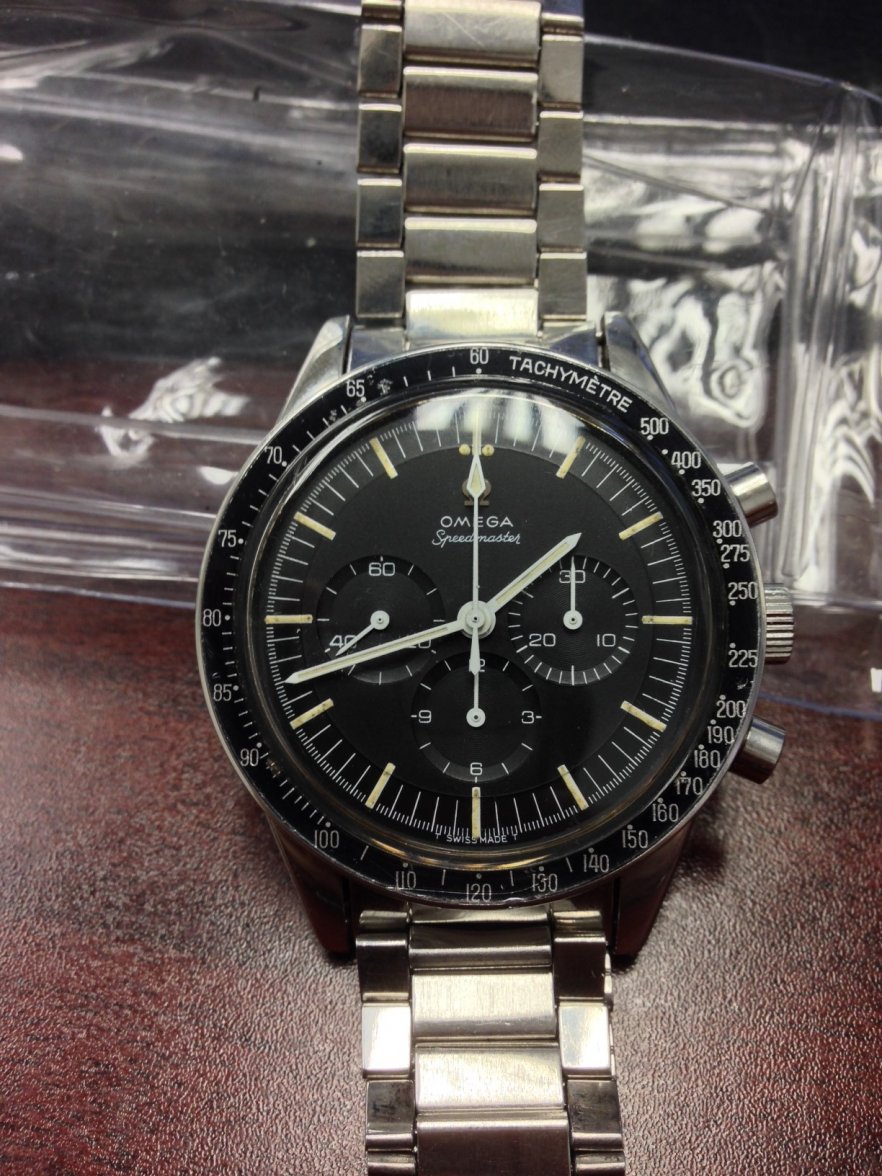
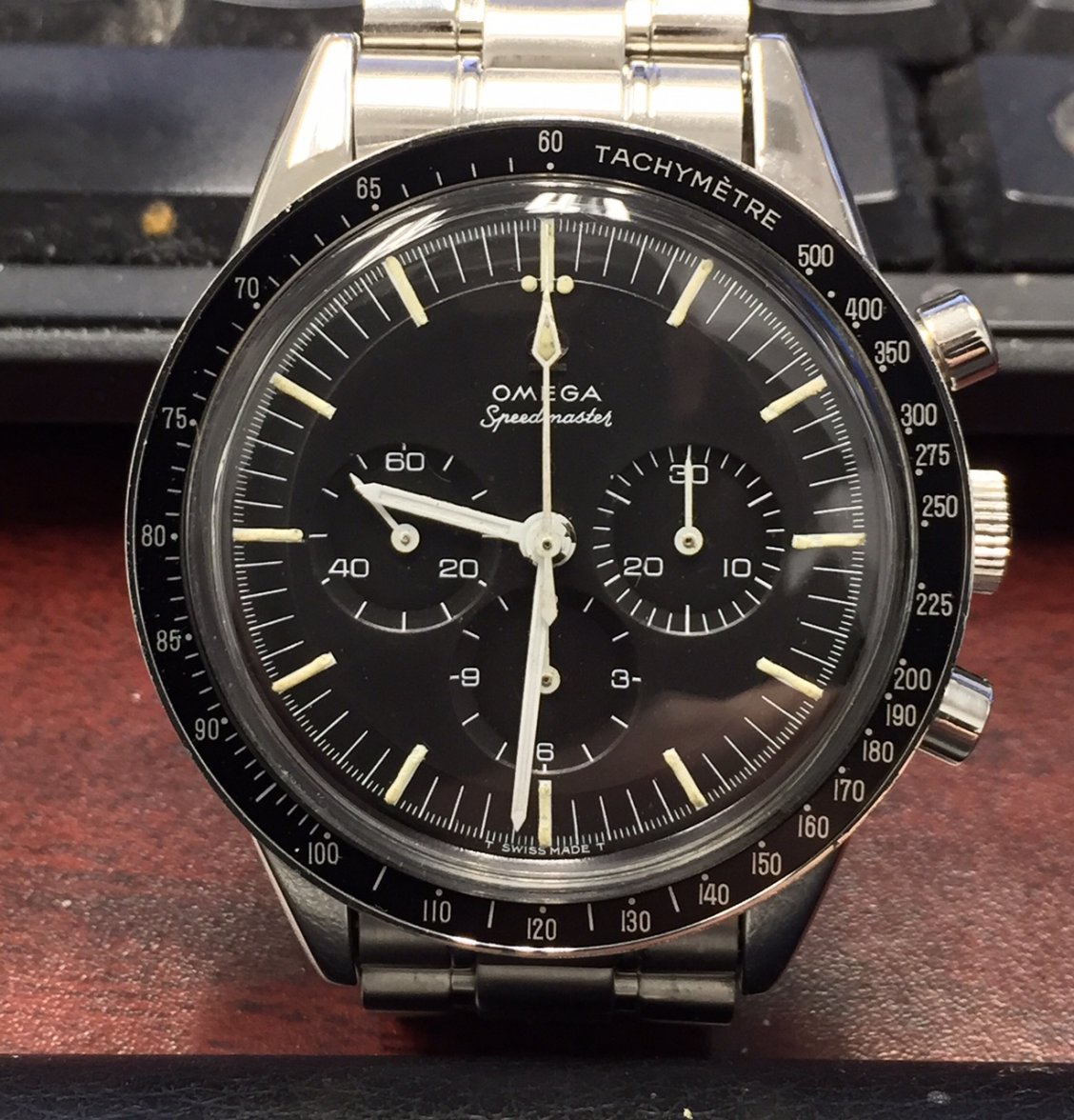
I still think this is a relume. I can't see how the lume could have stayed such a neutral colour and yet expanded as it has.
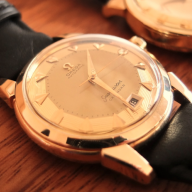
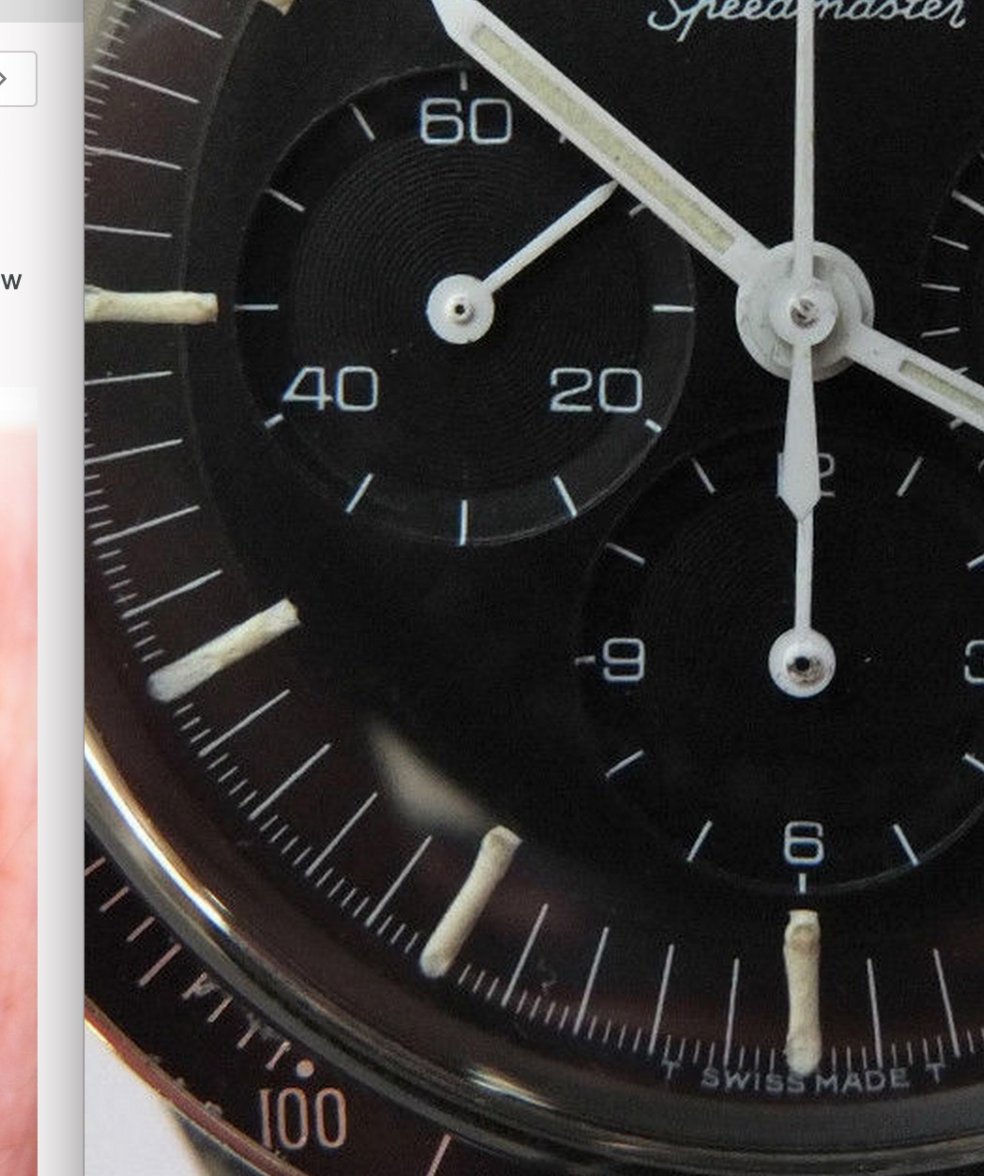
Revisiting the lume issue, there's no evidence that the lume compound on a vintage Omega must degrade into brownish/yellowish colour or it must contract. It in fact can expand as well as having a green tint on its colour, or it can both contract and expand and having a range of colour hues on an original watch dial and hands. Consistency of the lume is just some sort of desirability, not a rule in anyway to identify a relume or not.
The watch in this link also has some expanding and some contracting lume on its dial and nobody can say it's a relume: http://omegaforums.net/threads/reintroducing-a-speedy-2998-2.19795/.
Can you elaborate what other pictures and what's bad about? Can you explain why the lume compound can expand a bit here, but cannot expand a lot there?
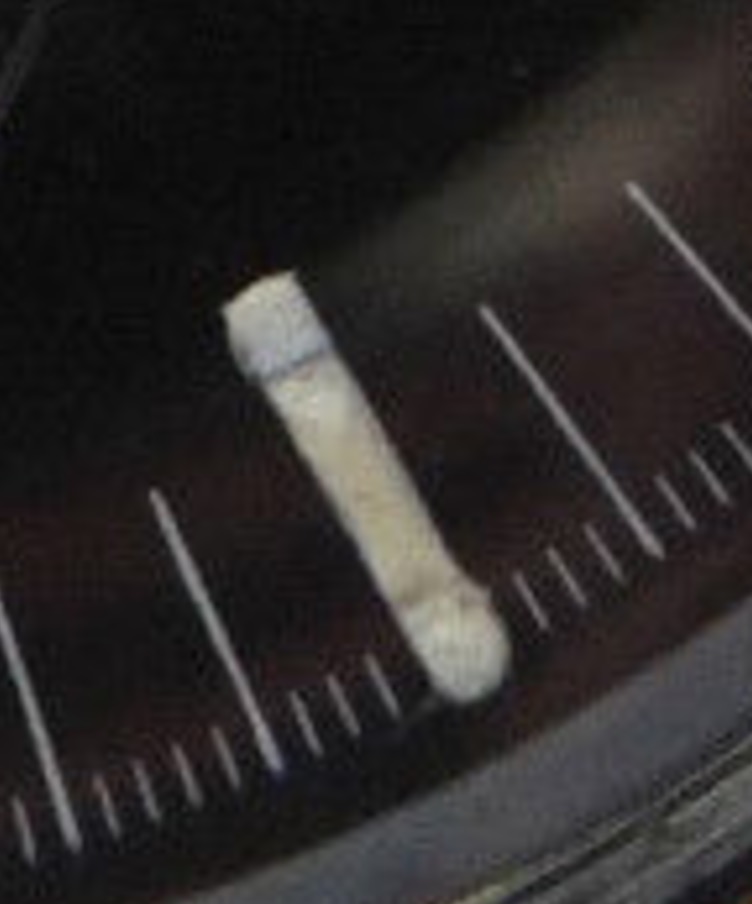
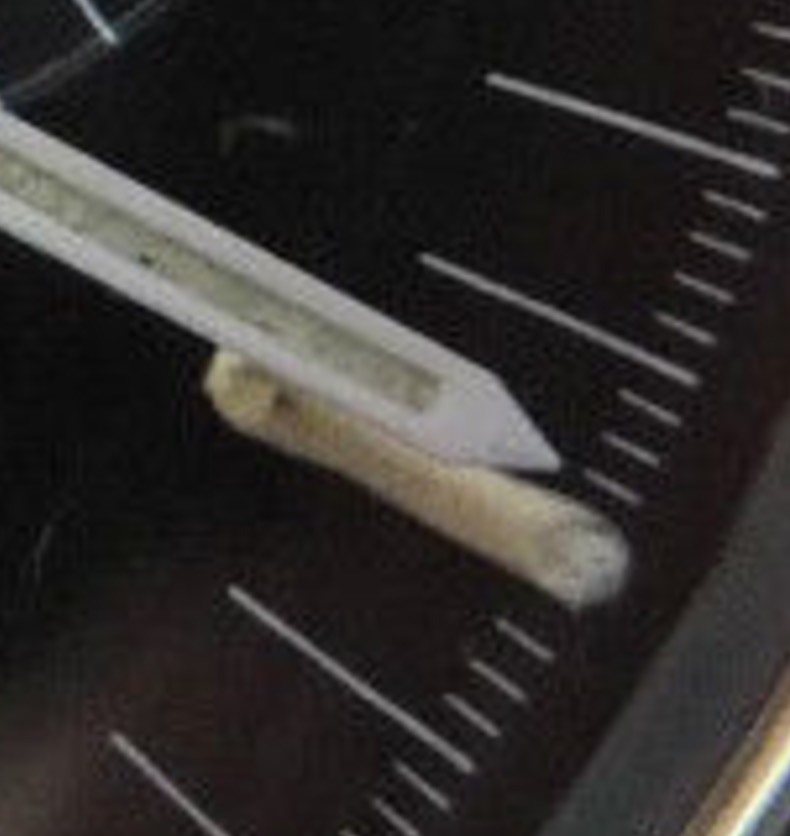
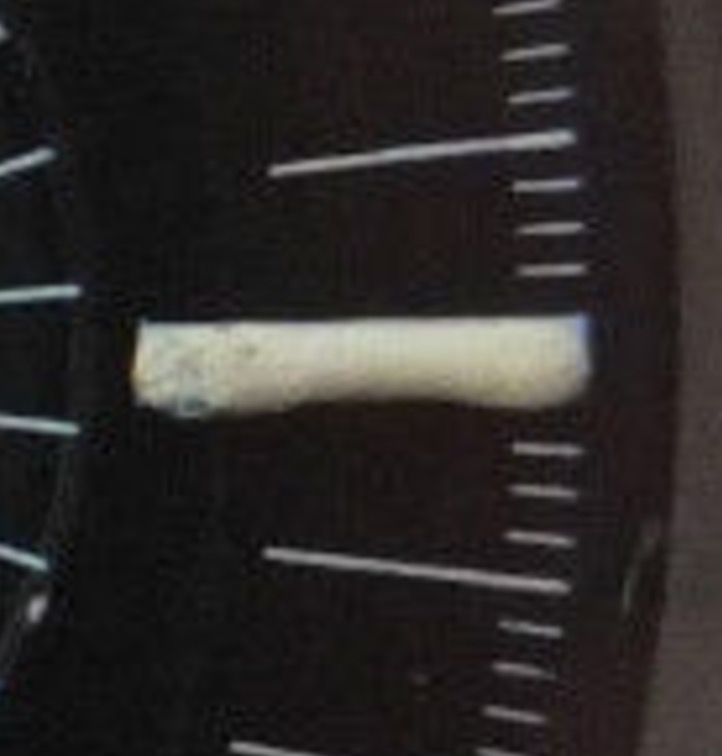
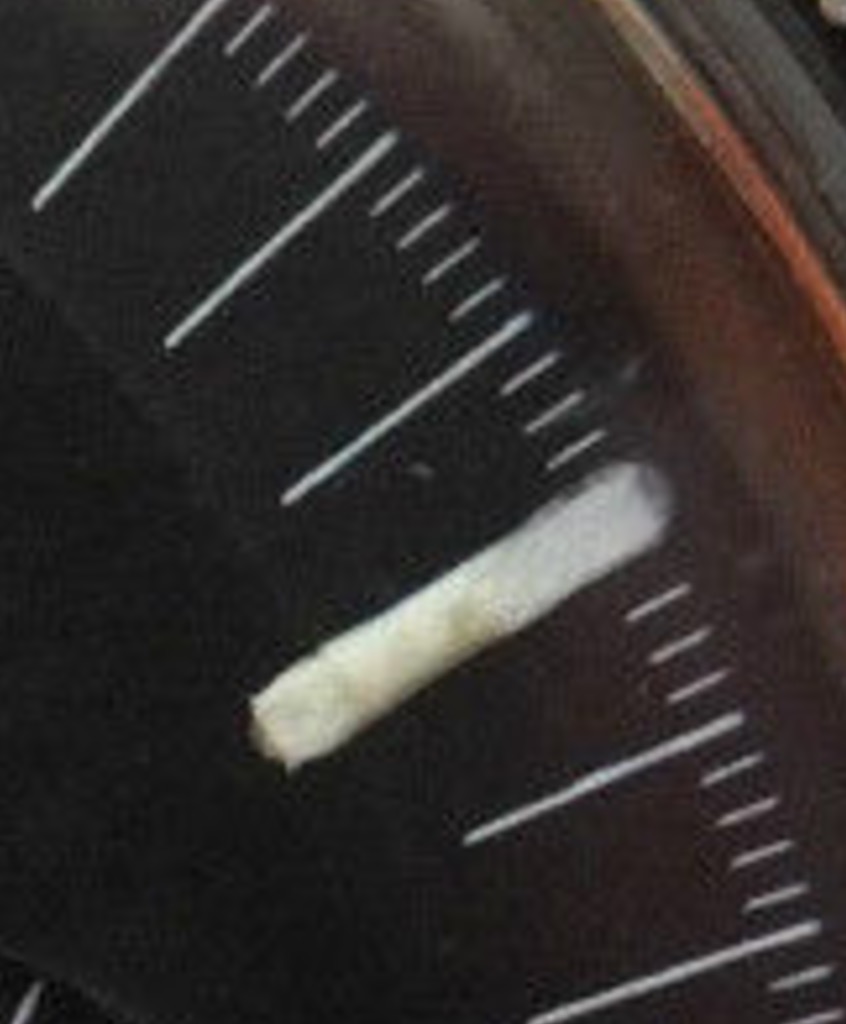
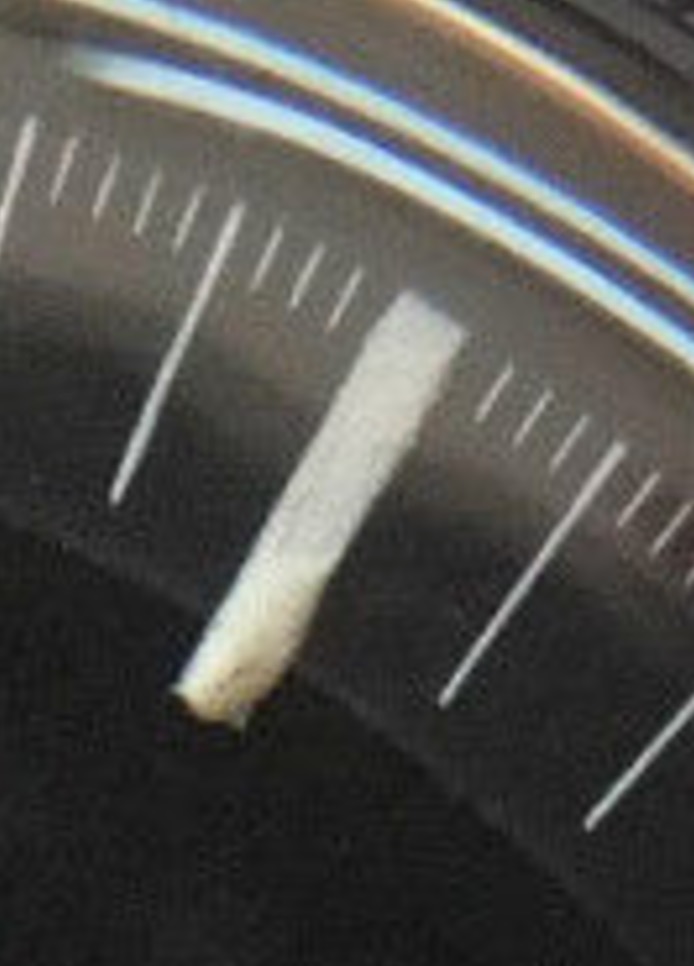
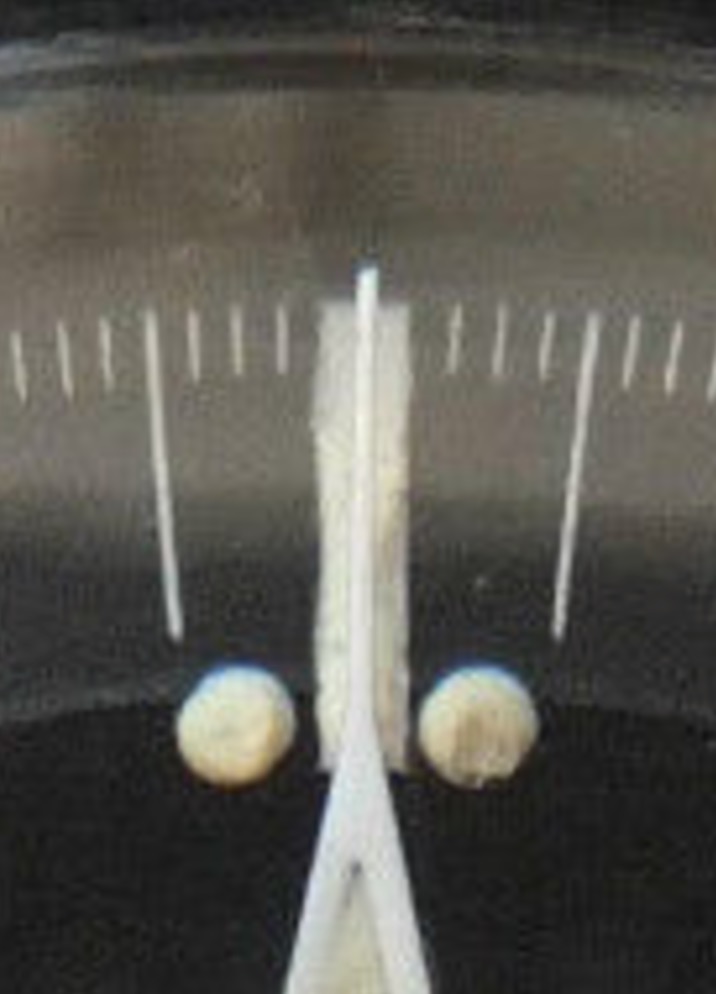
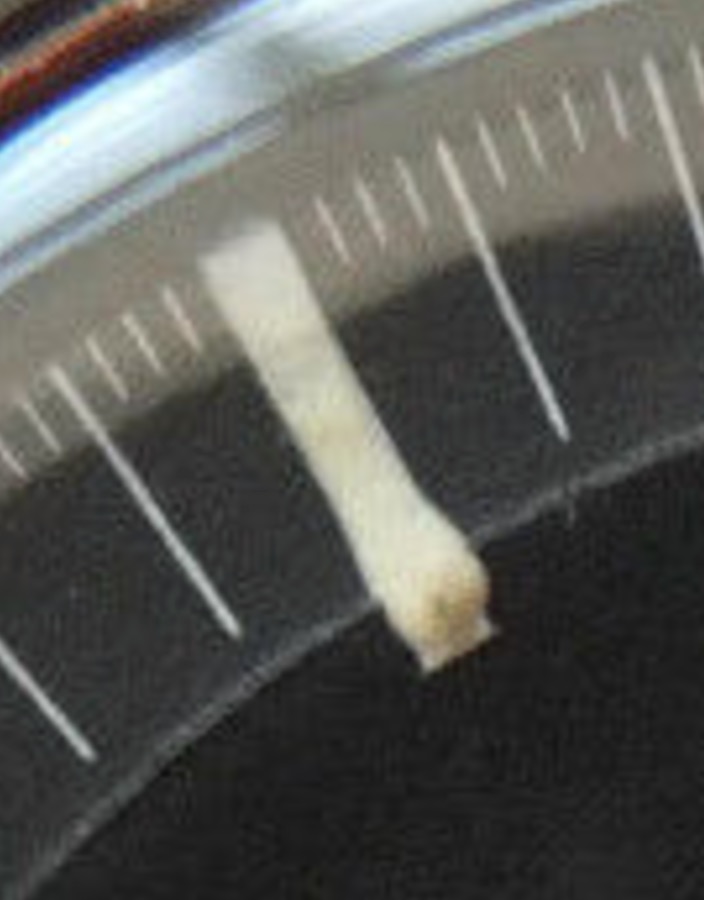
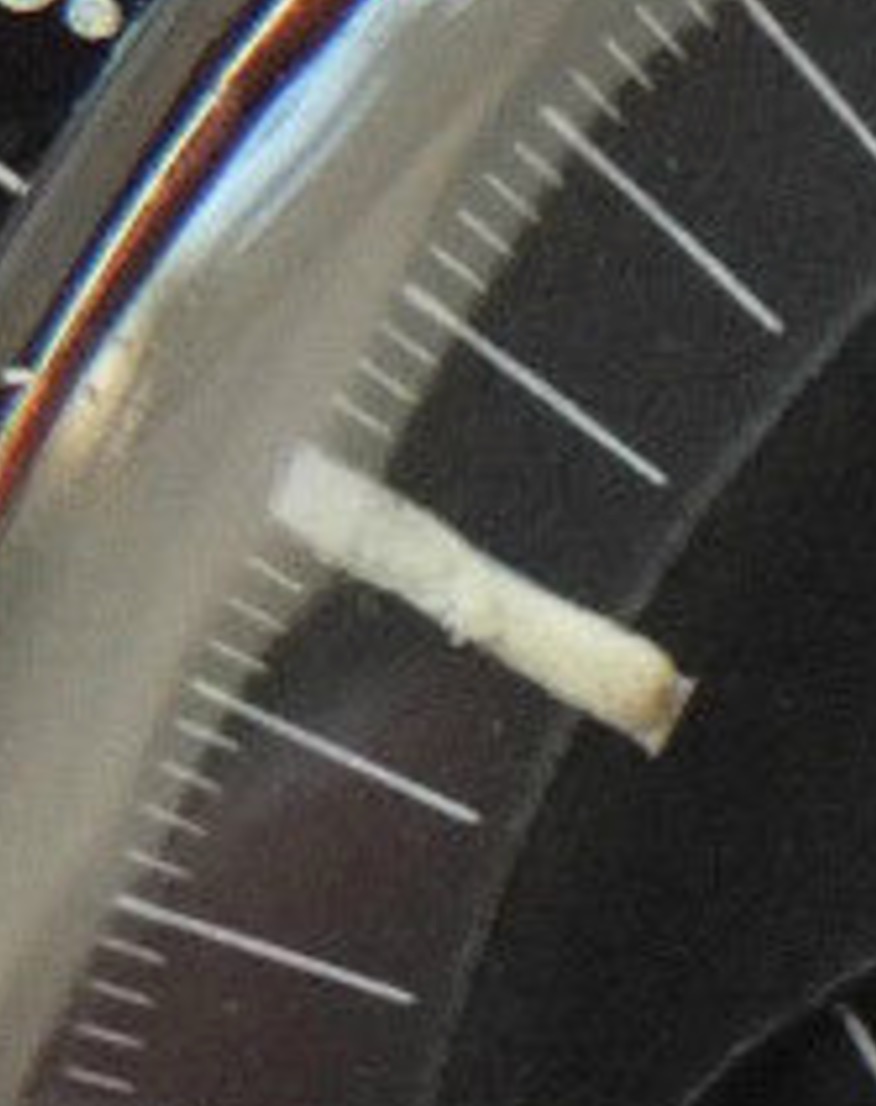
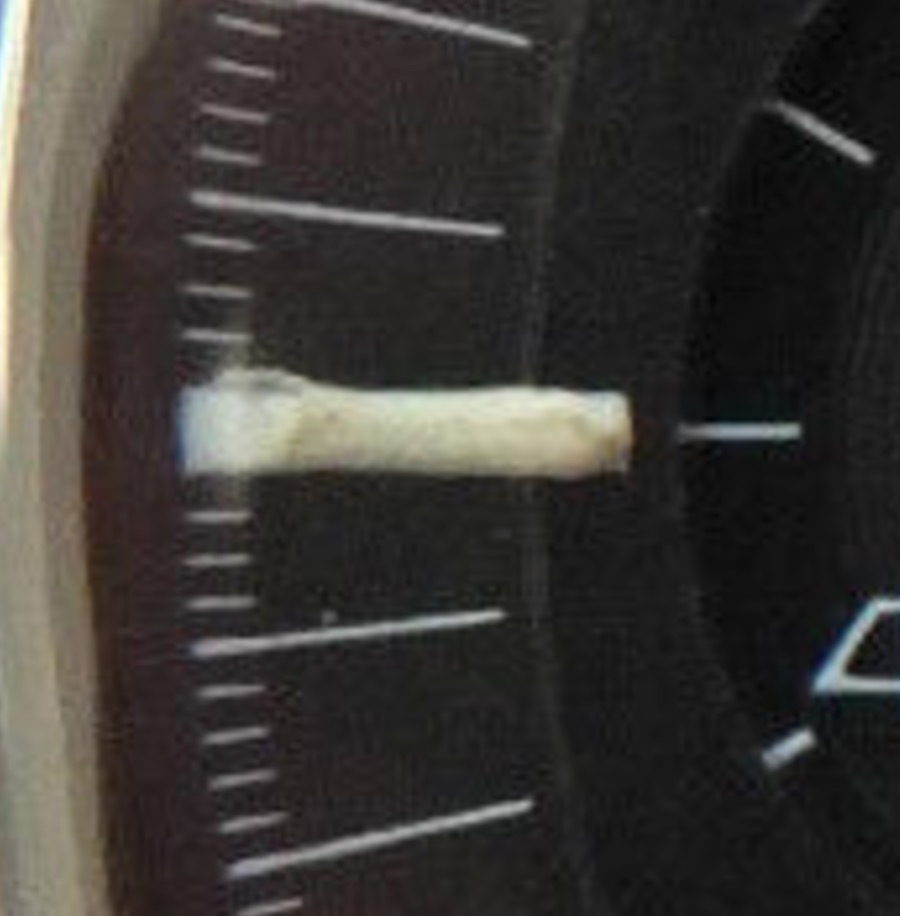
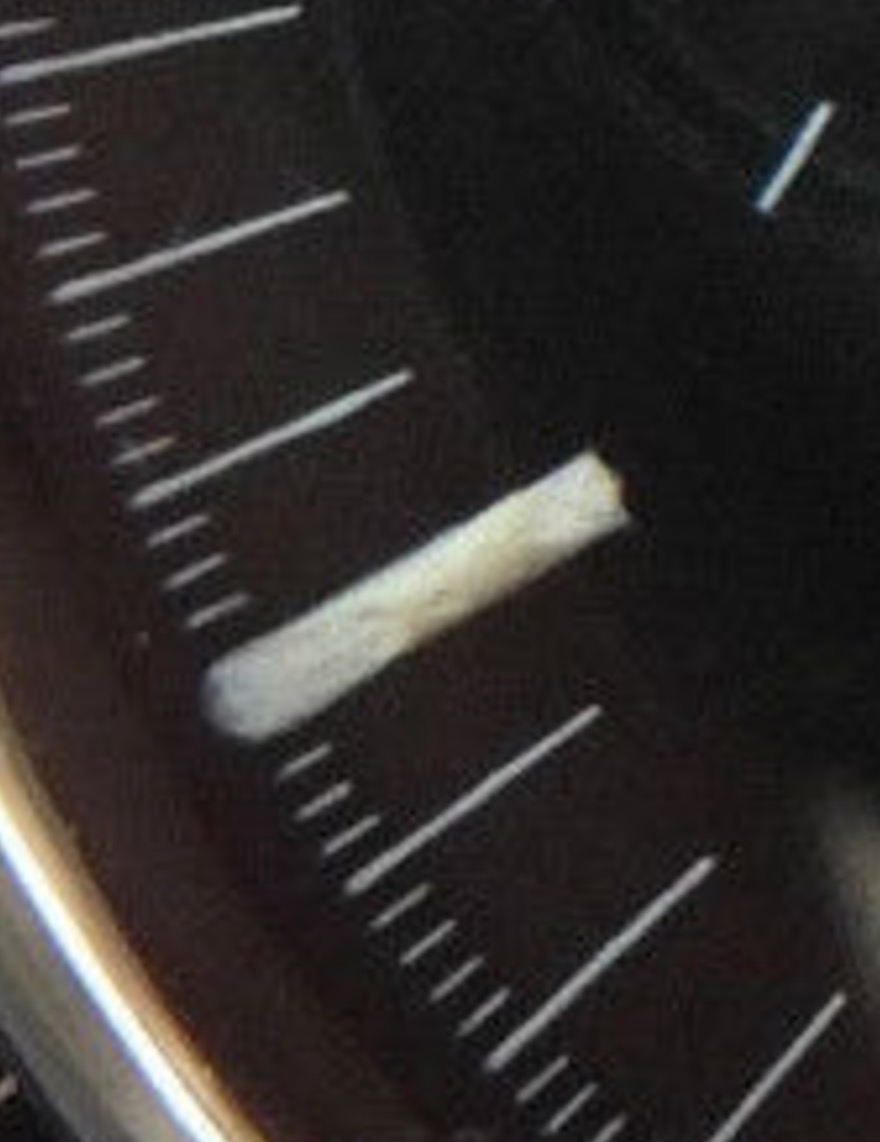
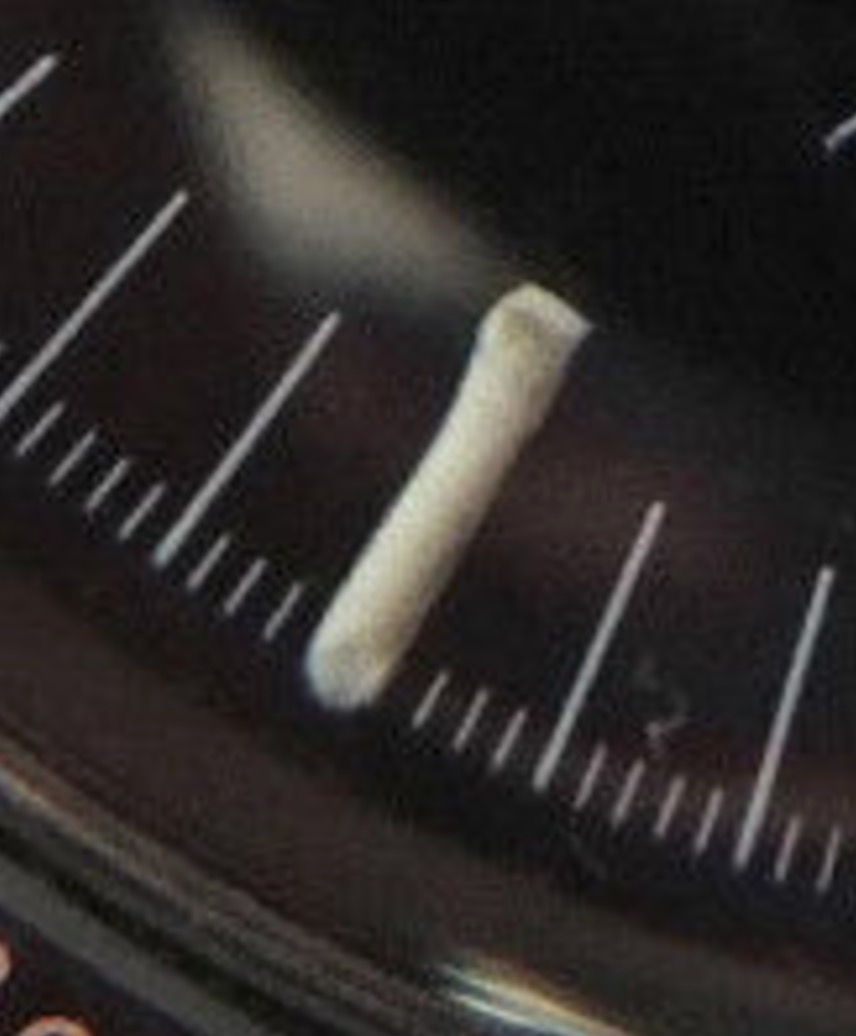
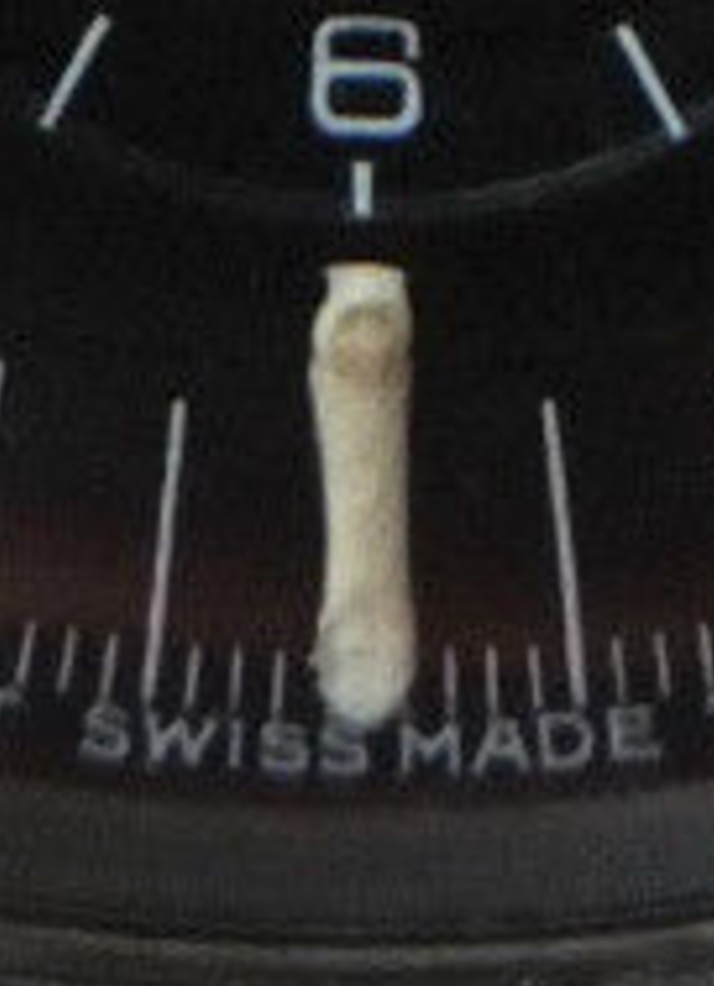
Can you explain why it can? Your argument seems to be along the lines of "If it is lume then it is original no matter what it looks like"
Because it can expand, like on the other watch, naturally. Do you have a limit of how much it can expand? I don't think anyone even knows what kind of material the compound was made of, let alone how it would degrade after decades.
I'm not saying look doesn't matter, I'm just not convinced of any of the reasons given here.

Notice now each one of them has somehow magically developed an indent and crater at the outer edge and a raised thicker blob towards the center of the dial, as if the watch has its own gravity well drawing the lume inward, some are extremely heavy some are extremely light, and a human hand can be seen making all of them.
The outer craters you talked about only appear at 4 spots from 4 to 7, and as a result of the lume flaking off at those spots. On 7 other markers from 8 to 2 o'clock, most of the outer half of the markers have also gone, and appear to be the result of naturally flaking off, unless you say a human hand only drew half of those markers by design in addition to designing the other 4 craters. The only mostly intact marker is at 3, which has essentially no crater or "gravity well" effect.
I agree that the lume's non-uniformity is not very attractive or desirable, I'm just not convinced it's been relumed which may be a moot point because of the unattractiveness.
The outer craters you talked about only appear at 4 spots from 4 to 7, and as a result of the lume flaking off at those spots. On 7 other markers from 8 to 2 o'clock, most of the outer half of the markers have also gone, and appear to be the result of naturally flaking off, unless you say a human hand only drew half of those markers by design in addition to designing the other 4 craters. The only mostly intact marker is at 3, which has essentially no crater or "gravity well" effect.
I agree that the lume's non-uniformity is not very attractive or desirable, I'm just not convinced it's been relumed which may be a moot point because of the unattractiveness.
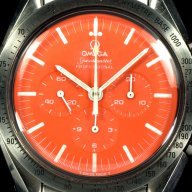
All this talk of relume.
I think the point is that it looks sloppy.
therefore I will pay less for it than a dial that has neat plots.
While it might be academically interesting to know if a watch has been relumed or not, if it looks dodgy or there is cause for discussion, it is worth less.
That is the key for me - once there is a defect, be it natural or man, it reduces value.