- Posts
- 2,327
- Likes
- 2,542
Professor
·Sorry, but soldered seams do not have a „terrific strength“!
A soldered seam has never the same strength as the original material!
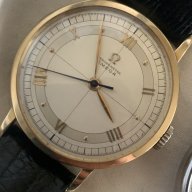
As seen in the picture, the lugs are not so thick, anyway.

High Force 44 is entirely different than any solder you've seen. A Gunsmith friend recommended it and demonstrated its strength by soldering the end of a copper cable to a chunk of iron scrap and beating it against an anvil like a hammer.
And, why to try something by Yourself, if a professional can do it better and cheaper?!
Once done right, he has a nice watch, done wrong, most professionals will refuse to repair it, I guess!
Less headaches!
But, it’s was just a friendly suggestion!
No offense!
Just my own thinking!
The owner of the watch can do whatever he likes do do with the watch!
I doubt I or he could make the repair invisible but it would be serviceable and unobtrusive in daily wear.
PS
Specs
"
28,000 PSI-Flows At 475\ F. The Best All-Round Solder For Gunsmithing
Brownells Hi-Force 44 Solder is an alloy solder containing 4% silver and 96% tin. Excellent for steel, stainless steel, nickel, brass and copper. Completely non-toxic. Flows free and smooth at about 475° F., greatly reducing heating time. No need for cumbersome oxyacetylene setups. Prevents black oxide formation to reduce cleanup time. Provides 14,000 to 28,000 PSI tensile strength. Will not crack under stress as do other low temperature soldering materials. And, a big plus . . . customers report that parts joined with Hi-Force 44 Solder showed no effects when immersed in hot bluing tanks! Use #4 Comet Flux. "