
- Posts
- 1,483
- Likes
- 2,183
Rasputin
·Is there a difference between the balance wheel of the chronometer vs non chronometer version of the 30t2? I understand neither are shock protected but are they interchangeable?
Please consider donating to help offset our high running costs.

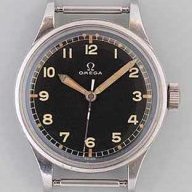
Is there a difference between the balance wheel of the chronometer vs non chronometer version of the 30t2? I understand neither are shock protected but are they interchangeable?
the balance wheel must be bimetallic and cut - then it is legitimate for a swap/replacement. Later monometallic balances are interchangeable as well but are not correct for the chronometer movement. A bimetallic balance is a must

we’re getting super technical, but the balance in the 30T2SC that’s housed in the RAF Air Ministry Omega is also a bimetallic cut balance.
the pictures of the British contract specifications posted on line on another very good forum (Military Watch Ressource forum) indicate that the RAF watch was supposed to be chronometer grade in terms of performance.
Would someone be kind enough to explain to this Omega newbie what the key differences are with the RG? (Sorry I don’t have your book— everyone says it’s great).
I have the answer but I prefer to let you buy the book.

My guess would be that the chronometer balance wheel and hairspring would likely be tuned for a higher degree of isochronism than a non-chronometer balance and hairspring. And the chronometer would likely have a Breguet hairspring, but I don’t know about the non-chronometer. .

the balance wheel must be bimetallic and cut - then it is legitimate for a swap/replacement. Later monometallic balances are interchangeable as well but are not correct for the chronometer movement. A bimetallic balance is a must
we’re getting super technical, but the balance in the 30T2SC that’s housed in the RAF Air Ministry Omega is also a bimetallic cut balance.
the pictures of the British contract specifications posted on line on another very good forum (Military Watch Ressource forum) indicate that the RAF watch was supposed to be chronometer grade in terms of performance.
Would someone be kind enough to explain to this Omega newbie what the key differences are with the RG? (Sorry I don’t have your book— everyone says it’s great).
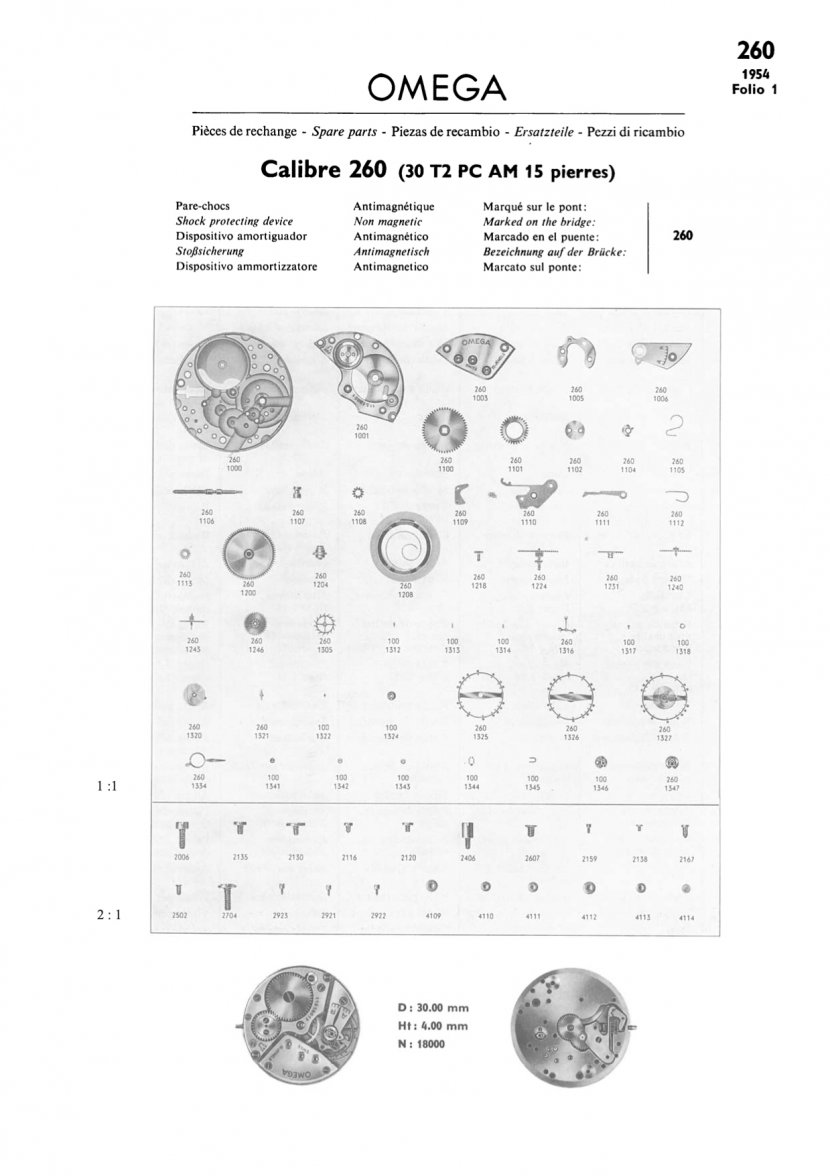
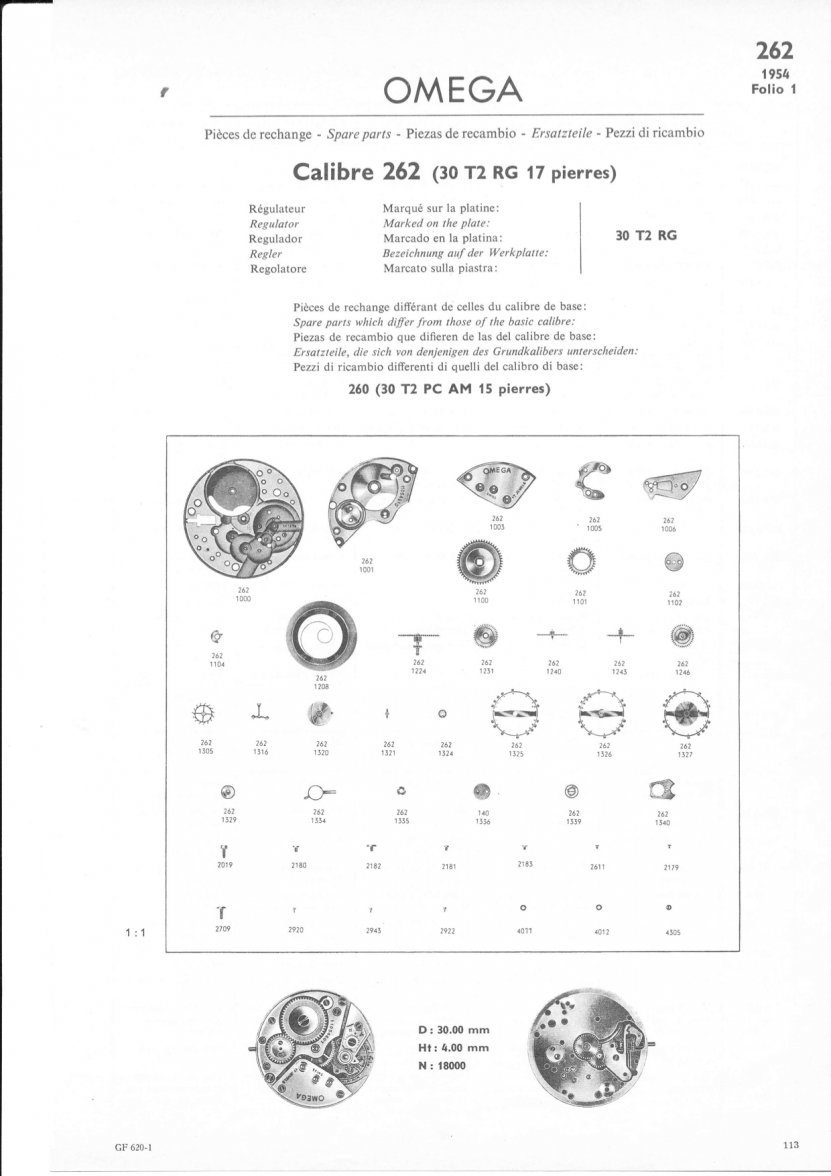
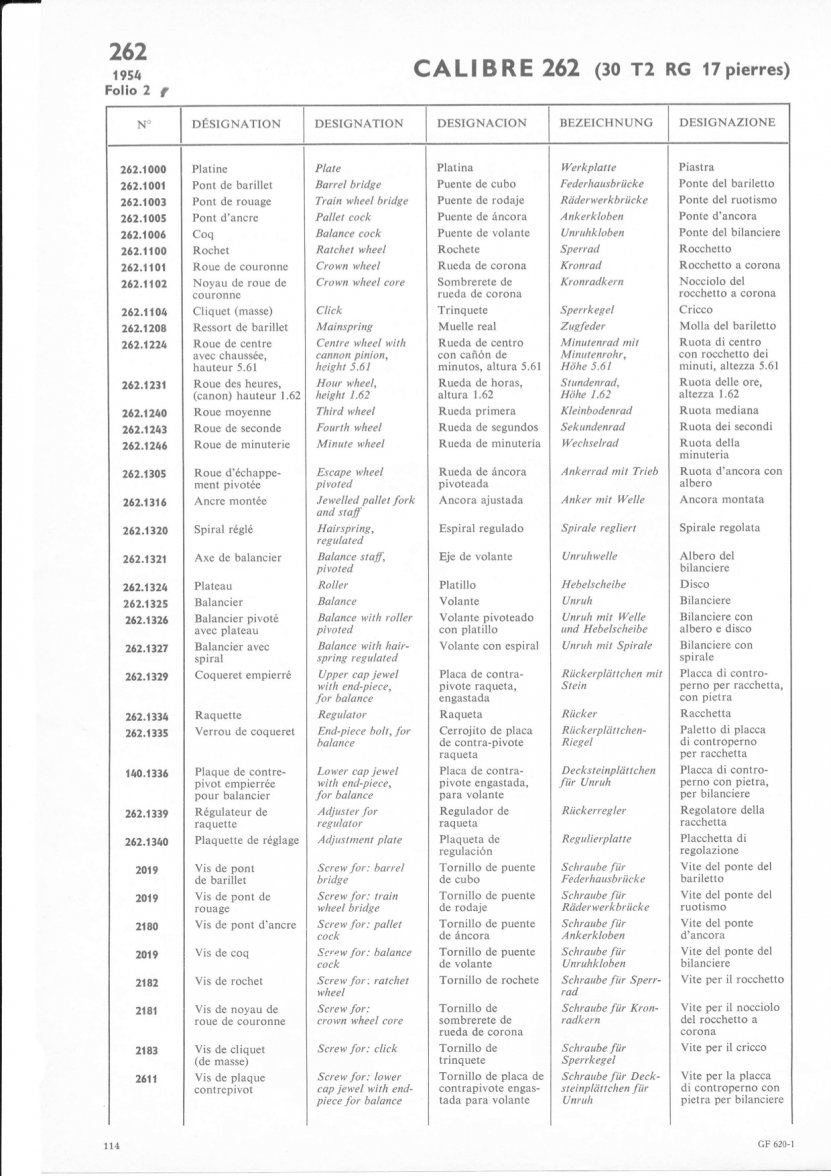
Hi @mac_omega
I agree a proper 30T2Rg or 30T2SCRg should have a bimatellic and cut balance. , ( also dont forget the Rg also has a deluxe finished balance staff ) .
What I disagree with is your statement "Later monometallic balances are interchangeable as well but are not correct for the chronometer movement." The manufacture makes the decision on replacement parts and from Omega as you stated later 262-1327 ( balance complete) you might get a "smooth" balance wheel ( non cut monomatellic balance) . The part is correct as it will fit and work in the watch , by the way would keep incredible time. I have seen this myself... And I agreed its original to the model but the manufacture blessed the later replacement parts.. I am not saying it will have the same value as a watch with the bimatellic and cut balance , but saying its not correct replacement part for the watch is what I disagree with Omega says it ok.... so when you have a watch that runs or not. I would rather have a running watch personally .
Let say you do go an source a used balance from a 30T2 / 30T2SC . ( non shock proof). Should you then get it restaffed with a 30T2Rg staff? or just use the entire balance assembly? ....
Eric, Again I prefer a 30T2SCRg / 30T2Rg to have bimatellic and cut.
Good Hunting
Bill

What I disagree with is your statement "Later monometallic balances are interchangeable as well but are not correct for the chronometer movement." The manufacture makes the decision on replacement parts and from Omega as you stated later 262-1327 ( balance complete) you might get a "smooth" balance wheel ( non cut monomatellic
Bill, you are splitting hairs. If you cite my comment you should do it in its entirety.
You have missed an important part: "it may be a correct replacement and it will work properly but it does not look right!"
I'm struggling, I guess, with your use of the term "correct." I think there is a difference between what the company deems as a correct replacement part, and what a purist feels is correct for a particular caliber or reference. My sense is that Eric was referring to the latter.
To wit: the flat-end chrono hand is deemed the correct replacement part for an Ed White that's missing that hand, but no collector would consider that "correct."


