Pitted Cases?

Posts
327
Likes
440
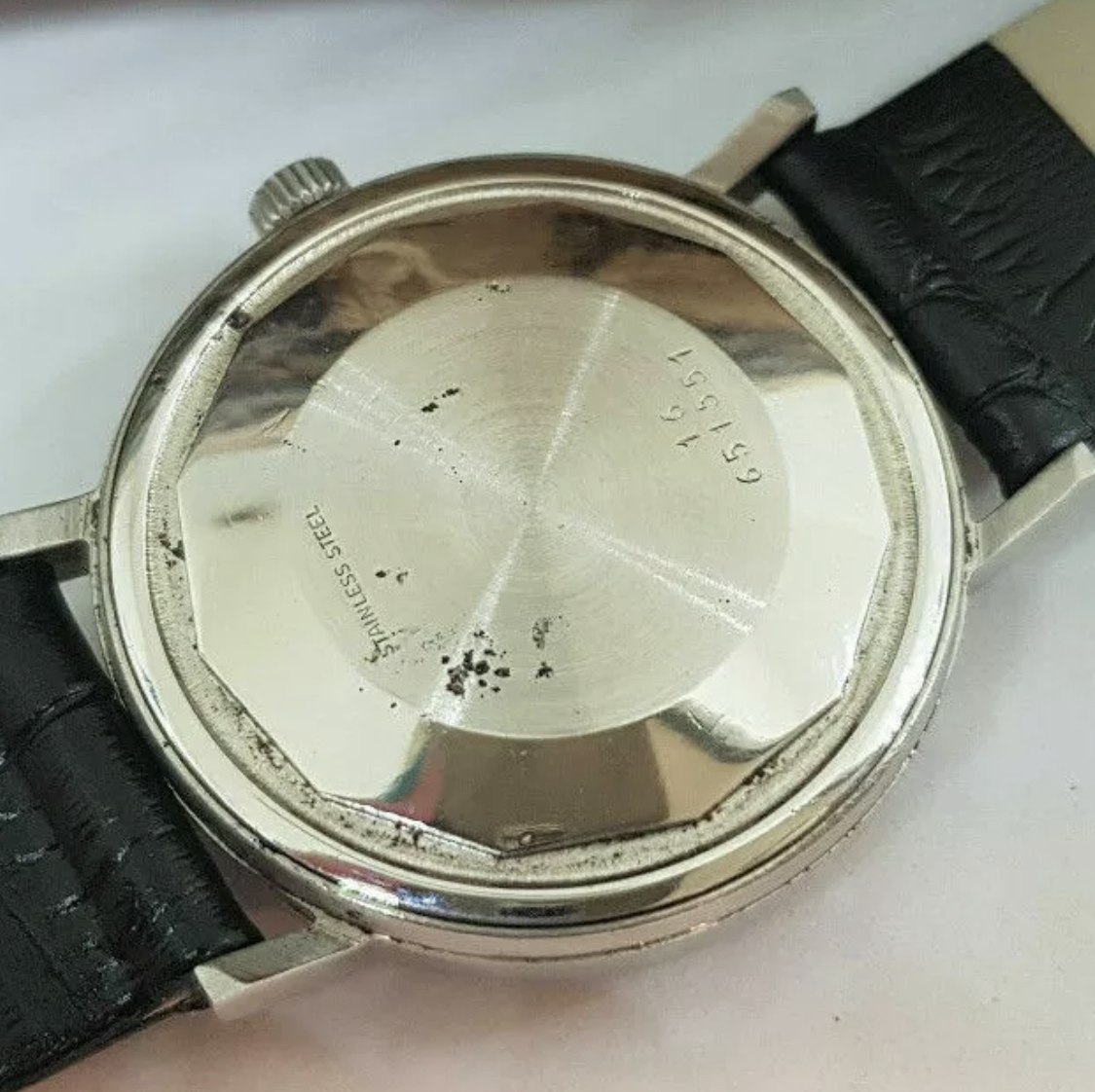
I’m constantly scouring the web for my next vintage find, and occasionally I come across cases which exhibit pitting, like this 1960s Longines I saw on eBay today. Just curious if this reflects a manufacturing defect, or some type of very rough or unusual treatment over the years. Any metallurgy types care to chime in?

 
Posts
18,249
Likes
38,055
Human sweat (electrolyte) electrical body action, maybe with a fabric or nylon strap fitted = corrosion.
 
Posts
29,920
Likes
77,370
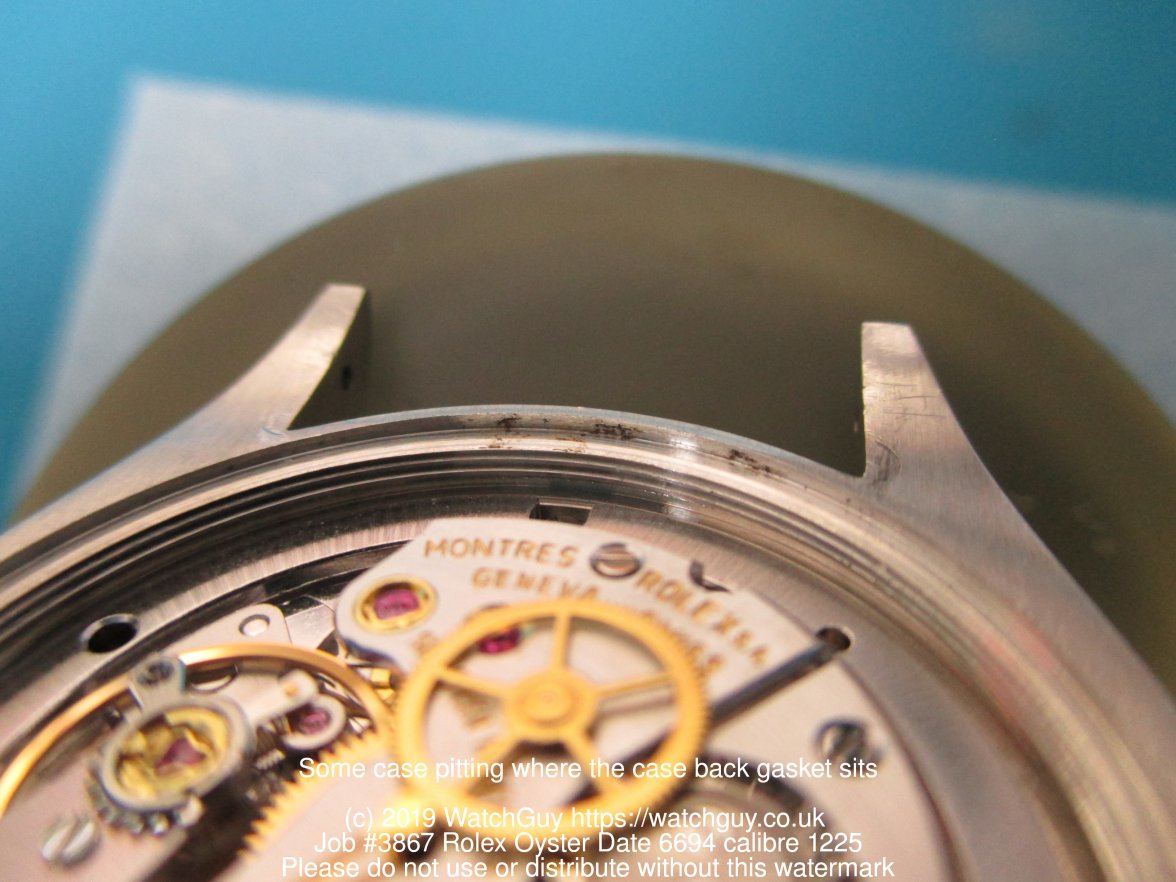
It's very common - mostly in areas that you can't see unless the watch is opened, like in the groove for the case back seal.
 
Posts
1,838
Likes
4,434
It's very common - mostly in areas that you can't see unless the watch is opened, like in the groove for the case back seal.

Like this one of mine....

Any treatment, cure, advice, Archer?
 
Posts
327
Likes
440
Human sweat (electrolyte) electrical body action, maybe with a fabric or nylon strap fitted = corrosion.

And we have a winner
 
Posts
29,920
Likes
77,370
Any treatment, cure, advice, Archer?

Well, it may be possible to find someone who can laser weld the pitting, and then chuck the case up in a lathe and clean up the groove again.
 
Posts
2,327
Likes
2,542
Found this on pitting of stainless steel
"Localized corrosion such as pitting and crevice corrosion of stainless steels generally occurs in the presence of halide ions, typically chloride (e.g. coastal and deicing chloride salts - sodium, calcium or magnesium chlorides; hydrochloric acid; bleach - sodium or calcium hypochlorite; and other chloride compounds). "

Human sweat normally contains
So you have three possible culprits present in sweat.

Sweat can also contain Ammonia if a medical condition prevents proper processing of proteins.
Sweat can also carry other chemical contaminants out of the body.

I suppose sea water or salt air in some locations can be as corrosive.