Omega lever set?

Posts
1
Likes
0
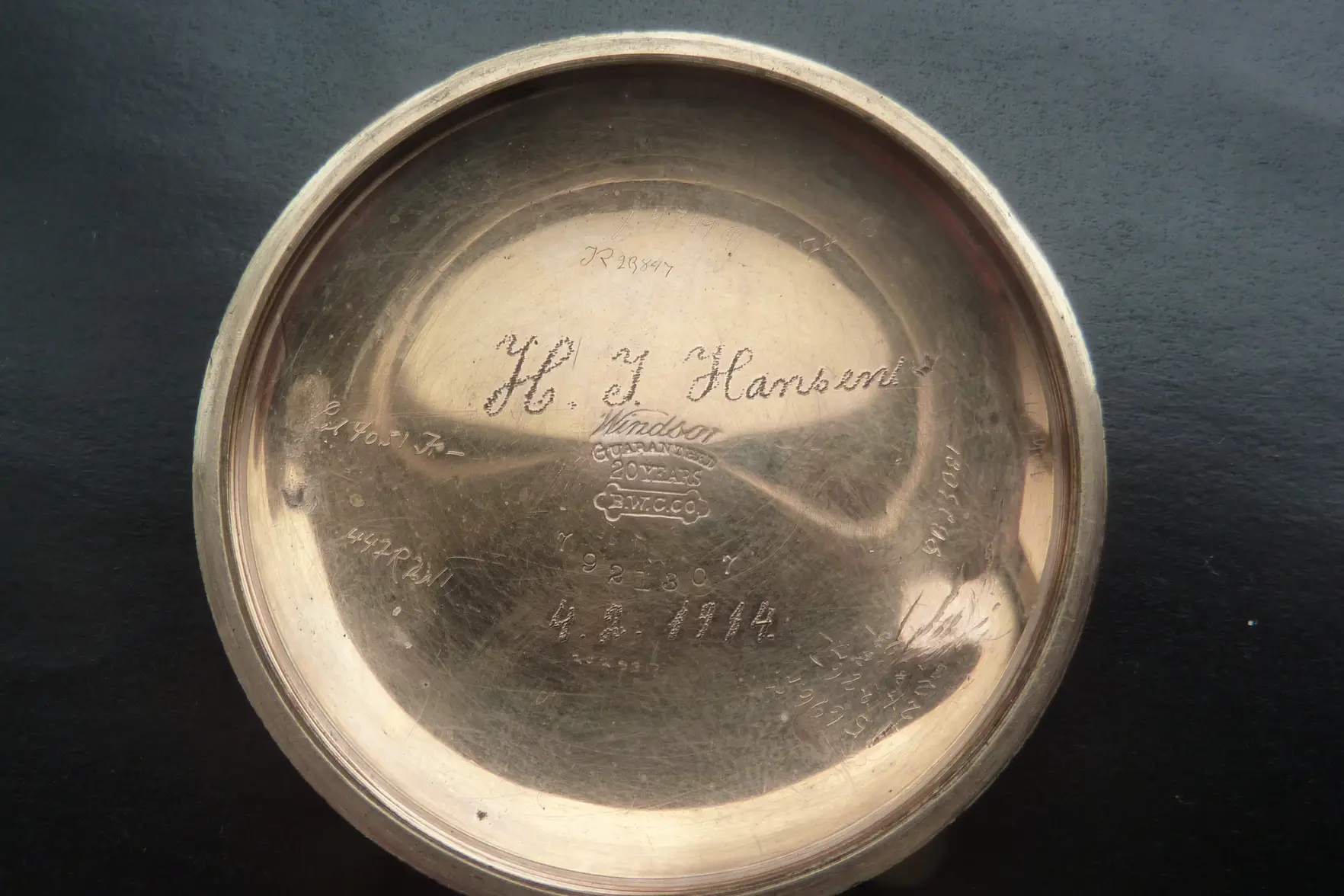
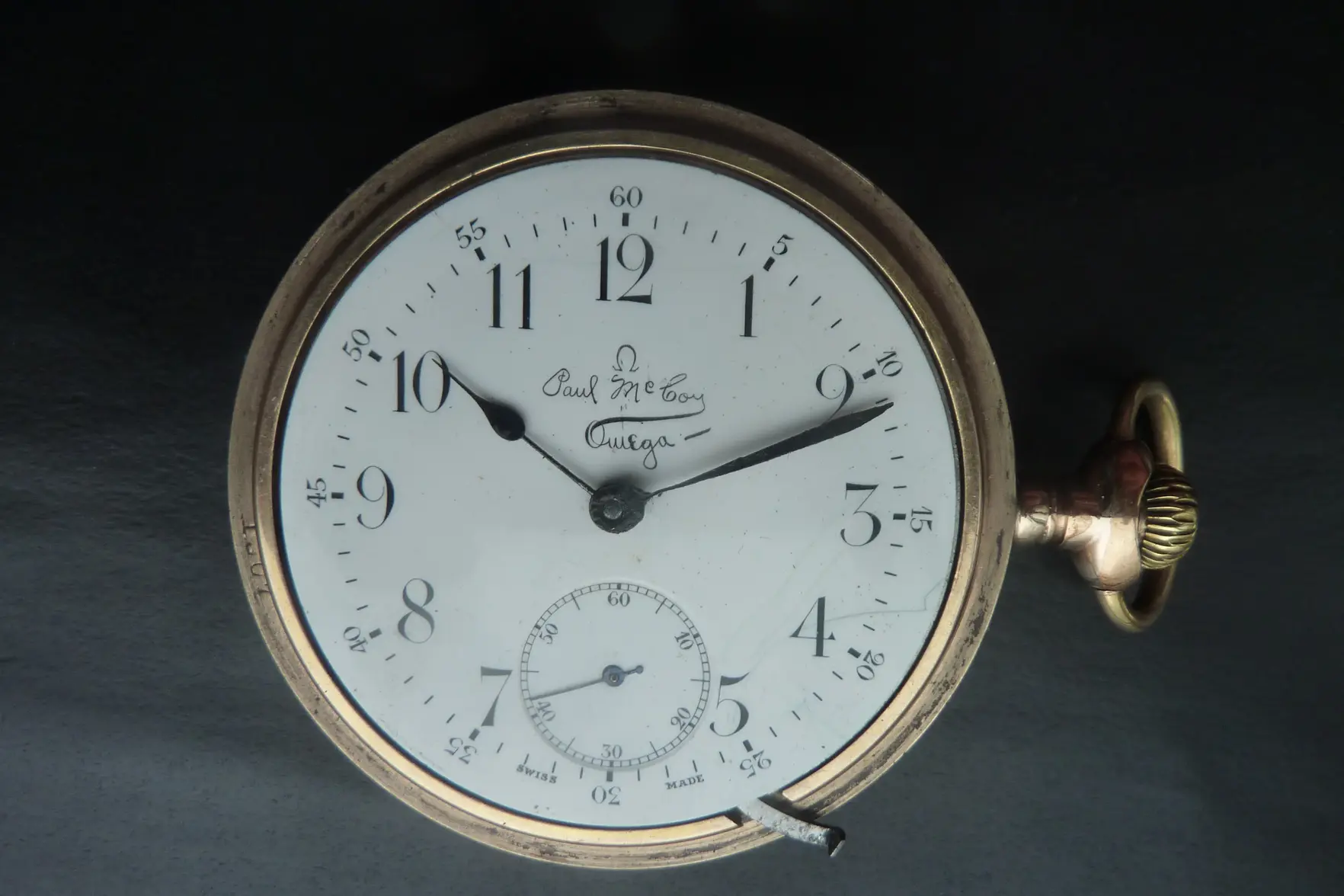
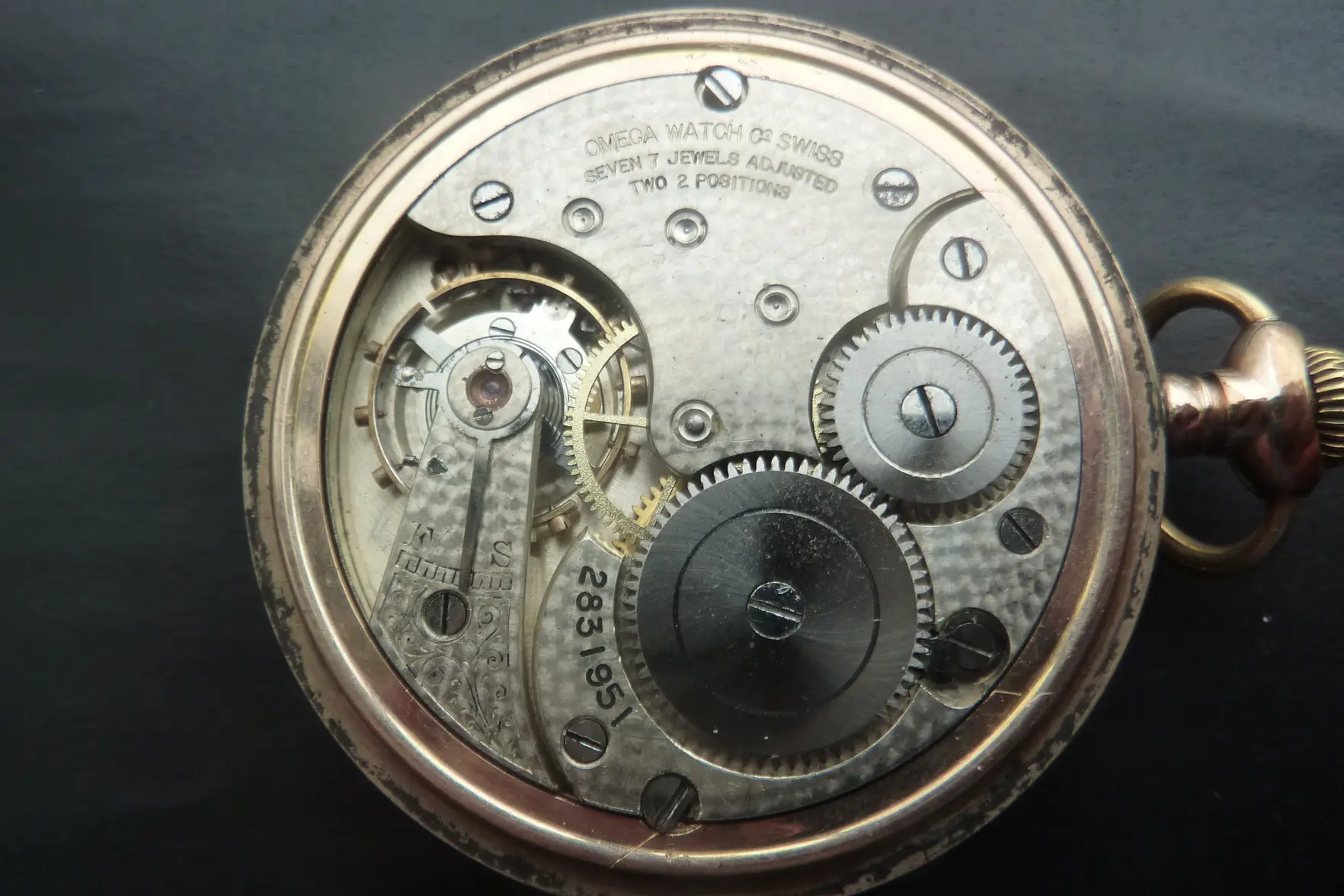
Hi. I own this unusual (for me) Omega pocket watch and I need your help to tell me something about it. I've never seen another lever set Omega pocket watch, it seems to be original. I post three photos, one for the dial, second for the movement, the last for the inner of the back lid, with a name and a date on it. Thank you for your attention
 
Posts
17,625
Likes
36,857
Omega did produce both lever and pendant (stem) set movements. Lever set was generally for railroad watches, which I suspect this one is.
It's a US cased Omega movement with the dial marked for a local jeweller (maybe?).
The movement serial number dates the movement to approximately 1907.
Calling @Canuck, our resident guru on North American railroad watches.
 
Posts
15,252
Likes
44,803
Omega did produce both lever and pendant (stem) set movements. Lever set was generally for railroad watches, which I suspect this one is.
It's a US cased Omega movement with the dial marked for a local jeweller (maybe?).
The movement serial number dates the movement to approximately 1907.
Calling @Canuck, our resident guru on North American railroad watches.
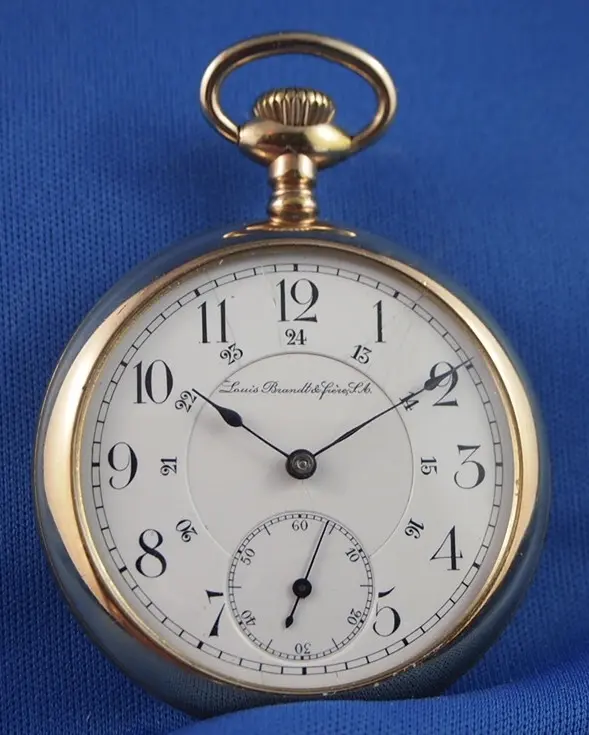
Railroad standard? A 7-jewel model? Not a chance. Omega did railroad standard watches, but to the best of my knowledge, Omega was never railroad approved in North America. The subject watch is a oddity, being garden variety, and lever set. Omega watches that were railroad approved (in Canada) wore the name Brandt on the dial. Louis Brandt was the founder of the watch company that became Omega.

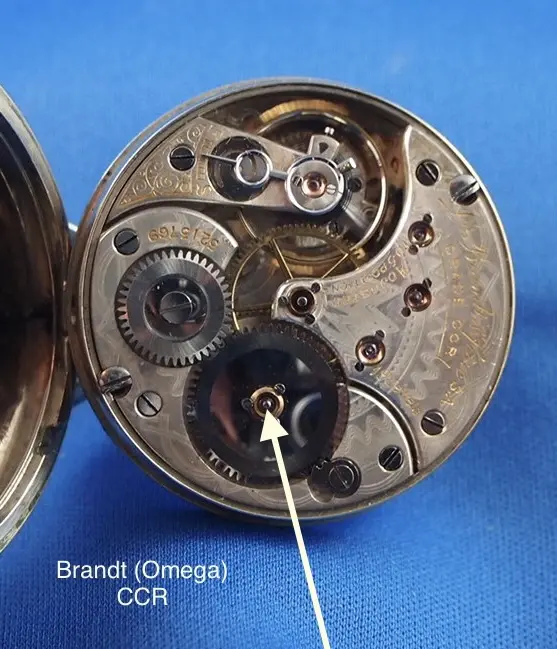
In Canada, the Brandt CCR, CCCR, DR and DDDR were railroad approved. The CCR was 16-size, had 19-jewels, and CCCR were 16-size with 23-jewels, and the DDR was 18-size with 19-jewels, and DDDR were 18-size with 23-jewels. I show a Brandt 19-jewel CCR from my collection. Dial marked Louis Brandt & Freres. These watches were sold to watch inspectors who didn’t have an Omega franchise. Same basic watch as the subject watch, but outfitted and deigned to conform to railroad standards.