I think from the start Omega were favored by women. Somewhere I heard that it was their bread and butter.
There was an anecdotal story that wrist watches came about, as you ladies sent their watches to the front in WWI as a memento. That omega watches were so well made they could be tied to the wrist and worn that way. Someone must have had the idea to solder on a second loop then wire lugs.
Nurses watches what pinned to the lapel an chatelaine watches are not that common now. I have a few lapel watches which have the reversed dial. I set the necklace watch I use at the Dickens fair that way. Chatelaine watches are much more rare.
The old catalogs and advertising did target the ladies. It was what attracted me to the brand. I really like watches between 18mm and 35 mm. If I was to get something modern it would be one of the Tressor line with the retro blue and white strap. Recently a few of these have been the subject of eBay live auctions.
Cocktail watches were more of a 1940s/1950s thing. I suspect most were worn a few times then drawerd. These are more jewelry than anything else.
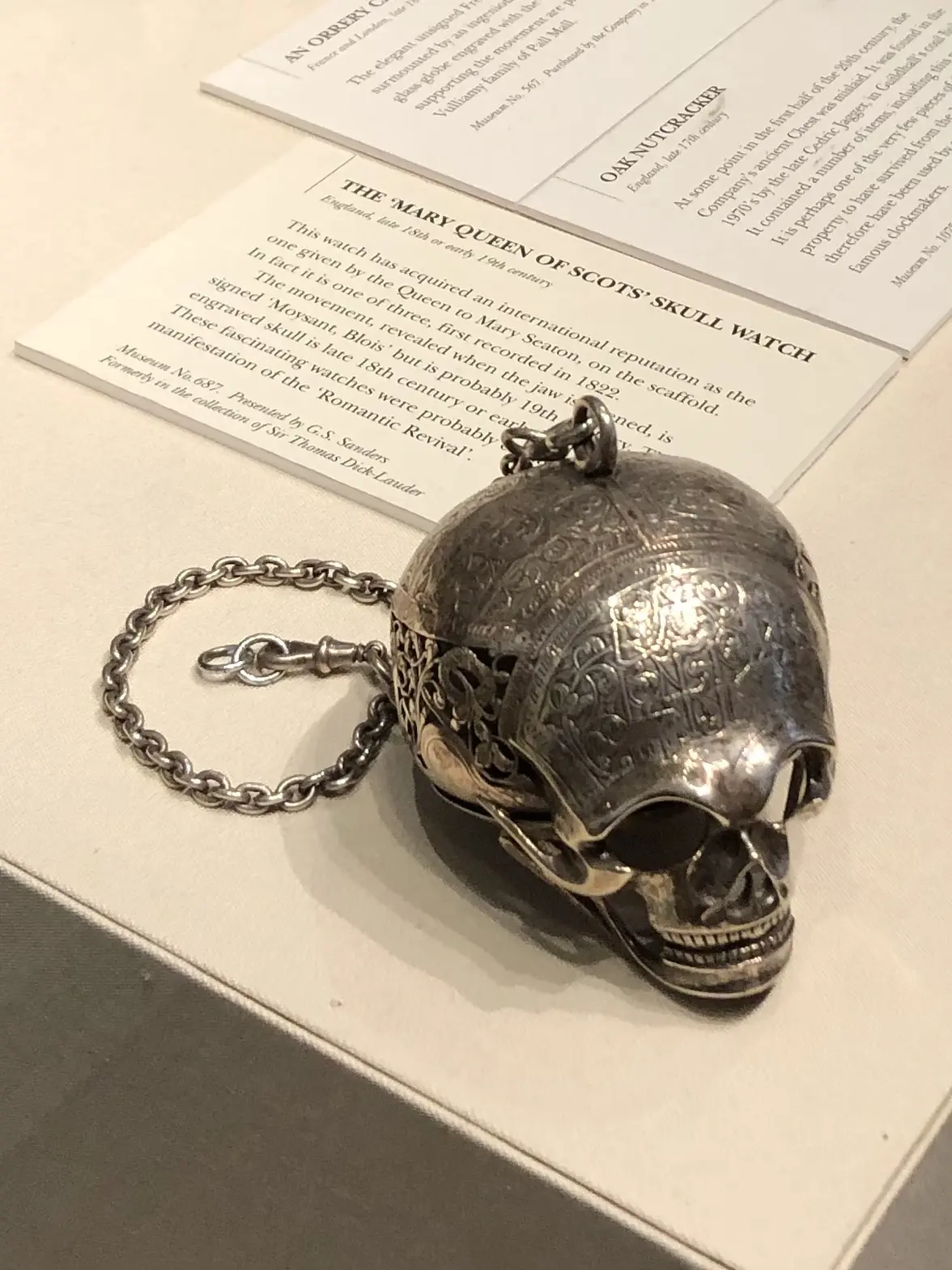
Not related, I recall an old BHI Journal article that noted Queen Elizabeth I in the 1500s had a bracelet what contained a watch in it. The memento mori skull watch is often attributed to being owned by Mary Queen of Scot's. At one point I wanted to replicate the latter for the ren faire. Which I think has been done.