I think...
There are gradients of Frankenstein. The monster who is put together from parts that were never connected is a clear Frankenstein. But the man who had a heart transplant is not.
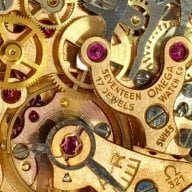
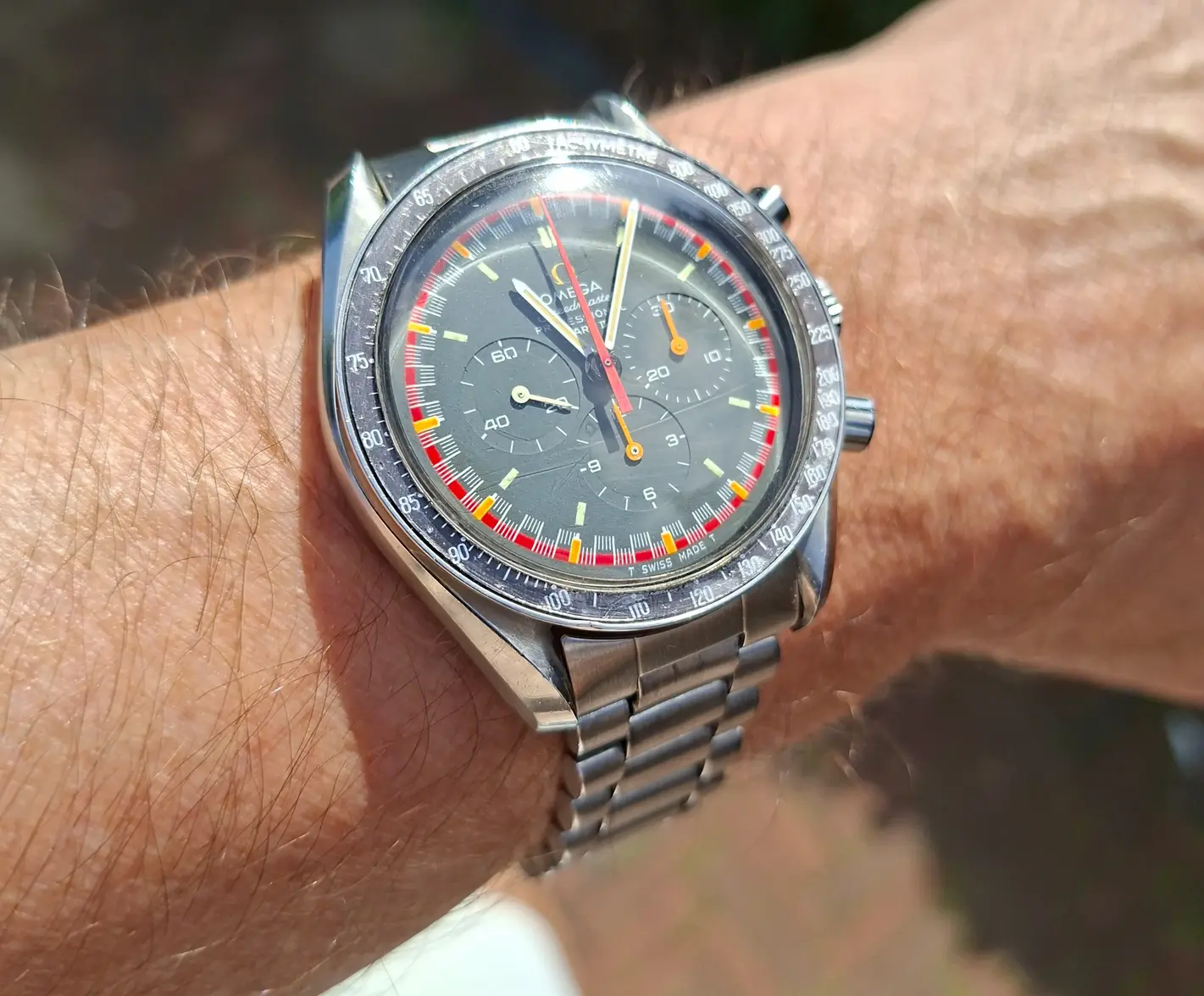
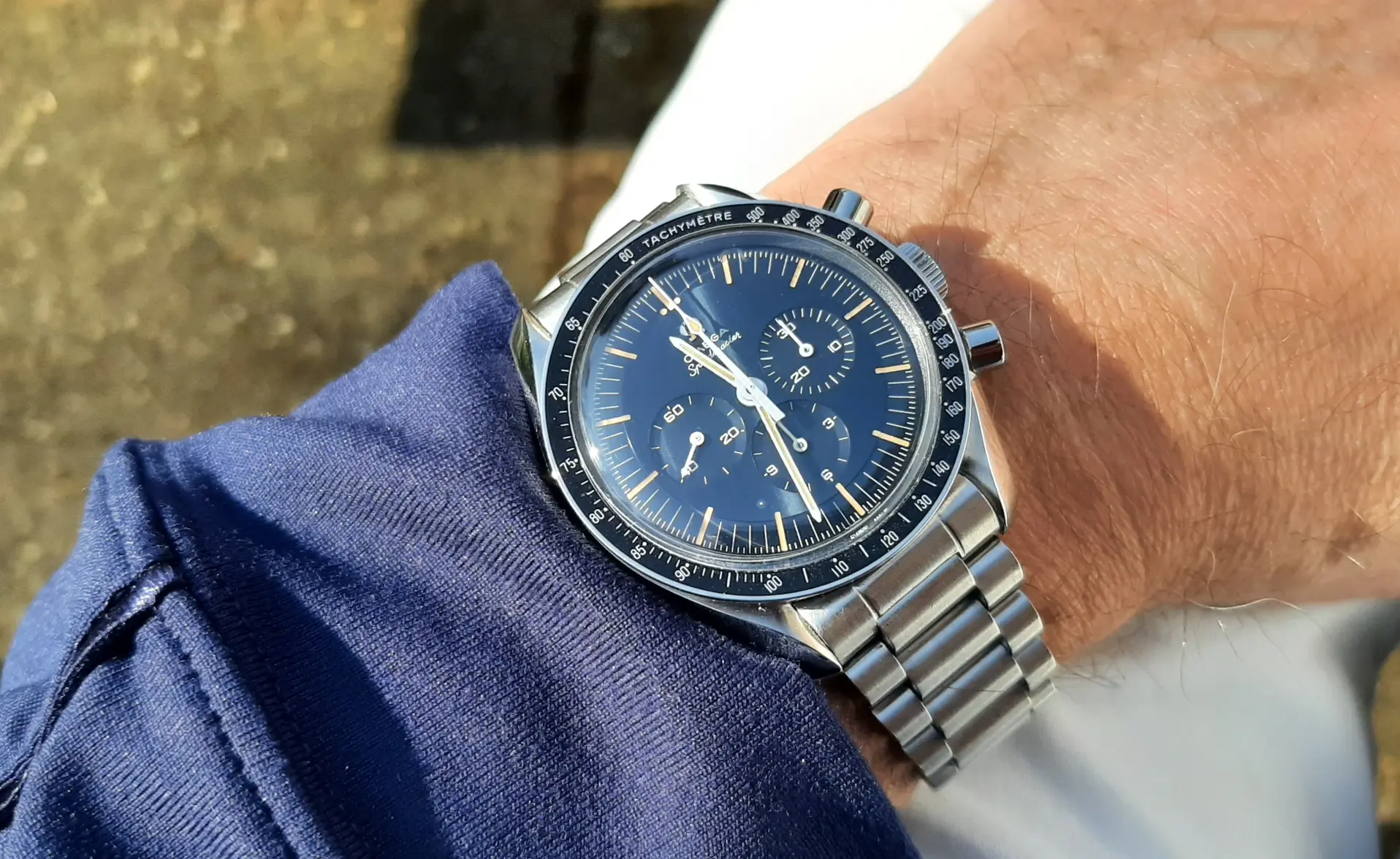
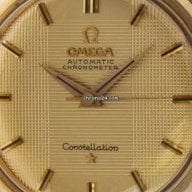
A heavily serviced watch might be called an honest Frankenstein. Consider a watch sent to Omega for service. The watch required a new crystal, crown, pushers, dial, hands, mainspring, wheels and bracelet. The manufacturer of the original watch has replaced parts with newer parts made by the same manufacturer. I don't think it would be fair to call it a Frankenstein, even if it looks similar.
One factor in accepting a Frankenstein is rarity. There are thousands, if not millions of watches. It's hard to justify making a put together watch. But a car where there may be less than five built? People will accept a car that was rebuilt with only the original vehicle id plate as being a valuable replacement if there are only a few extant cars. But not so much if there are mass production items.
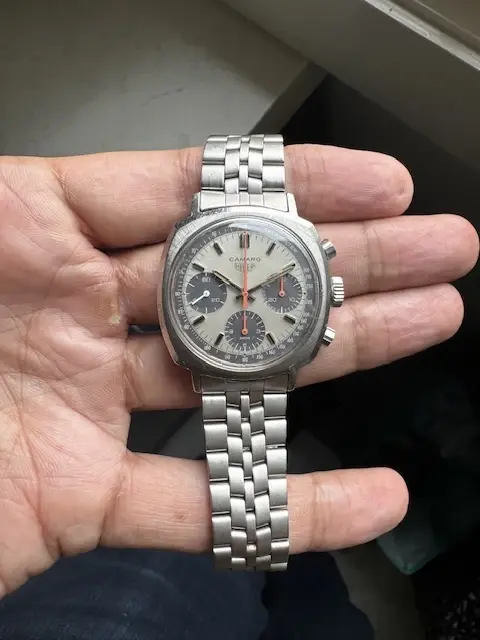
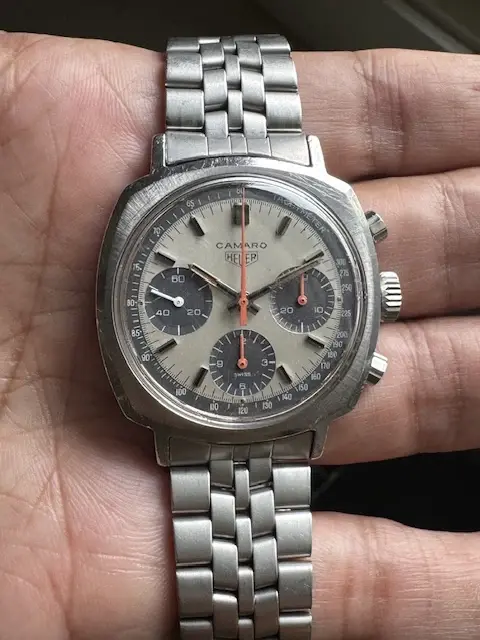
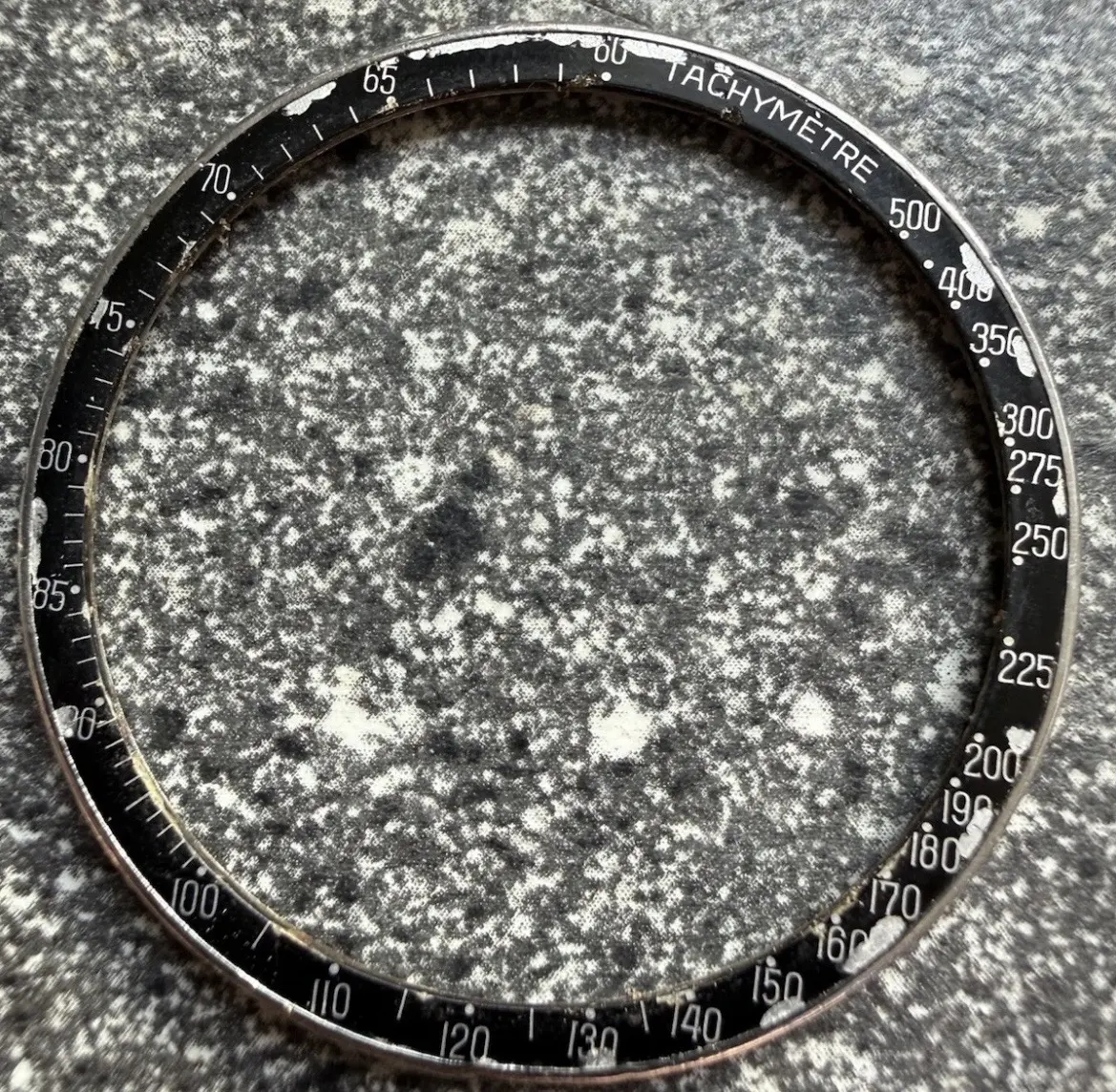
It's generally considered that a Frankenstein is put together to deceive. We call put together watches mods if they are done by the owner because the owner likes a different look (I own one and it's a favorite.) But if a vintage watch has a scuffed and chipped bezel that gets replaced by a better looking vintage bezel, is that a Frankenstein? It's not done due to service, it's done for appearance. Is this also an honest Frankenstein?
Over time, there are fewer untouched original watches and there are going to be even fewer. A watch wears out and needs new parts. A perfect vintage watch probably can't keep time. Is that better than a non-original watch that has been serviced and keeps good time?
Maybe a Frankenstein watch is like porn, we can't define it but we know it when we see it.