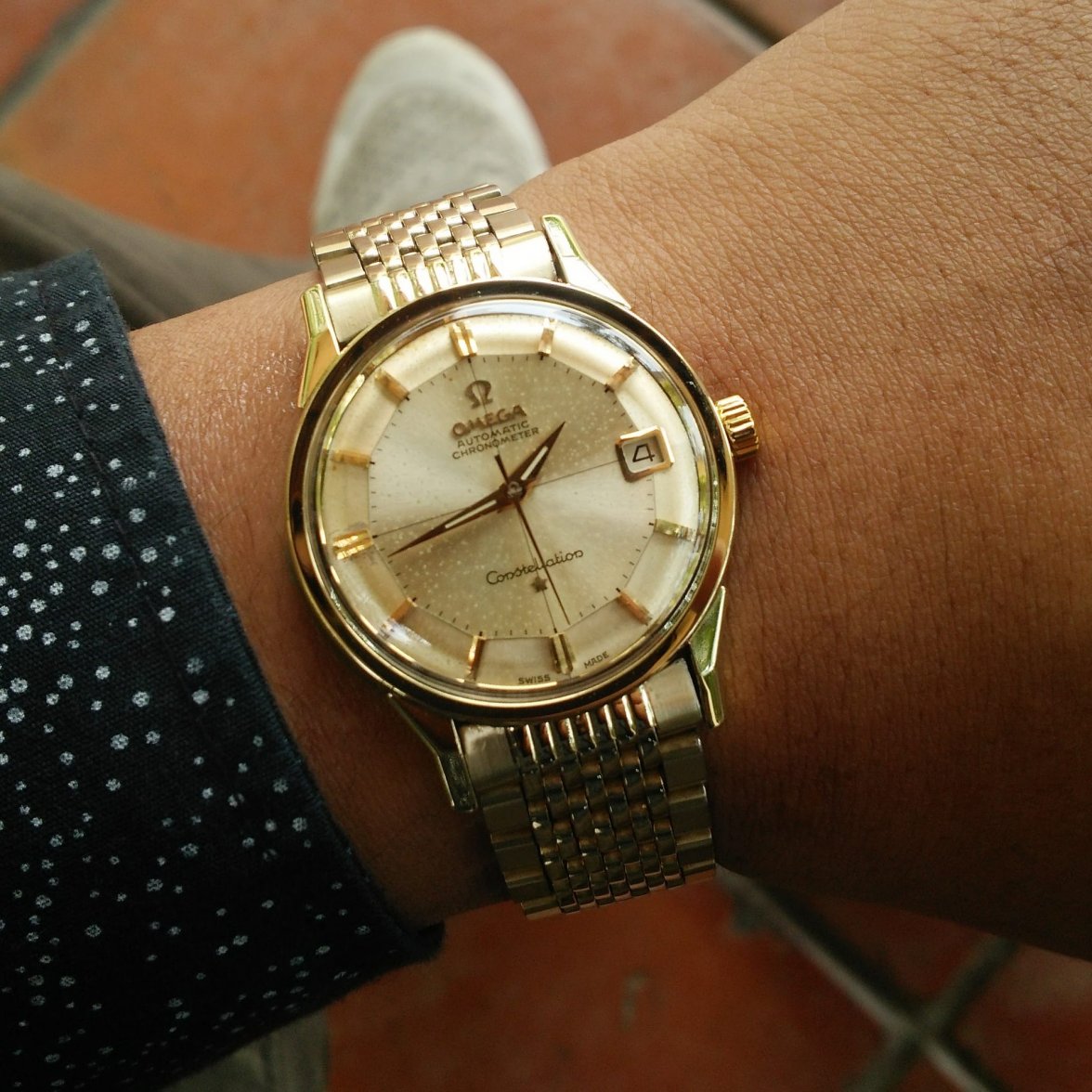
How do you guys do this?

Posts
142
Likes
118
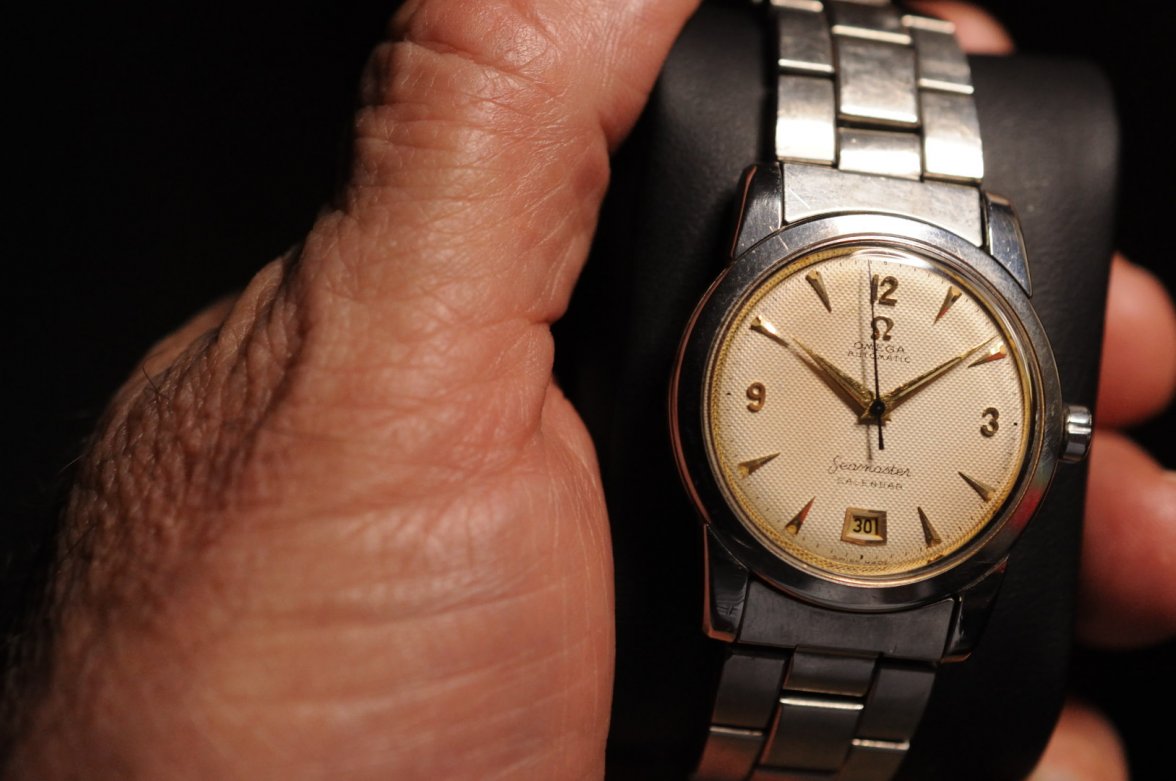
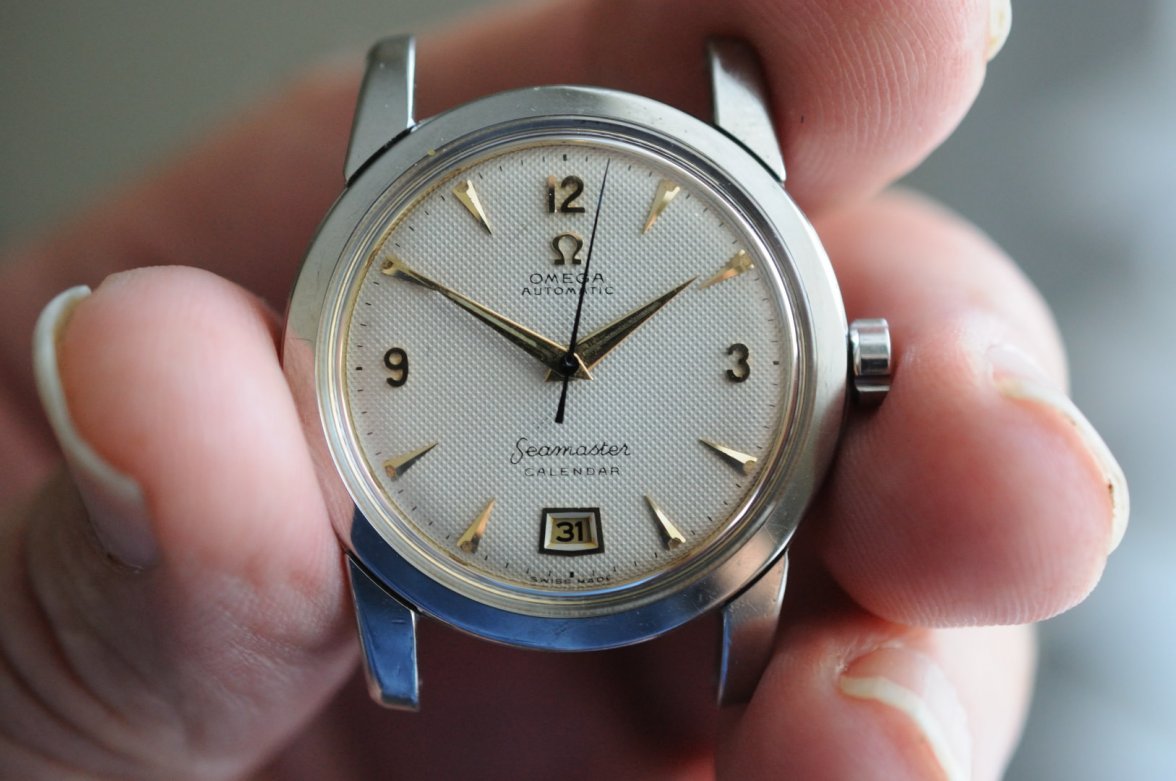
Rodico was used to clean this:

Before

After
What? Only rodico? Which rodico? The general green one? Can the grey one do the same? Did you pushed hard into the dial? Or little dab dab dab? Is it only applies with patterned omegas and not the flat dial omegas?
Edited:
 
Posts
16,307
Likes
44,981
Rodico was used to clean this:

Before

After
This is a great example of best case scenario, but I’ve seen the same approach where the dial comes out blotchy and looks worse than if they had just left the even patina alone....it can go either way.
 
Posts
142
Likes
118
This is a great example of best case scenario, but I’ve seen the same approach where the dial comes out blotchy and looks worse than if they had just left the even patina alone....it can go either way.
What is blotchy? Sorry I'm not a native English speaker...
 
Posts
16,307
Likes
44,981
What is blotchy? Sorry I'm not a native English speaker...
Blotchy = spots or areas of irregular finish.
 
Posts
1,417
Likes
2,975
I have this dial that I would like to clean up if it was possible
Awh, thank you! No, I don't bother with these patinas... I was mainly curious about how did some of you guys done it. So... What did you do to the lemons again? You dip the dial to the pure lemon juice? Or you dilute them? Did you re-lacquered them?
Oh yes... I know about that. Pristine dials is the oomph!
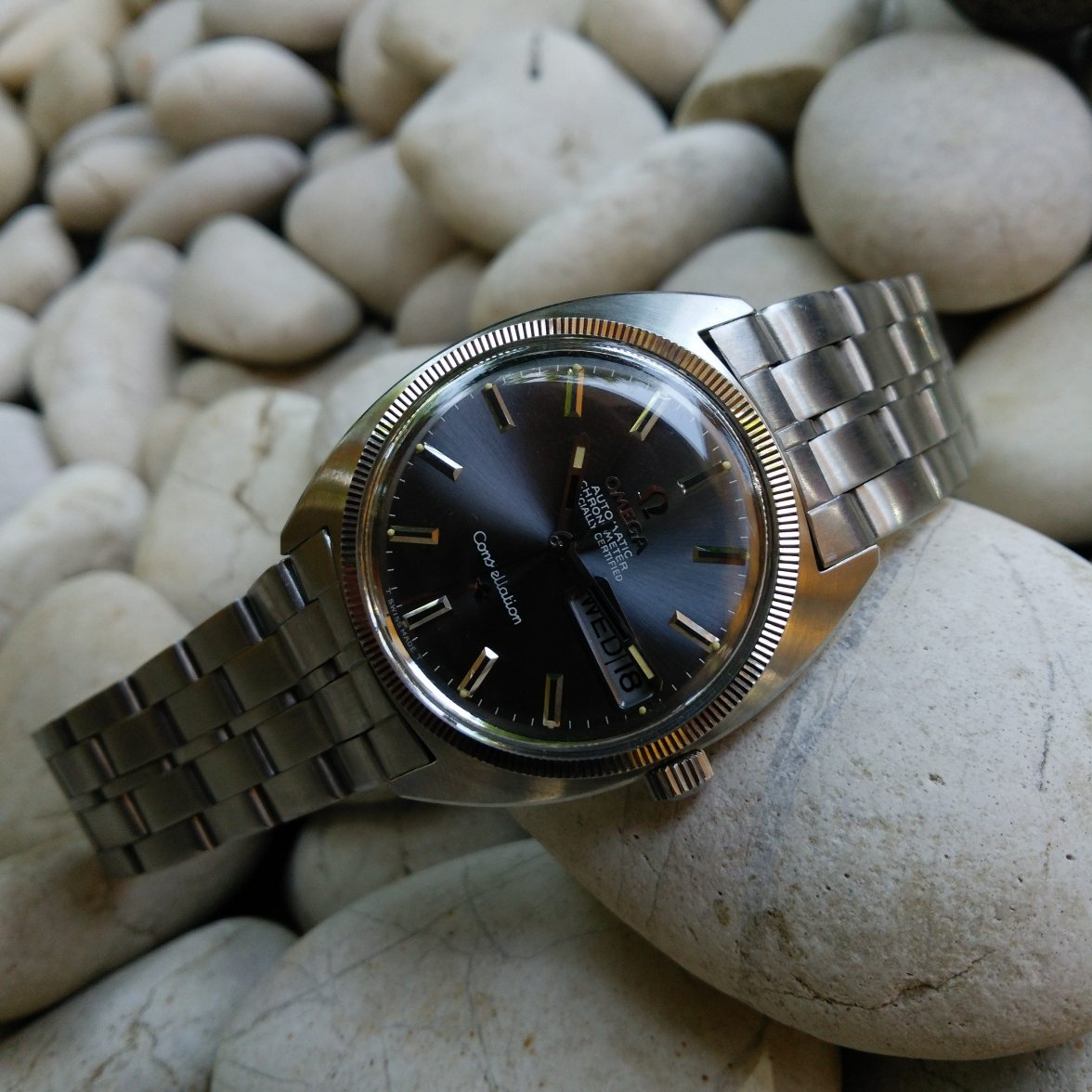
I LOVE that constellation - what model number is that? 😀
 
Posts
142
Likes
118
I have this dial that I would like to clean up if it was possible

I LOVE that constellation - what model number is that? 😀
Which one?
 
Posts
16,854
Likes
47,854
Btw,
I'm a patient man, I mean, I was making a balance staff from scratch back at the school for 8 hours straight. 😵‍💫
Can't go home till you finished the task. 😵‍💫
Must get the measurements correct with tolerance like 0.12 microns.
One rushing, one measurement incorrect then you gotta do it all over again. It was when I discovered myself to be a little masochistic, as the opposite I was enjoying it.

Stop....wait.....your a watchmaker or are training to be one and your asking how “we” clean Omega dials !?

🍿
 
Posts
142
Likes
118
Stop....wait.....your a watchmaker or are training to be one and your asking how “we” clean Omega dials !?

🍿
I mean it's easier to make one than to clean one especially if it was already some decade years old. And I don't have the experience to work on a dial unless it was a plain round metal then play around with different finishing. Haven't reached that point yet. I would love to do those kind of dial manufacturing process. Seems it is another field inside watchmaking. Watchmaking consist of many things like micro mechanics, the assembly and the adjusting man, the part maker, dial maker, the movement finisher, guillocheur, etc etc. I only covered some yet. I wanna learn more, that's what my target is. This is one of them 😁
 
Posts
1,417
Likes
2,975
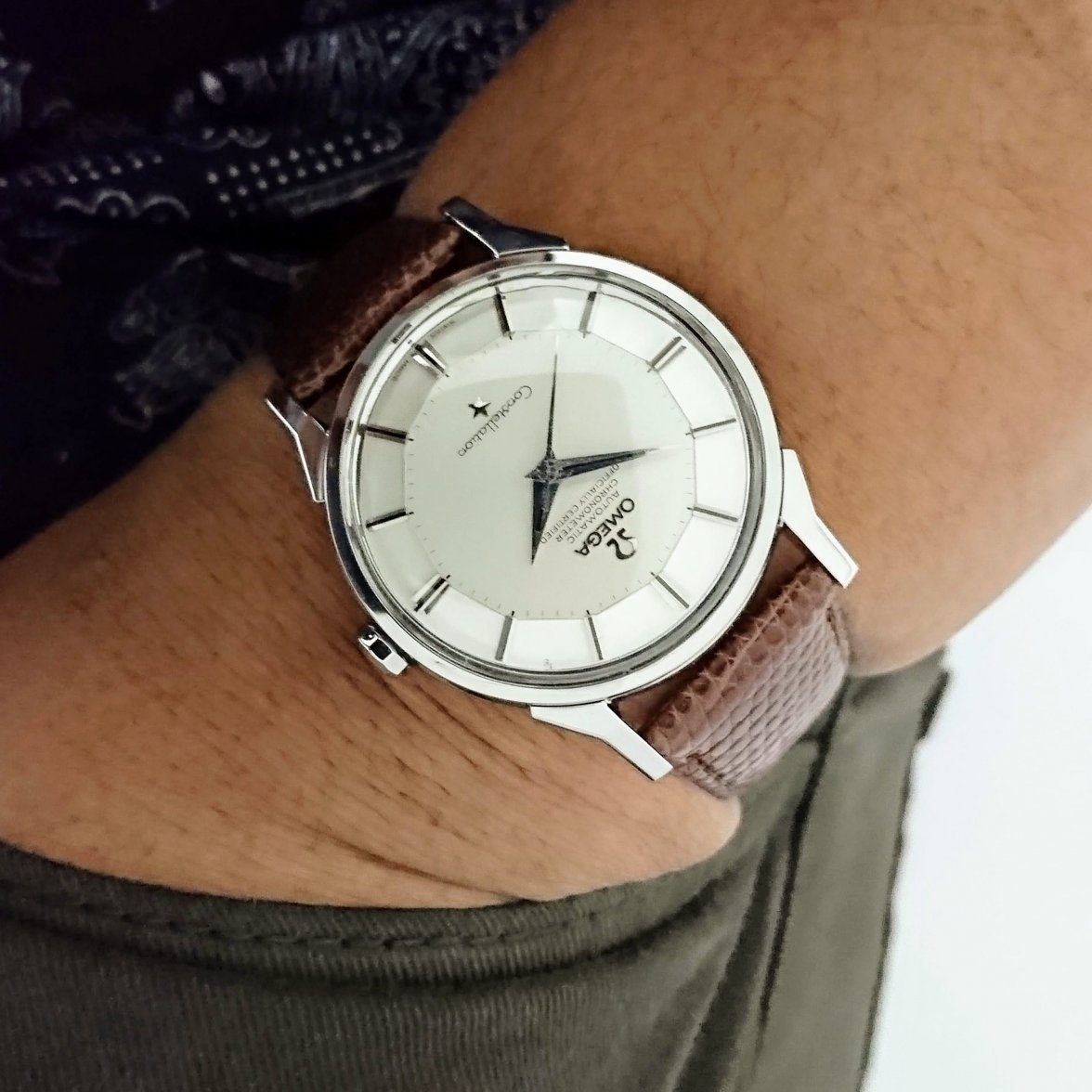
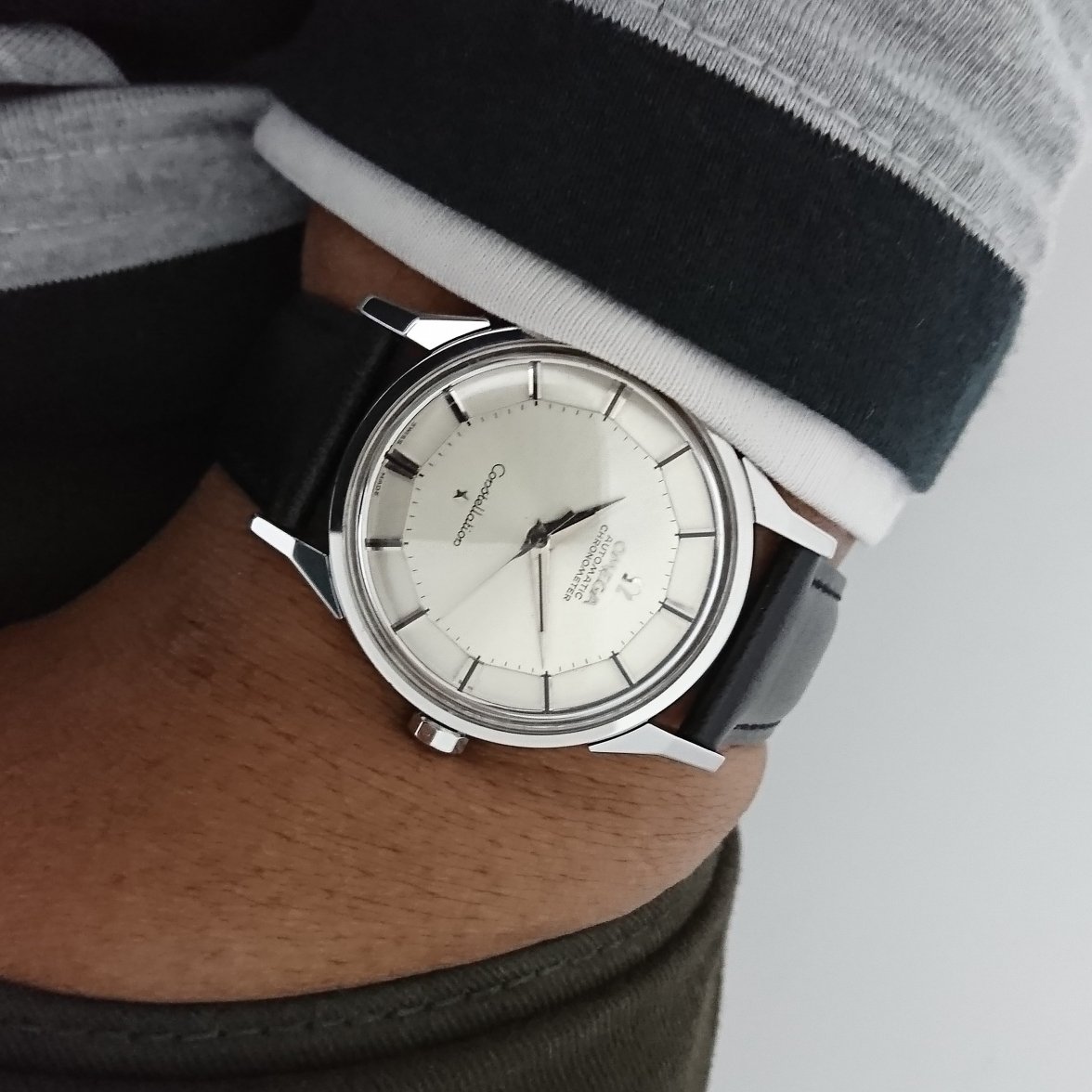
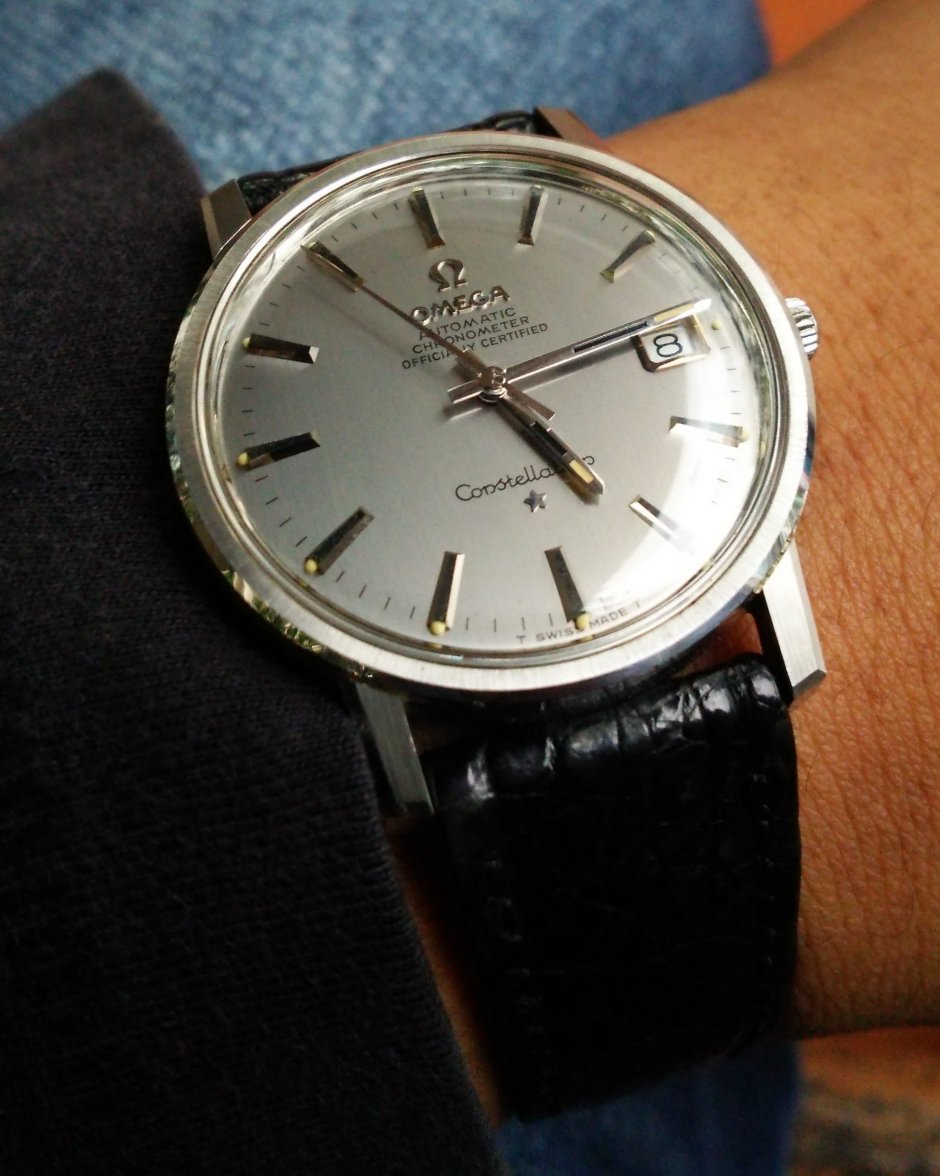
Those steel ones are c shape 168.029, 14900, 167.005, 168.018. There are so many ss ones in my photos hahaha
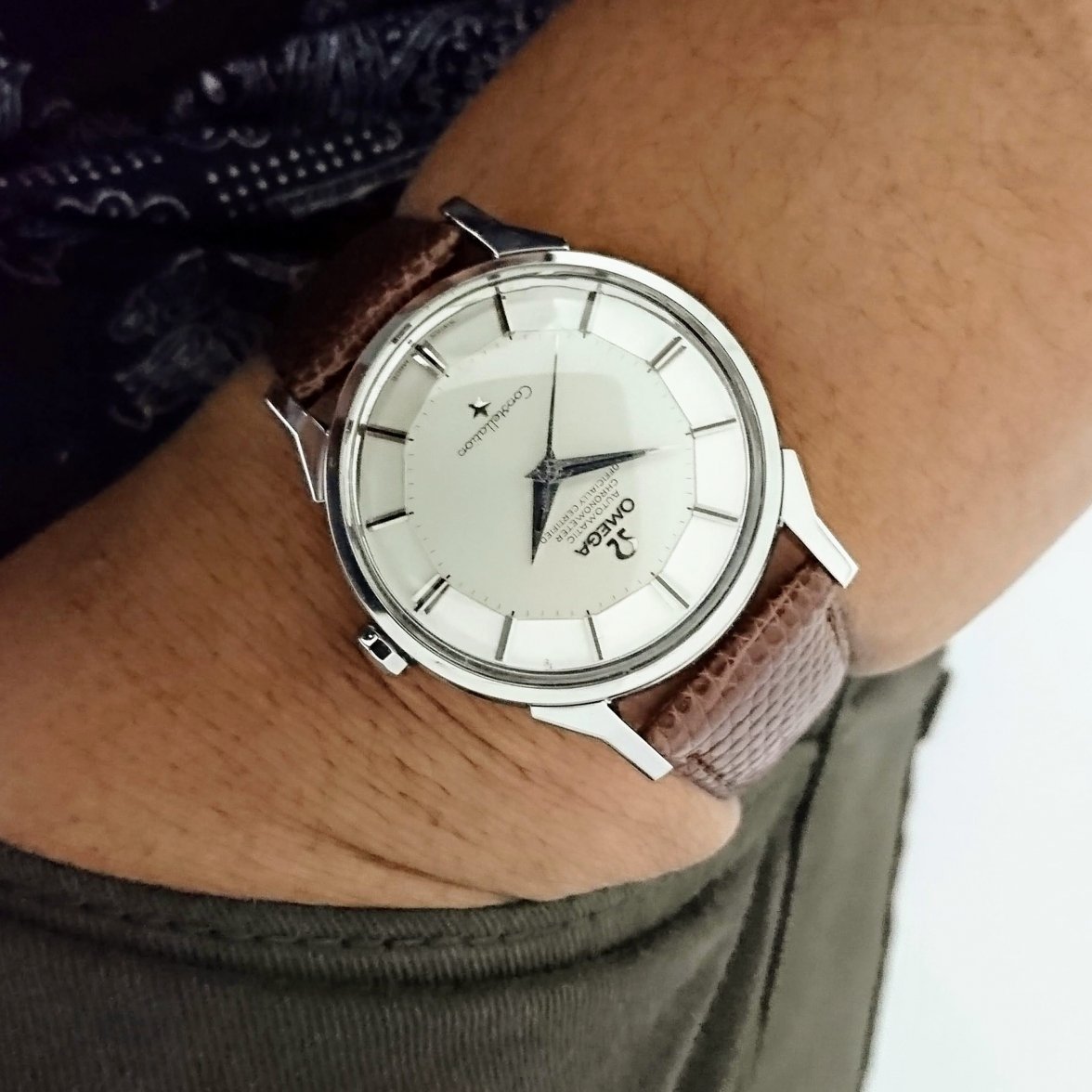
Haha the 2nd and 3rd one, they're both the same right, just different straps? Black and brown? 😀 972640-cb1803faf6a693af867ee3707aeb9992.jpg

 
Posts
142
Likes
118
Haha the 2nd and 3rd one, they're both the same right, just different straps? Black and brown? 😀 972640-cb1803faf6a693af867ee3707aeb9992.jpg
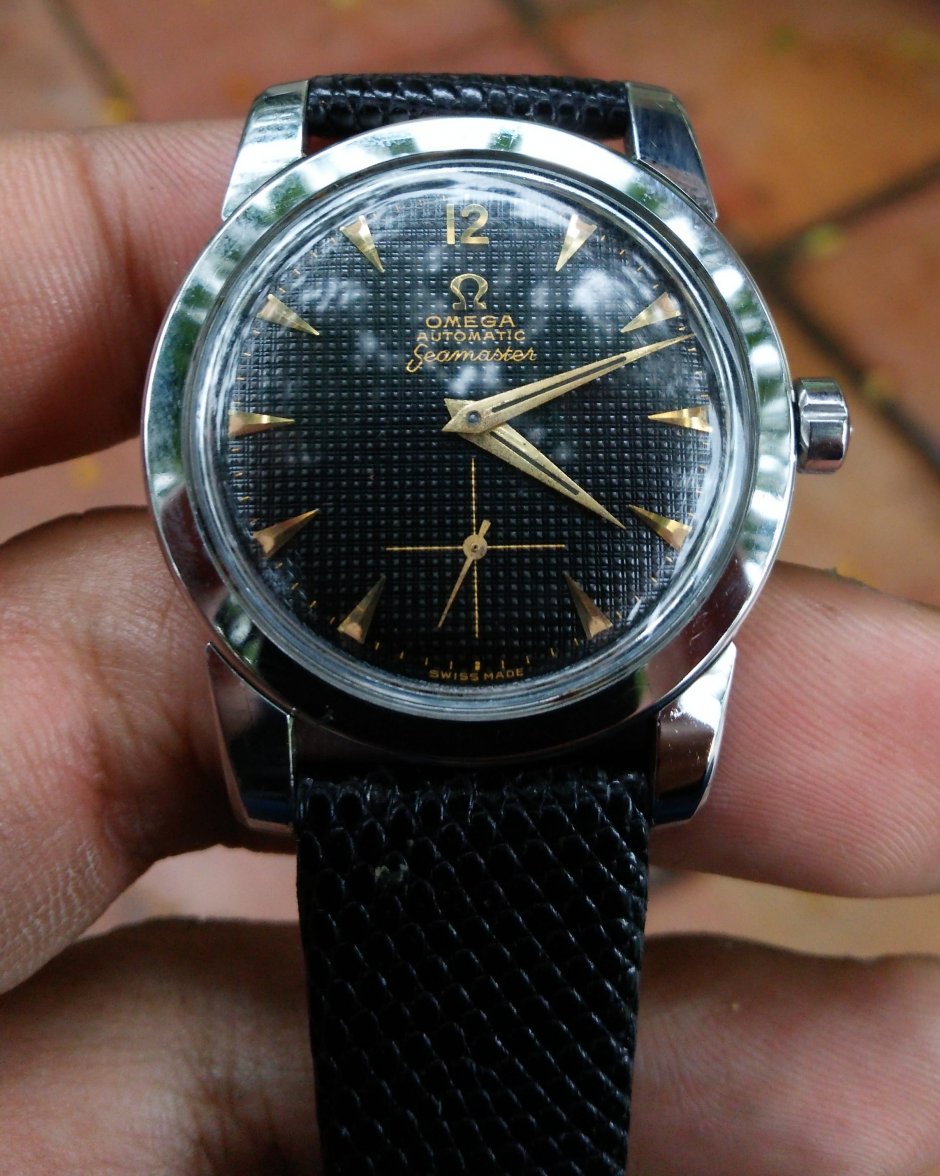
No, it's different. Brown one is 14900, from 59 if I recall... Black one is from mid 1961, 167.005, notice the officially certified is missing from the dial, which only done by omega during 1961-1962. Both are using 551 movement in which the production only 37,500 of them spread out throughout the constellation luxe, grand luxe, normal constellation and chronomètre seamasters.
 
Posts
142
Likes
118
Ah yes... Like the Archer said, we only used this as dial cleaner, never used rodico on dial or movement. For oil spills on the movement I used the cigarette paper to clean them up. I only use rodico when I was making things back in the school to clean up the thing I made from debris or just to stick them so they're not moving inside my tiny work tray to present it to the lecturer to check. When I saw these kind of things, it was like "what?! Was that possible? How?!" because we're told not to mess with the dial as much as possible. 😁
I never used any solvent or liquids or things or dipped it into something. Just stay safe and sound under the dust cover waiting until it was reattached again into the movement. Though I somehow experimenting with damaged/scrapped dials to see what's the effects on solvents to them. Rodico is a nightmare for black rado ceramica dials so from thatpoint I know it's bad for the dial😁. Idk... It's nice experimenting things. Thus why I was surprised like rodicos, lemon juices, and things was used to clean the dial bcz in my experience they didn't work. I've tried polishing my indexes and hands manually with my hands and omega polishing cloth and some red dialux, rub a little to bring back the shine, as long as it's a real metal surface like steel or gold, not like a coated metal or something, and not touching the dial surface while doing so. That the only recent thing I'm confident to done with to remove the moisture damage on the indexes and hands only, just cleaning light scratches from previous watchmaker job on handling the dial. 😁
 
Posts
142
Likes
118
Soaking in polident is pretty standard for reselling pocket watch dials... yup, I think reply #1 was all this thread needed. (Except for Standy, thanks for the laugh!)
Fake teeth glue? What? You dip it in them?
 
Posts
29,193
Likes
75,433
When I saw these kind of things, it was like "what?! Was that possible? How?!" because we're told not to mess with the dial as much as possible. 😁

And that is the correct advice from your instructors. If it is your own dial, do whatever you want. If it's a customer's dial, you had better consult them before you do anything to it, and let them know that it turns out badly more often than it turns out well.

Keep in mind when you see all these great examples, that no one "shows off" the dials that have been completely ruined by cleaning attempts...
 
Posts
1,417
Likes
2,975
And that is the correct advice from your instructors. If it is your own dial, do whatever you want. If it's a customer's dial, you had better consult them before you do anything to it, and let them know that it turns out badly more often than it turns out well.

Keep in mind when you see all these great examples, that no one "shows off" the dials that have been completely ruined by cleaning attempts...

Like gamblers always tell people about their big wins, but not their big losses!