- Posts
- 12
- Likes
- 3
JAlc
·I found a seamaster De Ville Cal 560. US collection. What is the going rate on that?
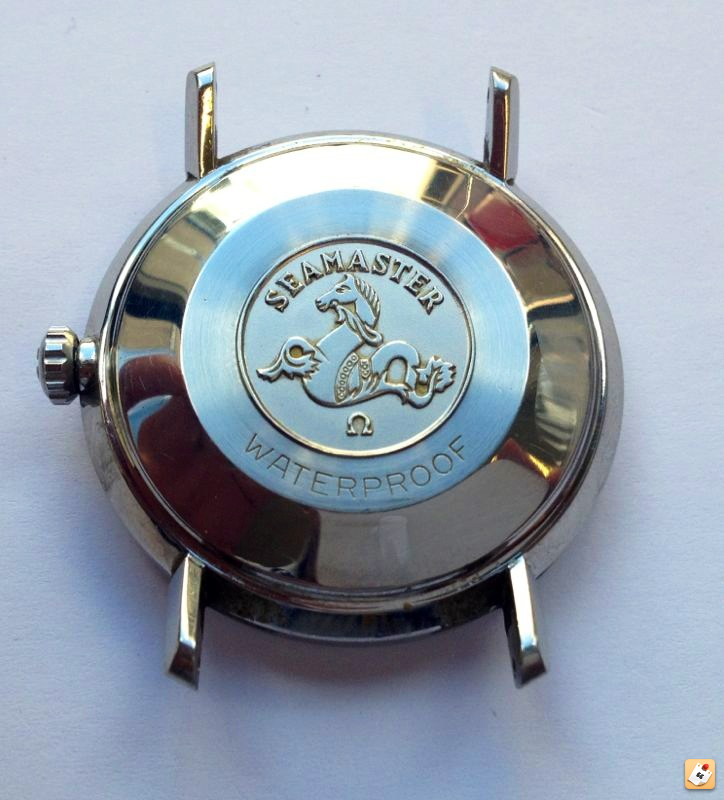
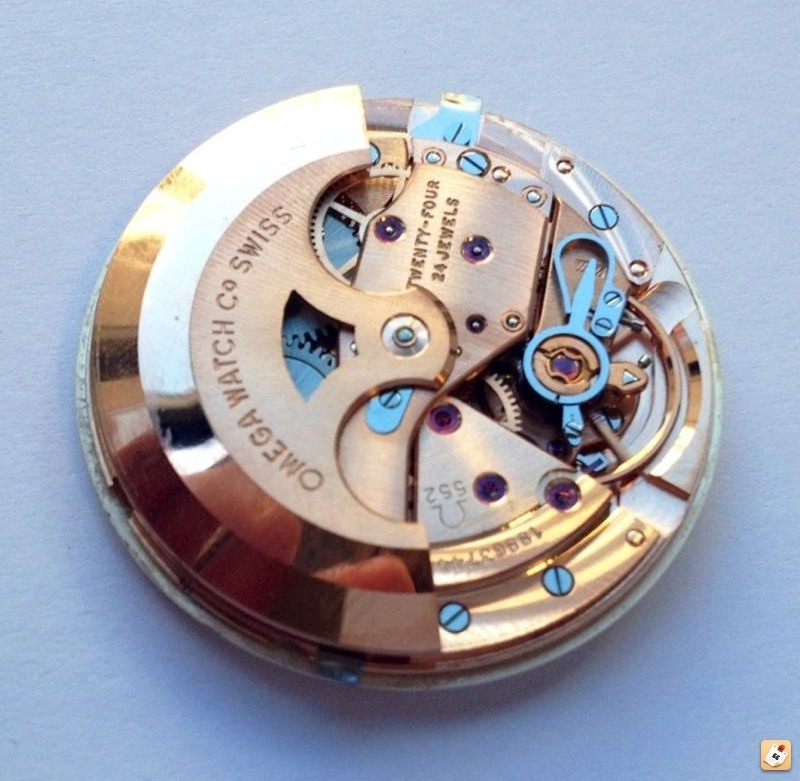
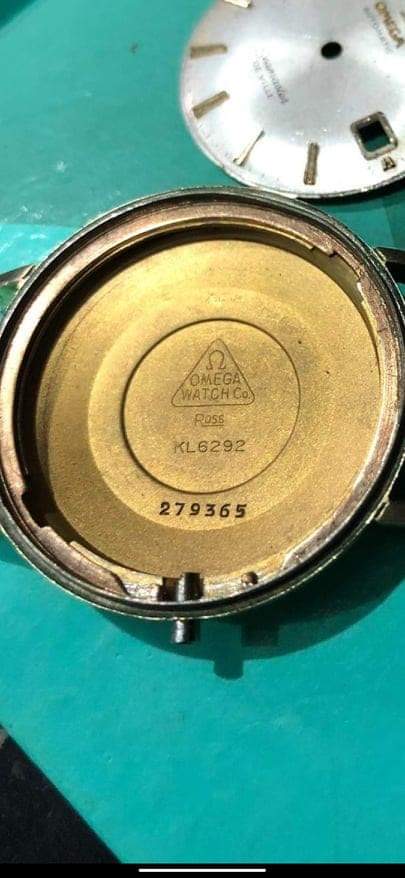
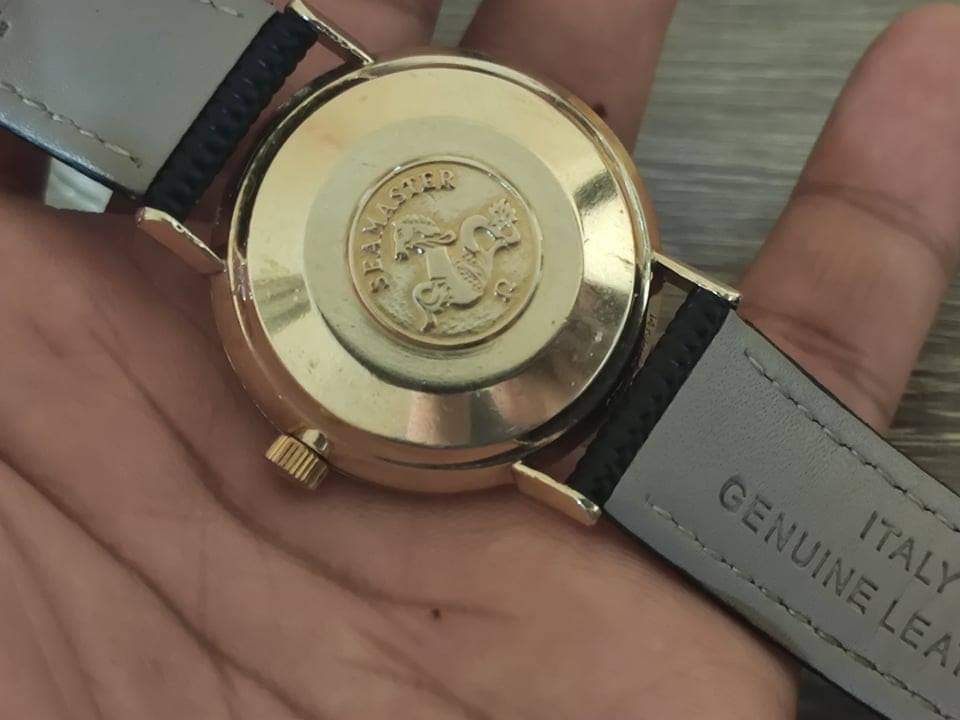
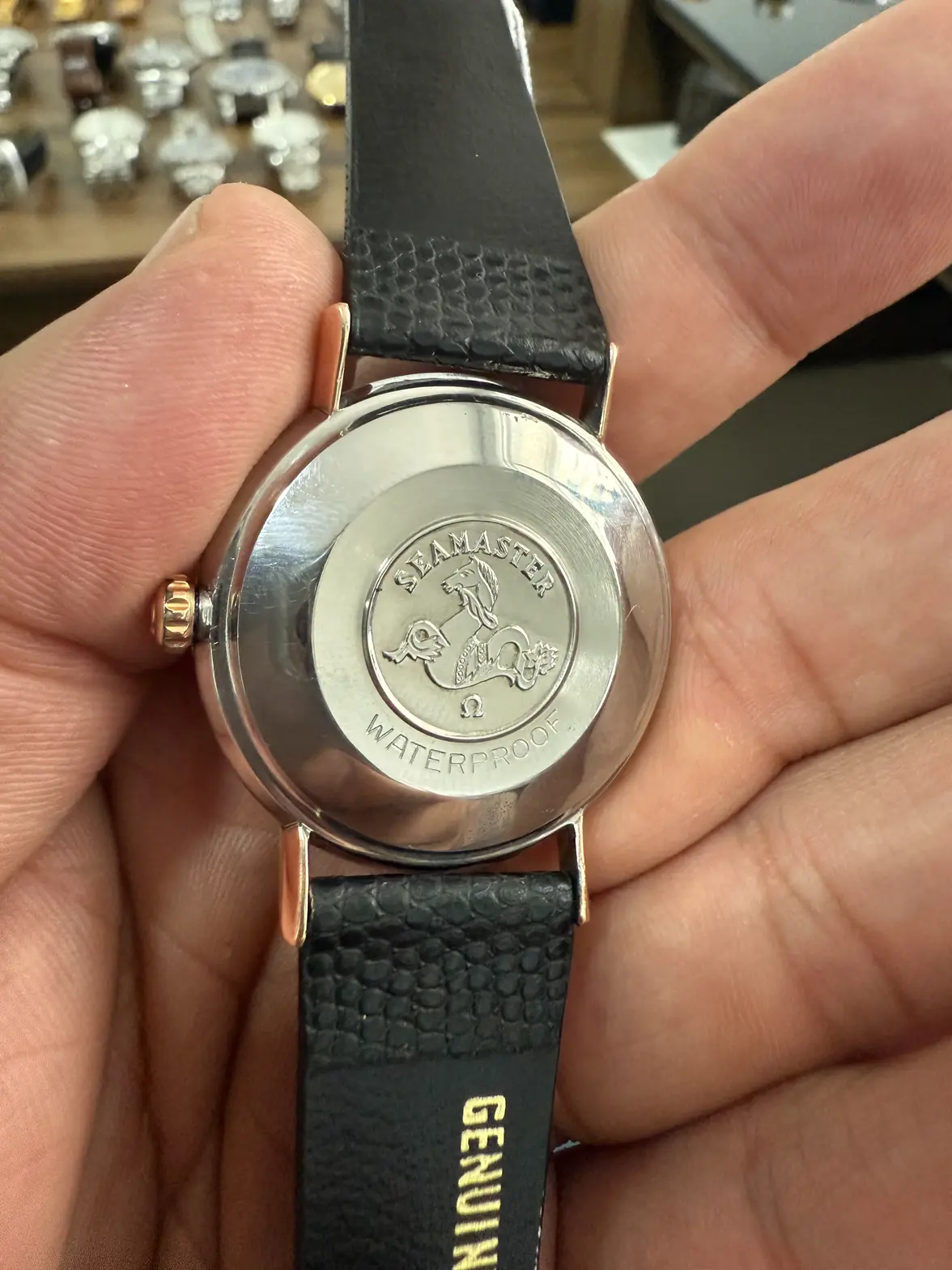
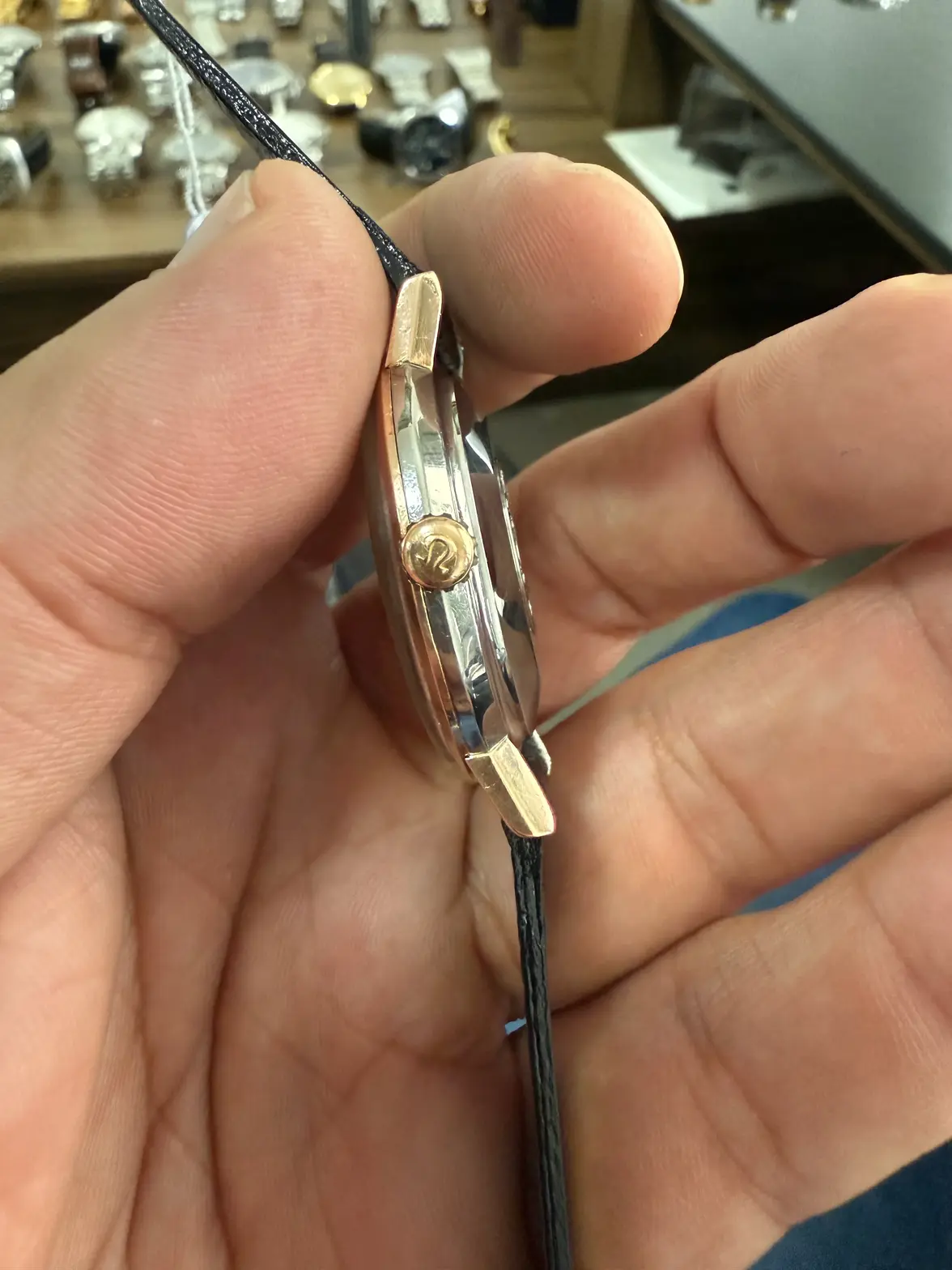
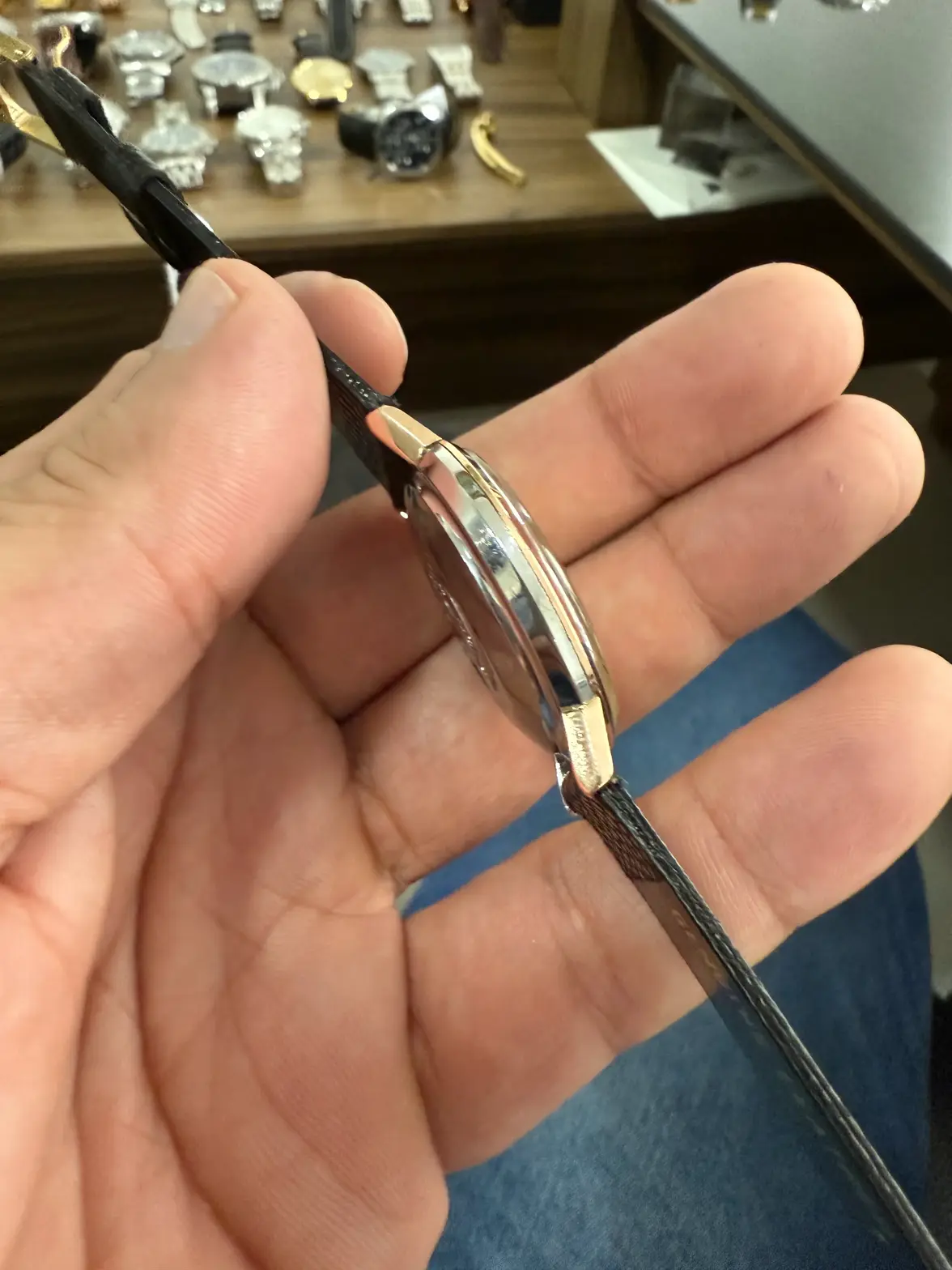
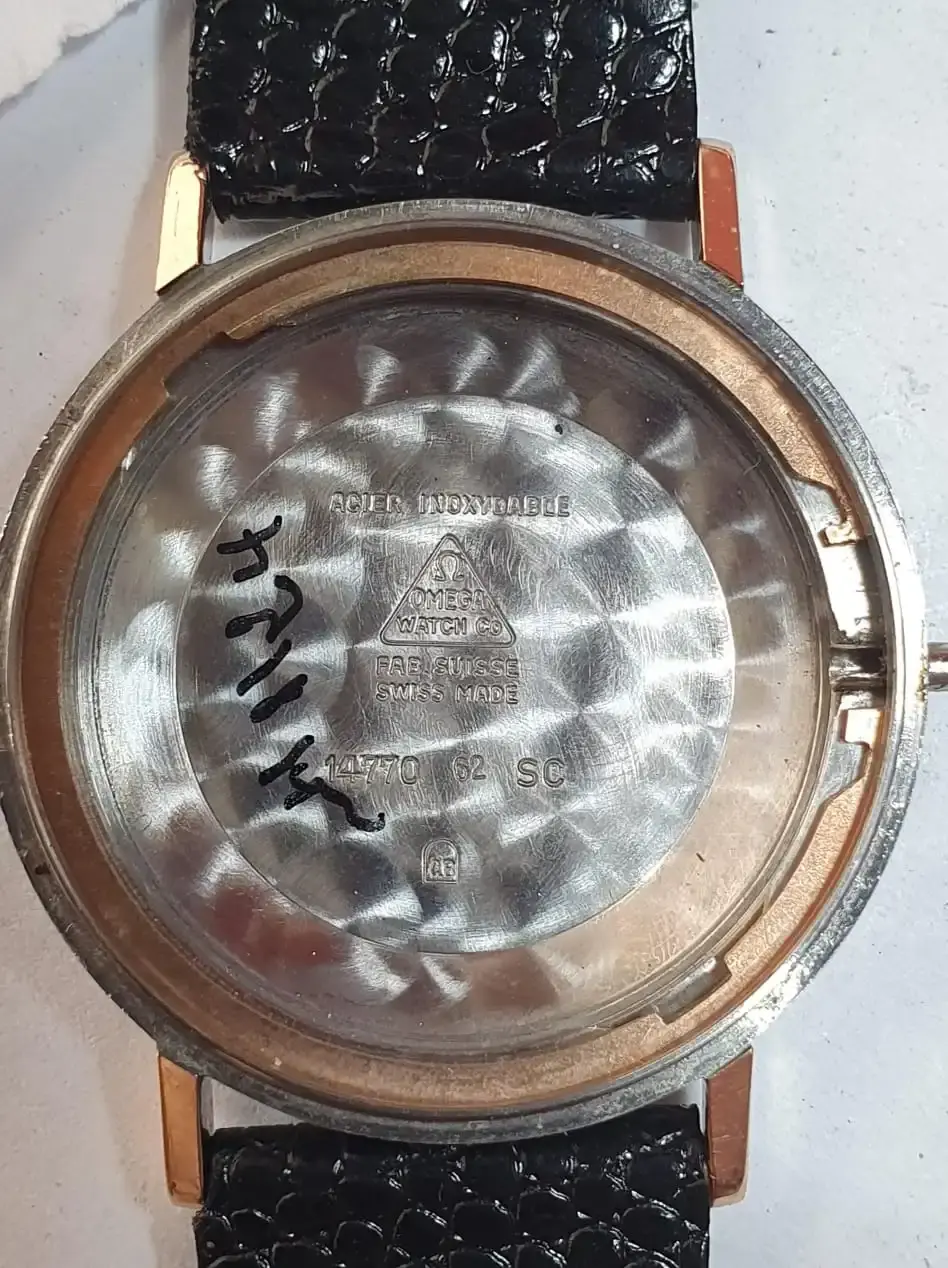
Lets see if I can sort this out for you. The Seamaster is an Omega model that came out in approximately 1948 and its big advance was that it was waterproof. The Seamaster De Ville was a model that was available from 1963 to 1967 and most if not all came in a case that required the movement to be removed through the front of the case like so...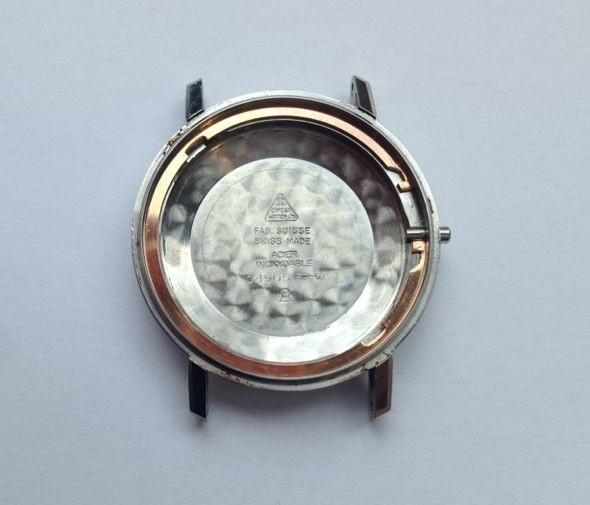
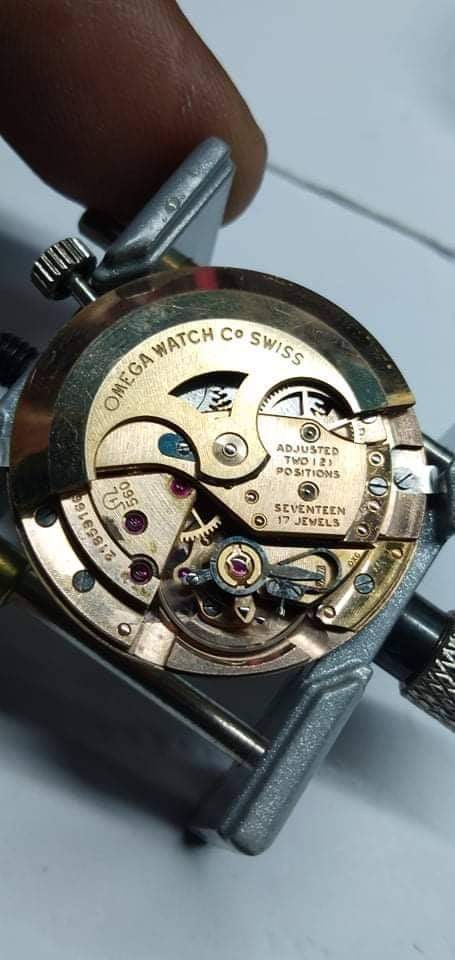
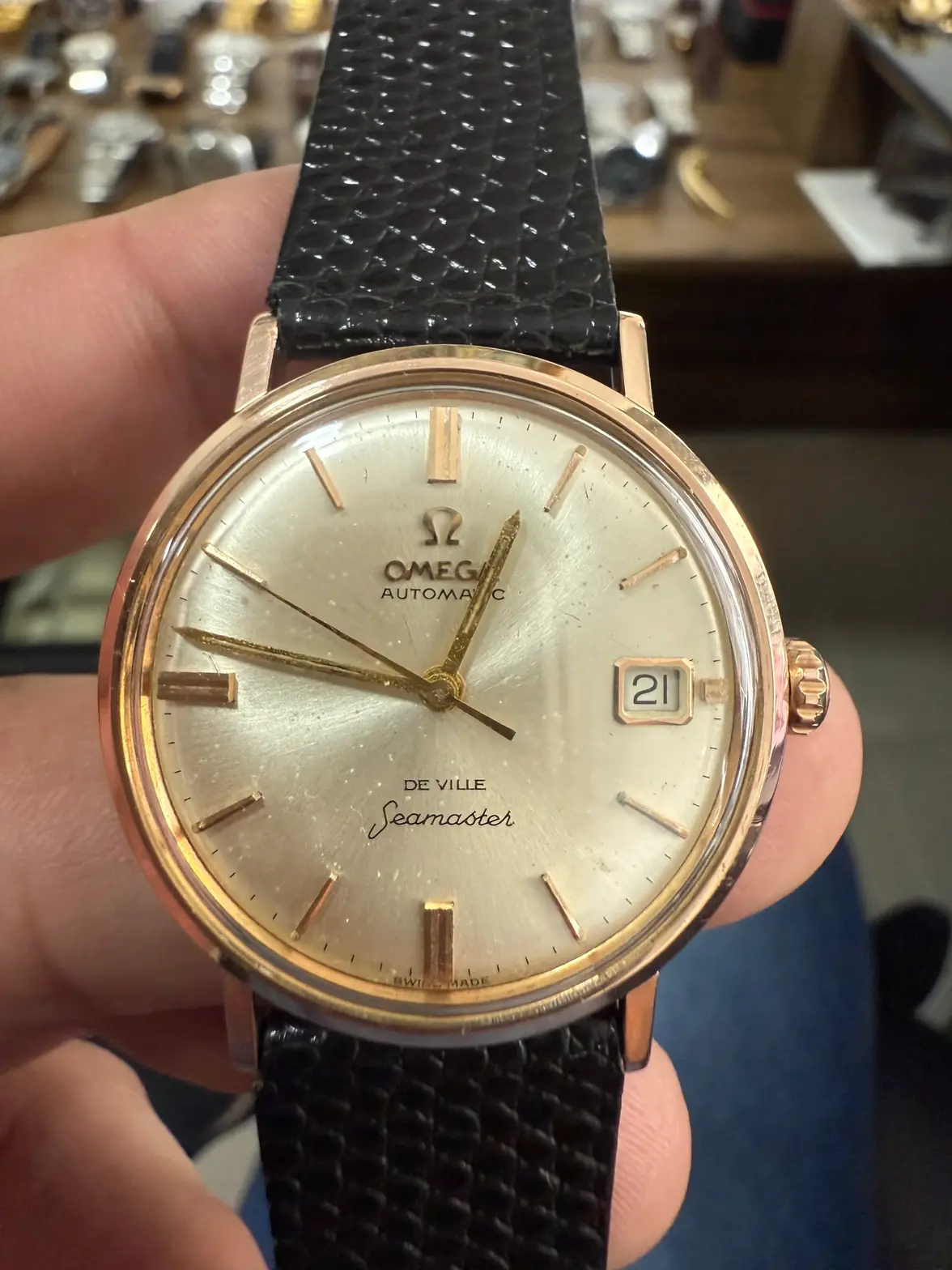
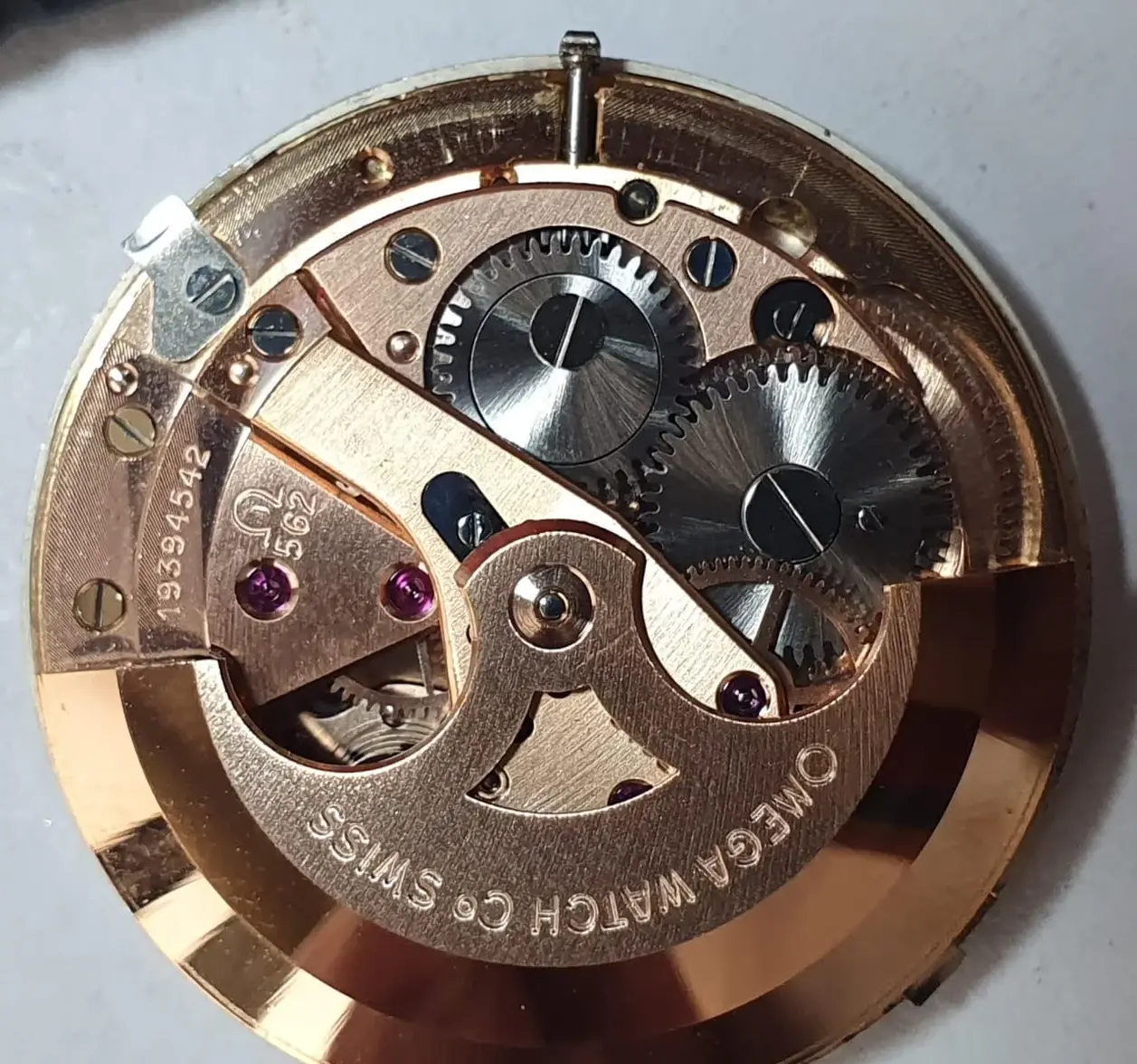
In other words there was no removable case back. Previously to 1963 this model came labeled as a Seamaster only and these two models were identical. These watches came with a variety of movements...the one I own now has a cal. 552 and I've owned one with a cal. 563. These are both automatic movements.
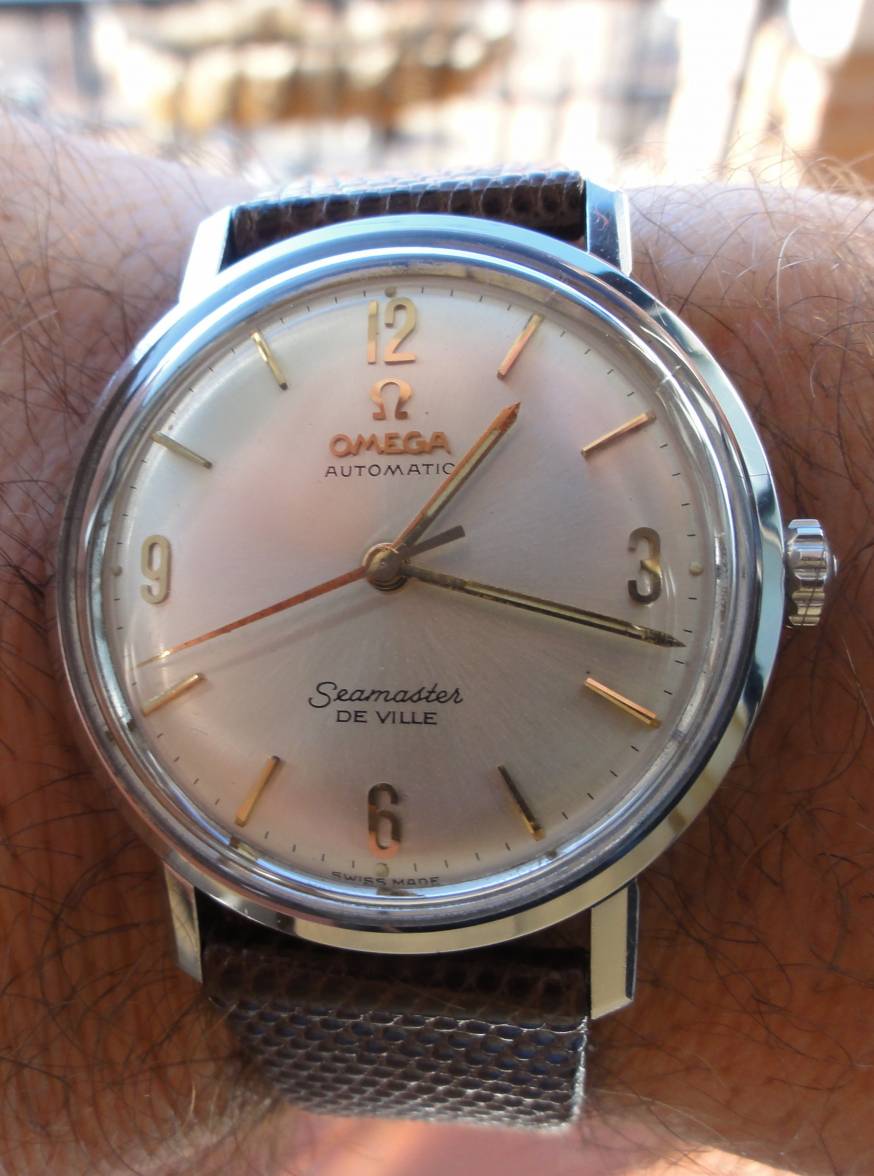
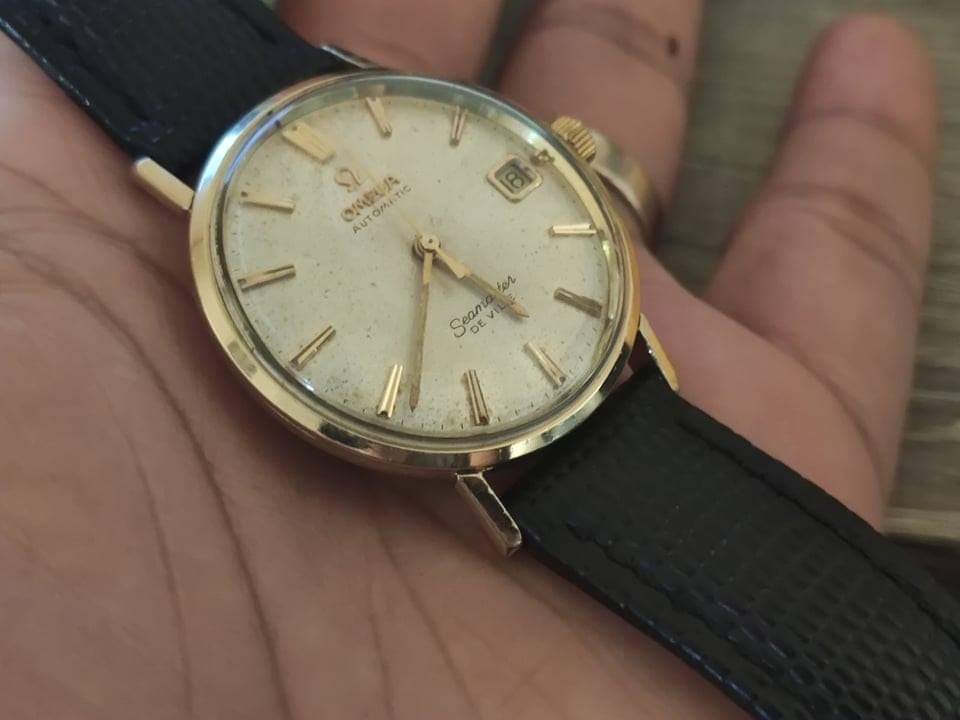
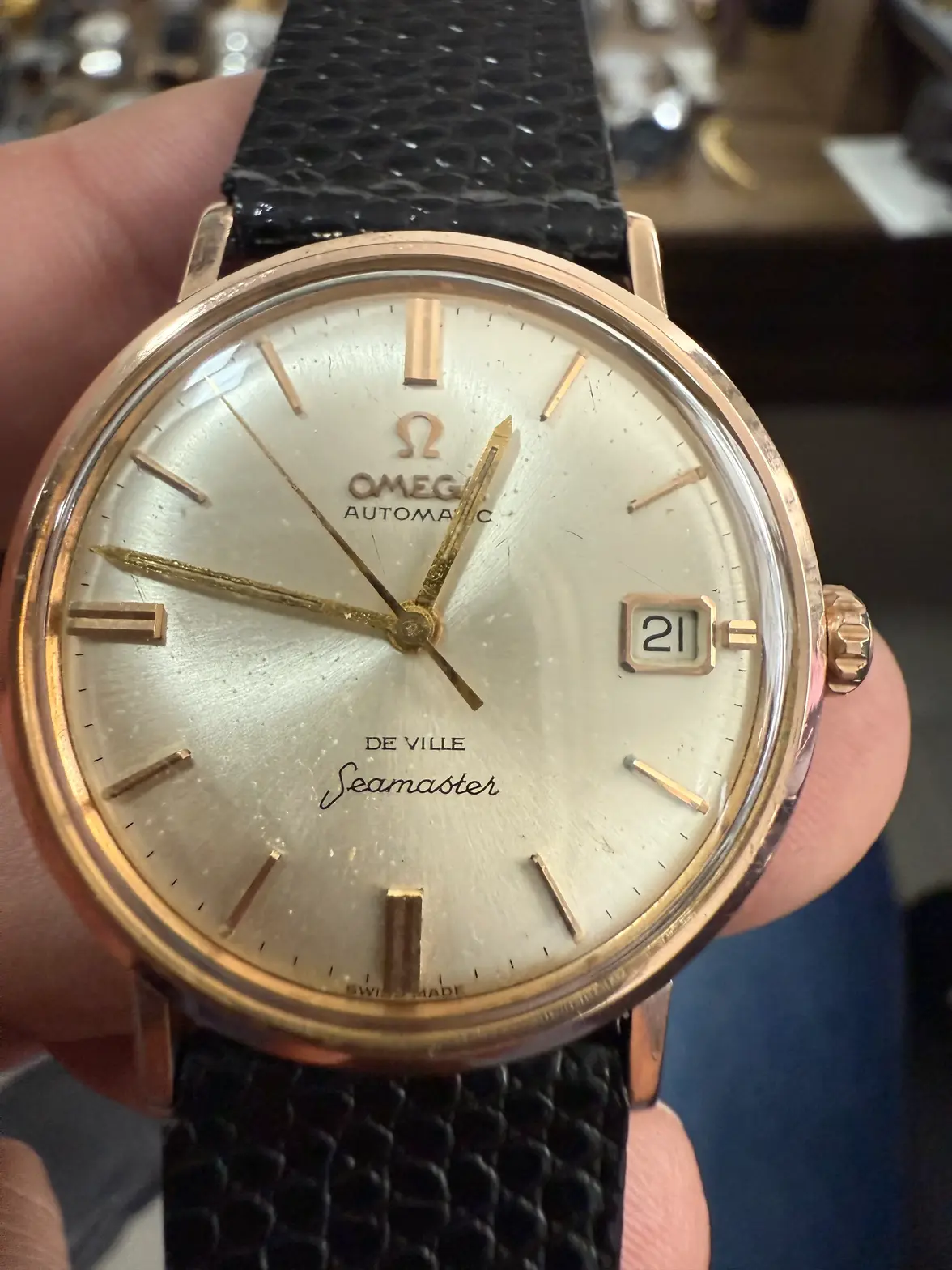
I believe the SM De Ville came with hand wound and auto movements and the auto ones were marked on the dial.
The one I own now...
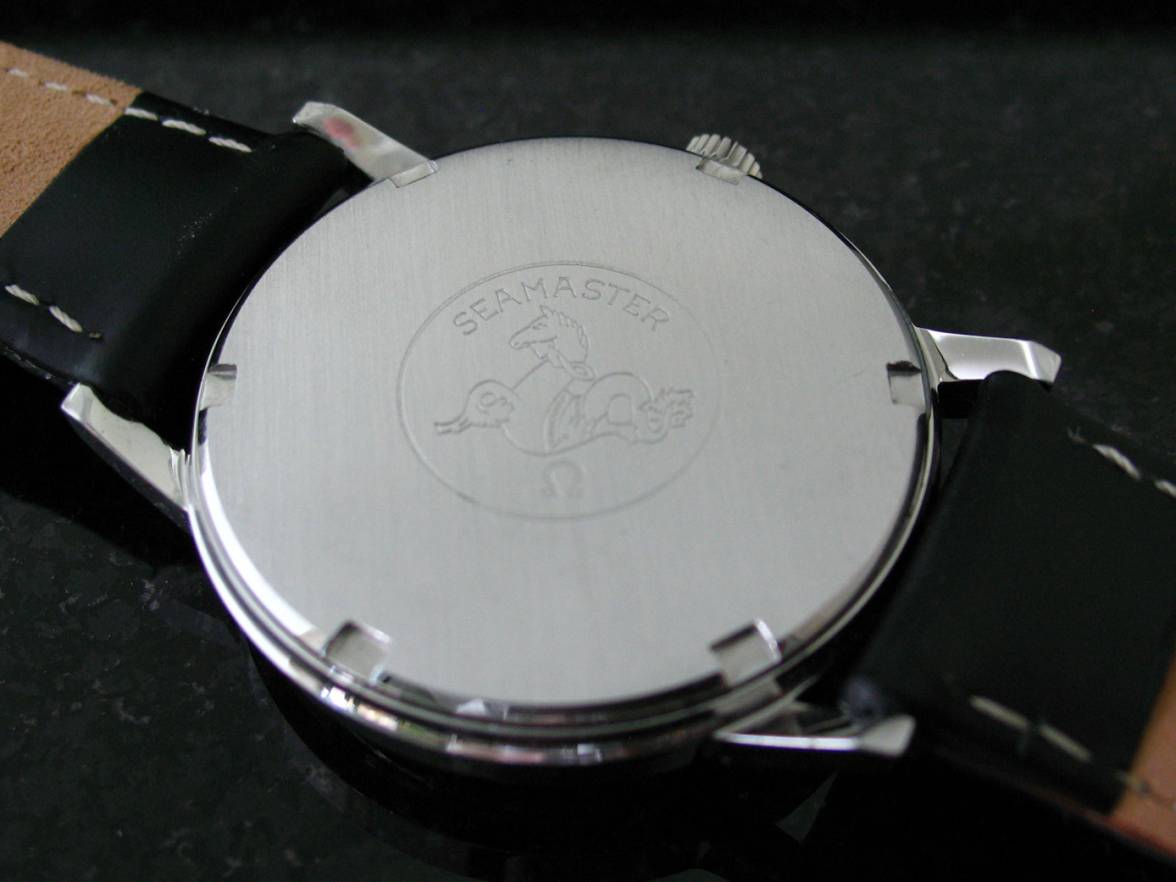
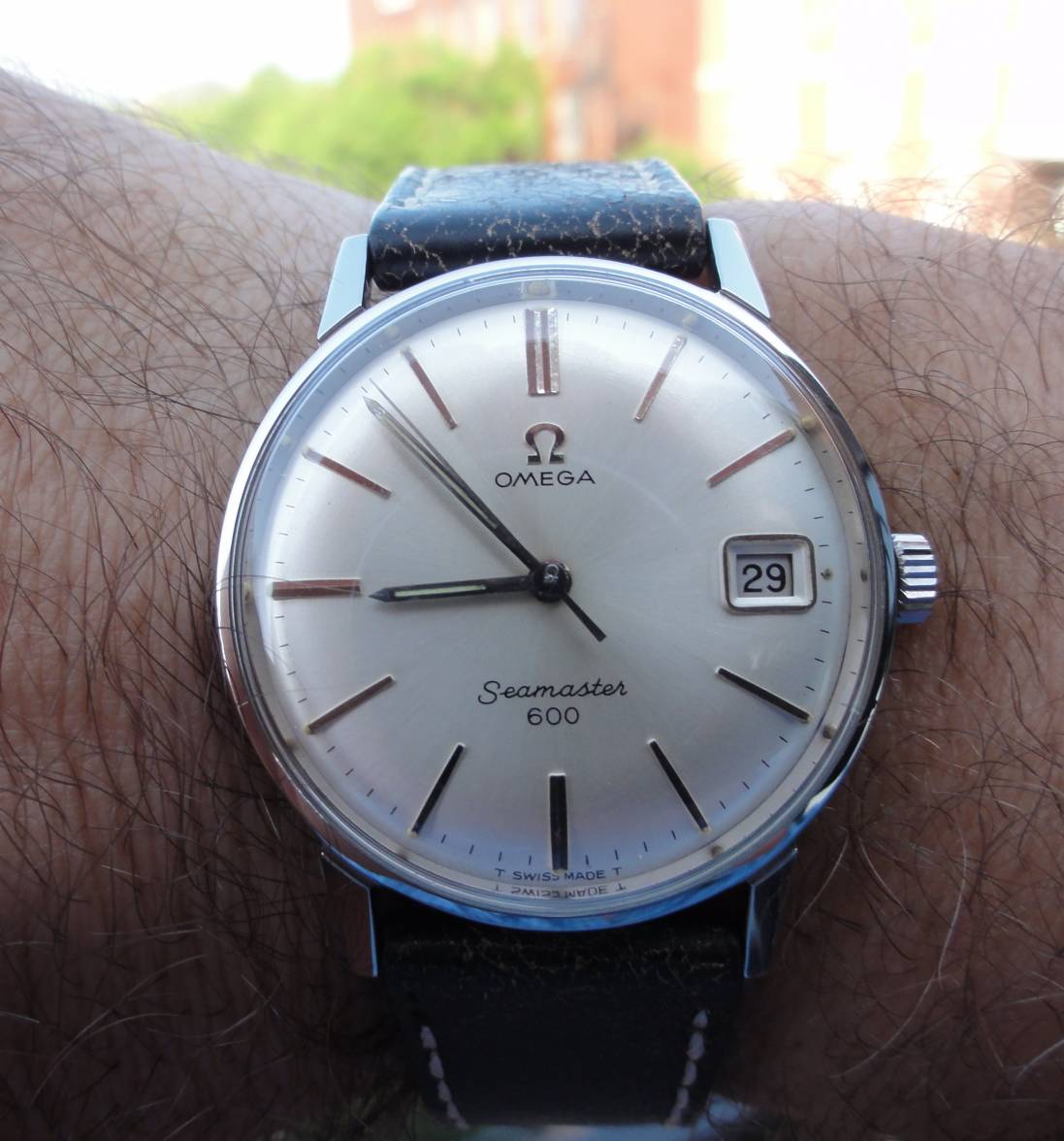
As for the Seamaster 600, these were named for the cal. 6xx hand wound movements that they came with. The one I own now has a cal. 611 movement (some had a 613 movement, I believe these were no date movements)...
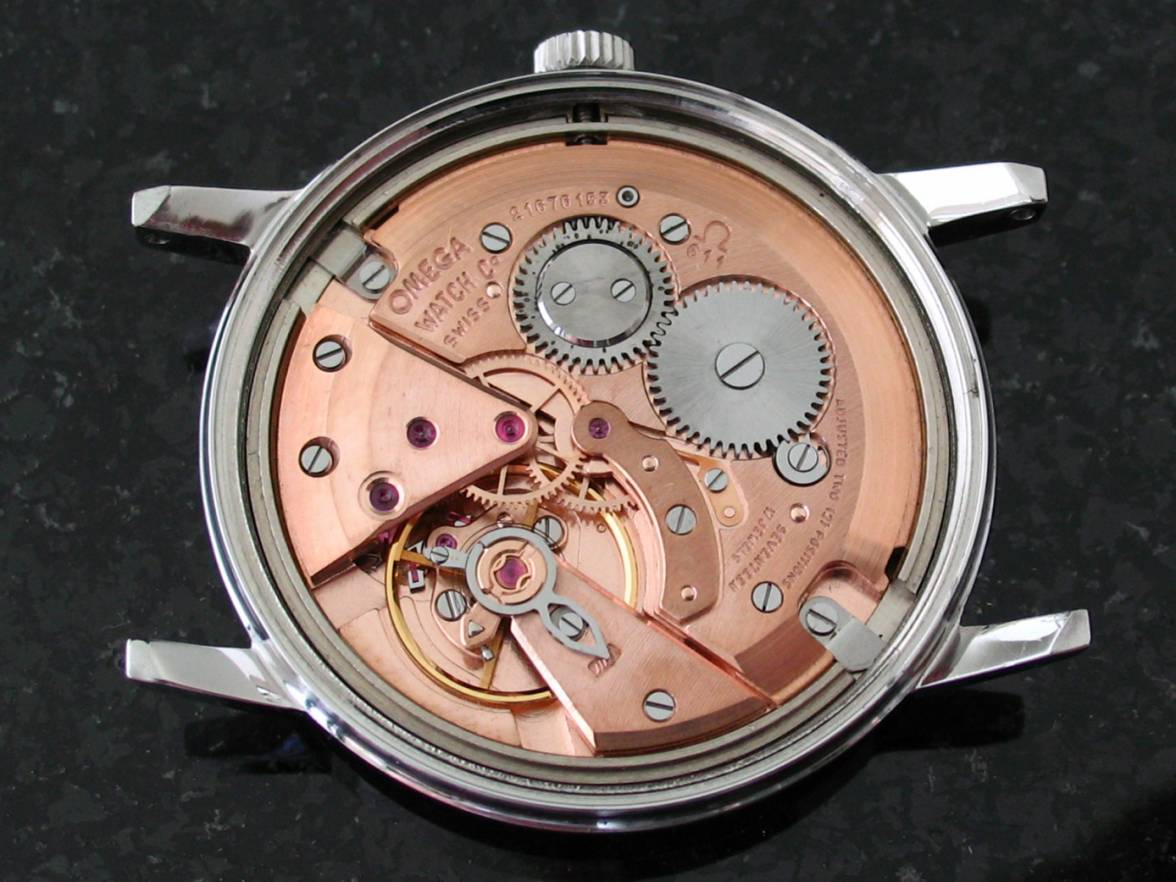
The 600 has a case with a screw on back but from the front looks similar to the SM De Ville.
So you probably have seen some Seamasters (from early 1960s), Seamaster De Villes and Seamaster 600s that all look fairly similar. To recap the main difference is that the Seamaster and the Seamaster Deville are available with cal. 5xx automatic movements (would be marked on the dial) and have cases that require the movement to be removed from the front of the case. The Seamaster 600 was only available with a cal. 6xx hand wound movement and had a screw on case back...
I hope this was helpful and not too confusing.