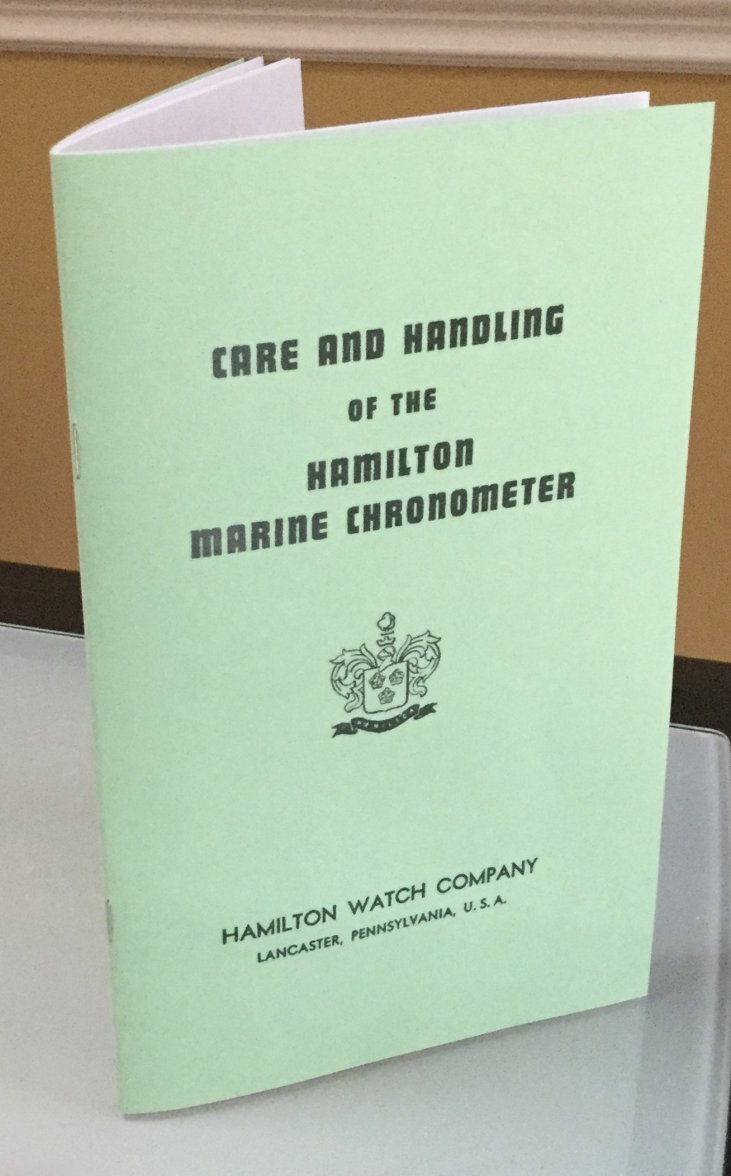
I am not a lawyer but I got a little bit of training in copyright as part of working in large library system. There are a lot of unknowns here - Did they file for copyright at all? Did they renew it when it was up for renewal? Works created now have copyright even if copyright is not filed, but filing for copyright allows the copyright holder to receive punitive damages as well as actual damages. I'd have to check about the situation in 1946, though.
Fair use is a multipart test, with no one part being an absolute justification for abridging copyright:
- What is the purpose of the use? If it's education it leans toward more excusable than if it's to make money.
- What kind of work is it? Was selling this work their business, or is it a biproduct of their business?
- How much of the work are you using? Is this a few pages out of a book, a complete chapter, or the complete work?
- How much impact on the market are your copies going to have? Are they still selling this booklet, are you satisfying a large percentage of the demand for it, or very little?
All parts must be considered, not just one.
It sounds like putting it on the internet was probably a violation in the first place, if Hamilton did not give permission.
Selling them means you've lost point 1, and by reproducing the complete book you've lost point 3, and point 4 is hard to determine since it's already on the internet.
If it was me, frankly, I'd just keep my copy. Or write to Hamilton asking permission. Maybe you'd motivate them to start selling copies of their pamphlet 😀