
- Posts
- 203
- Likes
- 70
Please consider donating to help offset our high running costs.

Now, to be clear, I’m not saying it is, but I’m puzzled how you could argue that the perception of superiority doesn’t exit.
Coming back to the original question, I think (could be wrong) the reason for the switch was that a cam can be stamped (essentially being a 2D part with a uniform thickness), whereas a column wheel has to be machined.


They are both machined. Even an operation such a fine blanking cannot produce the shape as accurately as it is on the cams for the 861/1861/3861, and those are very simple looking cams compared to say that on a 7750, pictured below:


I think it's pretty clear that the 321 has other reasons for being so revered, so I would push back on the idea that the primary reason (or even a major reason) it is valued is because of a column wheel.

Was a question, not a conclusion…
Well, how about justifiably because of its history as opposed to unjustifiably? I don't think it's unreasonable to say that some people feel it is the single most significant column wheel movement ever for that reason.
There’s definitely a decent portion of collectors who feel that way given the waiting list on the new 321 Ed White, and Omega is definitely feeding into that by putting the 321 in other highly exclusive models like the platinum meteorite Speedmaster, and the hype over vintage 321 Speedmasters is very real which is why I’ve been telling people the 145.022-68, 145.022-69 and 145.022-69SW are the sweet spot right now for value vintage Moonwatches.

Was a question, not a conclusion…
My takeaway from spending too much time here, is that mechanically, the movement, compared to many of its competitors, has been over-hyped.
I actually prefer the chrono action on the 3861/1863 over the 321. But I do prefer the feel of the 9908 over the 3861/1861.

Agreed - the crisp snap of the pushers on cam actuated chronographs is actually better for accurately timing something, IMO.
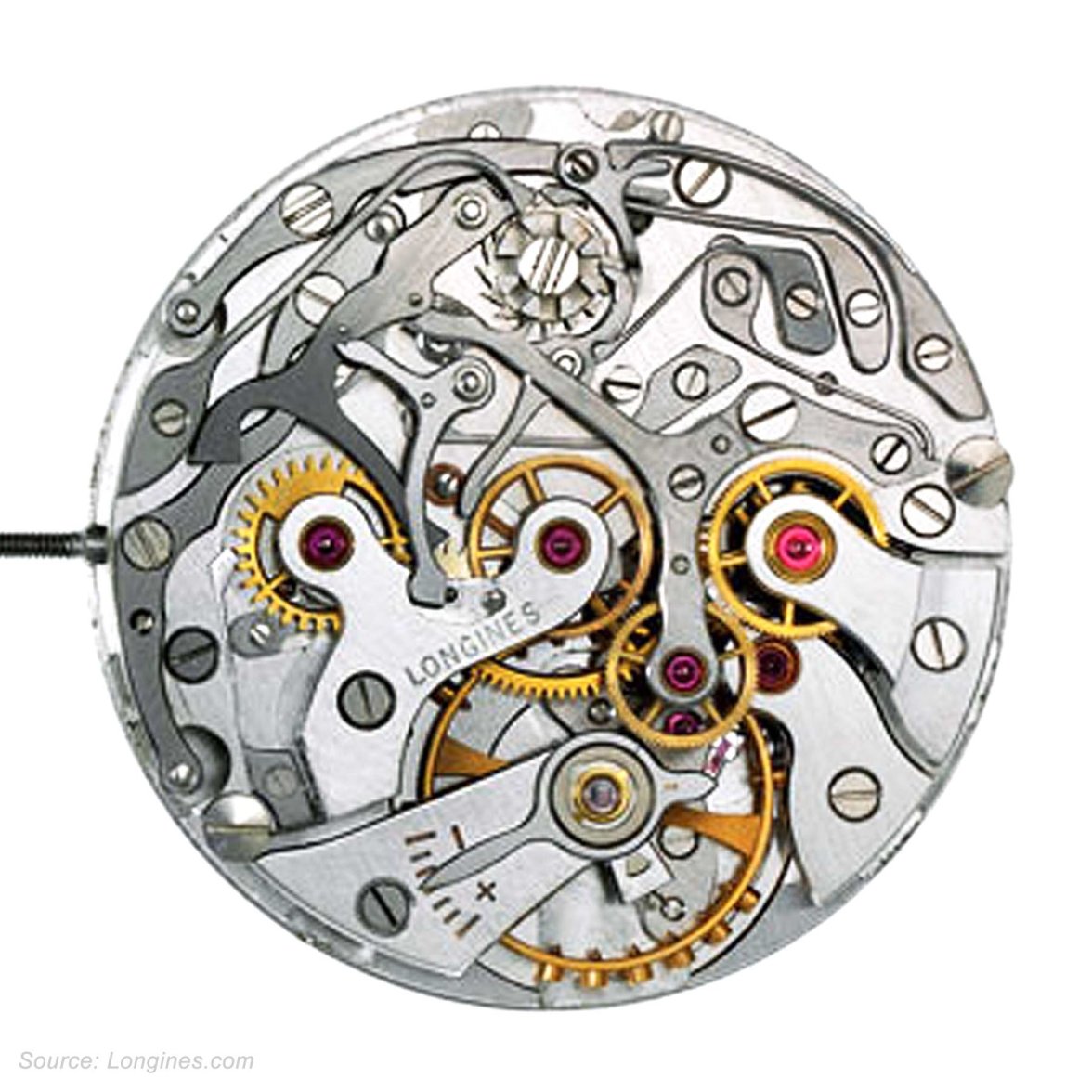
As I've said many times, it's a pretty standard chronograph movement. I would put other vintage chronograph movements well above the 321 - Longines 30CH for example
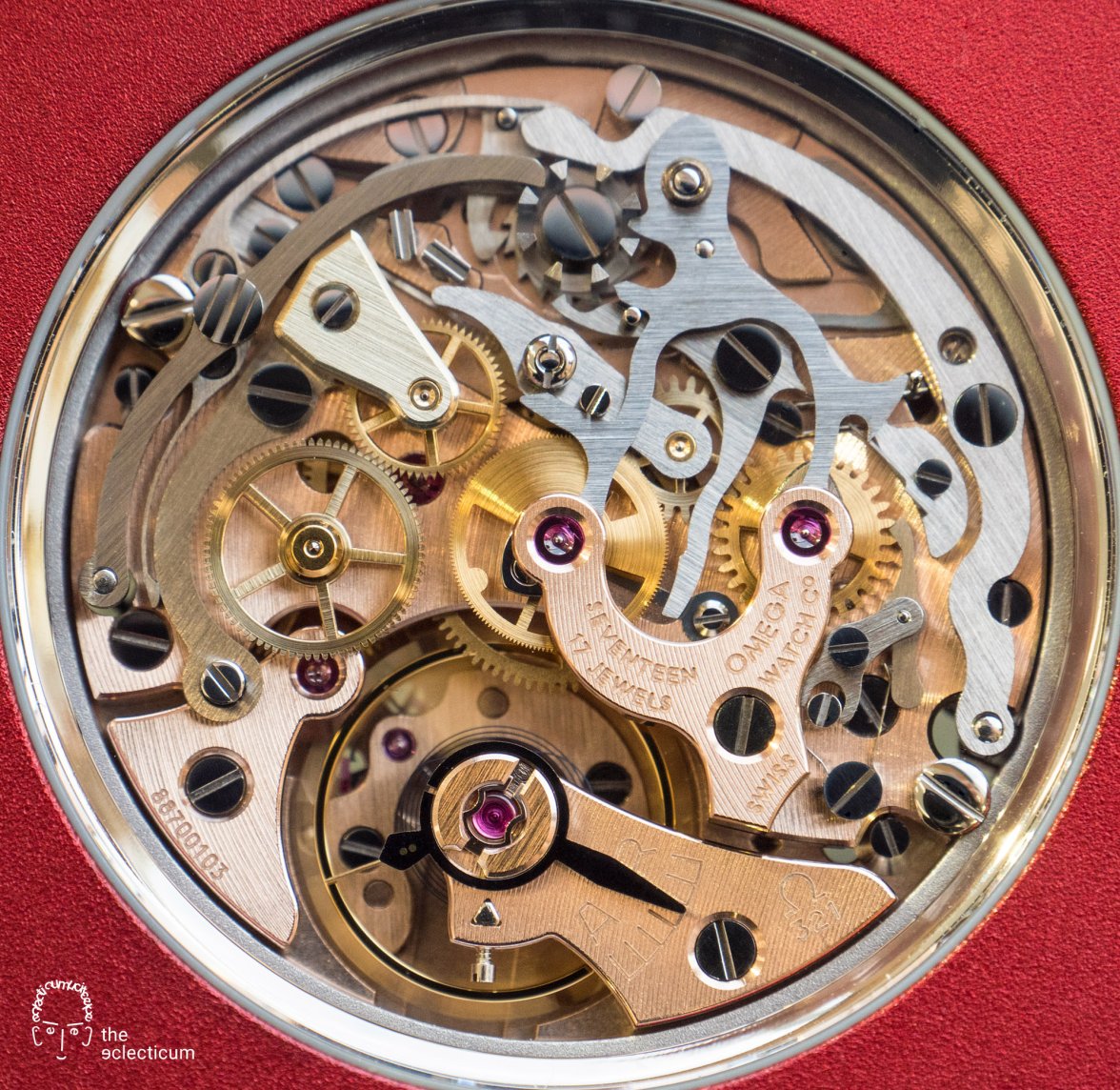
The point at which the cam breaks over to start or stop is much more easily defined than the mushy (what people often call smooth) feel of a column wheel.
So, when you use the term, “well above,” you don’t specify what quality of the multiple factors regarding a chronograph you’re referring to, I will assume as a watchmaker, it’s the mechanics, not the other items noted above.
You have said the cal. 321 is a pretty basic chronograph movement. It was certainly good enough compared to other chronograph movements of the day to pass some basic tests by NASA.
Purely from an aesthetic standpoint, the Longines movement looks quite pedestrian compared to the 321, and we can’t discount that collectors often like to know that what’s under the hood looks good, particularly if they use a display back

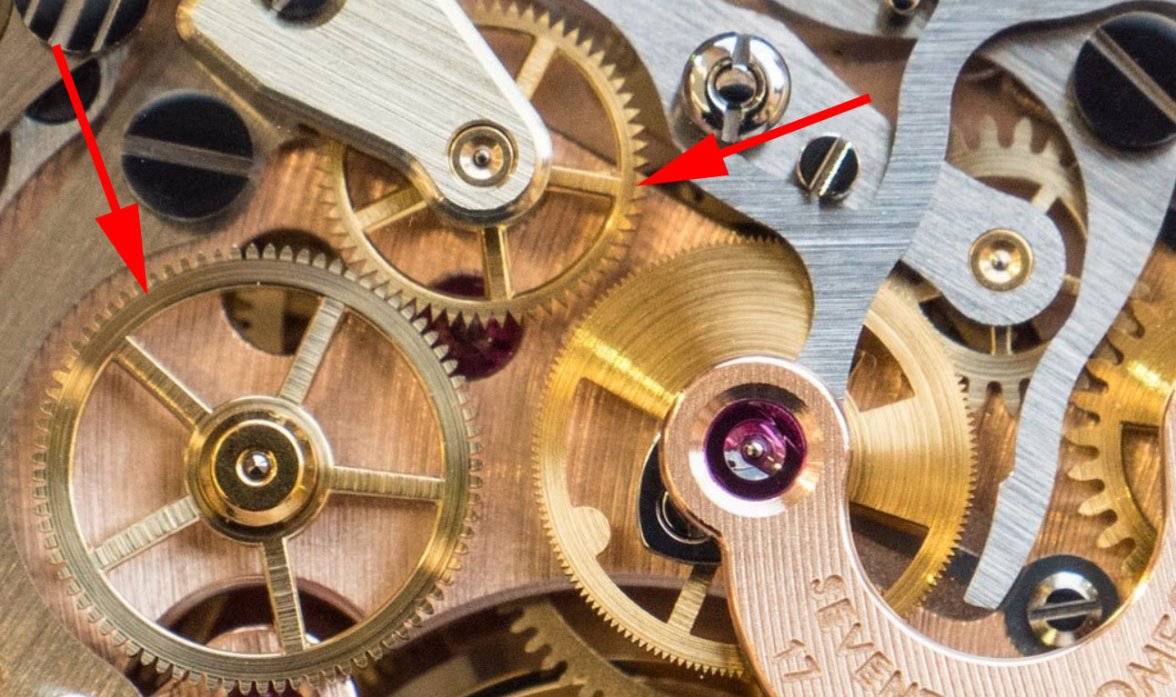

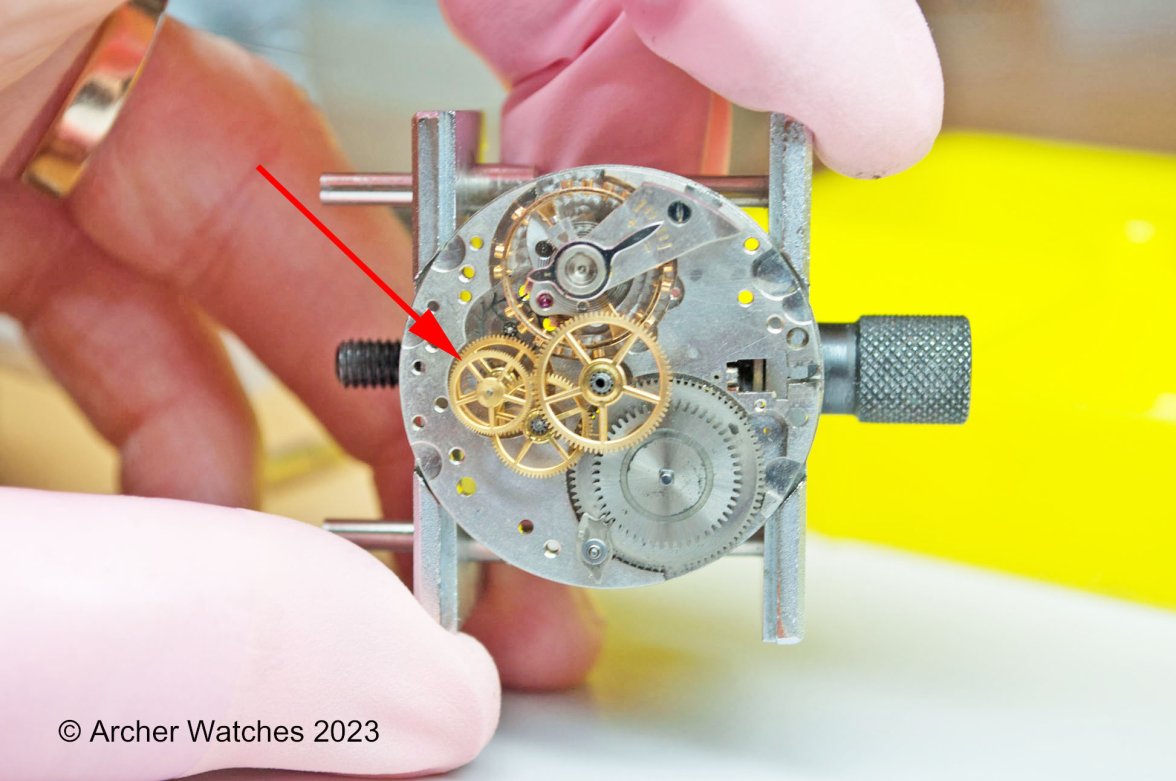

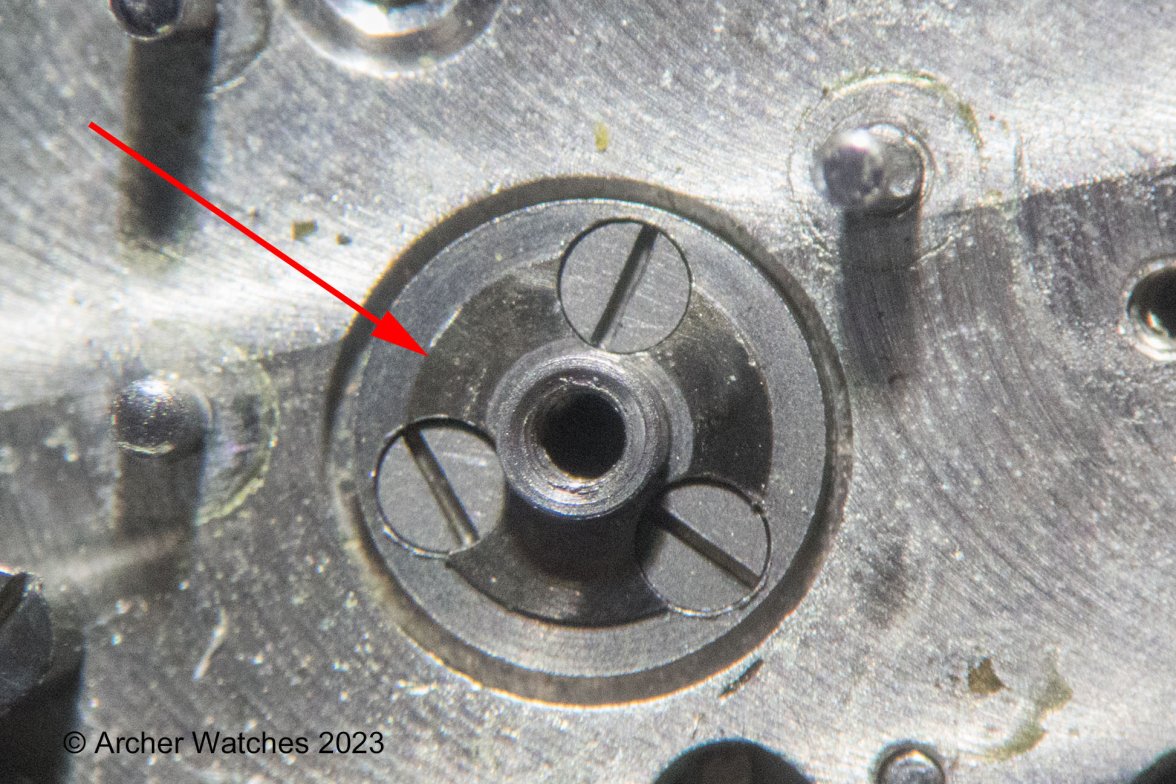
I understand that there's a different 'feel' when activating the start/stop action, but not sure how that equates to a better accurate timing. Wouldn't each end up with the same elapsed time?
Again, when the chronograph actually clicks over to start or stop is more easily determined on the cam, making the accuracy of you starting the chronograph at the exact time something in the real world starts, better.
I have a 321 and 861 right in front of me right now - I can tell exactly when the 861 is going to break, but the 321 is mushy in comparison...







