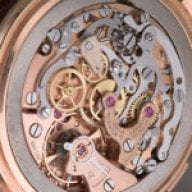
Column Wheel Production

Posts
27
Likes
67
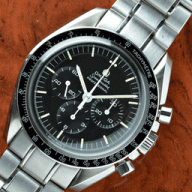
This is probably a daft question, but if the Speedmaster 321 is assembled by only one watch maker as the mechanism with a column wheel is hard to mass produce, how come other models such as the Mark II using calibre 3330 or the new Speedmaster ‘57 which uses the calibre 9906 have a column wheel?

More curious than anything as I’d love the 321 but I think it’s out of my budget!
 
Posts
7,682
Likes
14,207
There is nothing magical or difficult in a column wheel, Omega is using it as a marketing angle.
 
Posts
29,674
Likes
76,833
The column wheel has reached some sort of mythical status on watch forums, but the reality is, it's just a switch. It requires no more skill to assemble than a cam operated chronograph does.

If you read through this thread, I give some details on the differences between the 321 and 861, and put their relative costs and complexities into some perpective:

321 v 861 and the much talked about cost savings | Omega Forums

Cheers, Al
 
Posts
27
Likes
67
If you read through this thread, I give some details on the differences between the 321 and 861, and put their relative costs and complexities into some perpective:

321 v 861 and the much talked about cost savings | Omega Forums

Cheers, Al

Fab, thanks so much for the info - I’ll take a read. I currently wear the 3861 but keep eyeing the new 321 as I love the vintage logo and idea of the historically accurate movement and believe if I don’t get my name on the list very soon my chances of ever owning one will be next to zero (if not already due to its popularity!)
 
Posts
923
Likes
494
I get that a column wheel broadly speaking is probably more expensive to manufacture or service, but that's not necessarily an indicator of anything virtuous.
My impression of them has always been that there's a nicer feel through the pushers. It's sort of crisper/more precise.
As others have mentioned it has a mystique or mythical status about it which has gained a life of it's own that's seemingly beyond reason. It's this mystique that the manufacturers are capitalising on to charge a premium for it.
In some ways we probably need to consider why Omega moved away from it in the first place and then continue with the current arrangement/design in their latest and greatest👎
The marketing is strong with this one, just as it is throughout the industry on every level.
 
Posts
369
Likes
555
The whole single person assembling a watch is less efficient (and there is no basis to argue that the product is better because of it), but suits Omega's marketing narrative.
 
Posts
34,271
Likes
38,891
There are a heap of things like column wheels, in-house manufactured movements, even vertical clutch mechanisms that became a selling point and means of differentiation at the back end of the period of time when they whole industry was being carried (quite successfully I might add) on ETA’s shoulders. When everyone has the same product or a very similar product at least, it drives a need to be able to say “I’m doing X differently”, but there are more than a few brands that should have just stuck with third party movements and not gotten ahead of themselves too.
 
Posts
2,842
Likes
4,537
I get that a column wheel broadly speaking is probably more expensive to manufacture or service, but that's not necessarily an indicator of anything virtuous.
My impression of them has always been that there's a nicer feel through the pushers. It's sort of crisper/more precise.
I find I like the feel of the Lemania pushers better than the Landeron pushers.
The venus 170s I have are pillar wheel, but they have that rocking pinion.
Still trying to get the rusty screw out of the Valjoux, so do not know how those pushers will feel.

I suspect the depthing of the drive wheels affects performance more that the buttons. How often is the chronograph actually used? The extra buttons/pushers look nice, as to the extra dial indicators. So it really comes down to an atheistic look.

Column/pillar wheels simply look nicer than the cams.
 
Posts
151
Likes
131
Speaking of which, I find it curious how modern watch companies have very few chronograph calibres.

Omega leans heavily on 9900 and its derivatives for non-heritage models. Seiko's current line up only has 1 mechanical chronograph, and it is a modular design. Nomos straight up does not have a chronograph calibre.

I know chronograph calibres are complex, but with CAD design and modern precision manufacturing, you would expect there are way more innovative chronograph calibres.
 
Posts
272
Likes
851
Speaking of which, I find it curious how modern watch companies have very few chronograph calibres.

I once read interview with head of watch company and he said that there are a lot of companies and watchmakers capable to make tourbillons, annual and/or perpetual calendars, but very few can make chronographs, because of they are way more complex. Therefore we don’t see any new chronograph movements, because of r&d is very expensive, chronographs are not main models and so on.
 
Posts
151
Likes
131
I once read interview with head of watch company and he said that there are a lot of companies and watchmakers capable to make tourbillons, annual and/or perpetual calendars, but very few can make chronographs, because of they are way more complex. Therefore we don’t see any new chronograph movements, because of r&d is very expensive, chronographs are not main models and so on.
Mmmm, I guess it kinda makes sense?

How else could you explain the fact that the bulk of chronograph movements we see are of ancient designs from long-dead companies?
 
Posts
3,535
Likes
8,863
Mmmm, I guess it kinda makes sense?

How else could you explain the fact that the bulk of chronograph movements we see are of ancient designs from long-dead companies?
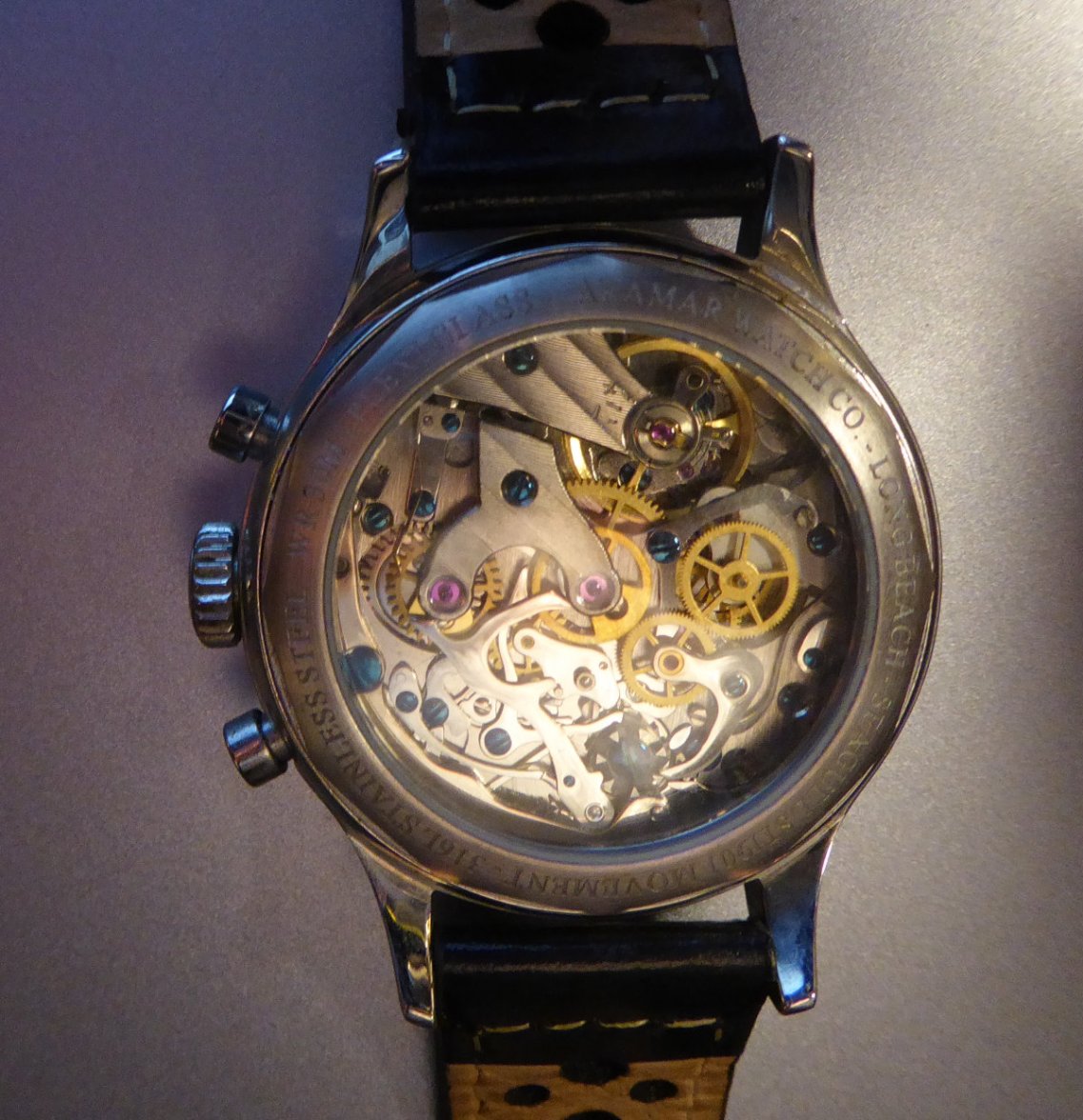
Given that today a $£€20 quartz watch will do a far better job of timing anything than a mechanical movement I suppose that new mechanical chronos are bought for their looks so the movements don't really matter. That said, a transparent case-back on a mechanical chrono presents something interesting to look at. This is a Seagull ST1901 which is based on the Venus 175 of the 1950s.


Sorry about the lighting, this is a quick shot under a desk-lamp.
Edited:
 
Posts
29,674
Likes
76,833
I know chronograph calibres are complex, but with CAD design and modern precision manufacturing, you would expect there are way more innovative chronograph calibres.

The primary driver is the demand for some new innovative chronograph movement just isn't there. Having said that, there are actually some really good designs out there, but not at the level of Rolex or Omega - if you go upscale you can find some great stuff that isn't "ancient" in design. JLC has some great stuff as does GO - they didn't make many, but the PanoRetroGraph from GO is simply amazing.

The second one is, that the movements that are out there now are very good - in particular the 7750 based chronographs. It's a very reliable movement, so if you are not going really high end, you have to compete against a readily available, inexpensive, and very good existing movement - under those conditions, it's no wonder that no one is scrambling to design something new.

It's not about how difficult they are, because chronographs are in fact not all that complicated. As always it's a business decision.
 
Posts
151
Likes
131
The primary driver is the demand for some new innovative chronograph movement just isn't there. Having said that, there are actually some really good designs out there, but not at the level of Rolex or Omega - if you go upscale you can find some great stuff that isn't "ancient" in design. JLC has some great stuff as does GO - they didn't make many, but the PanoRetroGraph from GO is simply amazing.

The second one is, that the movements that are out there now are very good - in particular the 7750 based chronographs. It's a very reliable movement, so if you are not going really high end, you have to compete against a readily available, inexpensive, and very good existing movement - under those conditions, it's no wonder that no one is scrambling to design something new.

It's not about how difficult they are, because chronographs are in fact not all that complicated. As always it's a business decision.
Archer, if you have to pick only one chronograph caliber to wear forever, which one would you pick?
 
Posts
2,842
Likes
4,537
I like the chronograph complication for it's looks. When I was actively collecting I did use timers in my work to time things like how many mintues it took to render a printer page. Then printers came out that did pages per minute. So the old slow stopwatches were perfect.

Not sure why I chose chronograph wrist movements to collect. Probably the price. They were a bit cheaper than the omega movements, and I was impressed when I visited Lemania. The complication is not really that much more than a centere seconds. There is some fiddly adjustments, which may precluded automated assembly. There are plenty of text books dealing with such things. Most reprinting the same illustration of hitting the hammer piece with a hammer on a block of lead. This got reprinted in the trades a lot.

I have been doing a lot of auction searches on junk chronographs. Most really lack the limited design of the mechanical ones. I did get some cheap SS cases to see if I can make a fantasy watch with one of my old landeron movements.

Most of the stuff over the last 30 years is too busy in design. There is too much molding in the case, like the designer got carried away with the CADD program. Especially in the bezels. With the quarts system that drives the wheel train in reverse, the sub dials can go anywhere which really messes up the design proportions.

I have my own programs for generating chronograph dials. I get busy on the weekends this time of year, so do not actually know how far I will get this go round. I have other projects stacked up from last spring. I tend to work on which ever project I think I can complete with the maximum amount of success.

Cleaning up these old chronograph movements is a decades old project, so it is not a new project. It is a lot of the reason I bought the CAD program and the various tools. I think when my friend and mentor passed away, there was not much motivation to continue as there was no one to share such things with.

I also got interested in repeaters. One really does not see a lot of wrist repeaters. I did get an omega alarm watch, probably because it was cheap. The chronostop was probably the same thing. I really did not like paying more that 40USD for a 'generic' watch and 65USD for an Omega. Still seem to feel that way. Of course the quality now is not what it was 30 years ago.

The difference now, is that by simply hitting command R, (refresh,) one can find broken parts that would have to be programmed in to the CADD program, or cut and ground out then polished by hand. This still leaves the cases and bezels, not to mention the dials, which are what most people look at when valuing a watch.

Now if I could just figure out how to use the chronograph functions for better time management ...

-j
 
Posts
29,674
Likes
76,833
Archer, if you have to pick only one chronograph caliber to wear forever, which one would you pick?

Very tough question...I can't answer it with one answer, because I have competing perspectives as a collector and watchmaker...

From a watchmaker's point of view, the 7750 hands down. Reliable, accurate, easy to service, and I'll say one of the best movements ever made in that perspective, period. I'm sure that will get some push back, but that's only because it's cheap and ubiquitous...

From my vintage side, I would love a Longines 30CH.

For modern higher end, the GO I mentioned above would be it for me.

And to add to the confusing answer, I own none of those...so this is what I wear almost daily...


I did own a 7750 based chronograph in the past, that now lives with another member here...


Cheers, Al
 
Posts
27
Likes
67
I've got an even more daft question. What is that in your avatar? 😁

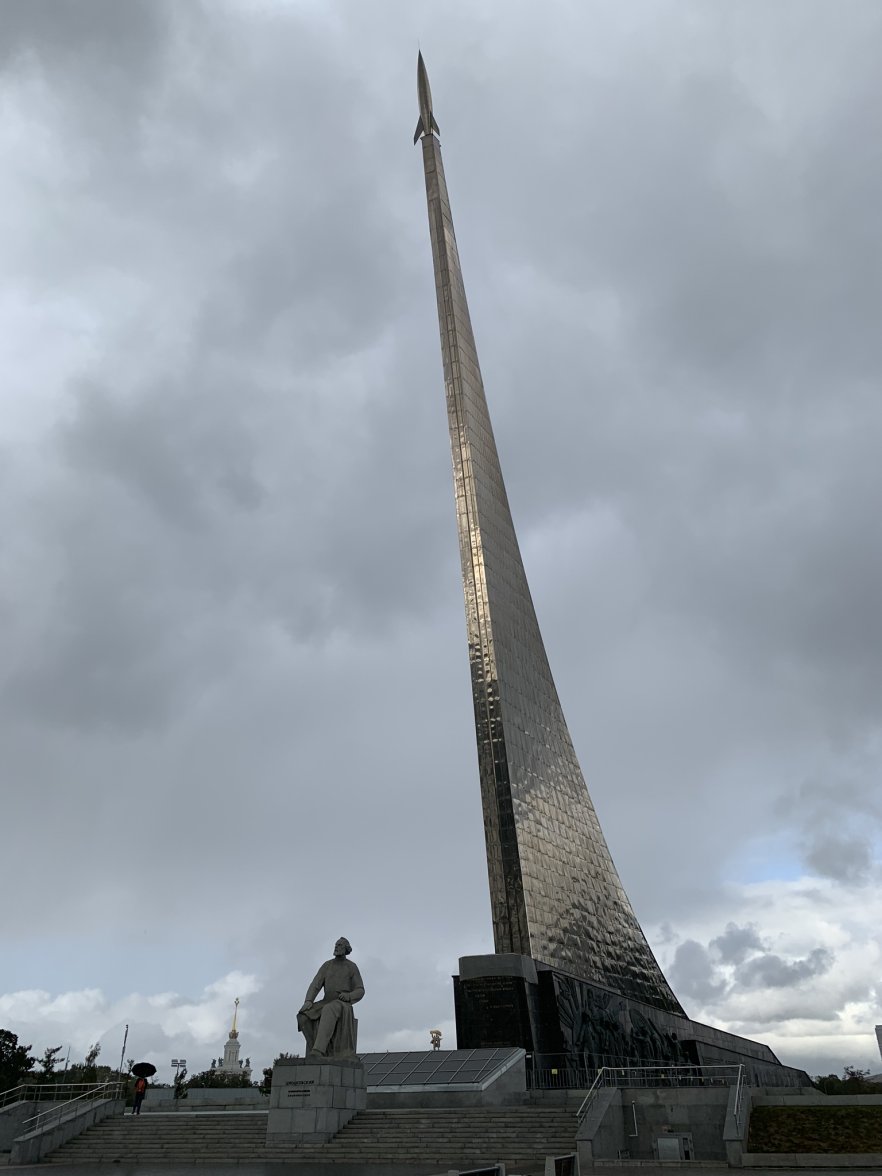
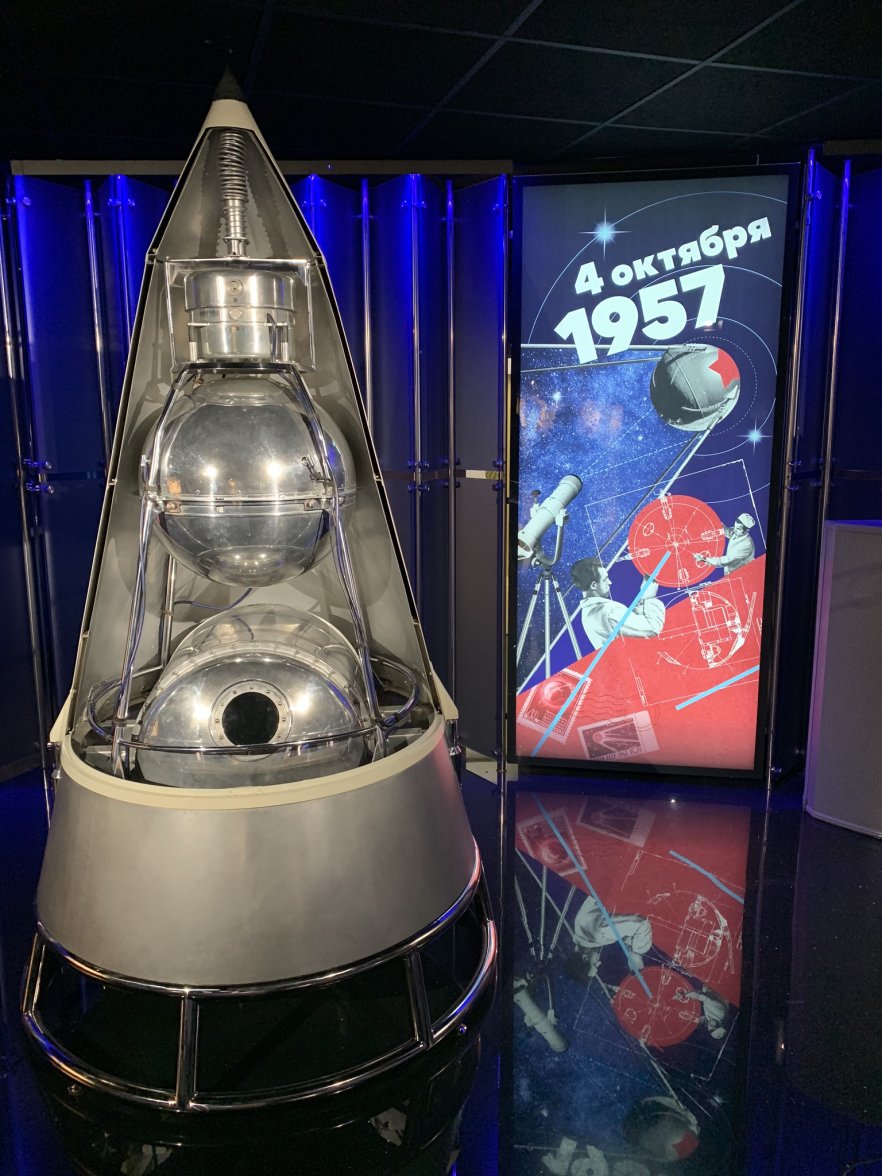
It’s a photo I took of a life size bronze statue of Yuri Gagarin held within the Museum of Cosmonautics in Moscow. Well worth a visit if you ever get chance as it has some fabulous displays and fascinating stories. It’s also an incredibly impressive building too - some better photo’s are below.

 
Posts
383
Likes
410
The second one is, that the movements that are out there now are very good - in particular the 7750 based chronographs. It's a very reliable movement, so if you are not going really high end, you have to compete against a readily available, inexpensive, and very good existing movement - under those conditions, it's no wonder that no one is scrambling to design something new.
I totally agree. Also, one should not forget that the 7750 comes in various grades and quality and has been used in very high-end timepieces during the Eighties and early Nineties.