- Posts
- 4,232
- Likes
- 12,280
Waltesefalcon
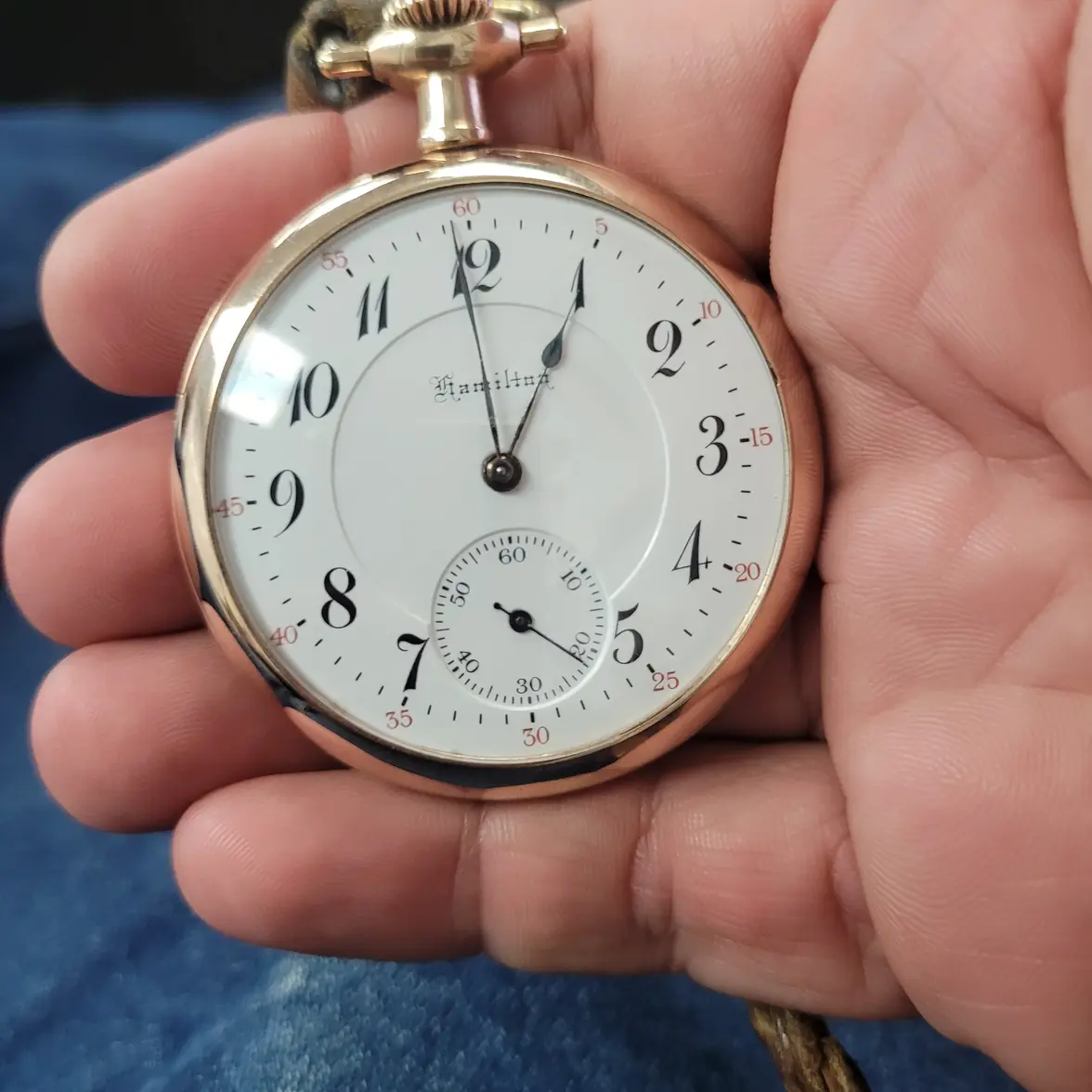
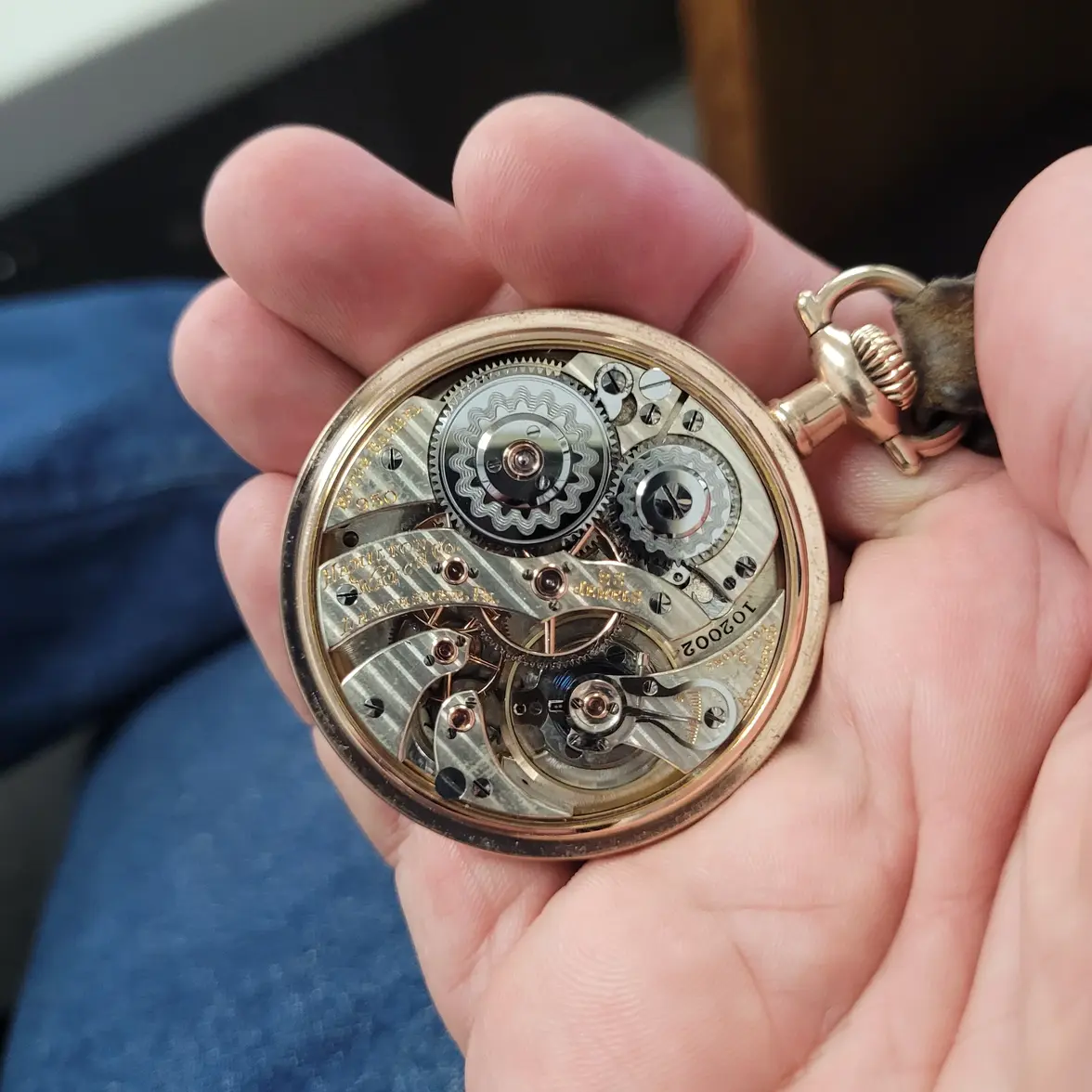
·One brand you can always trust me to rep is Hamilton.
Please consider donating to help offset our high running costs.

Even with the damage that is one beautiful dial.
Well, gained respect from the guy with the knot on his head.

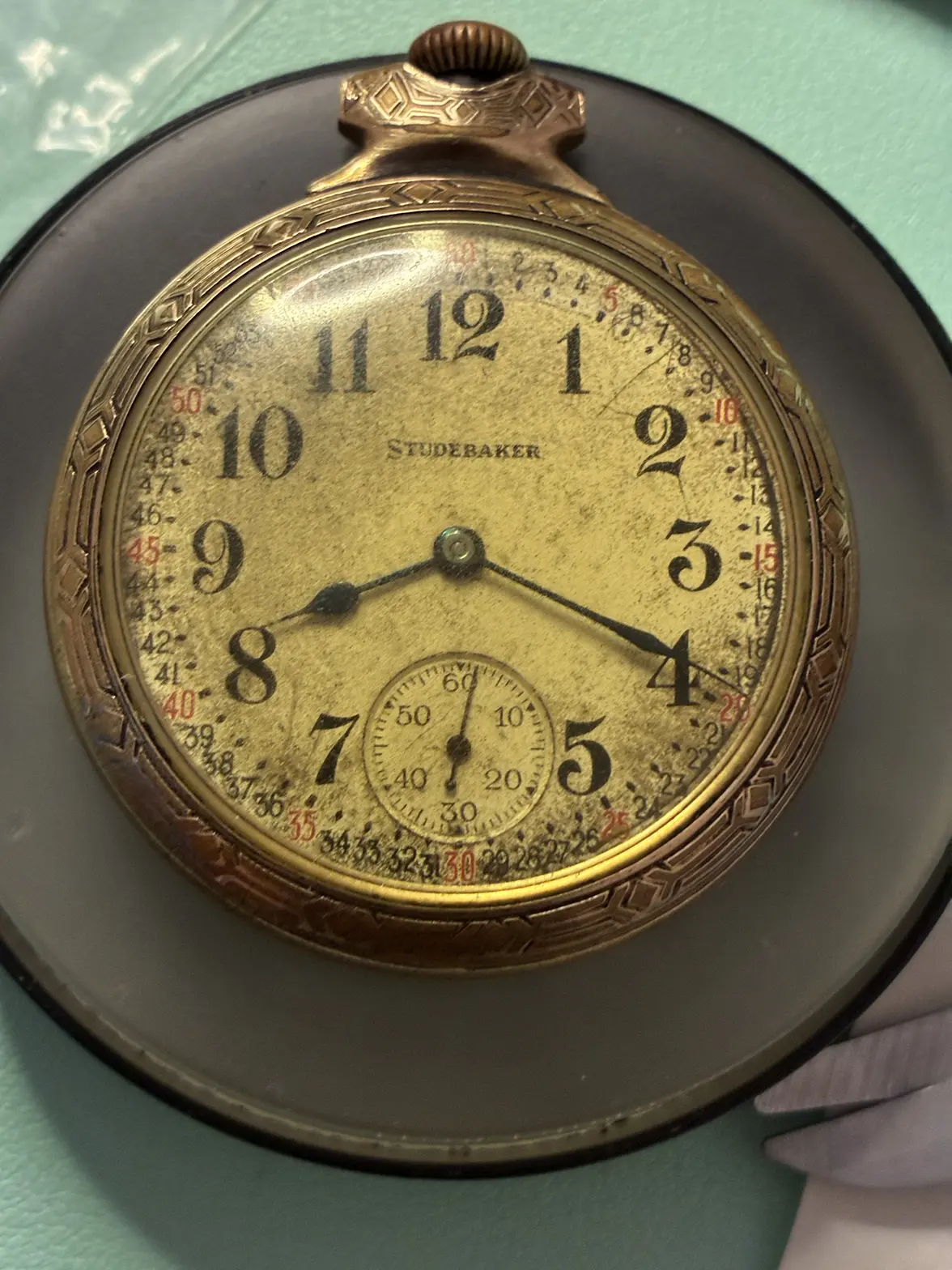
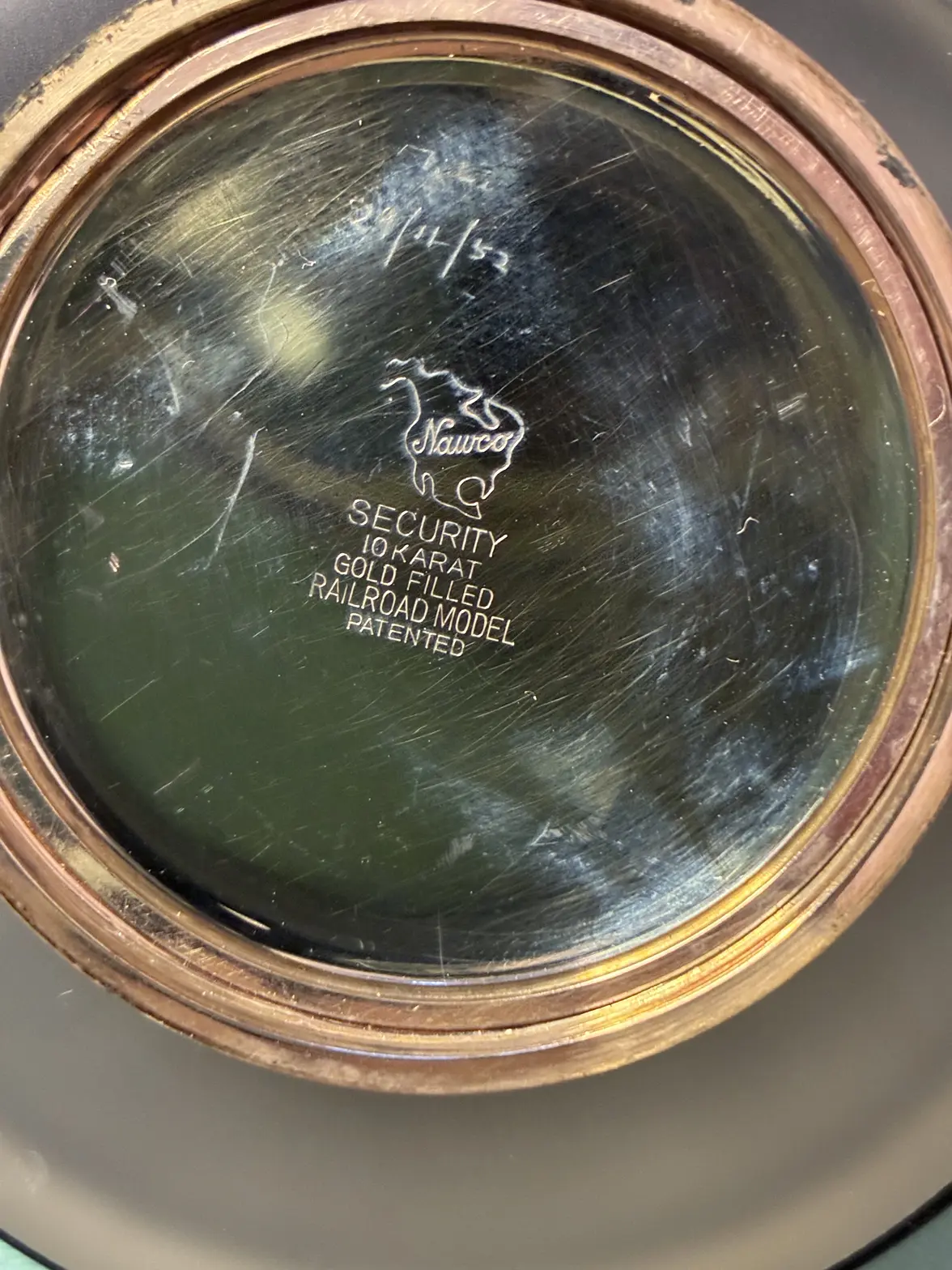
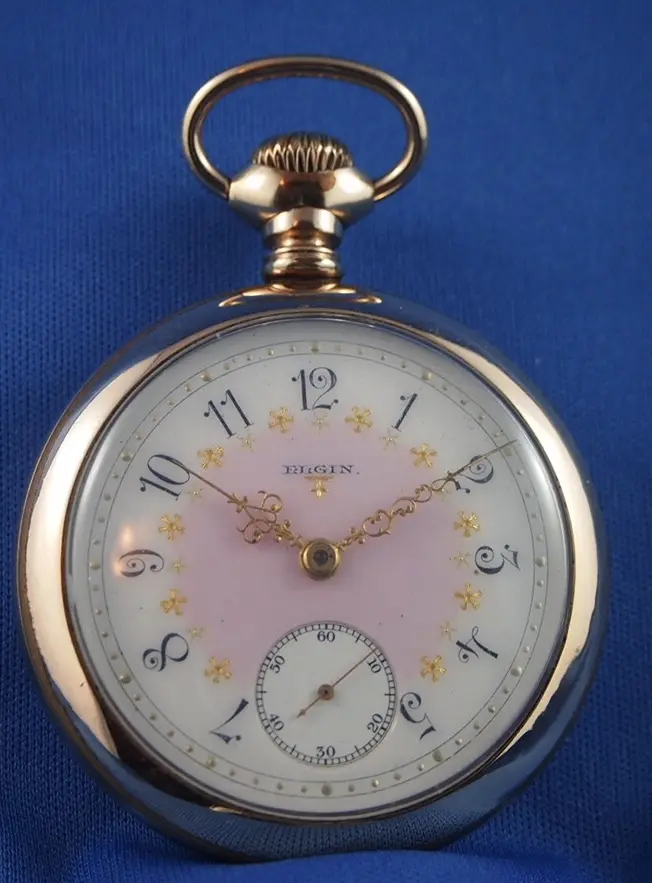
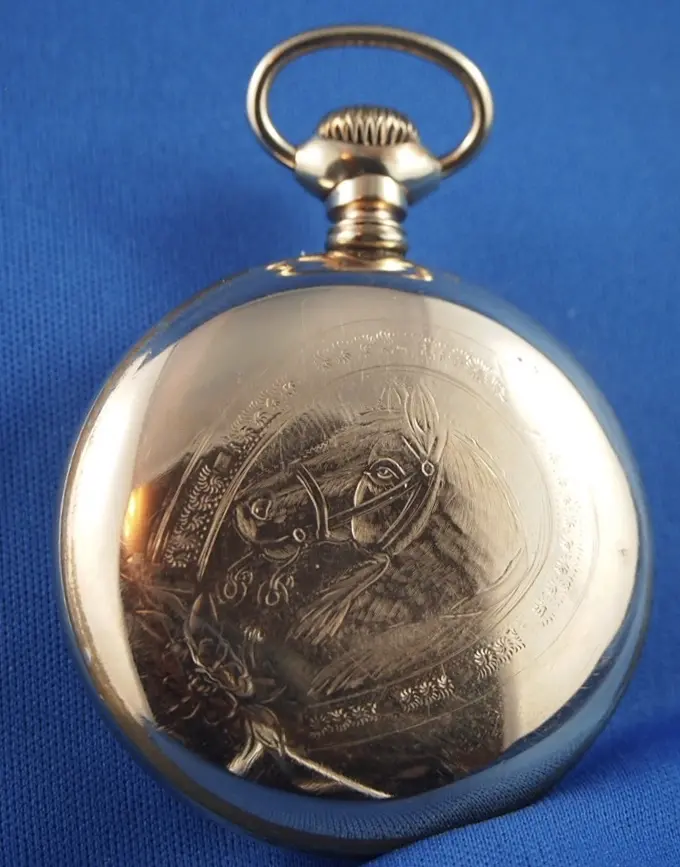

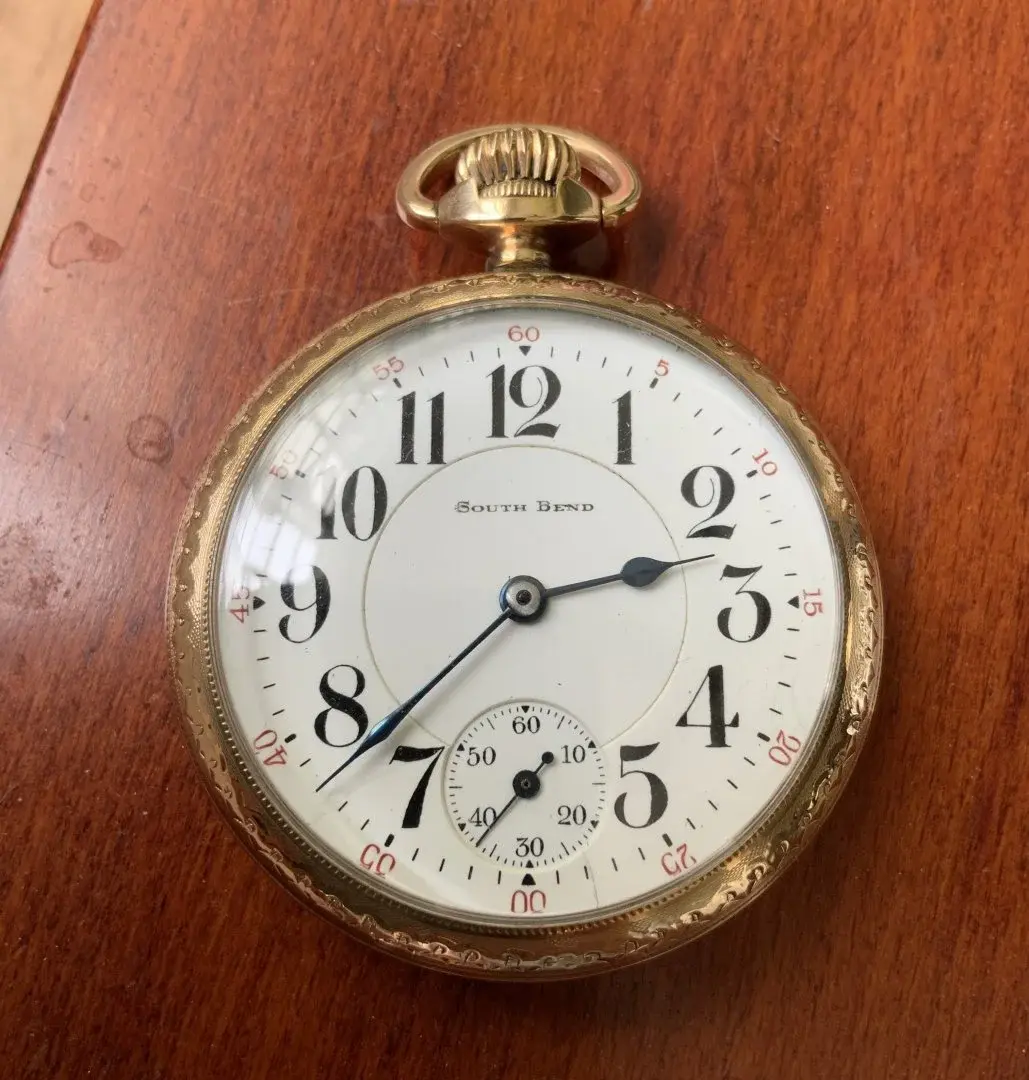
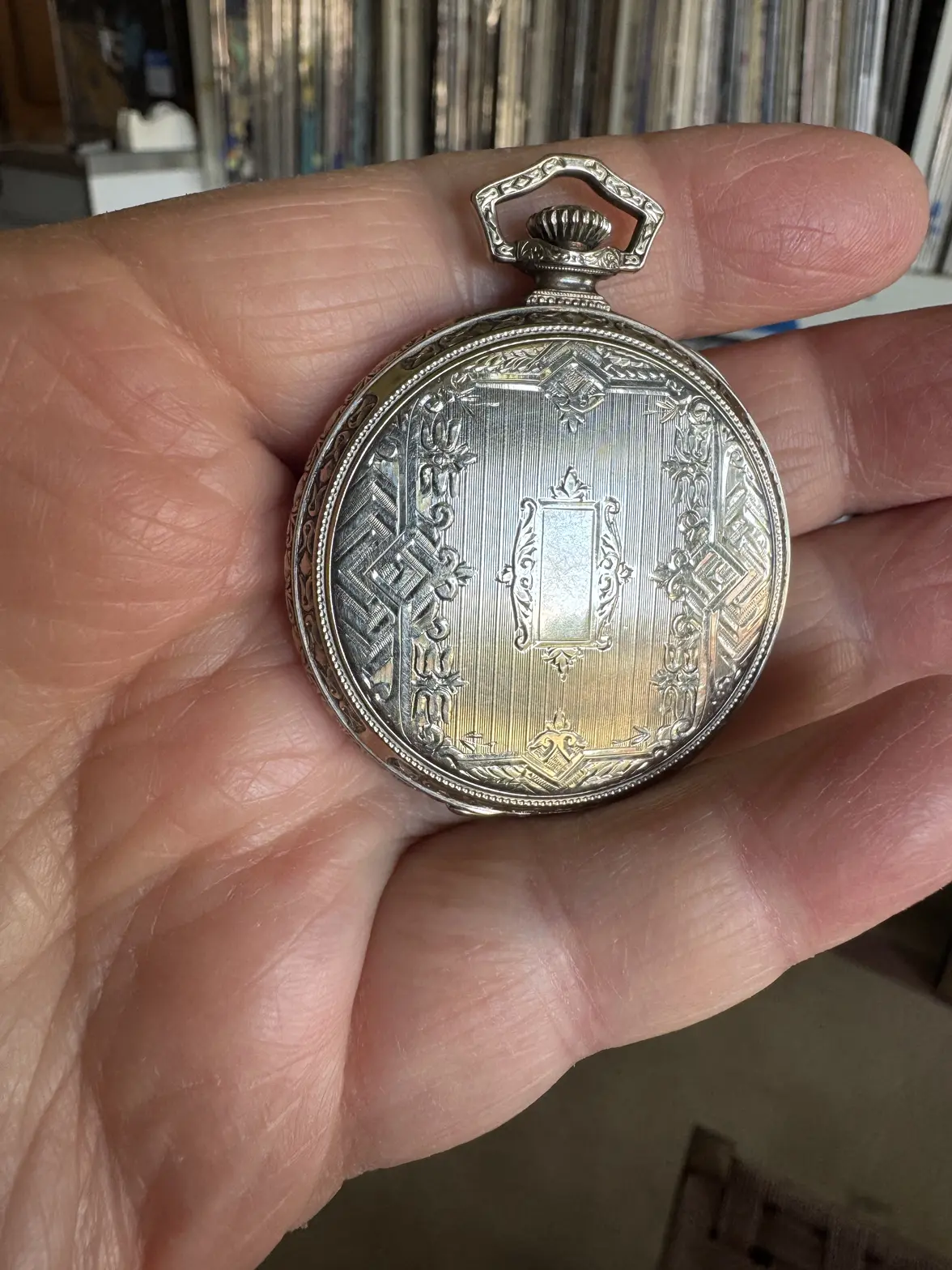
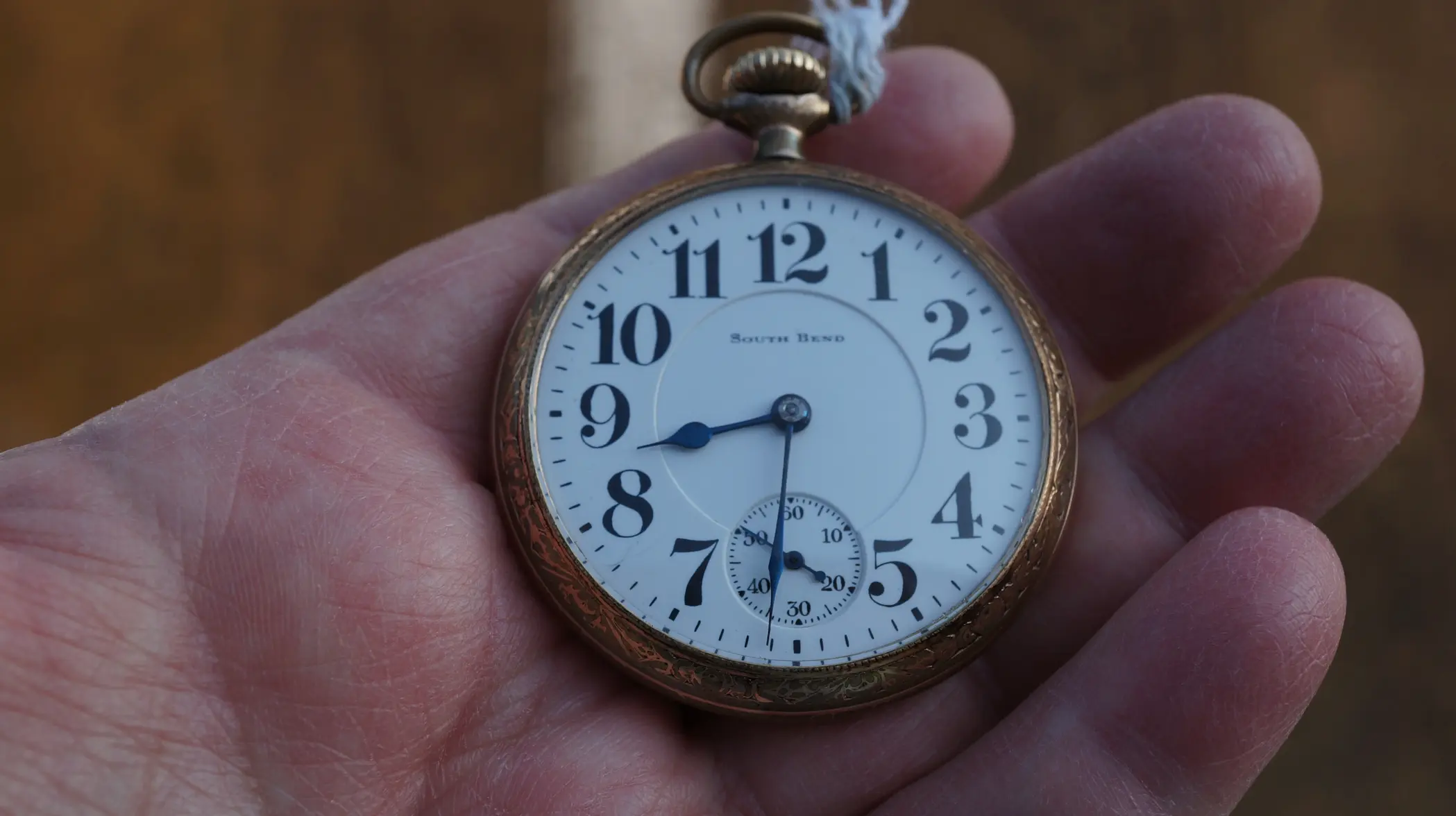
So, popped over to the in-laws this evening, they are off to their holiday place in Canada tomorrow, she’s Canadian, he Irish. They know I like watches, so out pops this beauty which belonged to her uncle in Canada and has been in the back of a drawer for years, she vaguely recalls that he may have had a railroad job early on in his life.
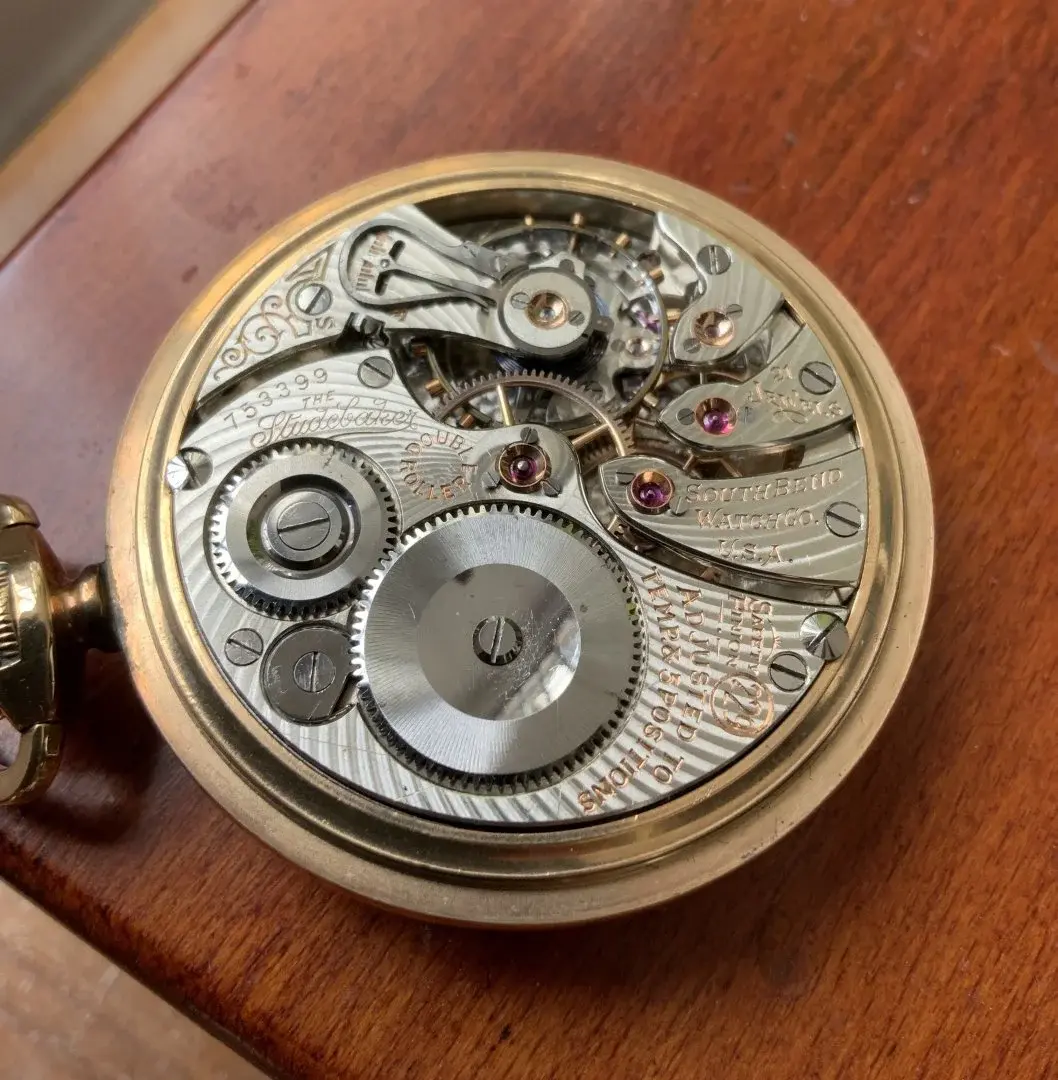
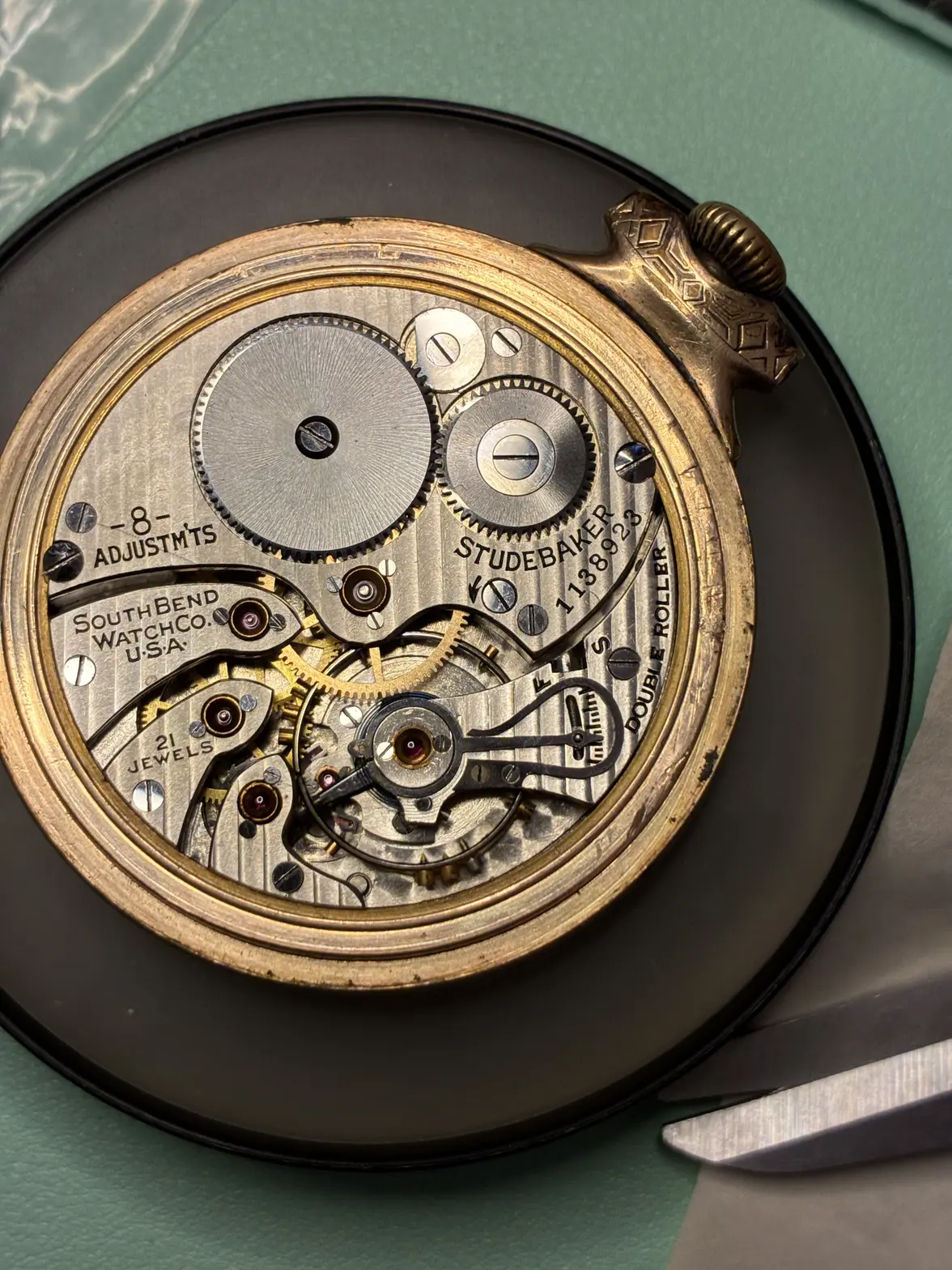
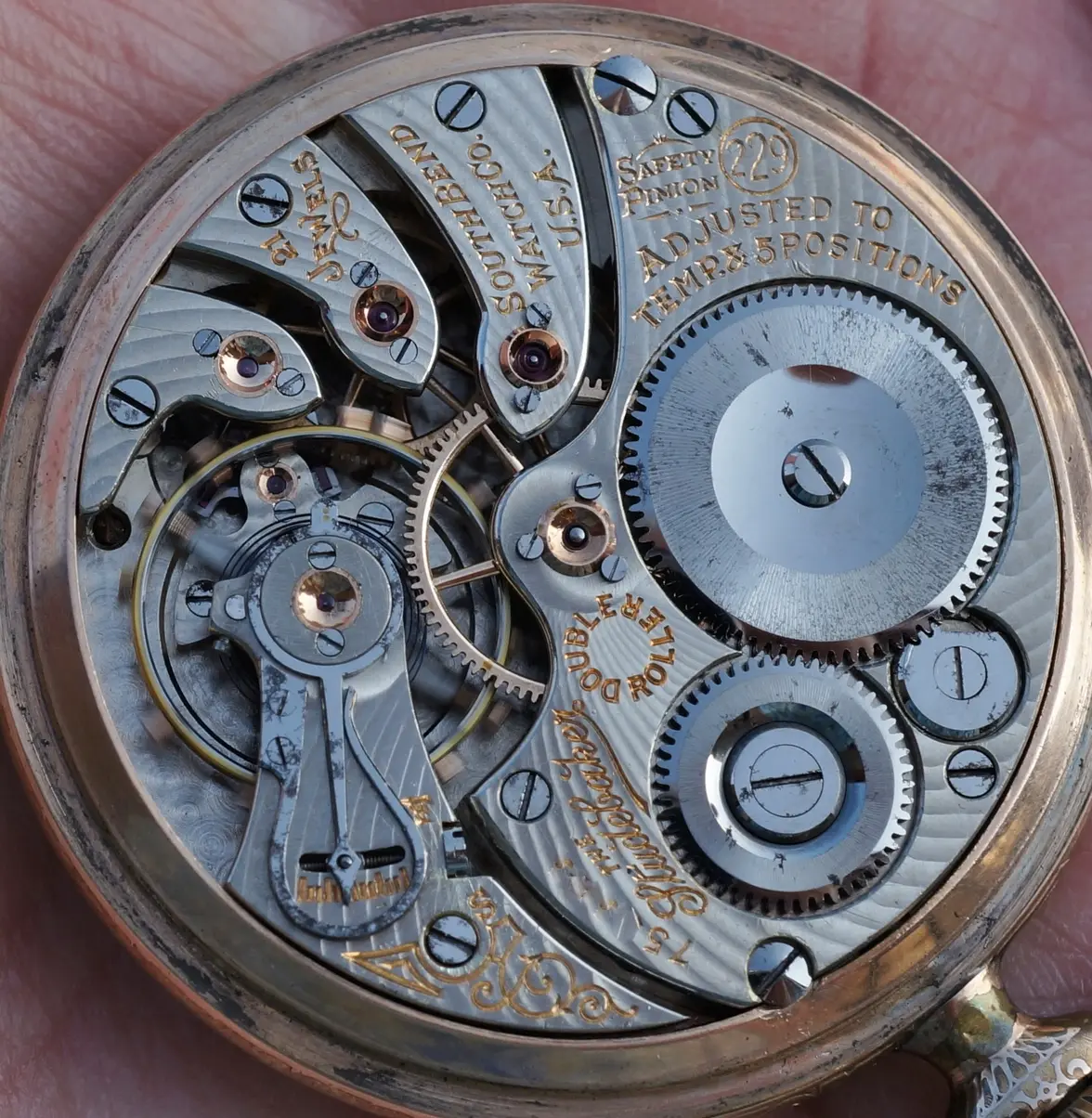
The outer case is worn soft with use, clearly a watch that was in daily use for years. The plexi is discoloured and the dial is fairly dirty, but the blued hands are exquisite. The movement is in glorious condition, a thing of beauty.
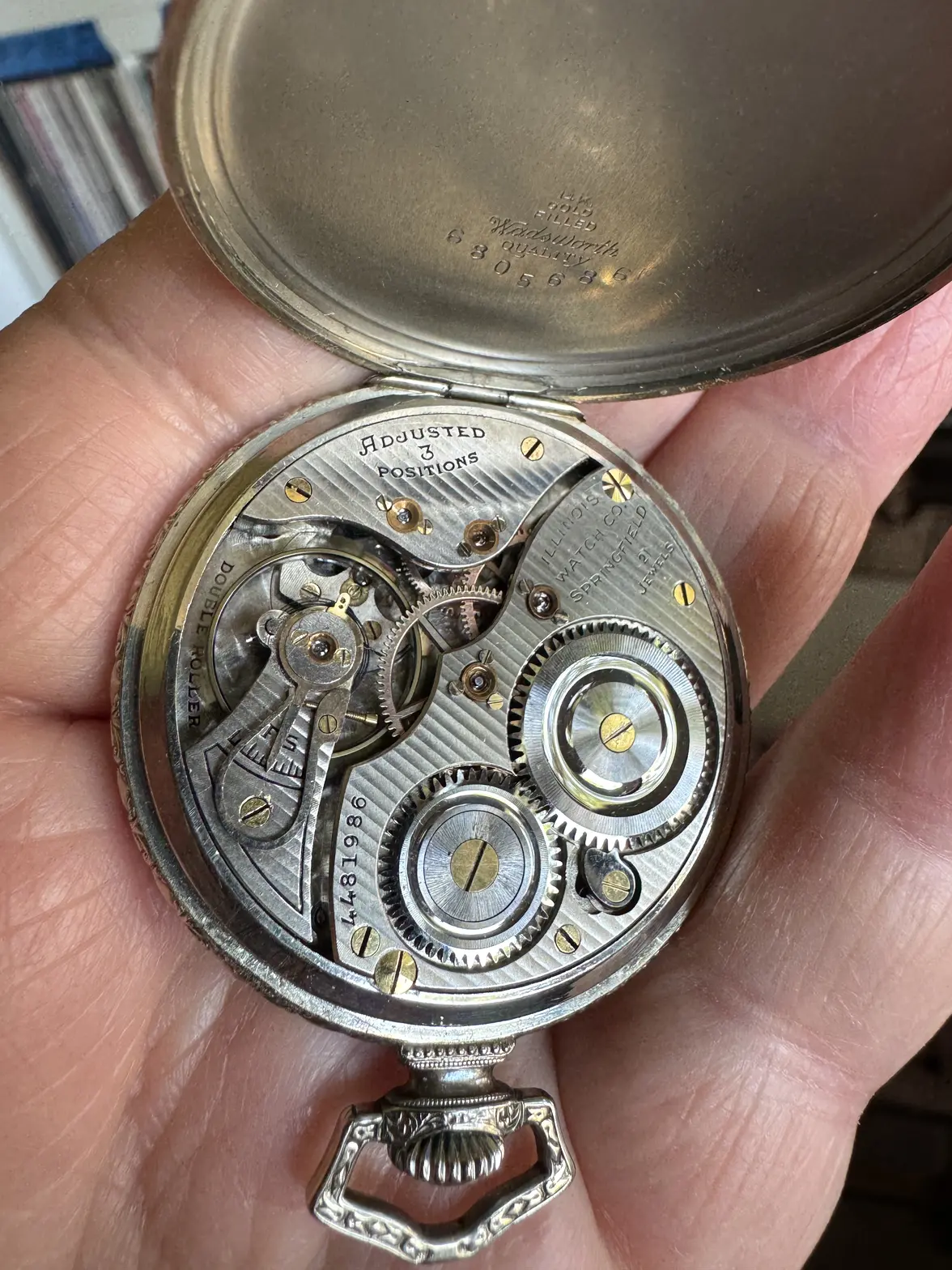
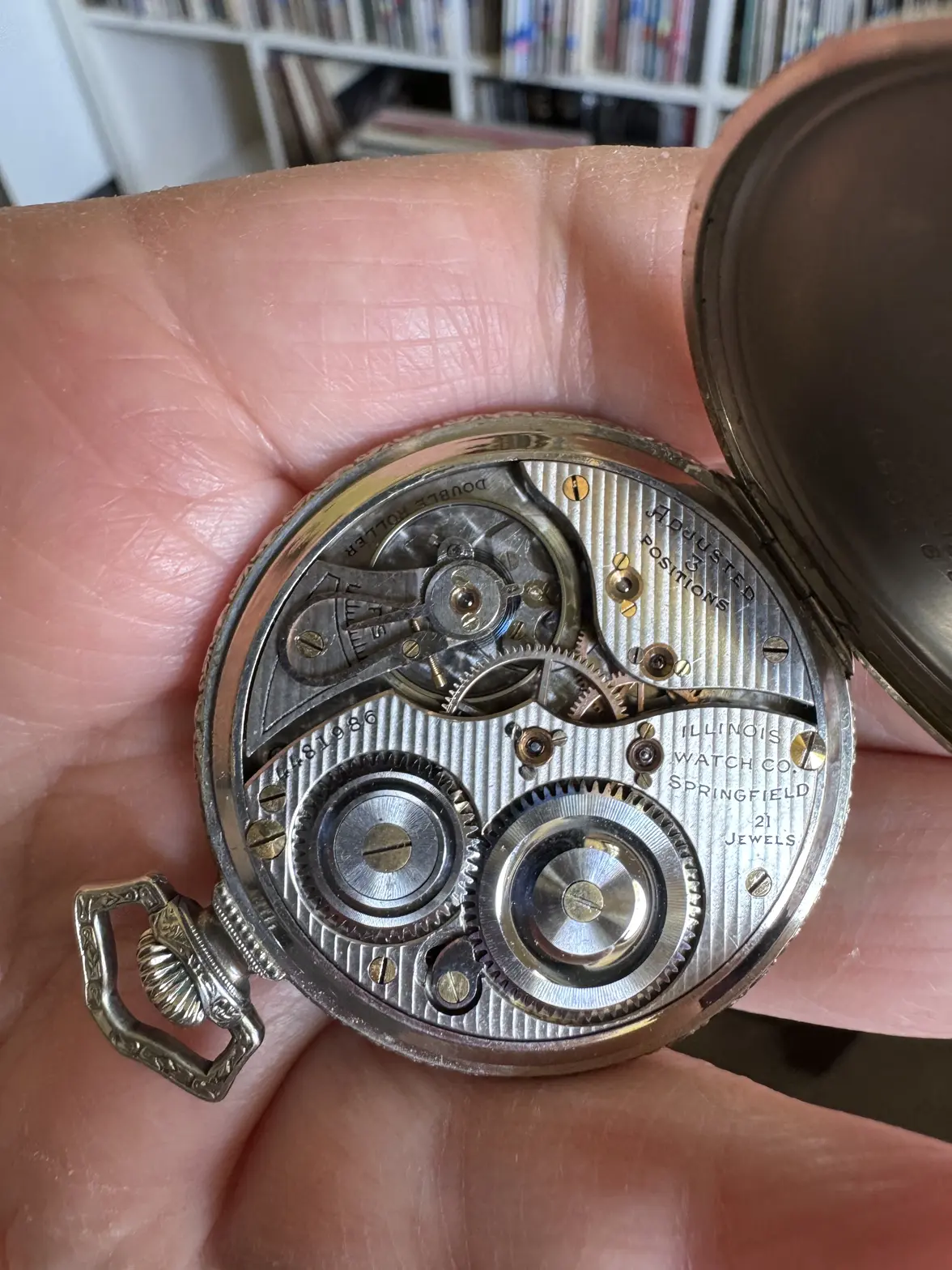
There are several service marks visible so it was well looked after. It’s running very well, amplitude of 280 and gains a couple of seconds a day.
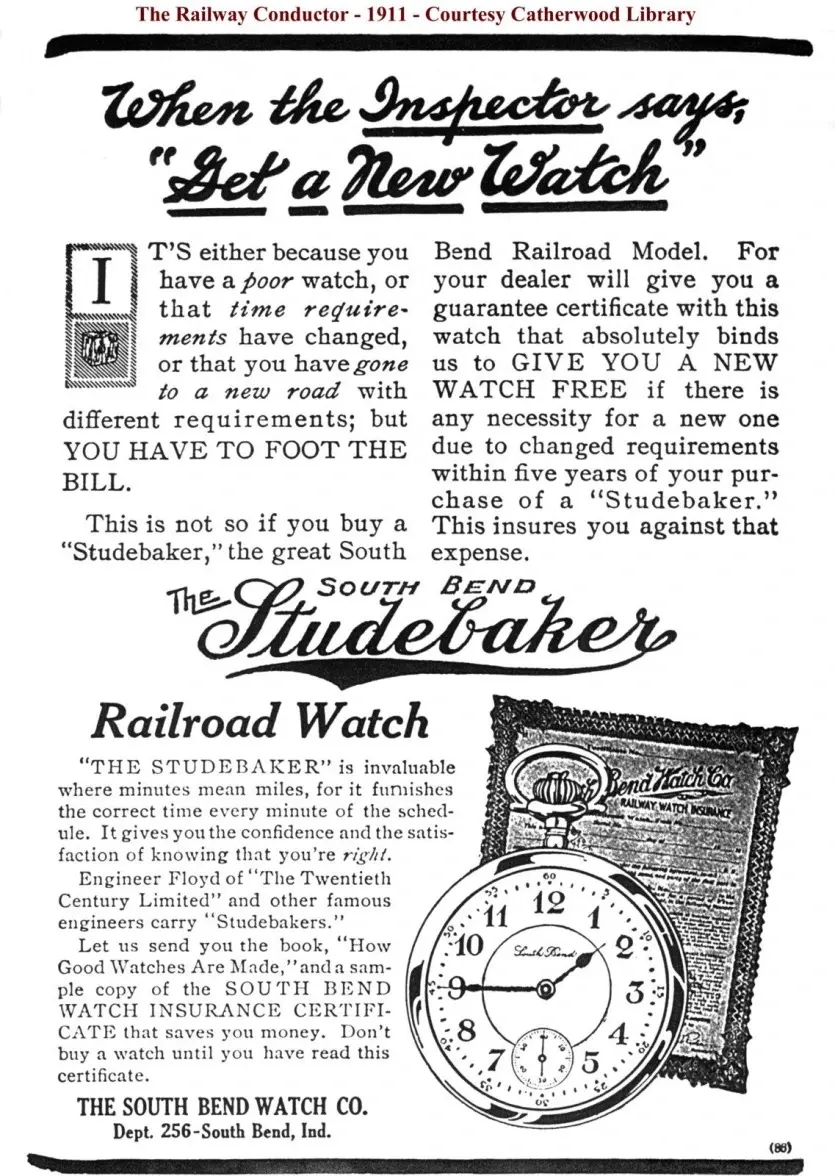
I’ve never heard of Studebaker / South Bend watch company before but a quick look at the pocket watch data base gave me some history and indicates a manufacture date of 1926. It looks to me to be a quality watch.
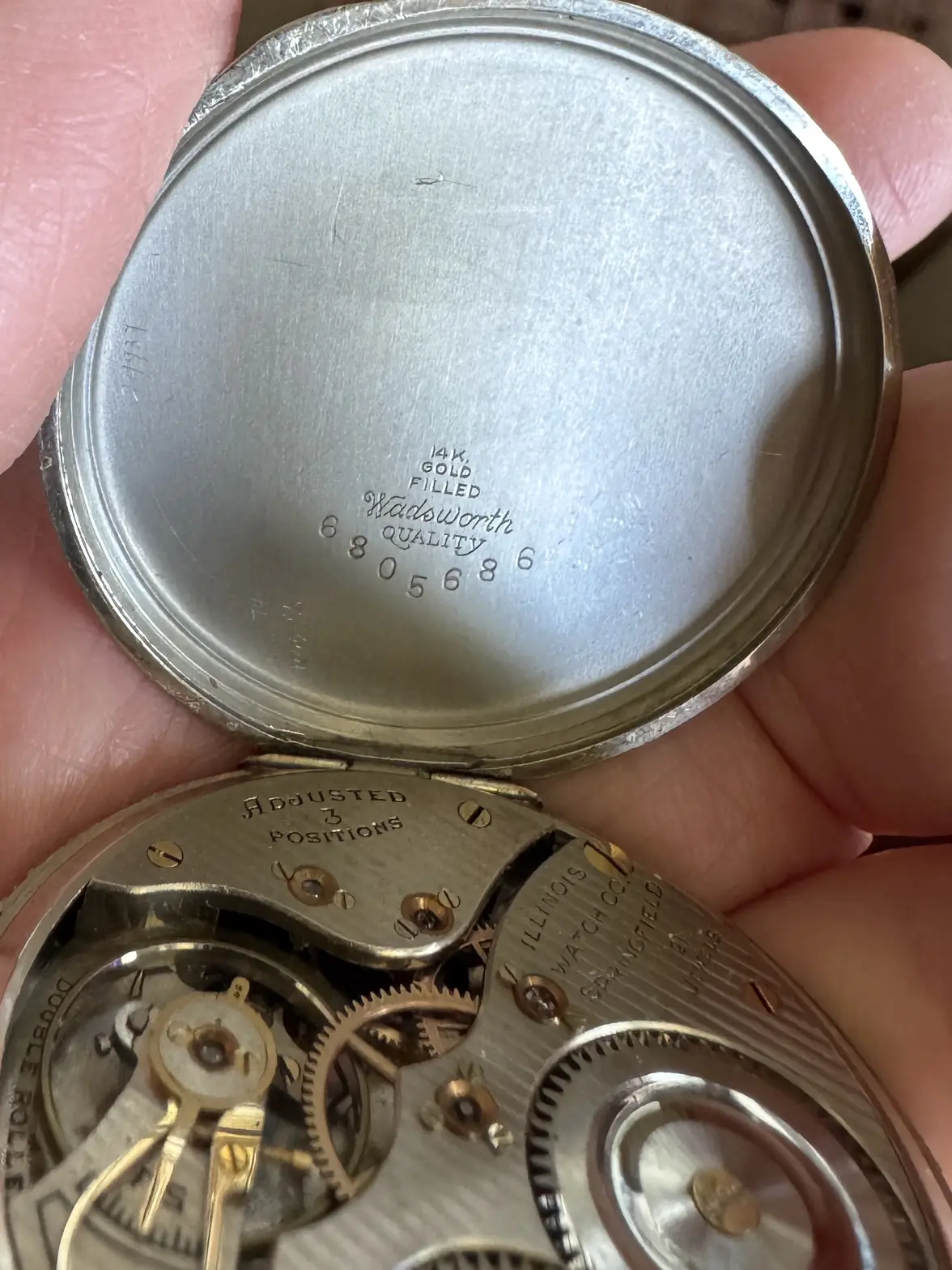
The inside of the case suggests that it’s railroad grade but this I believe is not the case as it’s not lever set.
I’d appreciate any other information on these if anyone can share.
I think it’s a lovely piece that fits so well in the hand.
She wanted someone who appreciates these things to have it. This is such a great hobby that delivers joy when least expected. I’m very happy to look after it for another few years and use it occasionally.
This is a beautiful pocket watch and at least in the Canadian context Railroad grade acceptable. I have numerous Railroad pocket watches from Canada where I live that are not lever set including a nice Waltham Canadian Railway Timing Service, several Waltham Crescent Streets in Stem Set and even a Burlington 21J Railroad used up here and not lever set in the 1920s. The Southbend Watch Company succeeded the Columbus Watch Company in 1903 and I have been an avid collector of the early Columbus Brands but Columbus ran into trouble in about 1893 or 1894 became a reorganized effort only lasting to about 1902....the Studebaker family bought the Columbus operation and relocated it. Your Studebaker might be top of the line for that timeframe. If it is in running condition that is great if you needed a donor watch ie. two watches to make one there is an almost identical Studebaker coming up for auction in Ontario out of Smith Falls on August 27th in about the same cosmetic condition but a slightly better dial....enjoy your watch I think its all original....
I've always thought it a bit peculiar how Ball refused to allow PLs to be considered for railway standard use, while running a huge PL targeting railway standard customers... I don't recall ever seeing the manufacturer named on either the dial or mov't of a Ball...

So, popped over to the in-laws this evening, they are off to their holiday place in Canada tomorrow, she’s Canadian, he Irish. They know I like watches, so out pops this beauty which belonged to her uncle in Canada and has been in the back of a drawer for years, she vaguely recalls that he may have had a railroad job early on in his life.
The outer case is worn soft with use, clearly a watch that was in daily use for years. The plexi is discoloured and the dial is fairly dirty, but the blued hands are exquisite. The movement is in glorious condition, a thing of beauty.
There are several service marks visible so it was well looked after. It’s running very well, amplitude of 280 and gains a couple of seconds a day.
I’ve never heard of Studebaker / South Bend watch company before but a quick look at the pocket watch data base gave me some history and indicates a manufacture date of 1926. It looks to me to be a quality watch.
The inside of the case suggests that it’s railroad grade but this I believe is not the case as it’s not lever set.
I’d appreciate any other information on these if anyone can share.
I think it’s a lovely piece that fits so well in the hand.
She wanted someone who appreciates these things to have it. This is such a great hobby that delivers joy when least expected. I’m very happy to look after it for another few years and use it occasionally.
I think that’s because Webb Ball considered his operation to be an actual manufacturer. Besides, he set the standards in such a manner as to permit this bias.
"Rules for thee. Not for me."
Time service rules varied with each railroad, based on the preferences of that particular railroad’s general time inspector. Under the standards issued by the Ball Watch Co., the Studebaker watch would not have been railroad approved. The Canadian Pacific Railway, well into the 20th century, continued to accept 3 Adjustment, stem set, single roller, 1883 model Waltham watches. I have several Waltham stem set 1883 models marked CRTS that CPR approved. I also have one CPR 1883 model as described with the CPR logo embossed on the movement, the CPR approved. And a Waltham 1892 CPR model that many railroads would have rejected. While standards for railroad watches laid down by Ball were all encompassing, and mandatory, railroads who didn’t subscribe to the Ball standards could pick and choose what was important to their general time inspector.
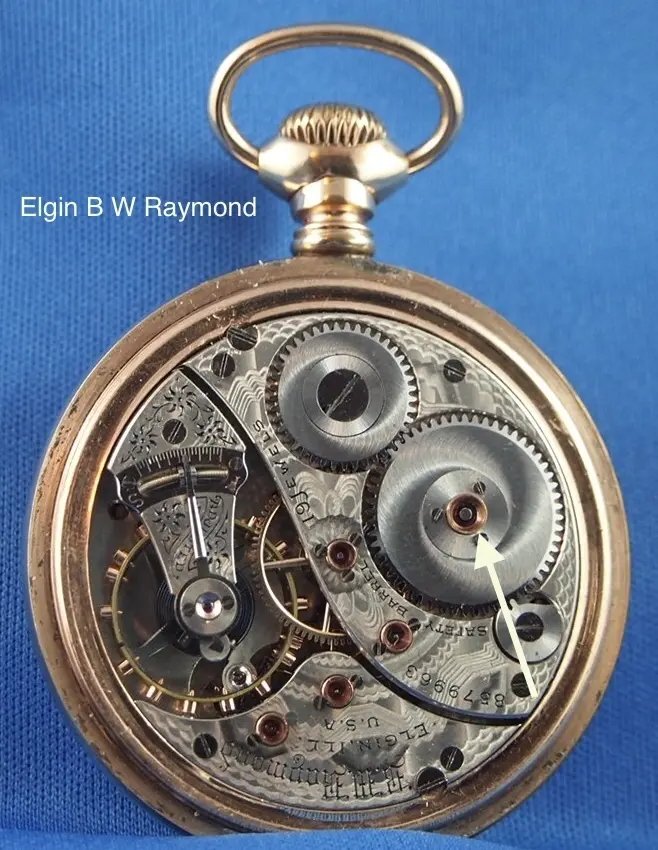
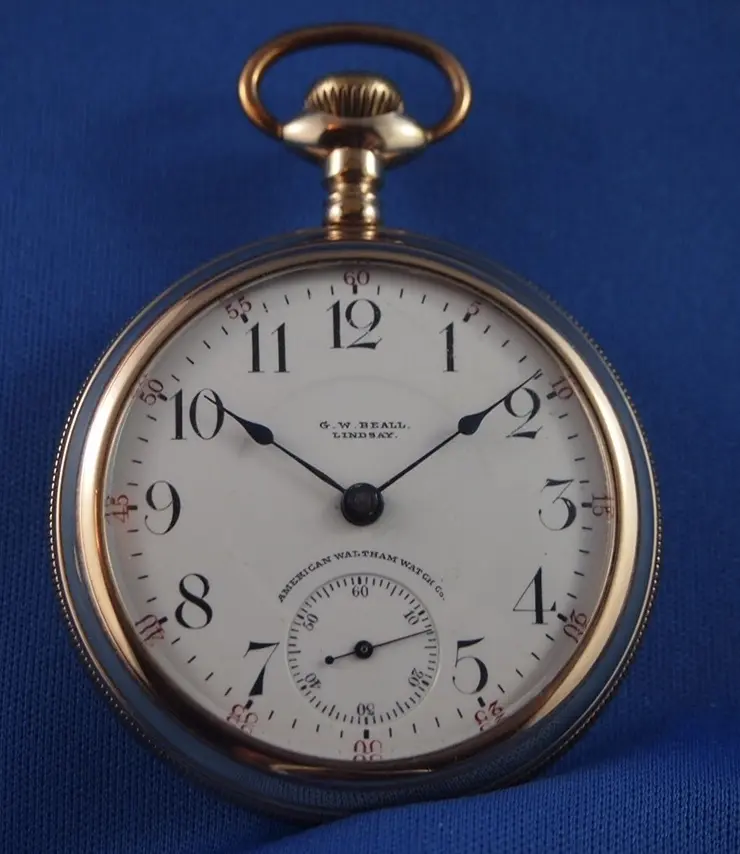
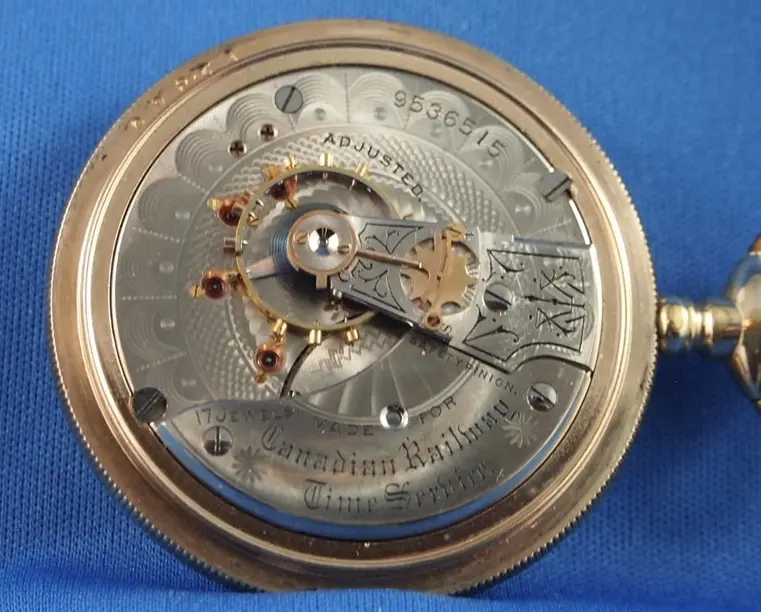
I have shown one watch from my collection which is a curiosity. It has a private label dial (for G W Beall, Lindsay, Ontario). That fact alone should mean the watch would not have been railroad approved. But around the seconds bit, you’ll notice the Waltham name. The watch is an 1883 model Waltham, stem set, single roller, 3 adjustments, with the movement marked Canadian Railway Time Service. How would a railroad general time inspector get his head around trying to decide whether it would be railroad approved or not?
I don’t know at what point the ruling re: private label watches were no longer acceptable, was introduced. On the topic of Omega railroad standard pocket watches, I have a Brandt (Omega) grade CCR which is a private label watch for A Logan of Greenwood, B C. The Brandt CCR was railroad approved for Canada. This watch is from circa 1905, and I have a strong suspicion it had been used by a railroader. I also have a P/L Hamilton 944 for D R Dingwall of Winnipeg, Manitoba, and a Hamilton 940 P/L for G M Rioch of Kenora, Ontario. Both these watches were made in the 20th century, and were likely used by railroaders. So, yes, P/L railroad standard watches appear to have been used in Canada. But then, I’m certain that was also the same South of the 49th.
A former fount of knowledge on NAWCC chapter 185 message board, Larry Buchan (Buchaneer), passed away about 5 years ago. He was a personal friend of mine. I am certain that a lot of the content on the 185 messages board was from Larry.