Calling all Pocket Watch Buffs

Posts
15,981
Likes
48,047
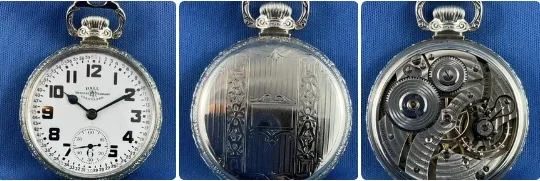
This is one I’d like to be wearing today, except i never did own it (sigh), and it is long gone to a new owner, somewhere. Ball ORRS 999, with a rare Hamilton 23-jewel, 950E movement, white gold filled case.
 
Posts
8,855
Likes
62,725
You prompted me to dig in a little.

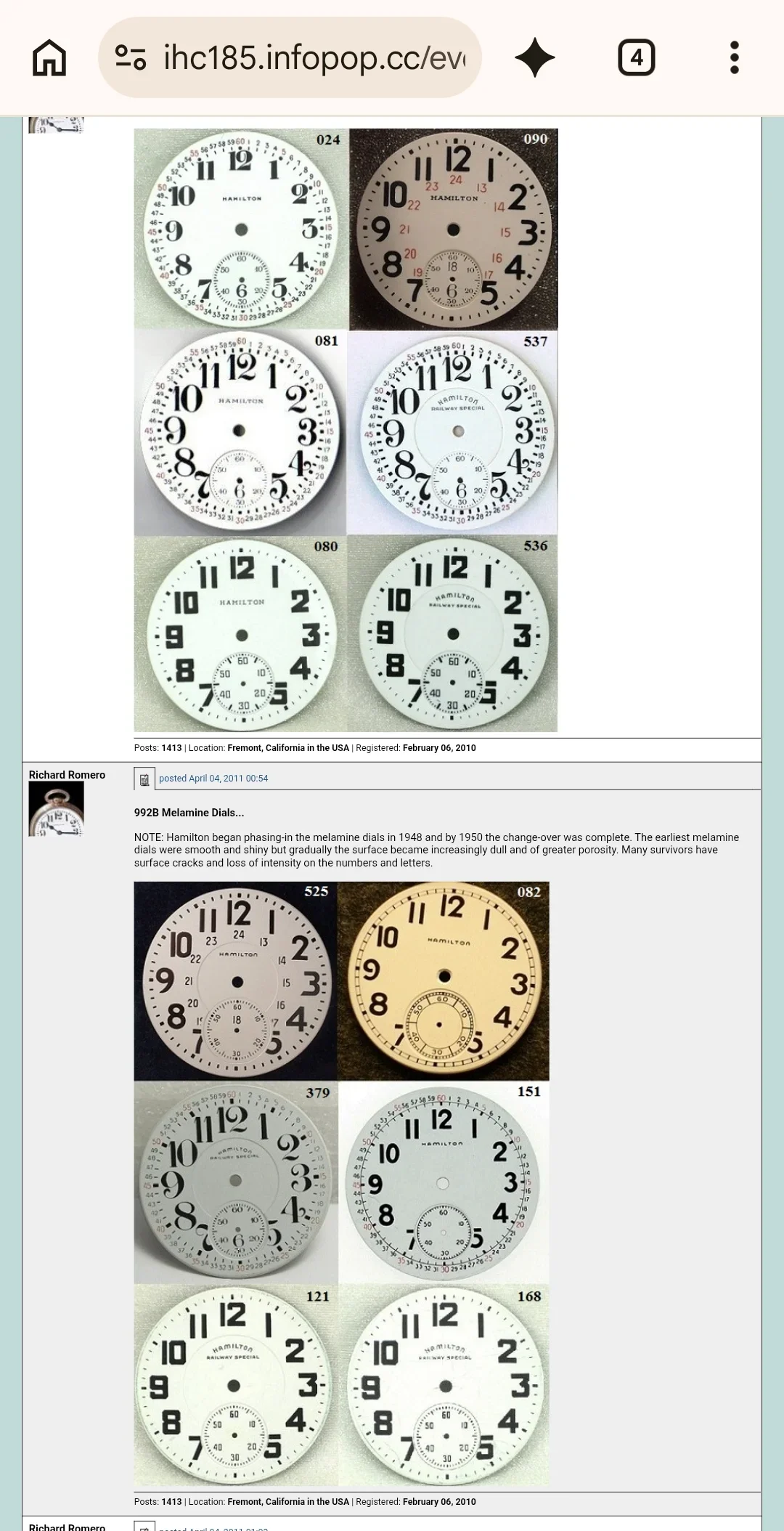
According to this, it's a 121 dial.
https://ihc185.infopop.cc/eve/forums/a/tpc/f/254108073/m/1743914067


People make it sound like melamine self- destructive. I guess I should be gentle with it.
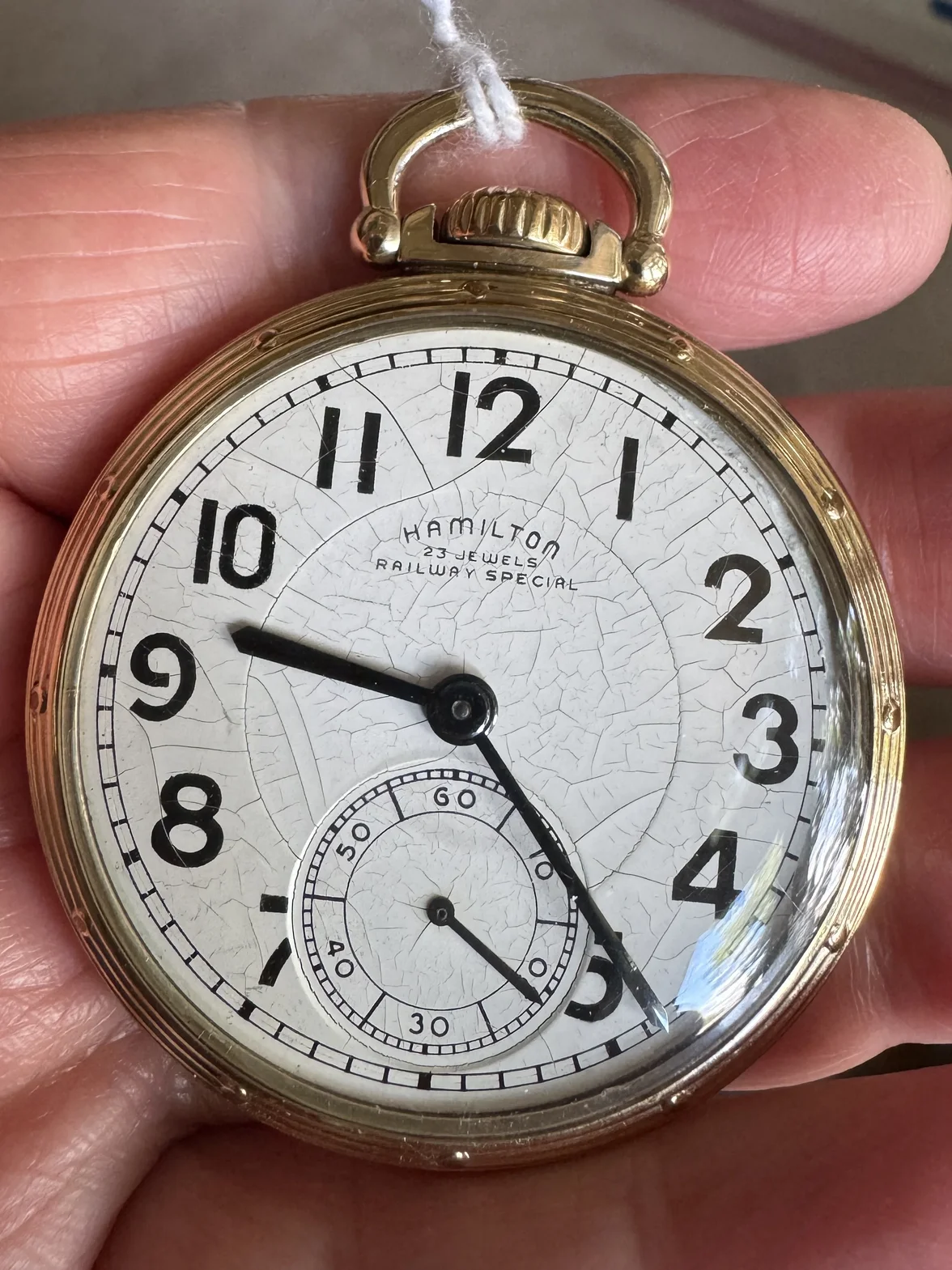
Their 1st generation was not tested over time before being offered for sale.
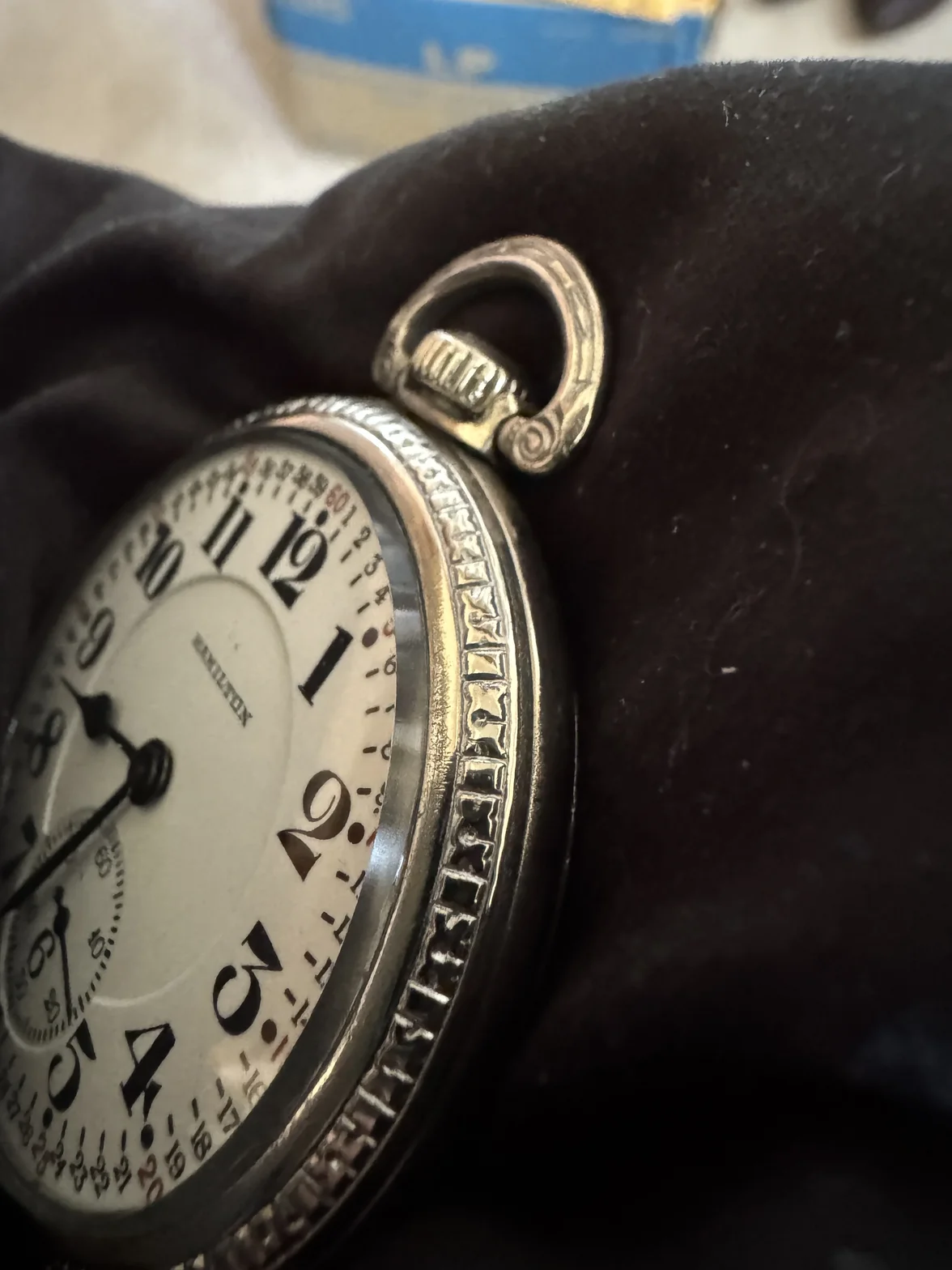
My 1950 950B should have this 1st generation Melamine dial. Classic aging for a 1st generation. But correct.

Your 2nd generation dial was offered 1-2 years later and is correct for your 992B.

 
Posts
8,855
Likes
62,725
Now that I see it all blown-up.....it is quite handsome, uniform and unique in its' damage.
 
Posts
6,513
Likes
22,137
Now that I see it all blown-up.....it is quite handsome, uniform and unique in its' damage.
Completely agree.

Don't mess with mother nature

 
Posts
8,855
Likes
62,725
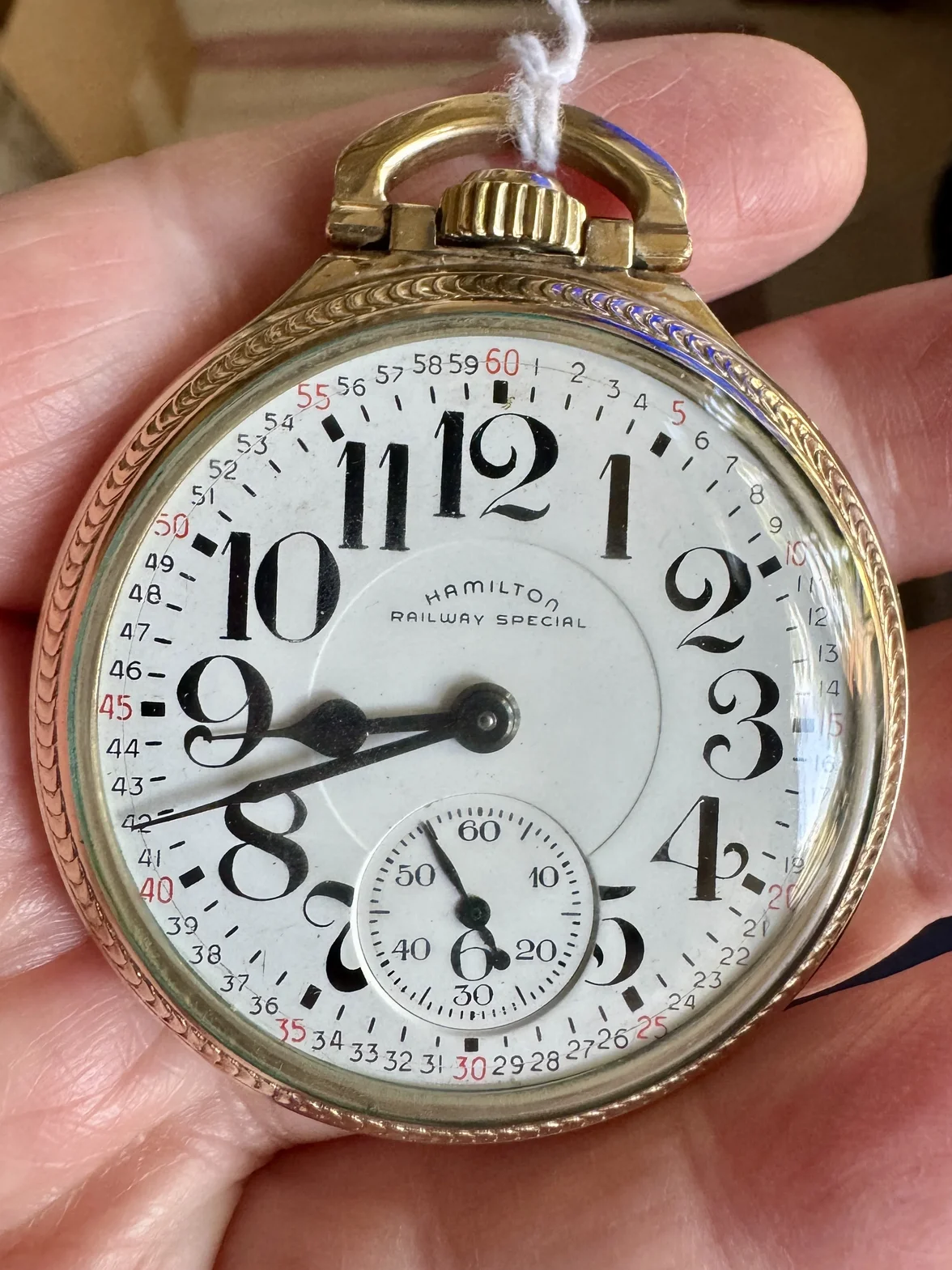
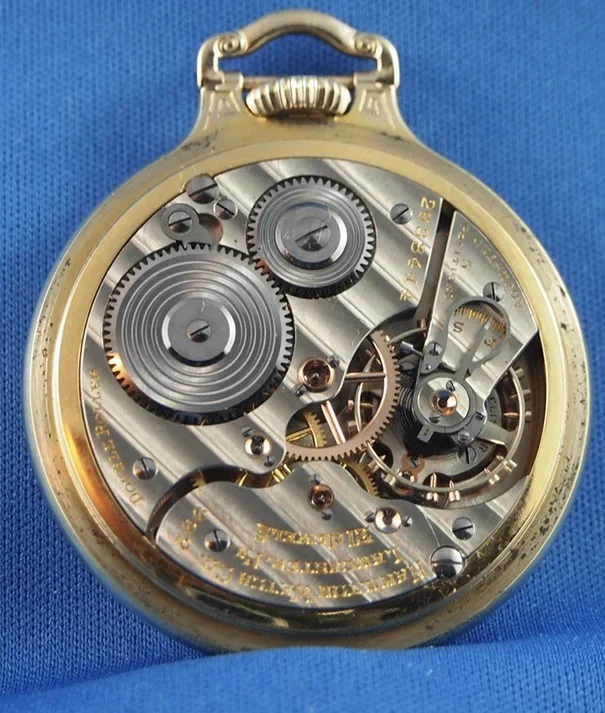
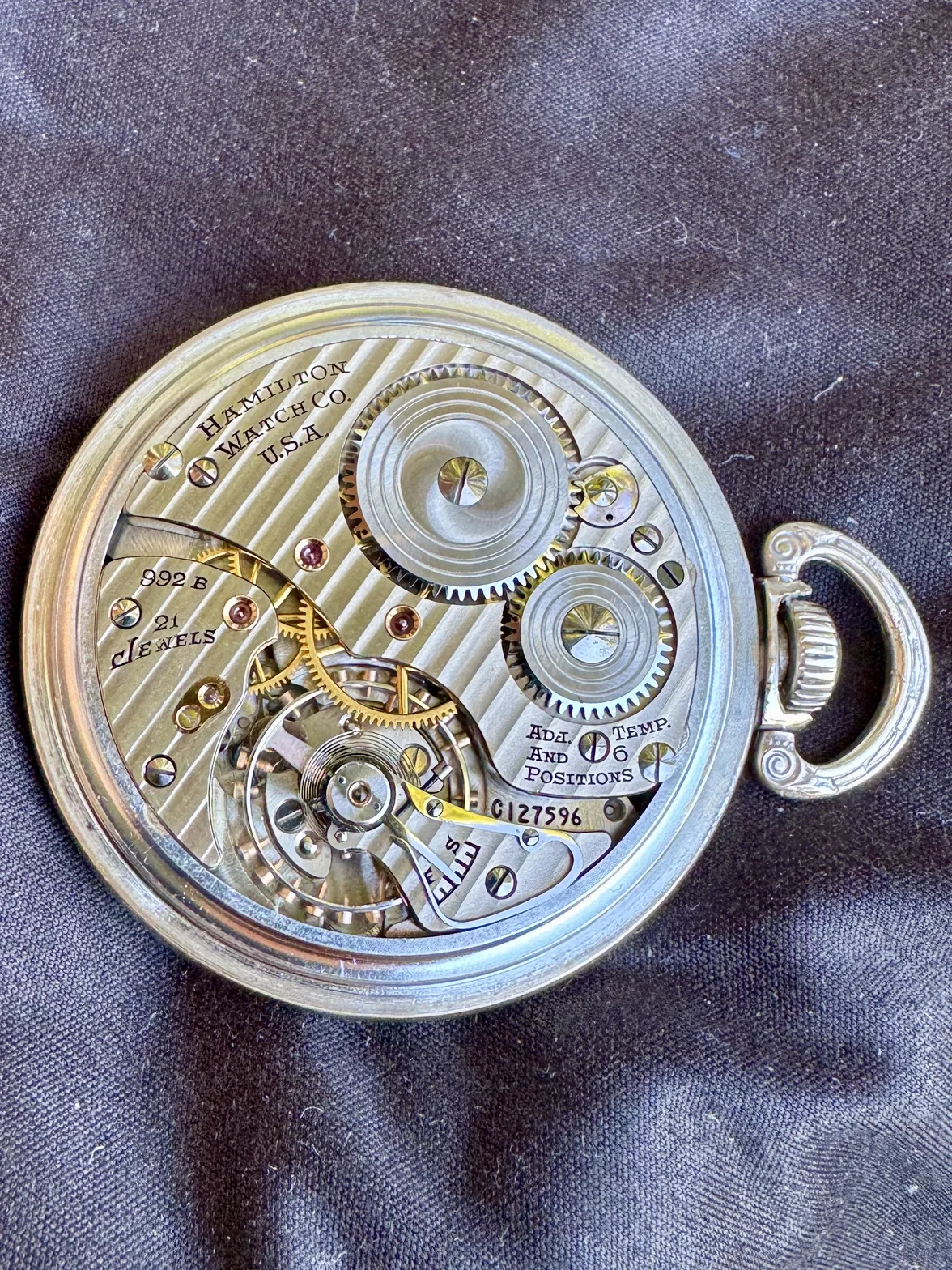
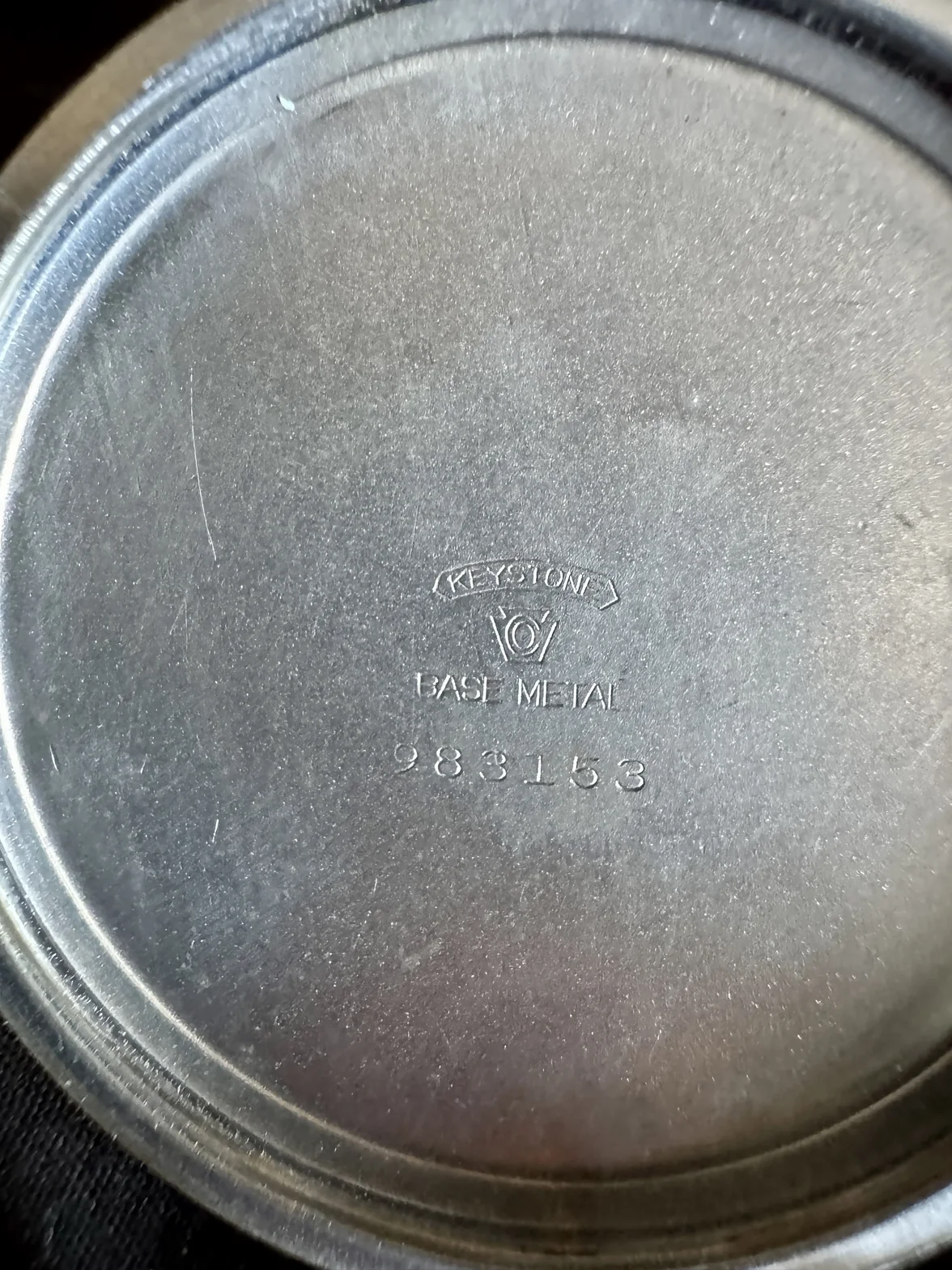
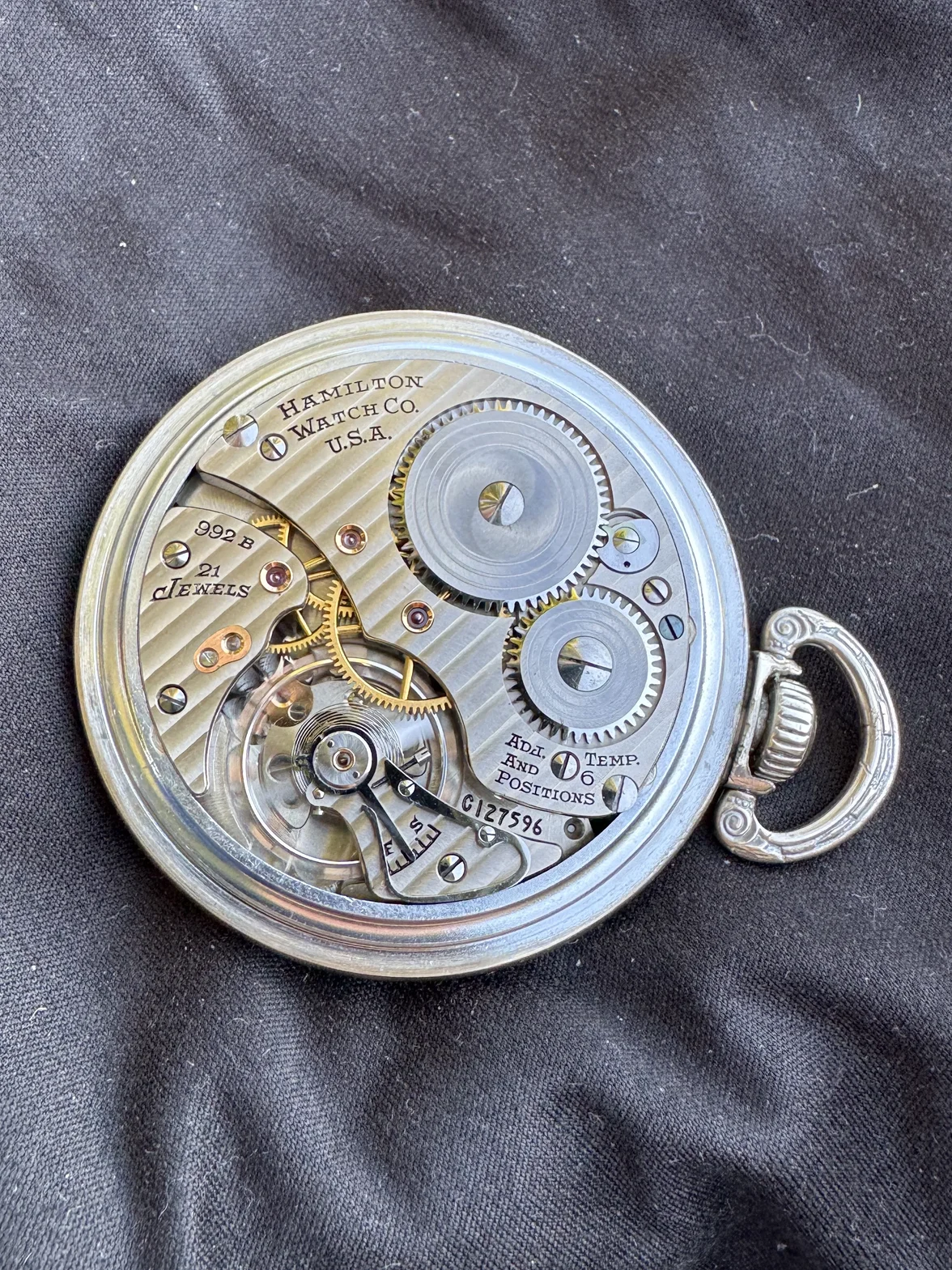
1954 Hamilton 992B with a Hamilton #379 Montgomery 2nd generation Melamine dial and Model 16 gf case. And as of around 1948-50, Hamilton black colored handset.
 
Posts
8,855
Likes
62,725
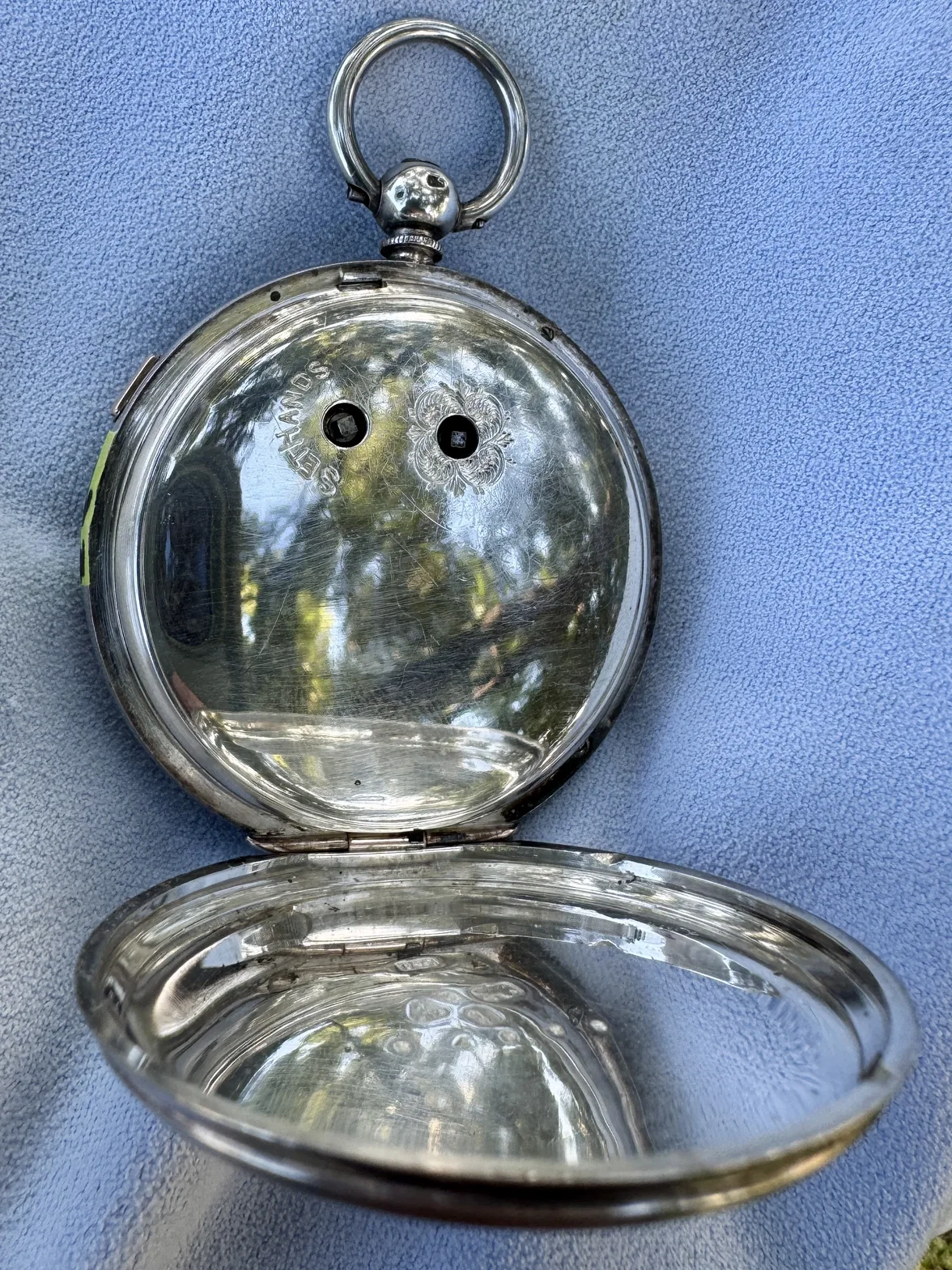
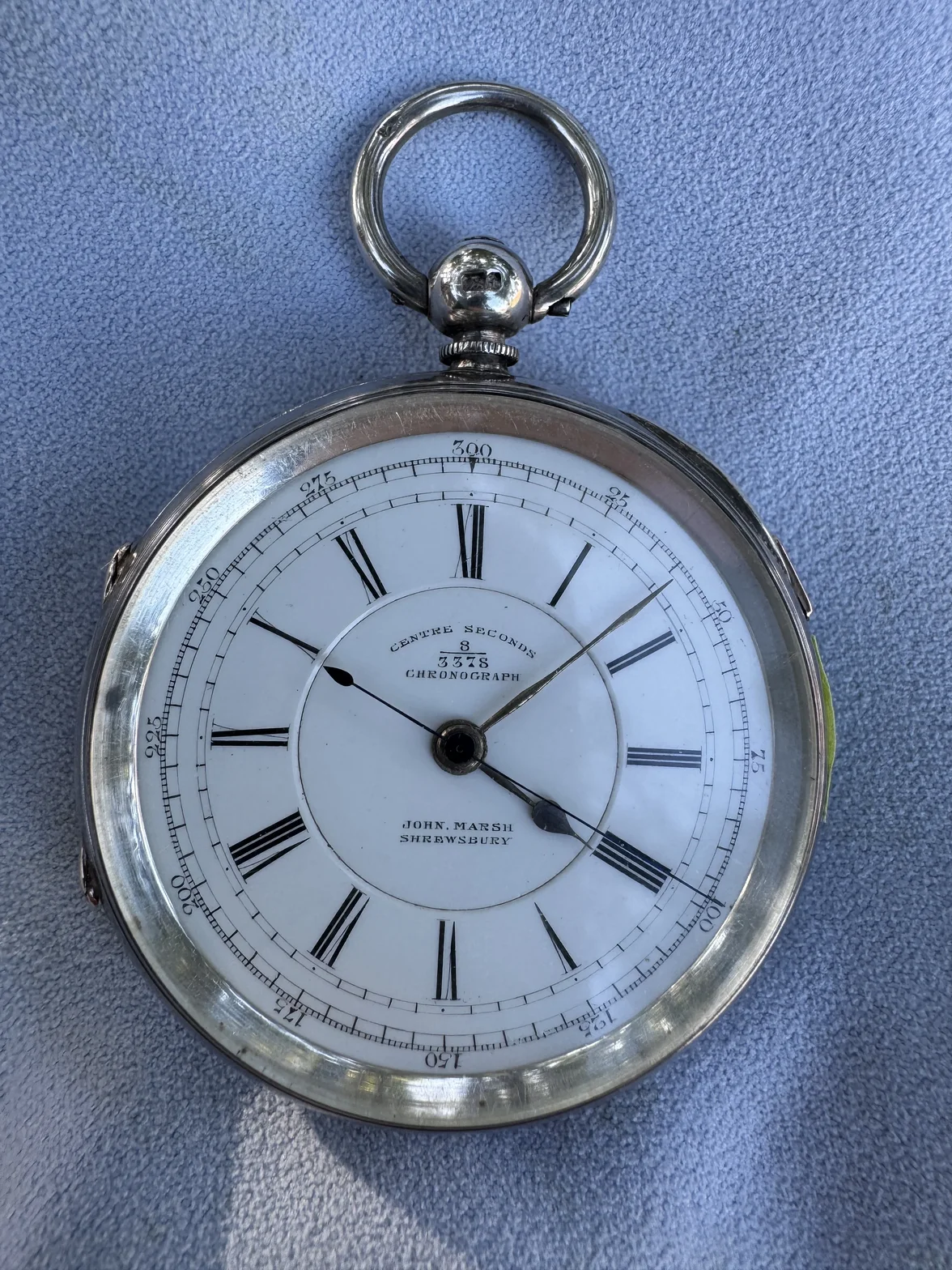
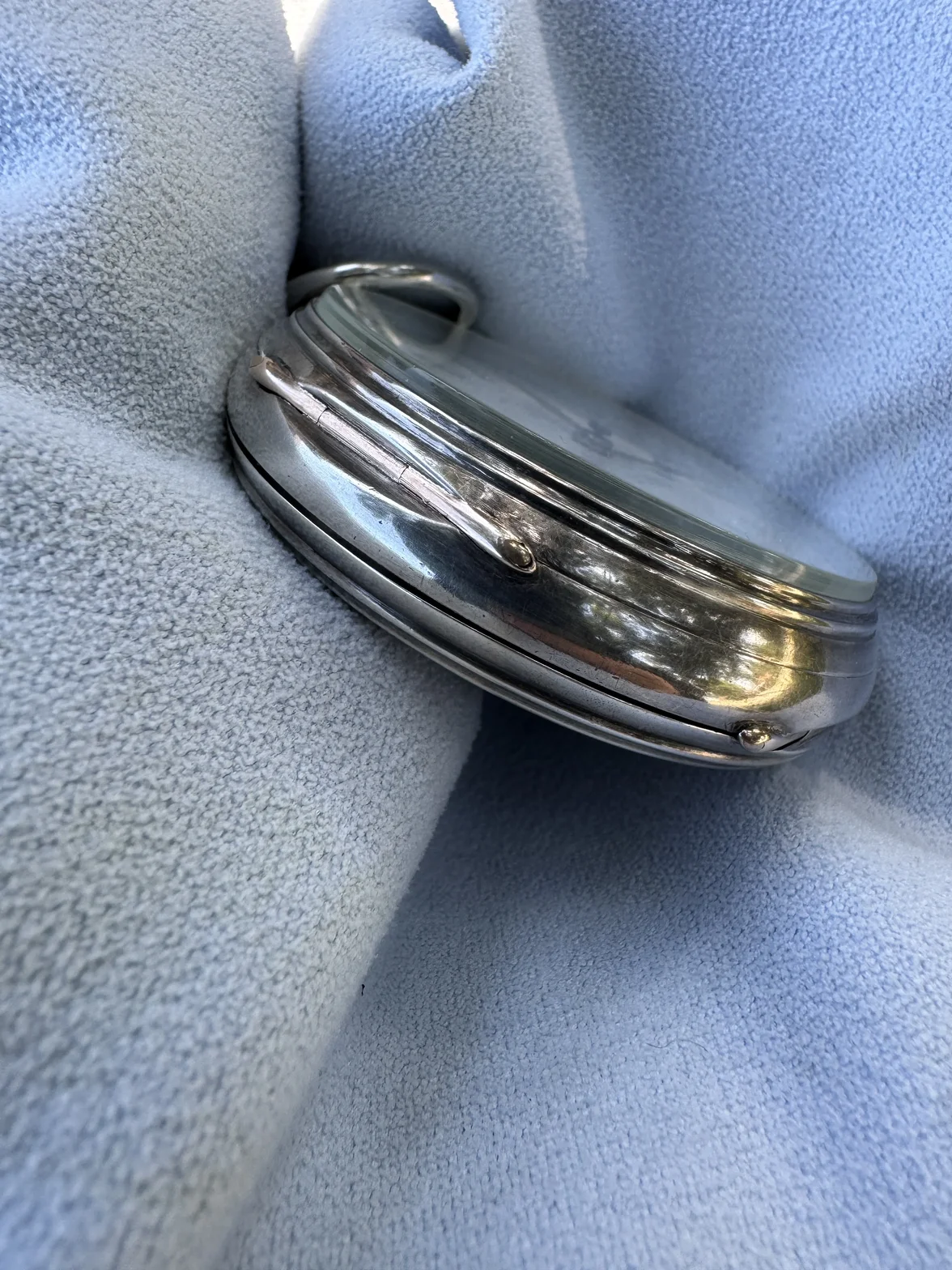
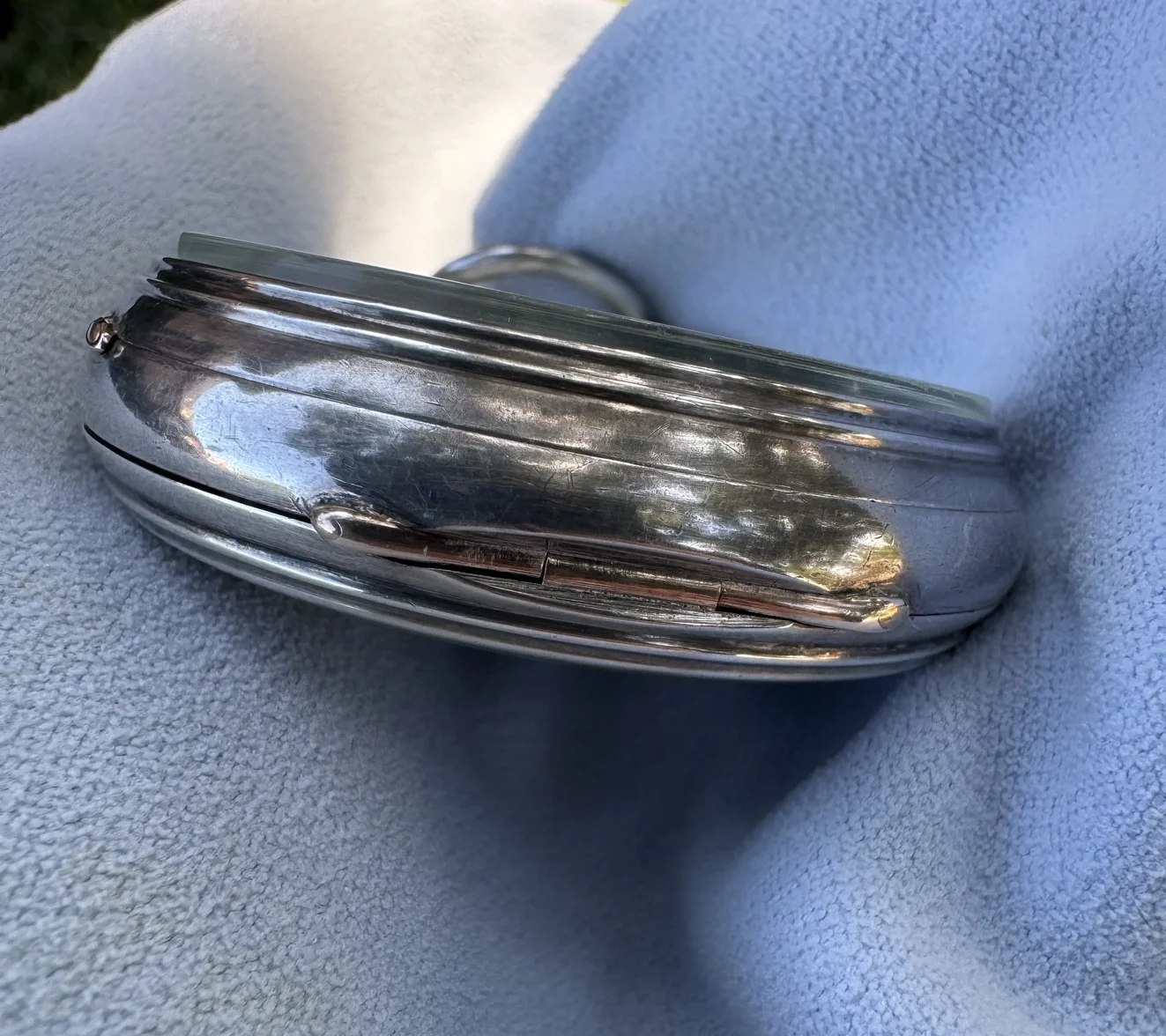
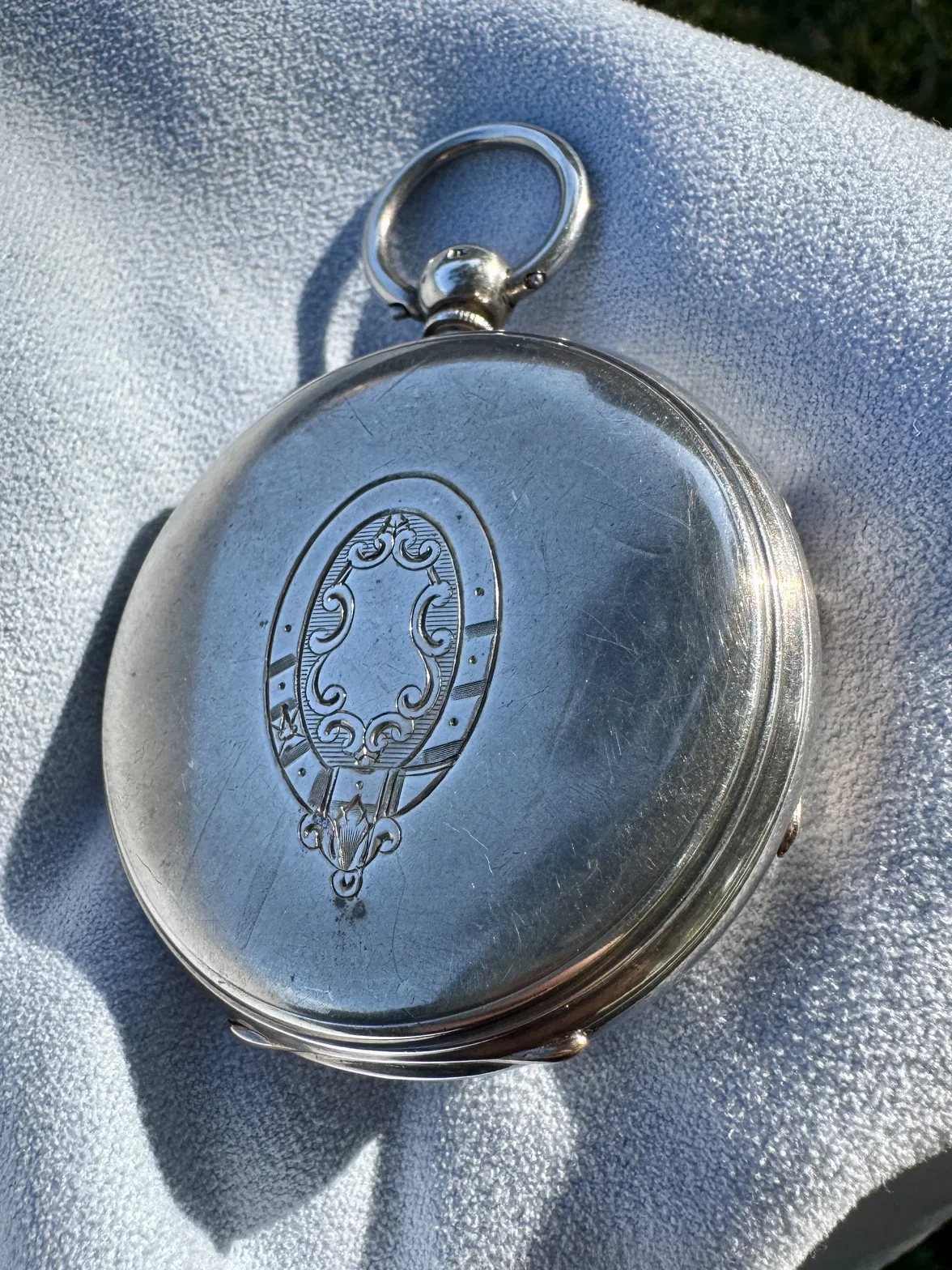
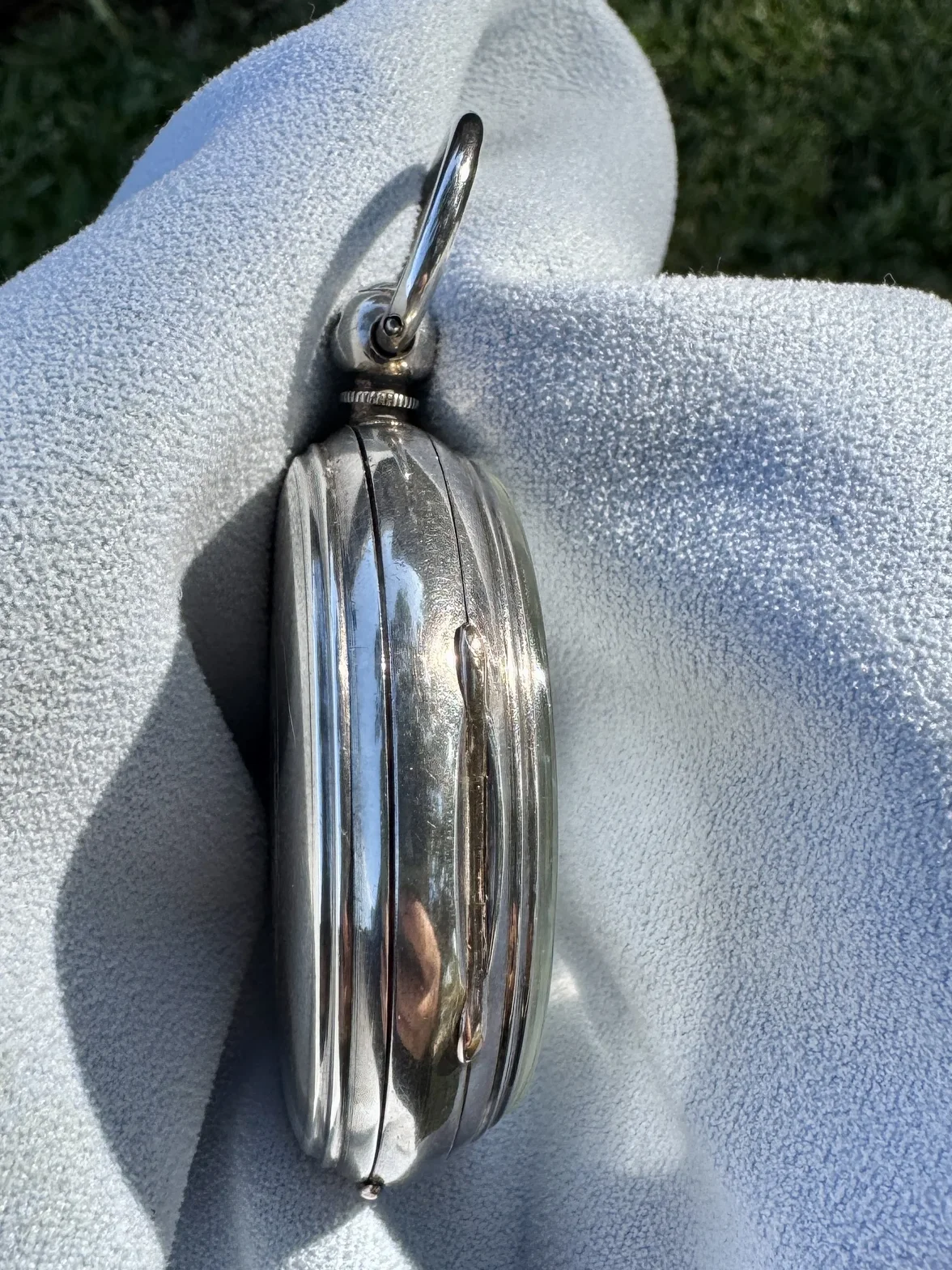
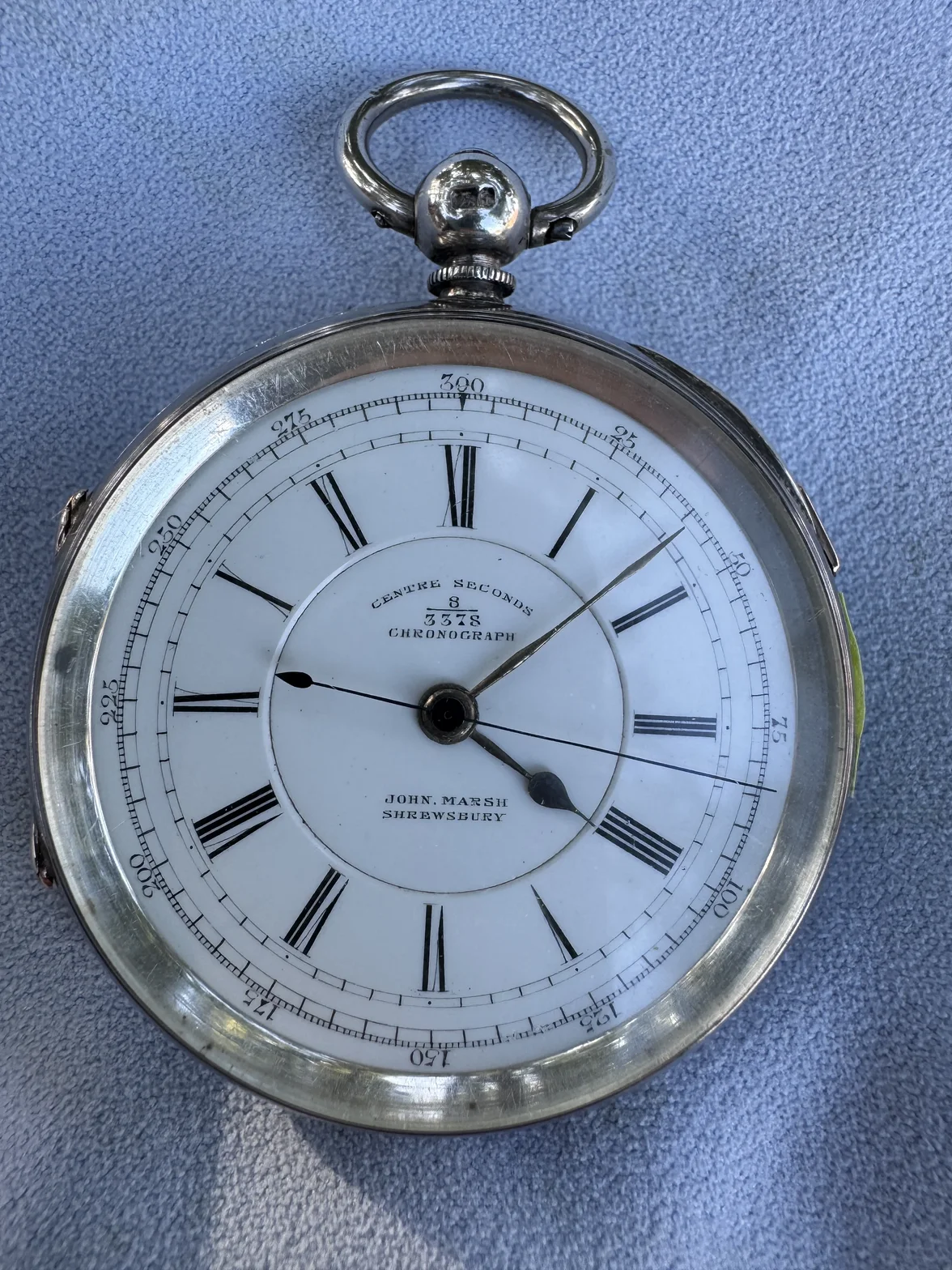
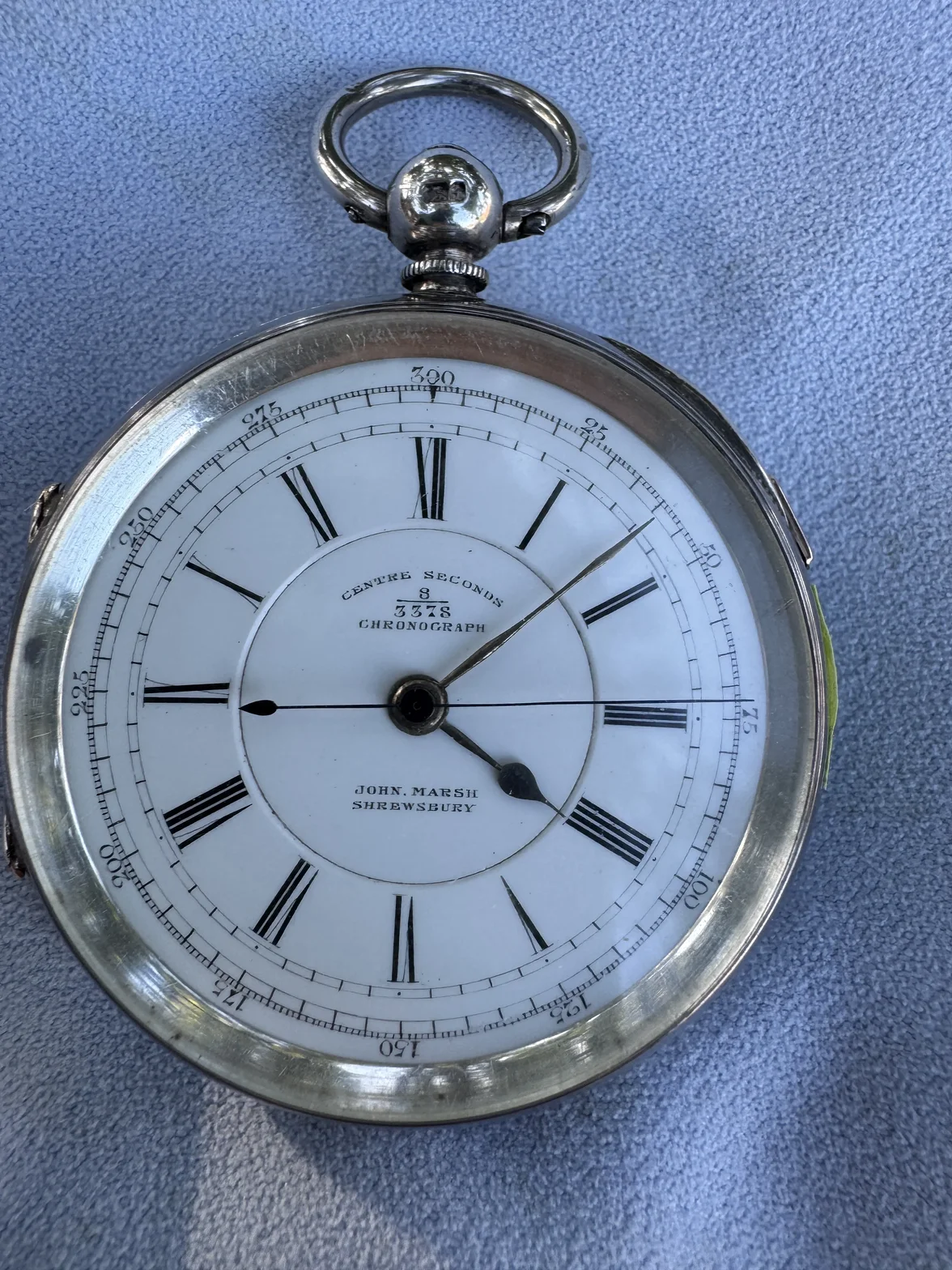
This one was fun to research.
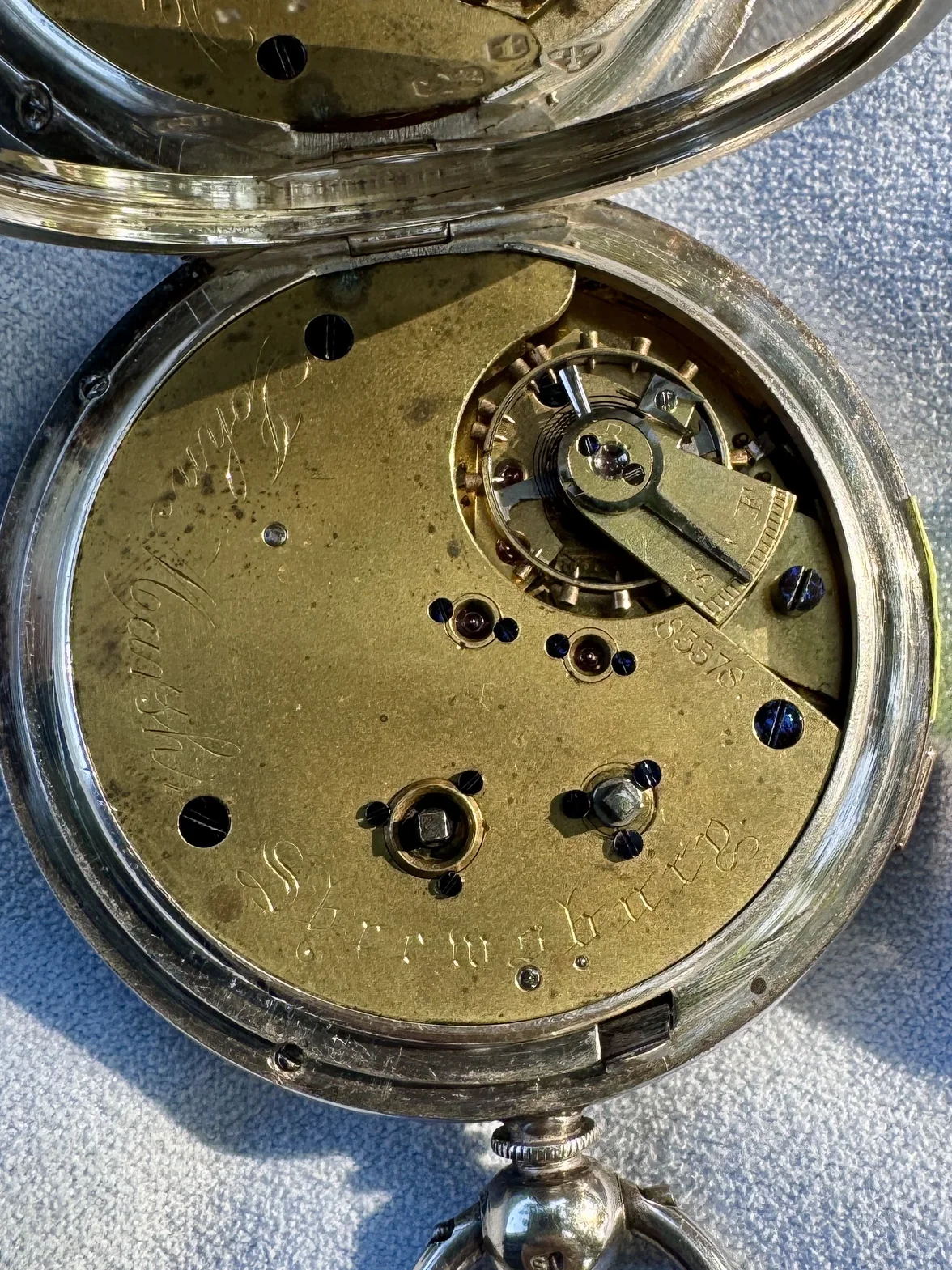
John Marsh was a watchmaker and prominent Jeweler in Shrewsbury and had just ended a partnership and was going solo.
He contracted with Britain’s largest and technologically advanced firm, Rotherham & Sons in Coventry to produce an elite grade movement of a recently popular style of stopwatch for doctors, engineers and horse racing enthusiasts, the Centre Seconds Chronograph. This private label watch can measure to 1/5th of a second.
This one dates to 1882, an era when the production of a top tier timepiece still required a highly collaborative division of labor. On the very cusp of revolution.
Rotherham was chosen because they had developed a complex 3/4 plate fusee configuration allowing for a highly accurate chain system but keeping it more slim. All developed and manufactured in house.
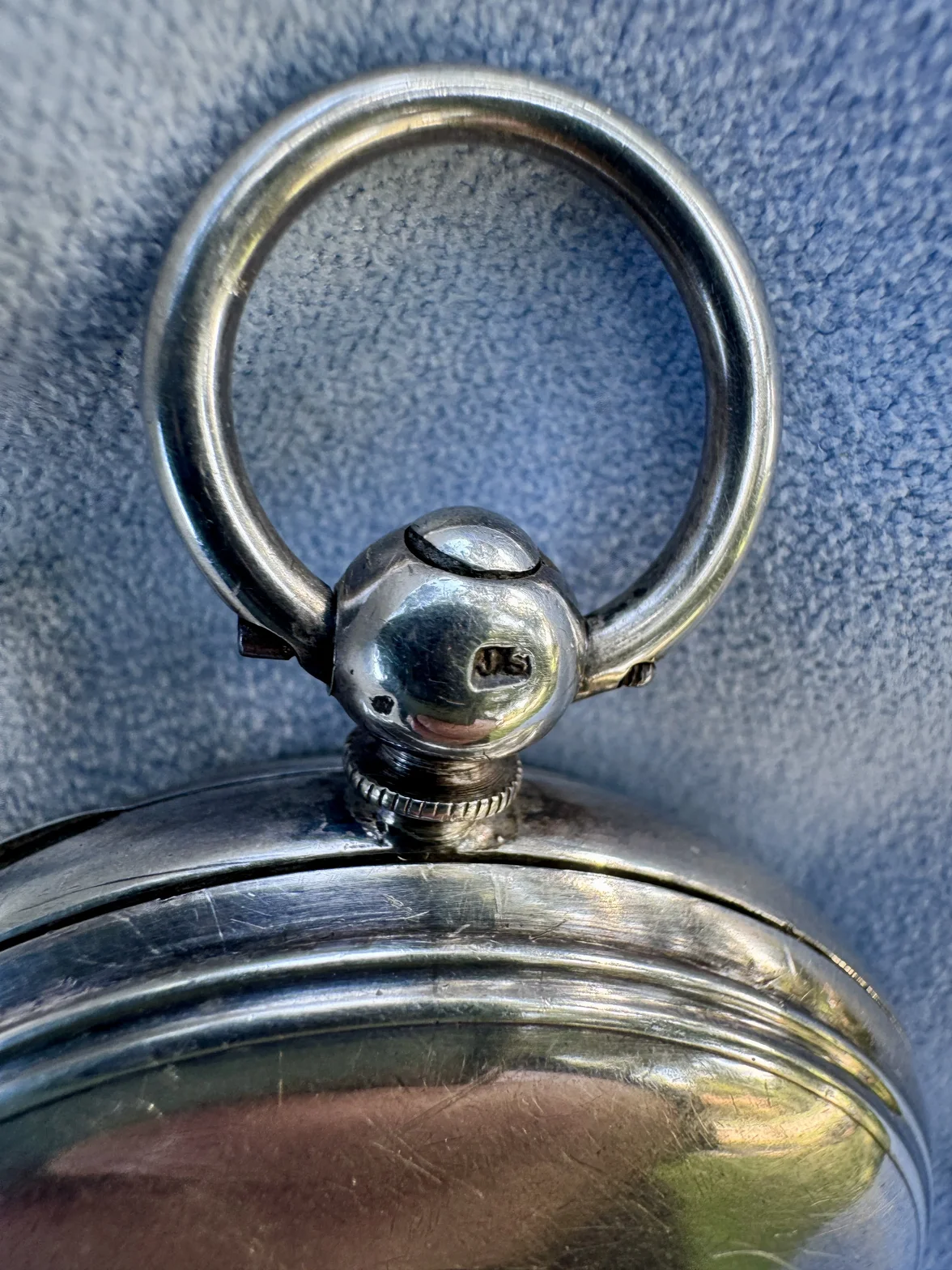
They then contracted with a local silversmith renowned for supplying premium luxury watch cases, Charles Harris. Who in turn contracted with noted component specialist Joseph Sharpe to construct the pendant/stem tubes, crown and ring.
They all were in the Coventry area a few blocks away sometimes. As was the dial maker who produced such a highly complex but visually arresting piece of art.
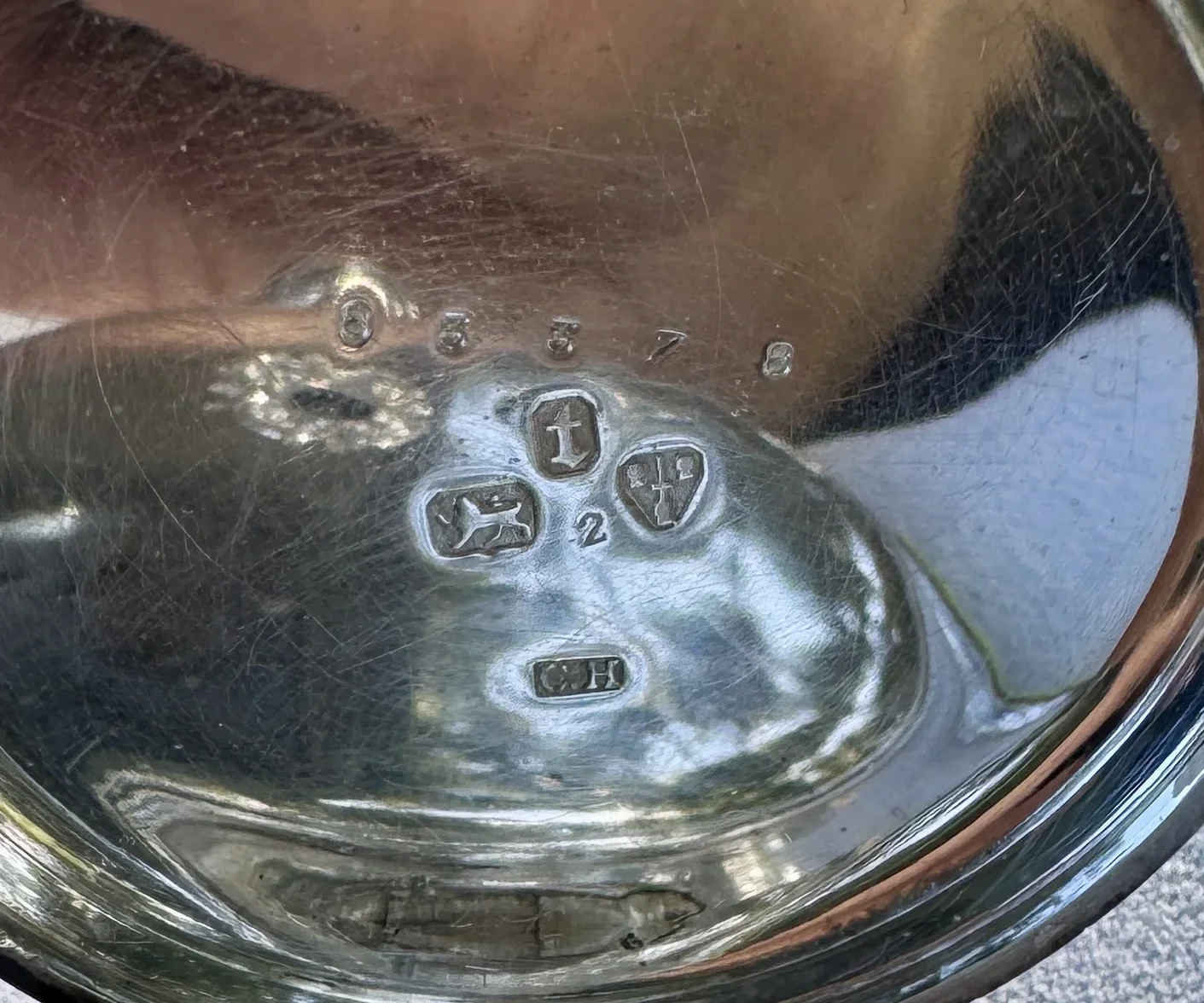
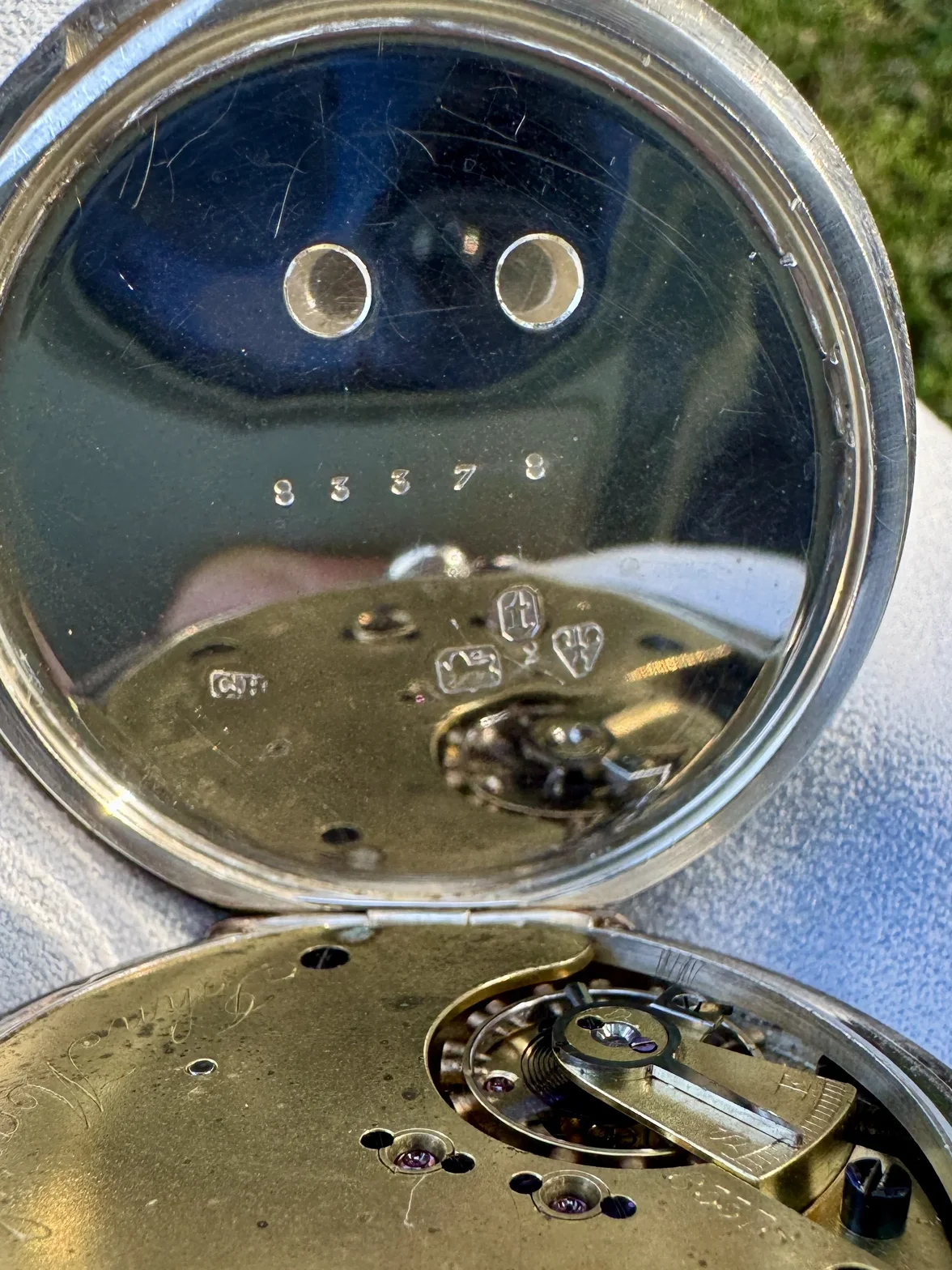
To bring it all together and signify a Premium Late Victorian pocket watch, the movement serial number is carried to the Sterling Silver case and dial, 83378.

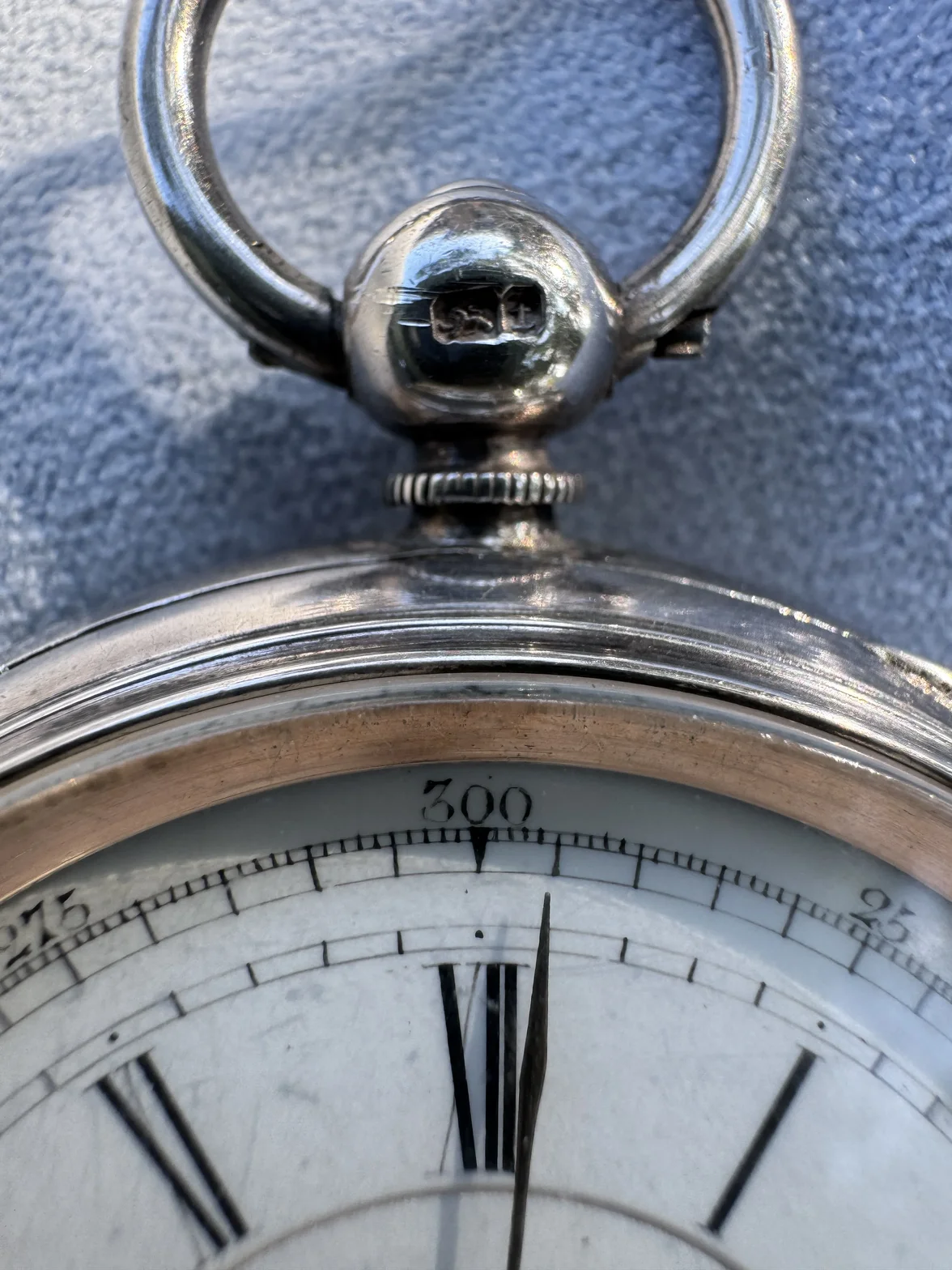
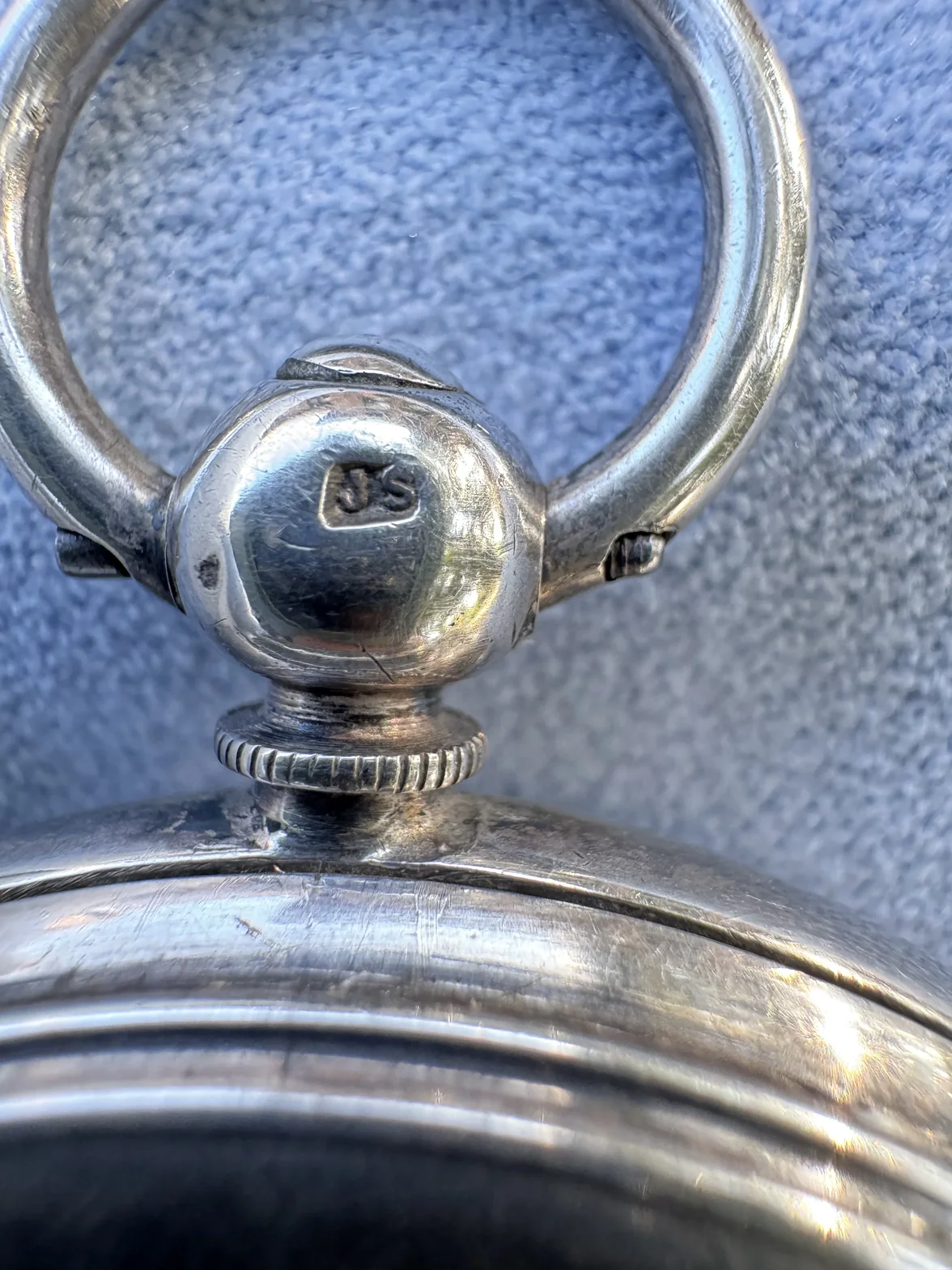
Hallmarks:
Assay Town and Year:
Chester( sword and 3 wheat Sheaves, 1882(lower case”t”)
Case Maker: C.H(Charles Harris)Coventry
Pendant Maker: JS (Joseph Sharpe) Coventry
Lion Passant: Purity Standard: Sterling Silver(.925)

Luxury Retailer responsible for such a Prestigious Private Label Custom Order and one who just happens to be located a short distance from the Rail Station:
John Marsh of Shrewsbury on dial and movement.

1882 retail price: 5-7 pounds
Or, about 5-7 weeks full-time labor for a highly skilled worker in 1882.
Or, roughly $1000-1300 USD today

Nifty gold slide-click at edge to stop the balance. Gold Hinges. KWKS from the back. Gold hr and minute hands and blued seconds hand. Push button opens the back.
Service only, no parts needed, gambled and won this lottery. No movement photos at listing, kids, don’t try this at home, only trained professionals on a expense account, please, and per-diem.🫣

Edited:
 
Posts
4,375
Likes
12,981
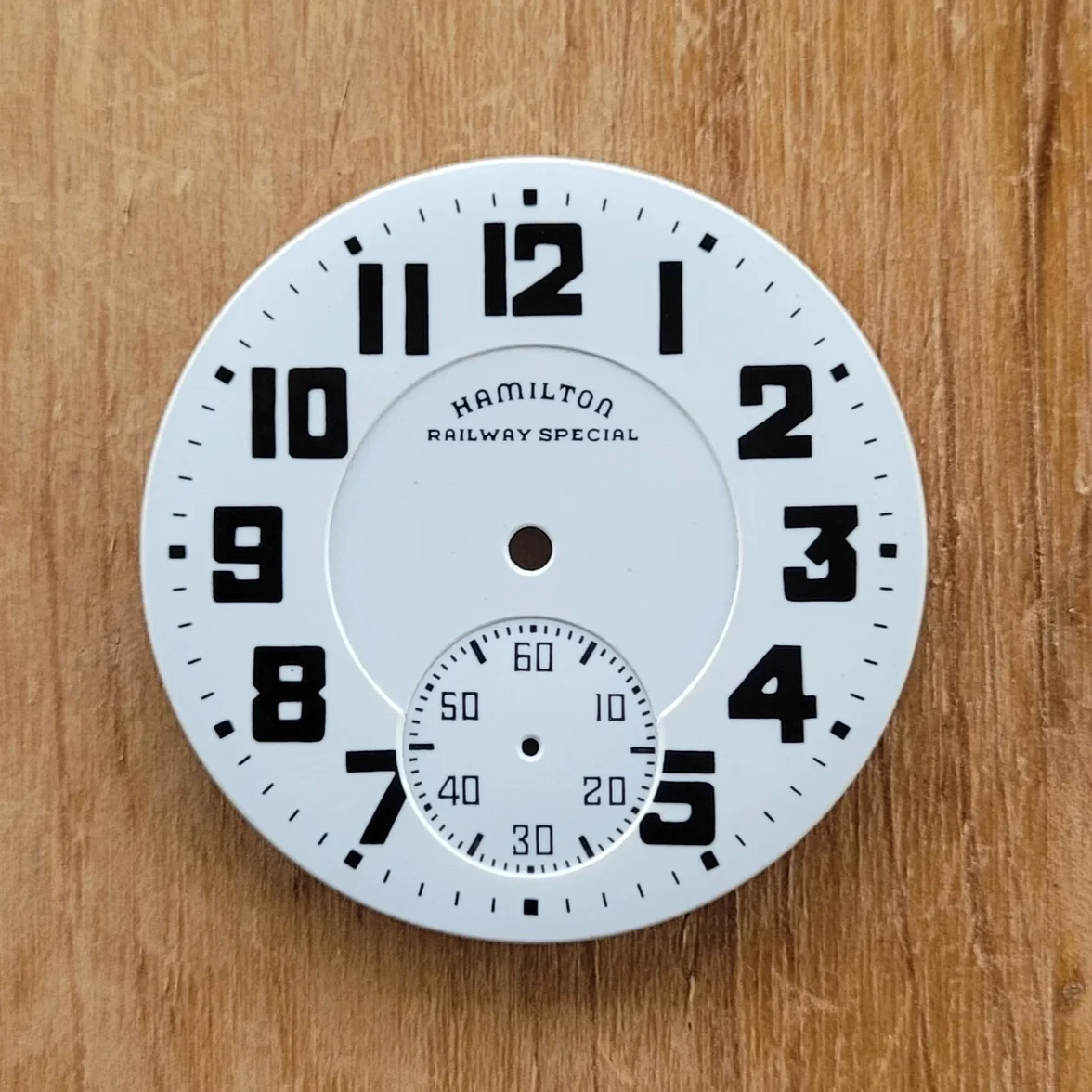
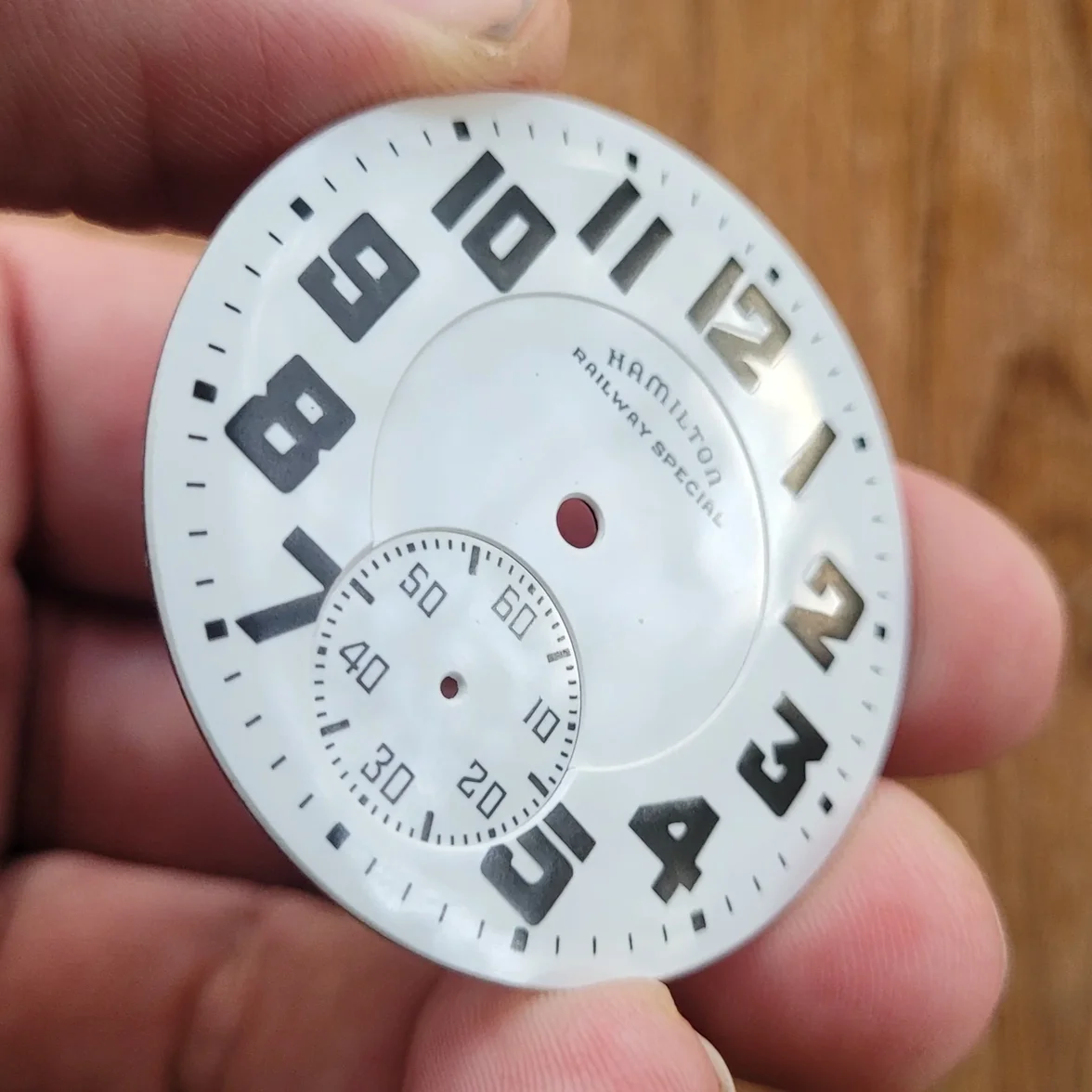
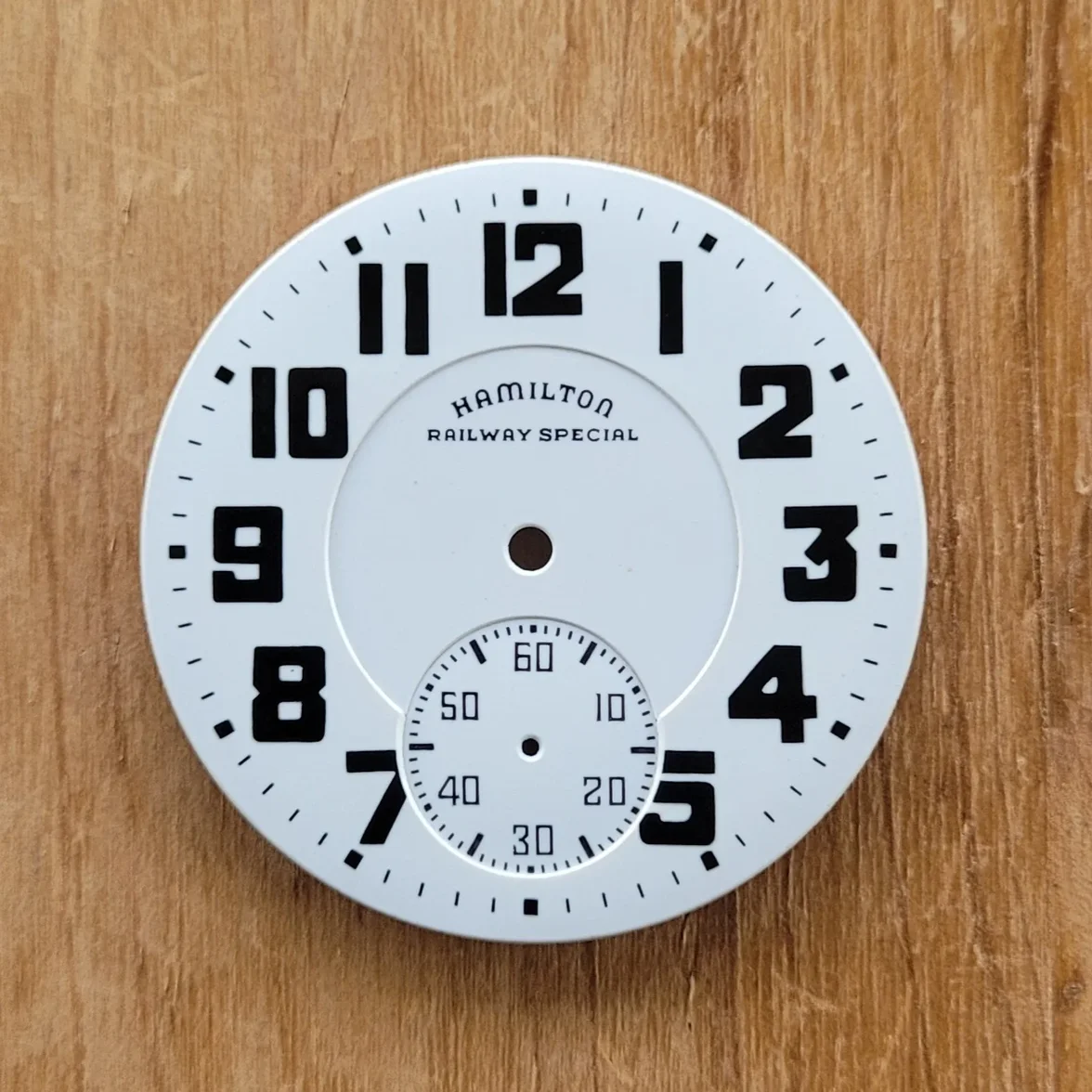
I spent more money than I wanted to ($80 after tax and shipping), but I picked up a virtually perfect enamel dial to eventually go on my 950B if and when the melamine dial starts to degrade.
 
Posts
15,981
Likes
48,047
I spent more money than I wanted to ($80 after tax and shipping), but I picked up a virtually perfect enamel dial to eventually go on my 950B if and when the melamine dial starts to degrade.
I think that style was called a “boxcar” dial. I was once taken to task by a loudmouth on a different forum for replacing the original melamine dial with the double sunk vitreous enamel dial on my Hamilton 950B which the watch now has. I did two things. I told the jerk the watch is mine, and l’d do as I pleased with it, and left that message board. I recently found out that that message board now advises those who ask why I no longer post there. They are advised that I am now deceased! I assure you, I am NOT deceased!
 
Posts
5,375
Likes
54,937
I think that style was called a “boxcar” dial. I was once taken to task by a loudmouth on a different forum for replacing the original melamine dial with the double sunk vitreous enamel dial on my Hamilton 950B which the watch now has. I did two things. I told the jerk the watch is mine, and l’d do as I pleased with it, and left that message board. I recently found out that that message board now advises those who ask why I no longer post there. They are advised that I am now deceased! I assure you, I am NOT deceased!

Yeah I had noticed that deceased comment on that forum with some mirth.
Edited:
 
Posts
260
Likes
3,458
I spent more money than I wanted to ($80 after tax and shipping), but I picked up a virtually perfect enamel dial to eventually go on my 950B if and when the melamine dial starts to degrade.
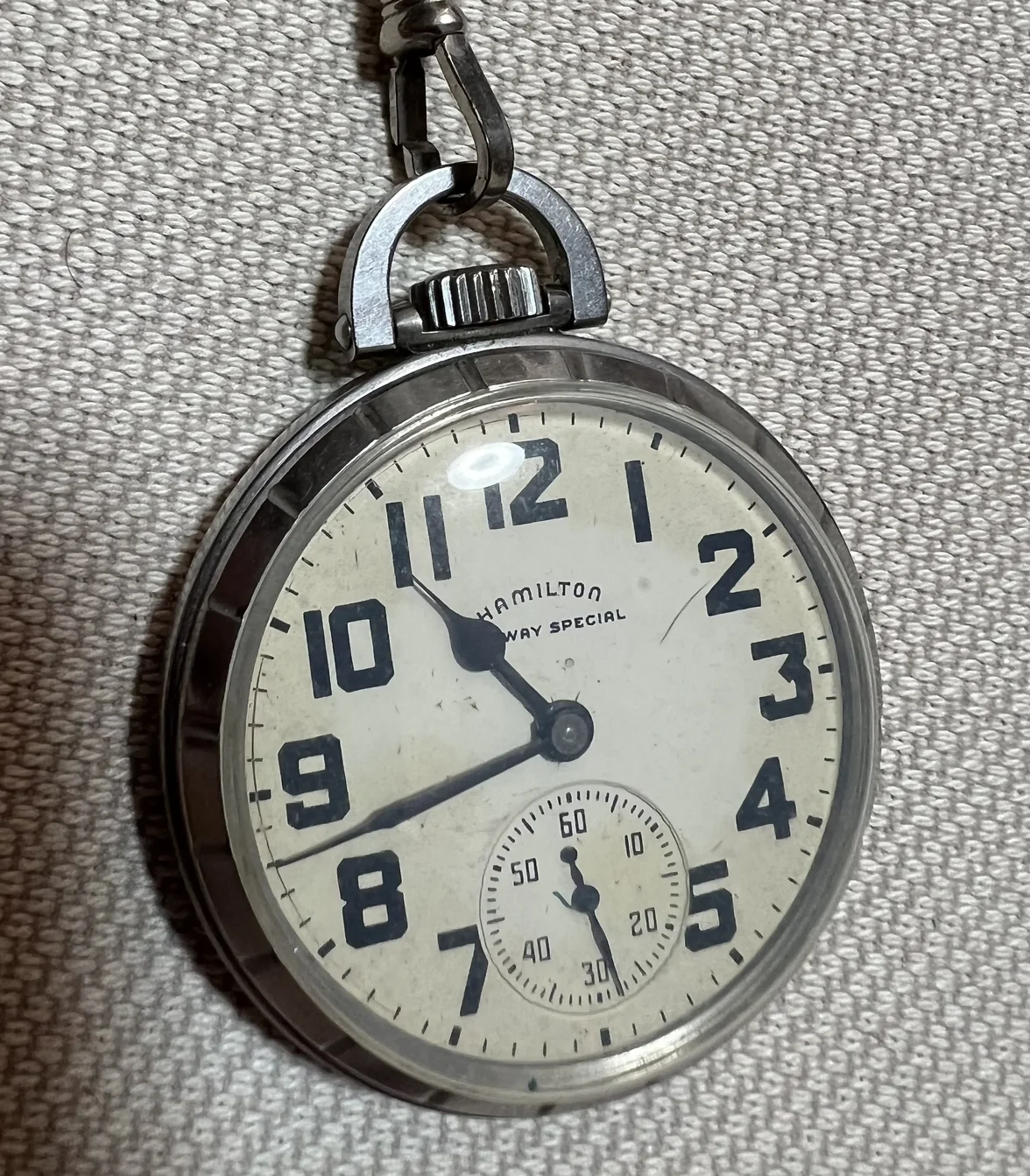
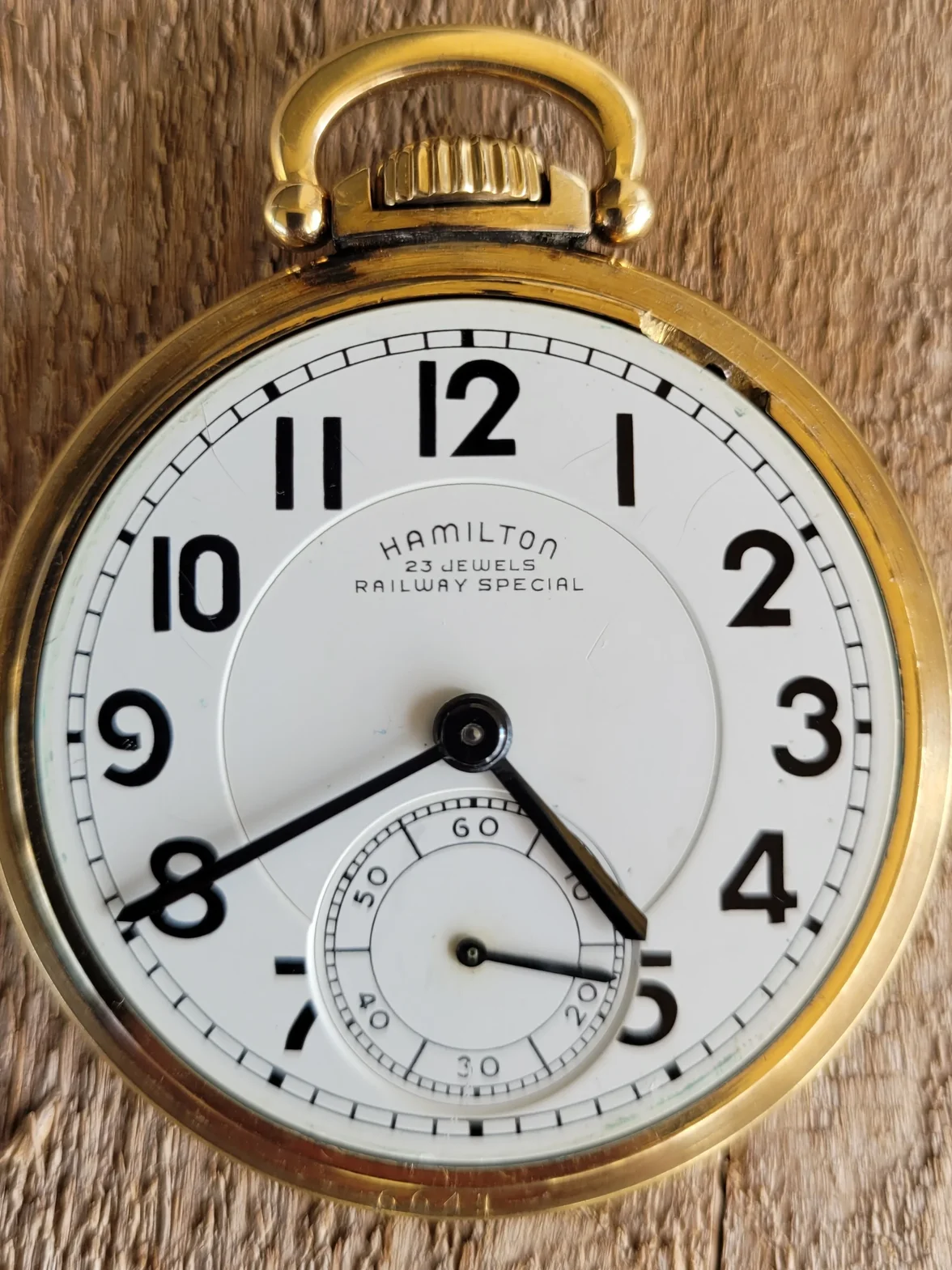
I have a Hamilton 992B from 1950 with single sunk Melamine Heavy Gothic dial #168 in a stainless steel Hamilton #15 case. It is starting to show degrading now, compared to how it looked 20 years ago. I fully agree with the idea of exchanging it for an enamel dial, which is what I have on (almost) all my other pocketwatches.

@Canuck, I remember you from way back, but I must have missed the comment that you have left us. Which forum?

My 992B today.
 
Posts
15,981
Likes
48,047
I have a Hamilton 992B from 1950 with single sunk Melamine Heavy Gothic dial #168 in a stainless steel Hamilton #15 case. It is starting to show degrading now, compared to how it looked 20 years ago. I fully agree with the idea of exchanging it for an enamel dial, which is what I have on (almost) all my other pocketwatches.

@Canuck, I remember you from way back, but I must have missed the comment that you have left us. Which forum?

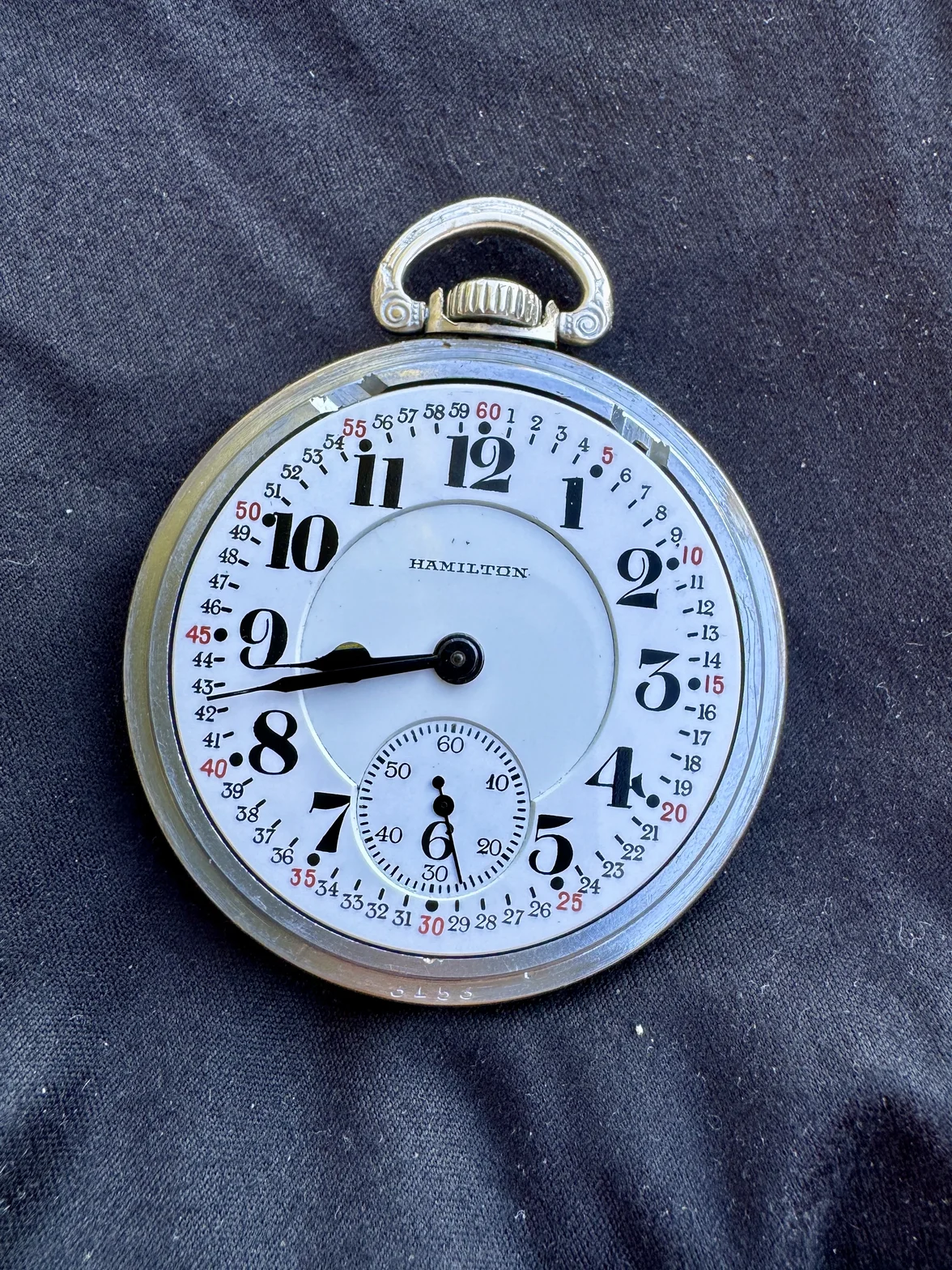
My 992B today.
NAWCC forum.
 
Posts
8,855
Likes
62,725
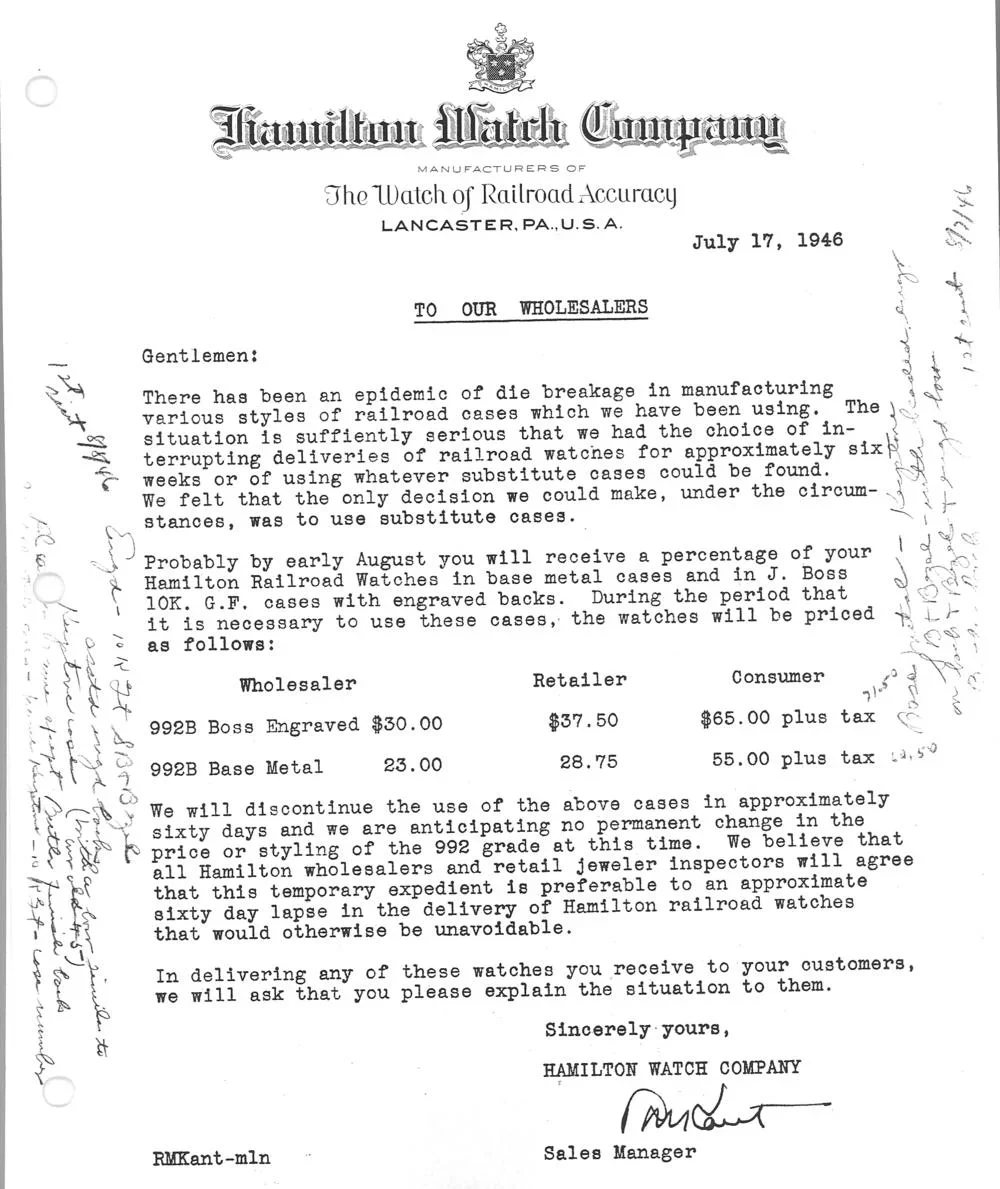
1945-6 was a frenzy of Consumer Demand in the US as Wartime restrictions were being relaxed or eliminated. It was no different for Hamilton as they were being swamped for product by their retailers.
Couple all that with Keystone having some factory issues ramping up and Hamilton having issues with their experimentation with Melamine dials necessitating a vault purge of 16s dials.

 
Posts
4,375
Likes
12,981
I have a Hamilton 992B from 1950 with single sunk Melamine Heavy Gothic dial #168 in a stainless steel Hamilton #15 case. It is starting to show degrading now, compared to how it looked 20 years ago. I fully agree with the idea of exchanging it for an enamel dial, which is what I have on (almost) all my other pocketwatches.

@Canuck, I remember you from way back, but I must have missed the comment that you have left us. Which forum?

My 992B today.
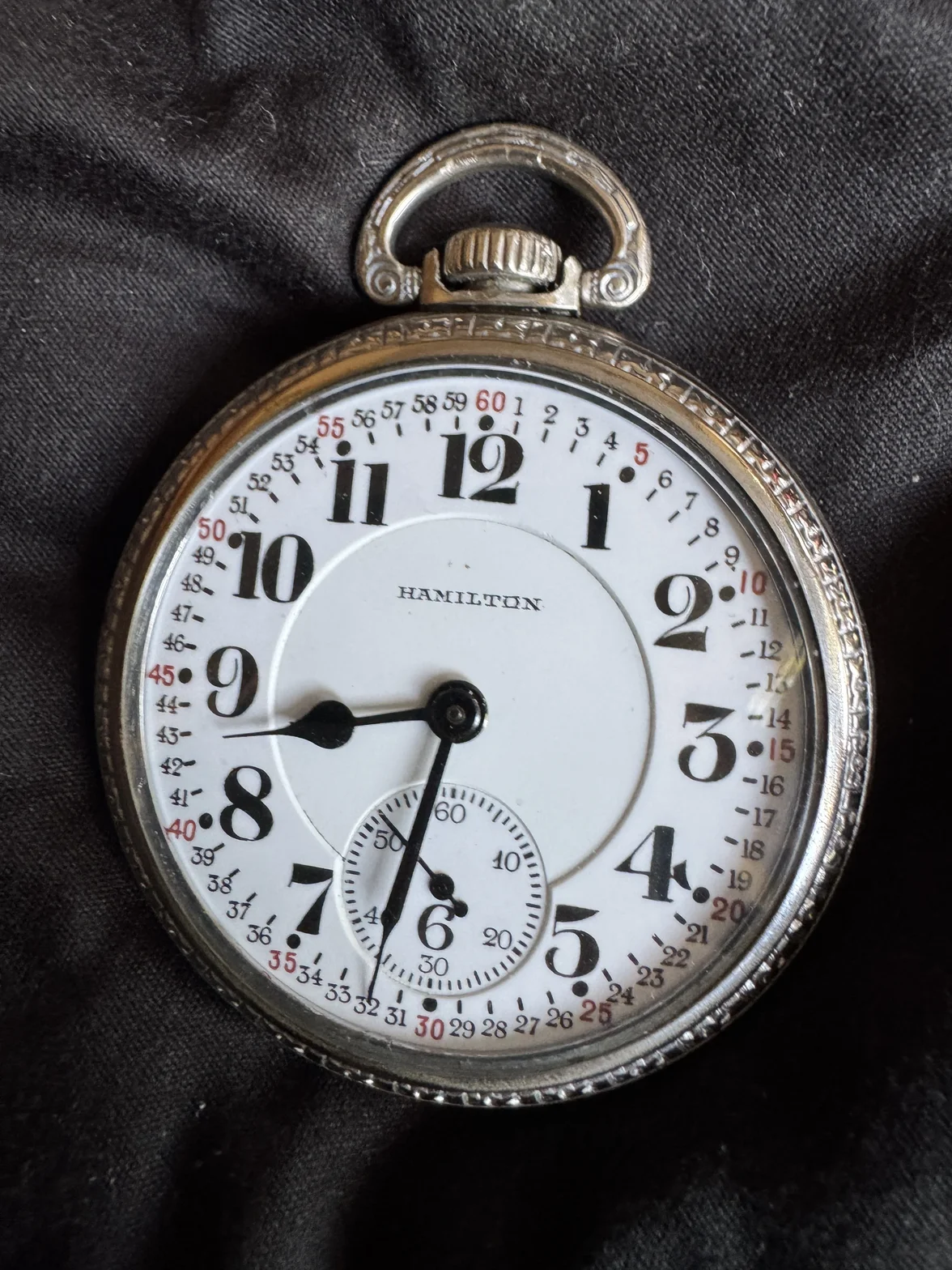
The dial on my 950B is still in good shape, but I've thought about the melamine degrading for a long time now, and I've wanted a nice backup dial for it. While the boxcar dial I got isn't identical to my current dial, I won't lose any sleep over swapping it out when it comes time.