Cal 552 accuracy - wow!

Posts
209
Likes
80
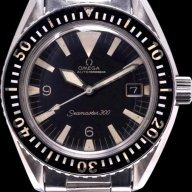
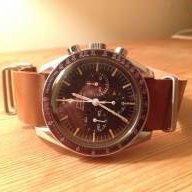
I sent my vintage Omega with cal 552 to a watchmaker for full service.

In the last three days since I got it back, it's only gained 3 seconds total. And that's without fine tuning a resting position overnight to offset the gain.

I'm really pleased with those post-service results. I knew the 55x series was well regarded, but I had no idea that 55x series could still be such great performers, even when aged more than 55 years...

This old movement is operating well within modern COSC standards.

Is this type of high accuracy performance typical for (well serviced) 55x calibers?
 
Posts
9,521
Likes
52,419
Yes, it is. These are some of the best mass produced movements ever made and they have aged remarkably well.
 
Posts
6,011
Likes
20,668
I sent my vintage Omega with cal 552 to a watchmaker for full service.

In the last three days since I got it back, it's only gained 3 seconds total. And that's without fine tuning a resting position overnight to offset the gain.

I'm really pleased with those post-service results. I knew the 55x series was well regarded, but I had no idea that 55x series could still be such great performers, even when aged more than 55 years...

This old movement is operating well within modern COSC standards.

Is this type of high accuracy performance typical for (well serviced) 55x calibers?

Pretty amazing, isn't it? Try that with an old smart watch!

Careful though, accuracy in old watches is a slippery slope into pocket watches. Once you're in that hole, it's hard to get out. 馃榿

 
Posts
12,910
Likes
22,329
Condition plays a huge part as well. If the movement is heavily worn a service is unlikely to return such good results over all positions.
 
Posts
9,521
Likes
52,419
Condition plays a huge part as well. If the movement is heavily worn a service is unlikely to return such good results over all positions.
That is true, of course, with any movement. That being said, it's still pretty easy to get parts for the 55x and 56x series.
 
Posts
23,318
Likes
51,920
This old movement is operating well within modern COSC standards.

I think you would have to test it in 5 positions and 3 temperatures for two weeks to make this claim. Average timekeeping is just one piece and honestly I think that the variation standard can be more challenging. I have many vintage watches that were regulated to keep very good time on the wrist, but if I look closely at positional variation, it can be pretty substantial.
Edited:
 
Posts
209
Likes
80
I think you would have to test it in 5 positions and 3 temperatures for two weeks to make this claim. Average timekeeping is just one piece and honestly I think that the variation standard can be more challenging. I have many vintage watches that were regulated to keep very good time on the wrist, but if I look closely at positional variation, it can be pretty substantial.

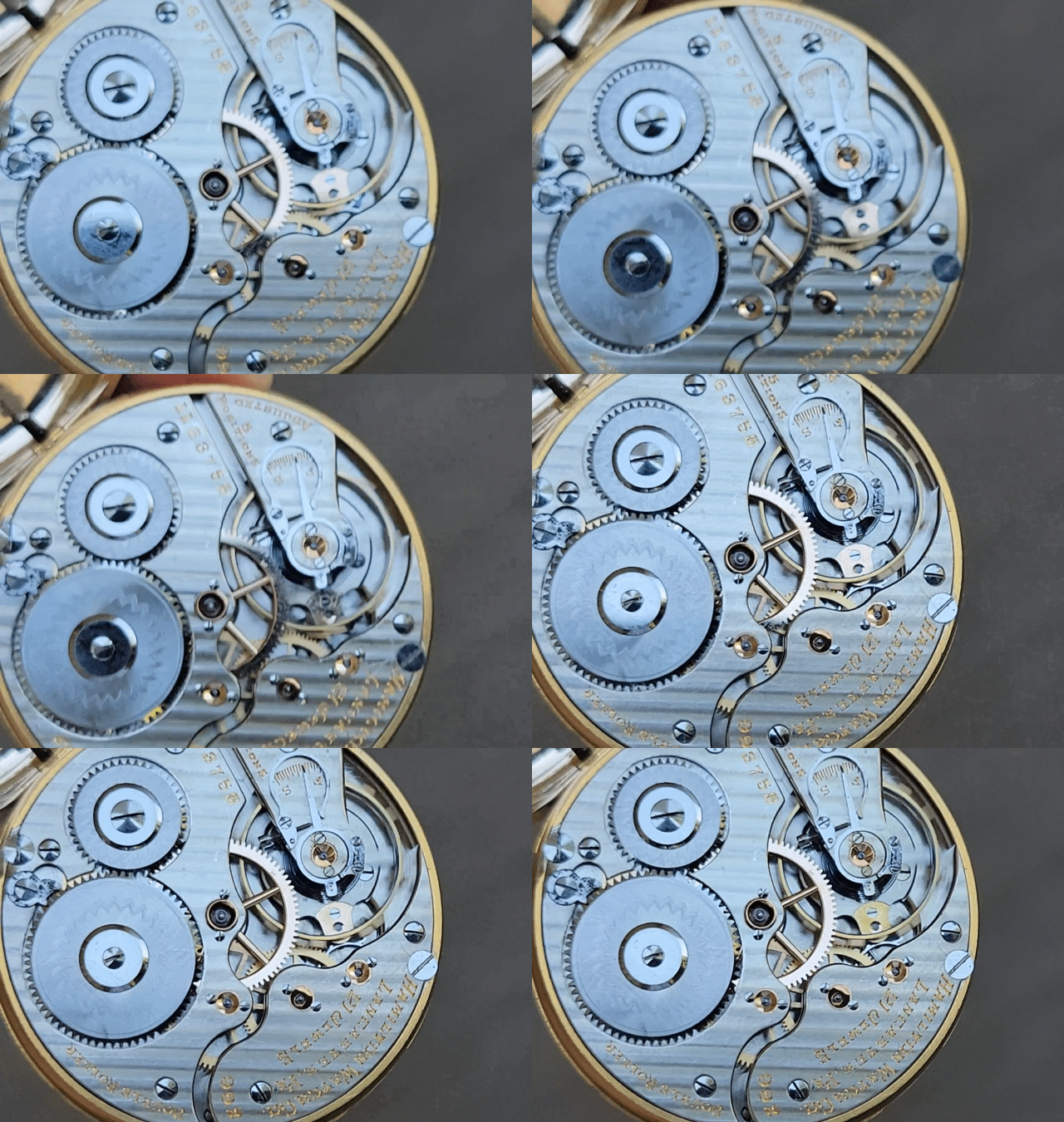
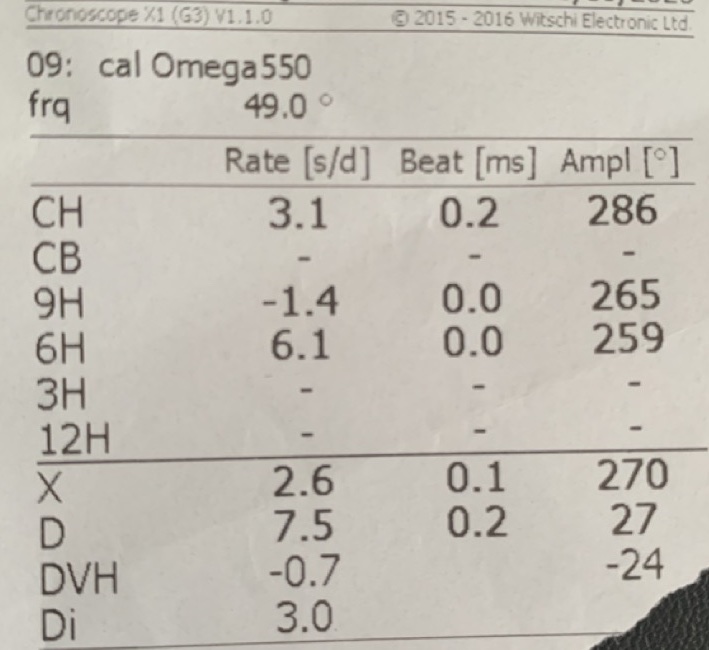
You're right. Here's the performance print out the watchmaker returned with the watch. It was only tested in three positions.

 
Posts
209
Likes
80
That is true, of course, with any movement. That being said, it's still pretty easy to get parts for the 55x and 56x series.

In the 552 I got back, the watchmaker replaced a worn third wheel, worn rotor pinion and of course the main spring. Everything else was ok. Gasket, crystal and crown were also replaced.

The watchmaker said Omega still has availability for all parts in the 55x family.
 
Posts
209
Likes
80
Pretty amazing, isn't it? Try that with an old smart watch!

Careful though, accuracy in old watches is a slippery slope into pocket watches. Once you're in that hole, it's hard to get out. 馃榿


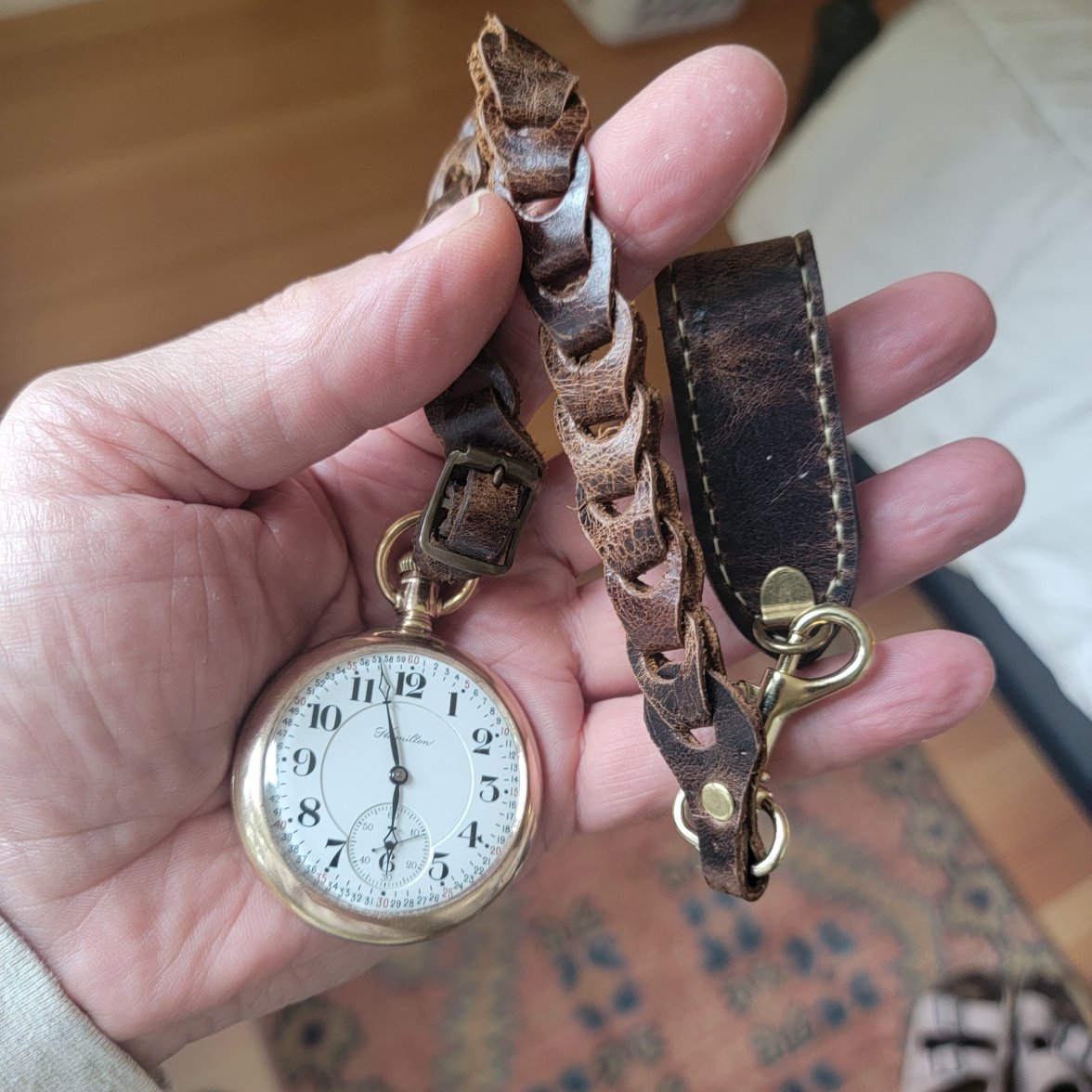
That's a beautiful Hamilton. Is that a Railroad grade movement designed to be accurate to 3 seconds per day? What year was that one made and what kind of accuracy are you seeing?
 
Posts
23,318
Likes
51,920
You're right. Here's the performance print out the watchmaker returned with the watch. It was only tested in three positions.

Looks good so far. It's possible that it might meet COSC standards. You could run the tests at room temperature if you're curious.
 
Posts
12,910
Likes
22,329
That is true, of course, with any movement. That being said, it's still pretty easy to get parts for the 55x and 56x series.

Agree but it鈥檚 particularly valid in response to
Is this type of high accuracy performance typical for (well serviced) 55x calibers?

It鈥檚 not just a case of being well serviced, overall starting condition is important to achieve those results. Of course you can replace everything but that鈥檚 not the same.
 
Posts
209
Likes
80
Pretty amazing, isn't it? Try that with an old smart watch!

Careful though, accuracy in old watches is a slippery slope into pocket watches. Once you're in that hole, it's hard to get out. 馃榿


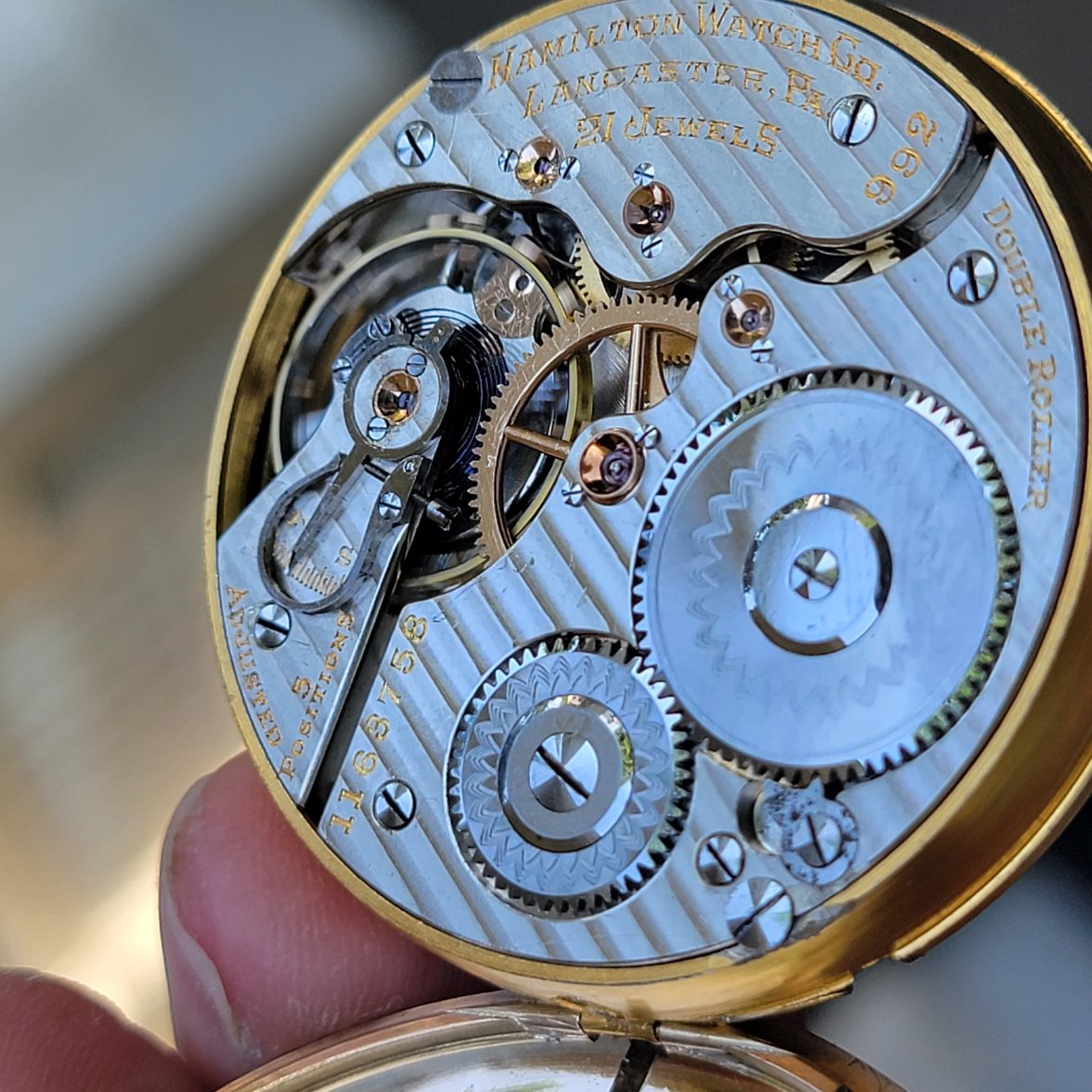
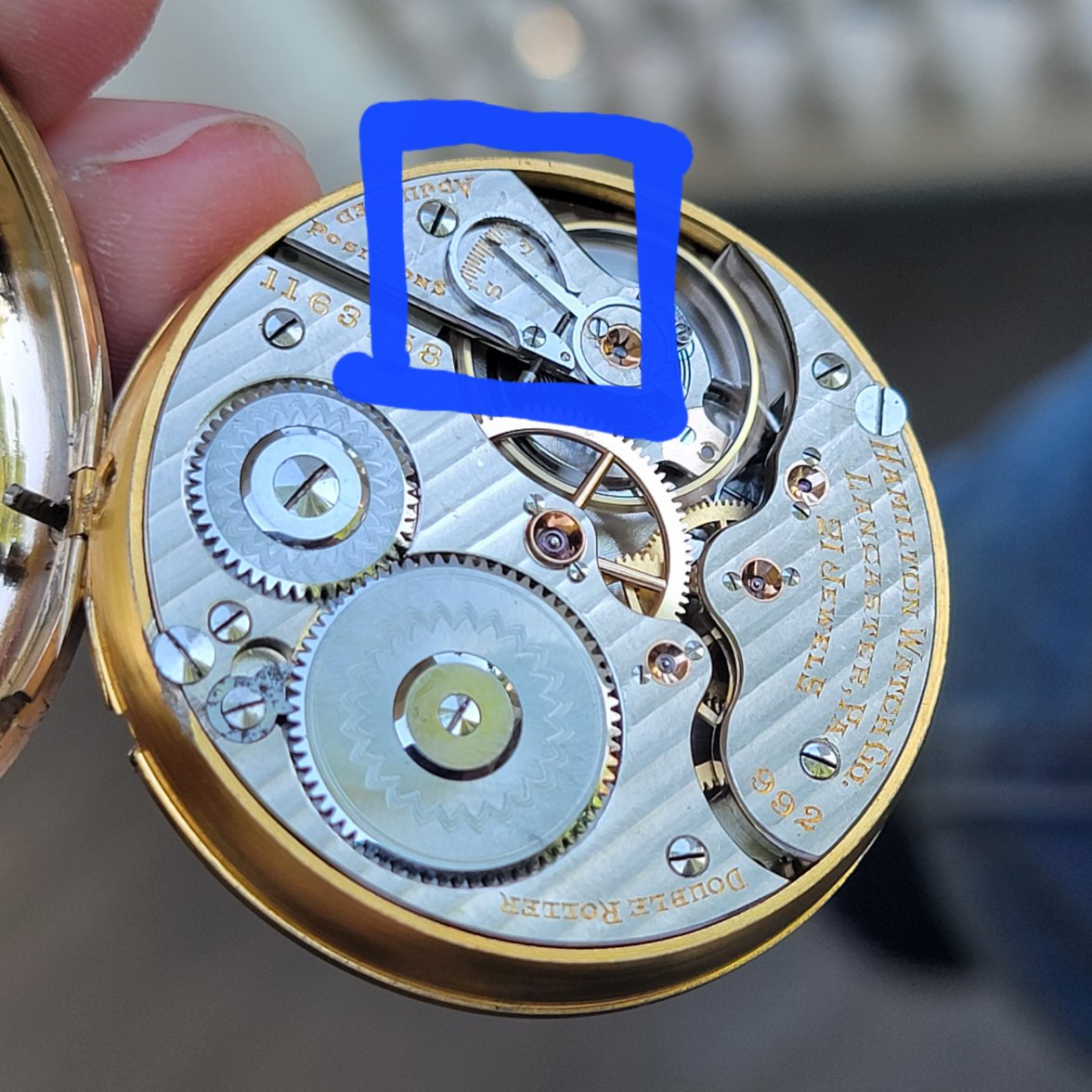
Does your Hamilton pocket watch have a swan neck regulator? (I'm looking at that adjustment screw). Looks like it is really well made...

How easy is it to get NOS parts for those old pocket watches? Or do you have to find a used donor movement for parts?
Edited:
 
Posts
209
Likes
80
A general question about the Omega 55x series: most watchmakers will replace an aged mainspring during service. But it is apparently not common to replace a balance spring. Are the balance springs, in general, more robust and less prone to wear than the main spring?
 
Posts
2,956
Likes
17,163
I have a 564 recently back from service with just a new mainspring and I鈥檓 extremely impressed with its timekeeping. Pretty much +/-0 when laying around and gains very slightly on the wrist.
 
Posts
23,318
Likes
51,920
A general question about the Omega 55x series: most watchmakers will replace an aged mainspring during service. But it is apparently not common to replace a balance spring. Are the balance springs, in general, more robust and less prone to wear than the main spring?

They have very different functions, obviously. The mainspring stores the power and is under high tension when wound. I presume that the metal can fatigue with time and break, which can be catastrophic. Thus it is often replaced to avoid potential breakage.

The hairspring is very delicate, and oscillates as part of the balance. It is not under high tension or storing large amounts of mechanical energy. While the balance itself is delicate and can be damaged (e.g. the balance staff is prone to damage from mechanical shocks, especially in older watches), it's not typical for the balance spring itself to break because of wear. It can be damaged/tangled if it is tampered with, obviously.

There are some good resources on the internet describing how a mechanical watch functions. If you look at some of the diagrams and animations, I think you will quickly understand how dramatically different these two springs are.

This site is pretty good:
https://ciechanow.ski/mechanical-watch/
Edited:
 
Posts
6,011
Likes
20,668
Does your Hamilton pocket watch have a swan neck regulator? (I'm looking at that adjustment screw). Looks like it is really well made...

How easy is it to get NOS parts for those old pocket watches? Or do you have to find a used donor movement for parts?

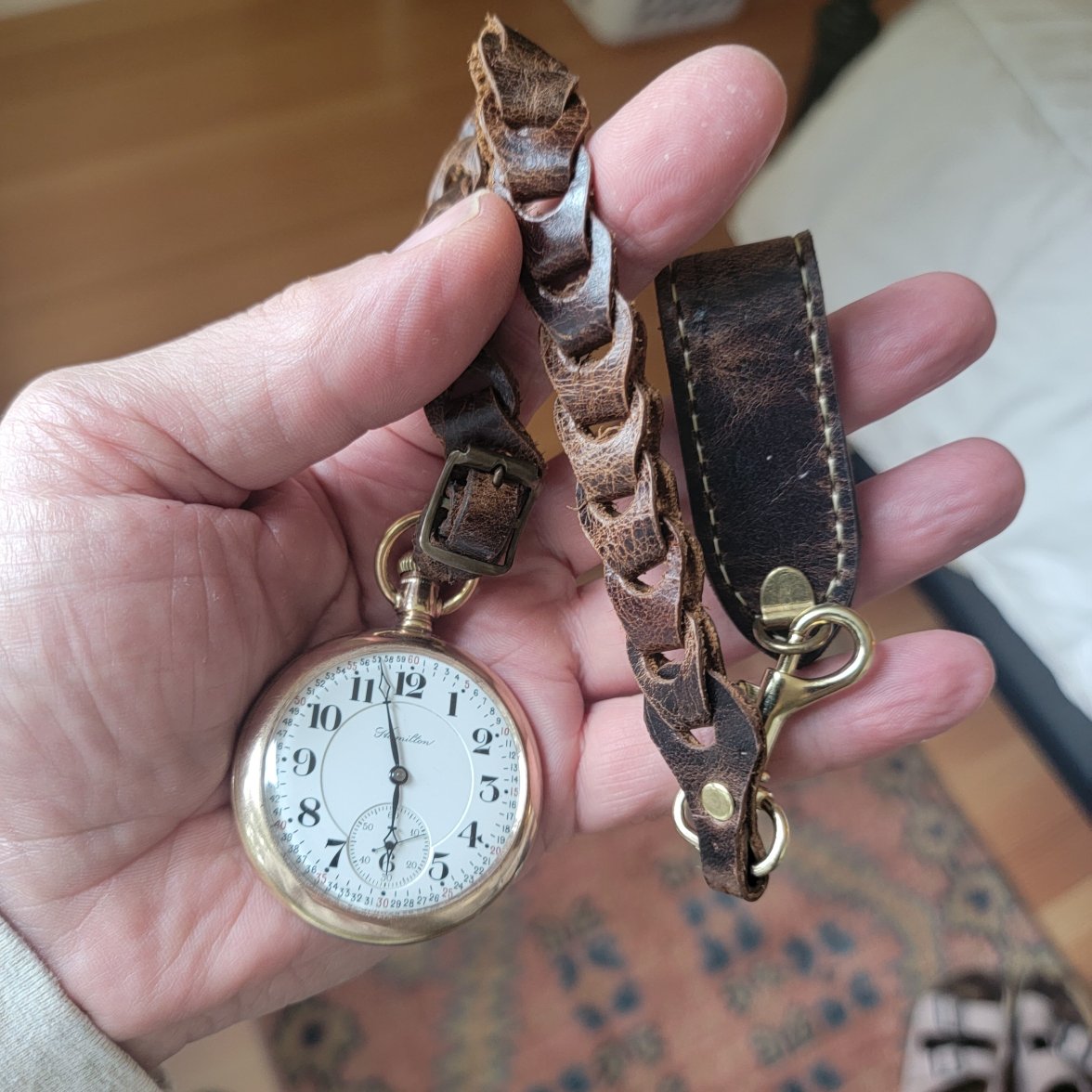
yes, swan neck. I agree, the damasking finish is quite beautiful. Watch is from about 1916, based on the serial number.


This is a railroad grade watch. It has the lever set time feature, the highly legible dial with large Arabic numerals (also so-called Montgomery dial, named after the peson who designed it with the '6' in sub- seconds).

Quoted from another internet post:

"Mechanically speaking, almost all 1900鈥檚 railroad watches shared a number of performance and reliability enhancing features. Most had a fixed regulator to avoid timekeeping variation from impact (A), a double roller balance wheel to avoid going out of action (often called overbanking) (B), 19 or more jewels to reduce friction and increase consistency of the gear train (C), timekeeping adjustment in 5 or more positions to make sure the watch kept accurate time regardless of orientation (D), and adjustment for temperature to ensure accuracy in a variety of climates (E). Many railroad watches had solid gold or gold plated gear trains (F) and jewel settings (G) to reduce the effects of magnetism as well as reduce tarnishing, and later watches had features such as magnetically resistant balance wheels, Elinvar hairsprings, adjustments for isochronism, and advanced cap jewel covers (H)."

This pw has a gold balance wheel. Hamilton 992 movements have 21 jewels, adjusted to 5 positions, Brequet Hairspring. There are a lot on the market so parts seem to be readily available, but I don't know the details. I just had it serviced and it received a new mainspring, which was huge. I read that certain jewel set parts for the 992b movement are more difficult to find but these 992 are not bad. The 992b is supposed to be easier to service, more accurate, has a diiferent Hairspring more resistant to magnetism, but less well finished. Parts don't seem to be an issue, but I have limited experience.

Timing wise I read that the standard for railroad service was +/- 30 seconds per week, or about 4 sec/day. My watch does better when stem up on the night table. If I laid it down it lost more time. It was doing 2 to 3 seconds per day for a week, based on setting it to NIST and checking it later. https://timegov.boulder.nist.gov/

This is my first PW so not an expert by any means. @Canuck is one of our experts and there is an excellent pw thread on OF. https://omegaforums.net/threads/calling-all-pocket-watch-buffs.127856/

I wanted to respond but don't mean to derail your thread. Like most things watch related, it can be a deep hole, the more you dig. But that's part of the fun. 馃榾
 
Posts
209
Likes
80
yes, swan neck. I agree, the damasking finish is quite beautiful. Watch is from about 1916, based on the serial number.


This is a railroad grade watch. It has the lever set time feature, the highly legible dial with large Arabic numerals (also so-called Montgomery dial, named after the peson who designed it with the '6' in sub- seconds).

Quoted from another internet post:

"Mechanically speaking, almost all 1900鈥檚 railroad watches shared a number of performance and reliability enhancing features. Most had a fixed regulator to avoid timekeeping variation from impact (A), a double roller balance wheel to avoid going out of action (often called overbanking) (B), 19 or more jewels to reduce friction and increase consistency of the gear train (C), timekeeping adjustment in 5 or more positions to make sure the watch kept accurate time regardless of orientation (D), and adjustment for temperature to ensure accuracy in a variety of climates (E). Many railroad watches had solid gold or gold plated gear trains (F) and jewel settings (G) to reduce the effects of magnetism as well as reduce tarnishing, and later watches had features such as magnetically resistant balance wheels, Elinvar hairsprings, adjustments for isochronism, and advanced cap jewel covers (H)."

This pw has a gold balance wheel. Hamilton 992 movements have 21 jewels, adjusted to 5 positions, Brequet Hairspring. There are a lot on the market so parts seem to be readily available, but I don't know the details. I just had it serviced and it received a new mainspring, which was huge. I read that certain jewel set parts for the 992b movement are more difficult to find but these 992 are not bad. The 992b is supposed to be easier to service, more accurate, has a diiferent Hairspring more resistant to magnetism, but less well finished. Parts don't seem to be an issue, but I have limited experience.

Timing wise I read that the standard for railroad service was +/- 30 seconds per week, or about 4 sec/day. My watch does better when stem up on the night table. If I laid it down it lost more time. It was doing 2 to 3 seconds per day for a week, based on setting it to NIST and checking it later. https://timegov.boulder.nist.gov/

This is my first PW so not an expert by any means. @Canuck is one of our experts and there is an excellent pw thread on OF. https://omegaforums.net/threads/calling-all-pocket-watch-buffs.127856/

I wanted to respond but don't mean to derail your thread. Like most things watch related, it can be a deep hole, the more you dig. But that's part of the fun. 馃榾

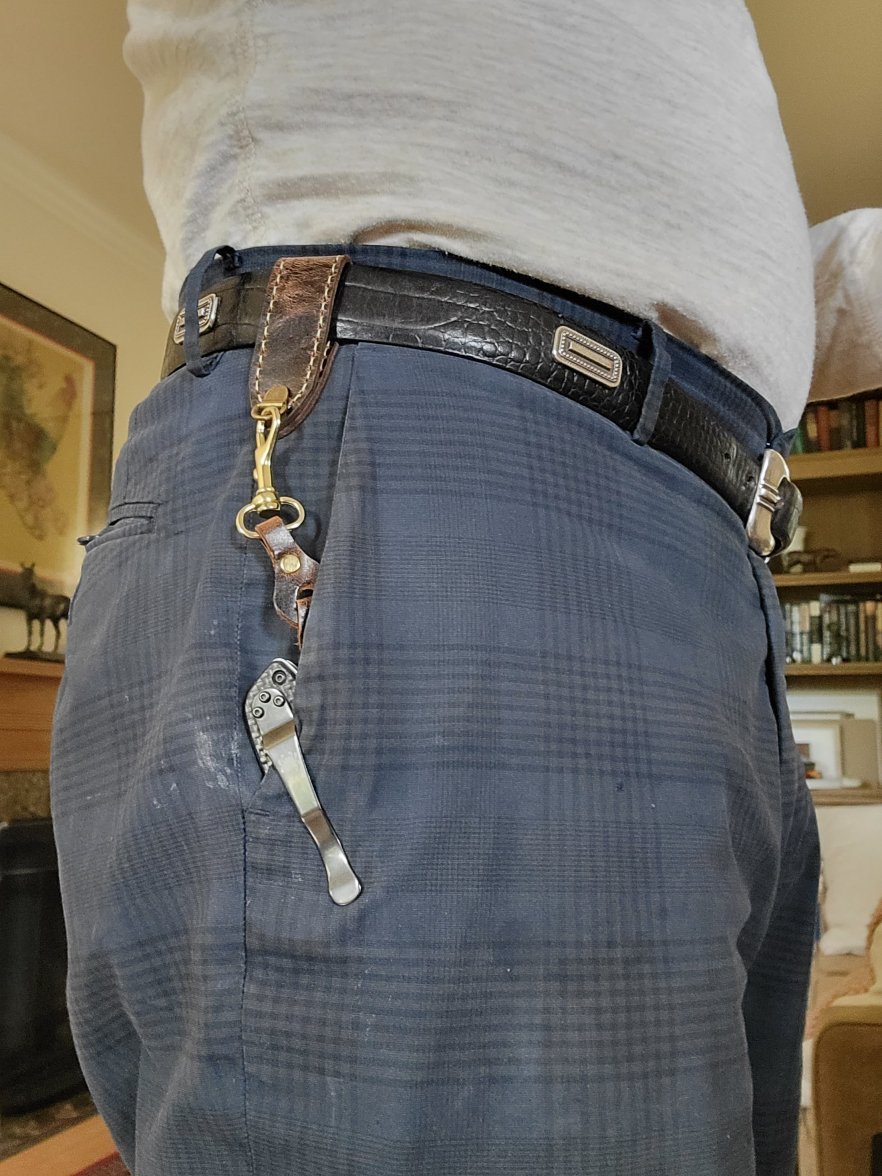
How do you carry around a pw in the modern era? Do you clip one end to a belt loop and stick the pw in a jeans front pocket? Great info and enjoy your watch in good health!

By the way, I noticed the Omega 55x series uses a swan neck regulator as well...
 
Posts
209
Likes
80
On the 55x auto movement, is it a good idea to give the watch a full wind manually if it is fully unwound? Or do folks just give it a few partial winds and then let the rotor top it off over the course of the day?
 
Posts
209
Likes
80
Someone uploaded this video to YouTube this week which shows the service of an Omega cal 552 in circa 1966 or 1967 Seamaster 300.

These really are beautifully engineered movements...

 
Posts
6,011
Likes
20,668
How do you carry around a pw in the modern era? Do you clip one end to a belt loop and stick the pw in a jeans front pocket? Great info and enjoy your watch in good health!...

Just use a lanyard made by our own @Duracuir1