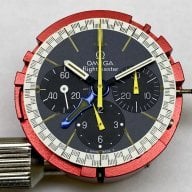
321 Movement, changes to Omega service policy?

Posts
29,214
Likes
75,491
The indirect pressure by Omega, via parts restrictions, being a not immaterial “signal” (if not just constraint) to ambassadors such as yourself

No worries, just wanted to clarify that this only really applies to Omega service centers (and by that I mean any entity that is using Omega pricing and providing an Omega warranty, rather than their own warranty).

Pressure can come in many forms. Prohibiting access to some vintage parts is one, and pricing the parts that they do allow access to at exorbitant levels (making independent watchmakers less competitive) is another. Omega is using both of these quite effectively, and the latter much more frequently in recent times. The very large jumps in spare parts pricing that have happened in the last few years are not reflected in the prices that Omega charges for servicing, and that to me is very telling.

There's a lot Omega is doing lately that is certainly frustrating for independent watchmakers, such a recent decisions to only provide assemblies in some cases, rather than individual parts of those assemblies (more dumbing down of the profession). I'm still happy to be able to get parts from them (unlike Rolex and many others for example), but it does appear that over time there is a squeeze going on...and in the end the people it will hurt the most are the watch collectors.

@Archer may I ask, where are you located?
Thanks

Canada

Omega Canada also just confirmed with me that they send all 861’s - regardless of colour to Switzerland. Not sure if other markets are the same.

That may be their own internal decision, due to lack of watchmakers (or for whatever reason), but WI 31 clearly shows that the yellow version is approved for local service, and the pink version also depending on what contradictory chart you go by.
 
Posts
250
Likes
713
No worries, just wanted to clarify that this only really applies to Omega service centers (and by that I mean any entity that is using Omega pricing and providing an Omega warranty, rather than their own warranty).

Pressure can come in many forms. Prohibiting access to some vintage parts is one, and pricing the parts that they do allow access to at exorbitant levels (making independent watchmakers less competitive) is another. Omega is using both of these quite effectively, and the latter much more frequently in recent times. The very large jumps in spare parts pricing that have happened in the last few years are not reflected in the prices that Omega charges for servicing, and that to me is very telling.

There's a lot Omega is doing lately that is certainly frustrating for independent watchmakers, such a recent decisions to only provide assemblies in some cases, rather than individual parts of those assemblies (more dumbing down of the profession). I'm still happy to be able to get parts from them (unlike Rolex and many others for example), but it does appear that over time there is a squeeze going on...and in the end the people it will hurt the most are the watch collectors.


Canada


That may be their own internal decision, due to lack of watchmakers (or for whatever reason), but WI 31 clearly shows that the yellow version is approved for local service, and the pink version also depending on what contradictory chart you go by.

Not denying it says that, as I also have access to it. I also have a swatch group US document that says all 861’s go to HQ to be serviceD which further contradicts W31. W31 also contradicts itself so who knows what the situation is and what the correct information is. Perhaps in Europe they still service them locally.
 
Posts
29,214
Likes
75,491
Not denying it says that, as I also have access to it. I also have a swatch group US document that says all 861’s go to HQ to be serviceD which further contradicts W31. W31 also contradicts itself so who knows what the situation is and what the correct information is. Perhaps in Europe they still service them locally.

I think the situation isn't complicated. While Omega allows their service centers to service these, some opt not to for whatever local reason makes sense to them.
 
Posts
1,144
Likes
3,111
I think the situation isn't complicated. While Omega allows their service centers to service these, some opt not to for whatever local reason makes sense to them.
I wouldn't be surprised if some of it was a "let's let the mother ship worry about this 70 year old watch and I'll crank through these 5 brand new ones instead" mentality.
 
Posts
7,560
Likes
13,954
Spot on. I think most companies, certainly at this mid-tier level like Rolex and Omega, are only interested in their heritage as much as it helps them sell new watches.
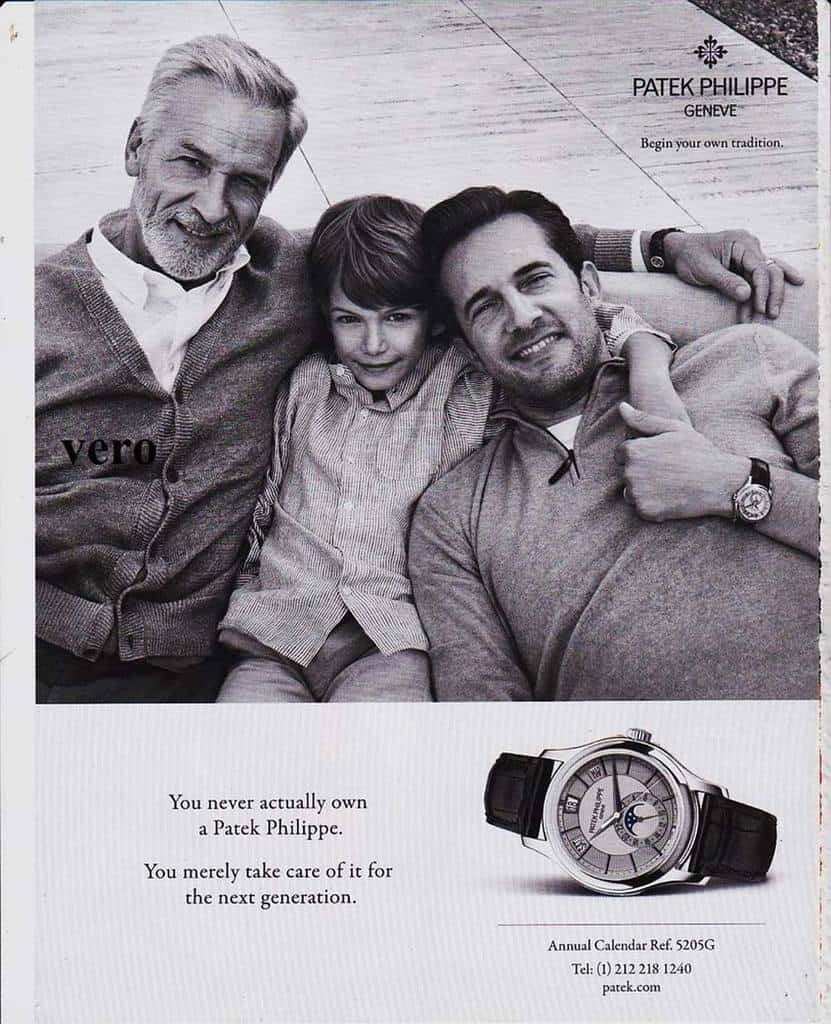
Patek Philippe has played on their heritage for years and is probably the best in the business, buying up watches for their museum which creates publicity when some watch from the 40's is sold for seven figures (often manipulated), which drives up demand for their current product to which they respond with higher prices. As I was told many years ago, manufacturers have no better friend to push new prices higher than a bubbly second hand market for their old product. And the manufacturers are now actively pushing used prices ever higher by buying for their 'museums' and to showcase their 'heritage'. It's a very well orchestrated effort. Omega is late to the game, imo.
 
Posts
8,890
Likes
28,366
Independent P&L company B ....but one with an Omega affiliation, brand values and experienced trained staff is banned from working on it by Omega despite having done so for many years with great success.

I think you're romanticising something which isn't all that romantic! 😗

These are independent volume businesses, running to their own brand and business values, and servicing set models, in line with the training and parts supplied by Omega.

Many of the watchmaking staff will never have been trained to work on the 321. In the same way that hardly any of the people still working in the centres today has had any f300 or Megaquartz experience.

These are just more old watches.

That's not to say that I don't think you should be able to keep these things alive, but rather to reiterate that us collectors are a niche bunch... there are no normal people wearing Speedsonics or Marine Chronometers any more (if there ever were). 😁
 
Posts
2,828
Likes
4,720
I think you're romanticising something which isn't all that romantic! 😗

These are independent volume businesses, running to their own brand and business values, and servicing set models, in line with the training and parts supplied by Omega.

Many of the watchmaking staff will never have been trained to work on the 321. In the same way that hardly any of the people still working in the centres today has had any f300 or Megaquartz experience.

These are just more old watches.

That's not to say that I don't think you should be able to keep these things alive, but rather to reiterate that us collectors are a niche bunch... there are no normal people wearing Speedsonics or Marine Chronometers any more (if there ever were). 😁
Not exactly a ringing endorsement for the so called technicians working at the service centres if they can't work on what a lot of watchmakers say is one of the least complicated chrono movements out there.
 
Posts
6,015
Likes
20,682
Spot on. I think most companies, certainly at this mid-tier level like Rolex and Omega, are only interested in their heritage as much as it helps them sell new watches.

Agree that Omega is a manufacturer, which means they have to sell new product to continue to be a going concern. They aren't a museum. Also, their heritage is a large part of their brand marketing.

But hopefully it isn't as stark as you made it sound. The company is large enough to support a heritage department. Whether they do, will, or won't I don't know. But it's difficult for me to agree that Omega has no regard for their heritage pieces except as marketing material.

Perhaps what the vintage watch world is lacking are private companies that remanufacture vintage parts, similar to the vintage collector car market. Of course, that would change our obsession with fully original pieces. Maybe it's like others have said, we have entered a period of diverging paths whereby a person has to choose either to have a museum piece or a functioning watch without 100% original parts. It is unreasonable for us to expect a company to continue to provide new components for 50 to 70 year old products. It's not done in the automotive industry so we probably aren't realistic expecting the watch industry to do so.

But it's not the same as saying they only care about their heritage inasmuch as it allows them to sell watches. Maybe we're saying the same thing. It just sounds harsher the way you put it.

(Lucky you're on the East side of Canada. Crazy flooding in BC. All just from a rain storm. We're thinking about our neighbors to the North.)
 
Posts
4,693
Likes
17,769
Not exactly a ringing endorsement for the so called technicians working at the service centres if they can't work on what a lot of watchmakers say is one of the least complicated chrono movements out there.

Based on this old post and photo below you would think they could still handle a 321.... if allowed...
https://omegaforums.net/threads/simon-freese-has-left-sts-swisstec.55788/page-4#post-709606
.
A timely bit of spares and repairs news as well....
https://omegaforums.net/threads/app...r-implications-for-the-watch-industry.138877/
.
Edited:
 
Posts
4,693
Likes
17,769
I think you're romanticising something which isn't all that romantic! 😗

These are independent volume businesses, running to their own brand and business values, and servicing set models, in line with the training and parts supplied by Omega.

Many of the watchmaking staff will never have been trained to work on the 321. In the same way that hardly any of the people still working in the centres today has had any f300 or Megaquartz experience.

These are just more old watches.

That's not to say that I don't think you should be able to keep these things alive, but rather to reiterate that us collectors are a niche bunch... there are no normal people wearing Speedsonics or Marine Chronometers any more (if there ever were). 😁

At the price points a lot of the watches are more luxury brand than straight disposable tool watch now....and luxury is about the consumer perception and relationship...and to keep a relationship alive you need a bit of romance...sell the dream...Passing it on to the next generation.... like the national debt ;0)
.
 
Posts
8,890
Likes
28,366
At the price points a lot of the watches are more luxury brand than straight disposable tool watch now....and luxury is about the consumer perception and relationship...and to keep a relationship alive you need a bit of romance...sell the dream...Passing it on to the next generation.... like the national debt ;0)
.

But we're not talking about a customer relationship here.

There are very few 321 equipped watches in the hands of, and being regularly worn by the people who paid Omega money for them.

What we are mostly talking about, in the case of 321 Speedmasters, are people like us, who would like to keep these watches alive.

And again, we account for a very small percentage of Omega's customer base.

They are not saying that you cannot own one of these watches, and get a qualified watchmaker to work on it.

They are saying that Omega service centres, be they Swatch group owned, or independent are not allowed for whatever reasons (parts/tools/training) to work on certain calibres and models.

Which is nothing new - it's just that a lot of knicker twisting happens around here whenever anyone is told that they can't have what they want, how and when they want it for their Speedmaster.
 
Posts
8,890
Likes
28,366
Not exactly a ringing endorsement for the so called technicians working at the service centres if they can't work on what a lot of watchmakers say is one of the least complicated chrono movements out there.

I think there's a big difference between being able, and not being experienced in a certain movement or allowed to handle it by policy.

To illustrate my point, let's go back 50 years before the first Speedmaster.

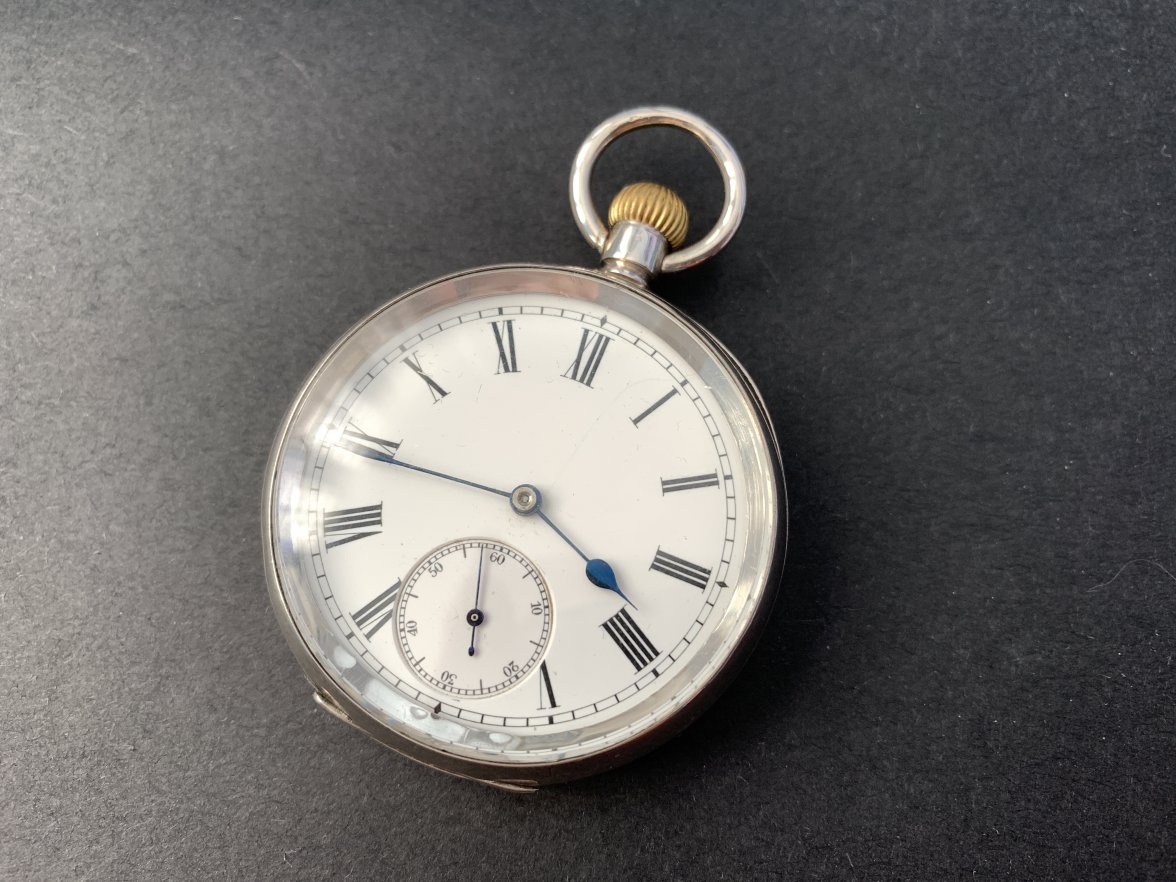
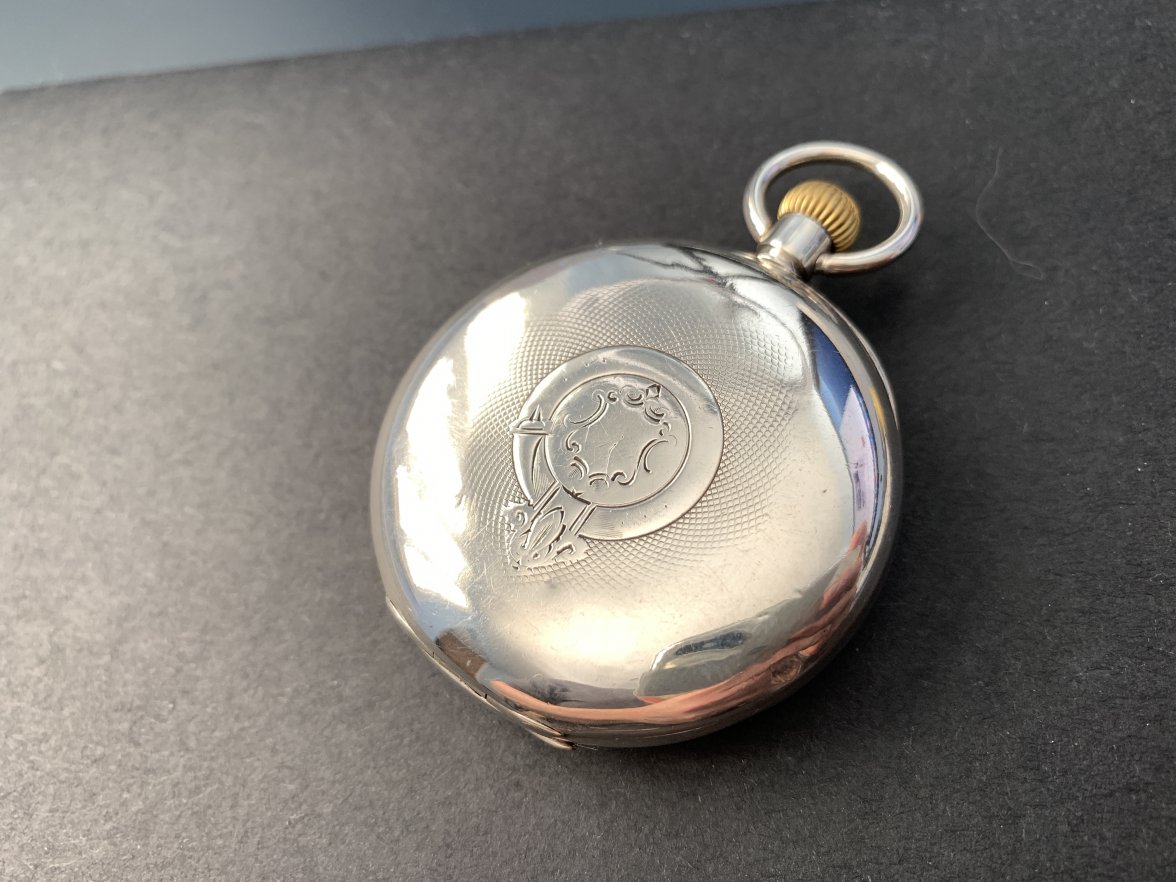
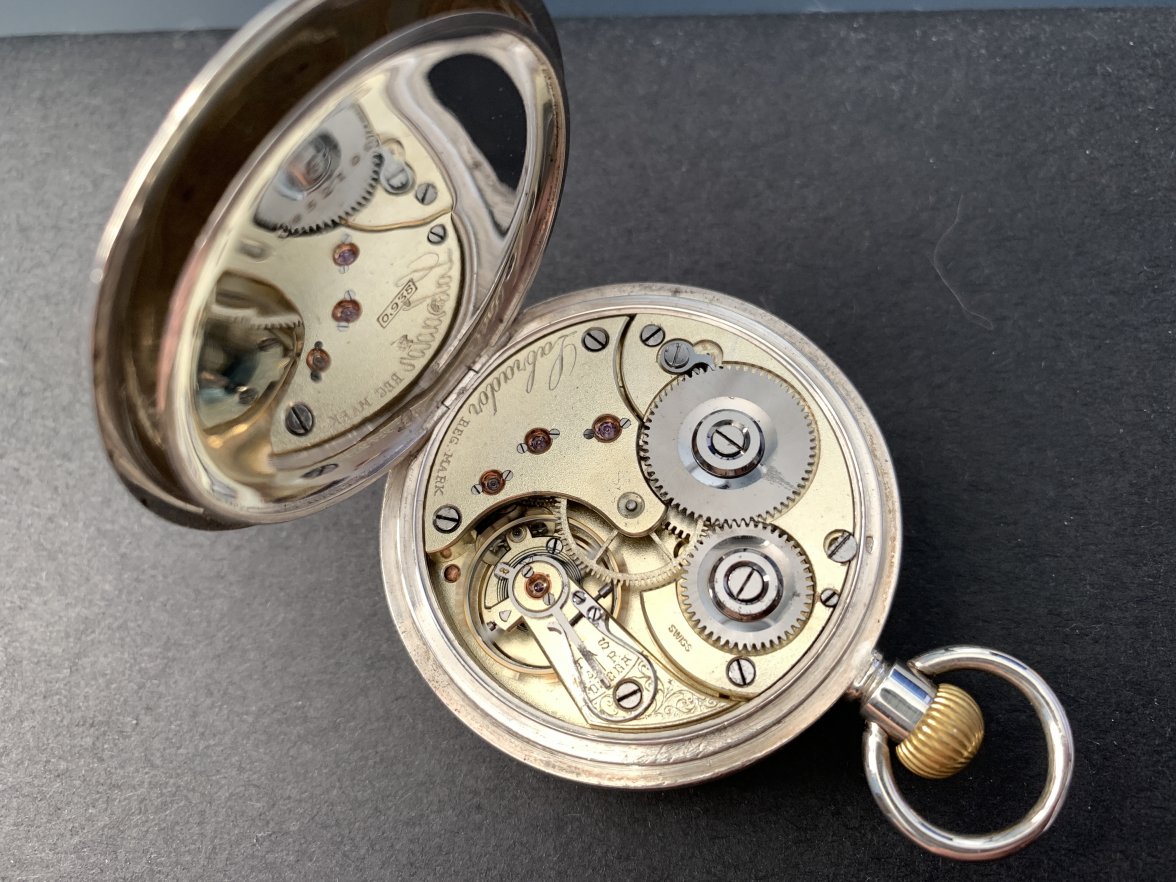
This is my 1903-1907 Omega/Labrador pocket watch.


This is a watch that as far as I was able to ascertain, no authorised service centre, nor Swatch is "allowed" to work on.

It is not a complicated watch.

But there are no parts available for it.

And it is fairly unlikely that a watchmaker working for Omega or in an Independent Omega Service centre has worked on this particular calibre - although they likely trained on modern movements not dissimilar to this.

To get it working, I took it to a specialist in Antiquarian Horology, Seth Kennedy, who was very happy to work on this... because it is much simpler to fix than the stuff he normally works on from the 17th century - and that's despite him needing to do a fair amount of silver work.

Could Omega or a service centre done this work? Yes.

Do they have policies in place that say they aren't allowed? Seemingly.

Is it a bit bonkers and slightly annoying? Yes.

Is it worth any of us getting upset about? Absolutely not.
 
Posts
250
Likes
713
Im not too sure what makes the 321 simpler than any other column wheel chronograph, but hey, who am I.

To understand what is happening, you need to truly understand what is happening in the Swiss watch industry as whole - specifically after sales service. Watch sales are on the up and up, watches that need servicing are also increasing. Countries do not have the facilities to pump out watchmakers on a grand scale. There is one school in Canada, but you wouldn’t want to go there. There are schools in the US that are brand owned, but not a whole lot of them. The UK has a WOSTEP school and then the BHI course. The demand for watchmakers far exceeds supply.

I competed the WOSTEP 3000 hour program when I went there. It was the only course on offer. You don’t even touch a watch for the first 9 months. You learn micro mechanics to get you prepared for a watch.

Fast forward to today and the two year course is only offered every second year (in the UK) and the 1 year technician course is the yearly option. The technician course is a one year course that creates watch technicians for service centres. The course the industry wants. These guys can’t make parts, manipulate balance springs, etc. it’s take apart, lubricate, replace component. That’s what brands need for modern watches.

A popular option for brands these days is sequential servicing. Production line style after sales service. 5 people will each complete one section of the watch and the whole thing will be checked by a watchmaker who oversees the whole thing.

So, can a local service center take care of a 321. Maybe. They may have a watchmaker with the ability to do vintage, but maybe not. In the near future, that number will be even smaller.

Vintage watches require skill. Custom making bushings to fit, polishing pivots, manipulating balance springs, etc. Collectors don’t want new bridges installed every time a bushing needs making. They need skilled watchmakers who know what they are doing to repair their watches. They are few and far between at service centres around the world.

It has nothing to do with working on a particular caliber. It’s a mindset and understanding as a watchmaker. Lifers who have worked at a brand forever just don’t have that mindset.

Service centres don’t make a whole lot of profit for brands - and doing more and more vintage certainly wouldn’t increase the numbers.
 
Posts
7,106
Likes
23,077
Agree that Omega is a manufacturer, which means they have to sell new product to continue to be a going concern. They aren't a museum. Also, their heritage is a large part of their brand marketing.

But hopefully it isn't as stark as you made it sound. The company is large enough to support a heritage department. Whether they do, will, or won't I don't know. But it's difficult for me to agree that Omega has no regard for their heritage pieces except as marketing material.

Perhaps what the vintage watch world is lacking are private companies that remanufacture vintage parts, similar to the vintage collector car market. Of course, that would change our obsession with fully original pieces. Maybe it's like others have said, we have entered a period of diverging paths whereby a person has to choose either to have a museum piece or a functioning watch without 100% original parts. It is unreasonable for us to expect a company to continue to provide new components for 50 to 70 year old products. It's not done in the automotive industry so we probably aren't realistic expecting the watch industry to do so.

But it's not the same as saying they only care about their heritage inasmuch as it allows them to sell watches. Maybe we're saying the same thing. It just sounds harsher the way you put it.

(Lucky you're on the East side of Canada. Crazy flooding in BC. All just from a rain storm. We're thinking about our neighbors to the North.)

Yes. This is hardly a binary issue. Many die-hard collectors, like me, buy both vintage and new models. Does the ambient sentiment that they don’t care about the vintage folks piss me off? Absolutely. Do we make up a small percentage of their business, and thus they don’t give much of a shit? Absolutely.
 
Posts
29,214
Likes
75,491
Agree that Omega is a manufacturer, which means they have to sell new product to continue to be a going concern. They aren't a museum. Also, their heritage is a large part of their brand marketing.

But hopefully it isn't as stark as you made it sound. The company is large enough to support a heritage department. Whether they do, will, or won't I don't know. But it's difficult for me to agree that Omega has no regard for their heritage pieces except as marketing material.

Perhaps what the vintage watch world is lacking are private companies that remanufacture vintage parts, similar to the vintage collector car market. Of course, that would change our obsession with fully original pieces. Maybe it's like others have said, we have entered a period of diverging paths whereby a person has to choose either to have a museum piece or a functioning watch without 100% original parts. It is unreasonable for us to expect a company to continue to provide new components for 50 to 70 year old products. It's not done in the automotive industry so we probably aren't realistic expecting the watch industry to do so.

But it's not the same as saying they only care about their heritage inasmuch as it allows them to sell watches. Maybe we're saying the same thing. It just sounds harsher the way you put it.

(Lucky you're on the East side of Canada. Crazy flooding in BC. All just from a rain storm. We're thinking about our neighbors to the North.)

I understand people don't want to think this way of a company they love the products from. It's a common thing for people on forums to romanticize the watch business, but it's just a business like any other.

This is not to say that there aren't very passionate vintage enthusiasts working at the brand, but in the end the entire drive of the company is to increase shareholder value (like any other corporation), and every decision made has to be looked at in that light, or the company is not meeting it's responsibilities.

I probably shouldn't have lumped Omega together with Rolex though. Omega is different...

Omega has a museum, which Rolex does not to my knowledge.

Omega has a heritage department, which Rolex does not to my knowledge.

Omega has published a book about the history of it's watches, which Rolex has not to my knowledge.

Omega will, for a price, issue rather dubious extracts from their archives, which Rolex does not.

Rolex wants people to have an idea of it's long history, but not too much of an idea, because what they were (a good quality, reasonably priced tool watch) doesn't fit with the "crown for every achievement" mentality and marketing they use to sell watches today. So Omega does look back to their history more than some brands at this level do, but I have no doubt it's all done to bolster new watch sales by creating a certain aura around the brand. They play on their history by also releasing the various re-issues of older watches, so that is a direct example of them using that history to sell new watches.

If we turn back to parts and what must be serviced at Bienne, the list of calibers is in large part very simple watches. There are a few more complex calibers listed, such as the split seconds chronographs that require specialized training and tools, but for the most part the vast majority of Bienne only watches are on this list not because of complexity, but because of limited spare parts supplies. There's nothing particularly difficult in servicing a 321, or even more so some of the other calibers on this list, like simple 3 hand movements such as the 30T2 family. So these decisions aren't because of the complexity of the movement, as any competent watchmaker can service these watches.

The fact that Omega has started making the 321 parts again (they were being made all along really, as Breguet used a version of this caliber up until recently and both Omega and Breguet they needed their own supplies for service) and have still restricted the parts is for a couple of reasons. One is that they make money on servicing the vintage watches, much more than they do the modern watches. Second is that the "new 321" (same as the old 321) is somewhat of a mythical creature built up of specialized scans and all that other hokey marketing that was put out at the time of the release. They don't want to take the shine off that by allowing just anyone to service these watches that they have built up to be something that they most certainly are not.

Cheers, Al

PS - yes weather out West has been painful.

 
Posts
7,106
Likes
23,077
This is not to say that there aren't very passionate vintage enthusiasts working at the brand, but in the end the entire drive of the company is to increase shareholder value (like any other corporation), and every decision made has to be looked at in that light, or the company is not meeting it's responsibilities

Do you really think it would put that much of a dent in the company’s bottom line to have a full-service department for vintage pieces, where they charged accordingly, and were willing to work with customers on sympathetic restorations and repairs?
 
Posts
29,214
Likes
75,491
Do you really think it would put that much of a dent in the company’s bottom line to have a full-service department for vintage pieces, where they charged accordingly, and were willing to work with customers on sympathetic restorations and repairs?

I'm sure Omega, at least to some extent, believes they do this now. When Omega does a service, the #1 thing they want to make sure of, is that the watch doesn't come back in the next 2 years - everything else is secondary to them.

The number of people who want crowns that no longer seal, pushers that no longer seal, old ratty looking hands, and all the other things vintage collectors value is incredibly small. I don't think the demand is really there for them to change what they are doing now - people still buy their new watches despite their lack of respect for vintage, and their shop at Bienne stays busy, despite their lack of respect for vintage, so why should they change?
 
Posts
8,890
Likes
28,366
The number of people who want crowns that no longer seal, pushers that no longer seal, old ratty looking hands, and all the other things vintage collectors value is incredibly small.

Absolutely this.

The echo chamber of forums, instagram, and some blogs is not the reality of watch ownership for most customers.

And I think this thread possibly illustrates that perfectly. 😗
 
Posts
7,106
Likes
23,077
I don't think the demand is really there for them to change what they are doing now - people still buy their new watches despite their lack of respect for vintage, and their shop at Bienne stays busy, despite their lack of respect for vintage, so why should they change

If the demand, as you say, is incredibly small, then it shouldn’t be that painful for them to do it.

To that point, businesses often hold events, parties, give perks where they actually lose money, but feel it increases the bottom line eventually by having customers feel really good about whatever brand is in question.

Vintage is a moving target: I’m simply saying that the goodwill created by having customers know that the pieces that they’ve been holding for years, experiencing life with, and may hand down to their kids can always be serviced in an interactive and sympathetic way, provides immeasurable benefits in customer loyalty. And you don’t have to be Patek to corner the market on that paradigm.
 
Posts
29,214
Likes
75,491
If the demand, as you say, is incredibly small, then it shouldn’t be that painful for them to do it.

To that point, businesses often hold events, parties, give perks where they actually lose money, but feel it increases the bottom line eventually by having customers feel really good about whatever brand is in question.

Vintage is a moving target: I’m simply saying that the goodwill created by having customers know that the pieces that they’ve been holding for years, experiencing life with, and may hand down to their kids can always be serviced in an interactive and sympathetic way, provides immeasurable benefits in customer loyalty. And you don’t have to be Patek to corner the market on that paradigm.

Please don't get me wrong - I agree with the general sentiment you are putting forward here.

But there's a difference between putting on a marketing event, and changing service procedures in perpetuity to accommodate a very small number of people, when changing those procedures may result in even more ongoing costs (watches more likely to come back under warranty).

I'm not Omega and I don't speak for them clearly, however there's a business decision to be made, and one can only assume that after weighing the costs against the benefit of goodwill, it's simply not worth it to them. I'm sure if they thought it was worth it, they would do it.