- Posts
- 4,041
- Likes
- 8,734
ErichPryde
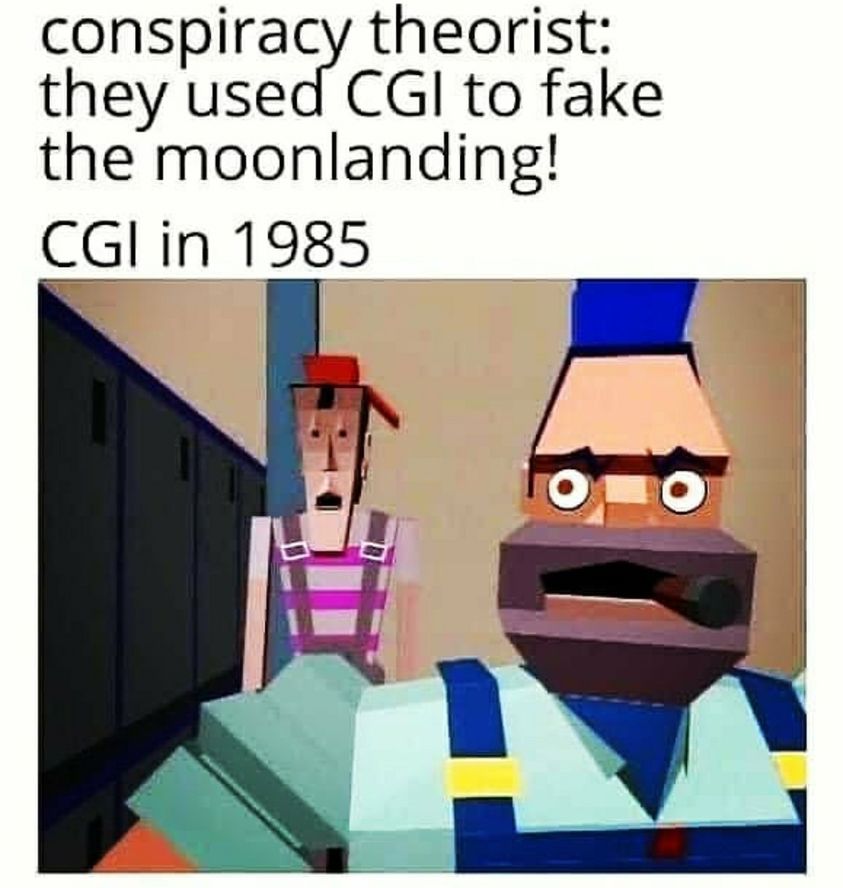
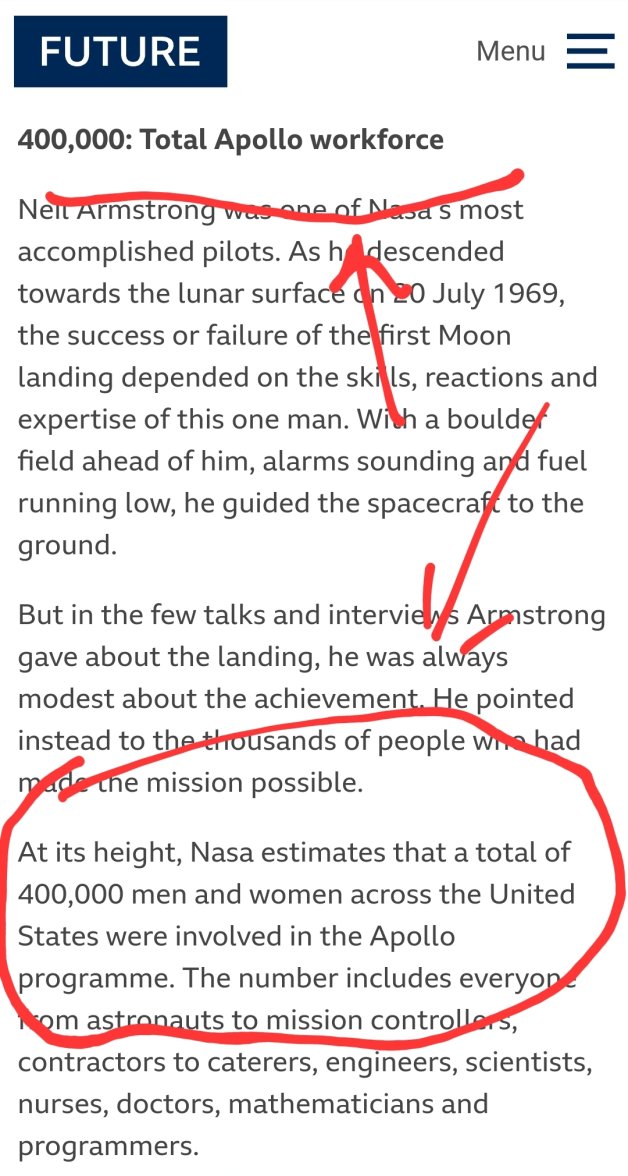
·I agree- The very basis of science is to challenge hypotheses. That's exactly how good critical thinking should work- you test, and verify. HOWEVER, The moon landing conspiracies don't do that. They're essentially A priori- they establish as fact that we did not go to the moon first, then provide hypotheses as to why that's true, every one of which is testable and demonstrably false. I've never taken them seriously enough nor been a member of a community where they came up that I looked into them much, but based upon my reading over the last several days it sure looks like Kaysing's original "hypotheses" were all addressed to satisfaction years ago, and this current stuff is wild, requiring a long chain of erroneous beliefs that the conspiracy theorists can't even agree on. It's like, a bunch of bored Days of Our Lives fans discussing what happened, what really happened, and what should have happened.
It's kind of funny that the same thing that has made science SO much more reachable to the average person- has also made pseudoscience so much more reachable. I don't really agree that the scientific method is increasingly "out of reach" so much as pseudoscience is much more reachable BECAUSE of technology, and we don't put enough emphasis on scientific education. Sagan has some excellent quotes about how our society (at the time he was alive) was becoming completely dependent upon science and technology, but lacked an essential understanding of that technology. "The consequences of scientific illiteracy are far more dangerous in our time than in any that has come before" is the quote that most strongly resonates with me- all you need is a lack of critical thinking and the internet, and you'll be a conspiracy theorist in no time I suppose.
Now- me having said all of that- I want to reiterate that I strongly agree with you in what you are saying about testing beliefs. I'm really glad to see critical thinking at work so strongly within this forum.
It's kind of funny that the same thing that has made science SO much more reachable to the average person- has also made pseudoscience so much more reachable. I don't really agree that the scientific method is increasingly "out of reach" so much as pseudoscience is much more reachable BECAUSE of technology, and we don't put enough emphasis on scientific education. Sagan has some excellent quotes about how our society (at the time he was alive) was becoming completely dependent upon science and technology, but lacked an essential understanding of that technology. "The consequences of scientific illiteracy are far more dangerous in our time than in any that has come before" is the quote that most strongly resonates with me- all you need is a lack of critical thinking and the internet, and you'll be a conspiracy theorist in no time I suppose.
Now- me having said all of that- I want to reiterate that I strongly agree with you in what you are saying about testing beliefs. I'm really glad to see critical thinking at work so strongly within this forum.
I think it’s good to have people challenge the status quo to a degree and also challenge the evidence, Even more so as a lot of science is increasingly out of reach to the person in the street requiring huge budgets which do lead to biases and the potential for confirmation bias/ bias full stop. Throw in political ideology (statements for the greater good) and profit driven corporate budgets bigger than most countries, it is a heady mix with the potential from controlling new technology as well. Defending a scientifically held belief can make you understand it in a much deeper way. Transparency and full disclosure is the best defence but sound bites and censorship stifle debate. Ultimately viewpoint diversity is important and academics themselves do now feel very exposed when exploring controversial topics and perhaps discovering information which challenges a cultural / political and or corporate narrative. Knowledge is the first victim and that is a conspiracy breeding ground. Having said all that we did go to the moon IMHO getting back to the main point :0)
.
https://www.bbc.co.uk/news/education-46146766