Vintage Omega Pocket Watch: ID Question and Advice

Posts
10
Likes
3
Good afternoon, friends. How are you?

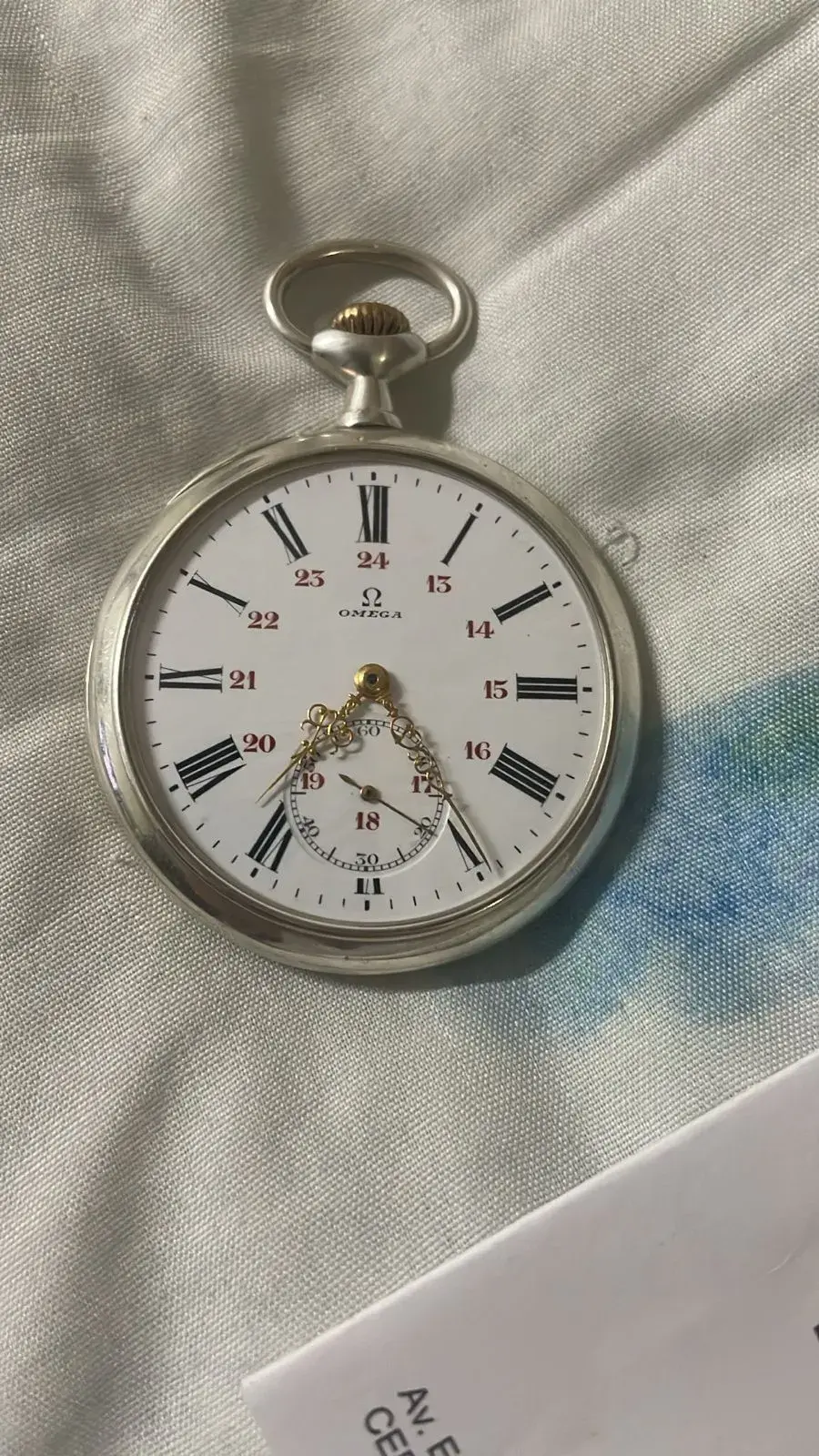
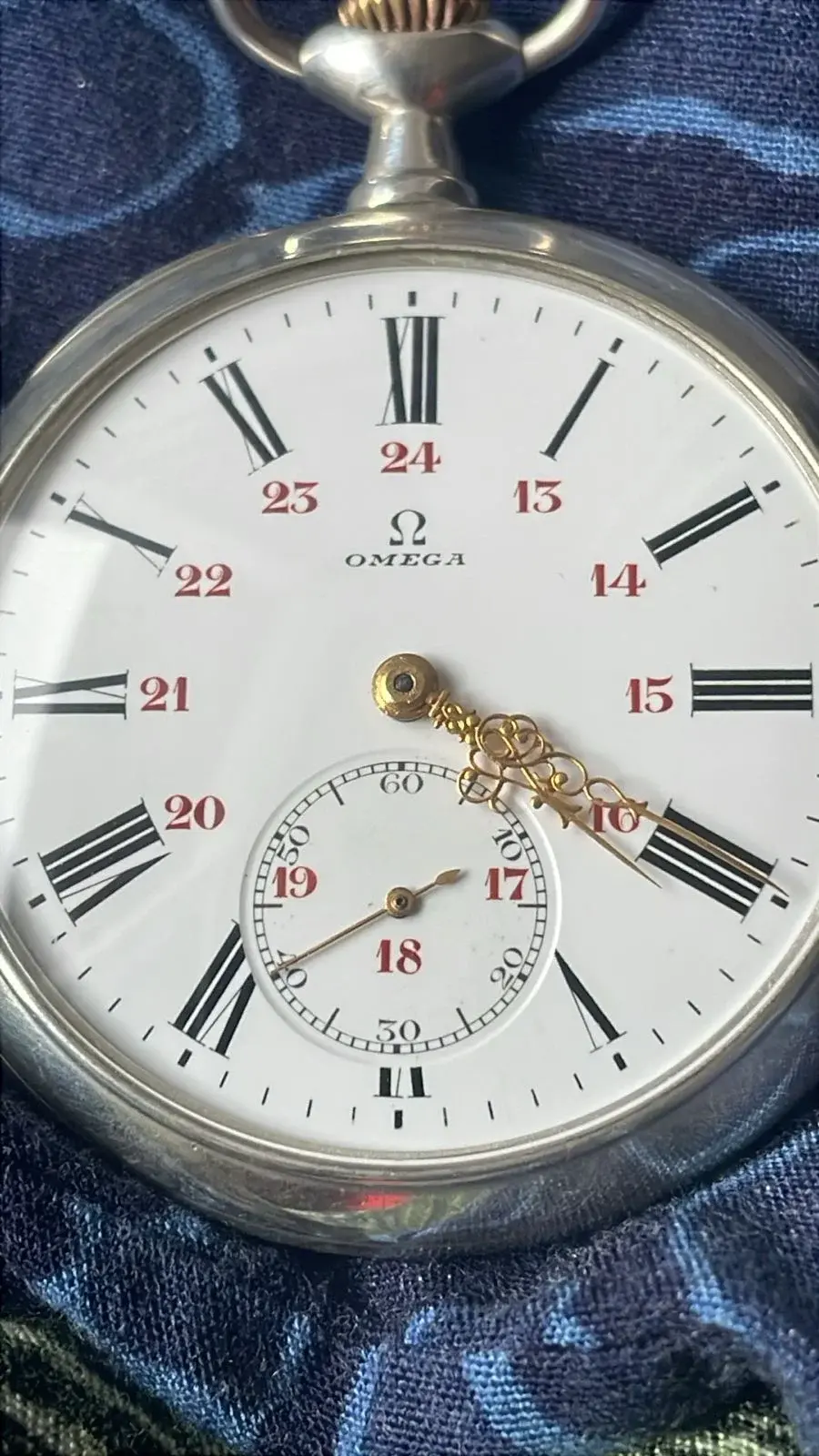
My name is Victor, and I’m a new member here. I’ve always enjoyed vintage items—pocket watches included. I finally found the time to do some research and acquired an Omega pocket watch dating from just before World War I, featuring a .900 silver case. What really won me over was the dial—made of porcelain and in practically perfect condition (without a single crack).

I would appreciate the help and expertise of the forum members in gathering some historical and technical information about this watch, which has recently undergone a complete overhaul.

Watch Details:

Dial: White porcelain (military/railroad style, bold numerals, perfect condition) with Louis XV-style main hands.

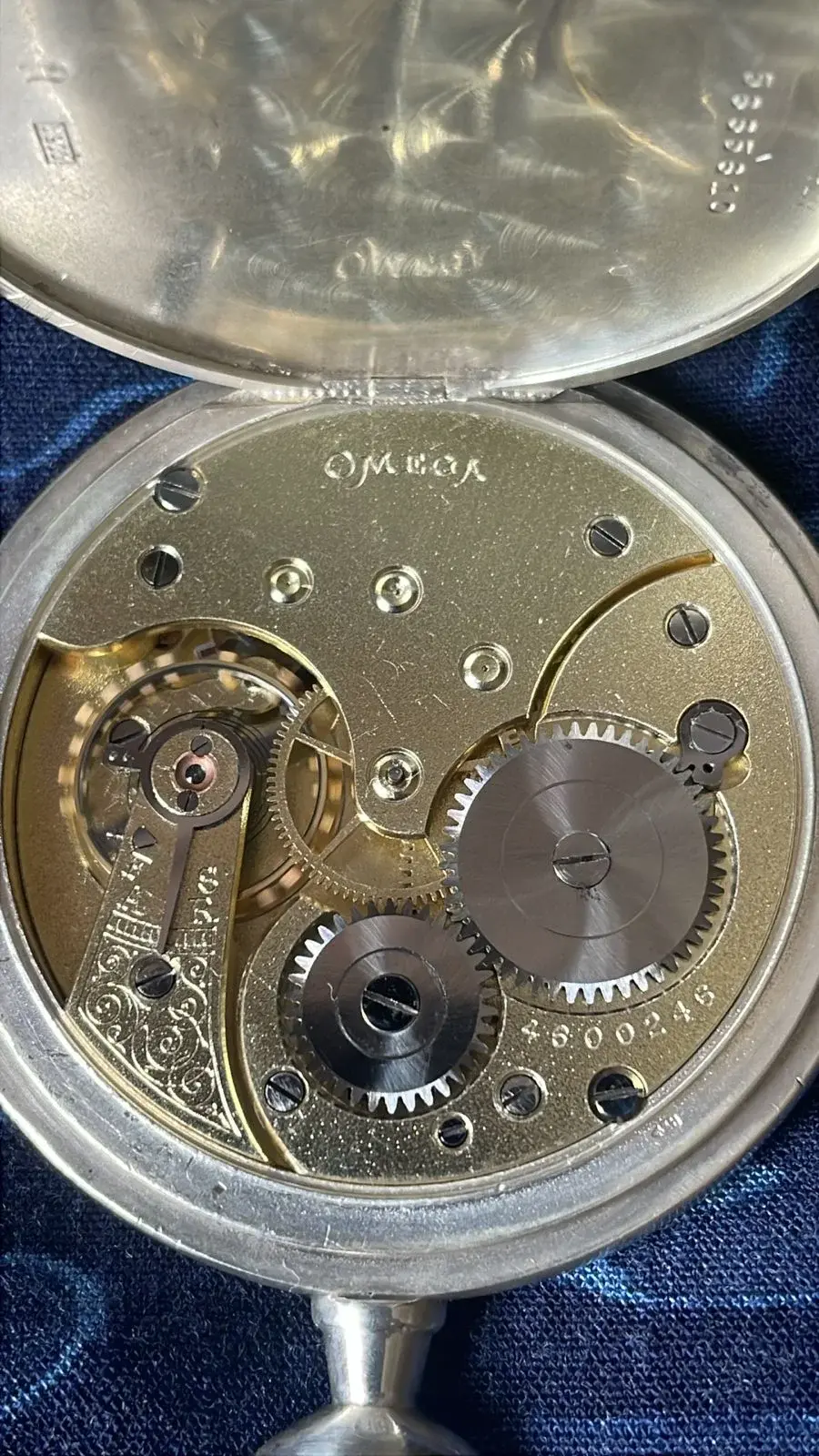
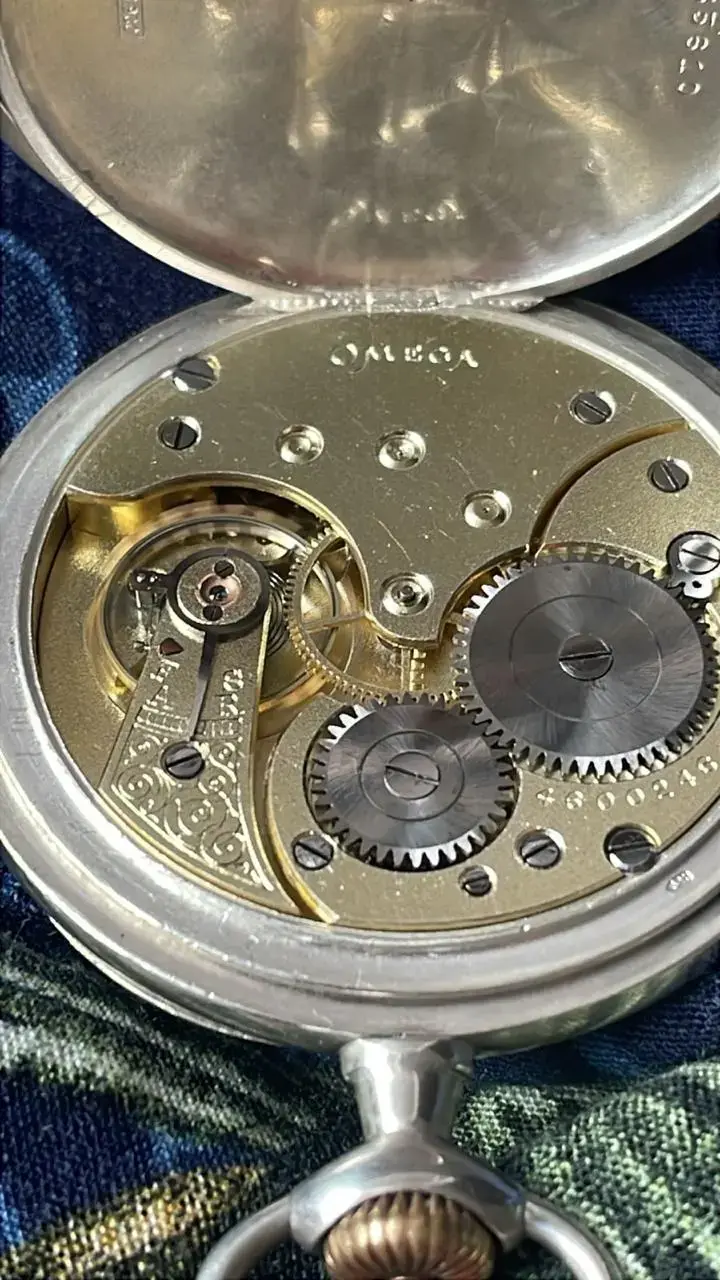
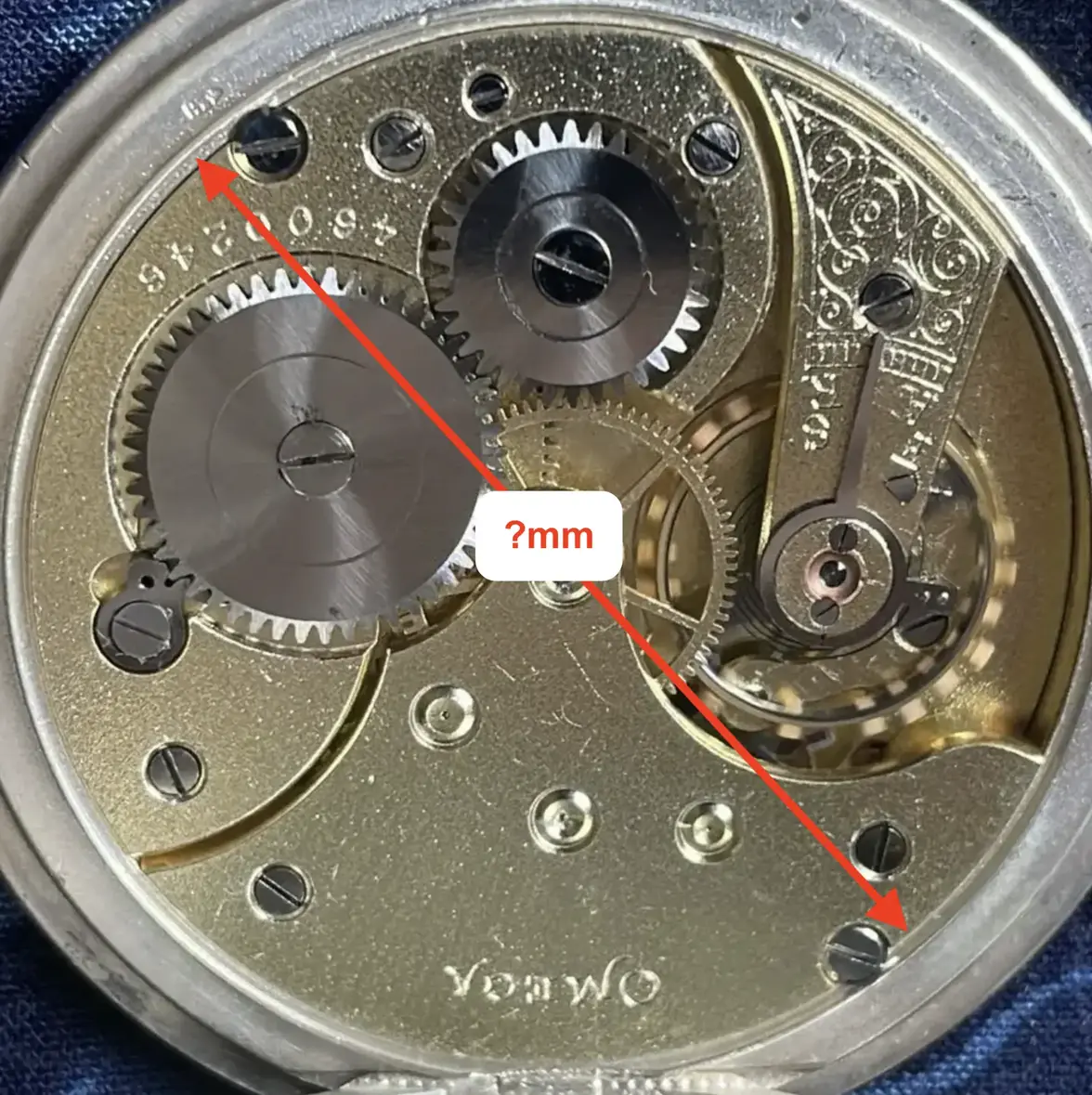
Movement: Omega mechanical movement, serial number 4,600,246 (estimated manufacturing period between 1907 and 1912—the "4 million" series, according to Omega itself).

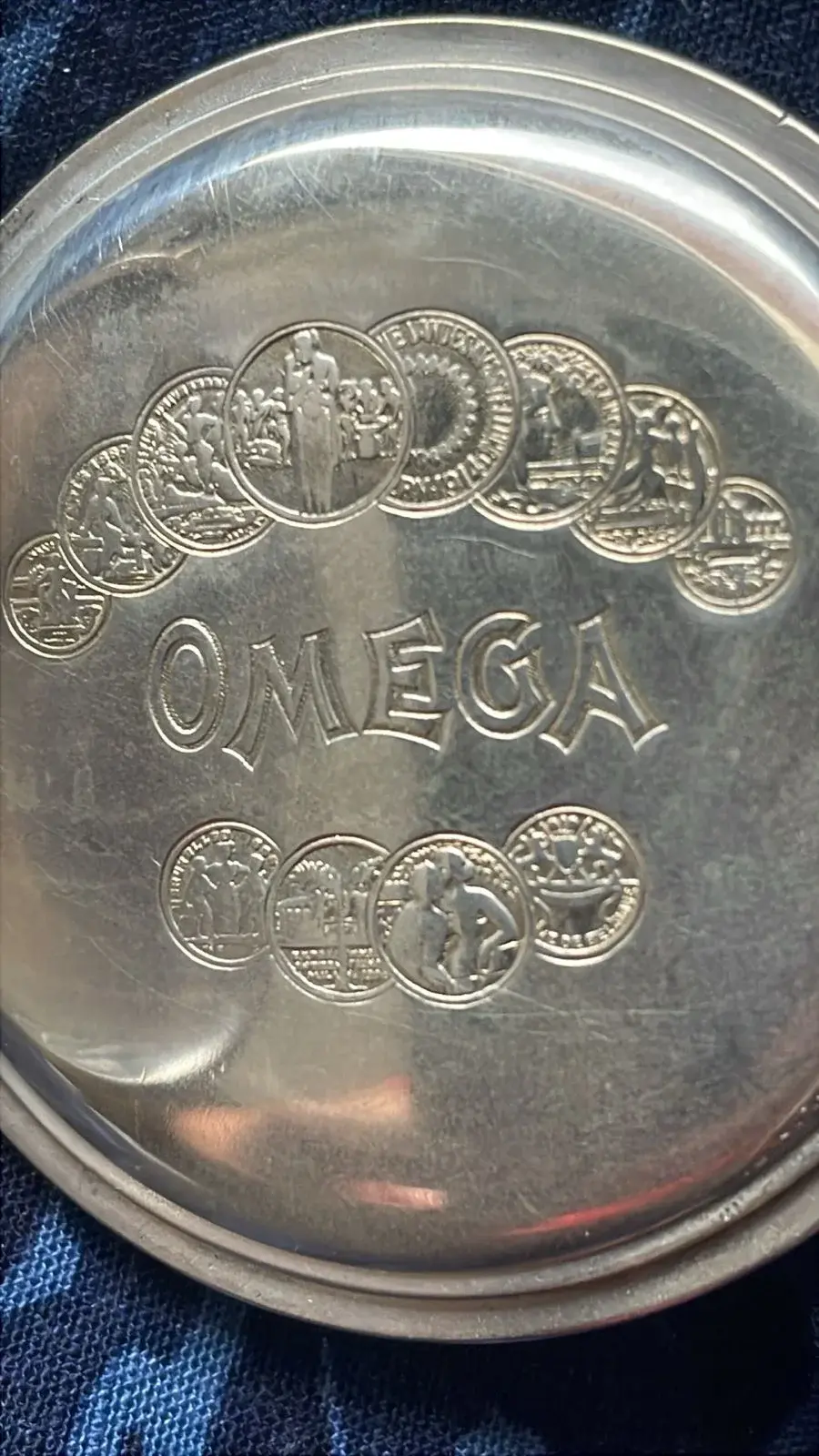
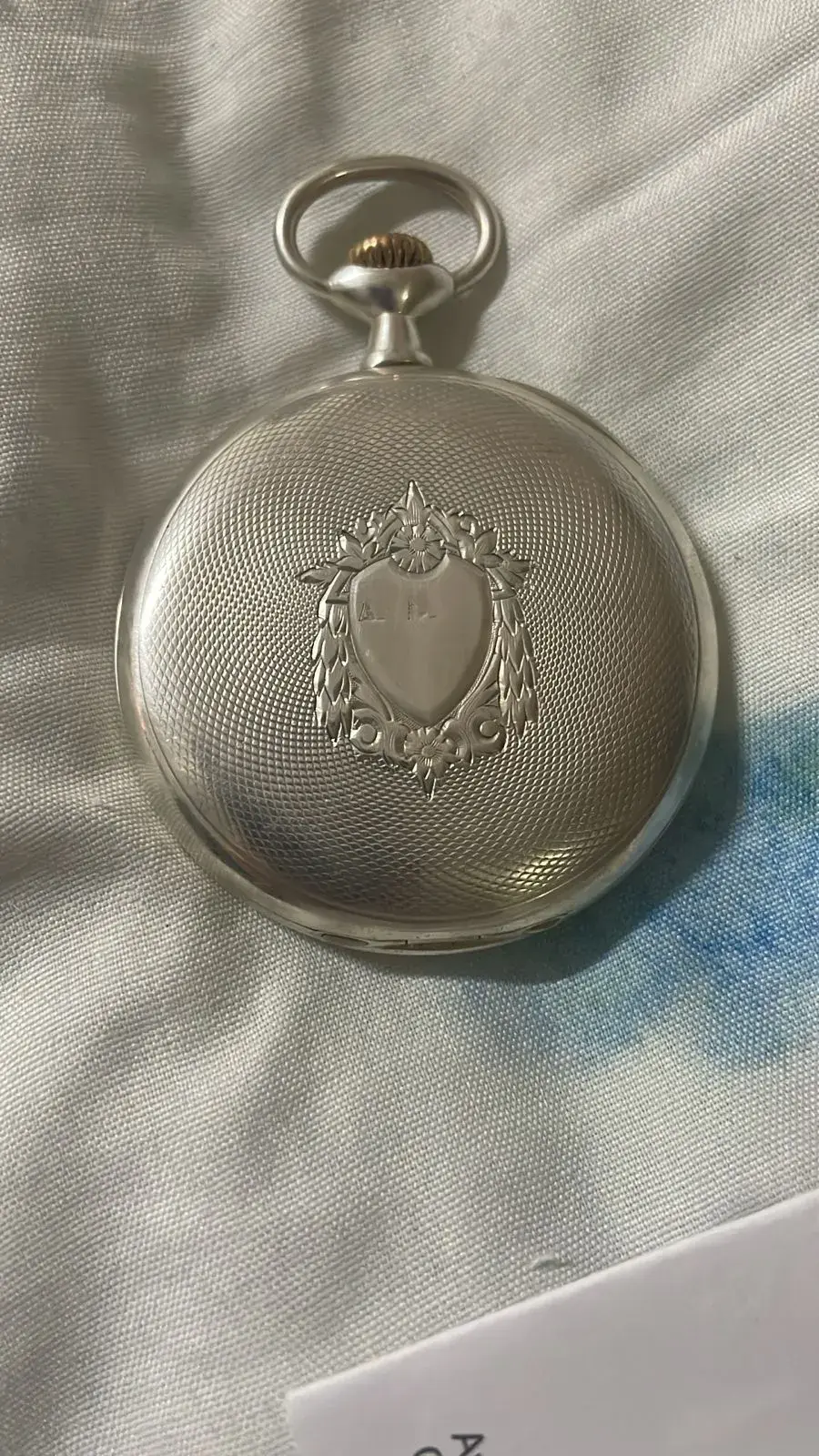
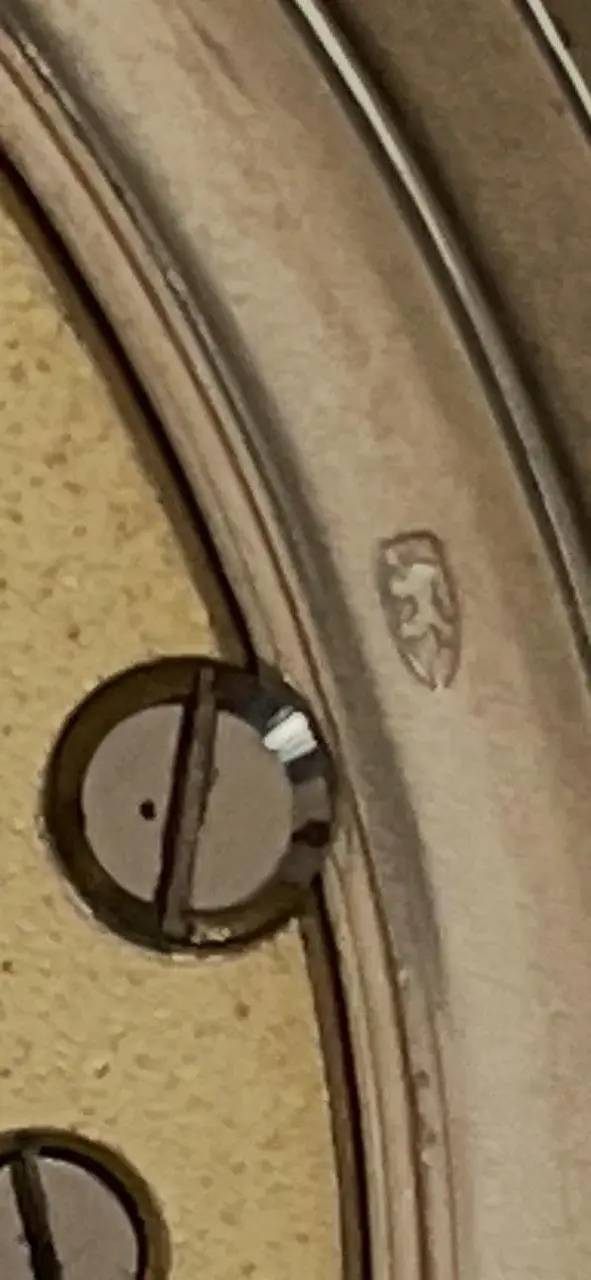
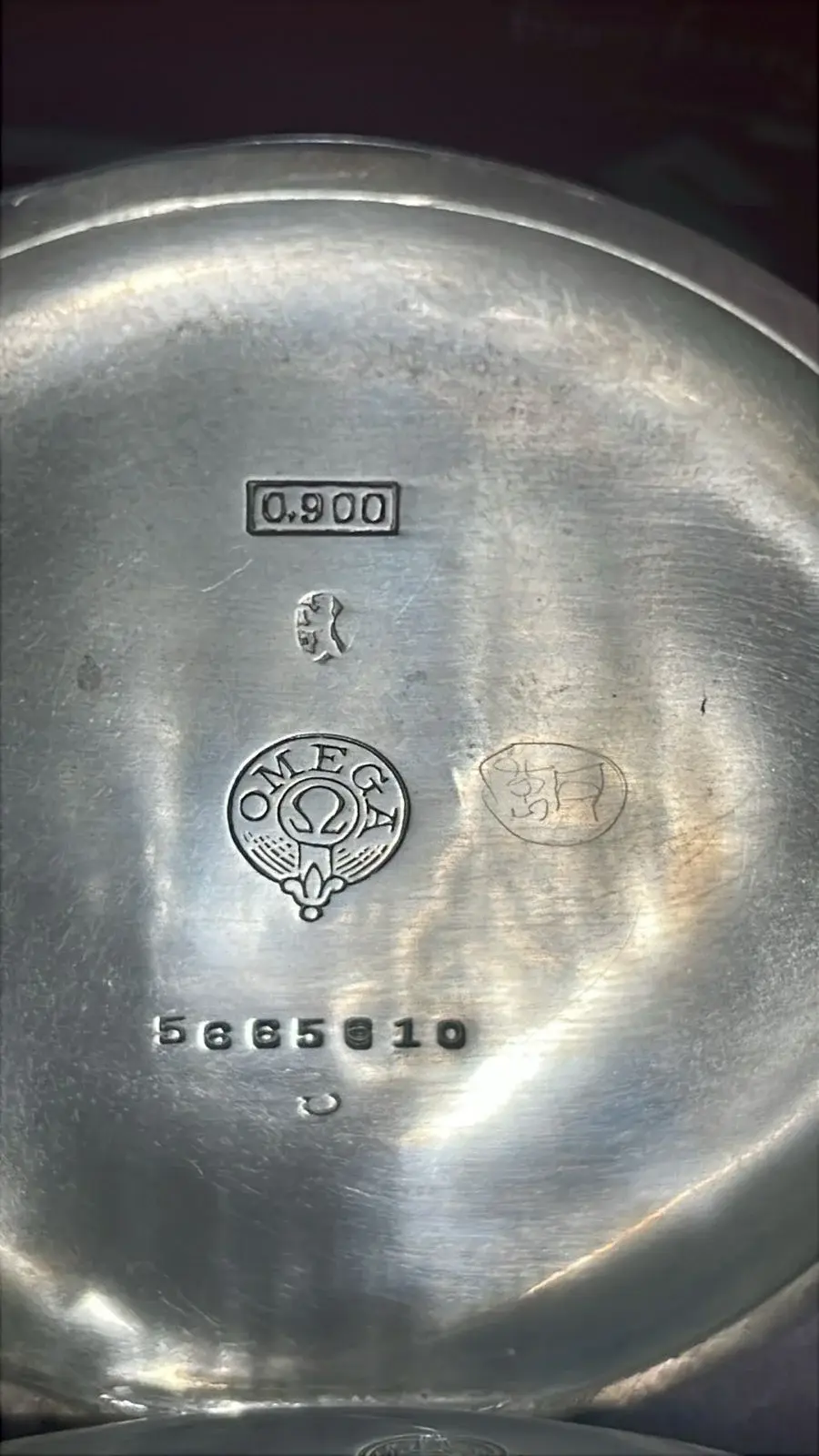
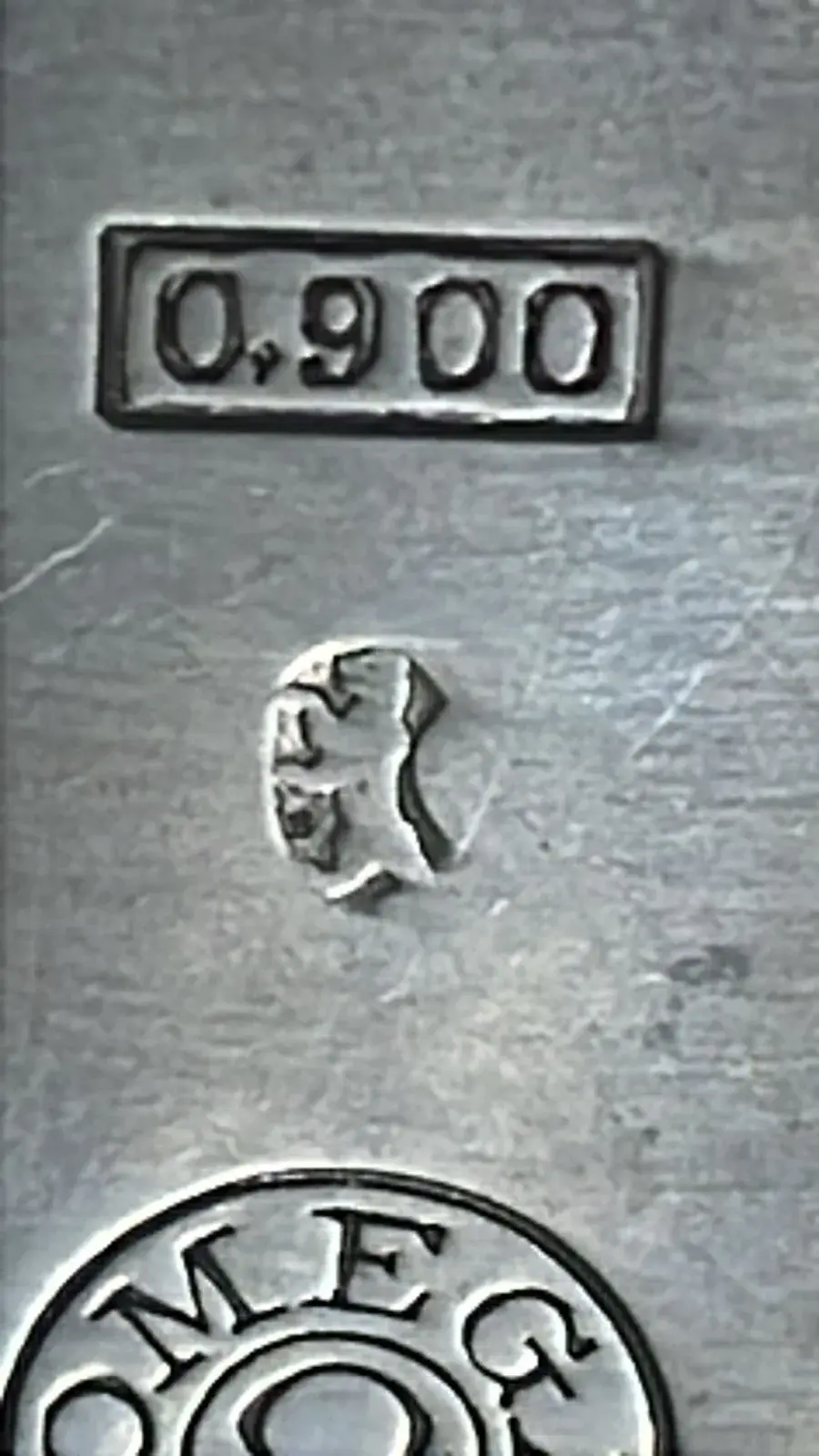
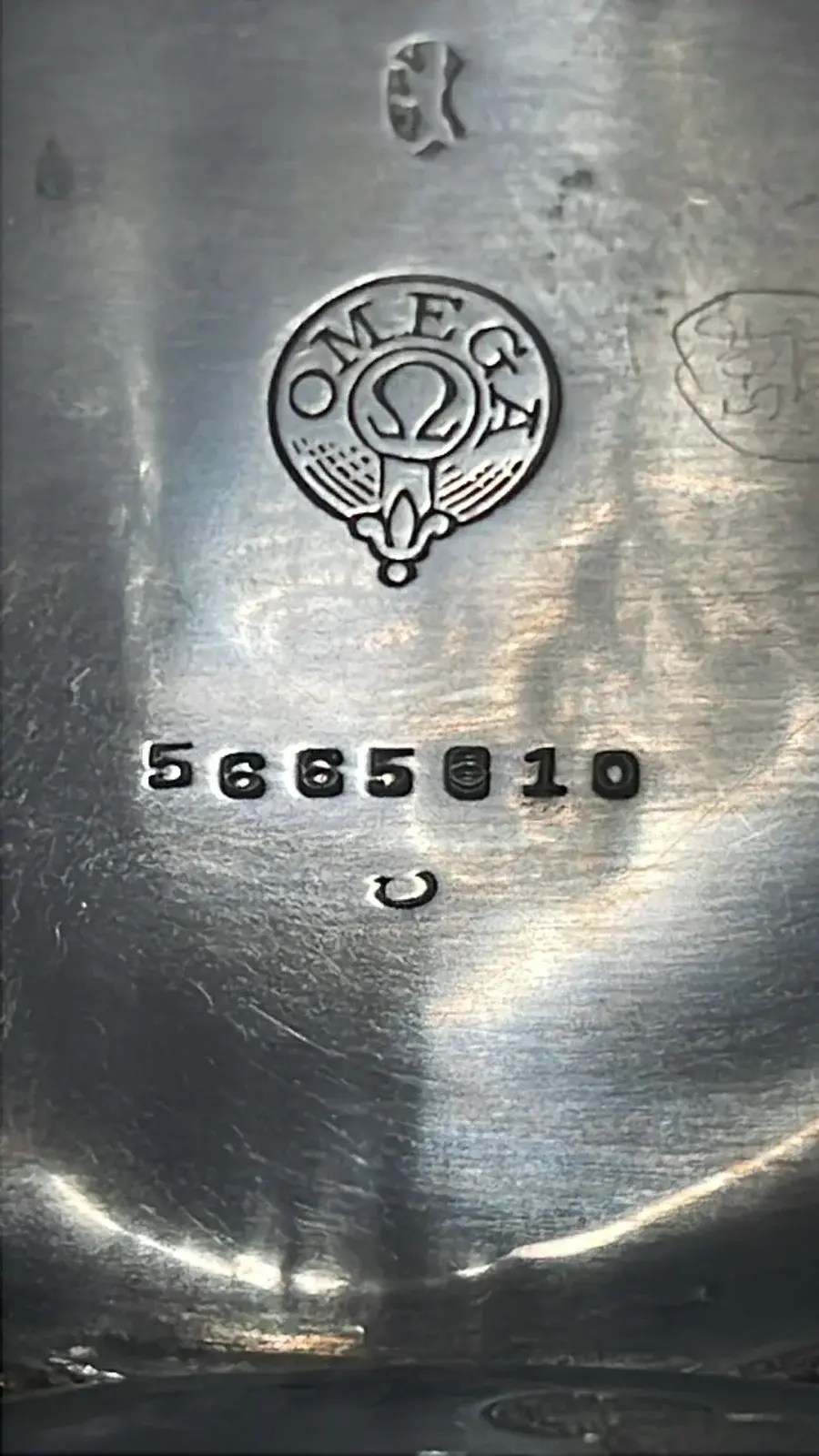
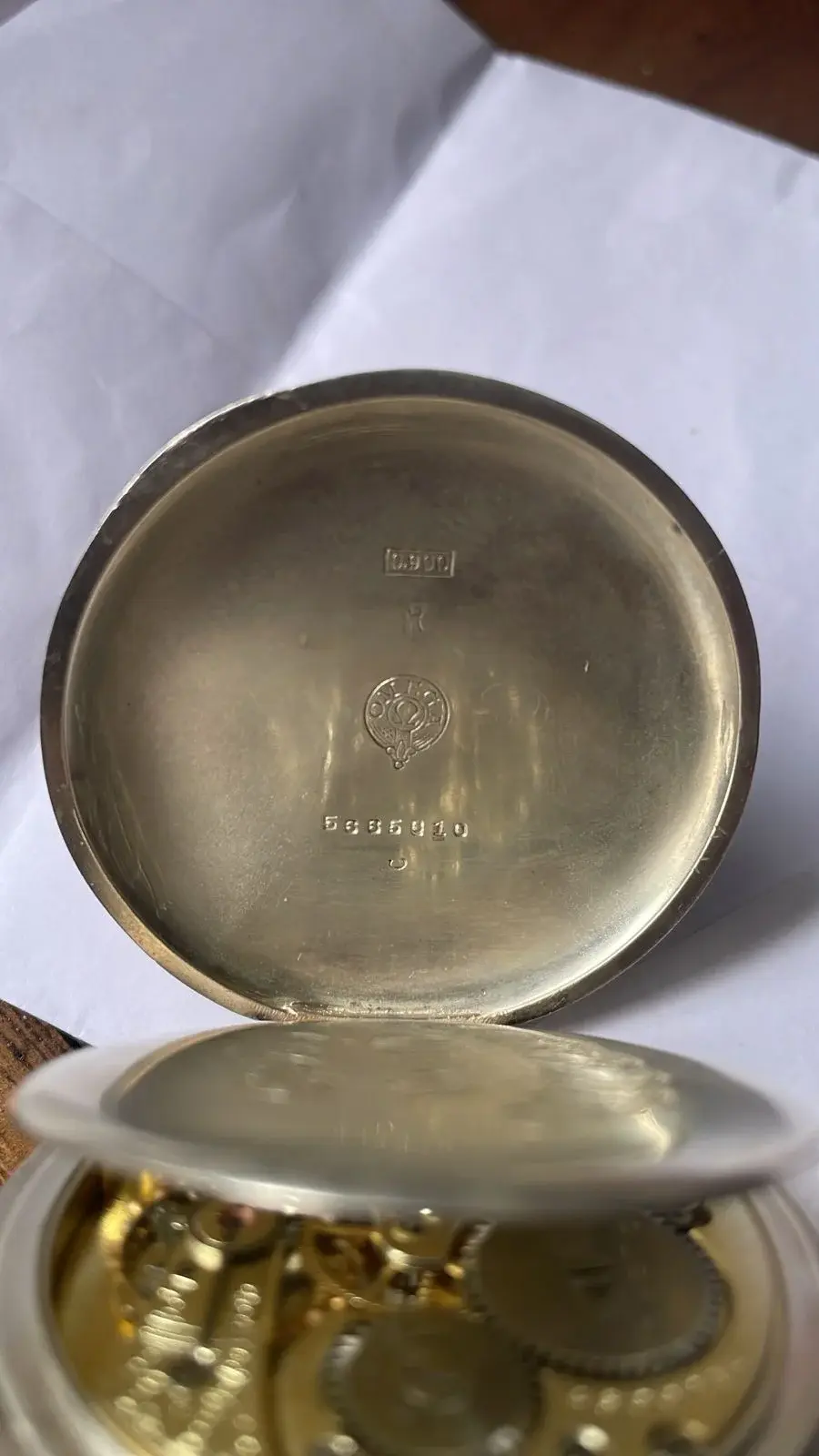
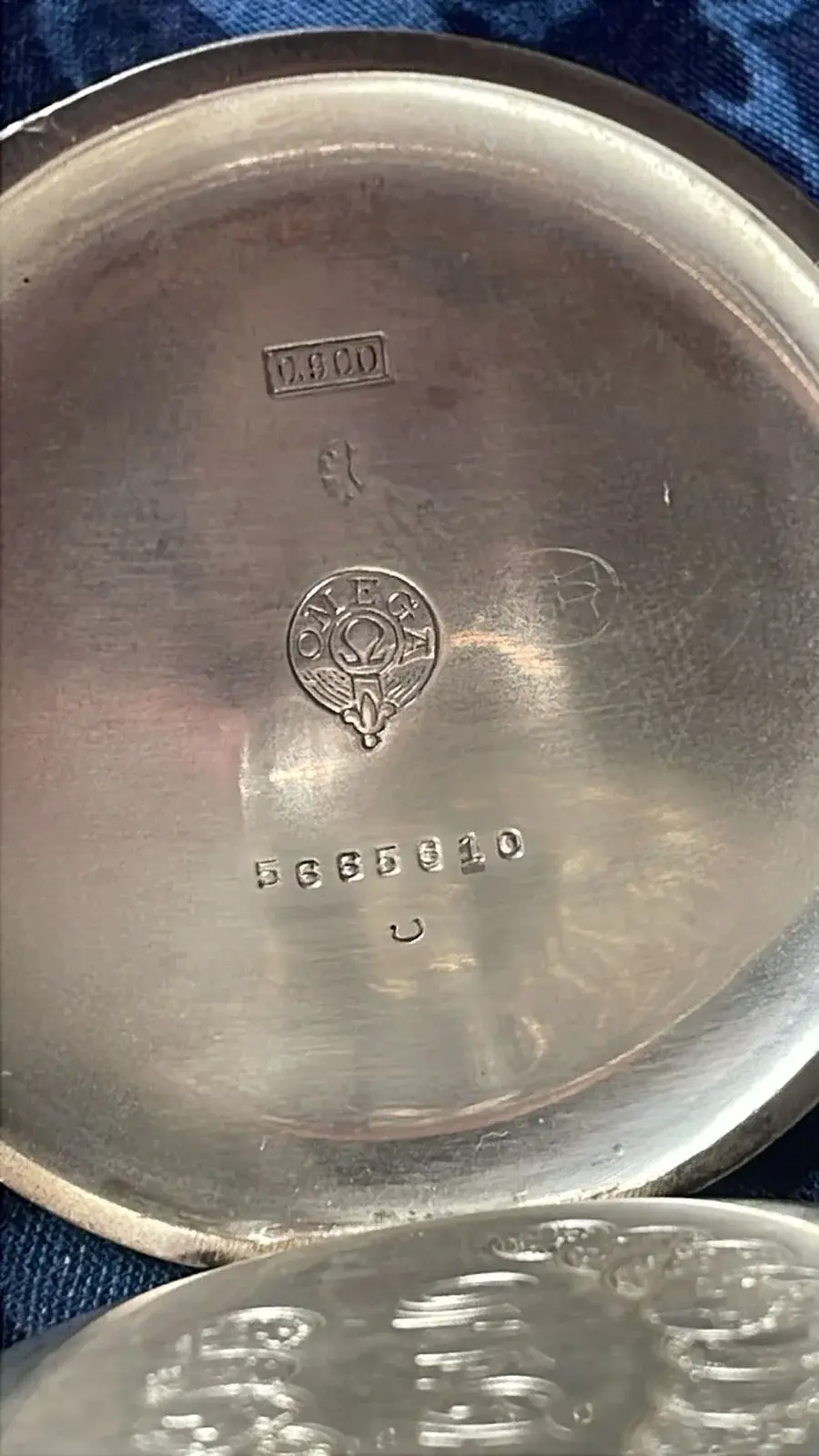
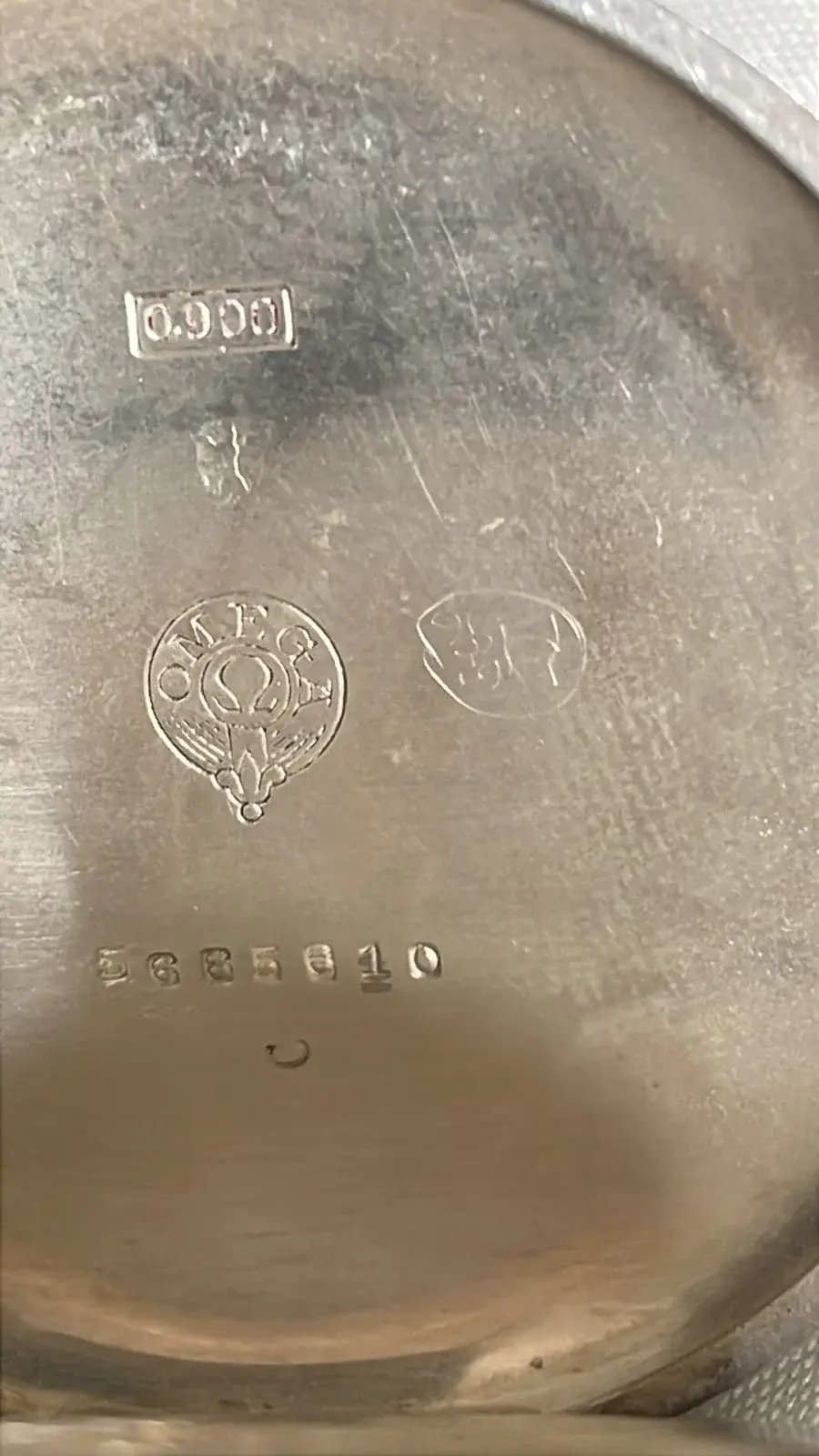
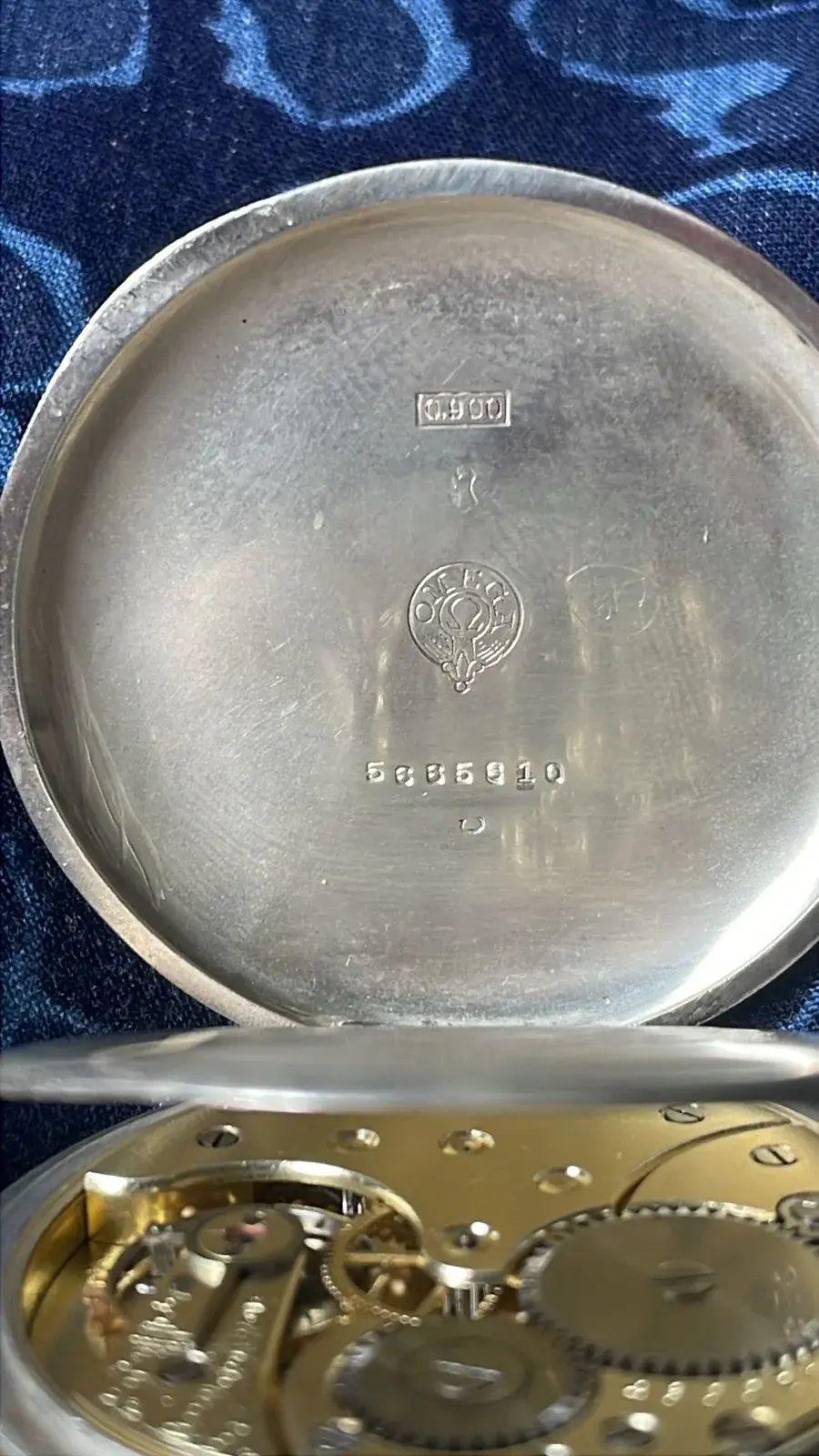
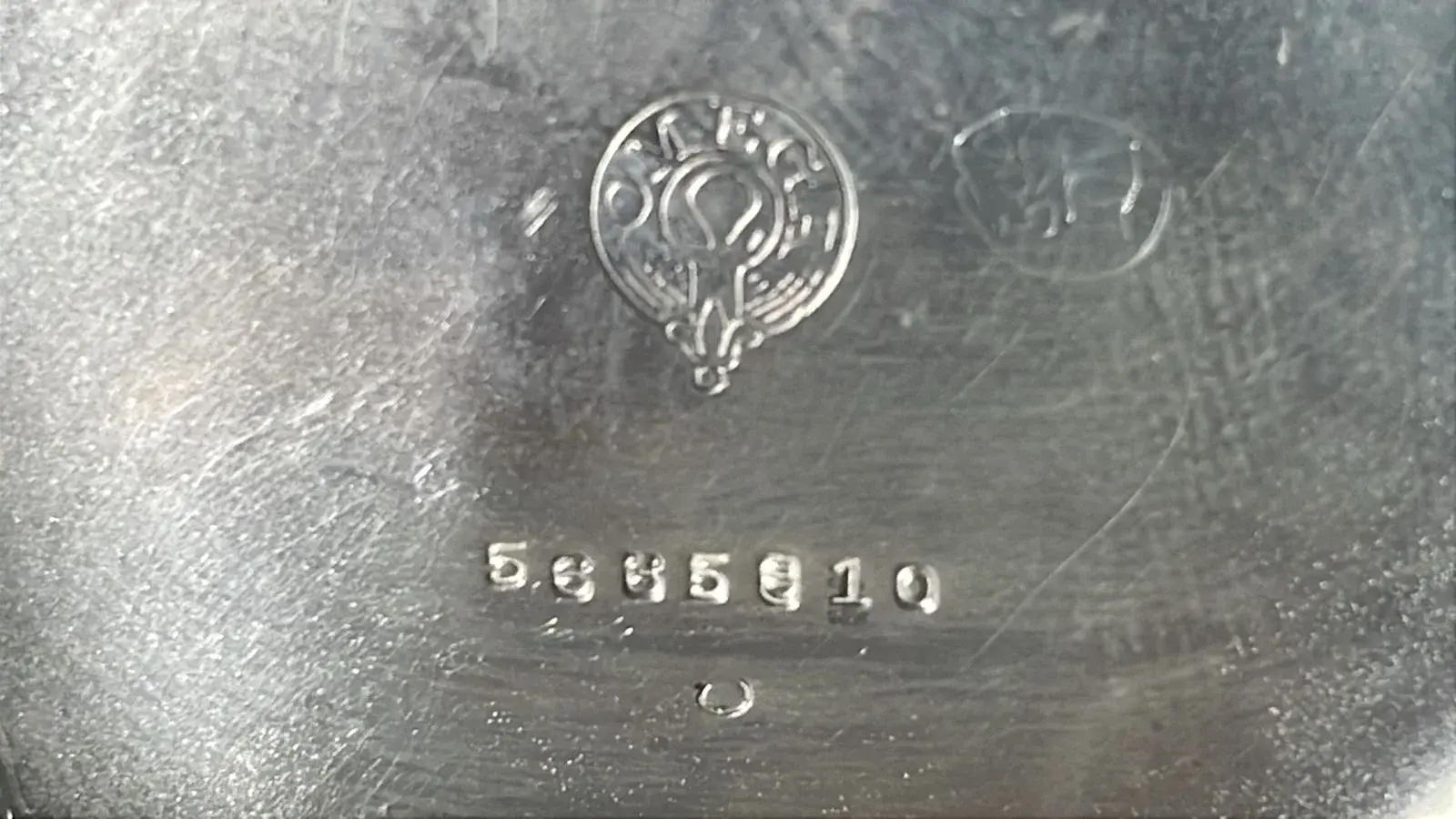
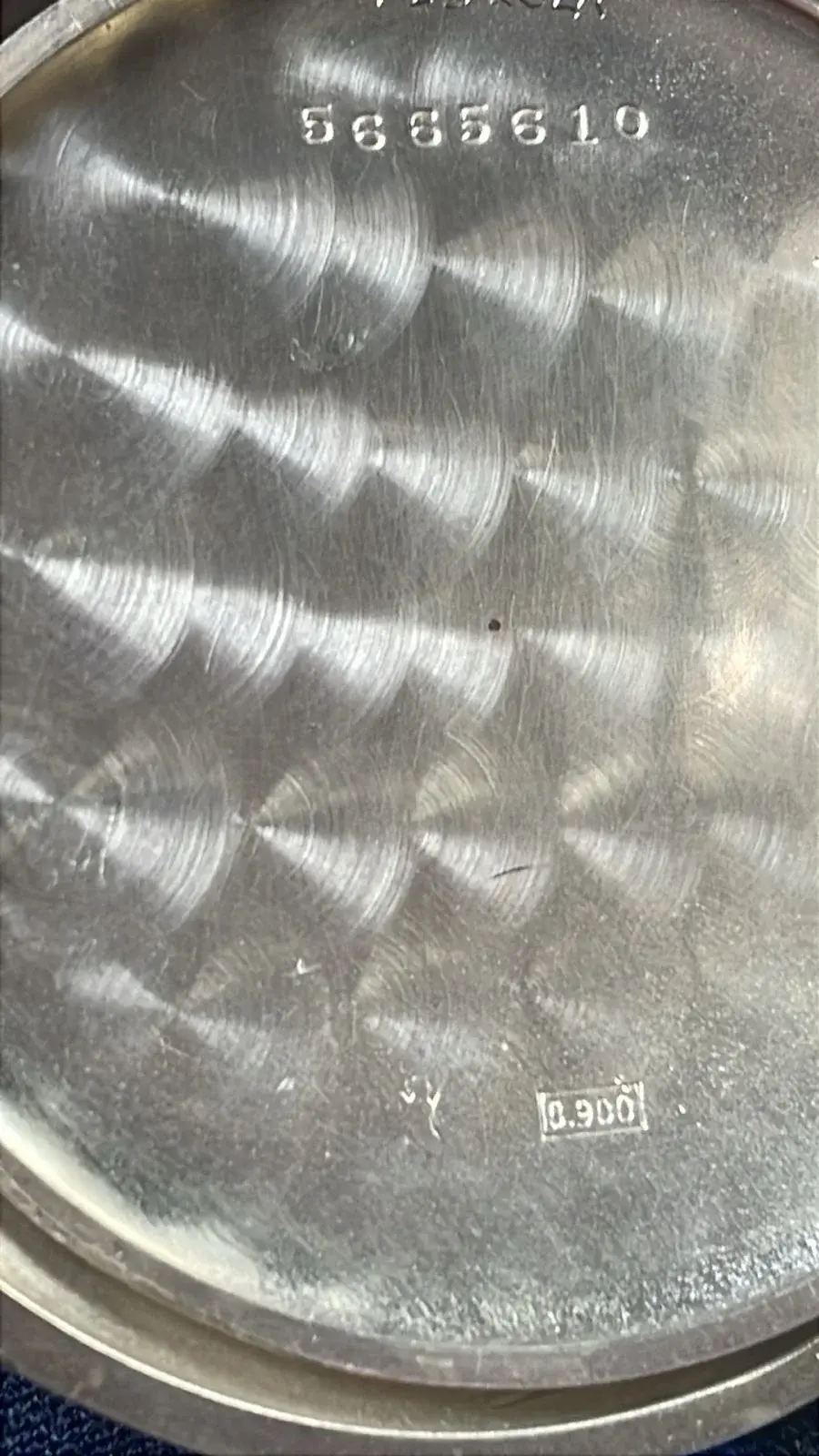
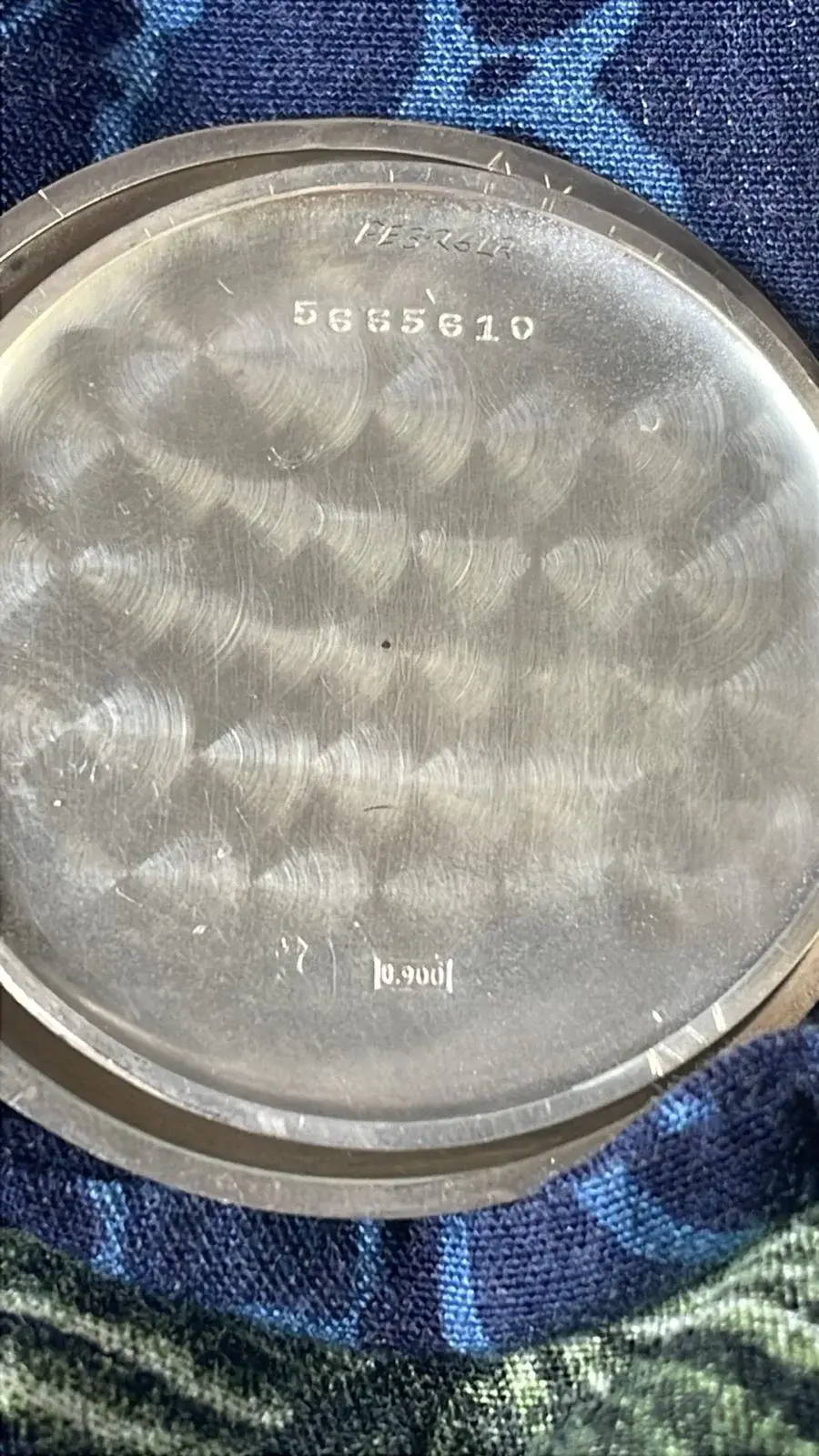
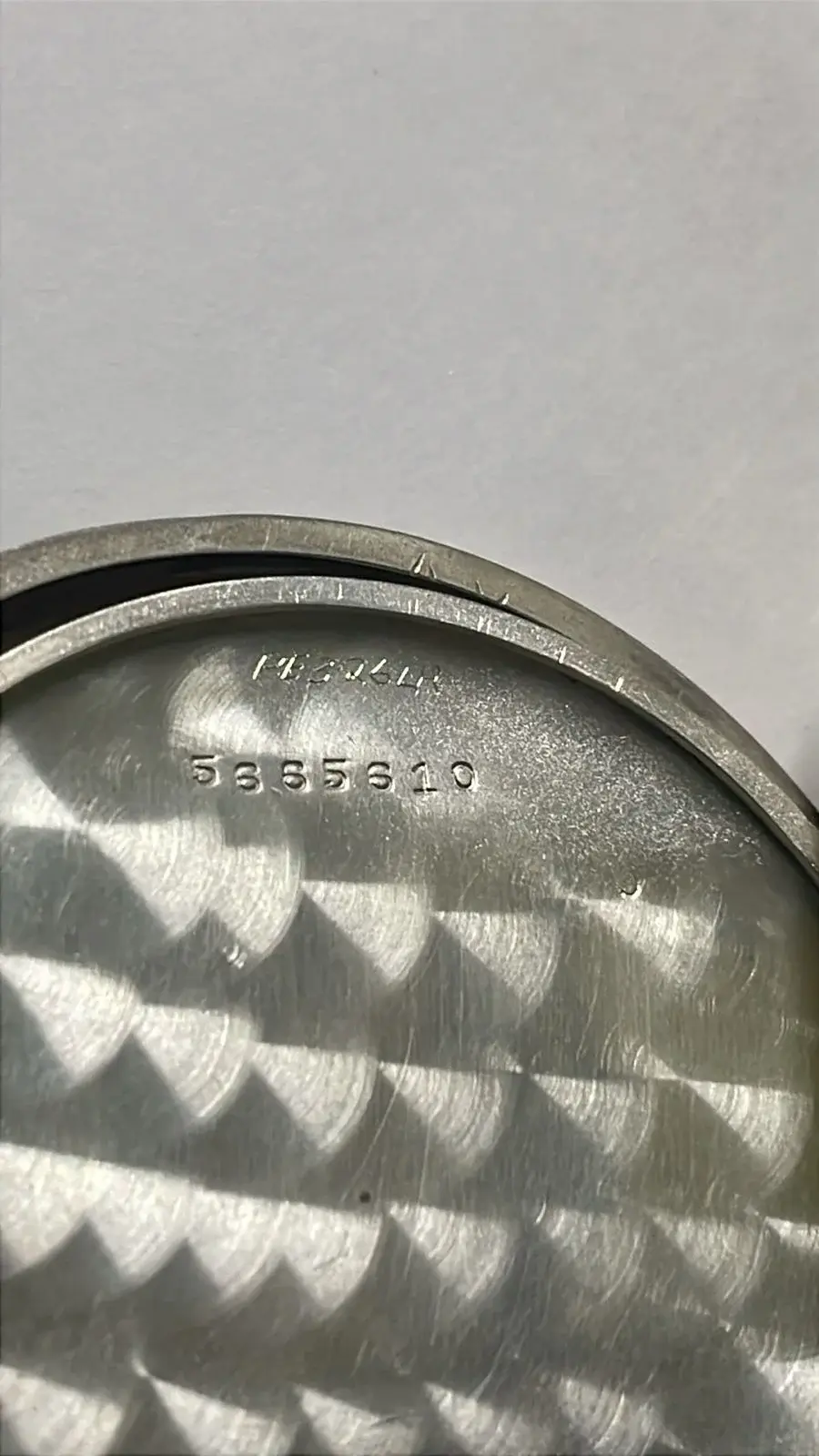
Case: .900 silver, measuring approximately 45mm in diameter, featuring "Bear" hallmarks (on the outer case back, inner dust cover, and next to the case number—one of which apparently shows the letter "B" for Bienne).

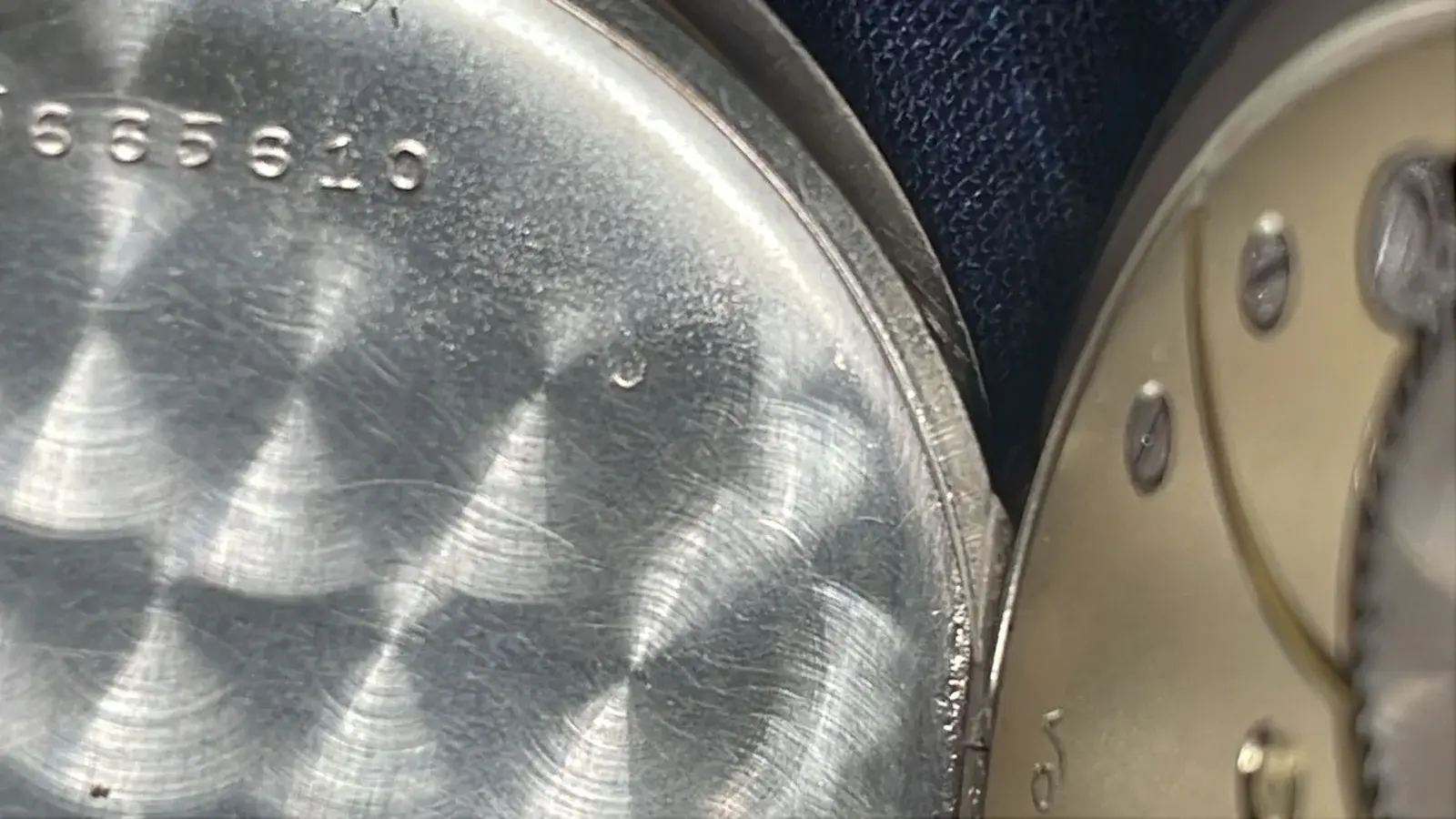
Case Serial Number: 5,665,610

Seconds Hand Status: The watch has undergone mechanical servicing and is running perfectly. The seconds hand was replaced with a period-correct one, but I would like to know if its design matches the original one that came with this specific watch (or if the original style was different).


Questions for the Forum:

- Meaning of the "c" hallmark: I noticed a small mark/stamp with the letter "c" engraved in more than one place on the watch. Does anyone know if this is a case maker's mark, an internal Omega code, a master watchmaker's stamp, or a period import/service mark?

- Caliber Identification: Based on the movement layout and bridge configuration, can anyone confirm the exact caliber designation (e.g., 18''' Lépine, 19''' Lépine, etc.)?

- Seconds Hand Design: For a dial with Louis XV hands, what was the geometry of the seconds hand originally used by Omega during this period (1907–1912)?

- Case and Movement Consistency: Does the case serial number (5,665,610) align precisely with the movement's production timeframe, indicating factory assembly? Does anyone have period Omega catalogs from Latin America or Europe that feature this model?

- Can anyone provide additional information to help me better understand the watch's history, or suggest where I might find more data on it?


Thank you all very much for your time and assistance!
 
Posts
49
Likes
36
Apologies for not having answers to the questions, I just want to say that I find your pocket watch aesthetically very pleasing and interesting to the eye!
 
Posts
13,586
Likes
18,907
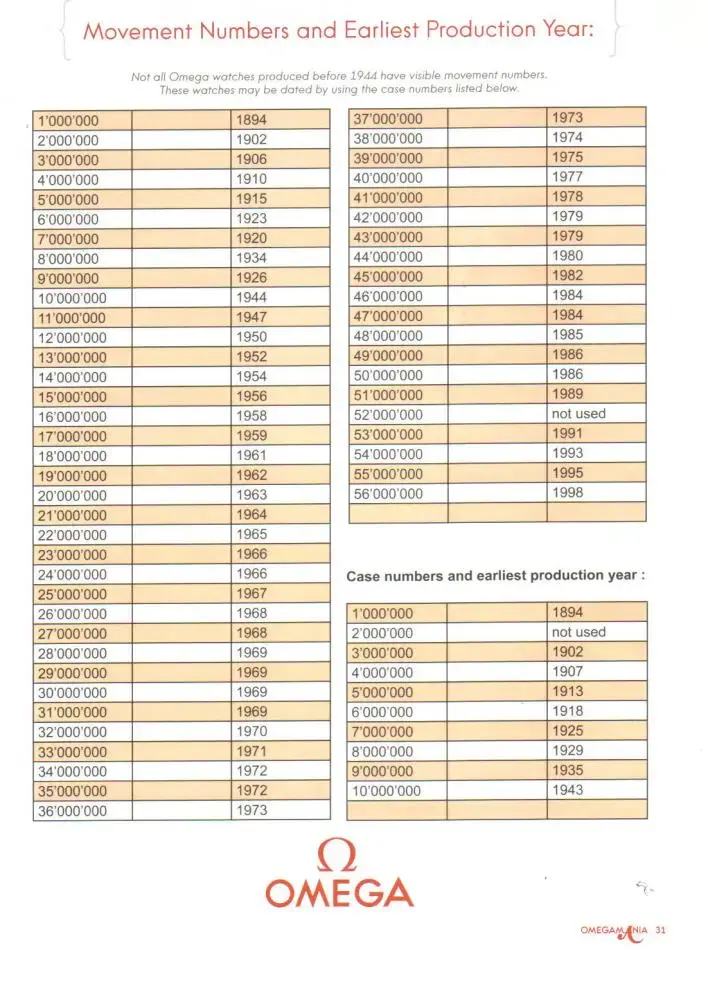
Based on the dating chart below, which contains estimated production date by both movement and case serial numbers, your watch would date a little bit later than you thought:


I would put it at around 1915, maybe 1916 based on the case serial number, making it a WWI production. My guess would be a civilian model, but having the 13-24 figures on the dial was quite popular in that era.

The fancy hands could be original or replacements. There is no way to know for sure.

I am not an expert in early Omega pocketwatch movements so I can’t identify it for you. But others here know far more than I and they should be around shortly.

Your watch looks to be very, very well preserved. A real survivor.

gatorcpa
 
Posts
10
Likes
3
Based on the dating chart below, which contains estimated production date by both movement and case serial numbers, your watch would date a little bit later than you thought:


I would put it at around 1915, maybe 1916 based on the case serial number, making it a WWI production. My guess would be a civilian model, but having the 13-24 figures on the dial was quite popular in that era.

The fancy hands could be original or replacements. There is no way to know for sure.

I am not an expert in early Omega pocketwatch movements so I can’t identify it for you. But others here know far more than I and they should be around shortly.

Your watch looks to be very, very well preserved. A real survivor.

gatorcpa
 
Posts
10
Likes
3
Good afternoon! Thank you very much for your detailed reply and for sharing the chart—it’s extremely helpful, and I really appreciate your kind words about the watch!

Regarding the movement's production timeline, Omega directly confirmed to me via email that the 4-million series (4,000,000 to 4,999,999) was manufactured between 1907 and 1912 (as the attached file shows, when I asked about the "Extract from the Archives" service). This is slightly earlier than what some third-party dating tables show, which makes sense given how official factory archives often refine these estimated charts.
On the other hand, looking at the case serial number (5,665,610), a casing timeframe around 1915–1916 during WWI aligns very well. This suggests the movement may have been produced first (1907–1912) and housed in this case a few years later during the war era—assuming this was the original factory assembly, which is one of the aspects I’m hoping to verify.

I am far from an expert on vintage Omega watches myself, so I truly appreciate the guidance and goodwill of experienced members like you!

Thank you very much.

Victor Romeiro.

 
Posts
10
Likes
3
Apologies for not having answers to the questions, I just want to say that I find your pocket watch aesthetically very pleasing and interesting to the eye!

Thank you for the generous review and kind words!

Best regards,

Victor Romeiro.
 
Posts
13,586
Likes
18,907
@victor.romeiro - The chart I posted came from Omega circa 2007. This is one of the reasons they discontinued the Extract service. Omega’s early records are a mess and they know it.

gatorcpa
 
Posts
10
Likes
3
@victor.romeiro - The chart I posted came from Omega circa 2007. This is one of the reasons they discontinued the Extract service. Omega’s early records are a mess and they know it.

gatorcpa
I understand perfectly. Thank you very much for all the information!

Best regards,

Victor Romeiro.
 
Posts
1,348
Likes
3,732
The serials seem consistent. The caliber is an Omega, probably 19 lignes, grade A with 7 jewels, with flat hairspring.
 
Posts
10
Likes
3
The serials seem consistent. The caliber is an Omega, probably 19 lignes, grade A with 7 jewels, with flat hairspring.
Thank you so much for your reply, @Tire-comedon! Your insights are greatly appreciated.

It’s very reassuring to hear that the movement and case serial numbers are consistent for this era. Knowing that this is the classic 19''' Grade A caliber adds a great piece to the puzzle of its history.

Out of curiosity, do you happen to have any further details or tables regarding Omega case serial numbers from around that time (case # 5665610)? Also, is there any specific documentation or detail on how many 7-jewel Grade A 19''' calibers were produced during the 1907–1912 window?

Also, I noticed a small "C" hallmark/stamp on the outer case cover, and there appears to be a second, fainter "C" on the inner cover (on the side facing the movement). Do you happen to know if this letter "C" refers to a specific casemaker, an assay mark, or a factory mark used by Omega back then?

If you also happen to know where I could find more information about my watch that might help me better understand its history, that would be extremely helpful to me.

Thanks again for sharing your expertise!
 
Posts
18,651
Likes
38,693
If you can measure the diameter of the movement it'll give us an idea of what caliber it is.

Because of the thinness of the barrel bridge curve around the crown wheel I don't think it's a 19'''.

 
Posts
10
Likes
3
If you can measure the diameter of the movement it'll give us an idea of what caliber it is.

Because of the thinness of the barrel bridge curve around the crown wheel I don't think it's a 19'''.

Hi @JimInOz. How are you?

Good eye! You were completely spot on. Following your suggestion and studying the subject a bit, I measured the movement diameter and it came out to 38mm, which indeed confirms it is a 17"' caliber and not a 19"'. I really appreciate you pointing out that detail about the barrel bridge curve—that was a great call!

If you don’t mind me tapping into your knowledge a bit further, I’d love to get your thoughts on a couple of other details:

- Serial Numbers: The movement serial number is 4,600,246 (dating the movement to roughly 1907–1912 according to Omega itself), while the case serial number is 5,665,610. Is there any record that could indicate whether this set—despite the difference in serial numbers—might be original?

- Case Markings: Besides the .900 silver hallmarks and the Bear (Ours) stamp, there is a small "c" mark stamped on the case. Do you happen to know what this "c" signifies in Omega/Swiss casing from this period?

Also, if you know of any good references or databases where I could research a bit deeper into its history, I'd really appreciate the guidance!

Thanks again for your expertise and willingness to help!

Victor Romeiro.
 
Posts
18,651
Likes
38,693
Thanks again for your expertise and willingness to help!

No problems Victor.

I have no idea about the "C", maybe a casemakers control mark?

Regarding the movement serial number, I would date that to about 1914/1915 based on various references I have found and compared.
I would discount Omega's advice regarding the serial number. The four million series commenced in 1910 or so and was produced up to to 1916/1917 and used in low production until 1923.
The case number falls between 1913 and 1918, which would align closely with the production/assembly of the maovement and case.

As to databases etc for vintage Omega pocket watches, they are almost non-existent compared to equivalents for American pocket watches.
Possibly the best reference is the book "A Journey Through Time" by Marco Richon. It has a substantial number of pocket watch entries.

PS: Forgot to add. The dial is highly unlikely to be porcelain, but most likely vitreous enamel.
Porcelain is a fine "china", and while eminently suitable for tableware and toilet bowls, it's unsuitable for use as a watch dial due to its fragility in the thin form required for a dial.

A vitreous enamel dial uses a substrate (usually brass), coated with powdered glass and fired at high temperature to produce a durable dial.
Edited:
 
Posts
10
Likes
3
No problems Victor.

I have no idea about the "C", maybe a casemakers control mark?

Regarding the movement serial number, I would date that to about 1914/1915 based on various references I have found and compared.
I would discount Omega's advice regarding the serial number. The four million series commenced in 1910 or so and was produced up to to 1916/1917 and used in low production until 1923.
The case number falls between 1913 and 1918, which would align closely with the production/assembly of the maovement and case.

As to databases etc for vintage Omega pocket watches, they are almost non-existent compared to equivalents for American pocket watches.
Possibly the best reference is the book "A Journey Through Time" by Marco Richon. It has a substantial number of pocket watch entries.

PS: Forgot to add. The dial is highly unlikely to be porcelain, but most likely vitreous enamel.
Porcelain is a fine "china", and while eminently suitable for tableware and toilet bowls, it's unsuitable for use as a watch dial due to its fragility in the thin form required for a dial.

A vitreous enamel dial uses a substrate (usually brass), coated with powdered glass and fired at high temperature to produce a durable dial.
Thanks a lot for the detailed reply and valuable insights, @JimInOz!

Your breakdown of the serial numbers really helps put the watch's history into context. Also, the explanation about the dial material was very clarifying - what initially caught my attention when I bought the watch was precisely the dial being in such exceptional condition, which was the deciding factor for the purchase.

I really appreciate you taking the time to share your expertise!
 
Posts
10
Likes
3
Hi everyone,

I wanted to share a short video of the watch (dial and movement, out of the case) running right after its full service. I thought my esteemed fellow forum members might enjoy seeing this survivor ticking away so smoothly after all these years.

Warm regards to all!

 
Posts
25
Likes
129
Actually its a cal. 17" grade A, of the second gen., with 3 barrel bridge screws instead of 2 (MK1).
17" LP A.
 
Posts
10
Likes
3
Thank you for the insights, @quixet!

I’m really interested in learning more about this movement. Do you happen to have any additional technical data, period catalog references, or advice on where I could dig deeper into its history?

Regarding the case, do you have any information, or could you point me to where I can get more details?

I’m also sharing a short video of the movement fully disassembled during its recent service/restoration, showing all the components in detail.

Once again, thank you for the help and for sharing your knowledge and experience!

Victor Romeiro.