- Posts
- 3
- Likes
- 0
emrod77
·Hello everyone,
I recently acquired an unusual Omega wristwatch and I’m trying to learn more about it. I would be grateful for any insights from the community.
Here are the details:
Observations so far:
I’m attaching photos of the dial and movement for reference.
Thanks a lot in advance - any historical or technical input would be greatly appreciated!
I recently acquired an unusual Omega wristwatch and I’m trying to learn more about it. I would be grateful for any insights from the community.
Here are the details:
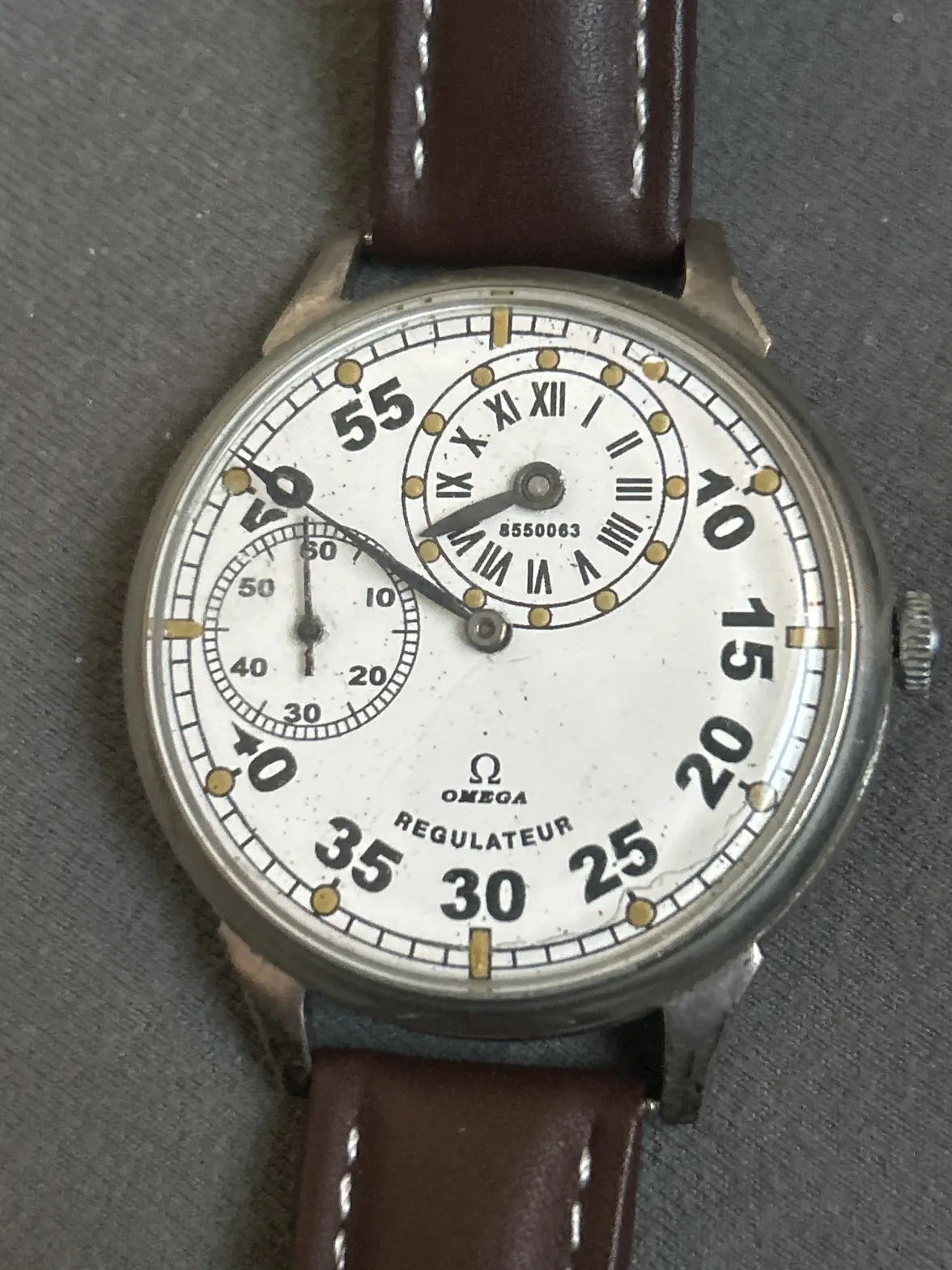
- Dial: Signed Omega Regulateur. Central minutes, small hours at 12 o’clock (Roman numerals), small seconds at 9 o’clock.
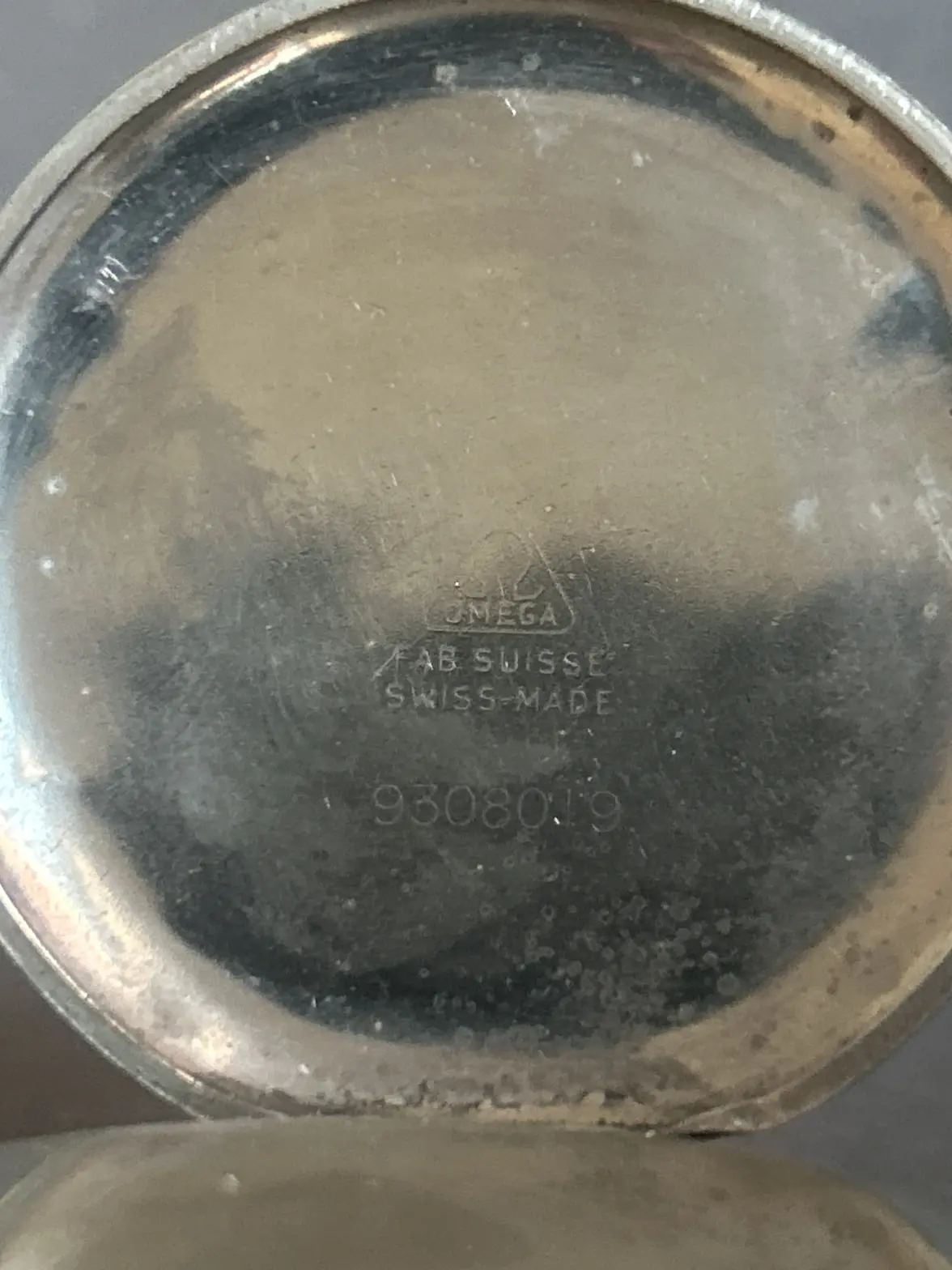
- Case: Steel, hinged back. Diameter ~? mm (standard wrist size).
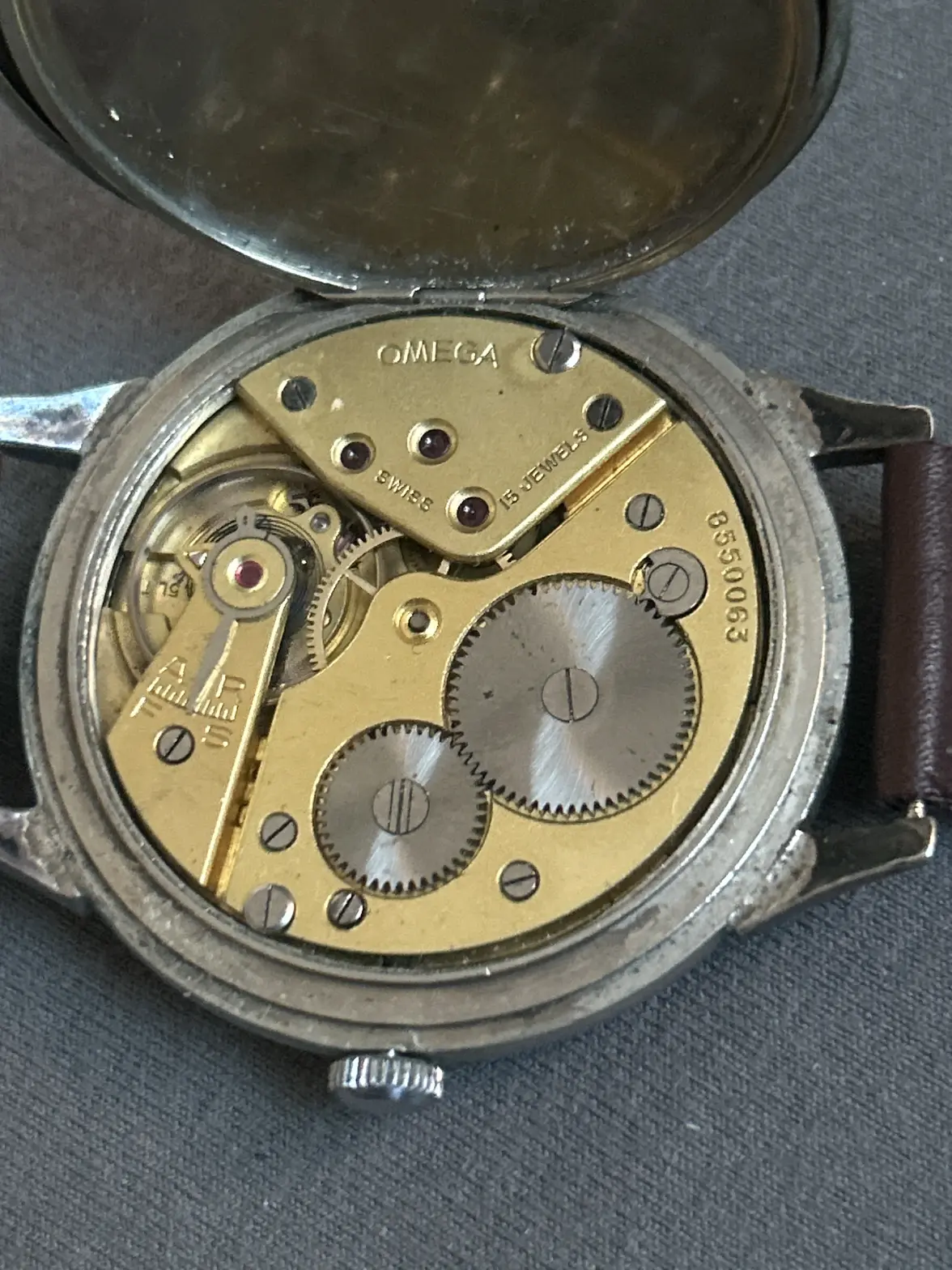
- Movement: Hand-wound, marked Omega, Swiss, 15 Jewels. Serial number 8550063, which according to Omega serial lists dates to around 1934–1936.
- Condition: Running, with later replacement strap.
Observations so far:
- The regulator dial layout is highly unusual for Omega wristwatches.
- It may be a so-called marriage watch (pocket watch movement/dial placed into a wristwatch case).
- The dial could be a redial or aftermarket production, as Omega regulator dials are not known in catalogues from this era.
- The movement looks like a typical 1930s 15j Omega pocket calibre, but I’m unsure which exact calibre designation (maybe 38.5 L, 35x family?).
- Some sellers online list similar watches as “WW2 regulator Omega” or “military conversion,” but I haven’t found any verified evidence that Omega supplied regulator wristwatches for military use.
- From what I found, Omega’s actual WW2 service watches were RAF CK2292 (Cal. 30T2), and the later WWW “Dirty Dozen,” neither with regulator dials.
- Has anyone ever seen an authentic Omega “Regulateur” wristwatch from the 1930s?
- Is this almost certainly a pocket-watch conversion (marriage watch), or is there a chance Omega produced some in small numbers?
- Can anyone help identify the exact calibre based on the photos of the movement?
- Any information on whether such regulator dials were ever used in military context, or strictly aftermarket?
I’m attaching photos of the dial and movement for reference.
Thanks a lot in advance - any historical or technical input would be greatly appreciated!