I have been going down the rabbit hole of the watch collecting hobby for almost two years now. Along the way I’ve learned a lot from YouTube, and meetups, and mostly from online forums. I haven’t found many books that have significantly furthered my knowledge. During this time I have built a happy and modest collection, with the crown jewel being my ’61 Seamaster. My other favourites include a few pocket watches (surprising to me, since I wouldn’t have expected I’d like pocket watches), a charming ‘50 Gruen very-thin, and the most fun of all, a ’73 spaceview in almost unworn condition. Happily, I’ve managed to avoid any significant “newb tax”, having spent little on things I wish I hadn’t.
A Rolex Prince or bubbleback have been on my dream list for a while now, I really like the aesthetics. I do not have a budget set aside for one of these yet, but even considering a watch at that price point I know I definitely want to avoid paying a newb tax, or worse, getting ripped off completely. Scratch that, I don’t think that most vintage watch-buying mistakes are a matter of being ripped off. Sometimes it is. Often though, I see watch-buying mistakes as a lack of knowledge. Do you know enough to pull the trigger? Importantly, do you know what you don’t know?
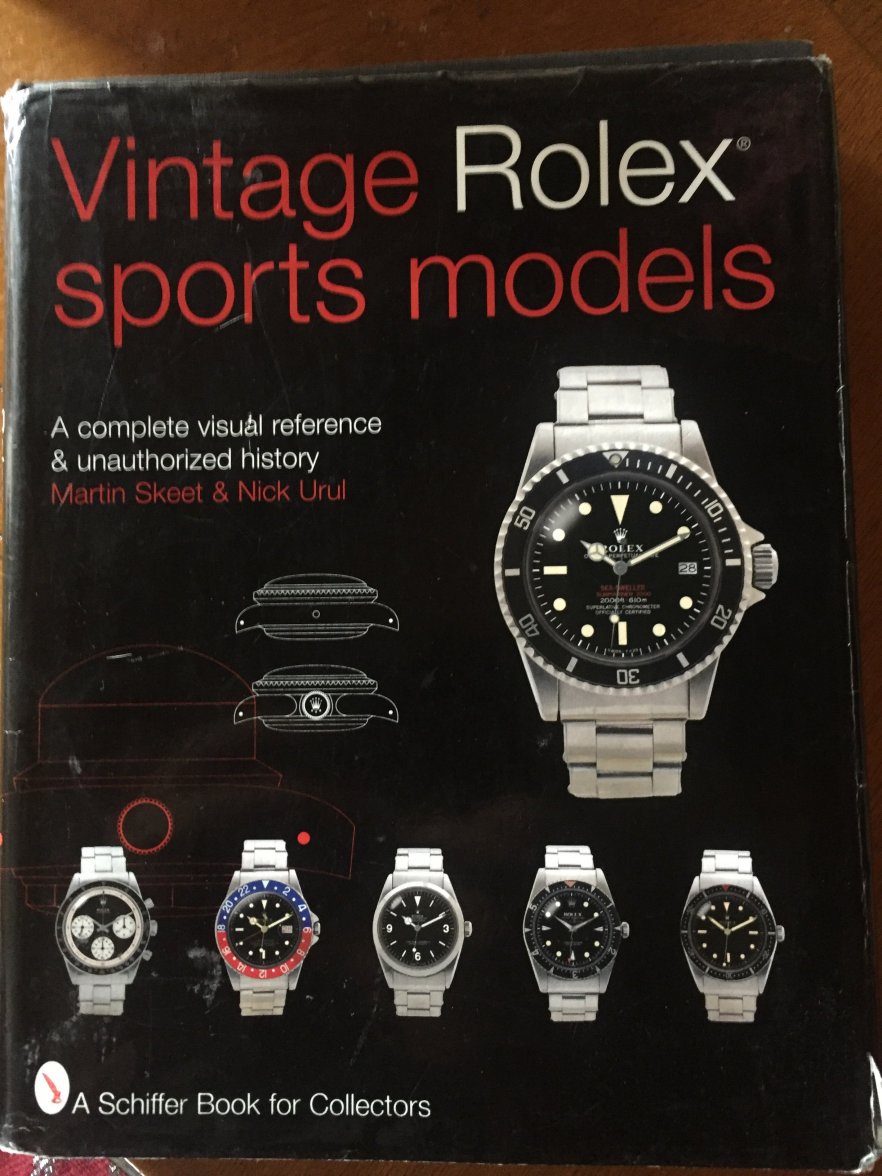
Rolex is one of the most globally recognized brands, so it is not surprising that is frequently counterfeited. And it has been for quite some time. There are obvious fakes, really good fakes, Franken-watches, honest or terrible redialed watches and everything in-between. To acquire a proper vintage Rolex, you will need to either be very lucky, or you will require the experience that comes from years of nerdy obsession or you will need to pay someone very well for their knowledge to guide you. For either route, I suggest that Colin White’s
Vintage Rolex Field Manual should be your guide to navigate the esoteric minefield that lies ahead of you.
By design, the
Vintage Rolex Field Manual - Chevalier Edition is not a coffee table book full of pictures of every known reference. But with that said, it is a pleasant-looking and attractive book. The book comes in print and digital, with the digital format seeming to be a PDF of the print version. I imagine that the print version is a more relaxing reading experience. In the Apple Book version on my iPad Air, the two or three column pages were a bit clumsy to navigate and size, and I was always happy to turn to a single column page. So, there is a trade-off from having a digital guide vs print, but given that this is a reference book, I’d choose digital again, absolutely.
White (AKA
@morningtundra) has clearly done a tonne of work pulling together this content. The book’s introduction tells you honestly if this book is for you. And if you are simply
into watches, even if you don’t have a plan to buy a Rolex, you will find this book Interesting in its own rite.
The book focuses mainly on the Rolex models most coveted by collectors, the Explorers, Submariners, Day-Dates and the like. This is a playground that I personally do not have a budget set aside for. If you are considering pursuing a classic collectors piece, then all the goods to prepare you are included here for the taking. As a bonus, you’ll also learn how to consider which of today’s product line may become tomorrow’s collectors classics.
My eye is on the underdogs and the more modestly priced vintage Rolex family. Pocket watches and some of the lesser known classics are touched on early in the book, but in Chapter 8 we finally get deeper into these classics and crossovers. These non-sport, non-tool watches that known as the oyster precisions, perpetuals and bubblebacks etc are covered with good detail, as are all the movement charts and timelines you could ever want.
Throughout the book you will find a lot of interesting content, in pictures, text, timelines and charts. The book explores the history of the Rolex product line, Rolex in space and other accomplishments of their marketing department. White weaves an interesting story into the data that he’s pulled together. What makes some models and lines so collectible - and why does the font, the number of lines of text, finish of the dial etc etc matter? You’ll find out.
And not just watches. The book guides you with text and with charts through the interesting world of bracelets, clasps, end links and straps, even a chart of spring bar sizes and product #s. This is a very handy reference. You will even get a primer on servicing guidelines.
I think that White’s book trains you how to train yourself. You’ll learn what you know, and what you don’t know. From the nuances of what finishes should be found on certain references, to the downfalls of pitting on the watch’s case, to how to seek help on online forums and so very much more. You’ll learn to hunt for your Rolex by look, by lists, and in the case of evaluating box & papers you’ll even learn to hunt by smell. Fascinating.
I suspect that this book will be an interesting and useful read for more experienced collectors. Certainly it will make a great gift for that special someone who is “into” Rolex or vintage watches in general. If you want a solid foundation on how to buy a vintage Rolex, or if just want to enjoy the history of Rolex, then invest the time in reading this. Guaranteed you will make a smarter purchase, enjoy your watch more, and you’ll have a clue when talking to other collectors about their watches, too. Get nerdy, get the Vintage Rolex Field Manual.