- Posts
- 7,687
- Likes
- 22,041
Syrte
·Even as a budding Longines enthusiast a few years ago, it didn't take too long to notice the watches called "tre tacche", which seemed to be the subject of significant hype - which by now has turned into speculative frenzy.
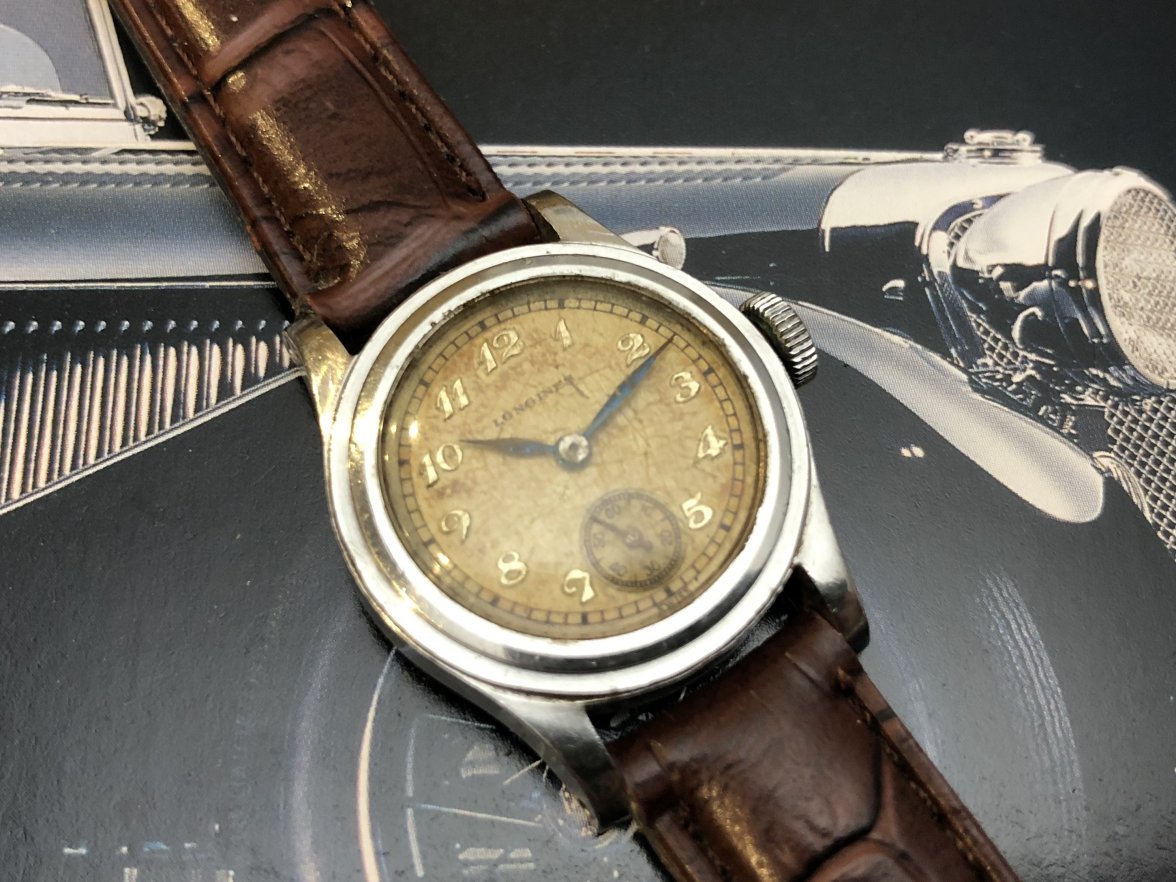
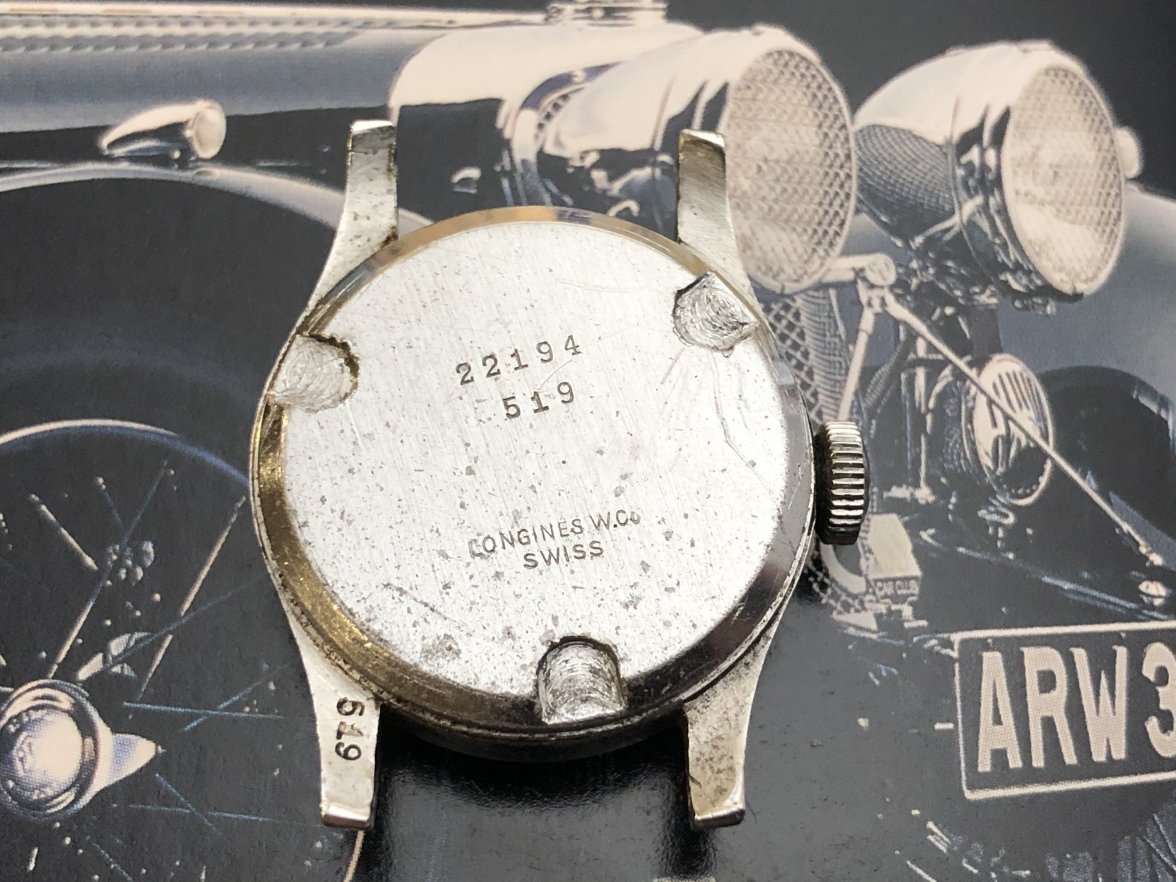
As many already know, tre tacche is a label invented and popularized by Italian collectors (as I understand in the past 20 years or so), which means “three notches”- referring to the number of notches on the screwed back.
One of its other key design traits however, is the distinctive flat, sharp, and frankly very «art deco » shape of its stepped bezel. Art deco, IMHO, due the combination of the step and the parallel lines- key design features you can find running along the Empire State building for example.
It should be noted that two types of stepped bezel are found on tre tacche watches— as collectors have observed:


At this point I should clarify that this post is not intended to be a general review of tre tacches and all of their features. For two reasons:
To be clear, this discovery will not end the ailments of the world, but still a source of “geek joy” for a Longines enthusiast. Also, and while I was at it, I found out the terminology Longines uses for the bezel of the second type (see below).
This find was made possible during a public presentation of the Longines Electronic Archive. I had been fortunate some years ago to receive a private introduction of the archive (thanks to Stephanie Lachat), but at the time the abundant technical details abbreviated in French horological lingo completely escaped me.
This year however, during a new Longines presentation, the technical words had become meaningful.
As I saw a chronograph entry, the following abbreviation jumped at me: “lun. disque”.
Suddenly I thought "Lun." had to mean “lunette disque”, ie “disc bezel”.
The chronograph in question had a bezel identical to the flat tre tacche bezel. (Private collection, no picture).
So could “disc bezel” be the Longines name for the now iconic flat tre tacche bezel?
A broader confirmation was needed to convince skeptics.
First I went back to archives for my own pink 33mm time only watch. Sure enough, “lun. disque” appeared in the entry, beginning to confirm my hunch.
Here is serial 6156709, ref 4866.

Jennifer Bochud, the lovely Longines Museum Curator, was kind enough to indulge the research project and to check over a dozen additional entries across all types of references, including those below.
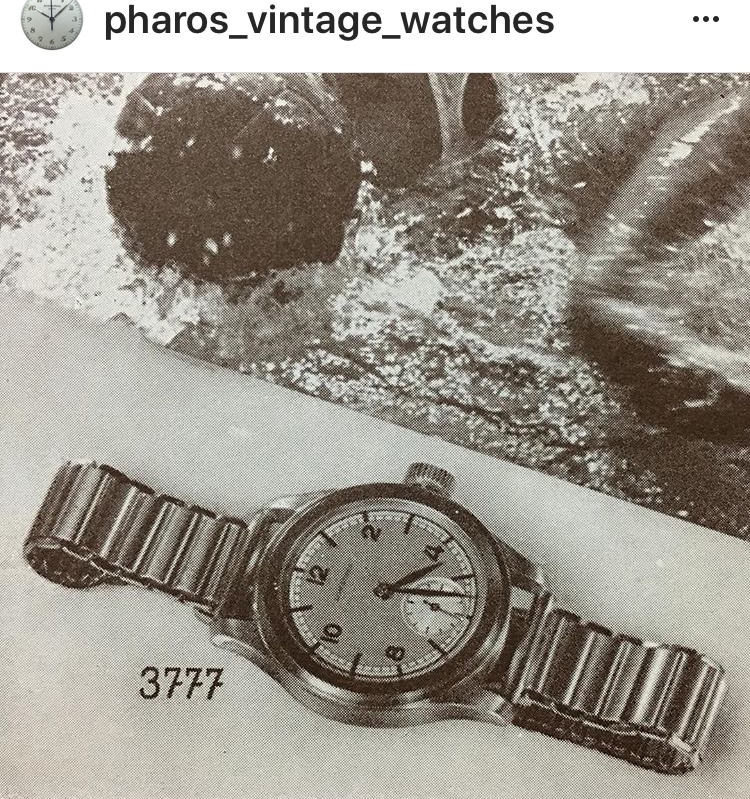
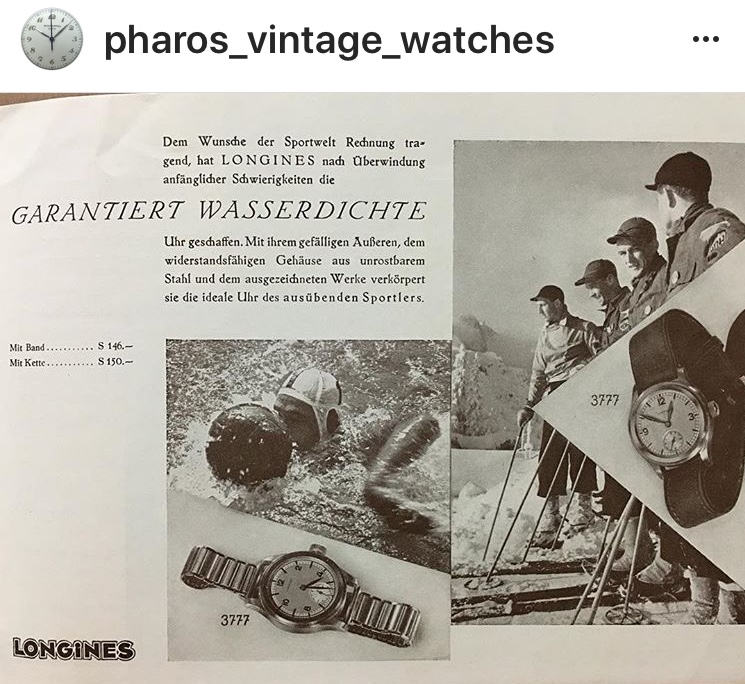
And so ladies and gentlemen, let me introduce to you the Longines “disc bezel” - which is the name Longines watchmakers once upon a time called the flat bezel on tre tacche time only and chronograph watches.
Note all those watches identified as having a “disc bezel” are also mentioned as “waterproof” (“etanche”in French) in the archive.
-5701176- tre tacche 35mm- credit “Shuck the Oyster” -dual tone dial-5701176 : “référence 3864, lunette disque, étanche”

-5899439- tre tacche 35mm-silver dial- courtesy “@Fost”
-“référence 4142, lunette disque, étanche”

-6’398’716-Phillips tre tacche 13ZN- black- auction 14 may 2016
-“référence 4974, lunette disque, étanche”


-5765795- 13ZN Mushroom pusher- ref 4270- credit Roy & Sacha Davidoff
“référence 4270, lunette disque, étanche”
While this chronograph is not a "tre tacche" case back, it shares the flat stepped bezel with the tre tacche chronograph.
http://www.db1983.com/our-archive/longines-13zn-mushroom-pusher-1939

-6181988- 30mm tre tacche US market caliber 10L- courtesy “DirtyDozen12”
6181988 : référence 4776, lunette disque, étanche
- 6112367 : « référence 4748, lunette disque, étanche »
- tre tacche medium 32.5mm-(Sold publicly).
Already published on OF below.
https://omegaforums.net/threads/watches-with-applied-sector-dials.92546/
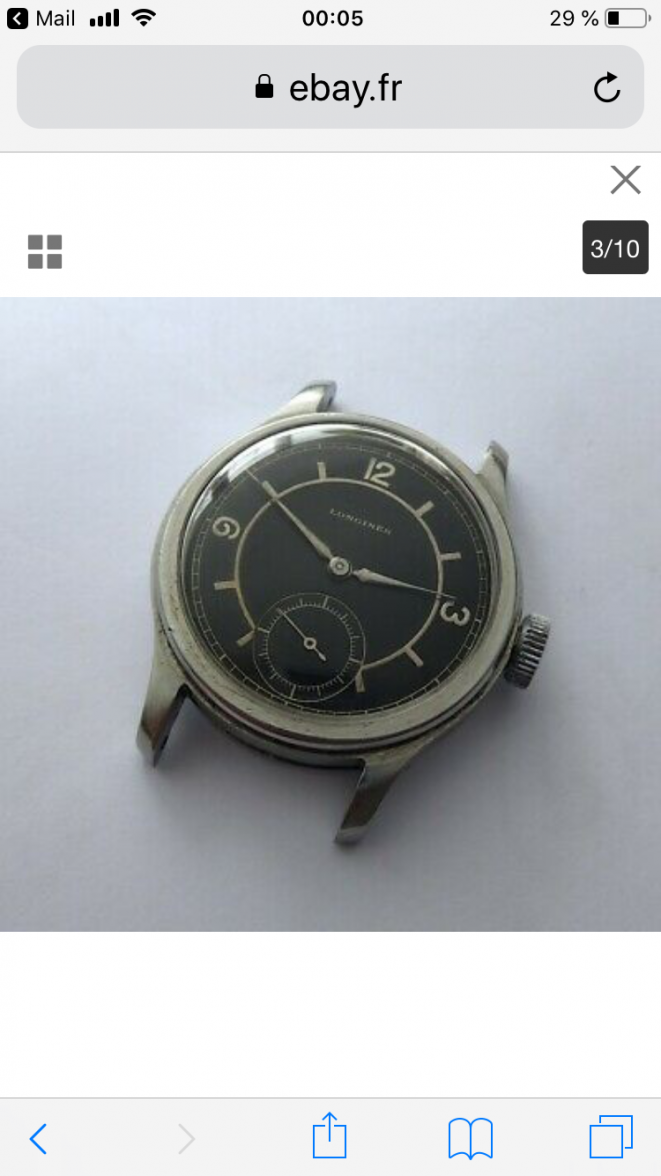
It should be noted that by contrast to the «disc bezel», there are other very nice stepped bezel bearing different descriptions.
Examples of non « disc » stepped bezels :
-serial 5438986- gold sector dial- Public auction sale picture - not «lunette disque »-
“référence 3820, lunette cubique en retrait sur lunette plate”- Described as “cubic bezel recessed on flat bezel”(my translation).
(I briefly owned the watch but returned it because it was too big for what I wanted)

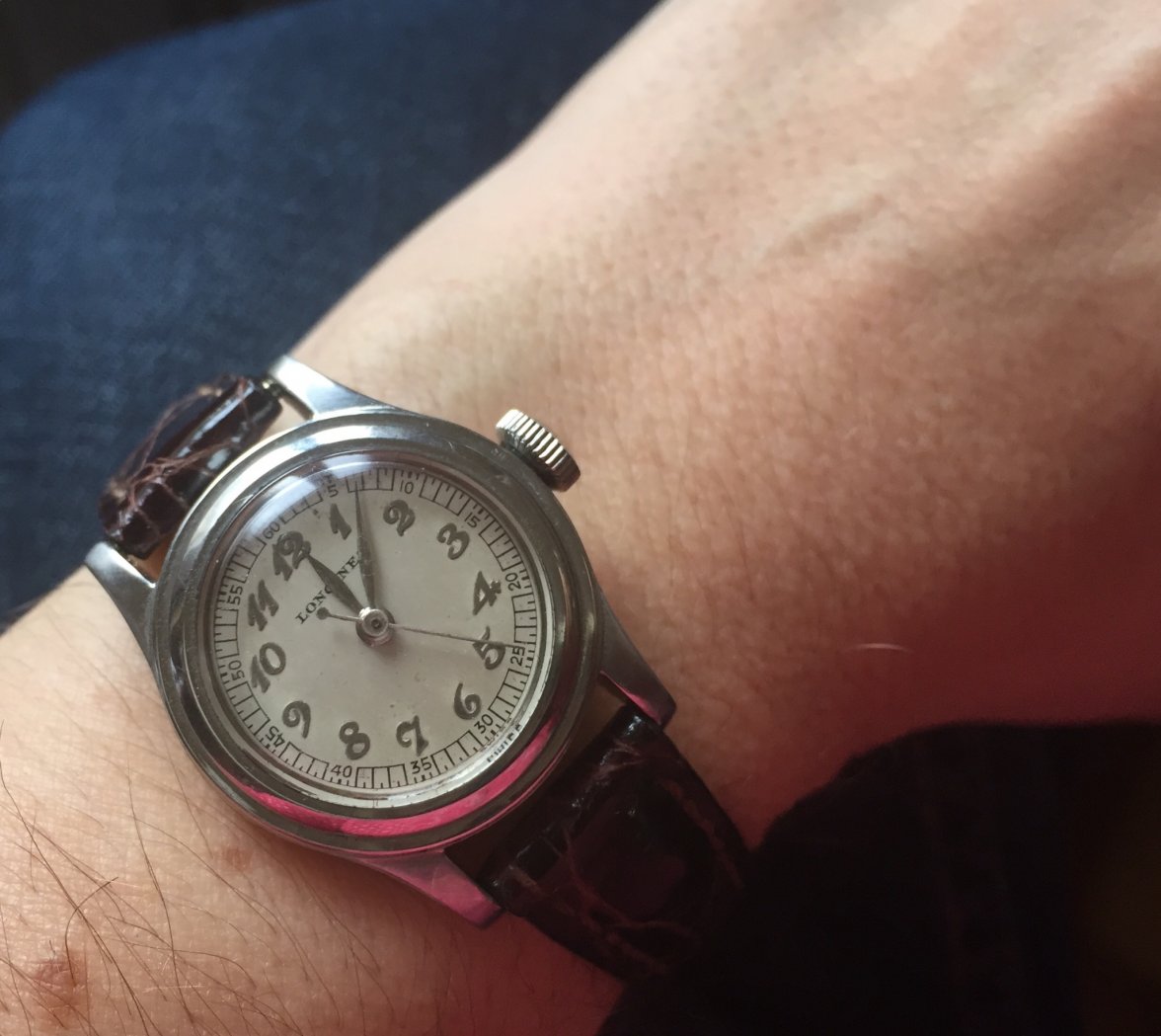
Tre tacche bezels of the second type:
-6’419’485- micro lady tre tacche US 1943-(mine):
“référence 4807, lunette bis et fac (biseau et facette), étanche”
My translation: “beveled and facet bezel”
-35mm tacche with art deco dial and beveled step bezel,
"6457580 : référence 5182, lunette biseau & facette" ie "beveled and facet bezel"
Picture publicly posted on a classified board.
I hope you have enjoyed as I have this linguistic exploration inside a bygone era of Longines’ manufacturing terminology, with thanks again to Longines' Stéphanie Lachat, Jennifer Bochud, the Longines Museum, and the Longines Brand Heritage team including its fabulous vintage watchmakers.
For now I will leave you with an even more fresh discovery....
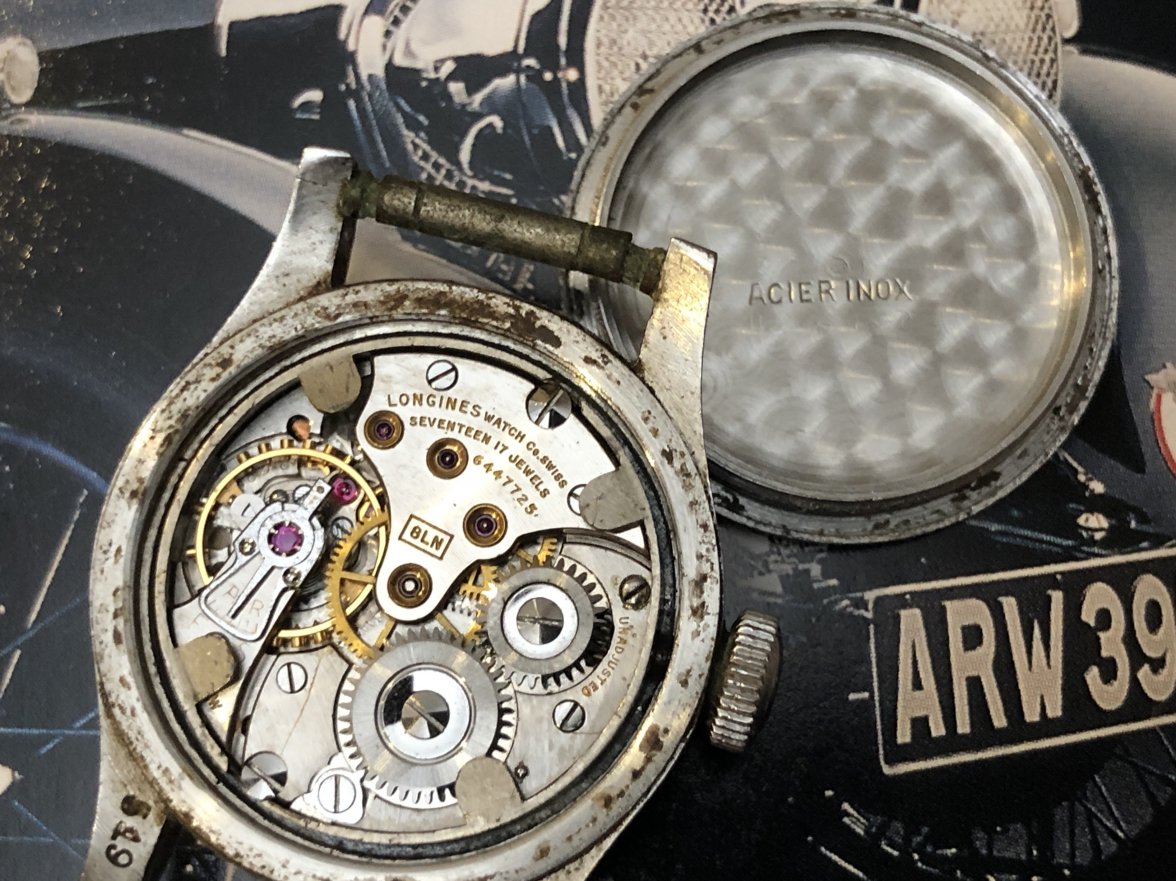
in the amazing Longines archive, I have also found the words « trois clefs de fixation ».
In English it means «three fixation keys».
I will let you guess what that means.
Best regards and happy holidays to all,
S
As many already know, tre tacche is a label invented and popularized by Italian collectors (as I understand in the past 20 years or so), which means “three notches”- referring to the number of notches on the screwed back.
One of its other key design traits however, is the distinctive flat, sharp, and frankly very «art deco » shape of its stepped bezel. Art deco, IMHO, due the combination of the step and the parallel lines- key design features you can find running along the Empire State building for example.
It should be noted that two types of stepped bezel are found on tre tacche watches— as collectors have observed:
- 1/ The first type of stepped bezel is flat, and can also be found on some 13ZN chronograph references also nicknamed « tre tacche 13ZN”.
- 2/ The second type is a beveled stepped bezel, flat on top but with a slanted cut on its outer edge, going all around. Like so (picture publicly posted on a classified board):
At this point I should clarify that this post is not intended to be a general review of tre tacches and all of their features. For two reasons:
- 1/ That work has been done in part by other people, and I have no interest in appropriating or rehashing other people’s work and findings (contrary it seems to many on forums or watch blogs and magazines, but that’s another matter);
- 2/ also I believe in the value of individual research and learning when it comes to vintage watches.
To be clear, this discovery will not end the ailments of the world, but still a source of “geek joy” for a Longines enthusiast. Also, and while I was at it, I found out the terminology Longines uses for the bezel of the second type (see below).
This find was made possible during a public presentation of the Longines Electronic Archive. I had been fortunate some years ago to receive a private introduction of the archive (thanks to Stephanie Lachat), but at the time the abundant technical details abbreviated in French horological lingo completely escaped me.
This year however, during a new Longines presentation, the technical words had become meaningful.
As I saw a chronograph entry, the following abbreviation jumped at me: “lun. disque”.
Suddenly I thought "Lun." had to mean “lunette disque”, ie “disc bezel”.
The chronograph in question had a bezel identical to the flat tre tacche bezel. (Private collection, no picture).
So could “disc bezel” be the Longines name for the now iconic flat tre tacche bezel?
A broader confirmation was needed to convince skeptics.
First I went back to archives for my own pink 33mm time only watch. Sure enough, “lun. disque” appeared in the entry, beginning to confirm my hunch.
Here is serial 6156709, ref 4866.
Jennifer Bochud, the lovely Longines Museum Curator, was kind enough to indulge the research project and to check over a dozen additional entries across all types of references, including those below.
And so ladies and gentlemen, let me introduce to you the Longines “disc bezel” - which is the name Longines watchmakers once upon a time called the flat bezel on tre tacche time only and chronograph watches.
Note all those watches identified as having a “disc bezel” are also mentioned as “waterproof” (“etanche”in French) in the archive.
-5701176- tre tacche 35mm- credit “Shuck the Oyster” -dual tone dial-5701176 : “référence 3864, lunette disque, étanche”
-5899439- tre tacche 35mm-silver dial- courtesy “@Fost”
-“référence 4142, lunette disque, étanche”
-6’398’716-Phillips tre tacche 13ZN- black- auction 14 may 2016
-“référence 4974, lunette disque, étanche”
-5765795- 13ZN Mushroom pusher- ref 4270- credit Roy & Sacha Davidoff
“référence 4270, lunette disque, étanche”
While this chronograph is not a "tre tacche" case back, it shares the flat stepped bezel with the tre tacche chronograph.
http://www.db1983.com/our-archive/longines-13zn-mushroom-pusher-1939
-6181988- 30mm tre tacche US market caliber 10L- courtesy “DirtyDozen12”
6181988 : référence 4776, lunette disque, étanche
- 6112367 : « référence 4748, lunette disque, étanche »
- tre tacche medium 32.5mm-(Sold publicly).
Already published on OF below.
https://omegaforums.net/threads/watches-with-applied-sector-dials.92546/
It should be noted that by contrast to the «disc bezel», there are other very nice stepped bezel bearing different descriptions.
Examples of non « disc » stepped bezels :
-serial 5438986- gold sector dial- Public auction sale picture - not «lunette disque »-
“référence 3820, lunette cubique en retrait sur lunette plate”- Described as “cubic bezel recessed on flat bezel”(my translation).
(I briefly owned the watch but returned it because it was too big for what I wanted)
Tre tacche bezels of the second type:
-6’419’485- micro lady tre tacche US 1943-(mine):
“référence 4807, lunette bis et fac (biseau et facette), étanche”
My translation: “beveled and facet bezel”
-35mm tacche with art deco dial and beveled step bezel,
"6457580 : référence 5182, lunette biseau & facette" ie "beveled and facet bezel"
Picture publicly posted on a classified board.
I hope you have enjoyed as I have this linguistic exploration inside a bygone era of Longines’ manufacturing terminology, with thanks again to Longines' Stéphanie Lachat, Jennifer Bochud, the Longines Museum, and the Longines Brand Heritage team including its fabulous vintage watchmakers.
For now I will leave you with an even more fresh discovery....
in the amazing Longines archive, I have also found the words « trois clefs de fixation ».
In English it means «three fixation keys».
I will let you guess what that means.
Best regards and happy holidays to all,
S
Edited: