- Posts
- 661
- Likes
- 2,029
Kargol
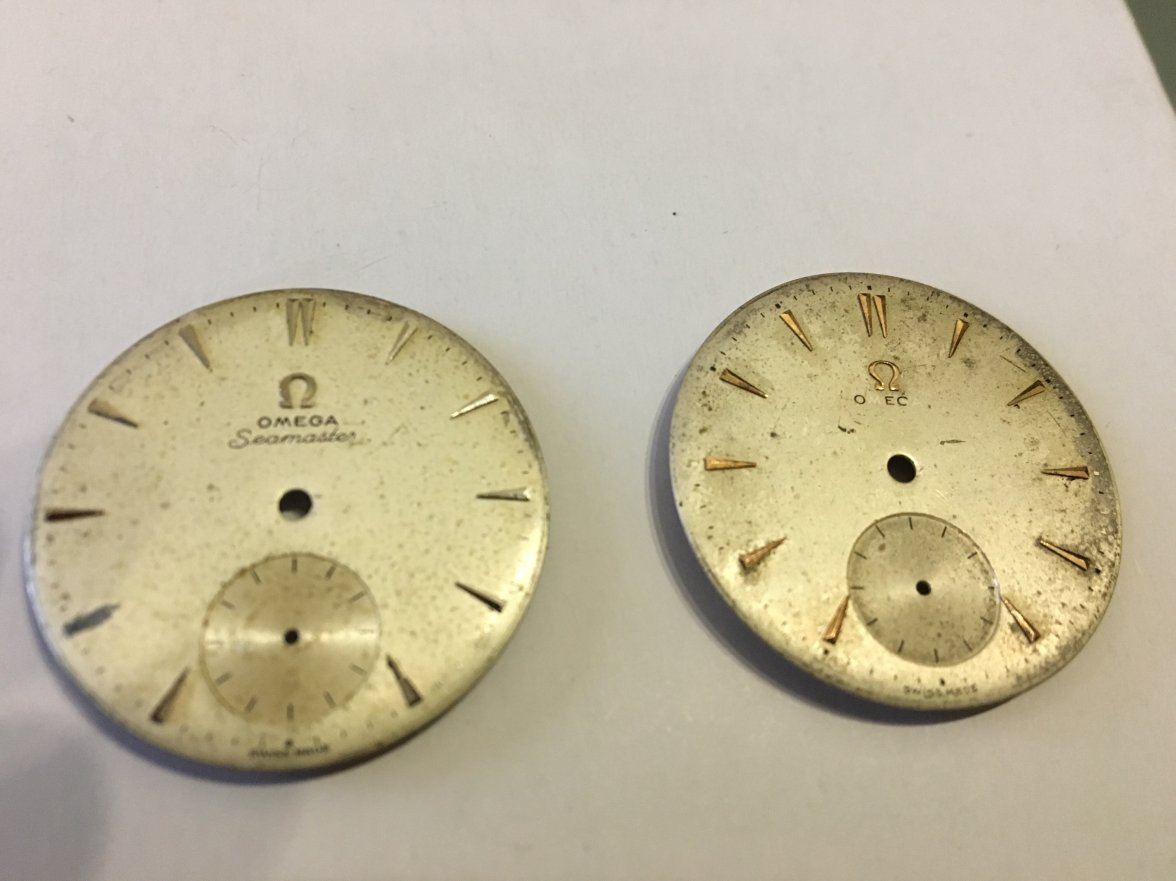
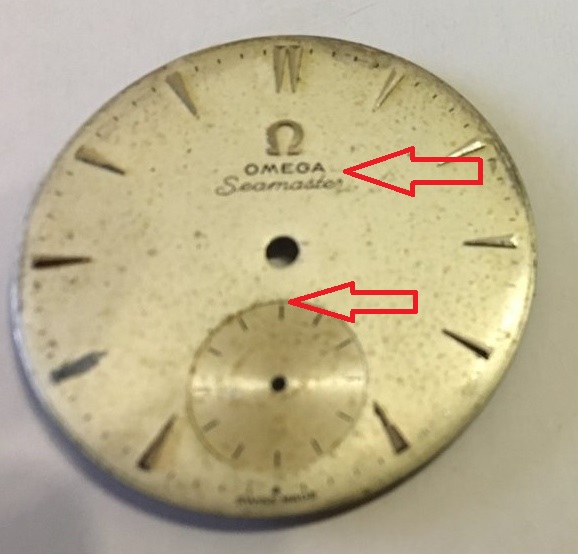
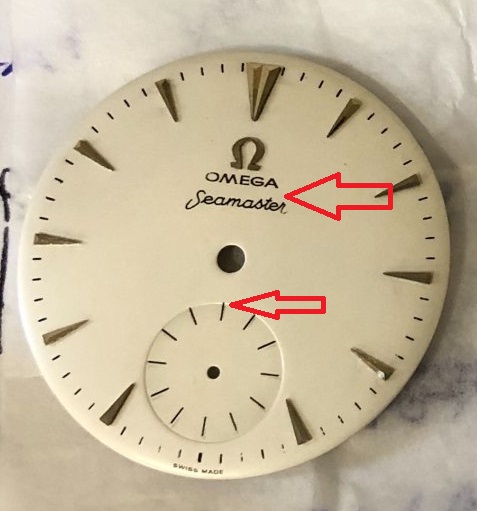
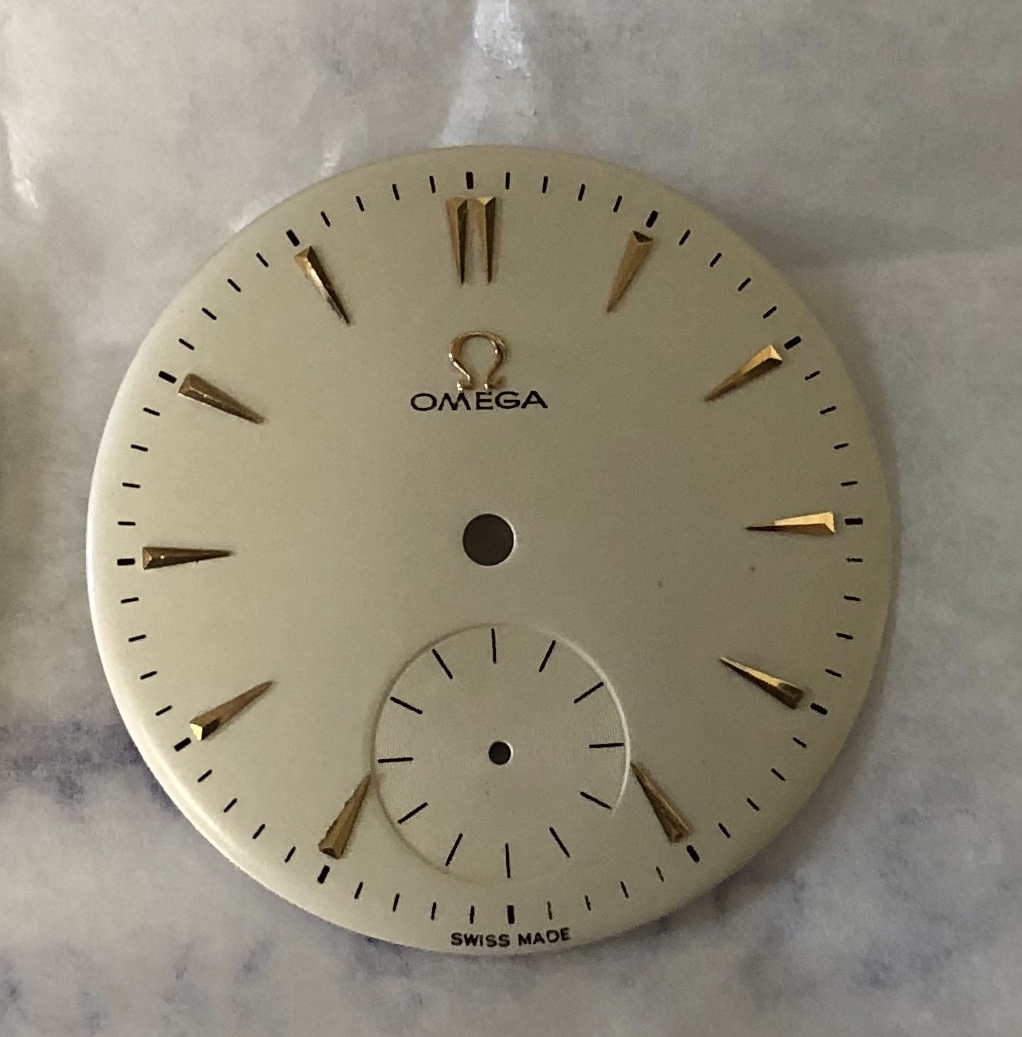
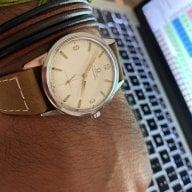
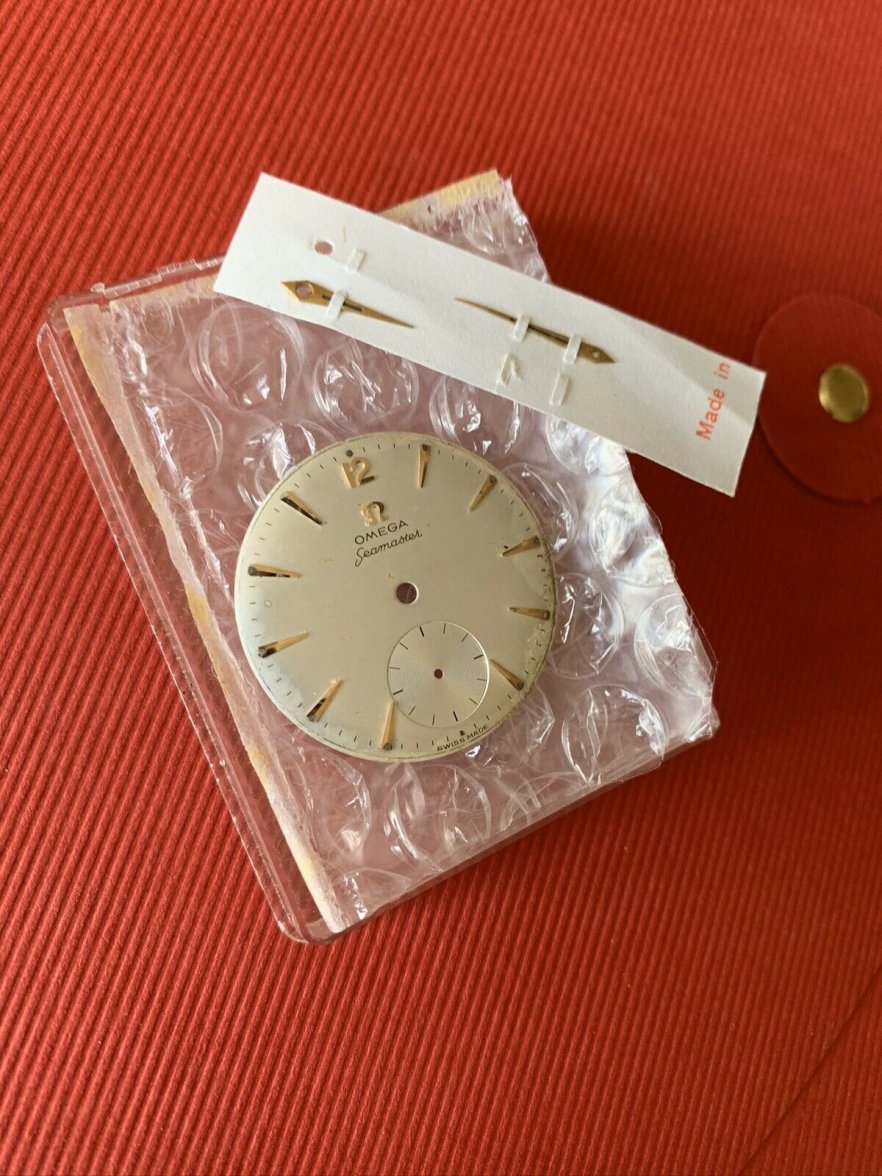
·Let's see if this is a redial(is it?)
Please consider donating to help offset our high running costs.

My friend Andy,
I also get you point. However when you buy a watch you will almost never have the opportunity to compare it with an original.
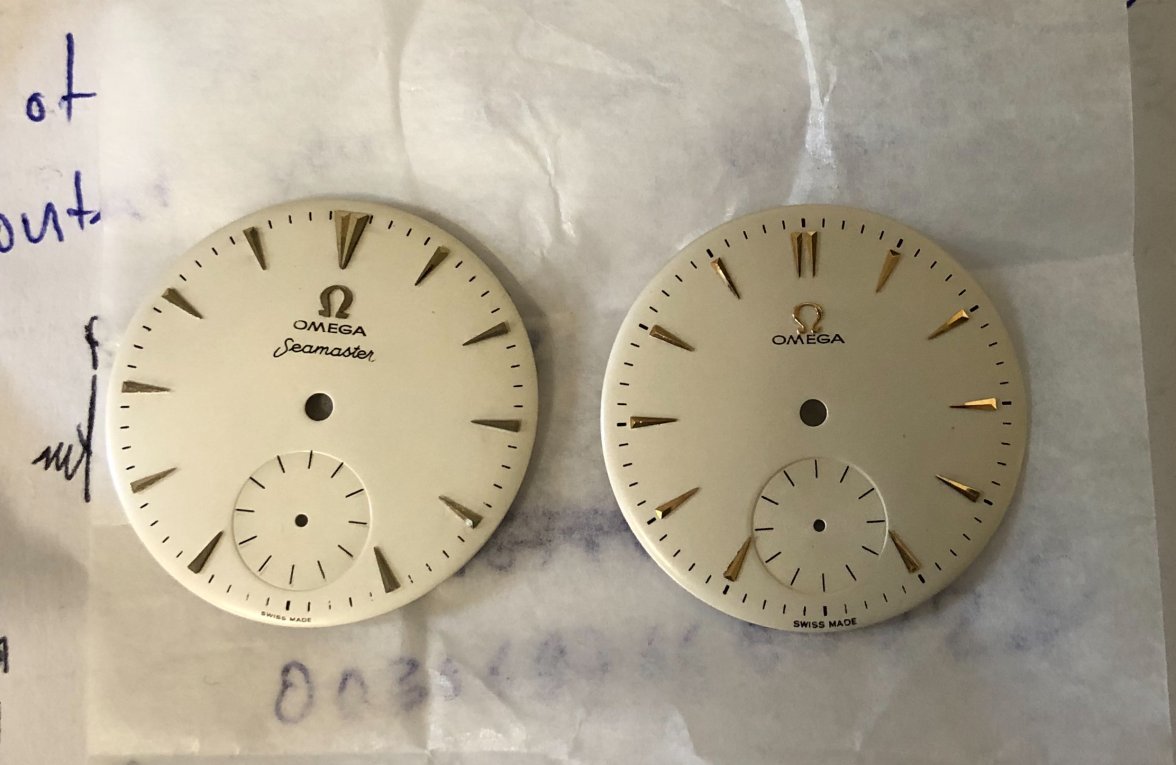
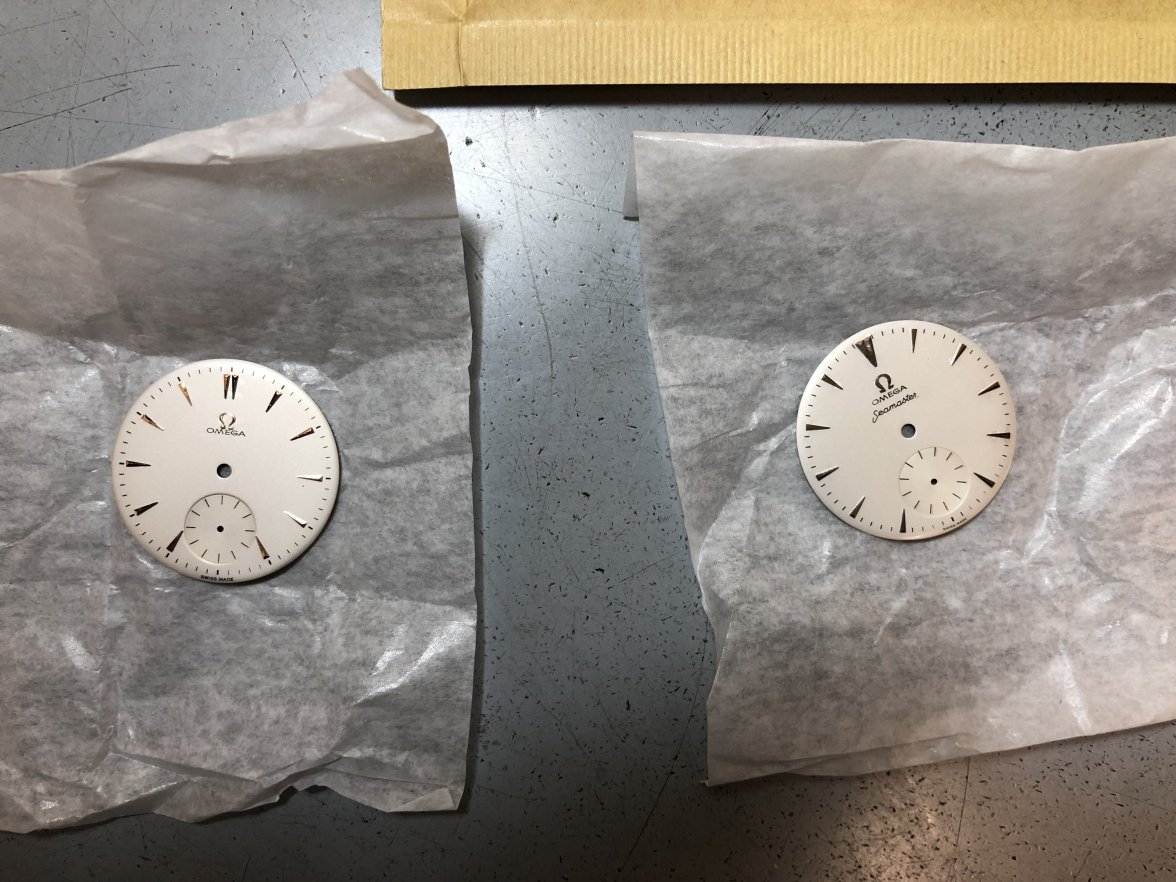
I am surprised that you guys are insisting on criticising my post, instead of looking at what inexperienced buyer might get from a few of you replies about thickness of minute ticks, distance of Omega Logo, and other points that have been mentioned in this thread.

My friend Andy,
I also get you point. However when you buy a watch you will almost never have the opportunity to compare it with an original. I am surprised that you guys are insisting on criticising my post, instead of looking at what inexperienced buyer might get from a few of you replies about thickness of minute ticks, distance of Omega Logo, and other points that have been mentioned in this thread.
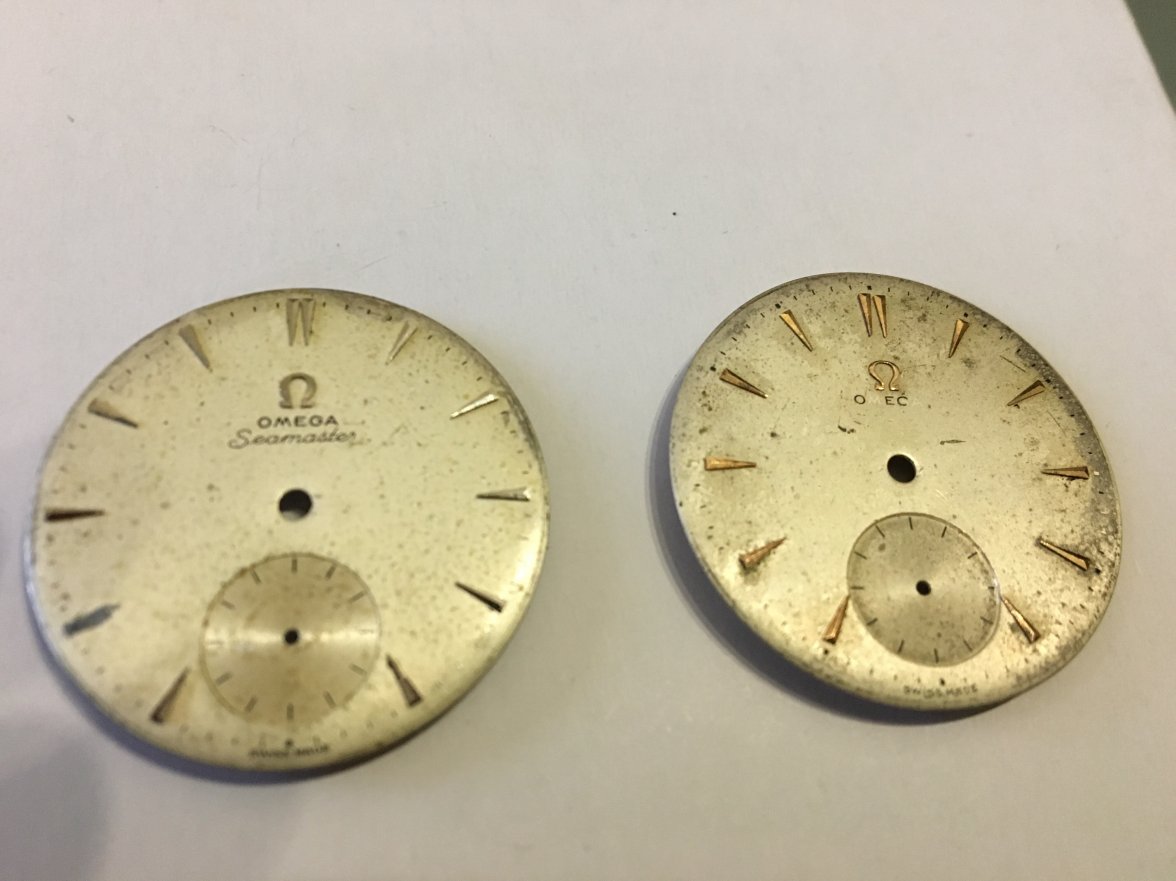
Let's see if this is a redial(is it?)
Where to start....
Not sure why you'd think that? If you know the reference number and the calibre number, then you can start researching. And then you almost always have the opportunity to compare it with the original. Maybe you won't see an exact match to the dial - Omega made lots of dial variants - but you'll see patterns.
Nobody is criticizing your post. I was trying to help you learn to figure this stuff out on your own, but you seem convinced on on your own approach so have at it.👍

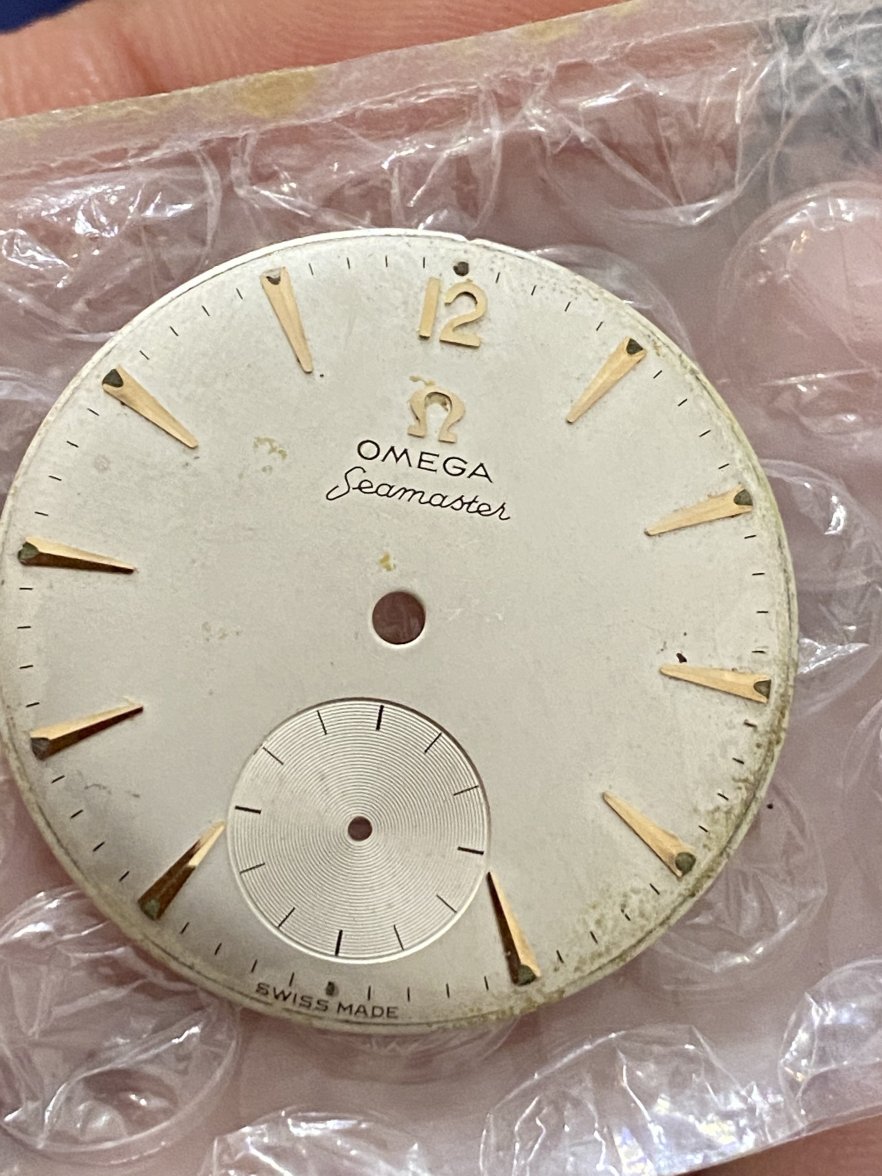
And the next step is to post better photos of dials you want opinions on. Zoom in more so there is a good hi-rez pic of mainly just the dial. And straight-on is best.
There are signs of degradation around the edges here, which make me think this is probably the original finish. The Seamaster font looks like it is probably correct as well. But I would not hang my hat on that without better photos.

Are you collecting dials?
Some hints: "Knowing how the font looks like on the reference you are researching will help you quite a lot, especially on Seamasters. Where can you find this info? On Omegaforums, naturally. Do a search and spend some time smarting up. Other tells are minute marks that are of varying thickness and length and light green lume plots. The original radium lume would have been washed off when the dial was cleaned. A final - and really rather obvious - tip: If it's an old watch, there is little chance that the dial will look virgin white. The light, rather even spotting "suffered" by one example is typical of this particular reference and a good sign of authenticity. Get to know how your targetted watch usually patinates and it will help you in your assesment."
Slightly modified text to try and make sense here but, copyright @ConElPueblo from this thread:
https://omegaforums.net/threads/learn-how-to-fish.52603
It's a vintage forum sticky thread and well worth reading as it will help with you spotting redials.
Good luck, Chris


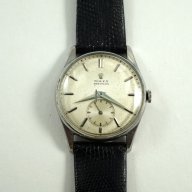

Hi friends,
I would like to start a thread, trying to help me and others, when buying vintage watches.
Please reply to this points:
1. Look at the photo for just some seconds. What is your first thought? Is it a redial? Please just look for some seconds and reply immediately.
2. Take a good look at the photo. If you think it’s a redial can you indicate why? Please write more reasons than one.
3. If this is a redial do you think is a good job?
question for the experts, are the minute markers usually the biggest tell on these redials?