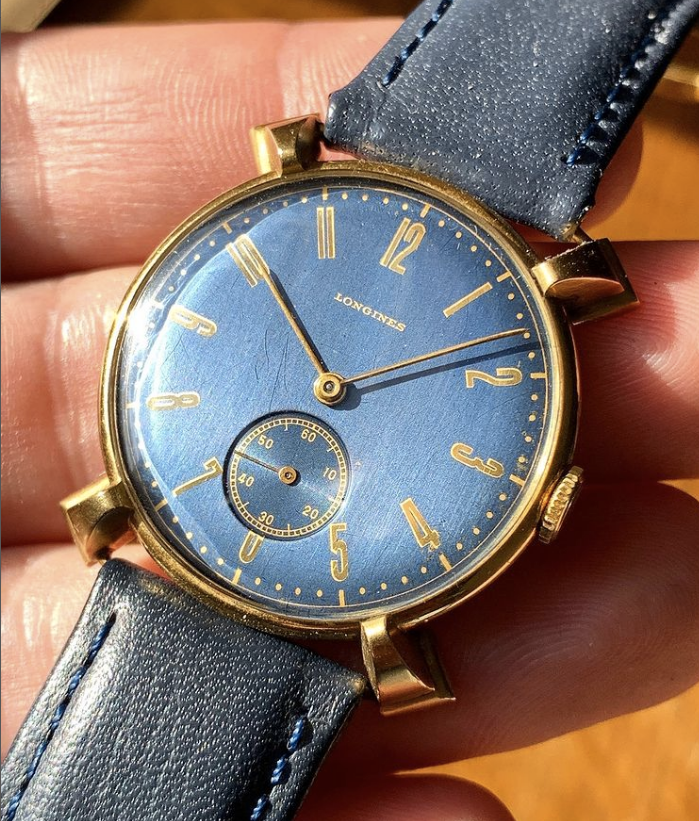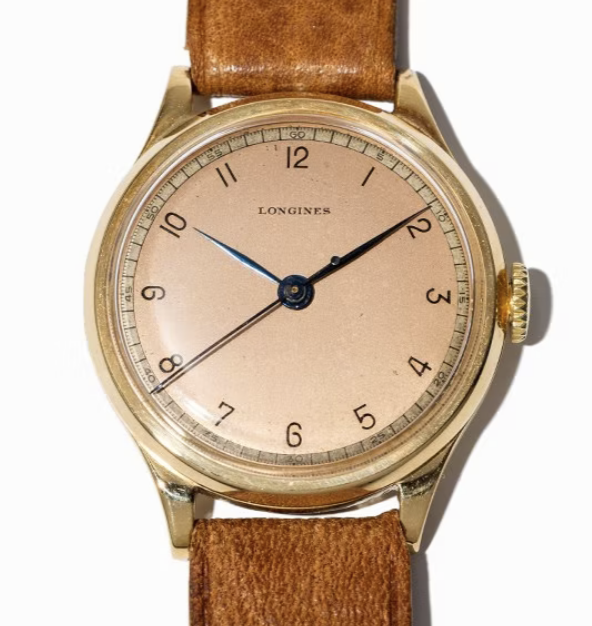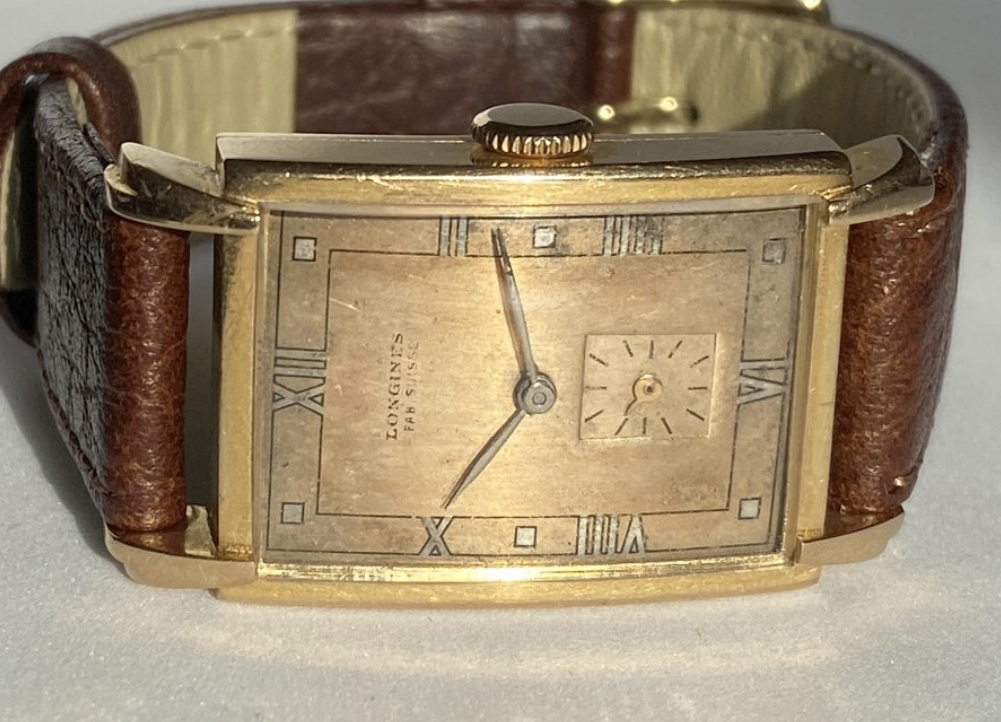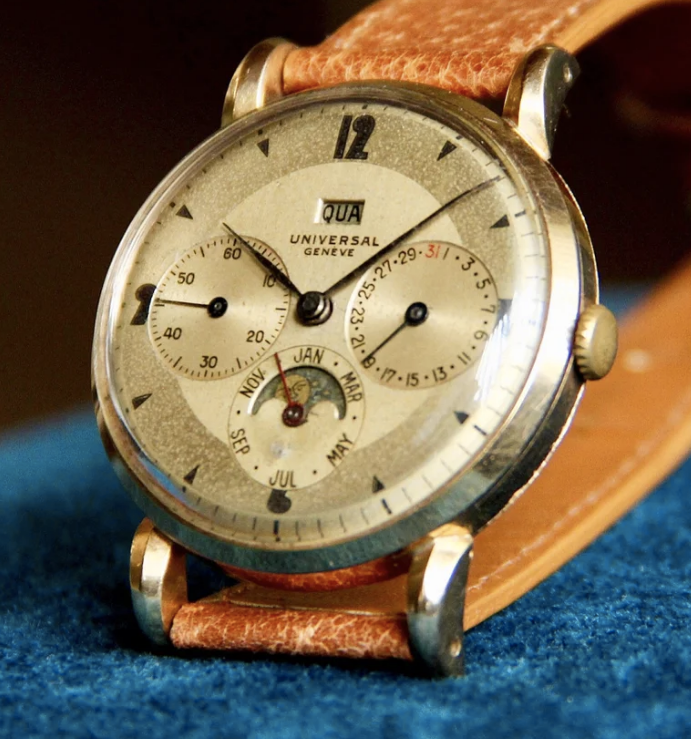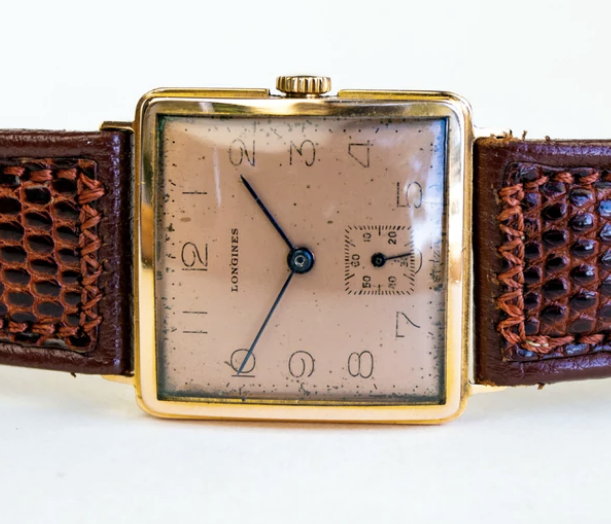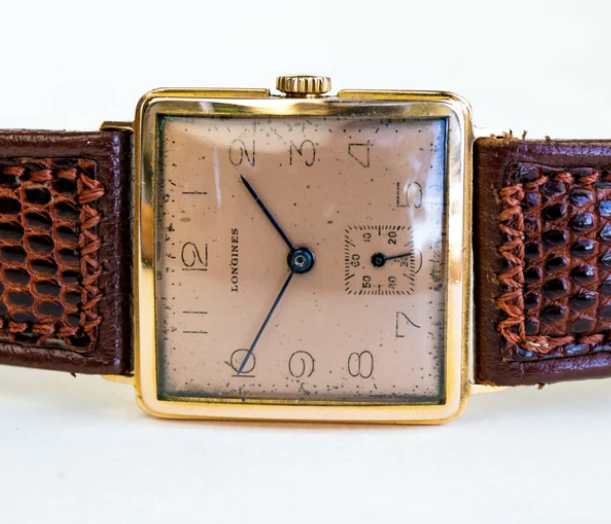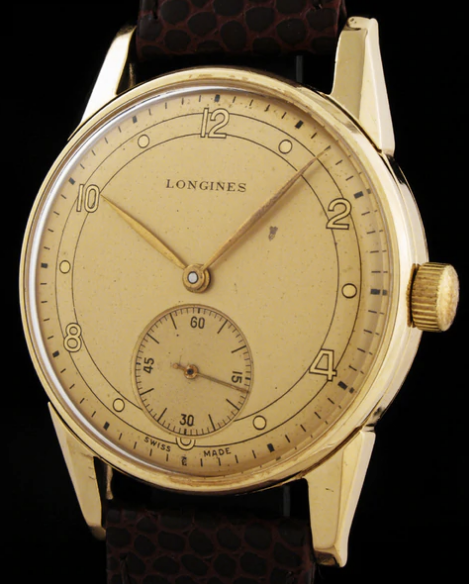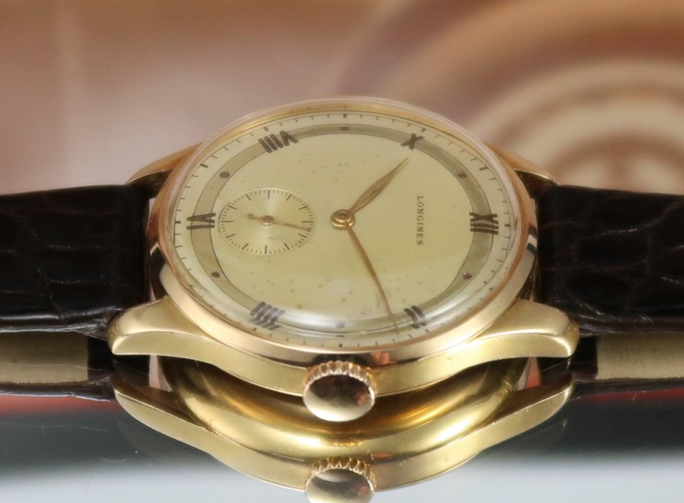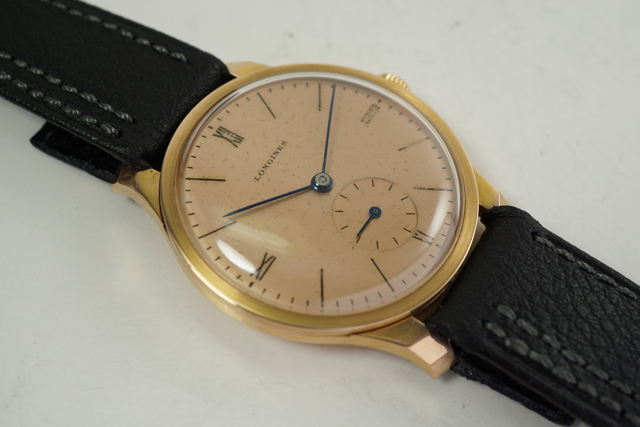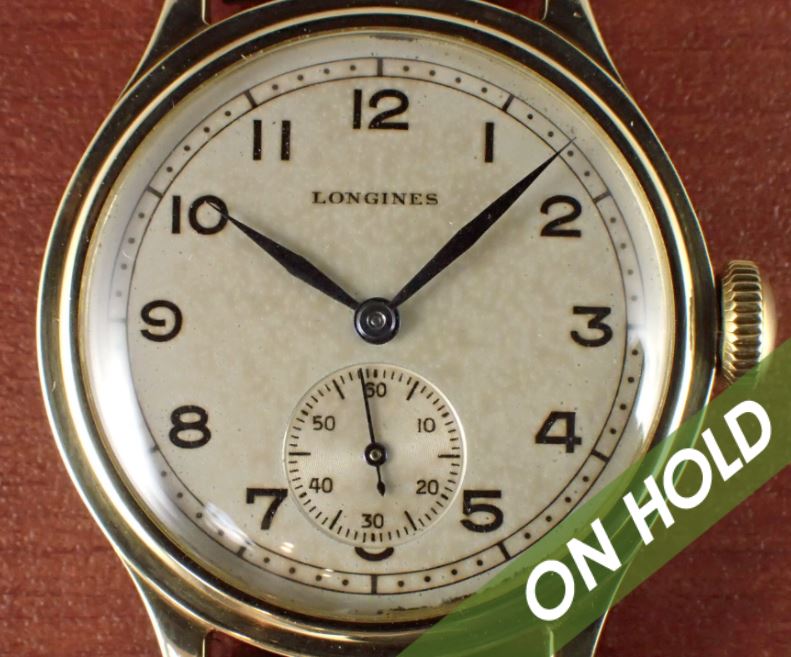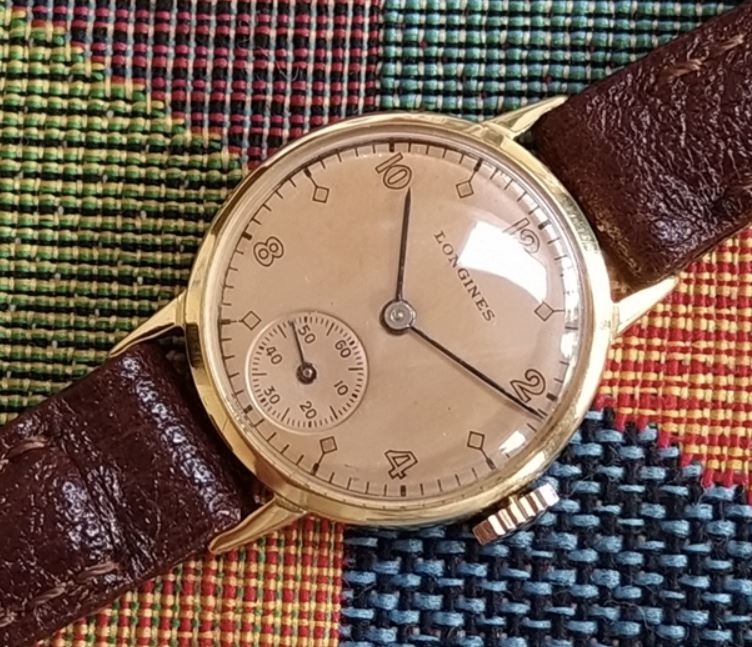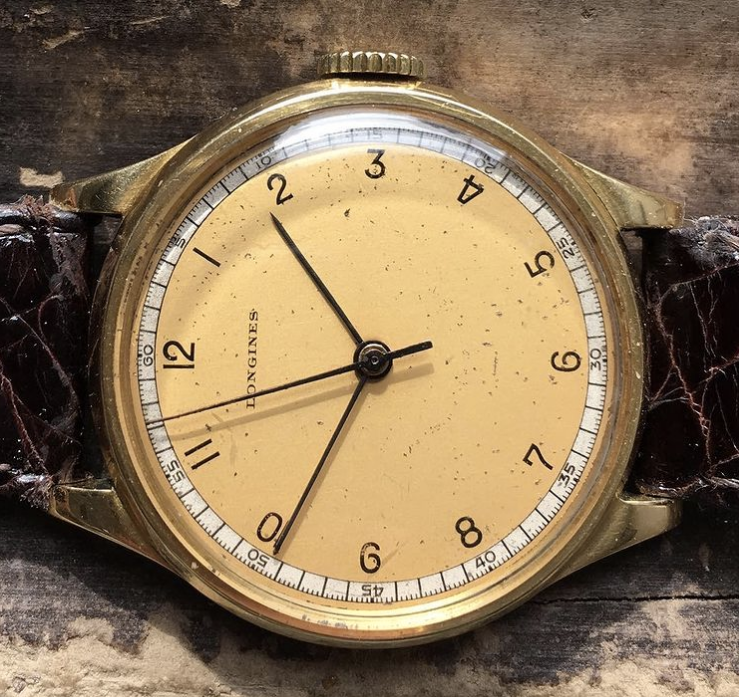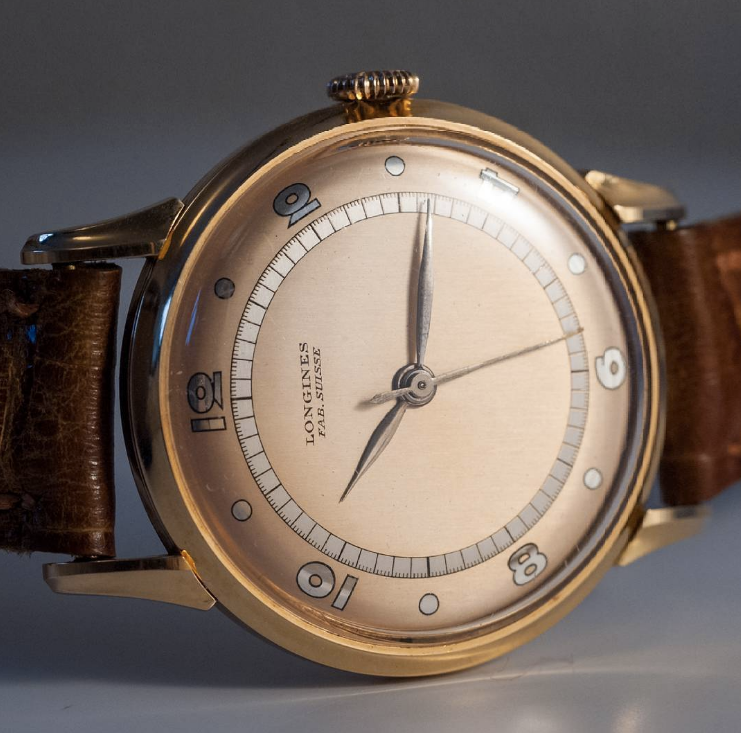
Should I get this 1940s rectangular Longines?

Posts
963
Likes
1,251

Thanks for sharing these links.

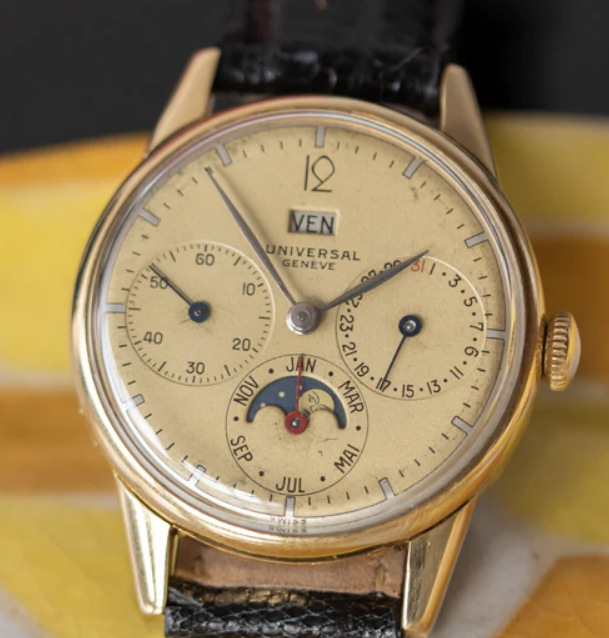
The first watch in your post has the owner wishing he could confirm it's a piece unique. An exceptional piece in multiple senses of the word.

As for the tank, let's not dig into this one. It was sold here, guessing it was bought by a member, we don't need any more hurt feelings.

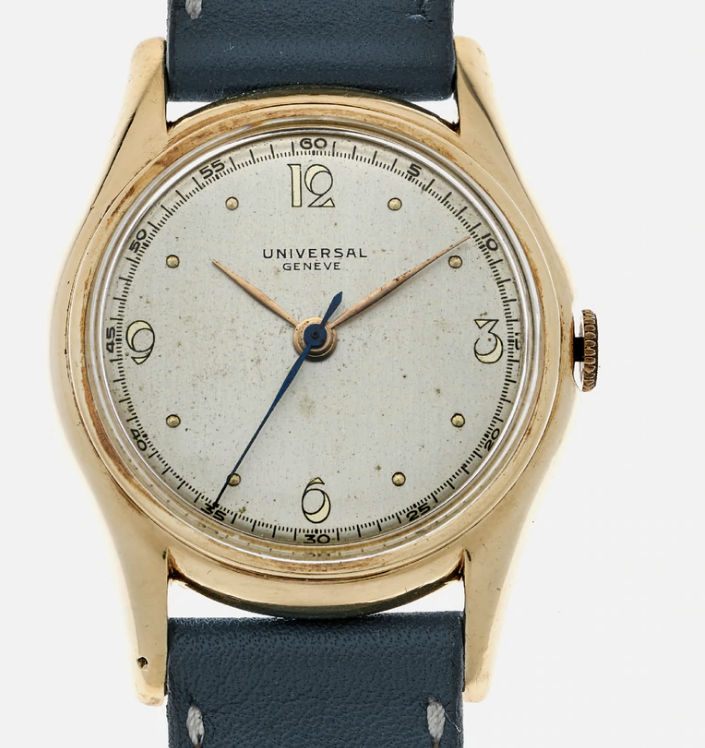
That leaves the the remaining pieces in your post with hands that don't match their cases.

I had been operating under the understanding that gold case watches should contain gold hands. That doesn't seem to apply to these UG calendars.
 
Posts
963
Likes
1,251
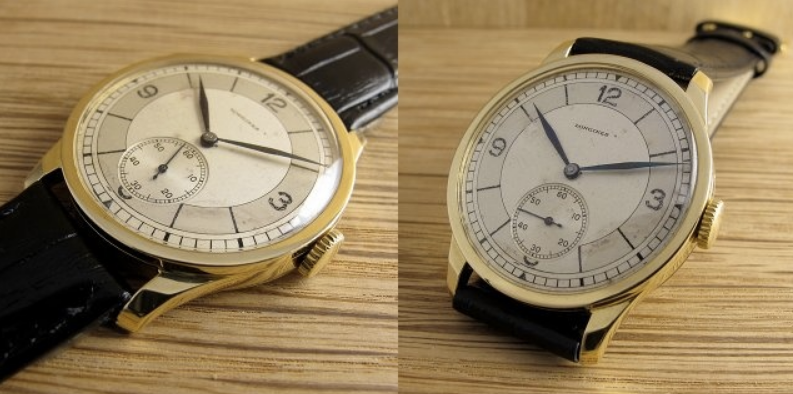
These three are the most interesting to me, as they are Swiss cased, whereas the other Longines appear to be locally cased.

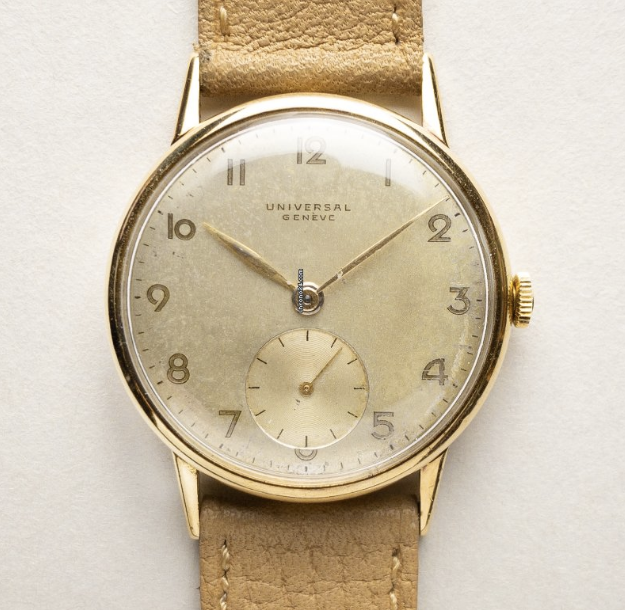
1941 - cal 27.0
x1365575-d87874096e3f0a93188093ade4ca65b9.jpg.pagespeed.ic.9o0fLwC8WJ.webp


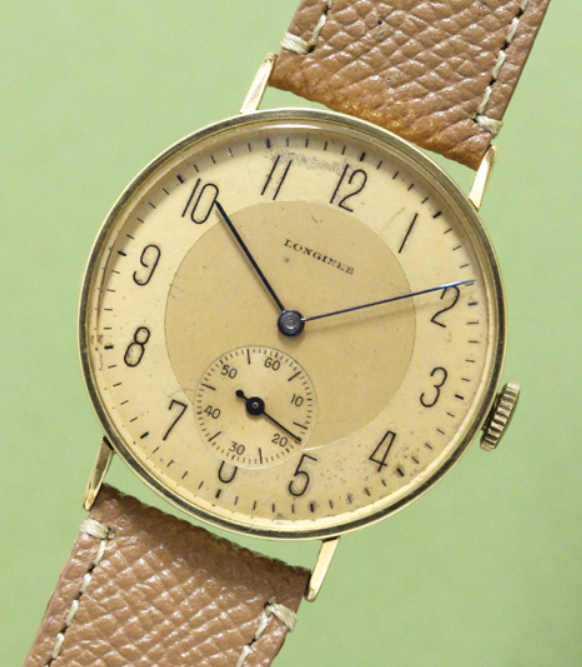
1943 - 5185 cal 27.0 (cal. dispute noted)
x1365623-848089cbe1a96ef166863805095cb871.jpg.pagespeed.ic.klQaTiNF9k.webp

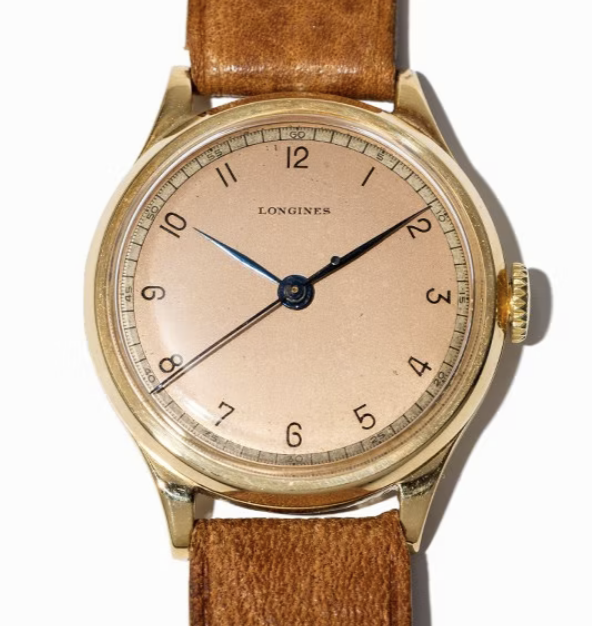
1940 - cal 27
x1365650-85c3bbf12f2026687a41e752ae3a726a.jpg.pagespeed.ic.-8aoYMxZeu.webp


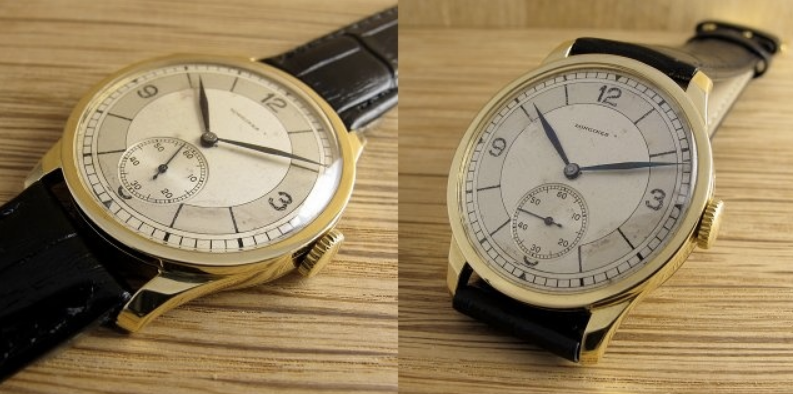
Of the three Longines-cased / Swiss-cased pieces here, all are reportedly cal 27 and all have blued hands.


I would love to see the case marks on this:
x1365646-c5bcbad304a5dbb2331620171c15d707.jpg.pagespeed.ic.3Q-OKro6lN.webp


This is also quite interesting, no raised indexes, but gold hands match the case, which looks locally produced:

1947 - 12.68z
x1365571-d8e7cf2199127e09a633e1ad0ab40857.jpg.pagespeed.ic.-_Qsm6VYRi.webp
 
Posts
2,959
Likes
6,317
I'm also seeing almost exclusively chronographs that break the rule.

This is revealing of your willingness to judge with limited exposure. He shows you a few random photos and you conclude there might be something about chronographs that breaks the rules.

Generalizations do not survive in this hobby. Better to focus on specifics.
 
Posts
8,096
Likes
28,523
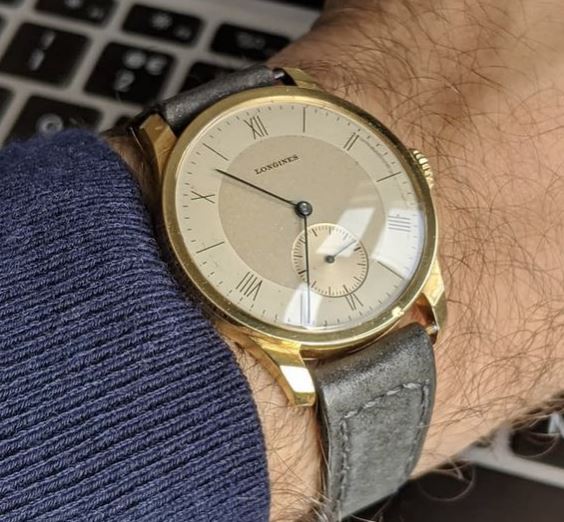
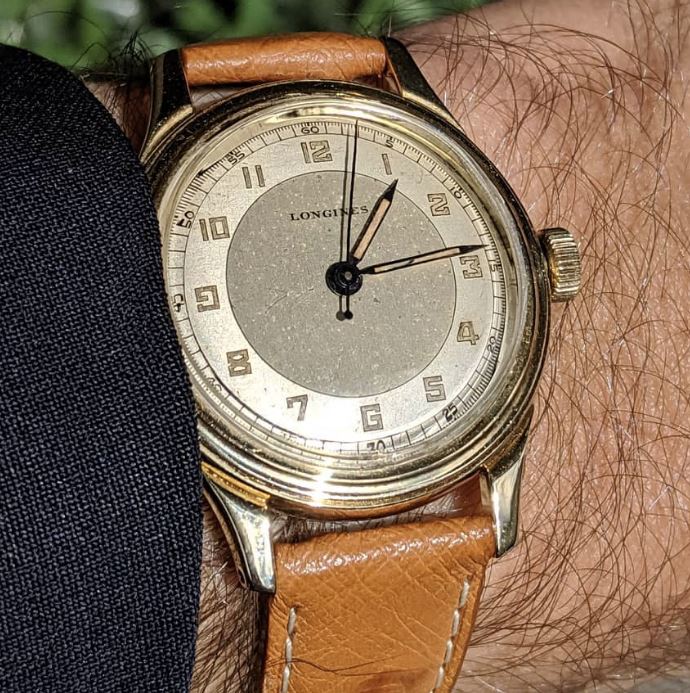
While they are obviously in the minority, there are plenty examples of non-chronographs that lack applied/embossed indexes. Here are a couple.

 
Posts
963
Likes
1,251
This is revealing of your willingness to judge with limited exposure.

Simply stating what I found searching online and in the books I own gels with what DD12 posted, but feel free to assume whatever you like.

Generalizations do not survive in this hobby. Better to focus on specifics.

So let's talk specifics. We've found three cal 27 that show my generalization doesn't apply. Which movements are behind those in Tony C's post?

How do you know when gold hands are correct in a gold case and and when blued steel are correct?

Are there correct examples of the cal 27 in a Swiss gold case with raised indexes and blued hands?
 
Posts
8,096
Likes
28,523
Which movements are behind those in Tony C's post?

12.68 (correction: 27m) and 23m

As I, and others have suggested, they aren't rare, though relatively uncommon may be a fair characterization.

How do you know when gold hands are correct in a gold case and and when blued steel are correct?

Well, when you have a dial with gold numerals, it is likely that gold hands were used. When the numerals are black, as in the other example that I provided, then you would not expect to find gold hands. There are examples of blued hands used with applied gold indexes, but I would say that the combination is unlikely to be found on dials with mirrored gold indexes.
Edited:
 
Posts
2,959
Likes
6,317
Simply stating what I found searching online and in the books I own gels with what DD12 posted, but feel free to assume whatever you like.


So let's talk specifics. We've found three cal 27 that show my generalization doesn't apply. Which movements are behind those in Tony C's post?

How do you know when gold hands are correct in a gold case and and when blued steel are correct?

Are there correct examples of the cal 27 in a Swiss gold case with raised indexes and blued hands?

You've left a lot of hints.

Where in your books or online did you read that solid gold dials almost exclusively correlated with applied indexes? Or that those without were almost exclusively entry level?

With respect to your questions about the hand correctness:

You have to be comfortable with admitting sometimes that you just don't know if something is original and you will never know. Watches in the 1940's were not as standardized as they are today. Hands, dials, and cases are seen in different combinations for different reasons. And in those cases, it takes a seasoned eye to detect if a hand set looks suspicious. For example, if a dial has lume, the hands usually do. But there are exceptions. And as for blued hands or gold? There are no hard or fast rules. Just trends this way or that. Some models were more standardized than others during the period. It's always best to find other examples of the watch and compare rather than apply a general principle.
 
Posts
8,096
Likes
28,523
Correction: the gold hand example that I provided above is a 27m, and was mischaracterized by the dealer as a 12.68.
 
Posts
2,959
Likes
6,317
As DirtyDozen said, saying that a simple majority of gold-cased watches have applied indexes is not the same as saying that most gold-cased watches with non-applied indexes are redials or replaced dials.
 
Posts
7,651
Likes
21,952
Common misconception spread online. Here's one example, I'm sure you can find more.

https://www.gearpatrol.com/watches/a233262/glossary-of-watch-terms/


Applied indexes, which were affixed one by one to the dial after the varnishes and paint were applied, are more labor intensive and therefore considered more «high end » than embossed indexes which were directly imprinted into the dial plate. We’re talking about processes which became widespread in the 1950s, which was a time when metal indices became very fashionable and very prevalent.


To draw conclusions about redials or quality of watches of another period or watches of a different style seems completely misguided.
 
Posts
3,951
Likes
11,027
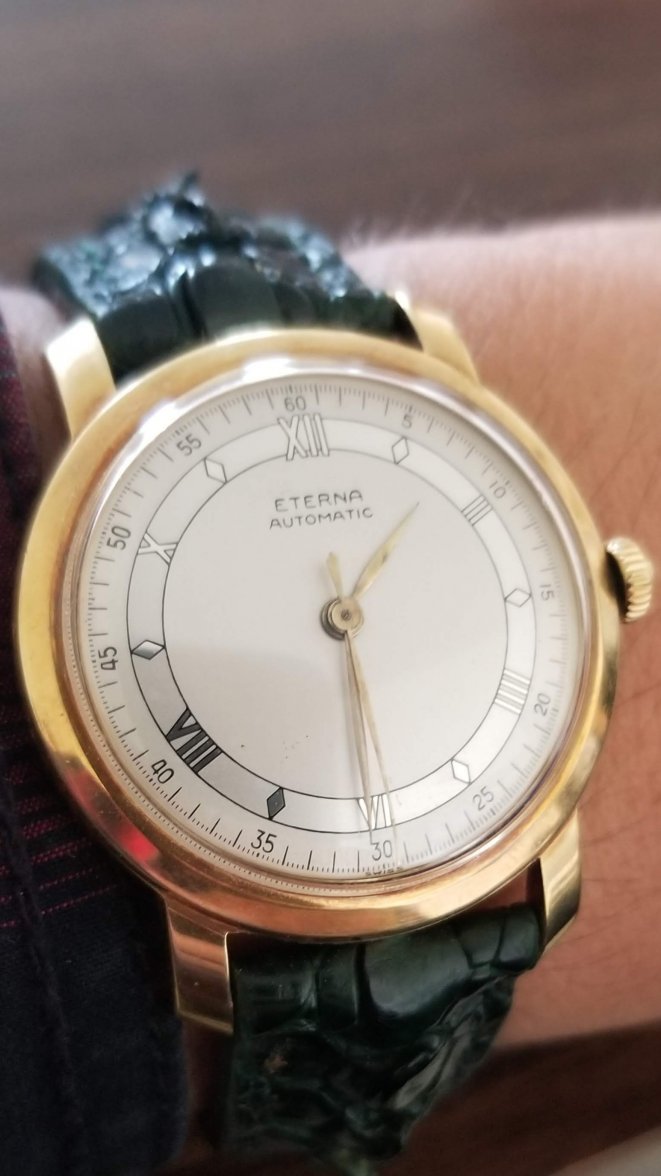
I suppose that using the applied indices rule, my 18k Eterna from 1947 is an entry level watch. By the way @Tony C. after I had Chris service this beauty it keeps spectacular time, +1/ day.
 
Posts
2,820
Likes
4,924
The first watch in your post has the owner wishing he could confirm it's a piece unique. An exceptional piece in multiple senses of the word.
Even if every watch I posted was a unique piece, they all fall under the category of exceptions to the "rule". If, for example, the prevalence of exceptional pieces is 1/10, it should not matter whether that 10% is comprised of one large series, multiple smaller series, or exclusively unique pieces, the prevalence is still 1/10.
As for the tank, let's not dig into this one. It was sold here, guessing it was bought by a member, we don't need any more hurt feelings.
I am not sure if you mean to imply that the dial has been refinished or swapped, but I disagree. The dial looks original and matches the French gold case. There is clearly an issue with the second hand, and it looks like the dial may have been cleaned, but those issues do not pertain to the topic of gold cases and non-applied-indices dials from the 1940s.
That leaves the the remaining pieces in your post with hands that don't match their cases.
As others have stated, this is incorrect.
 
Posts
2,820
Likes
4,924
As DirtyDozen said, saying that a simple majority of gold-cased watches have applied indexes is not the same as saying that most gold-cased watches with non-applied indexes are redials or replaced dials.
This is really the key point. We can spend the rest of time posting exceptions to the rule, however this only provides a sample of correct pieces. To properly test the claim that a redial or swap is likely (i.e. >50%), we would need to include incorrect pieces too. However, I am inclined to think that this would be a waste of time as even if a redial or swap is likely, there are enough correct examples to warrant a more nuanced approach.