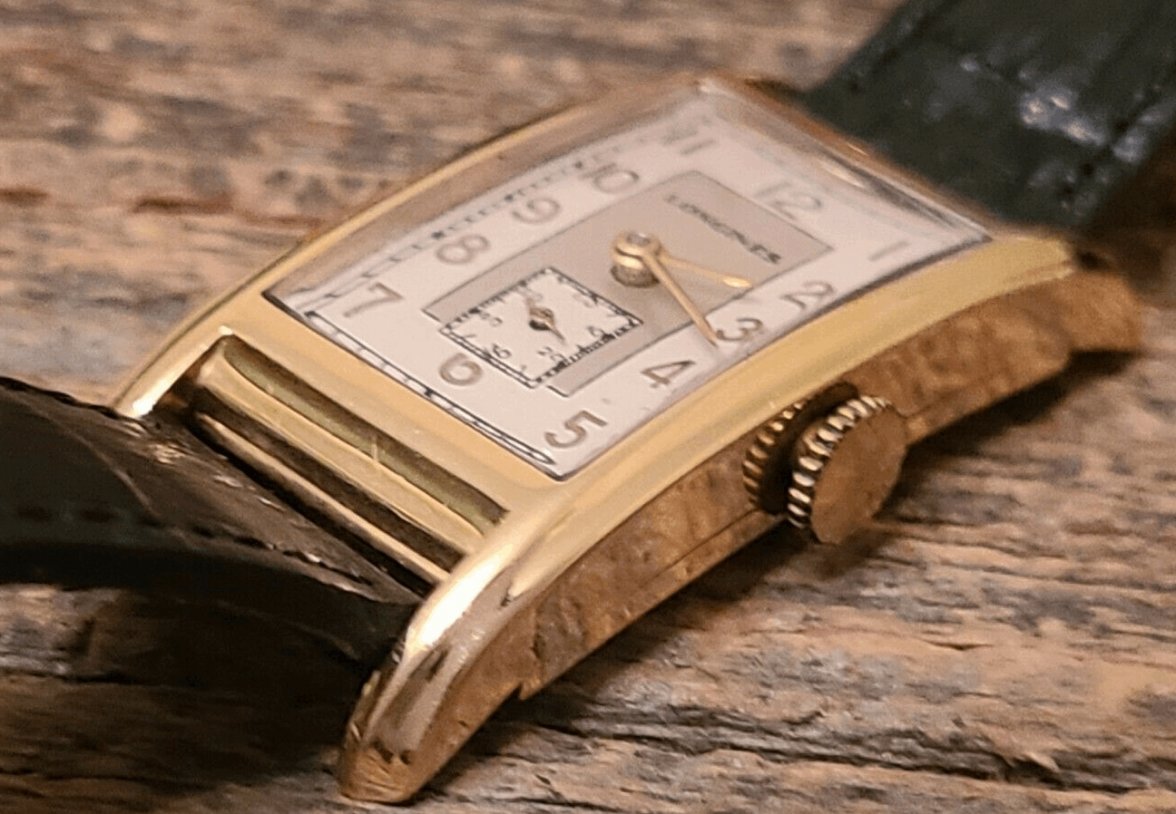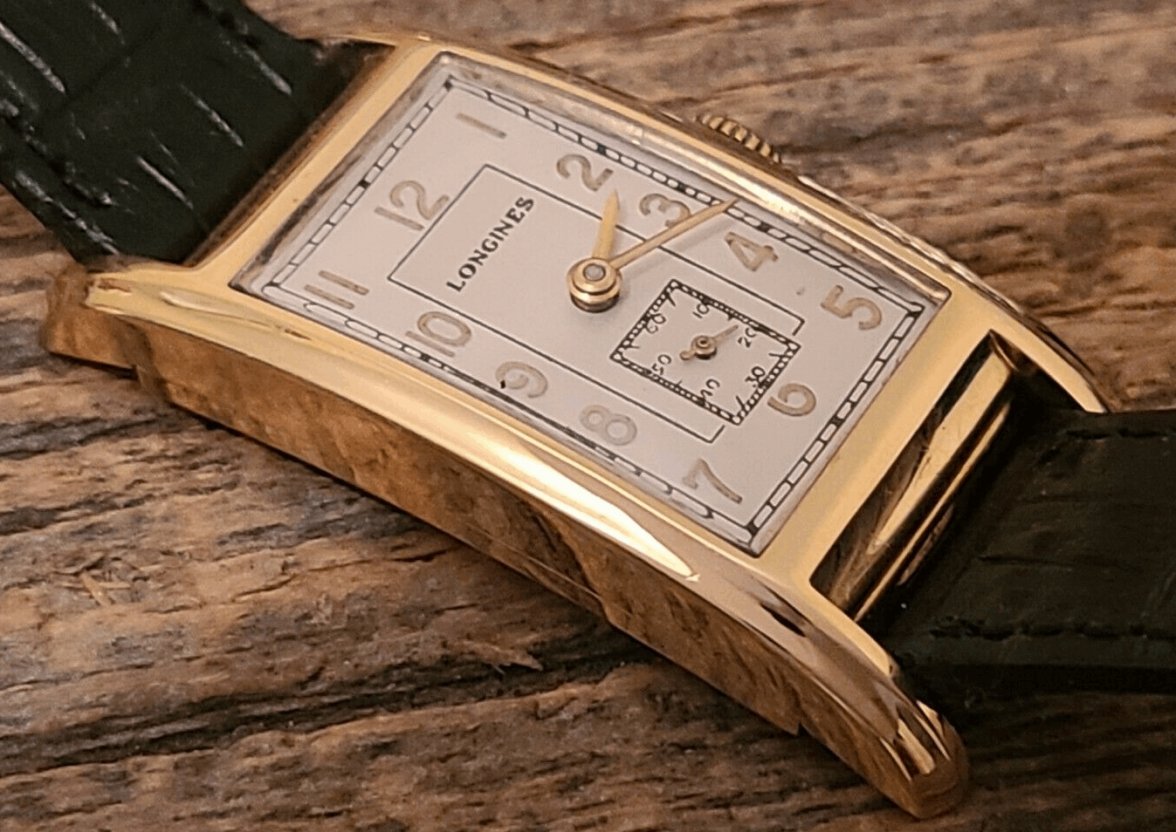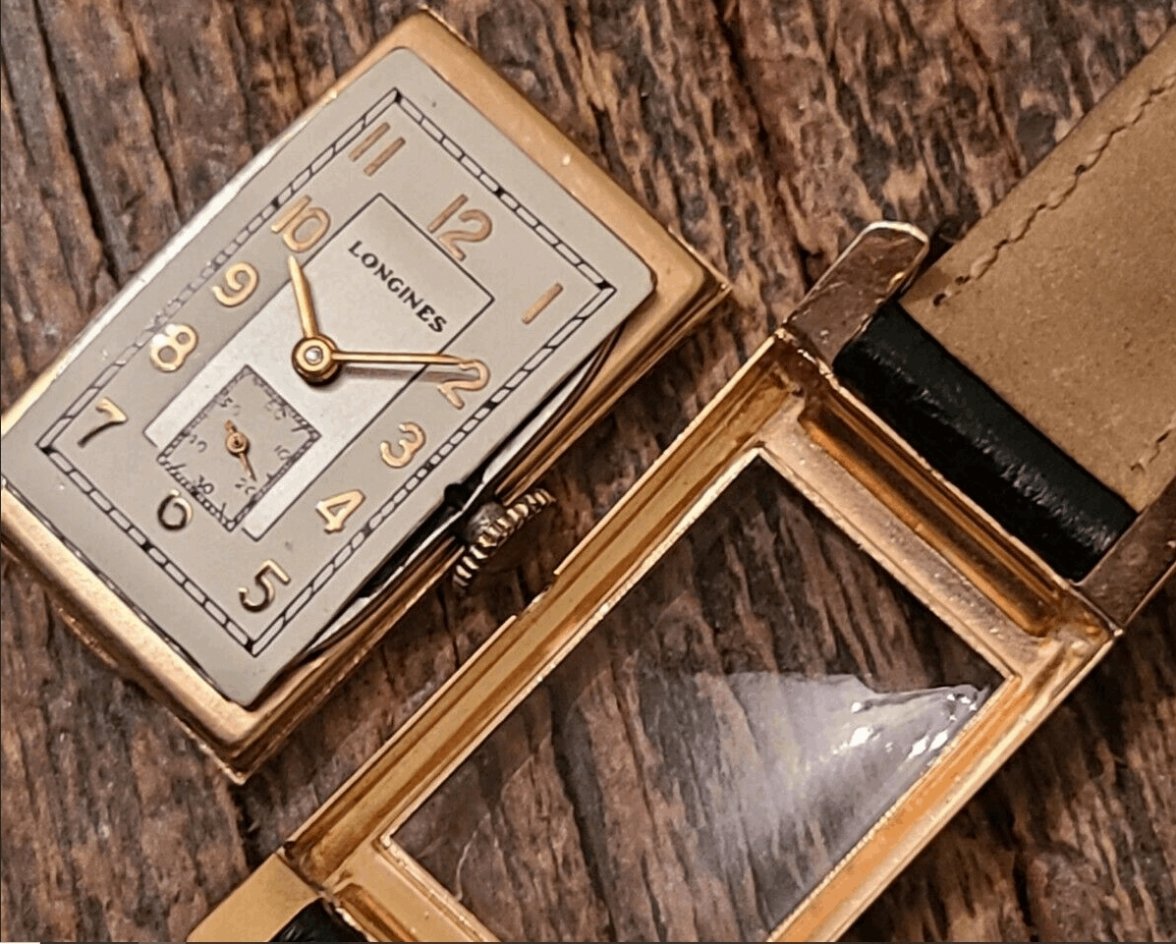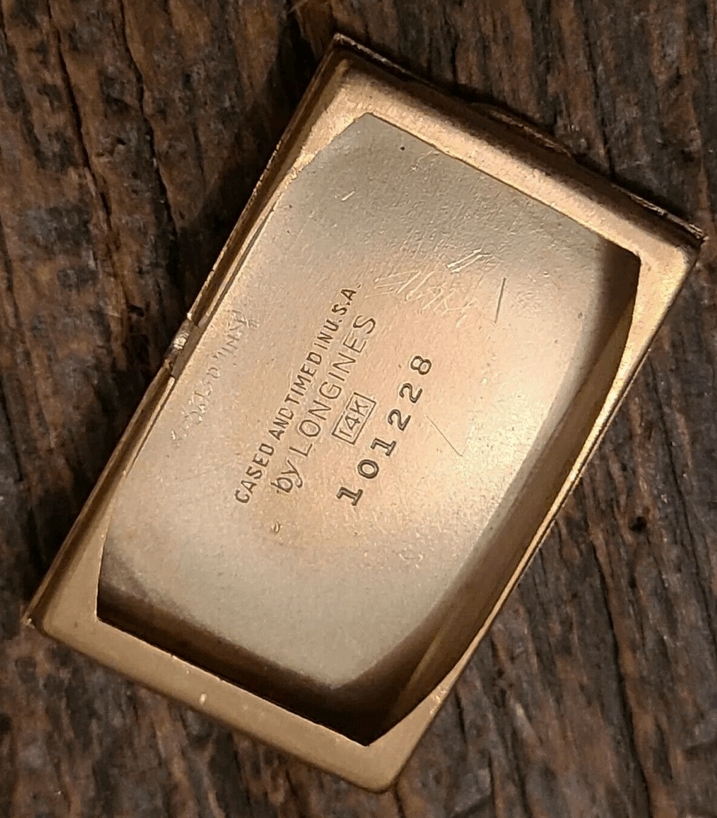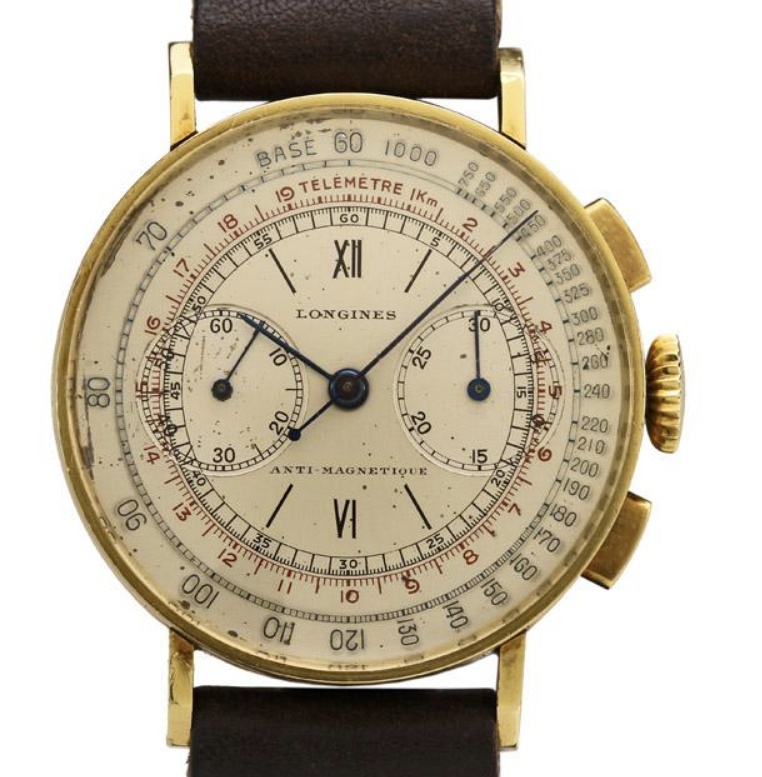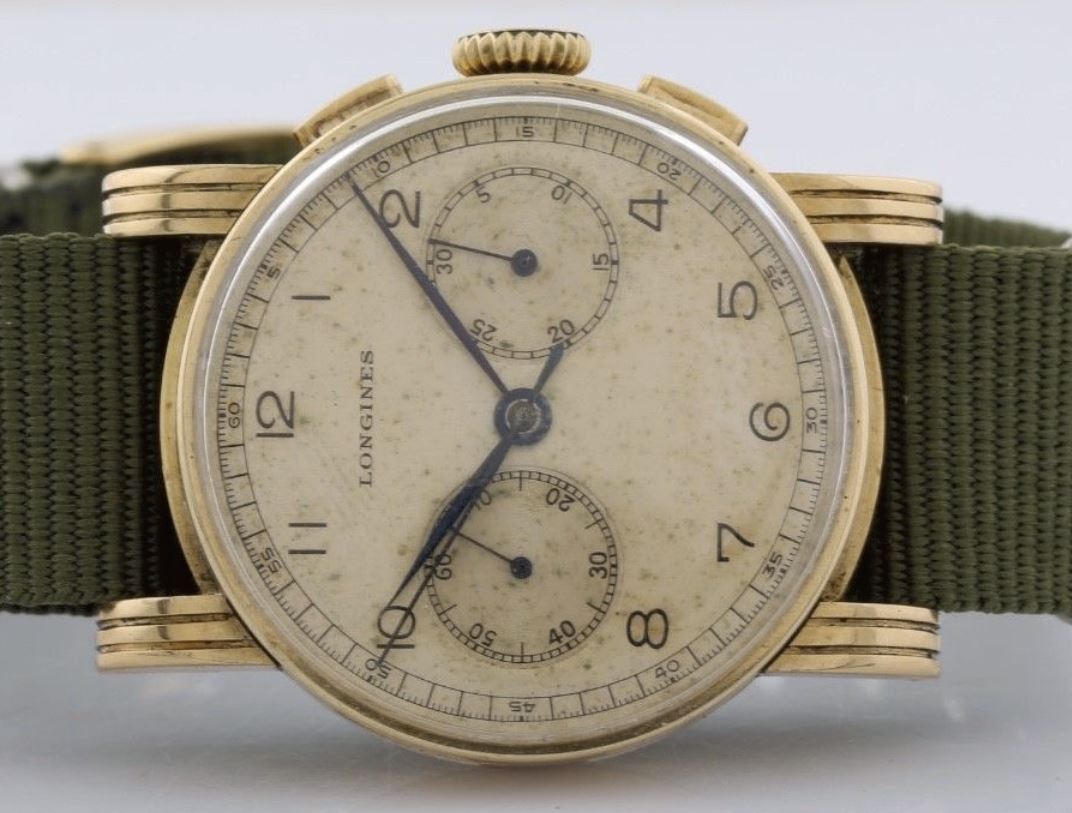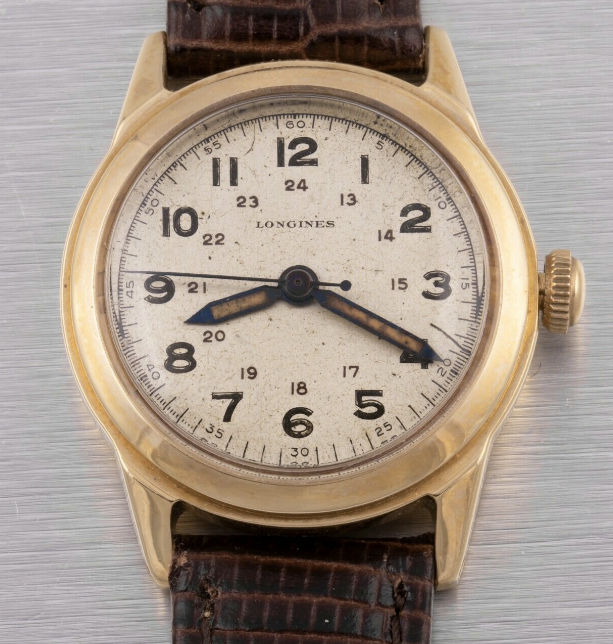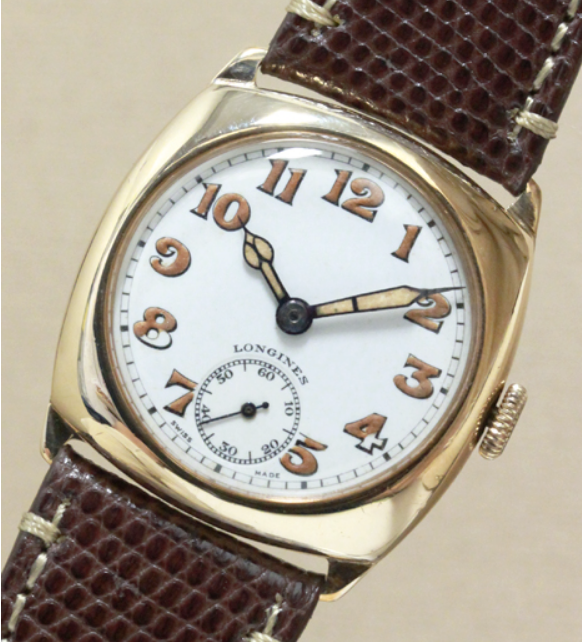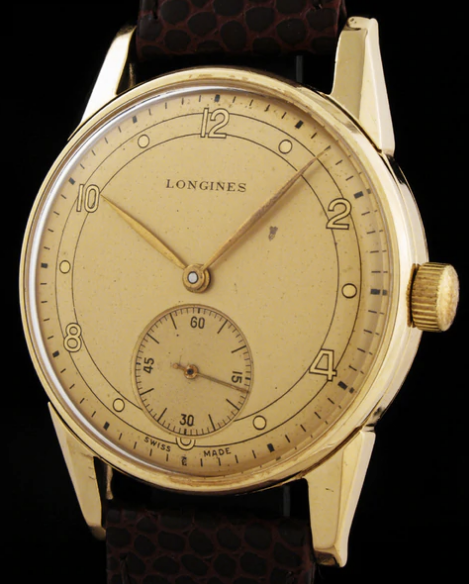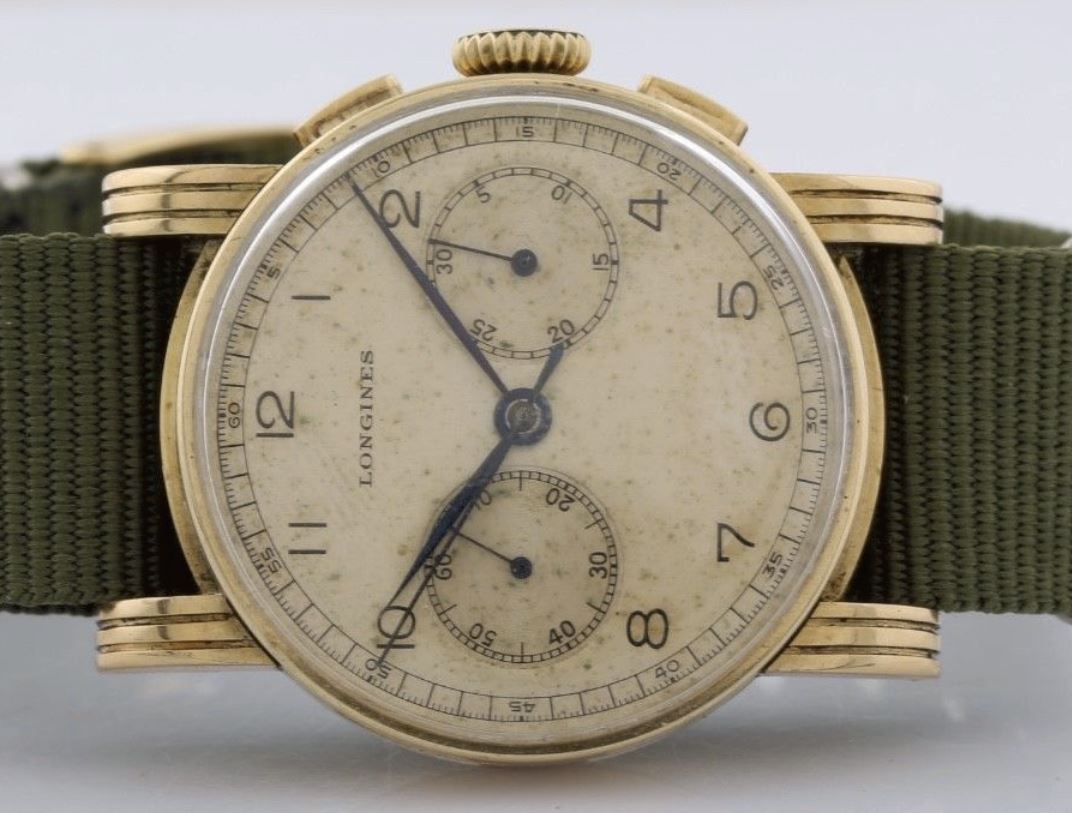
Should I get this 1940s rectangular Longines?

Posts
85
Likes
52
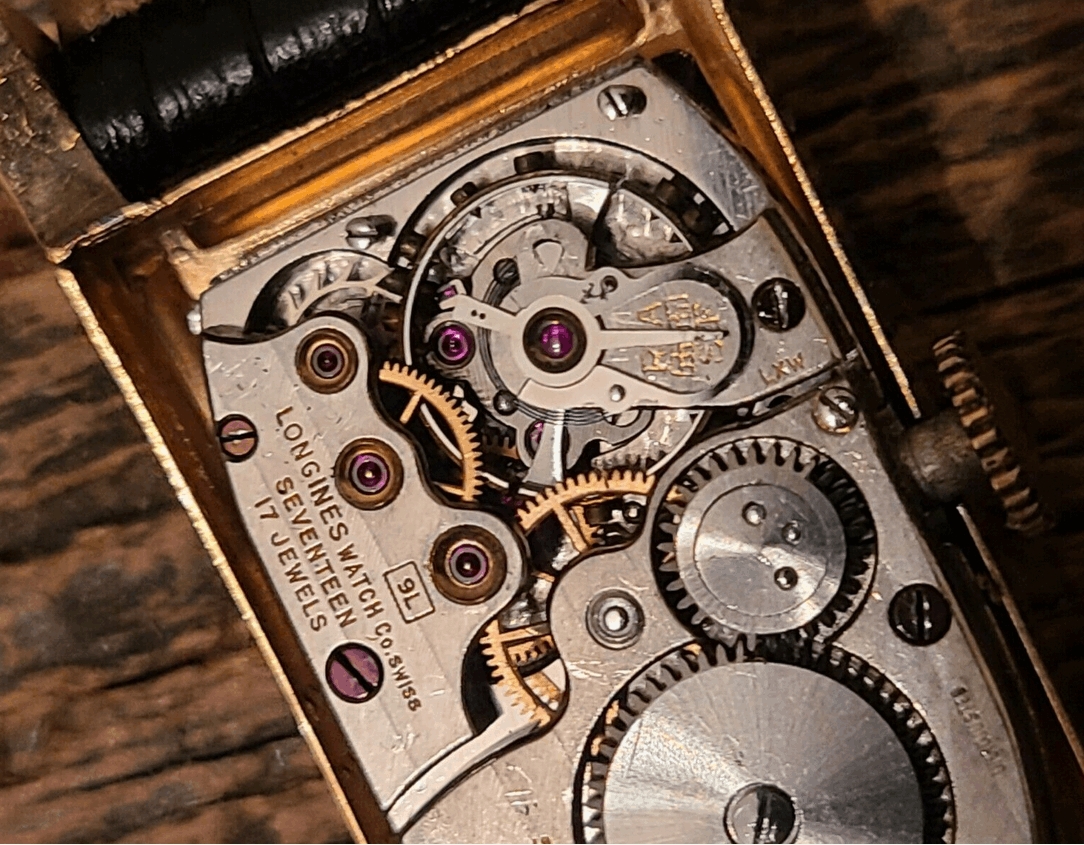
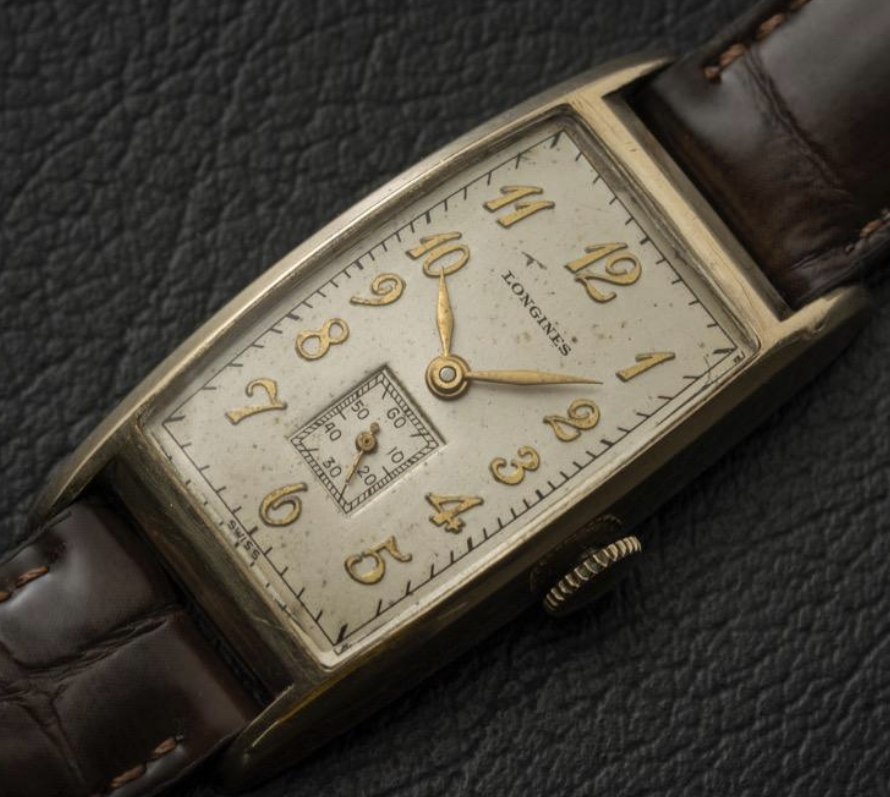
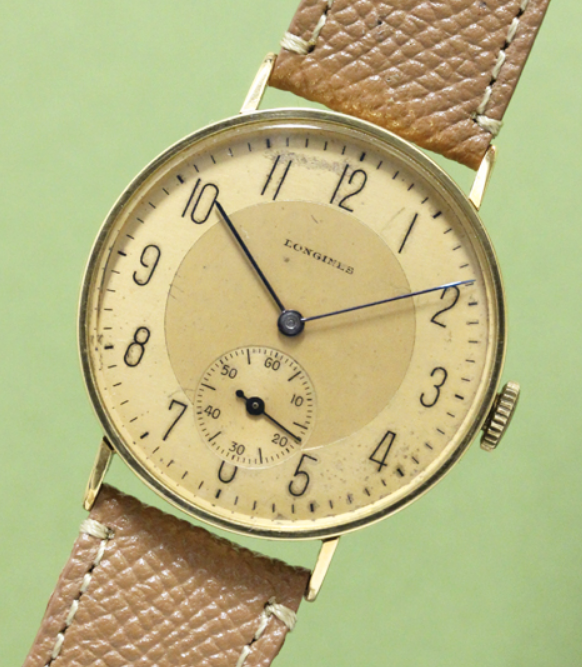
I have been thinking about picking up a classic solid gold dress watch, and this Ebay listing has had my attention for several weeks. There have been a lot of watchers and a couple relistings on it, so I have wondered why nobody has jumped on it.

Are there any Longines experts in here that can tell me more about this watch? Especially if you see anything suspicious. The seller recently offered a price of $650, so it seems like a fair price to me. (It is a rather fetching dress watch... but I suspect the saturation has been pushed on the photos to make 14k look like 18k.)

https://www.ebay.com/itm/125127526372?ssPageName=STRK:MEBIDX:IT&_trksid=p2060353.m1438.l2649
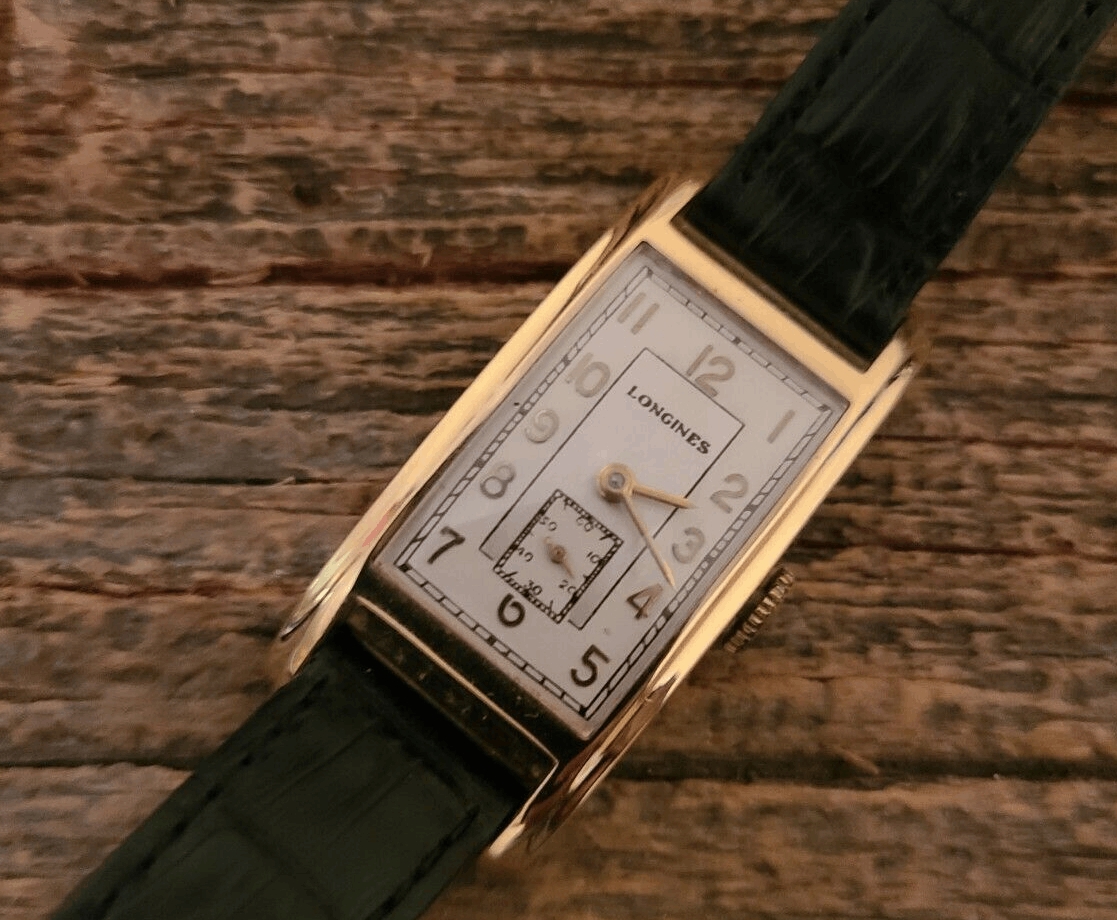
 
This website may earn commission from Ebay sales.
Posts
963
Likes
1,251
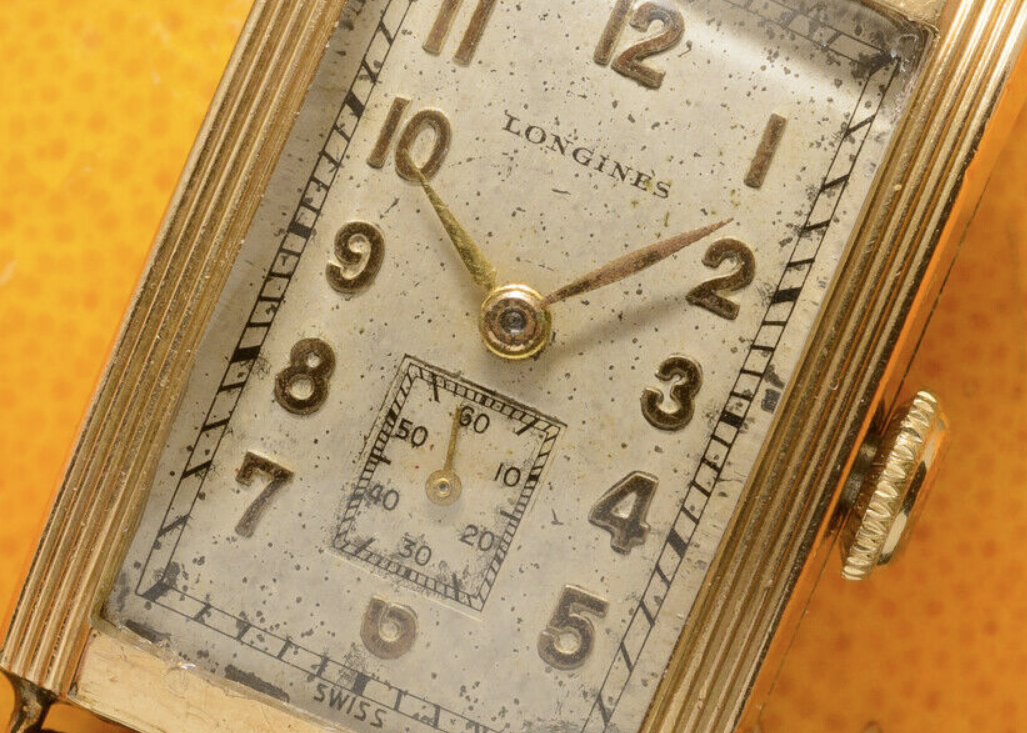
In the 1940s, applied gold indexes were less common, and give a good indication that you're looking at a high end watch. The printed component to those dials should be crisp, even, well defined. You might see dials from this period without applied indexes, those are likely from an entry level watch. On a watch with a solid gold case, a dial without applied indexes likely indicates a dial swap or redial.
 
Posts
15,489
Likes
45,880
The biggest tell to me is the less than perfect clarity and detail of the printing in the seconds bit. Some dials deteriorate to such an extent that (in my view) a reprinted dial is an improvement, even if not perfect. If someone buys such a watch for their own enjoyment, it is a personal matter.
 
Posts
8,098
Likes
28,531
If someone buys such a watch for their own enjoyment, it is a personal matter.

Not necessarily! For example, when I am exposed to a poor redial, it causes me great pain, and as I hold the most recent owner responsible, I like to employ a form of constructive ridicule. 😁
 
Posts
15,489
Likes
45,880
I once bought a Hamilton 950B pocket watch which was from the late 1950s, and had a melamine dial. I do not prefer melamine dials! A friend saw my watch, and several weeks later, he presented me with a NOS absolutely correct vitreous enamel dial. I removed the melamine dial, and fitted the vitreous enamel dial. I later showed the updated 950B on another message board. The moderator of that particular forum jumped all over me, on line, for making such an unforgivable modification! I reminded him that the watch was MINE, not his, and that it was my decision to make!

 
Posts
2,820
Likes
4,924
In the 1940s, applied gold indexes were less common, and give a good indication that you're looking at a high end watch. The printed component to those dials should be crisp, even, well defined. You might see dials from this period without applied indexes, those are likely from an entry level watch. On a watch with a solid gold case, a dial without applied indexes likely indicates a dial swap or redial.
As a side note, none of the Longines dials shown in this thread have applied indices. Even in solid gold cases, it was not unusual to find dials with embossed indices. This is especially true of certain brands such as IWC.
 
Posts
2,959
Likes
6,317
In the 1940s, applied gold indexes were less common, and give a good indication that you're looking at a high end watch. The printed component to those dials should be crisp, even, well defined. You might see dials from this period without applied indexes, those are likely from an entry level watch. On a watch with a solid gold case, a dial without applied indexes likely indicates a dial swap or redial.

That is a dangerous and broadly incorrect rule to apply to that time period, or any time period.
 
Posts
2,959
Likes
6,317
How dangerous?

I'm interpreting this passage from http://www.pixelp.com/gruen//1894.html :

"Fred Gruen claims to have introduced the use of applied numbers and markers on watch dials. In the 1800s and early 1900s, watch dials were enamel with painted markings. After looking at very old clocks and watches in European museums, Fred decided to do some metallic dials with gold applied numerals. The firm that Gruen contracted to make these dials initially resisted the idea, but they quickly became very popular and were soon copied by other manufacturers. From the 1930s through the 1960s, almost every watch manufacturer in the world used a metal dial with applied figures on at least some of their watches. Although he had taken out many patents on behalf of the company, Fred later regretted not having taken out a patent on applied dial figures."

Would it be as dangerous to apply the rule to the time period before Gruen reintroduced applied dial indexes?

🥱
 
Posts
963
Likes
1,251
Same here. Just trying to help the OP steer clear from redials. Sounds like you've got that covered.
 
Posts
2,959
Likes
6,317
Same here. Just trying to help the OP steer clear from redials. Sounds like you've got that covered.

Yes, I'm letting the OP know that watches without applied indexes are not "likely entry level watches". Nor do non-applied indexes on gold watches "likely [mean] a dial swap or redial".

Those statements are so broadly incorrect as to be harmful to somebody trying to learn the hobby.
 
Posts
2,820
Likes
4,924
On a watch with a solid gold case, a dial without applied indexes likely indicates a dial swap or redial.
I want to echo @Modest_Proposal's sentiments, there are so many exceptions to this "rule" that it is of no use. Additionally, I will not go down the rabbit hole of defining a high-end or entry-level watch, but the presence or absence of applied indices is certainly not pivotal.
 
Posts
963
Likes
1,251
Seeing as I need to be taken to school, I'd love to see example wrist watches from the 1940s, in solid gold cases, without raised/applied indexes, that are 100% correct.
 
Posts
2,820
Likes
4,924
On a watch with a solid gold case, a dial without applied indexes likely indicates a dial swap or redial.
To briefly return to this statement, my interpretation is that you were saying: given that a watch has a solid gold case and a dial without applied indices, it is likely that the dial has been swapped or refinished. If I am understanding it correctly, this statement does not comment on how prevalent dials without applied indices are in solid gold cases, it simply refers to the probability that a dial without applied indices, in a solid gold case, has been swapped or refinished. To illustrate the distinction, the prevalence of non-applied-indices-dials in solid gold cases could be 1/20, whereas the probability that a non-applied-indices-dial in a solid gold case has been swapped or refinished could be 1/3. I agree that many dials in solid gold cases that were made after 1940 had applied indices, but this does not mean that the ones that do not are likely incorrect.

Seeing as I need to be taken to school, I'd love to see example wrist watches from the 1940s, in solid gold cases, without raised/applied indexes, that are 100% correct.
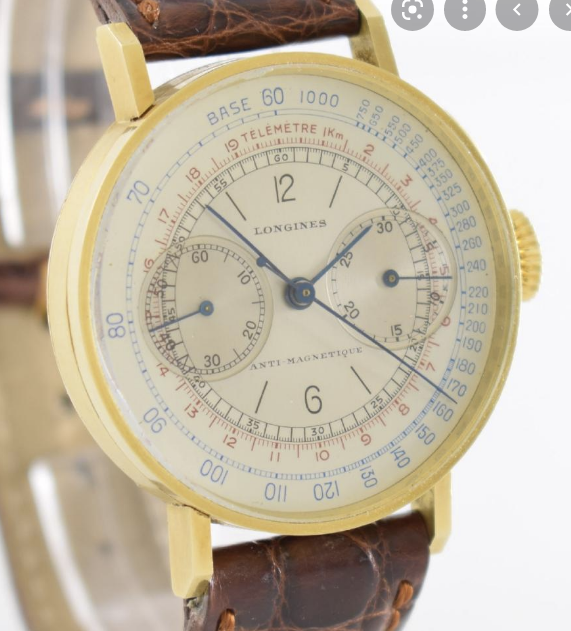
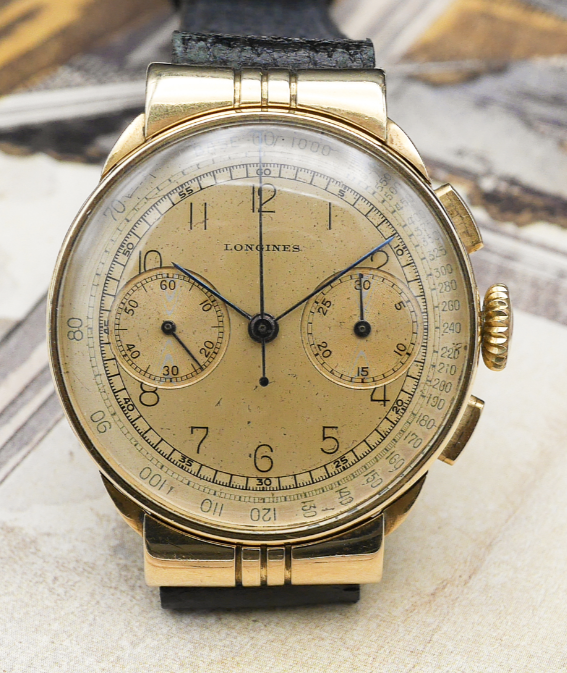
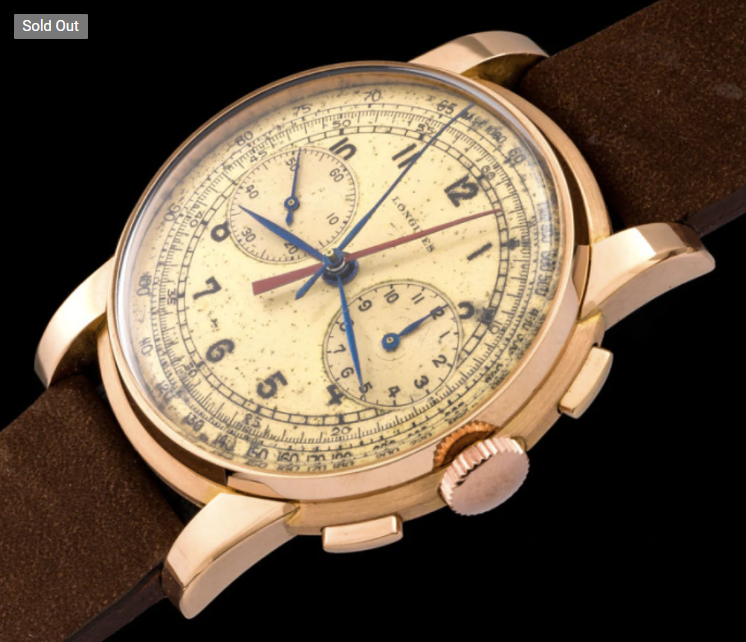
Just to be clear, your original claim was about applied indices and not embossed indices. If we expand the category to include both, then there are certainly fewer exceptions. However, there still are many. See a small selection below.


https://www.matthewbaininc.com/watch-details/1760
Photo from eBay


https://www.invaluable.com/auction-...ly-mint-flyback-chronograph-3381-c-e6e42c2a76
https://sabiwatches.com/product/1940-longines-flyback-chronograph-ref-4888-in-18k-gold


https://www.luxify.com/products/longines-the-pink-gold-sommatore-centrale-ref-5162
https://www.horol.com/items/cat6/0721.html
https://www.ebay.com/itm/275120466025?hash=item400e752869:g:k4UAAOSws~Rhrl~1&nma=true&si=%2BQP%2F7deIqwSiAlQ7xmFxpeShBpQ%3D&orig_cvip=true&nordt=true&rt=nc&_trksid=p2047675.l2557
https://www.horol.com/items/cat6/0737.html
https://meticulouswatches.com/colle...-art-deco-9k-gold-caliber-12-dot-68z-sold-260
 
This website may earn commission from Ebay sales.
Posts
963
Likes
1,251
With respect to applied indexes vs. embossed indexes, it wasn't my intent to apply a distinction between the two. My intent was to reference raised metal indexes, applied/embossed/stamped or otherwise.

I'm also seeing almost exclusively chronographs that break the rule. Thank you for the links, to the three handers especially.