- Posts
- 82
- Likes
- 139
Snowsquare
·Hello!
To introduce myself, I live in London, UK, and have been a big fan of diving watches for longer than I care to remember - including my fair share of Sea Dwellers, Seiko Tuna, 42MAS, Scurfas and so on. My first Omega was the X33 Skywalker.
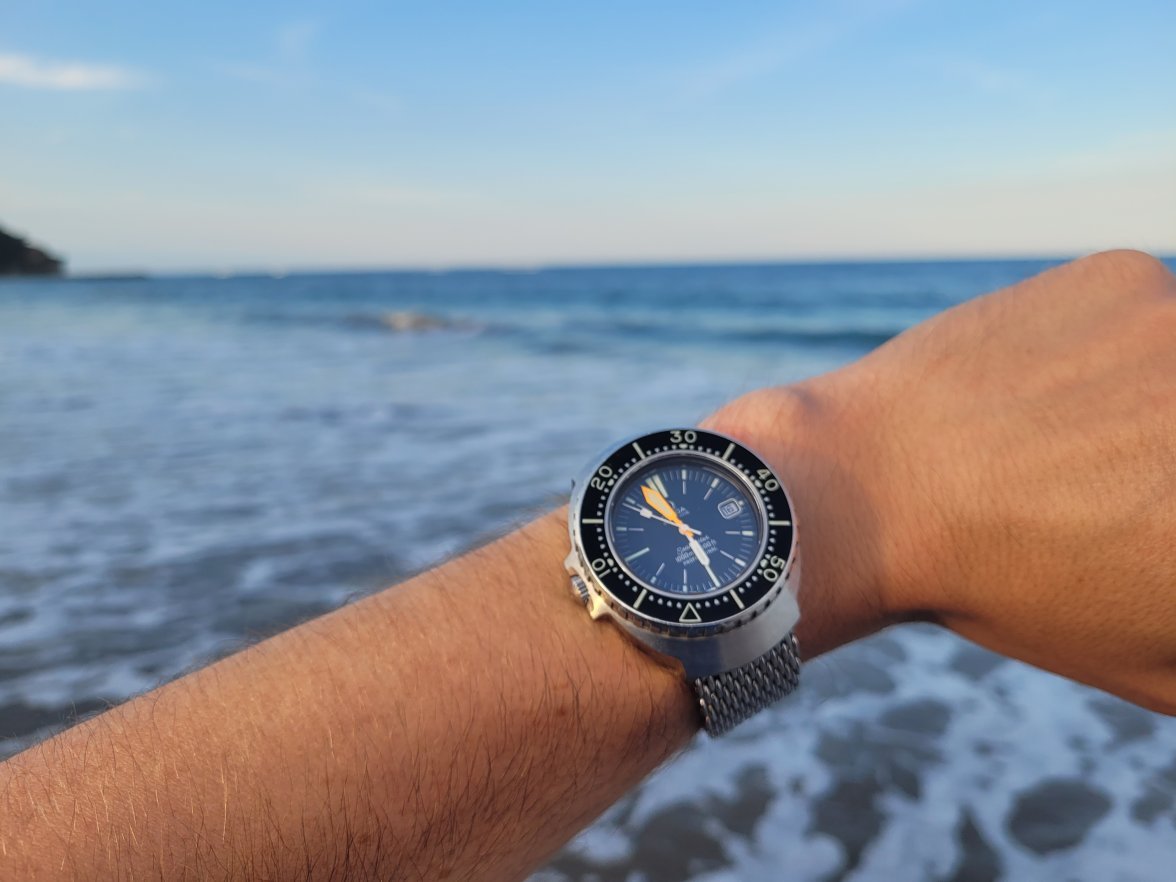
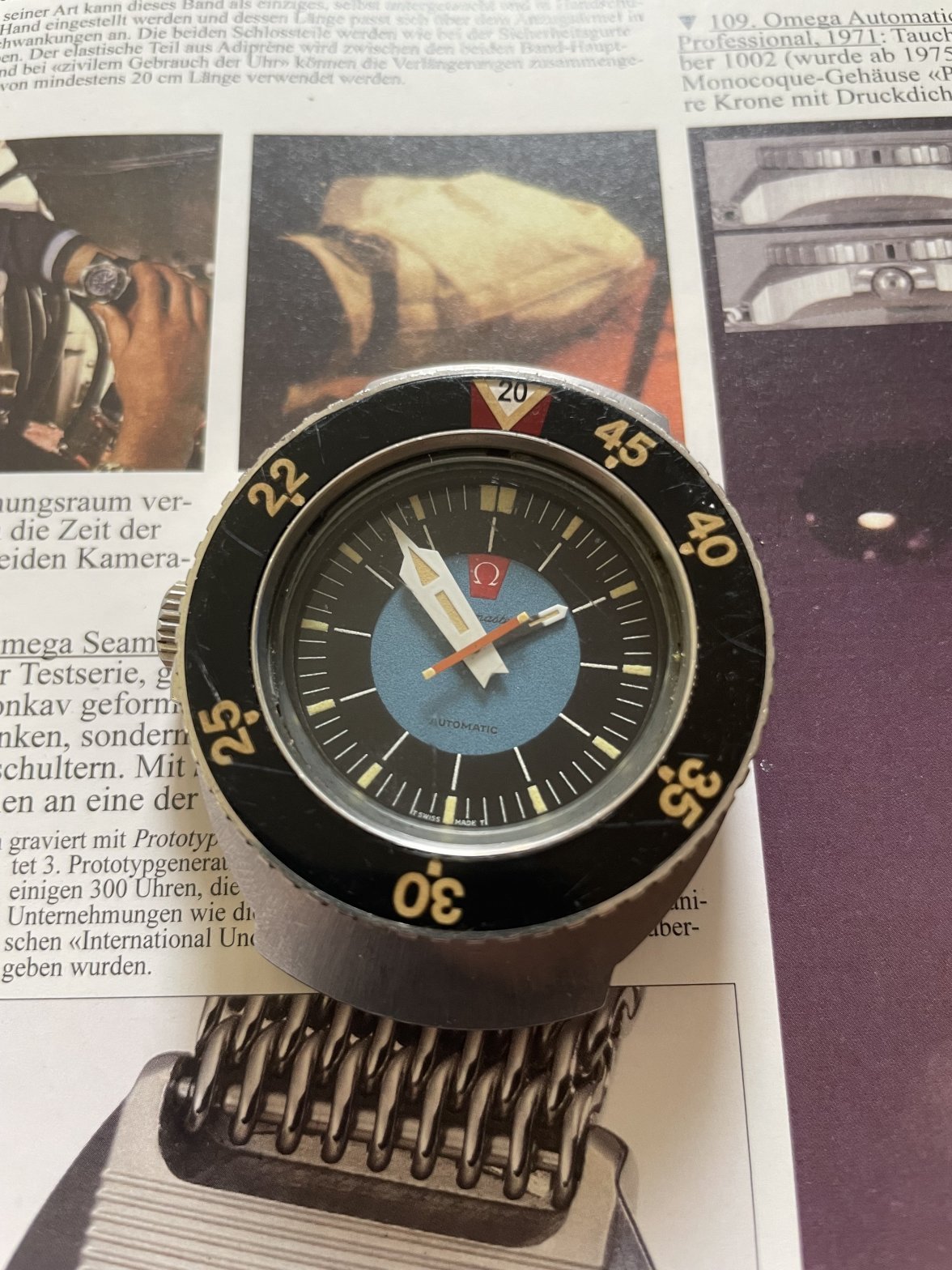
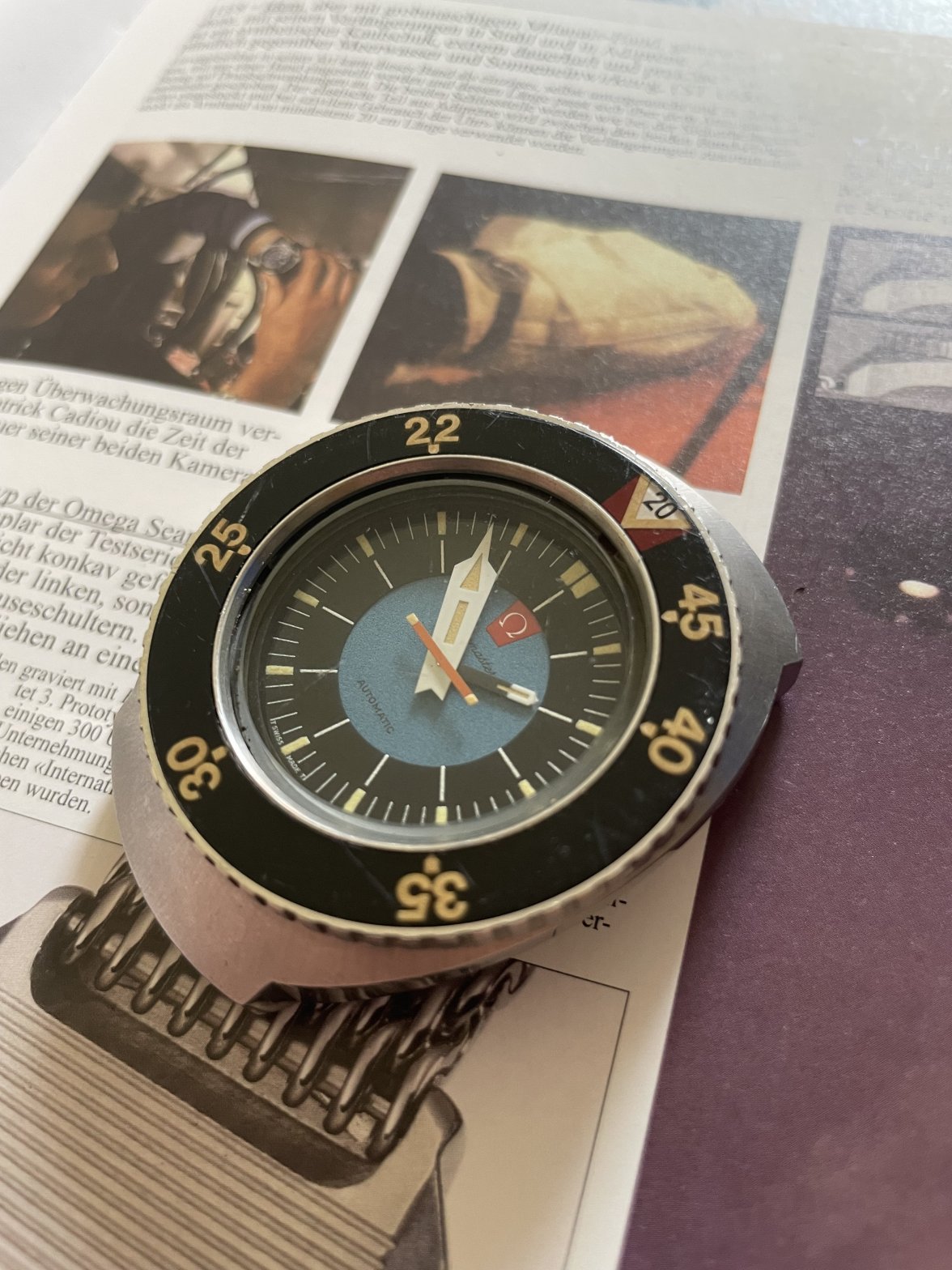
I'm considering an Omega Seamaster 1000 166.093 and trying to learn more about them. I've read up on them here, as well as on https://www.omegaseamaster1000.com and elsewhere. My conclusion is that it's all a bit of a minefield.
I fully understand the charm of bubble dials, blackened lume, cracked bezels and pentagonal ten-minute markers, and I would never want to be the one responsible for 'ruining’ a 100% original untouched watch. Still, I'm perhaps unusual (or maybe not serious) as a watch collector in that I’m okay with original watches that have been serviced/updated over time using original Omega service parts. Particularly if this makes them less expensive/delicate to wear than the true museum pieces (there's actually the same debate in the world of classic Land Rovers, where beaten-up, dented models with patina are much more desired than concourse restorations).
But it would still be good to have a watch with something original at the core rather than a pure 'Frankenwatch' made up only of service parts, as so many of the Omega Seamaster 1000s for sale seem to be.
So, to cut a long story short, I'm really seeking advice from the amazingly knowledgeable people here:
- What is the minimum amount of originality that you’d think differentiates a used, updated watch from a parts-bin recreation?
- If I’m right in assuming it is the movement, is that what Omega used to verify originality when providing archive extracts? Am I correct that Omega has recently stopped providing them?
Am I right in presuming that Omega service records mean relatively little and that Omega will service any relevant movement even if it was not originally installed in an Omega Seamaster 1000?
- If I am looking at some watches online or in the sales forum here, is there anyone who might be willing to help give me a second opinion? Should I post it here, or does everyone get fed up with idiotic 'is this real' posts?
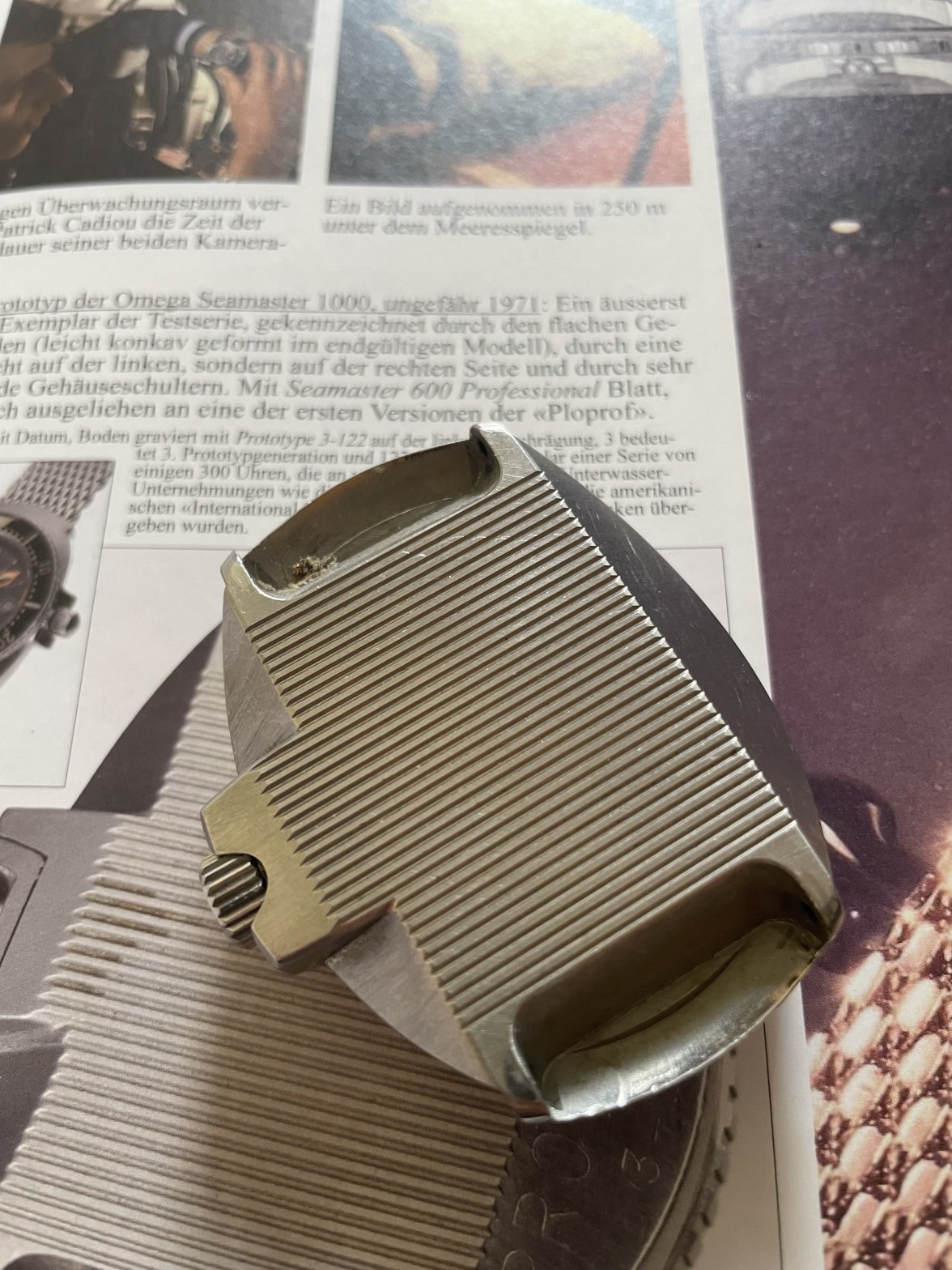
- any other tips/resources for navigating the minefield? I’ve read about case shapes, crown protectors, brushing directions, case stamps, dial and bezel markings and so on, but still, maybe it's just too tricky for a non-expert to navigate…
Thank you very much, and I really appreciate your time and counsel!
To introduce myself, I live in London, UK, and have been a big fan of diving watches for longer than I care to remember - including my fair share of Sea Dwellers, Seiko Tuna, 42MAS, Scurfas and so on. My first Omega was the X33 Skywalker.
I'm considering an Omega Seamaster 1000 166.093 and trying to learn more about them. I've read up on them here, as well as on https://www.omegaseamaster1000.com and elsewhere. My conclusion is that it's all a bit of a minefield.
I fully understand the charm of bubble dials, blackened lume, cracked bezels and pentagonal ten-minute markers, and I would never want to be the one responsible for 'ruining’ a 100% original untouched watch. Still, I'm perhaps unusual (or maybe not serious) as a watch collector in that I’m okay with original watches that have been serviced/updated over time using original Omega service parts. Particularly if this makes them less expensive/delicate to wear than the true museum pieces (there's actually the same debate in the world of classic Land Rovers, where beaten-up, dented models with patina are much more desired than concourse restorations).
But it would still be good to have a watch with something original at the core rather than a pure 'Frankenwatch' made up only of service parts, as so many of the Omega Seamaster 1000s for sale seem to be.
So, to cut a long story short, I'm really seeking advice from the amazingly knowledgeable people here:
- What is the minimum amount of originality that you’d think differentiates a used, updated watch from a parts-bin recreation?
- If I’m right in assuming it is the movement, is that what Omega used to verify originality when providing archive extracts? Am I correct that Omega has recently stopped providing them?
Am I right in presuming that Omega service records mean relatively little and that Omega will service any relevant movement even if it was not originally installed in an Omega Seamaster 1000?
- If I am looking at some watches online or in the sales forum here, is there anyone who might be willing to help give me a second opinion? Should I post it here, or does everyone get fed up with idiotic 'is this real' posts?
- any other tips/resources for navigating the minefield? I’ve read about case shapes, crown protectors, brushing directions, case stamps, dial and bezel markings and so on, but still, maybe it's just too tricky for a non-expert to navigate…
Thank you very much, and I really appreciate your time and counsel!