Remove Rust on Stainless Steel

Posts
17,938
Likes
37,514
As per the title.
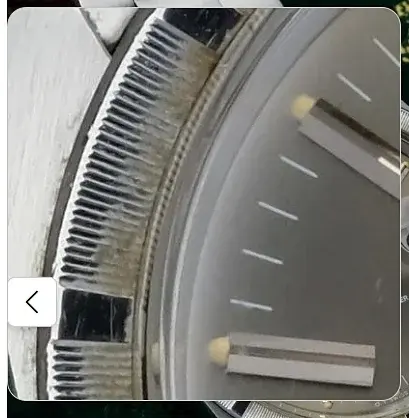
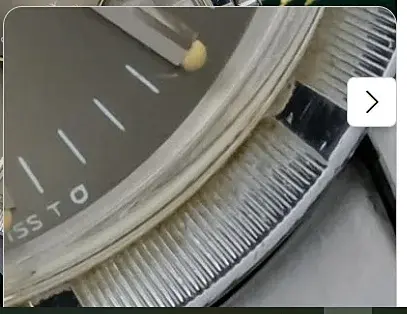
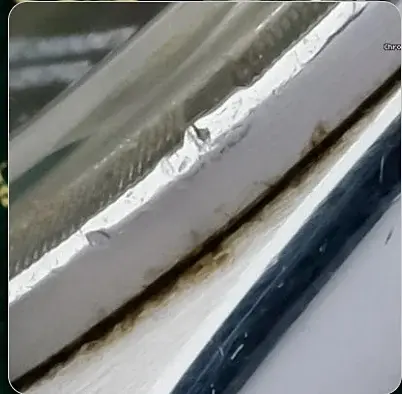
I have a couple of snap back Seiko cases that have large areas of rust where rust accelerant (perspiration) has seeped into the gap between the case/caseback.

Does anyone know of a liquid solution that will actually dissolve the rust (not "convert" it)?

I have seen various solutions on the internet such as vinegar, CLR, Barkeep's Friend, baking soda etc but want to know what will work on watch cases, not stainless steel diswasher doors.

I also considered a saturated solution of alum that I've used before to dissolve steel in watch parts. Anyone used this as a rust remover?

Appreciate any tips.

 
Posts
1,454
Likes
2,054
Depending on how deep the rust is Cape Cod cloth may help.
 
Posts
17,938
Likes
37,514
Depending on how deep the rust is Cape Cod cloth may help.
Have used it for polishing before, but I need a solution that pentrates and does the work as I can't use mechanical means (brushing/cloths etc).
 
Posts
13,196
Likes
22,948
I’ve used evapo-rust before but as far as I’m aware it doesn’t dissolve the rust, it converts it (as you say). It then needs polishing to remove the residue.

Not aware of anything that actually dissolves rust whilst not impacting stainless but will follow this thread closely
 
Posts
34,263
Likes
38,886
Doesn’t really help your use case due to the equipment requirements but there are some really nice methods for automotive use now, I’ve seen amazing results from dry ice guns and laser on smaller and more delicate parts.

Not sure if watchmakers use either of those methods but they’re growing in availability and dropping in cost.
 
Posts
3,196
Likes
33,329
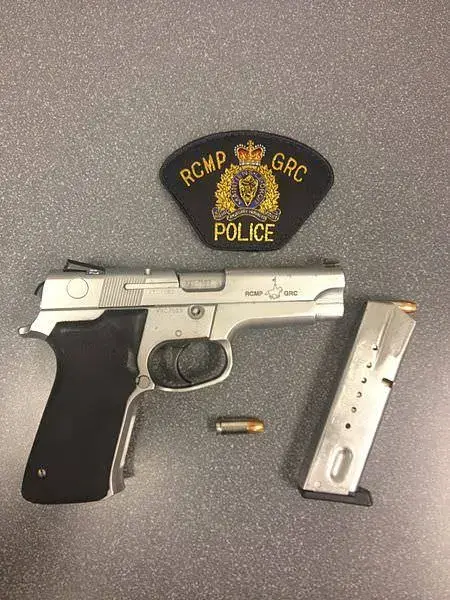
Jim, in the 90s I was training officers for UN missions. The issued pistol at the time was stainless steel. They did rust, especially on those Haiti missions.

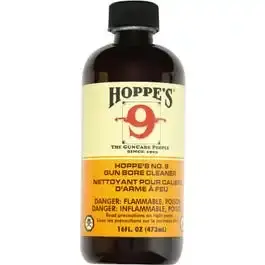
We used Hoppe’s number 9. (I love the smell also, but cannot convince my wife that it’s fine cologne. Eau De Hoppe’s).

In my shop I use mostly old tools and machines.

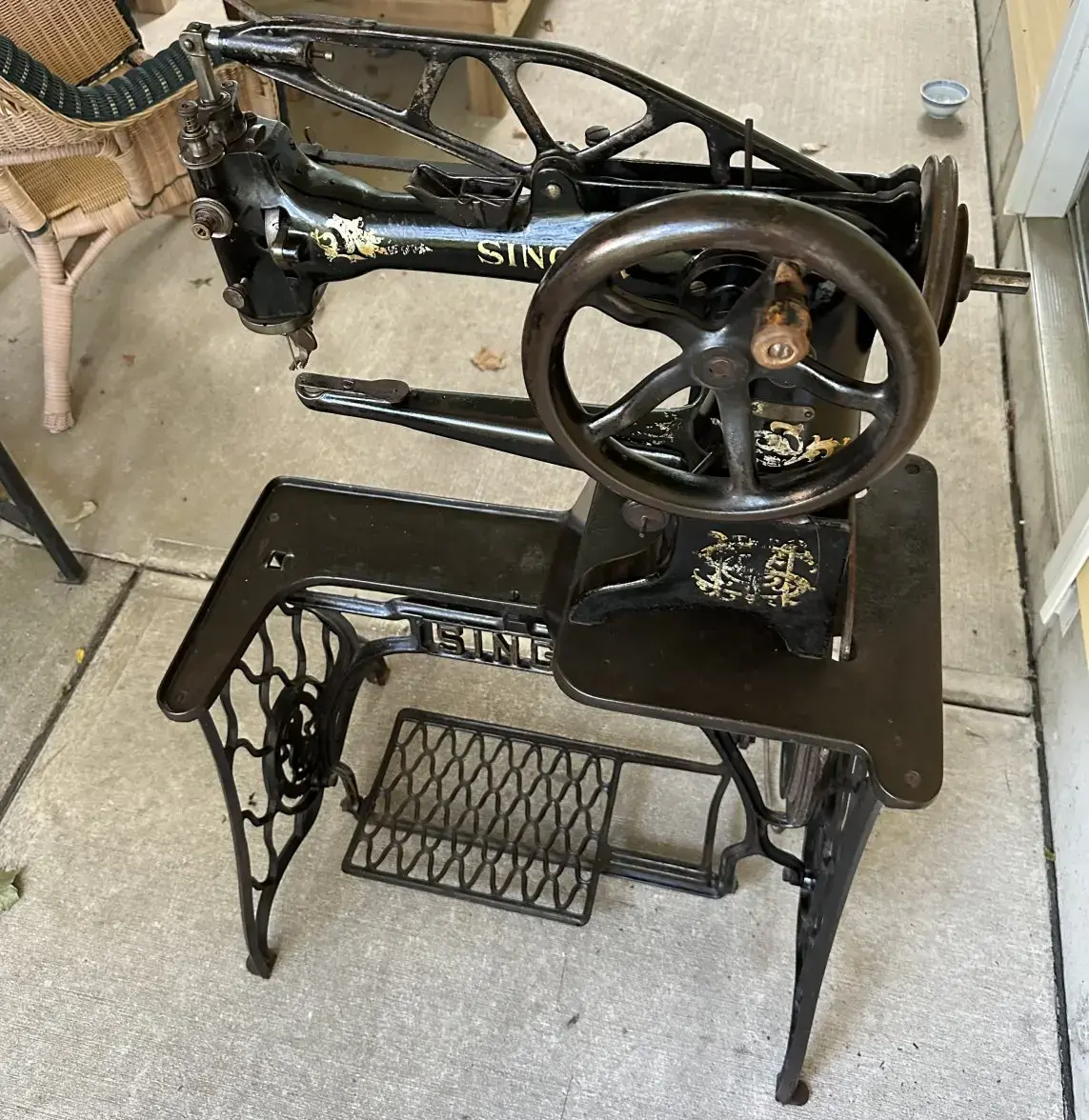
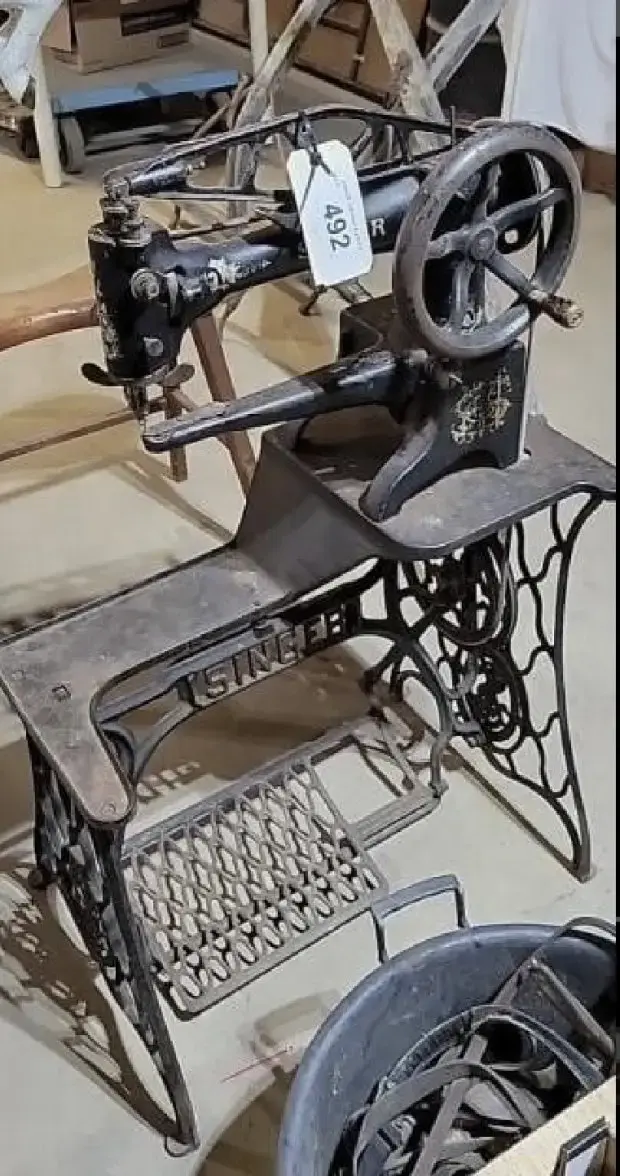
This 1890s machine (below pics) was revived and maintained with mineral oil.

But as you mentioned in your second post, without polishing or rubbing, I am not sure how effective it will be.

I am also assuming the movement is removed.

 
Posts
17,938
Likes
37,514
Thanks Steve.
I had a bottle of No9 many years ago to use on my rifles (and a nice Browning 9mm HiPower that "got lost " on the way to destruction").
Like you, I also liked the Hoppes Fragrance, much more appealing than the petro smell of the stuff we used in the armoury.

Would be good if I still had firearms, but I turned all of mine in back in the 1970s, and to be truthful, haven't really missed them.
Having access to the ADF inventory for a number of years after that maybe helped wean me off them and the only one I really don't miss is the Barret 50 cal, only fired it three times, that was enough for me.
 
Posts
29,669
Likes
76,828
Generally speaking I don't typically use anything to dissolve it. First step is to put it in an ultrasonic cleaner to remove most of it - I use Mr Clean and water in mine, something I learned from my friend who is a goldsmith. I then clean the rest up using something like Rodico to wipe it away.

If you are going to try to dissolve it, something like vinegar would likely work, but make sure you remove it all.
 
Posts
29,669
Likes
76,828
Looks more like dirt than corrosion...
 
Posts
13,196
Likes
22,948
Generally speaking I don't typically use anything to dissolve it. First step is to put it in an ultrasonic cleaner to remove most of it - I use Mr Clean and water in mine, something I learned from my friend who is a goldsmith. I then clean the rest up using something like Rodico to wipe it away.

If you are going to try to dissolve it, something like vinegar would likely work, but make sure you remove it all.
Does Mr clean actually remove the corrosion, leaving just pitted steel Al or do you still need to mechanically remove it with something more aggressive than rodico?
 
Posts
29,669
Likes
76,828
Does Mr clean actually remove the corrosion, leaving just pitted steel Al or do you still need to mechanically remove it with something more aggressive than rodico?
It's more the ultrasonic than the Mr. Clean that removes the rust.
 
Posts
13,196
Likes
22,948
It's more the ultrasonic than the Mr. Clean that removes the rust.

But it does manage to remove it. That’s good to know.
 
Posts
2,842
Likes
4,536
and laser on smaller and more delicate parts.
I used a laser to remove a setworks clutch. https://omegaforums.net/threads/gas...read-about-ladies-watches.189131/post-2559857
Surprised that no one commented on that. Perhaps I should have made it into a new thread.

I am not sure though that would help Jim. Laser welders use sheilded microscopes for alignment. It is hard to place the focus spot precisely.
There is risk of nicking too deep.

I have a broken screw in a chrono pusher, what I may try the laser with.

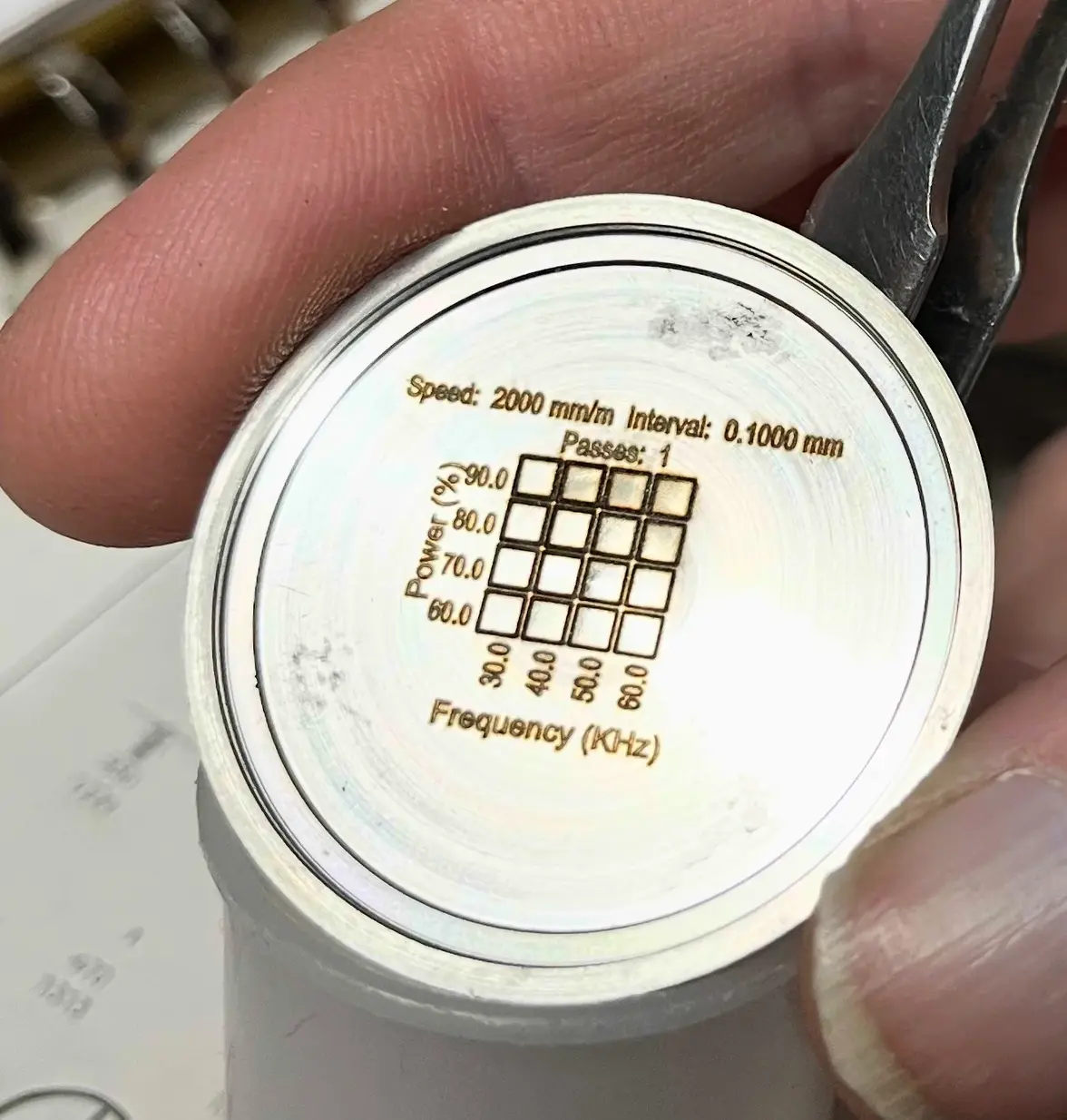
Also have some cheap cases I was attempting to see if I could create a display back with the laser. One issue with the stainless is that it turns black when the laser hits it. Lower power might do something. I suspect the alloy is being broken down. Perhaps the carbon and the chromium is being leached out, leaving only the iron.

On the subject of ultrasonic, I find simple green works pretty well. Did recently get some Mr Clean by mistake. Might be interesting to try that.

EvapORust and Alum, work pretty well, although they are pretty aggressive in action.

Electrolysis is used on cast iron cookware. I think it is also used on marine artifact recovery.
 
Posts
2,842
Likes
4,536
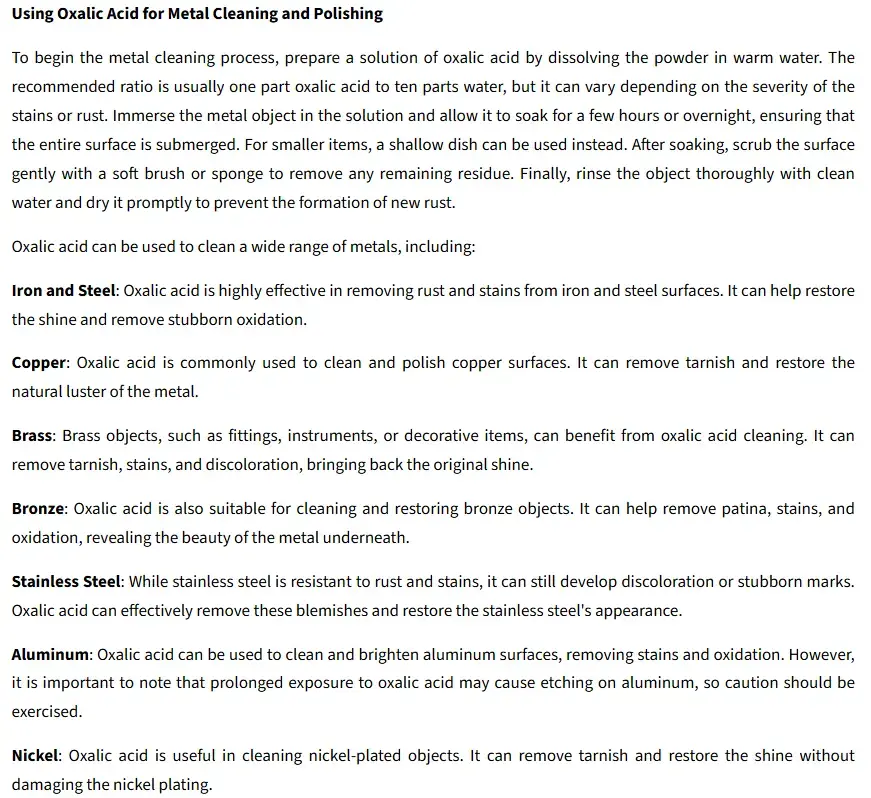
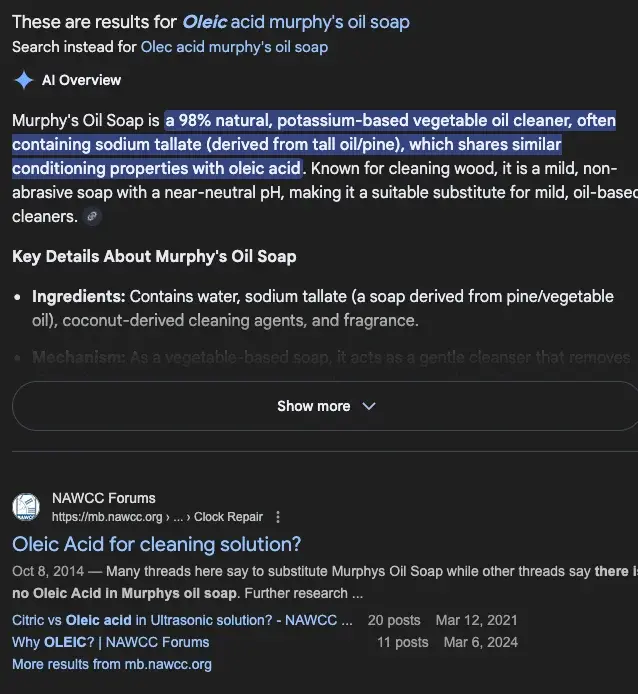
I think Oxalic acid is used in EvapORust and home made cleaners what use things like Murphy's Oil Soap.

There was a decades old thread on NAWCC forums about home made cleaners. I use Henry Fried's which was Oil Soap acetone and ammonia with distilled water. IPA for rinse. I once added vinegar and it caused a brown sludge to percolate out.

Our yard is completely taken over this time of year by Oxallis which is where the name comes from. This is also called wood sorrel according to the disinformation net.

I am sort of thinking that there are two similar names, Oxallic acid and Oleic acid. One of the club members would buy it by the drum and sell it to other members. Now I think Oil Soap is Oleic acid.

Citric Acid, is what is used in things like simple green and Mr Clean. It is also used to kill ant infestations as Orange oil.

found an interesting wiki page on Surfactants https://en.wikipedia.org/wiki/Surfactant

Iron rust has some really interesting properties, including magnetism. https://en.wikipedia.org/wiki/Hematite I also found it interesting that wiki quotes 'it has the same crystal structure as corundum (Al2O3)' Which is the same thing as the bearing jewels. And effectivly transperent aluminum (or sapphire.)

This is what one gets when hitting a goodwill watch stainless back with the Fiber laser. Note that I am attempting to cut through the metal. It does heat things up a bit. Finger oils can affect how it cuts.
Edited:
 
Posts
17,938
Likes
37,514
Just to round this off, I ended up using concentrated CLR and some intense ultrasonic work.