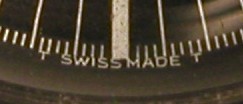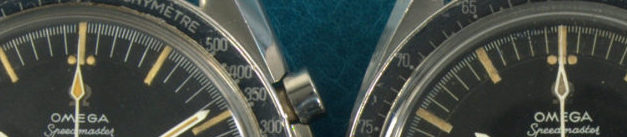
Ref. 105012 dial variations Question

Posts
82
Likes
50
Hi folks,
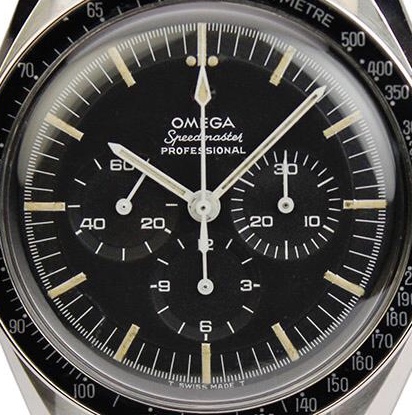
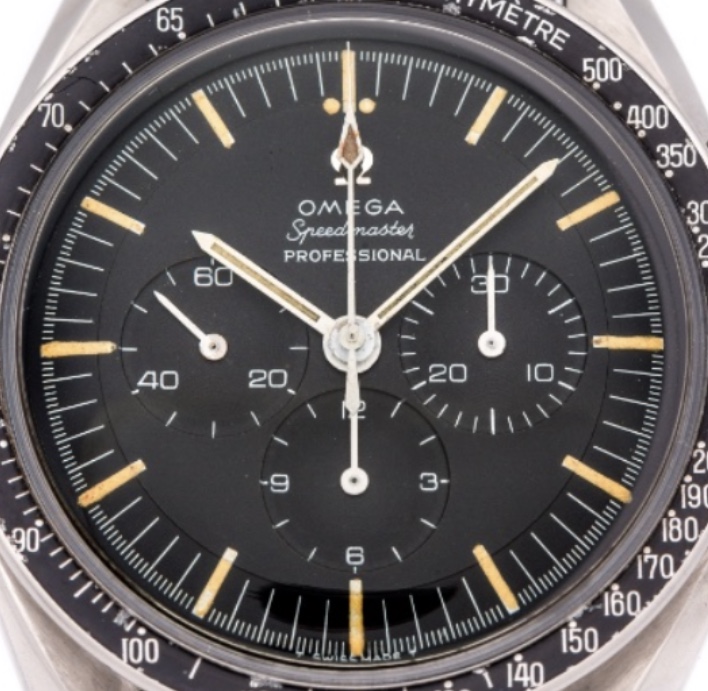
I tried to educate myself a little about the dials of the Speedy Ref. 105012 lately - closed T´s, wide spaced T´s, asymetrical T´s, no T´s - and I noticed that there seems to be some variation in the thickness and length of the tritium indexes. I think the photo below from Speedmaster101 shows pretty well what I mean exactly:
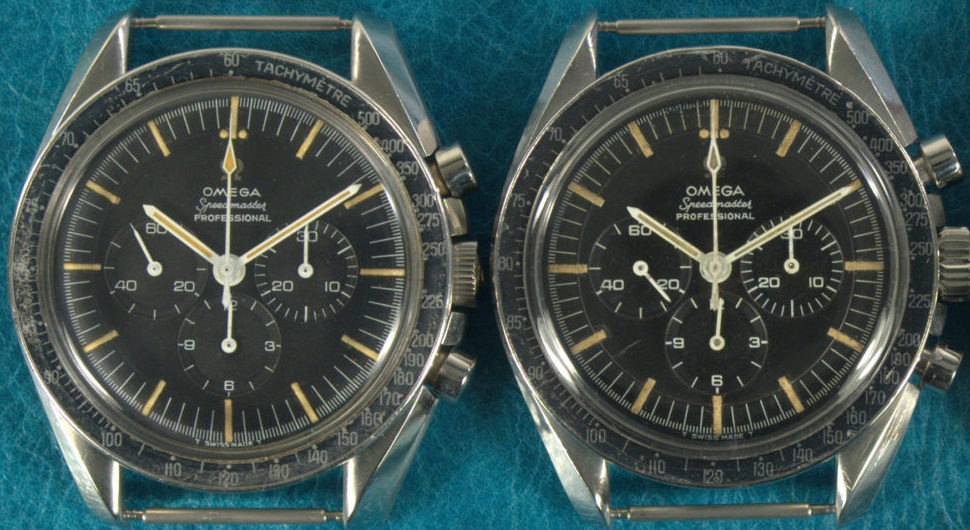
They are both Ref. 105012s, the left one with closed T´s and the right with wide spaced T´s. My question is: do all closed T dials have tritium indexes that extend further outward? And does that mean that the seconds and miliseconds track on the closed T dials is also moved further outward to the edge of the dial than on the open T dials?
Please can somebody enlighten me.

All the best
Luca
Edited:

 
Posts
2,316
Likes
5,703
Do you know if both watches in this picture have the original lume?
 
Posts
123
Likes
543
Hi folks,
I tried to educate myself a little about the dials of the Speedy Ref. 105012 lately - closed T´s, wide spaced T´s, asymetrical T´s, no T´s - and I noticed that there seems to be some variation in the thickness and length of the tritium indexes. I think the photo below from Speedmaster101 shows pretty well what I mean exactly:
They are both Ref. 105012s, the right one with closed T´s and the left with wide spaced T´s. My question is: do all closed T dials have tritium indexes that extend further outward? And does that mean that the seconds and miliseconds track on the closed T dials is also moved further outward to the edge of the dial than on the open T dials?
Please can somebody enlighten me.

All the best
Luca

The two dials are the same as far as the tritium marker length and sec/milisec length. I believe what you are seeing is two watches photographed from differnet distances. One is closer to the camera than the other. The markers look longer because one watch is closer. The only difference between close T and wide T dials is the 'OMEGA ' and 'Speedmaster' print. Actually, the close T probably has a double bevel caseback which would most likely put it closer to the camera.
Edited:
 
Posts
82
Likes
50
Do you know if both watches in this picture have the original lume?
Hey ngdal! Nice to have an expert on board here.

Unfortunately I don‘t know who runs the site (I assume he‘s on this forum?), but I just used this as an example because its very obvious here but I think its noticable in the examples below also (first: wide spaced T‘s, second: closed T‘s):
Edited:
 
Posts
82
Likes
50
The two dials are the same as far as the tritium marker length and sec/milisec length. I believe what you are seeing is two watches photographed from differnet distances. One is closer to the camera than the other. The markers look longer because one watch is closer. The only difference between close T and wide T dials is the 'OMEGA ' and 'Speedmaster' print. Actually, the close T probably has a double bevel caseback which would most likely put it closer to the camera.
I appreciate your input, but how do you explain the markers being thinner? That would be some weird optical illusion. And if that were true the whole watch would look bigger in the picture, not just the indexes
 
Posts
206
Likes
737
I appreciate your input, but how do you explain the markers being thinner? That would be some weird optical illusion. And if that were true the whole watch would look bigger in the picture, not just the indexes
This is simply dial variations. Narrow T and Wide T dials are from different batches, and small tweaks were made, when new dials went into production. The wide T dials looks like they have little wider markers. That's all.
 
Posts
82
Likes
50
Hi Luca

I’m confused. Have you mixed up both your examples with close and wide T’s?
The wide will have the T’s in line with the 28 and the 32 minute marker. The close T dials will have the T’s gloser to the 30 minute mark.
Or - have I missed something?
Hi Romega,
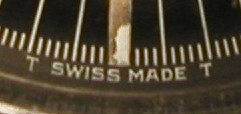
as far as I´m aware your definition of the wide spaced T´s is correct in that the T´s are located just before the 28 and 32 minute marker. The close T dials are very similar in that the T´s are located just 1/5th of a second closer to the 30 minute marker.
Wide T´s:

Close T´s:

The difference is very small but definitely there. Here is also a helpful guide on Speedmaster printings: http://chronomaddox.com/speedy_dial_details.html

Maybe you can show me a picture of the T´s closer to the 30 minute mark, because I´m not sure if I know what you mean.

Cheers!
 
Posts
82
Likes
50
This is simply dial variations. Narrow T and Wide T dials are from different batches, and small tweaks were made, when new dials went into production. The wide T dials looks like they have little wider markers. That's all.
Right, different dials different printings - makes sense. However you didn´t address the length of the tritium indexes. I would like to know if they are actually longer on the closed T dials. Because if they were longer and stretched outwards towards the edge of the dial, that would mean that the 1/5th of a second markers would also have to be moved further outwards to align with the tritium indexes. And if that´s the case, does the allignment of the Spear Chronograph Seconds hand in relation to the markers also change? Because in my first example the seconds hand of the wide T variant (right) overlays the 1/5th seconds markers and in the closed T variant (left) it points at them.


I´m just curious to know if other people have observed this and maybe know a little more about it.
 
Posts
82
Likes
50
Hi
We have the same definition of the dial variations. But, in the two examples, you are illustrating the opposite. The right watch in your OP is actually the Wide T dial
Oh you´re right haha. That was just me being stupid. Obviously it´s the other way round. Thanks for making me aware of it!