Re-dial

Posts
5
Likes
0
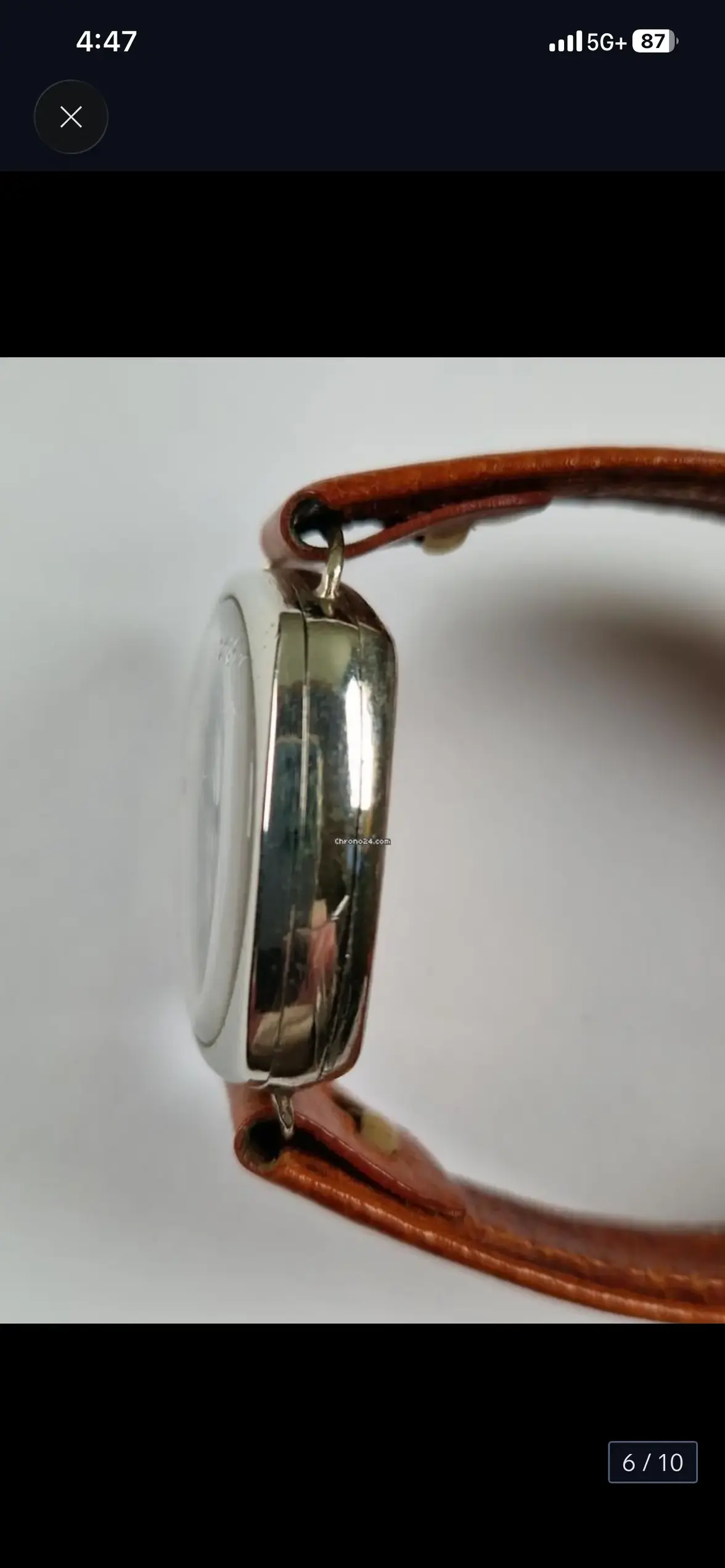
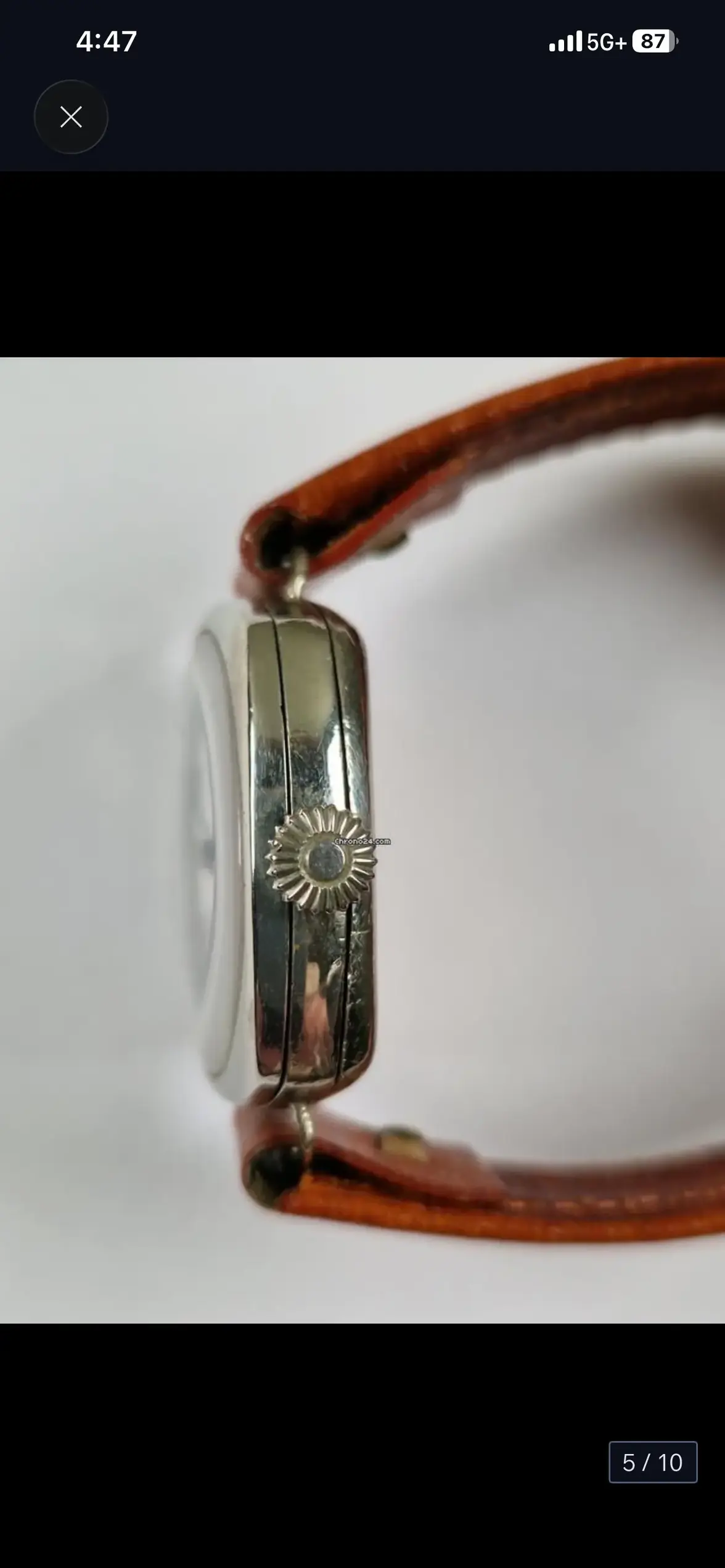
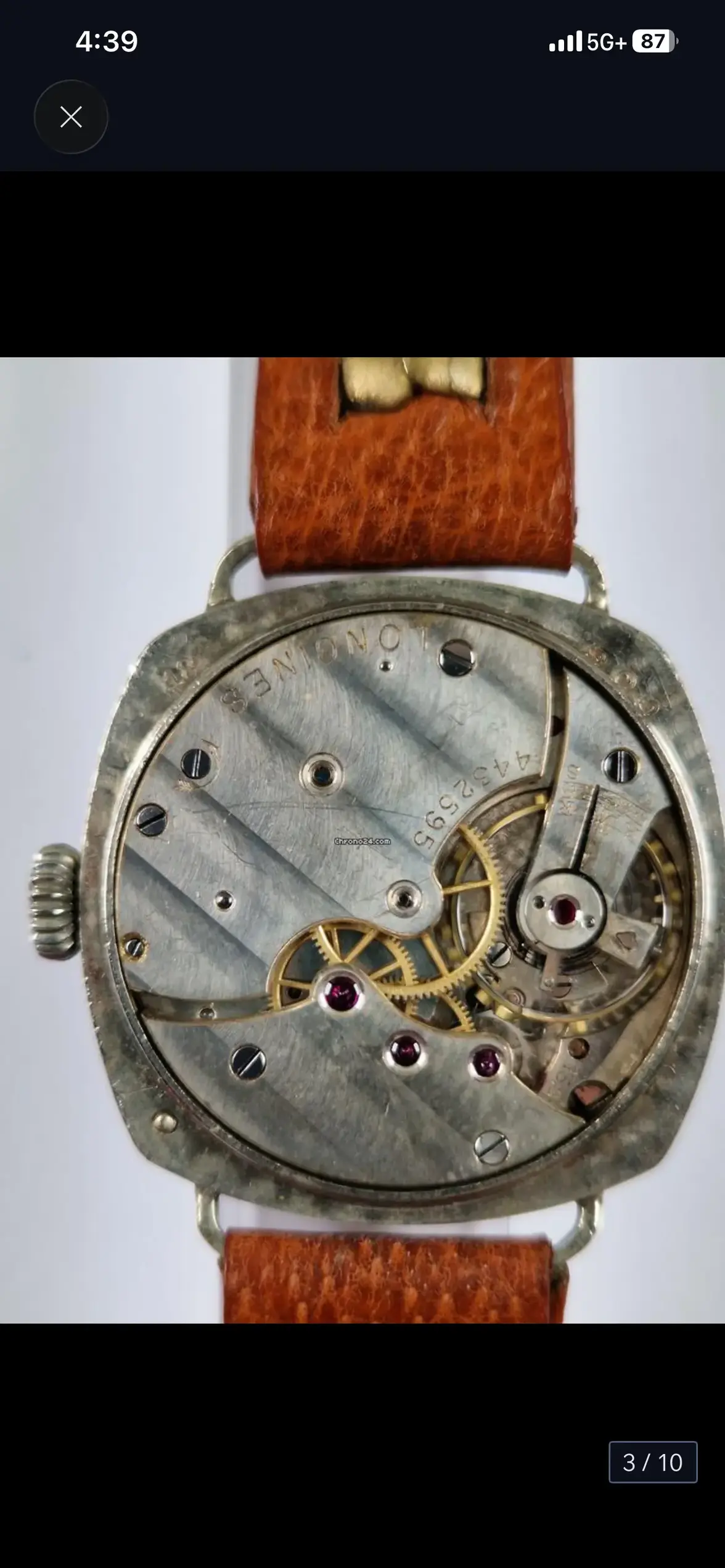
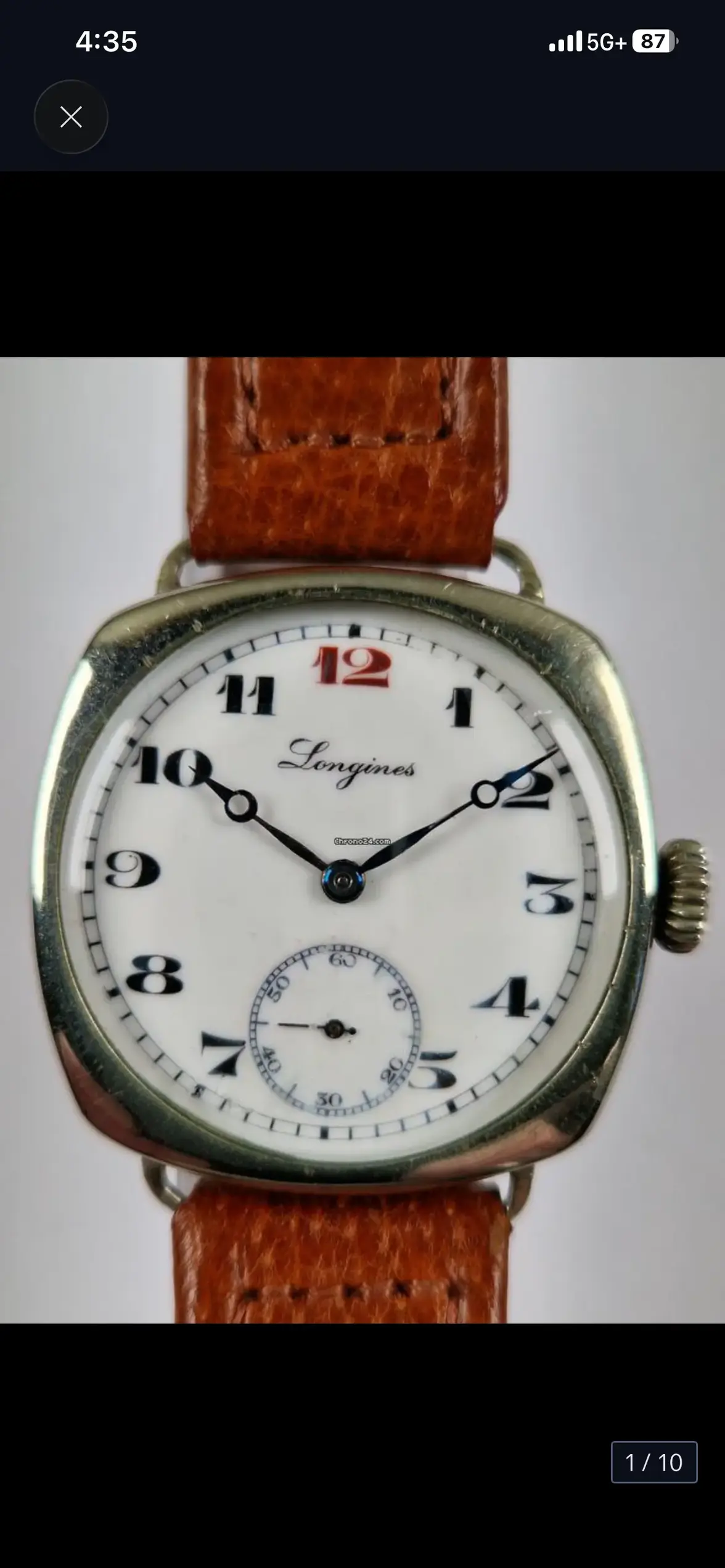
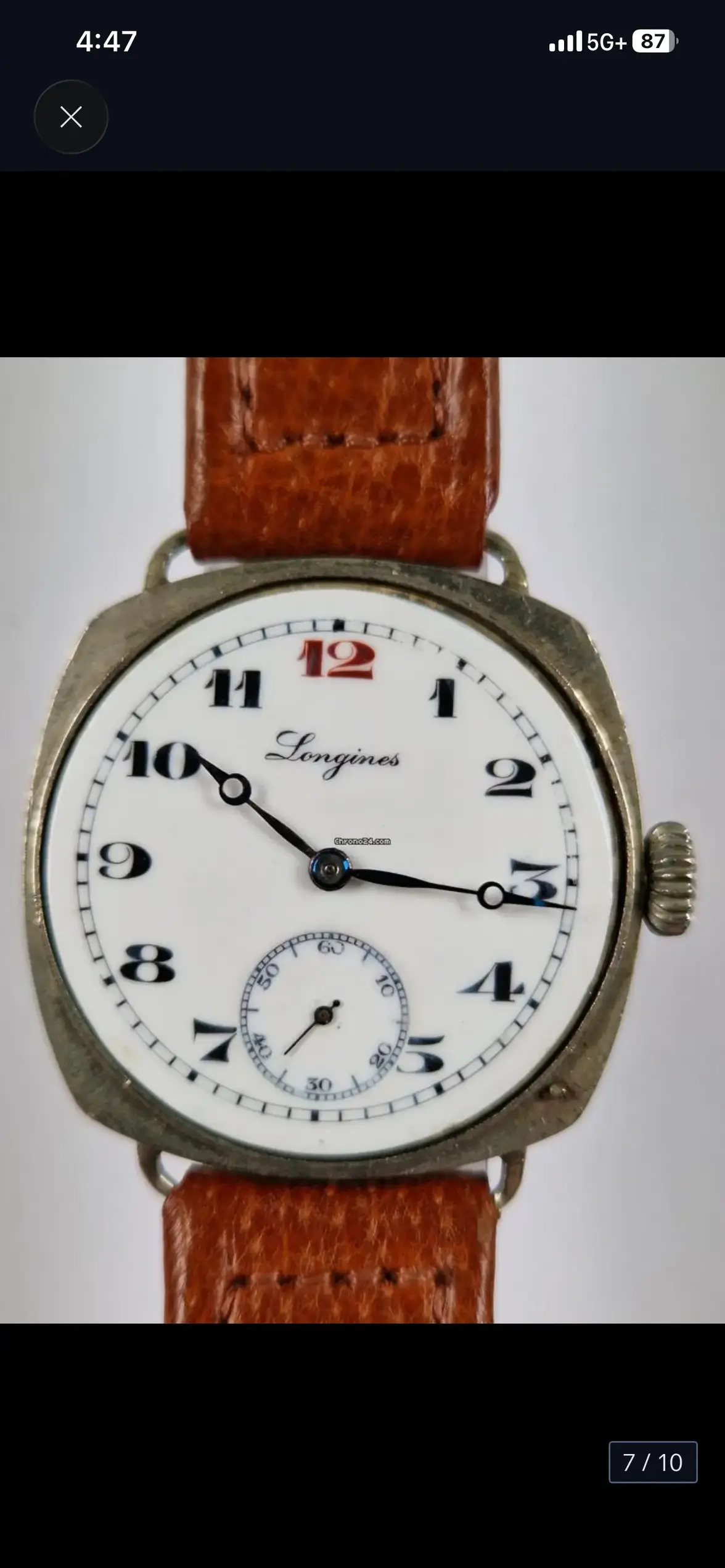
Considering this cushion as I've been really interested in the style as of late. Any inputs on if the dial is original? After doing some research it seems that the dial is porcelain which is why there's not a lot of aging on it. Appreciate any thoughts!
 
Posts
13,359
Likes
18,527
Not sure why you would think this is a redial.

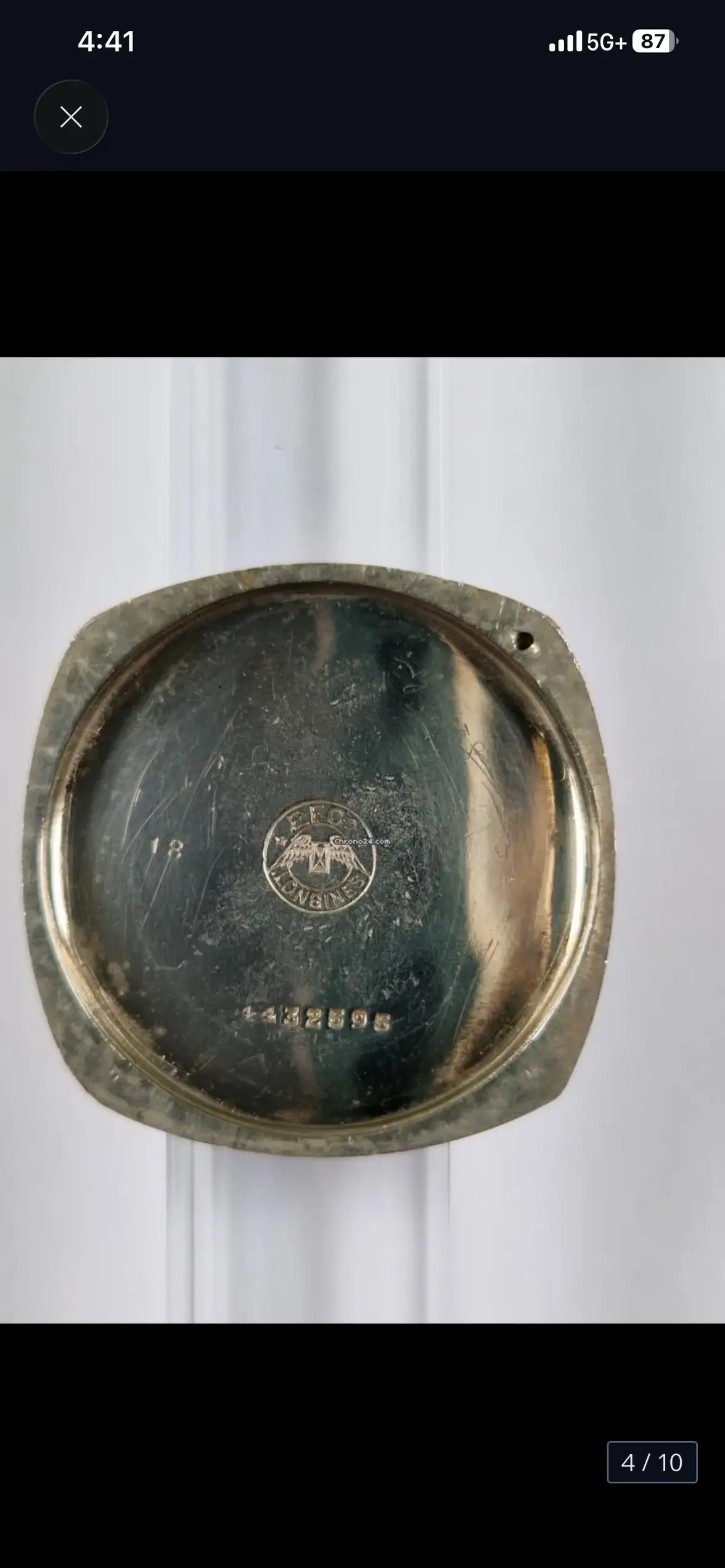
According to one of my sources, the watch dates from around 1925.

https://www.emmywatch.com/db/serial/longines/?num=4432595

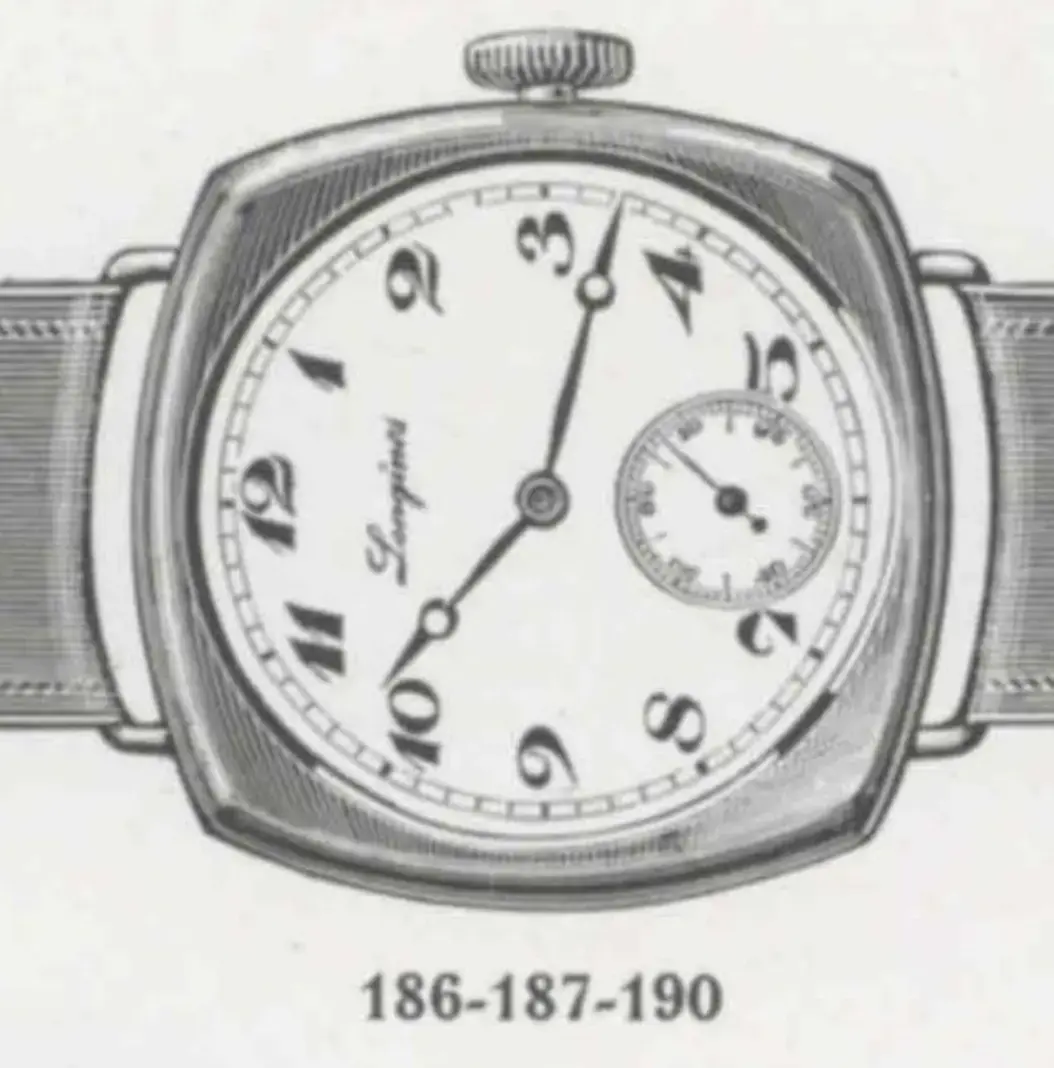
The logo looks correct for the time period. Here is a page from a 1929 French catalog that shows your model:


https://www.vintagelongines.com/index.html#brochure18

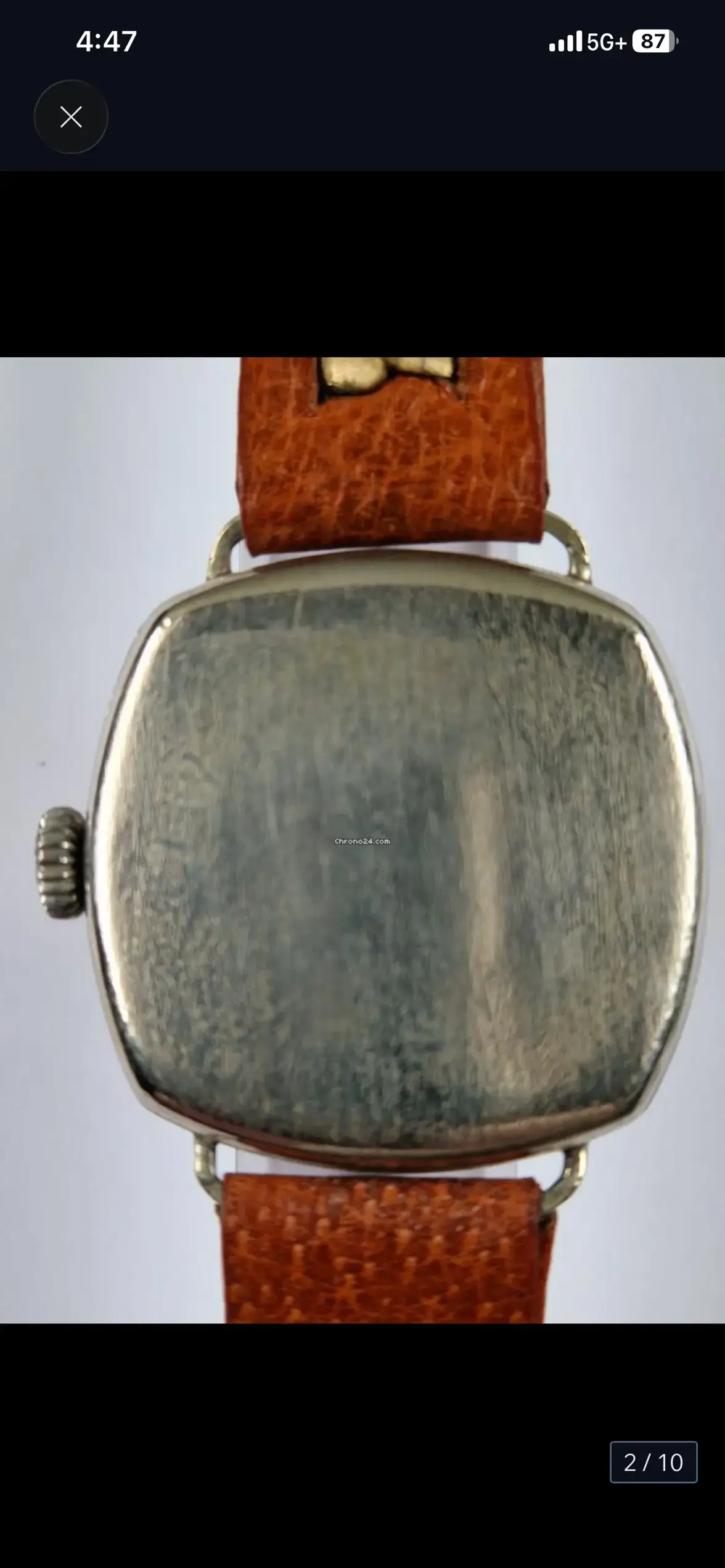
Do you know the case metal? I see an “18” stamped on the inside of the caseback. Could it be solid white gold? That was very popular in the 1920’s. According to the catalog, this case came in “métal” (probably steel or plated brass), silver and gold.

Nice watch!
gatorcpa
 
Posts
13,729
Likes
53,575
Beauty .. Excellent dial. Porcelain doesn’t age. And no cracks!
 
Posts
18,001
Likes
37,615
Dial is all original IMO and very nice with no cracks as noted above.
It's also vitreous enamel or porcelain enamel, not actual porcelain, although the term is often misused.
 
Posts
5
Likes
0
Not sure why you would think this is a redial.

According to one of my sources, the watch dates from around 1925.

https://www.emmywatch.com/db/serial/longines/?num=4432595

The logo looks correct for the time period. Here is a page from a 1929 French catalog that shows your model:


https://www.vintagelongines.com/index.html#brochure18

Do you know the case metal? I see an “18” stamped on the inside of the caseback. Could it be solid white gold? That was very popular in the 1920’s. According to the catalog, this case came in “métal” (probably steel or plated brass), silver and gold.

Nice watch!
gatorcpa
I was curious about that 18 as well and after some digging it seems that it may be a batch number rather than denoting the material. I believe it’s nickel chromium based off the lack of other marks on the caseback. Thanks for all your help!
 
Posts
13,729
Likes
53,575
Dial is all original IMO and very nice with no cracks as noted above.
It's also vitreous enamel or porcelain enamel, not actual porcelain, although the term is often misused.
I get very confused about the difference.
 
Posts
18,001
Likes
37,615
I get very confused about the difference.
Porcelain is a clay based ceramic. Toilet bowls, bathroom tiles, flower vases, dinner table plates etc.
Porcelain enamel/vitreous enamel is a powdered glass compound fired onto a metal substrate.

Porcelain itself as a watch dial would be far too fragile.
 
Posts
5
Likes
0
Porcelain is a clay based ceramic. Toilet bowls, bathroom tiles, flower vases, dinner table plates etc.
Porcelain enamel/vitreous enamel is a powdered glass compound fired onto a metal substrate.

Porcelain itself as a watch dial would be far too fragile.
Any thoughts on the fading ink around the 1 and 2? To my understanding ink shouldn’t fade on an enamel dial.
 
Posts
13,359
Likes
18,527
Any thoughts on the fading ink around the 1 and 2? To my understanding ink shouldn’t fade on an enamel dial.
Could be an old repair or a harsh cleaning sometime in the last 100 years or so.
gatorcpa
 
Posts
1,469
Likes
4,301
Any thoughts on the fading ink around the 1 and 2? To my understanding ink shouldn’t fade on an enamel dial.
It helps if you can get a macro close up of the printed area tilted where it is possible to see if the print is ontop of the white background. Longines enamel dials have both sublimated pigments in the white enamel or enamel print ontop of the white enamel. The latter type can wear away with harsh cleaning. Best way to see if it is authentic is to look on the back of the dial for ZJ printed in red. The case is by the way most likely a nickel alloy. The extract will call this "metal". It is not gold, it is not silver and it is not plated. It appears to be all numbers matching watch, which is important. And I can't tell but it appears to be a Lingne 13 size movement so not small by that era's standards. The number "18" in that position on the watch is used normally to match the top of the case to the bottom of the case. Somewhere on the top side of the case there was another "18" to tell the watchmaker that these two halves go together.