- Posts
- 4
- Likes
- 1
victor.romeiro
·Good afternoon, friends. How are you?
My name is Victor, and I’m a new member here. I’ve always enjoyed vintage items—pocket watches included. I finally found the time to do some research and acquired an Omega pocket watch dating from just before World War I, featuring a .900 silver case. What really won me over was the dial—made of porcelain and in practically perfect condition (without a single crack).
I would appreciate the help and expertise of the forum members in gathering some historical and technical information about this watch, which has recently undergone a complete overhaul.
Watch Details:
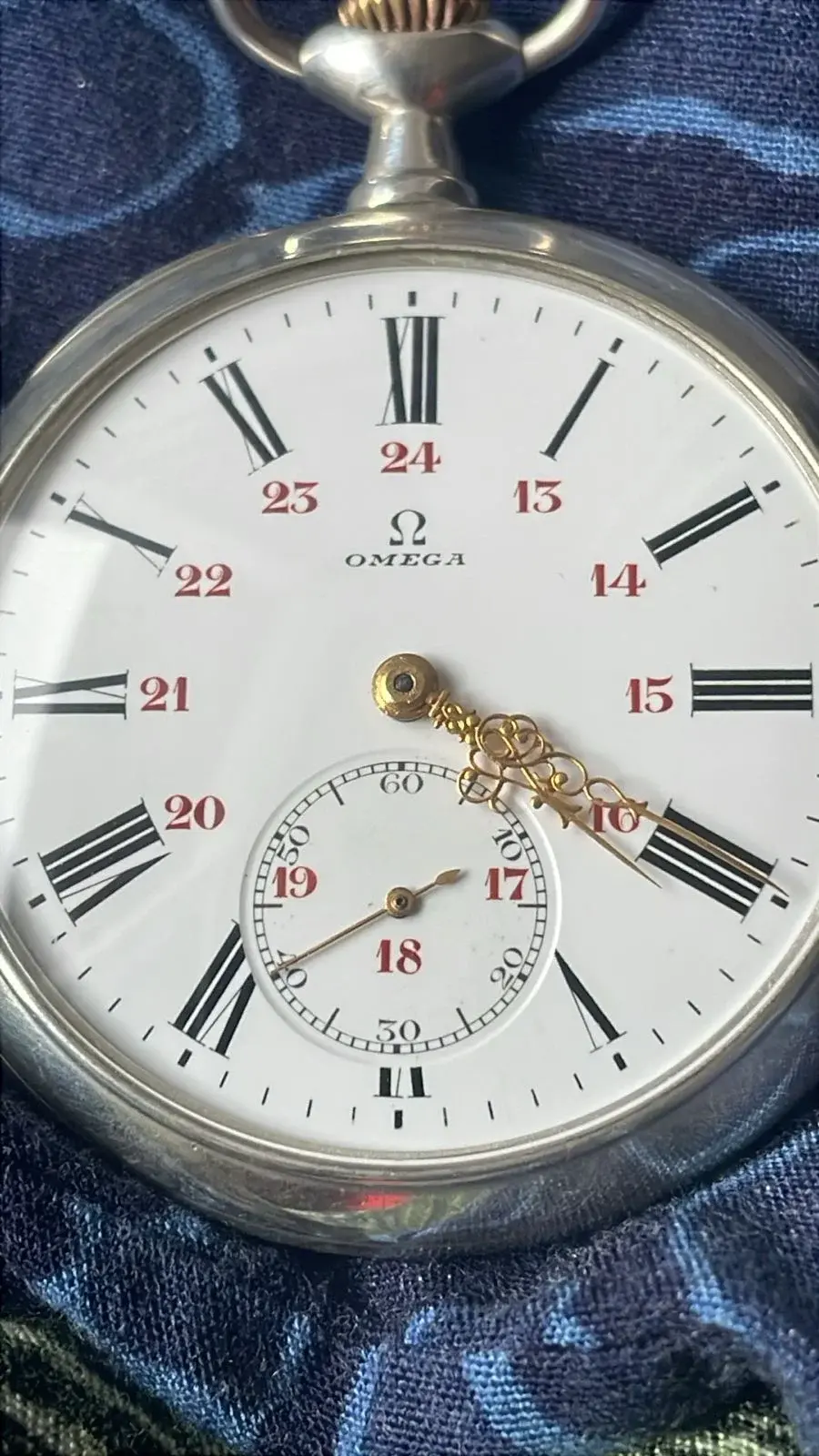
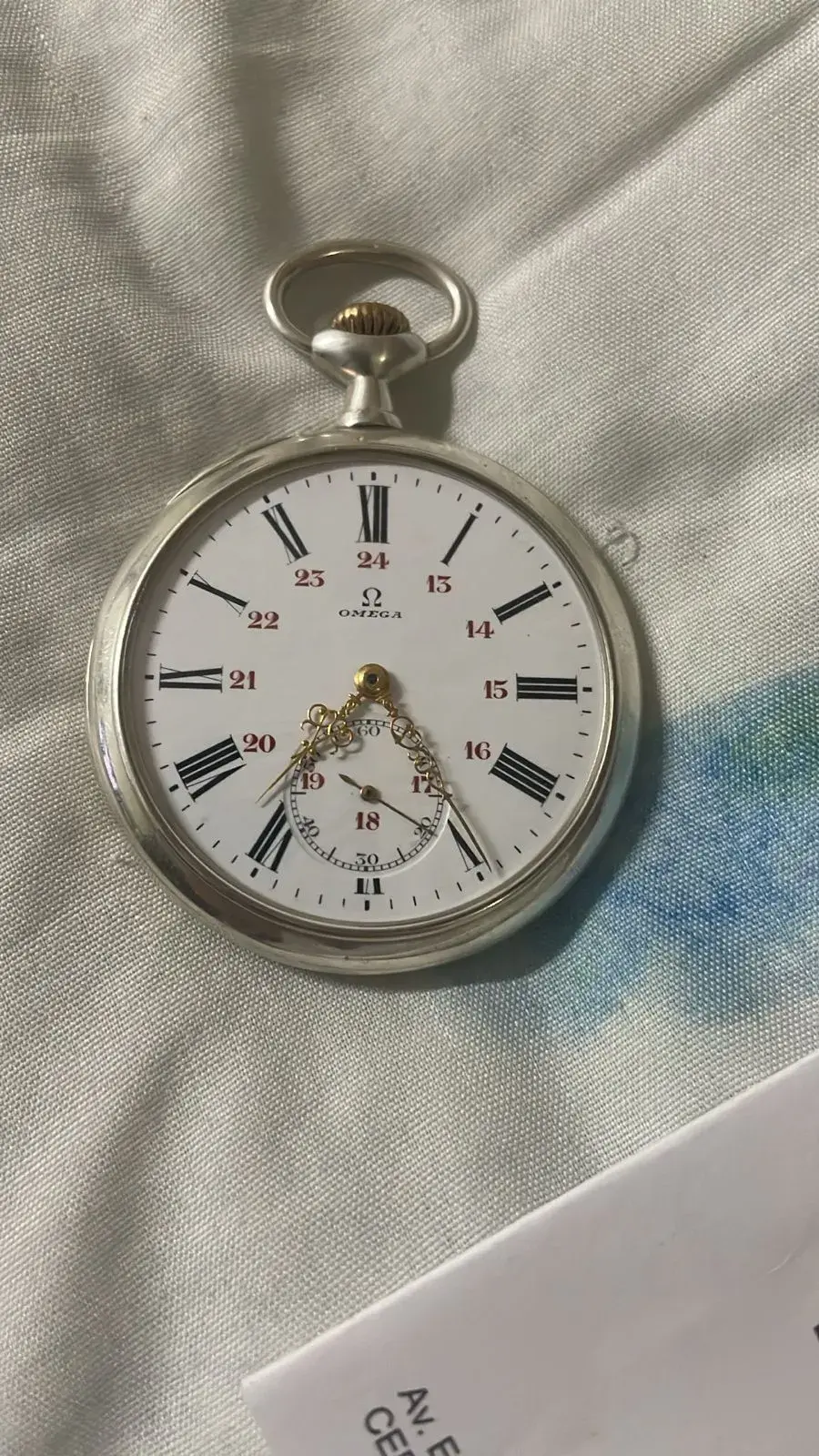
Dial: White porcelain (military/railroad style, bold numerals, perfect condition) with Louis XV-style main hands.
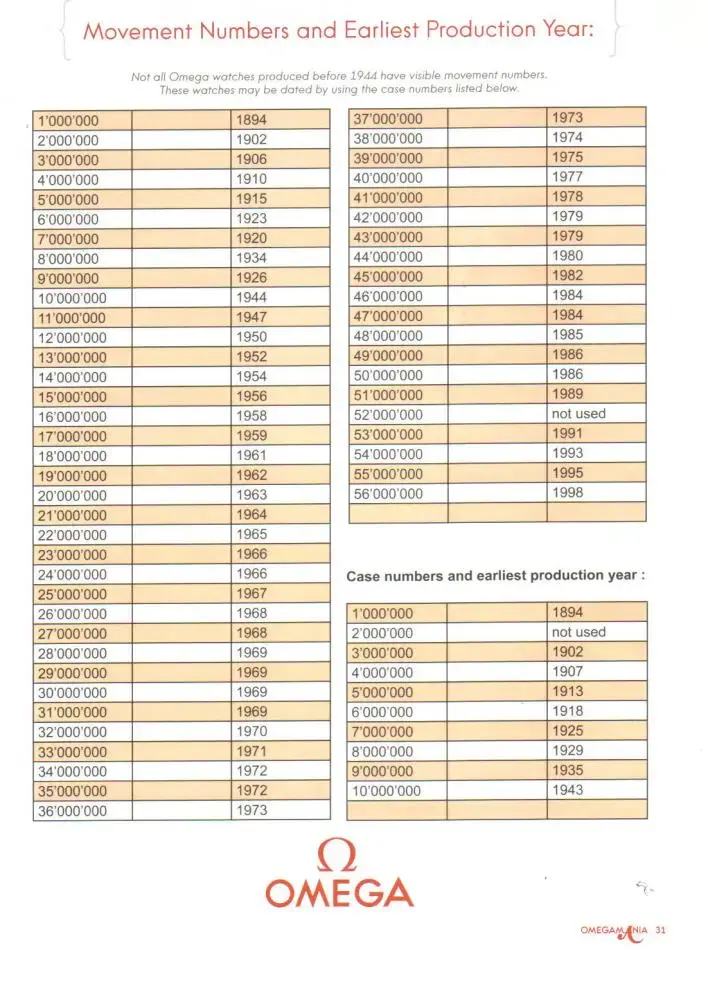
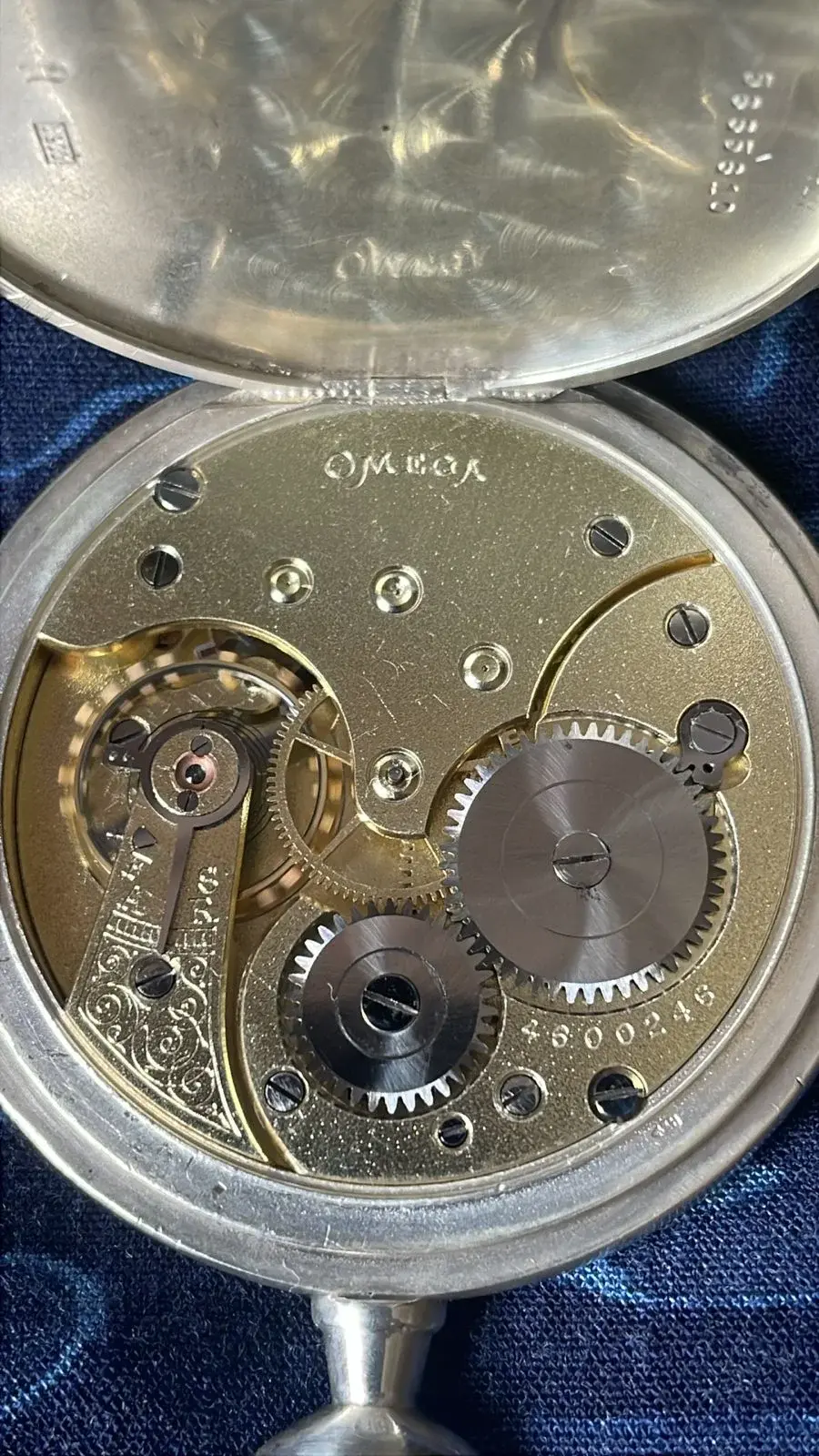
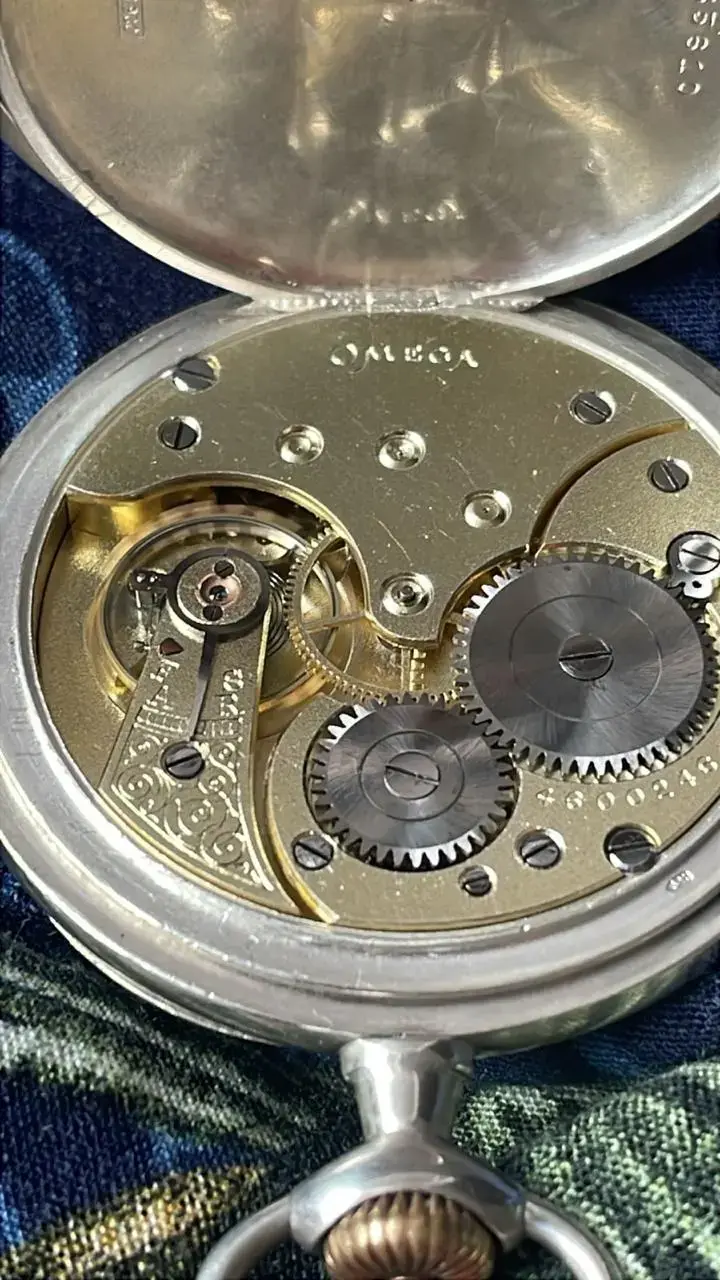
Movement: Omega mechanical movement, serial number 4,600,246 (estimated manufacturing period between 1907 and 1912—the "4 million" series, according to Omega itself).
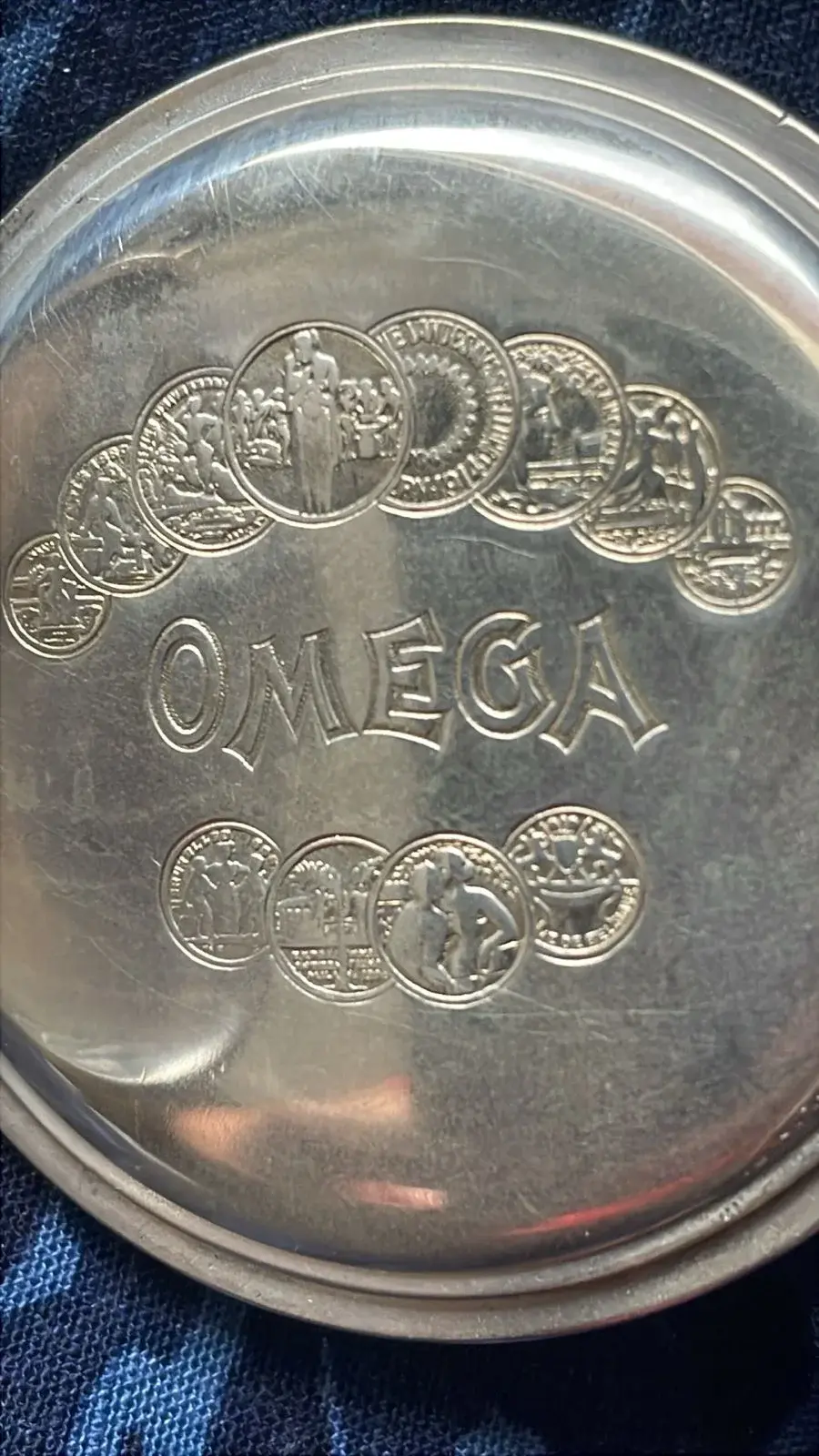
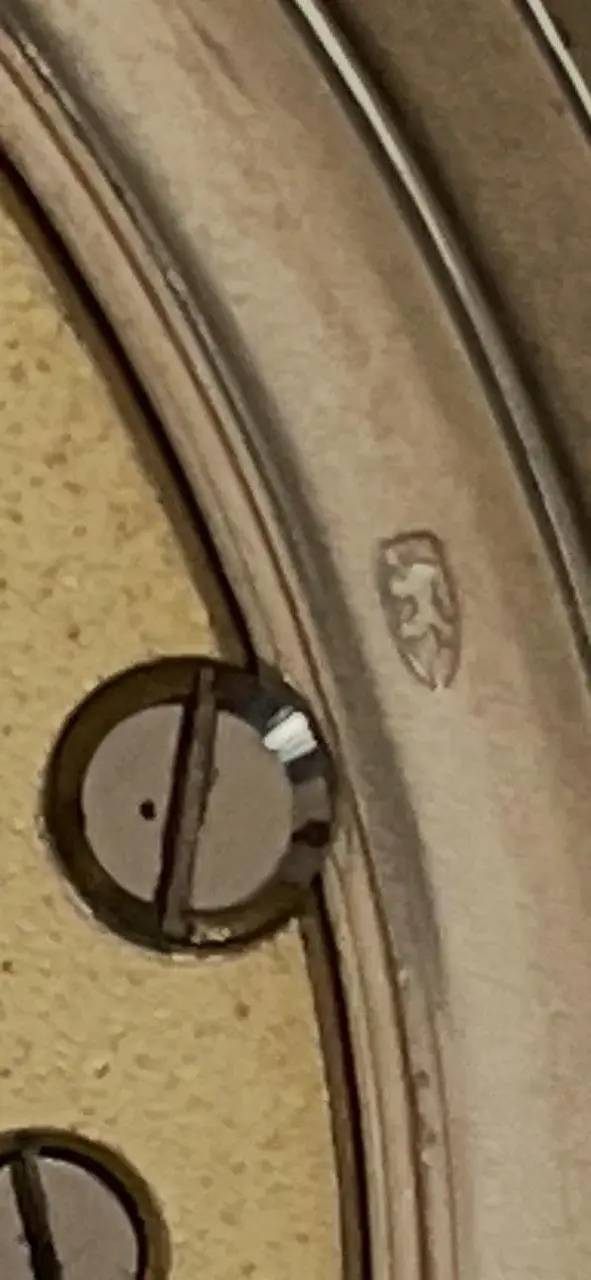
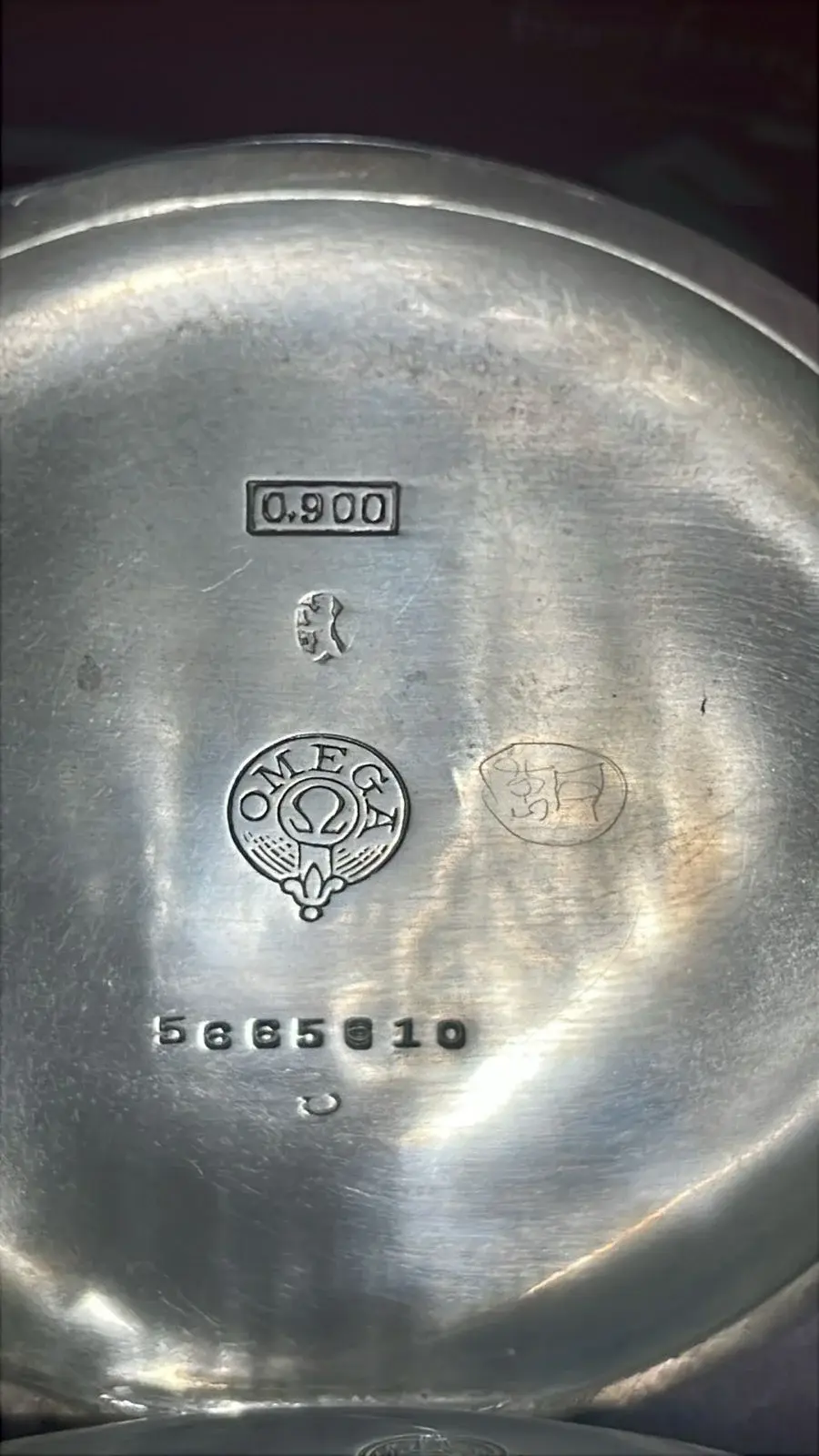
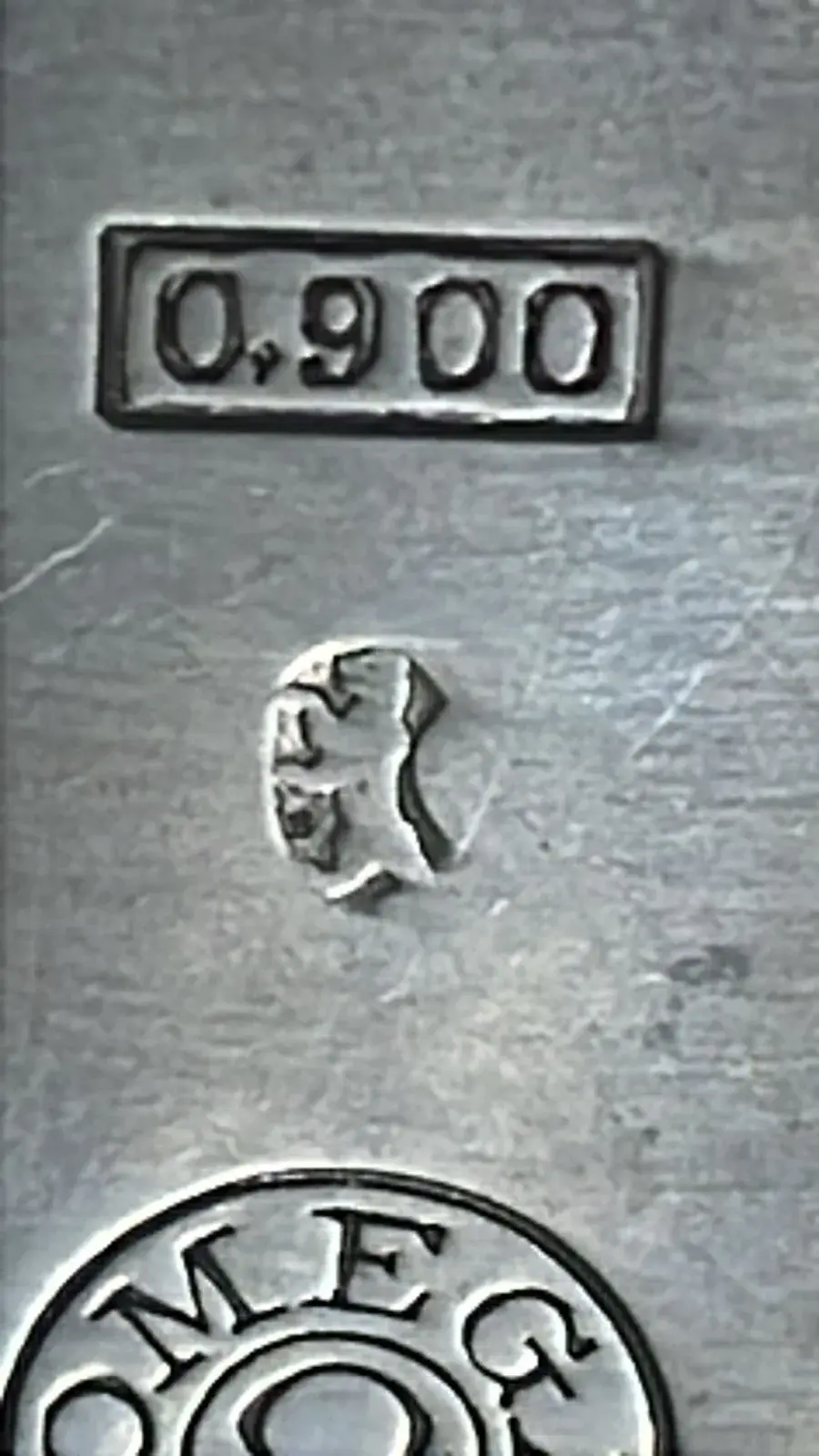
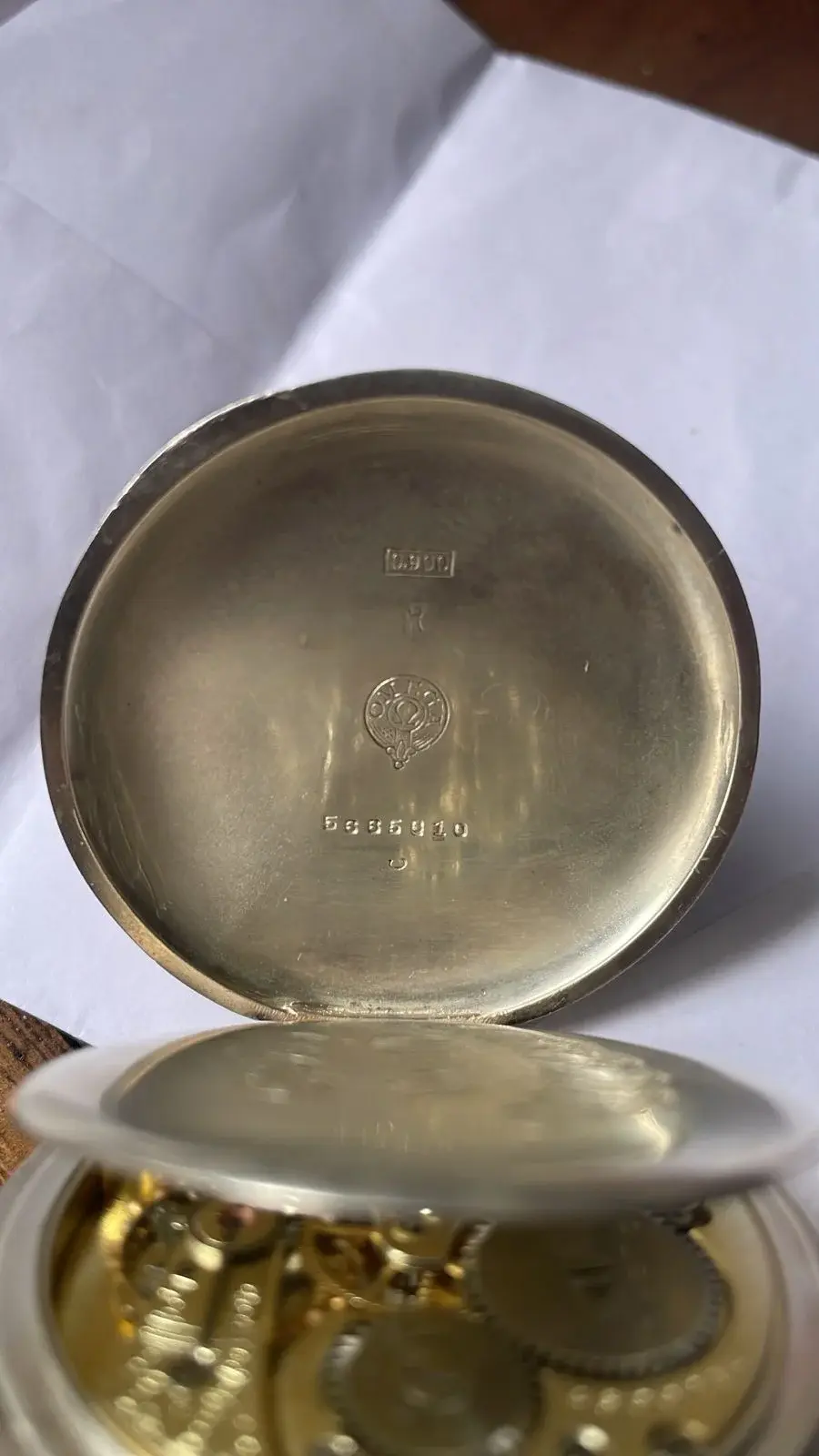
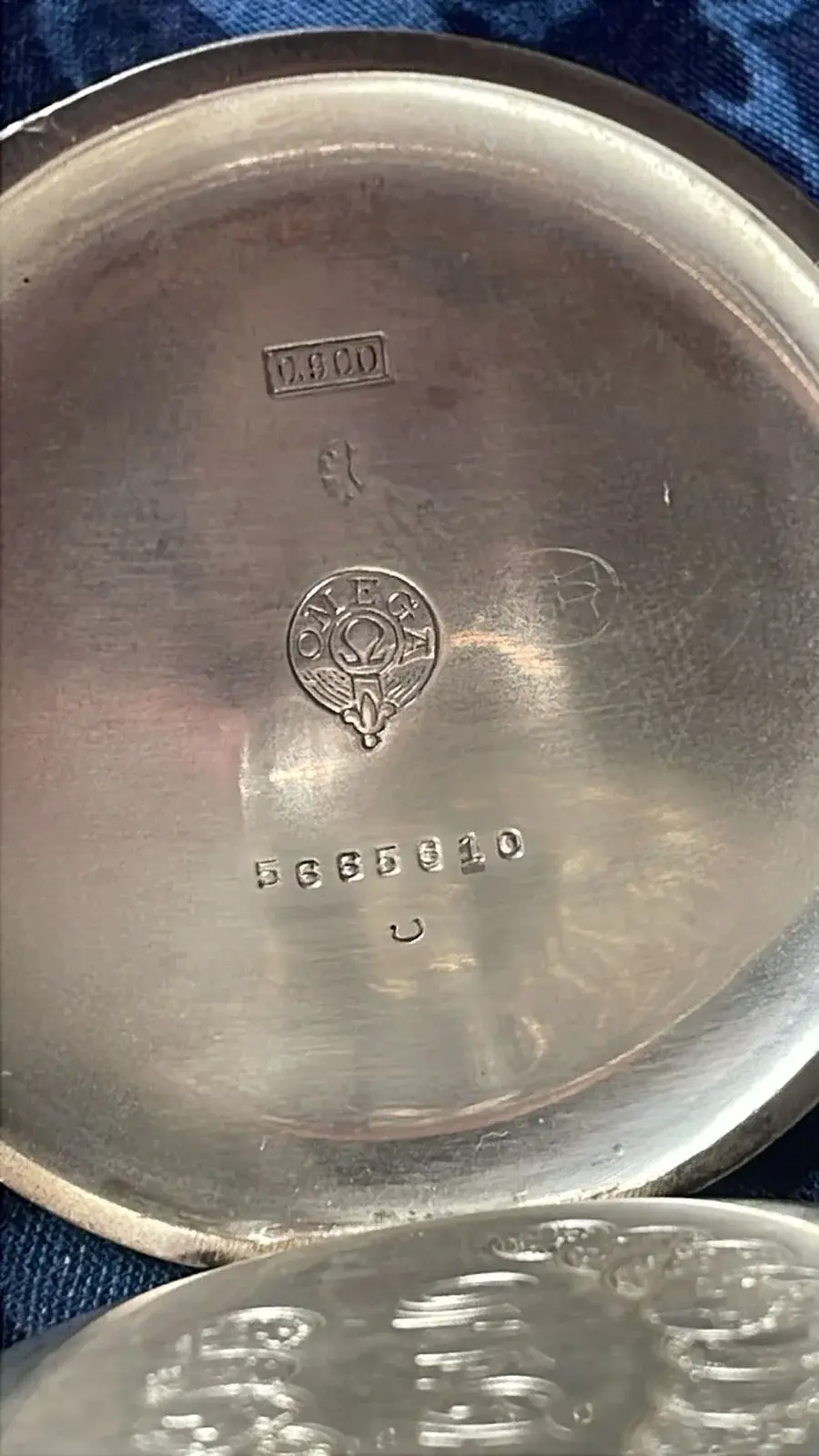
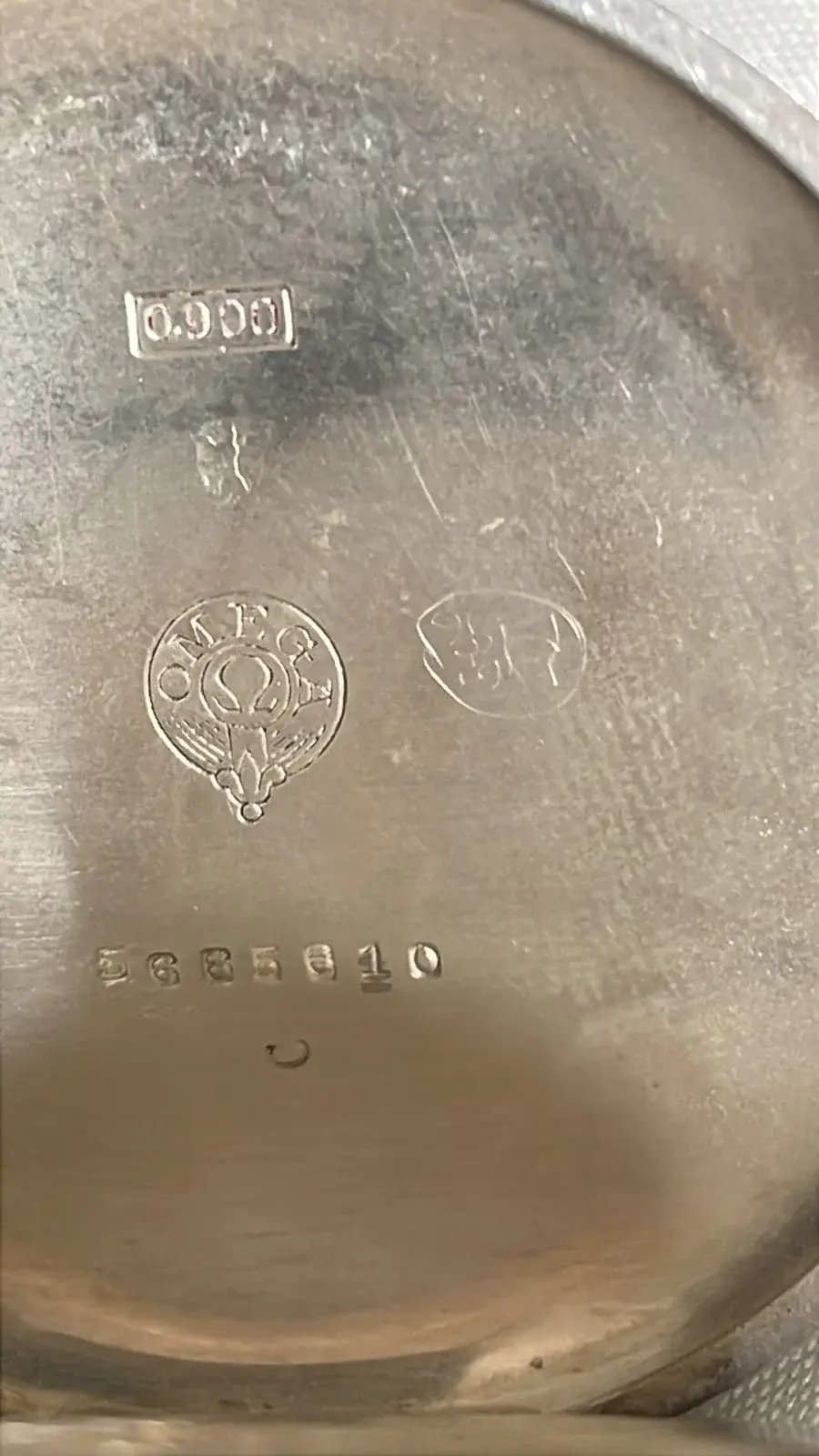
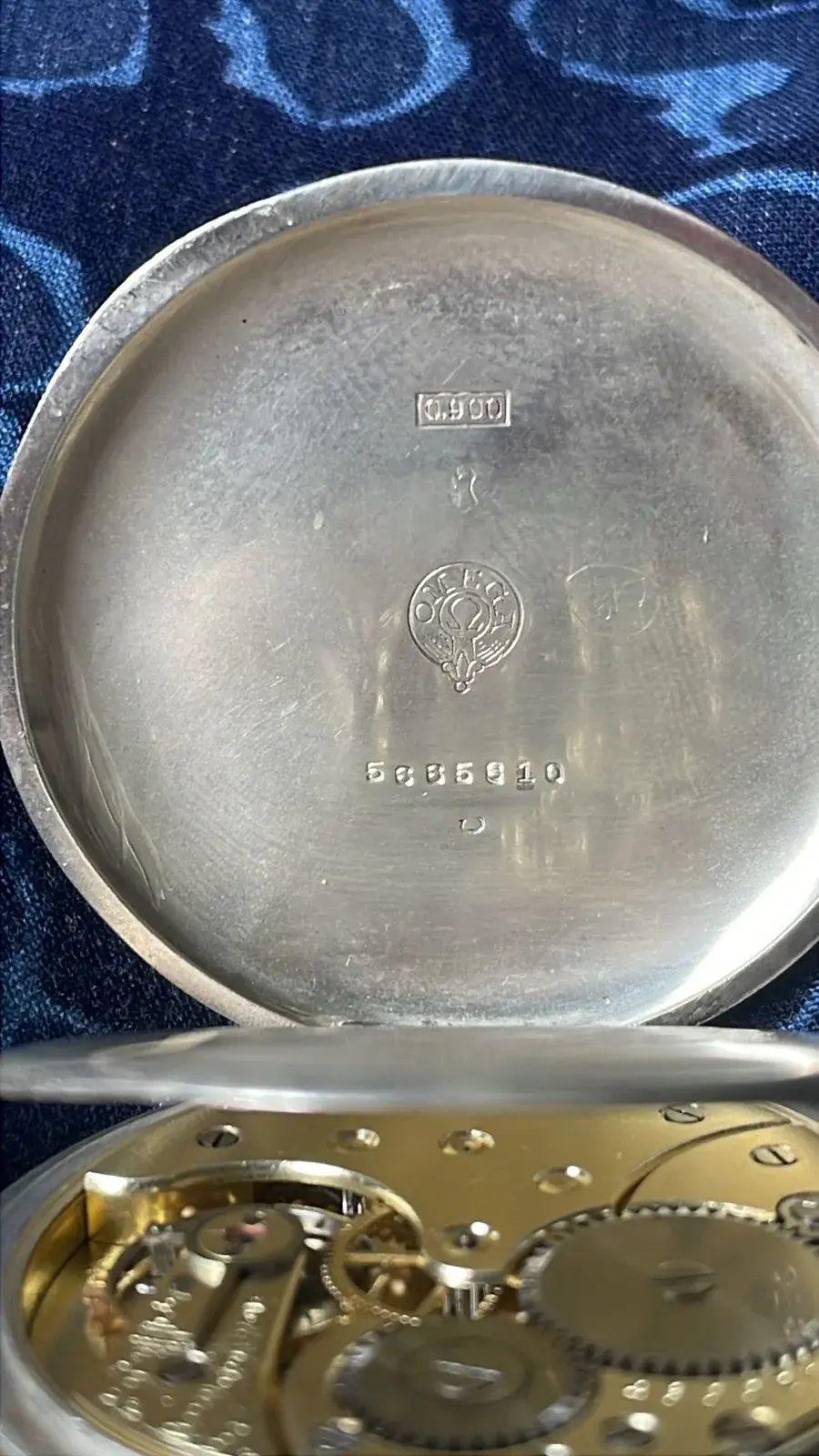
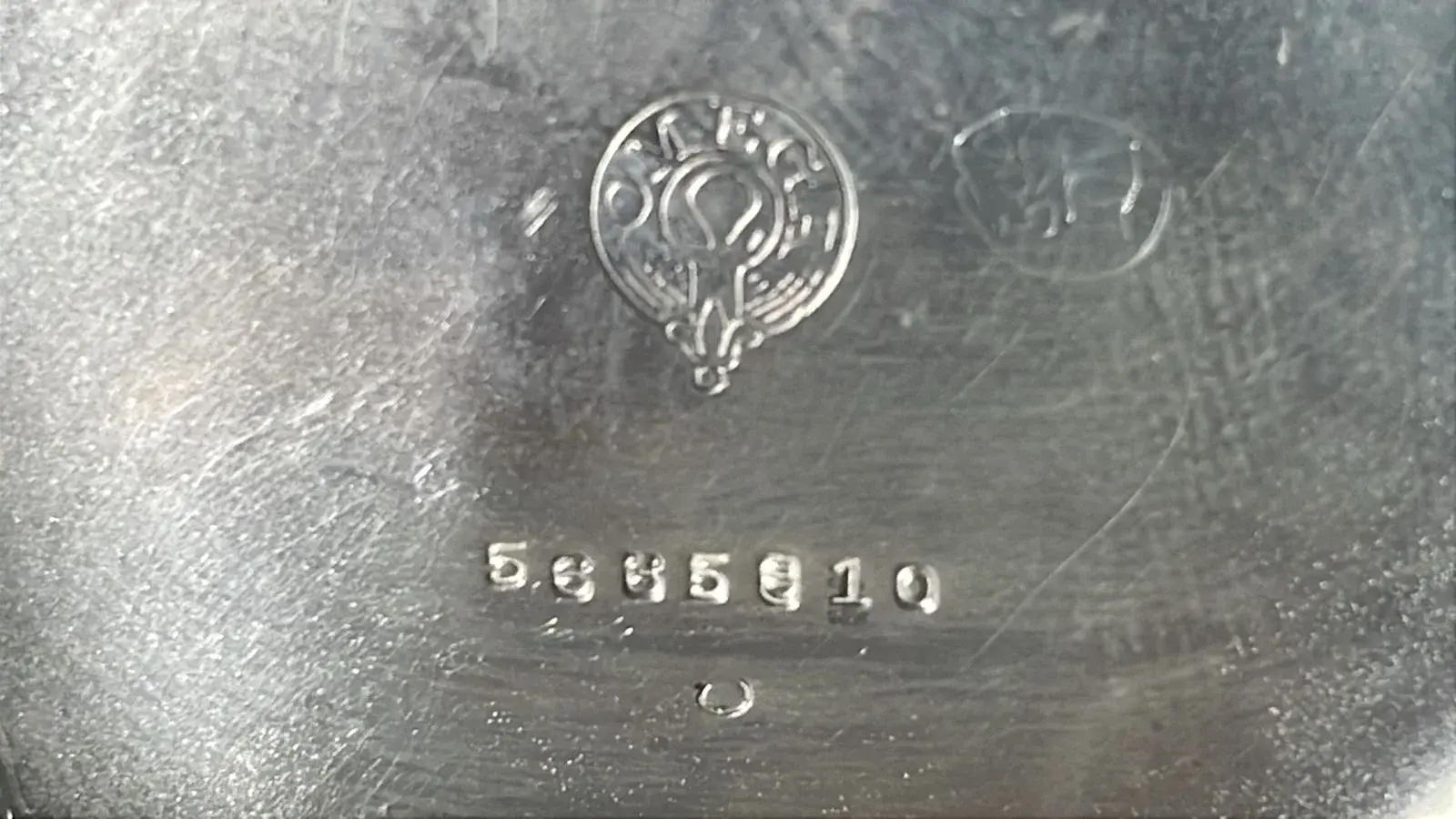
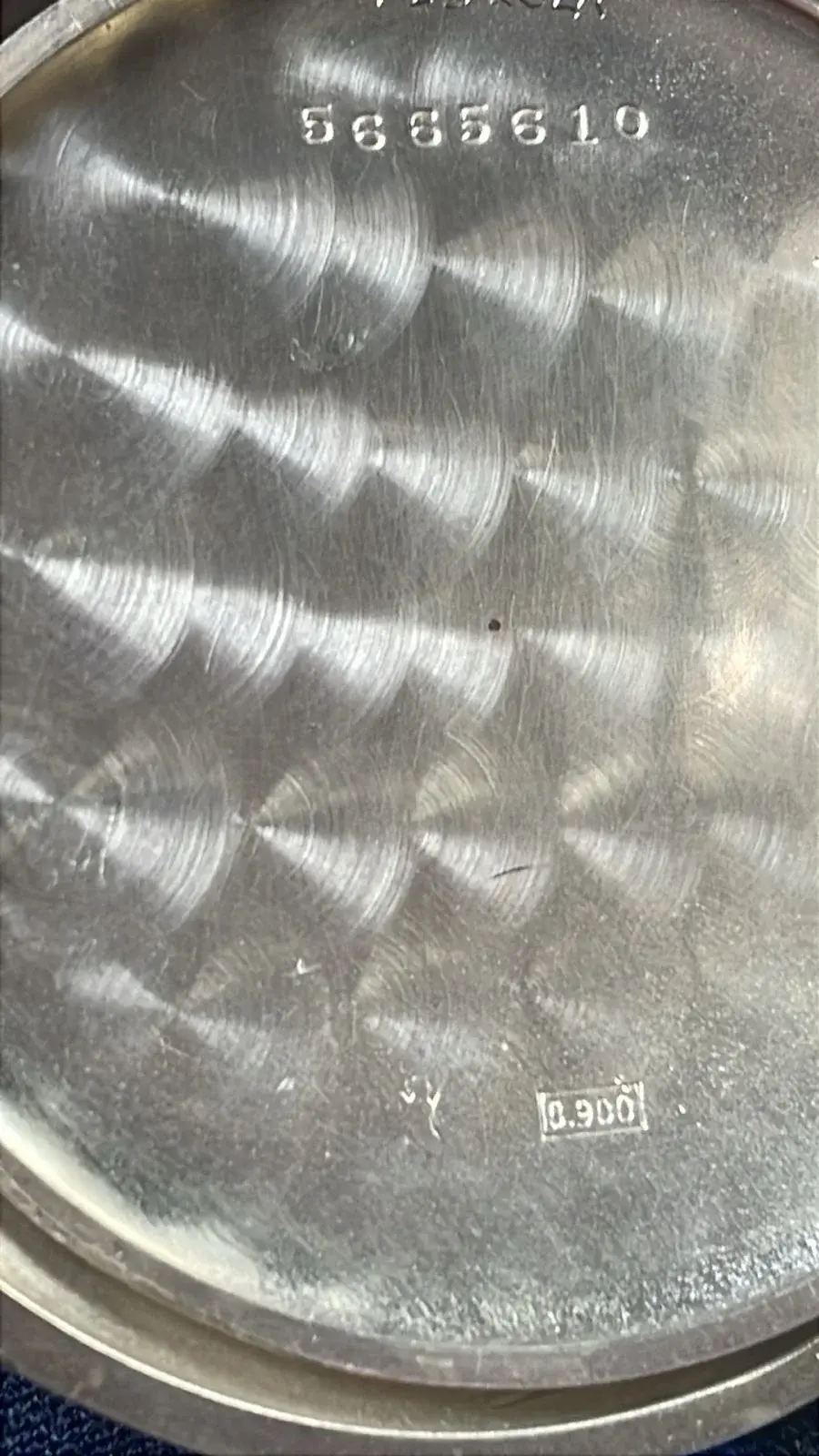
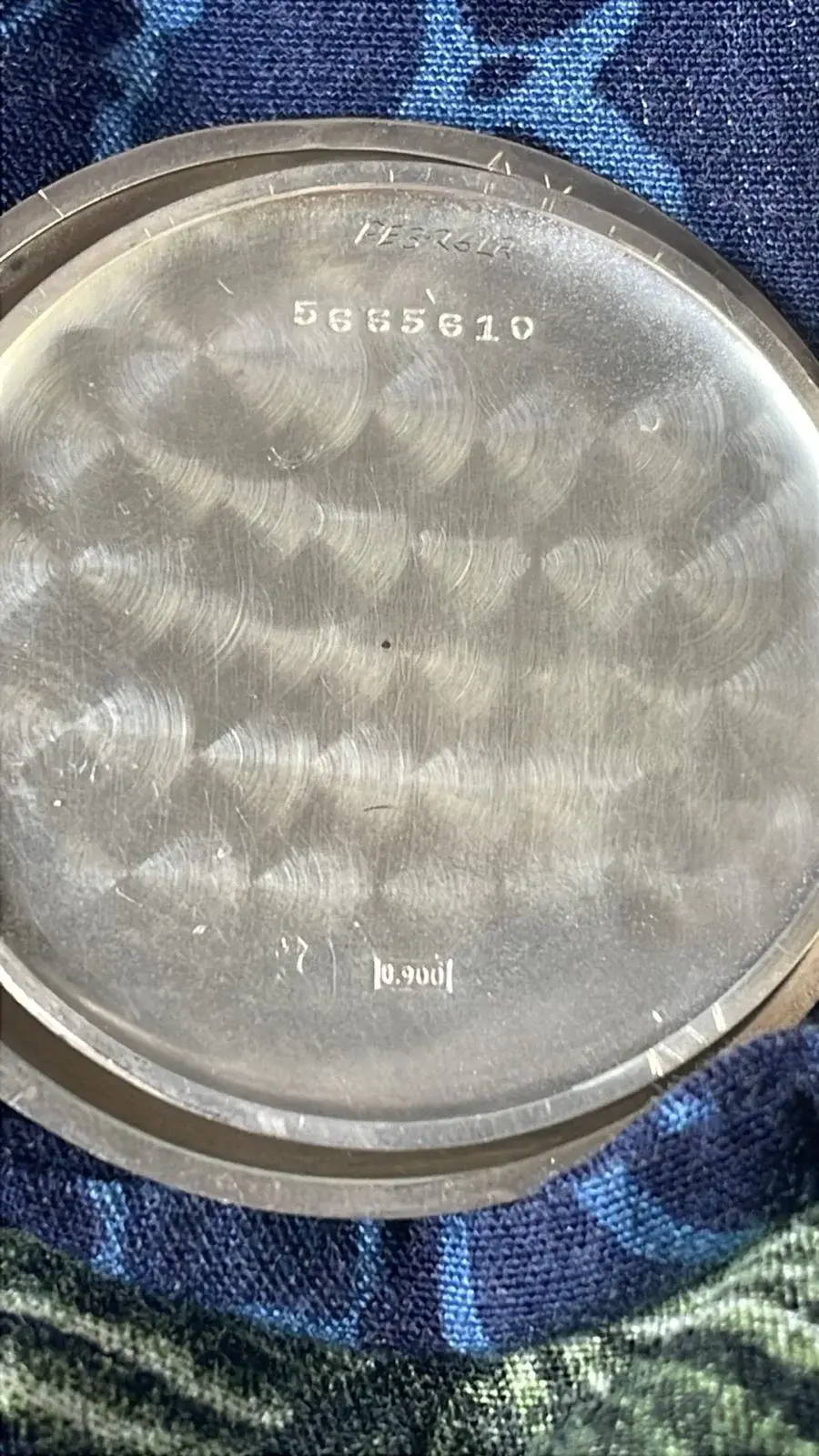
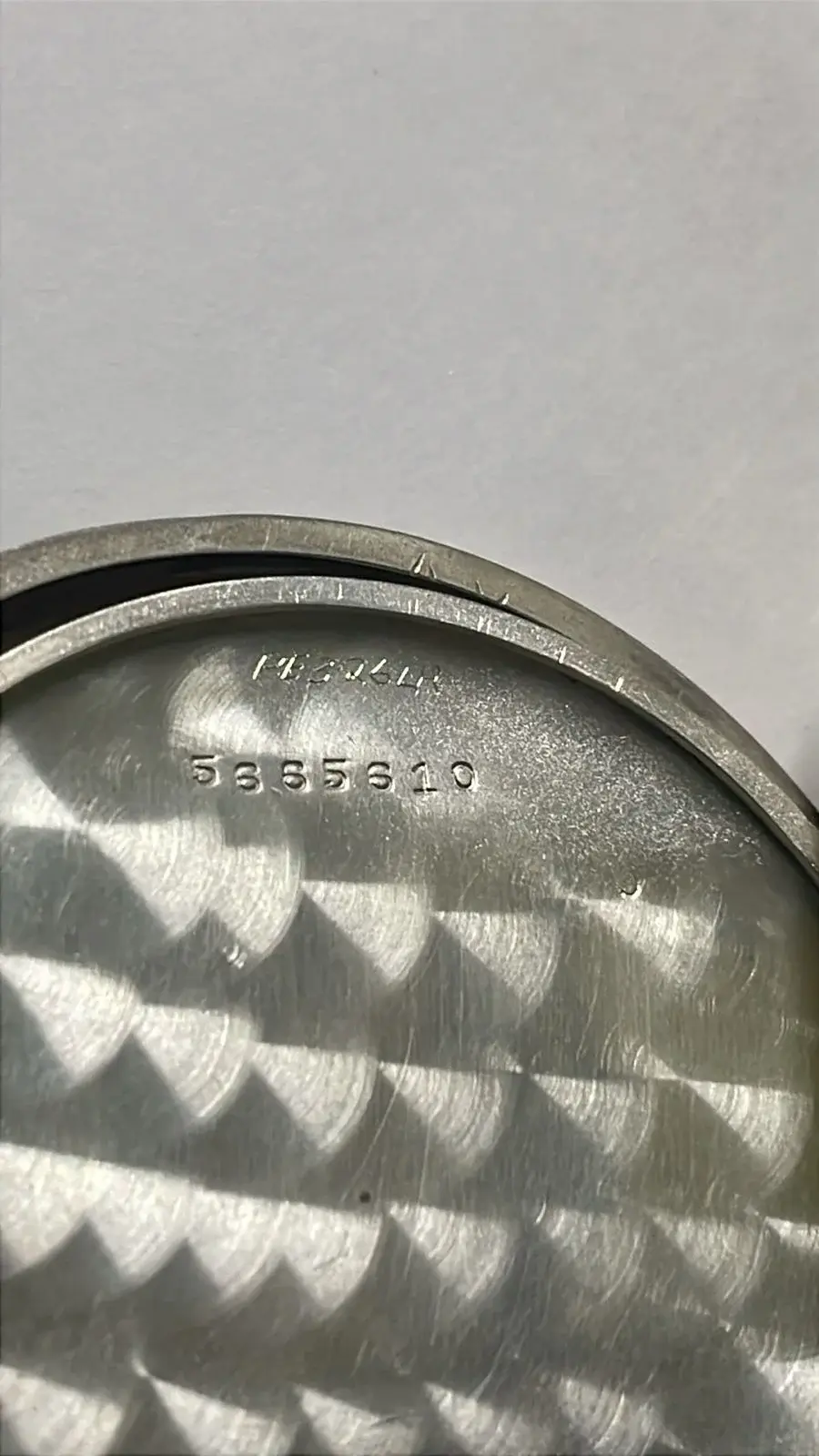
Case: .900 silver, measuring approximately 45mm in diameter, featuring "Bear" hallmarks (on the outer case back, inner dust cover, and next to the case number—one of which apparently shows the letter "B" for Bienne).
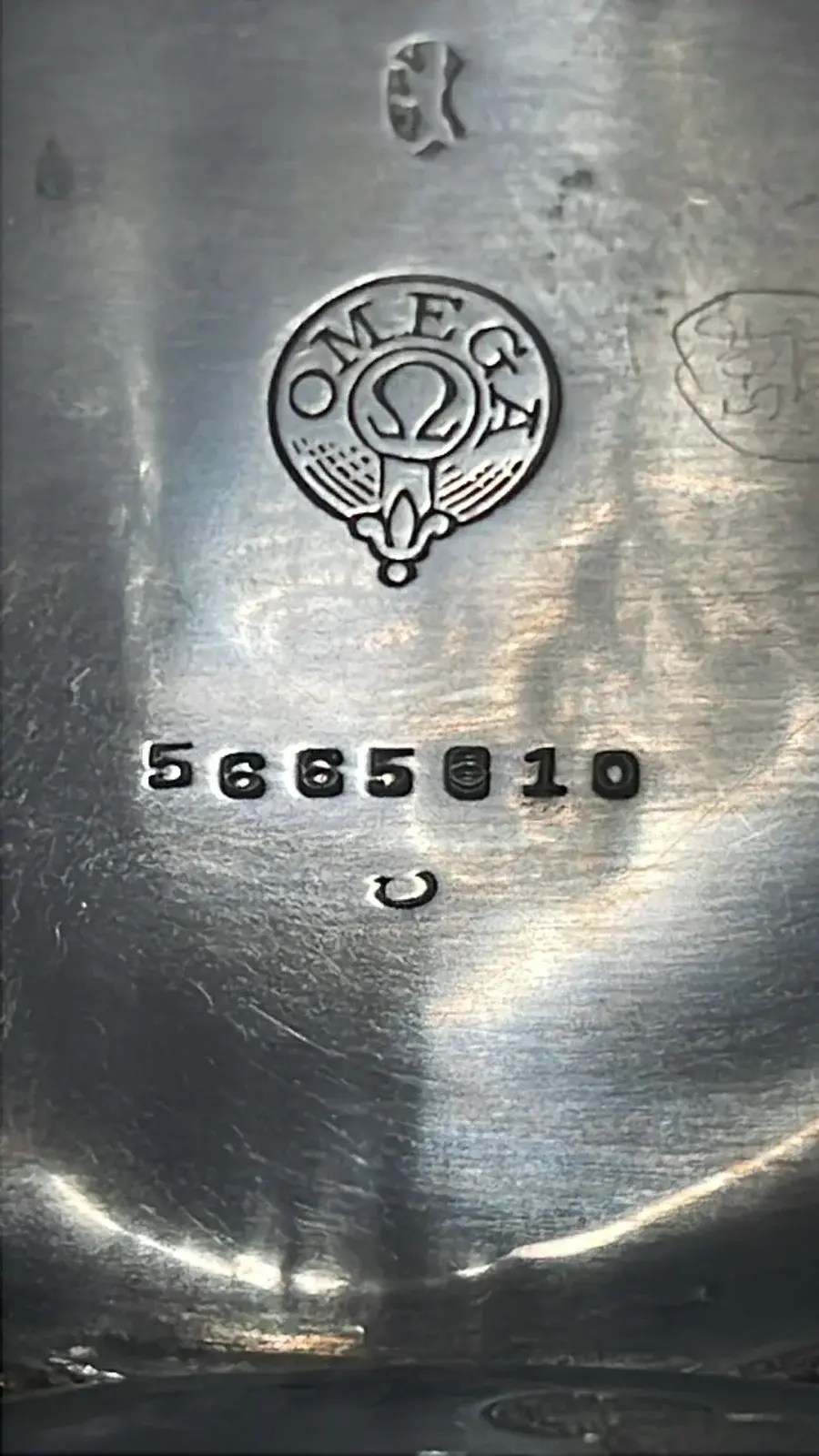
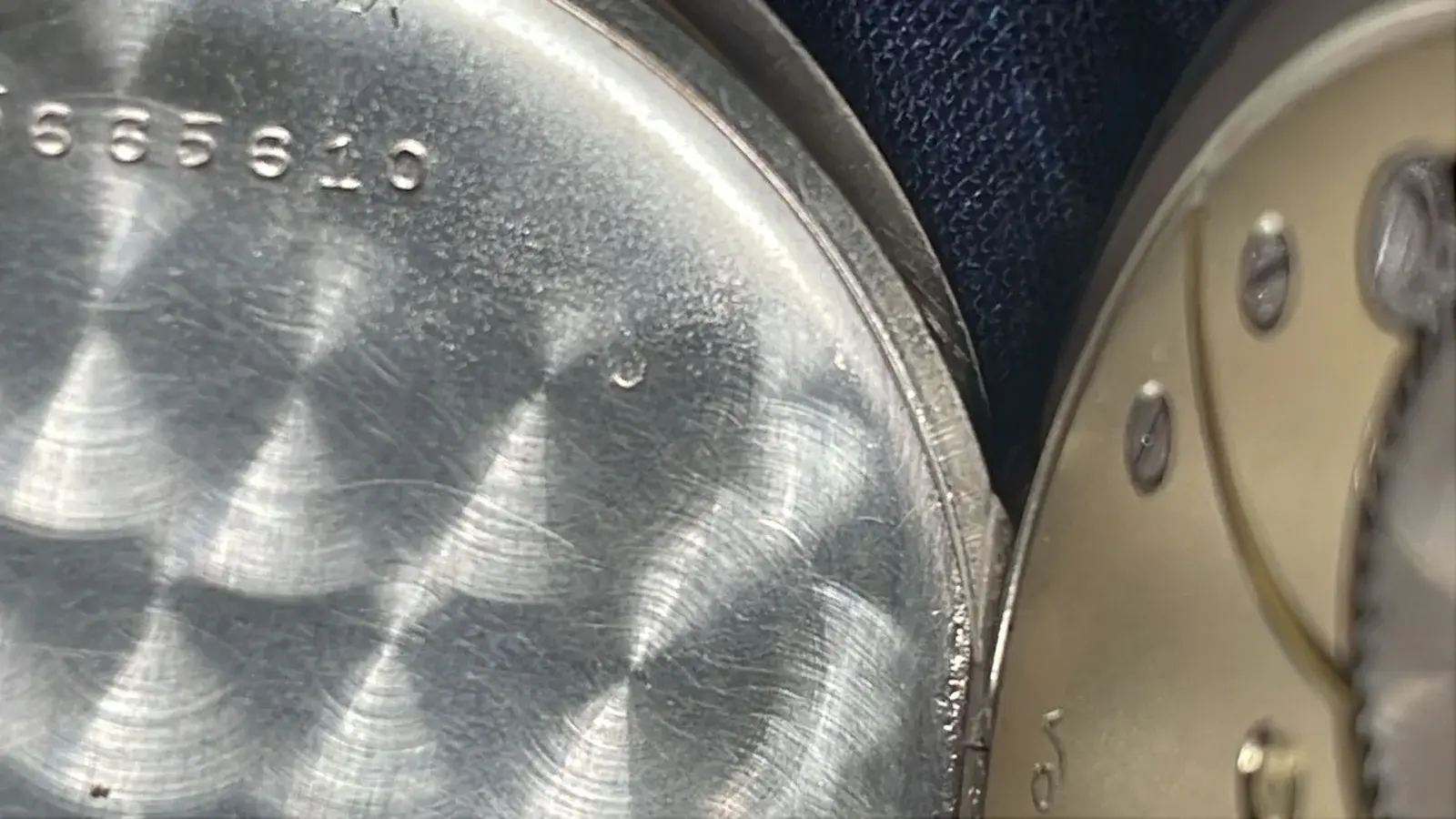
Case Serial Number: 5,665,610
Seconds Hand Status: The watch has undergone mechanical servicing and is running perfectly. The seconds hand was replaced with a period-correct one, but I would like to know if its design matches the original one that came with this specific watch (or if the original style was different).
Questions for the Forum:
- Meaning of the "c" hallmark: I noticed a small mark/stamp with the letter "c" engraved in more than one place on the watch. Does anyone know if this is a case maker's mark, an internal Omega code, a master watchmaker's stamp, or a period import/service mark?
- Caliber Identification: Based on the movement layout and bridge configuration, can anyone confirm the exact caliber designation (e.g., 18''' Lépine, 19''' Lépine, etc.)?
- Seconds Hand Design: For a dial with Louis XV hands, what was the geometry of the seconds hand originally used by Omega during this period (1907–1912)?
- Case and Movement Consistency: Does the case serial number (5,665,610) align precisely with the movement's production timeframe, indicating factory assembly? Does anyone have period Omega catalogs from Latin America or Europe that feature this model?
- Can anyone provide additional information to help me better understand the watch's history, or suggest where I might find more data on it?
Thank you all very much for your time and assistance!
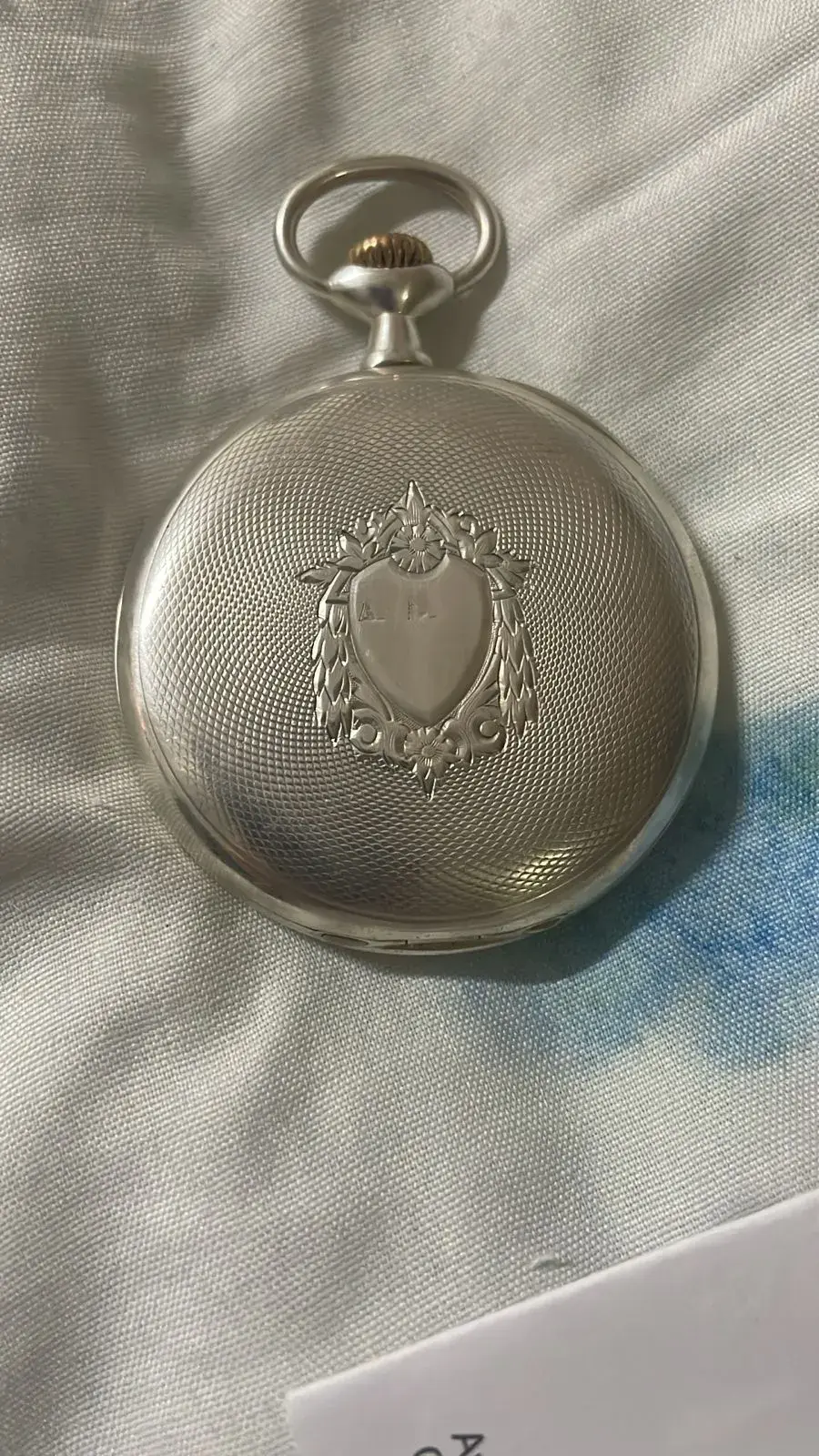
My name is Victor, and I’m a new member here. I’ve always enjoyed vintage items—pocket watches included. I finally found the time to do some research and acquired an Omega pocket watch dating from just before World War I, featuring a .900 silver case. What really won me over was the dial—made of porcelain and in practically perfect condition (without a single crack).
I would appreciate the help and expertise of the forum members in gathering some historical and technical information about this watch, which has recently undergone a complete overhaul.
Watch Details:
Dial: White porcelain (military/railroad style, bold numerals, perfect condition) with Louis XV-style main hands.
Movement: Omega mechanical movement, serial number 4,600,246 (estimated manufacturing period between 1907 and 1912—the "4 million" series, according to Omega itself).
Case: .900 silver, measuring approximately 45mm in diameter, featuring "Bear" hallmarks (on the outer case back, inner dust cover, and next to the case number—one of which apparently shows the letter "B" for Bienne).
Case Serial Number: 5,665,610
Seconds Hand Status: The watch has undergone mechanical servicing and is running perfectly. The seconds hand was replaced with a period-correct one, but I would like to know if its design matches the original one that came with this specific watch (or if the original style was different).
Questions for the Forum:
- Meaning of the "c" hallmark: I noticed a small mark/stamp with the letter "c" engraved in more than one place on the watch. Does anyone know if this is a case maker's mark, an internal Omega code, a master watchmaker's stamp, or a period import/service mark?
- Caliber Identification: Based on the movement layout and bridge configuration, can anyone confirm the exact caliber designation (e.g., 18''' Lépine, 19''' Lépine, etc.)?
- Seconds Hand Design: For a dial with Louis XV hands, what was the geometry of the seconds hand originally used by Omega during this period (1907–1912)?
- Case and Movement Consistency: Does the case serial number (5,665,610) align precisely with the movement's production timeframe, indicating factory assembly? Does anyone have period Omega catalogs from Latin America or Europe that feature this model?
- Can anyone provide additional information to help me better understand the watch's history, or suggest where I might find more data on it?
Thank you all very much for your time and assistance!