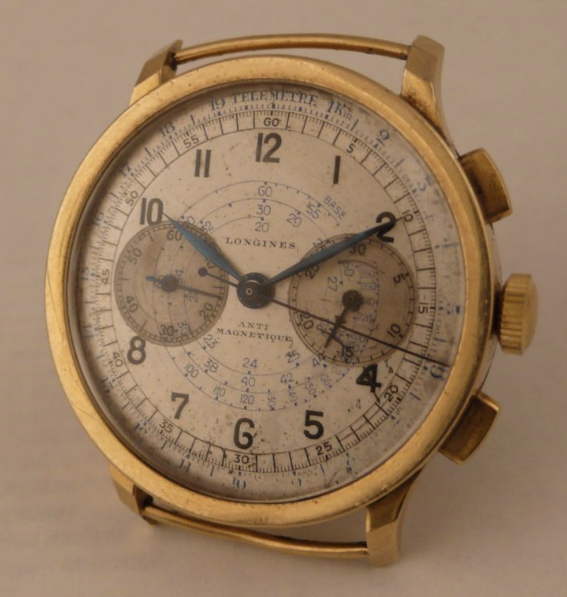
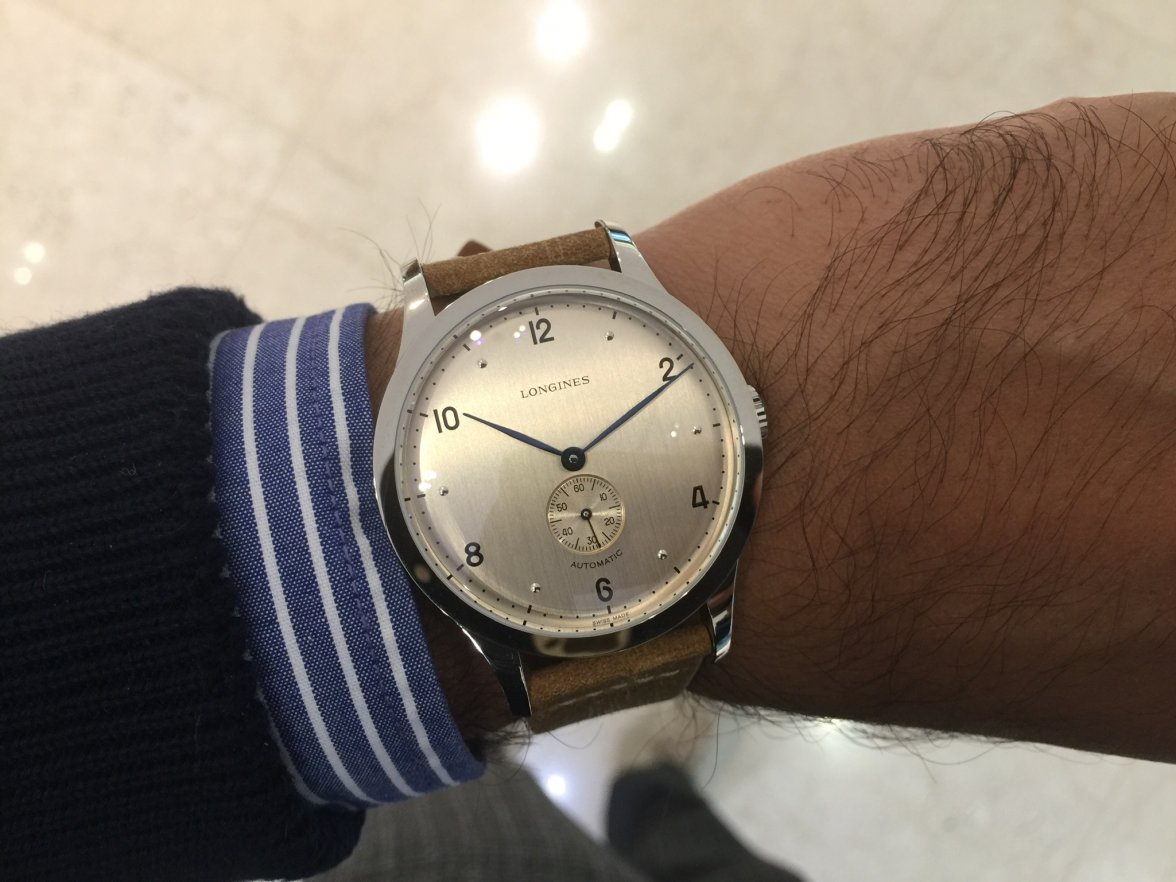
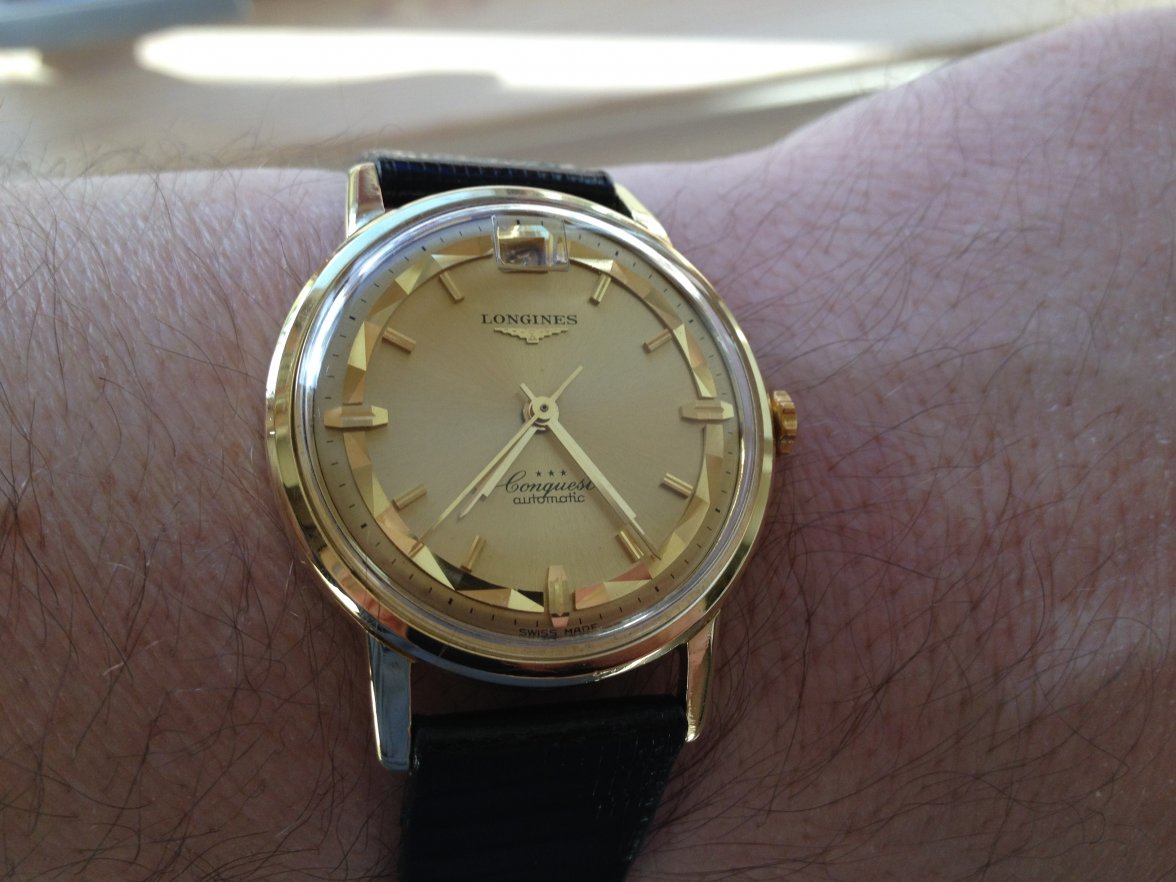
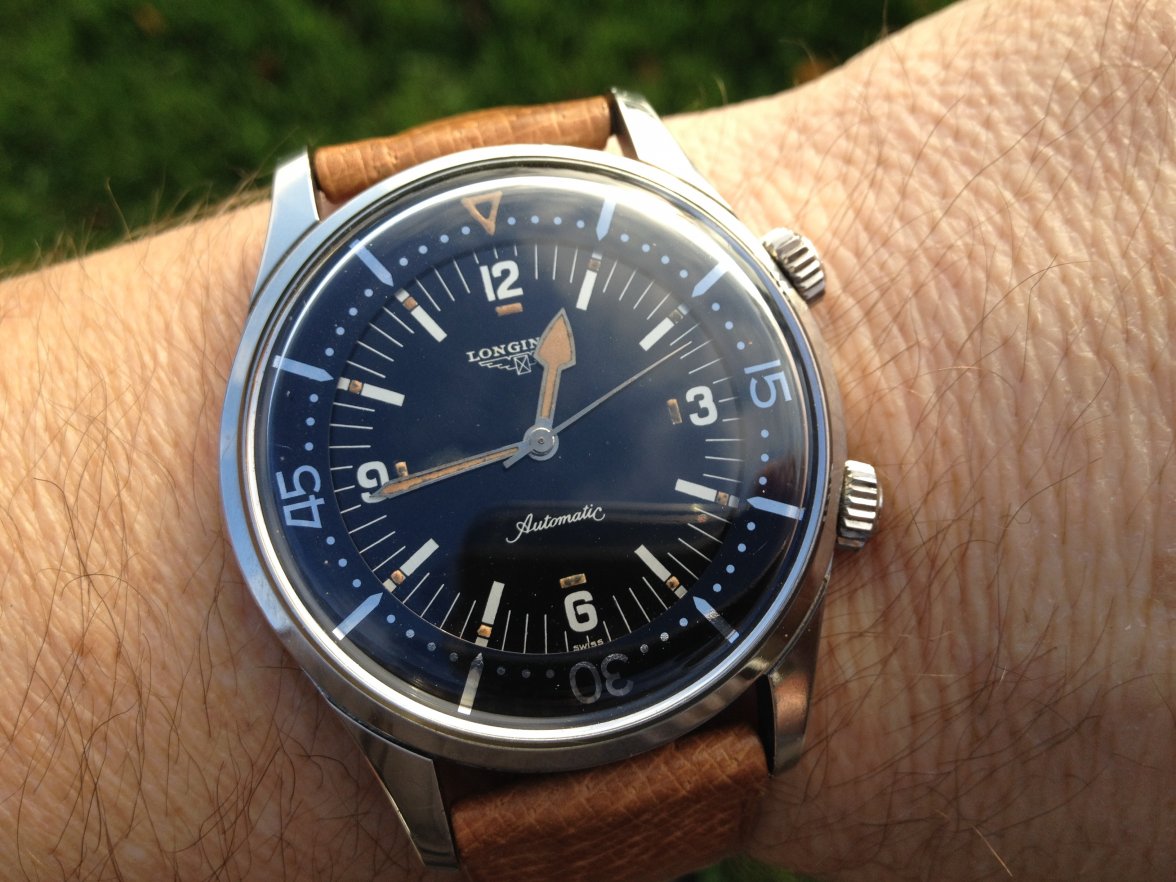
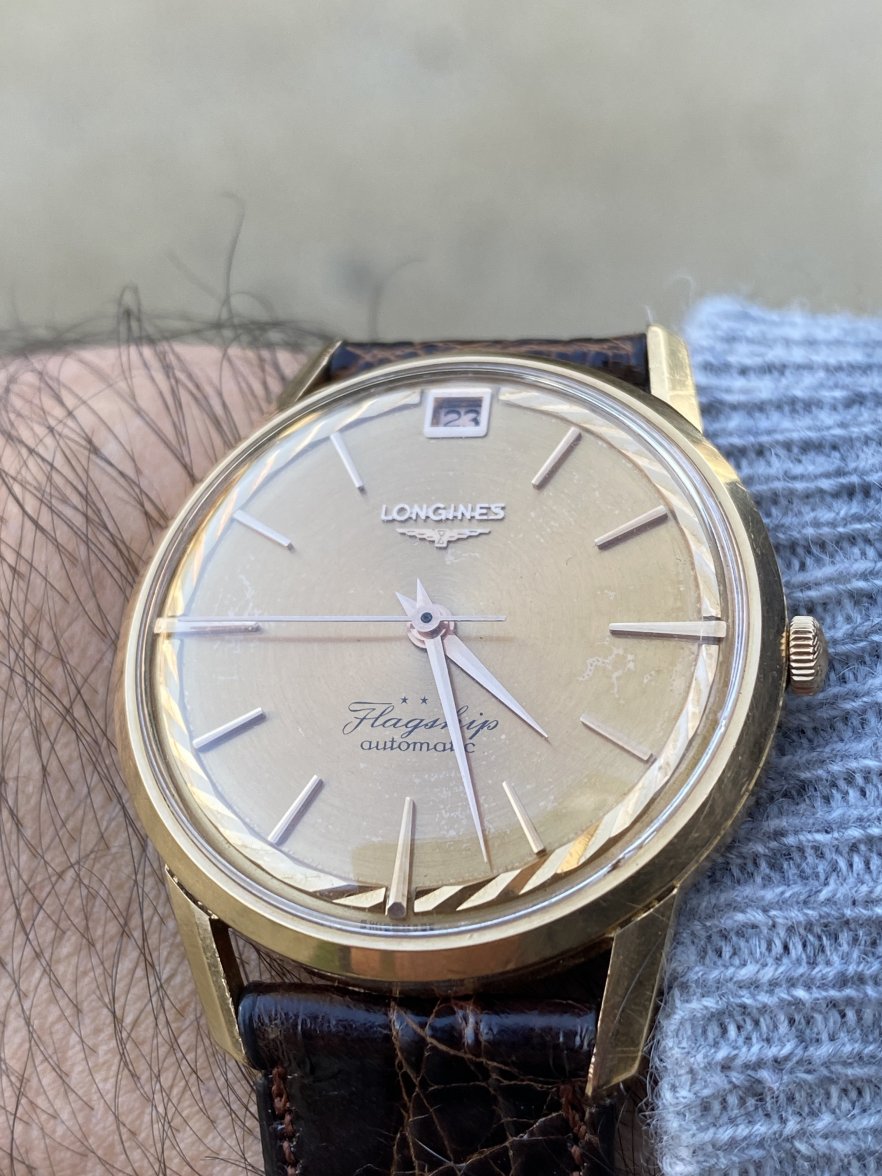
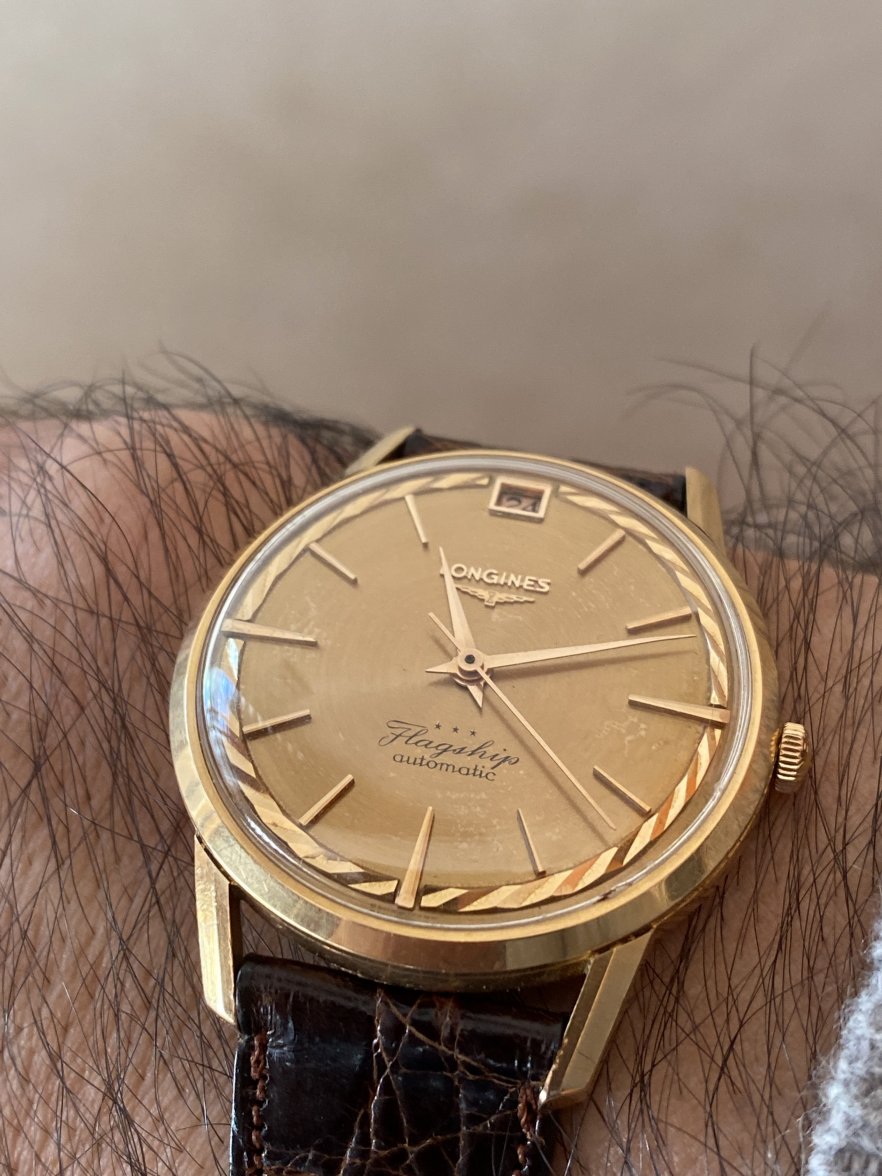
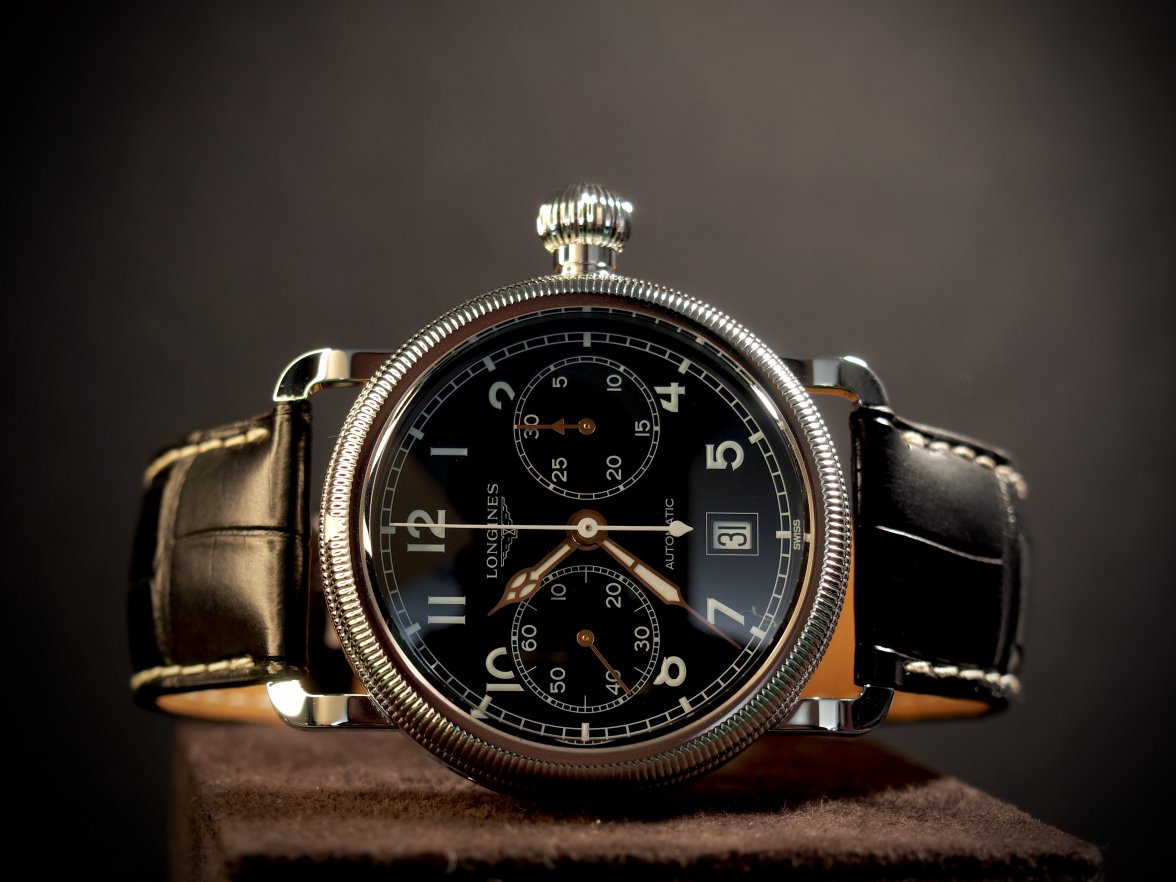
Anyone care to suggest why a classy looking 18ct European watch with this exceptionally unusual case would have solid lugs?
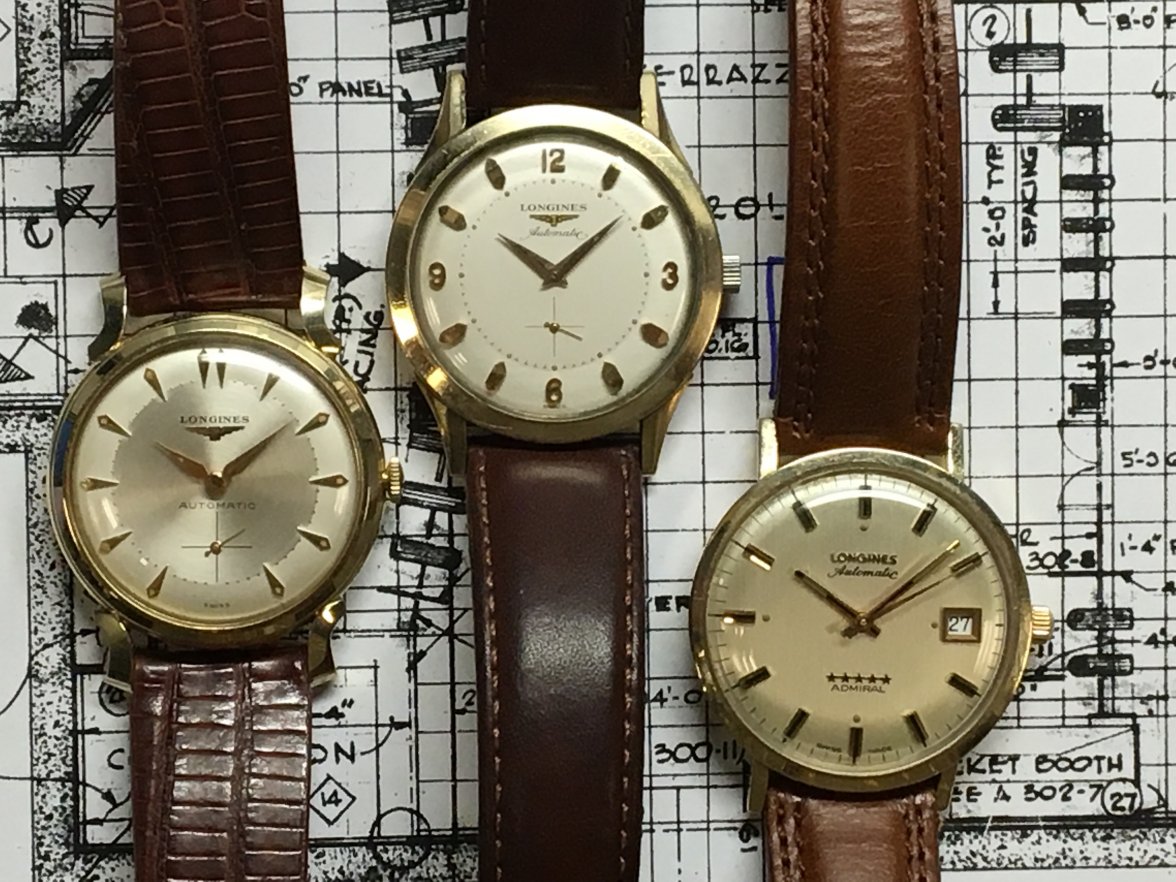
Fixed bars were quite common during this period, regardless of case material. They were common on military watches as they offered greater security, but they are also found on gold watches likely for strength and durability.
Anyone care to suggest why a classy looking 18ct European watch with this exceptionally unusual case would have solid lugs?
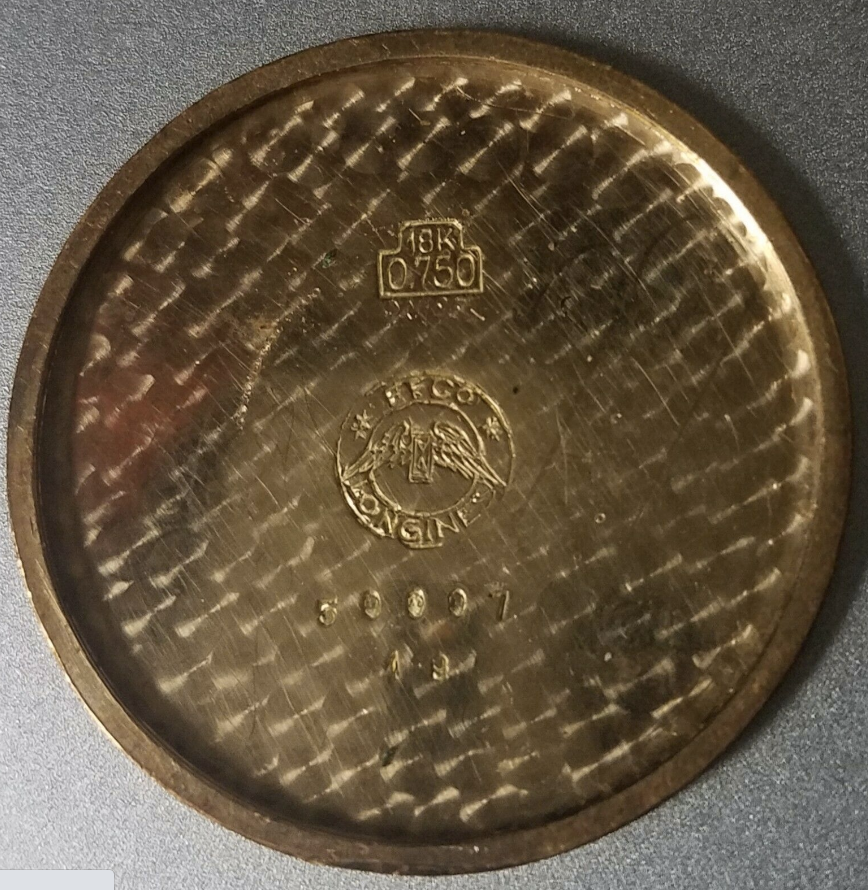
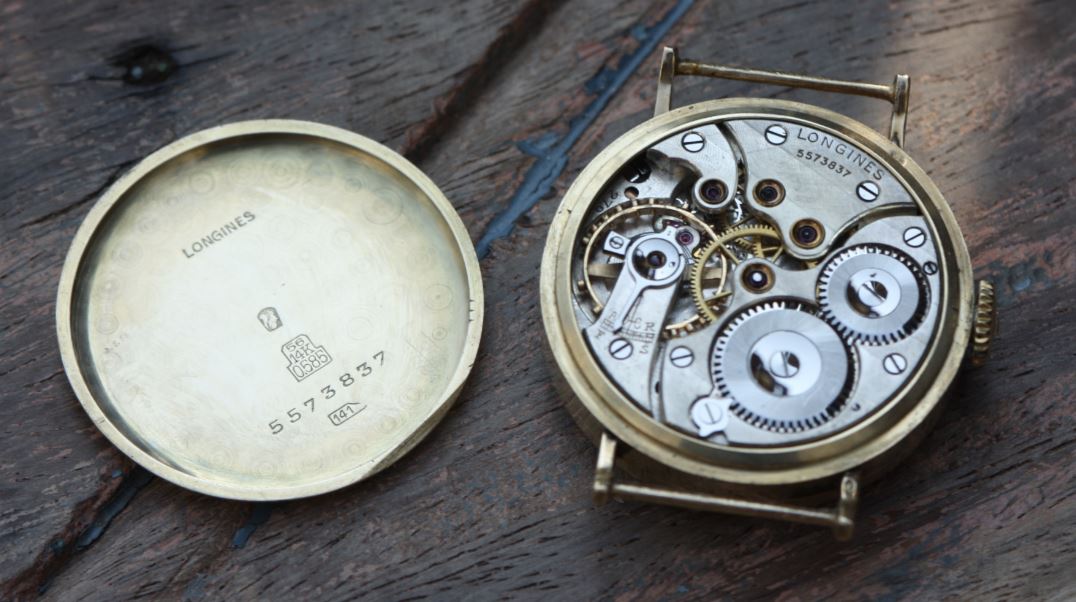
P.S. The case has fake Longines markings so it is certainly "exceptional," as you say. An authentic, gold, Swiss Longines case-back would have a maker's mark, a Helvetia, a serial number (given the period), and be much better executed. Below is a photo for posterity.
I know it sounds clever to say that sort of thing but You don't believe that, do you?
Not exactly sure what you are referring to. You think it merely sounds "clever" to say that gold watches had fixed bars for strength and durability? Gold is a soft material. Spring bars were usually made of harder metals that could wear down the lug holes over time. Also, many gold cases were quite delicate so a fixed bar added rigidity. I cannot say with complete certainty that this is why many gold cases from the 1930s and 1940s had fixed bars but it seems a reasonable explanation.
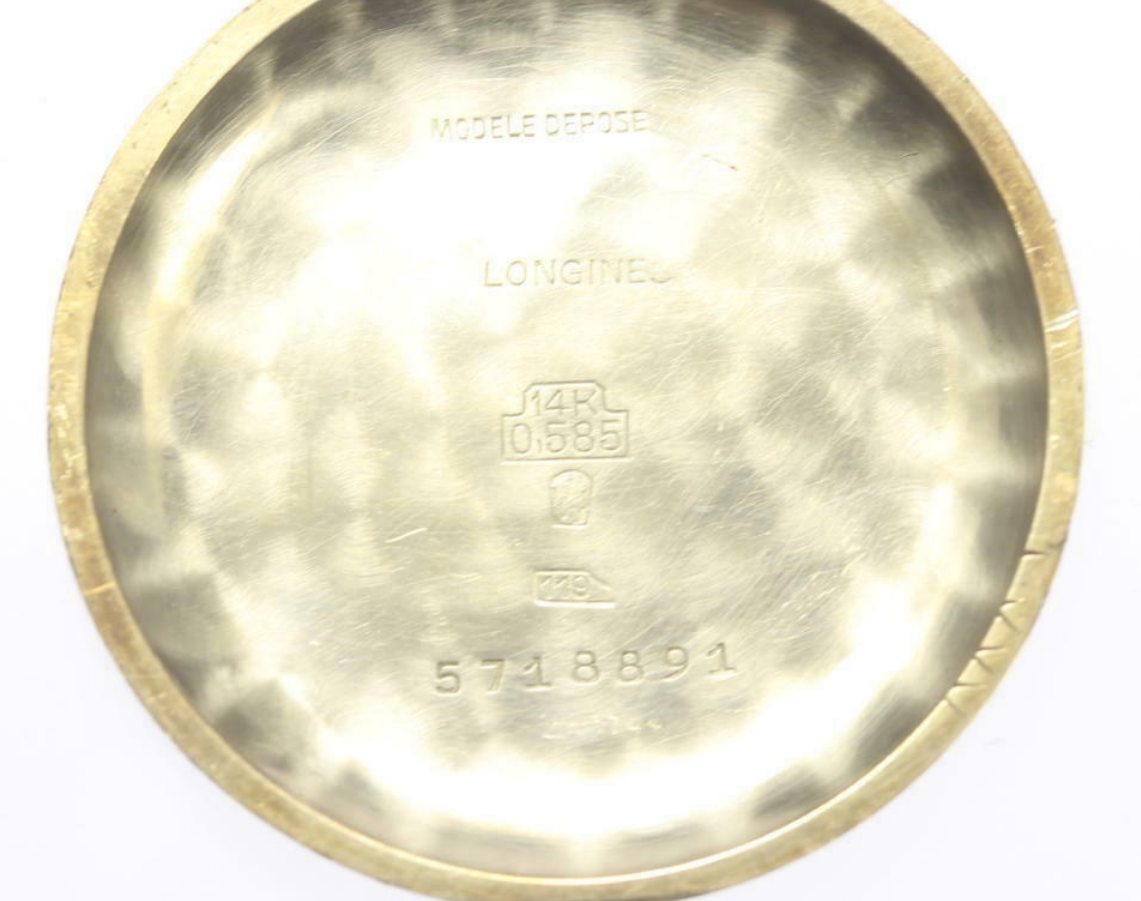
Adding another example with fixed bars (there are many) and an authentic case-back, for reference. I should have said above that an 18K case would have a Helvetia and a 14K case, a squirrel.
Why hasn't your case got the proper EF Longines markings? It looks a bit like someone has engraved the word LONGINES in the back?
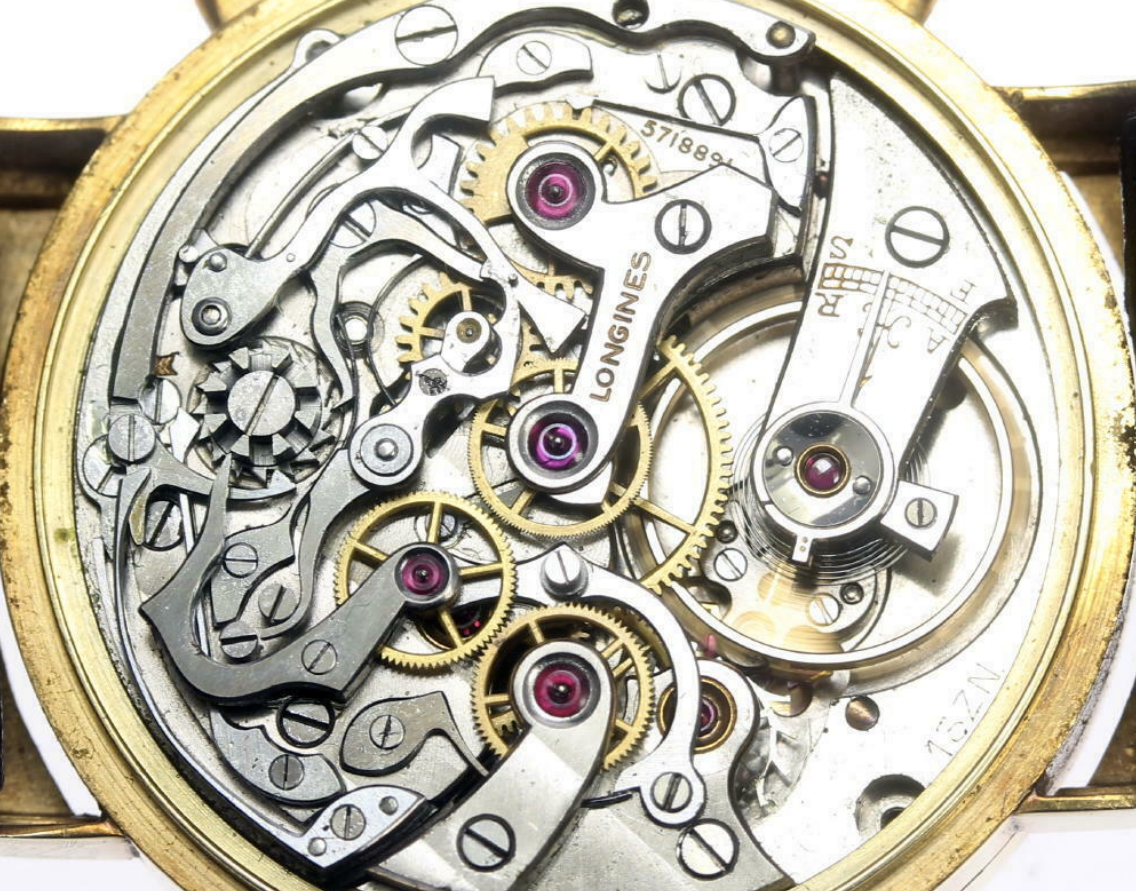
The EF Longines markings you are referring to would not be proper on a gold case from this period. The word LONGINES, as it appears, is correct. Take a look at other Longines with gold, Swiss-made cases from the mid-1930s and 1940s and you will see that the case markings on the cal. 27.0 (above) and 13ZN (below) I have posted are normal.
Curiously for an 18ct watch with a movement that colour, it also doesn't have a shock absorber
This can be explained by the serial number. Regardless of finish (e.g. rhodium, gilded) or case material, Longines movements with serial numbers earlier than around 5.7 million will not have shock protection (possibly with very few exceptions). Even early "tre tacche" sports watches did not have shock protection.